Tag: half

  • Thailand’s Online Scam Fallout: $273M Lost to Cyber Fraudsters in First Half of 2026

    Thailand’s Online Scam Fallout: $273M Lost to Cyber Fraudsters in First Half of 2026

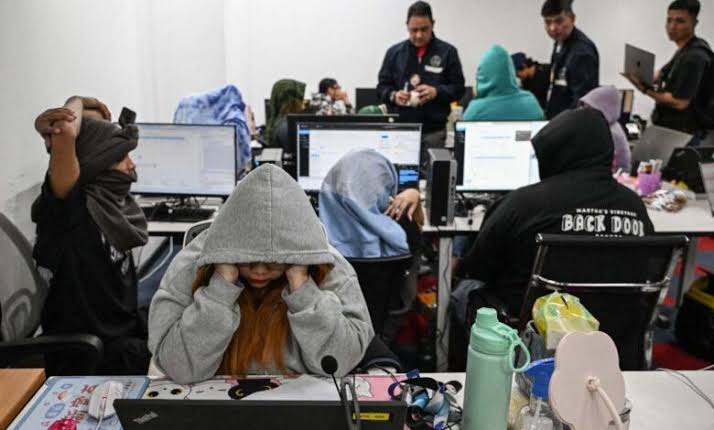
    In the first half of 2026, Thai citizens suffered significant losses from online fraud schemes, with the losses estimated to be nearly 9 billion Thai Baht (US$273 million). The frauds were executed through more than 170,000 reported cases of online deceit.

    According to the latest data from the Thailand Consumers Council (TCC), Facebook was identified as the primary platform for these scams, accounting for over 61% of all recorded cases. The types of scams varied, and included fraudulent pages and accounts, deceptive investment advertisements, schemes involving the buying and selling of merchandise, and cases of impersonation of individuals or organizations.

    Online Scams: A Widespread Concern

    While Facebook reported more fraud cases, the losses via the LINE platform were equally significant, illustrating that the problem is not restricted to one platform. The issue penetrates the entire digital ecosystem, which includes advertising, conversations, solicitations, and monetary transfers.

    As the losses have escalated, the TCC, along with affected consumers, have sought legal redress against the online platforms and associated financial institutions involved in the cases where victims were manipulated into investing via online channels.

    The lawsuits against these financial institutions revolve around alleged breaches of service contracts and deposit contracts, as well as claims of infringements on consumer rights. These legal actions aim not only to seek reimbursement for the initial group of 10 victims but also to tackle the broader issue of the level of responsibility digital platforms and associated service providers should shoulder for consumer safety.

    Legal Challenges and Future Measures

    There have been several challenges in the legal recourse process as some defendants have requested additional time to submit their defense statements. Others have leveraged their legal right to appeal on jurisdictional grounds, arguing the case does not constitute a consumer case.

    The TCC plans to continue pursuing these cases to ensure service providers take responsibility and establish enduring safeguards for consumer protection. The council emphasized that the scams extend beyond the creation of fake pages or accounts, pointing out that ‘mule’ accounts also serve as a key tool for swiftly transferring victims’ money.

    Plans are being developed to establish criteria for listing ‘mule accounts’ through collaboration between the Ministry of Digital Economy and Society, the Bank of Thailand, the Anti-Money Laundering Office, and the Thai Bankers’ Association. The central aspect of this plan is real-time data sharing among banks, a move that could lead to immediate suspension of accounts linked to fraudulent financial activities across all banks.

    Questions & Answers

    What is the estimated amount lost to online scams in the first half of 2026 in Thailand?

    The estimated loss is nearly 9 billion Thai Baht (US$273 million).

    Which platform recorded the highest number of scam cases according to the Thailand Consumers Council (TCC)?

    Facebook was identified as the primary platform for scams, accounting for over 61% of all cases.

    What measures are being taken to address this issue?

    Plans include pursuing lawsuits against online platforms and financial institutions implicated in scams, and initiating real-time data sharing among banks to quickly identify and suspend accounts linked to fraudulent financial activities.
  • Heineken Thrives in First Half of Fiscal Year Despite Cutting 3000 Jobs

    Heineken Thrives in First Half of Fiscal Year Despite Cutting 3000 Jobs

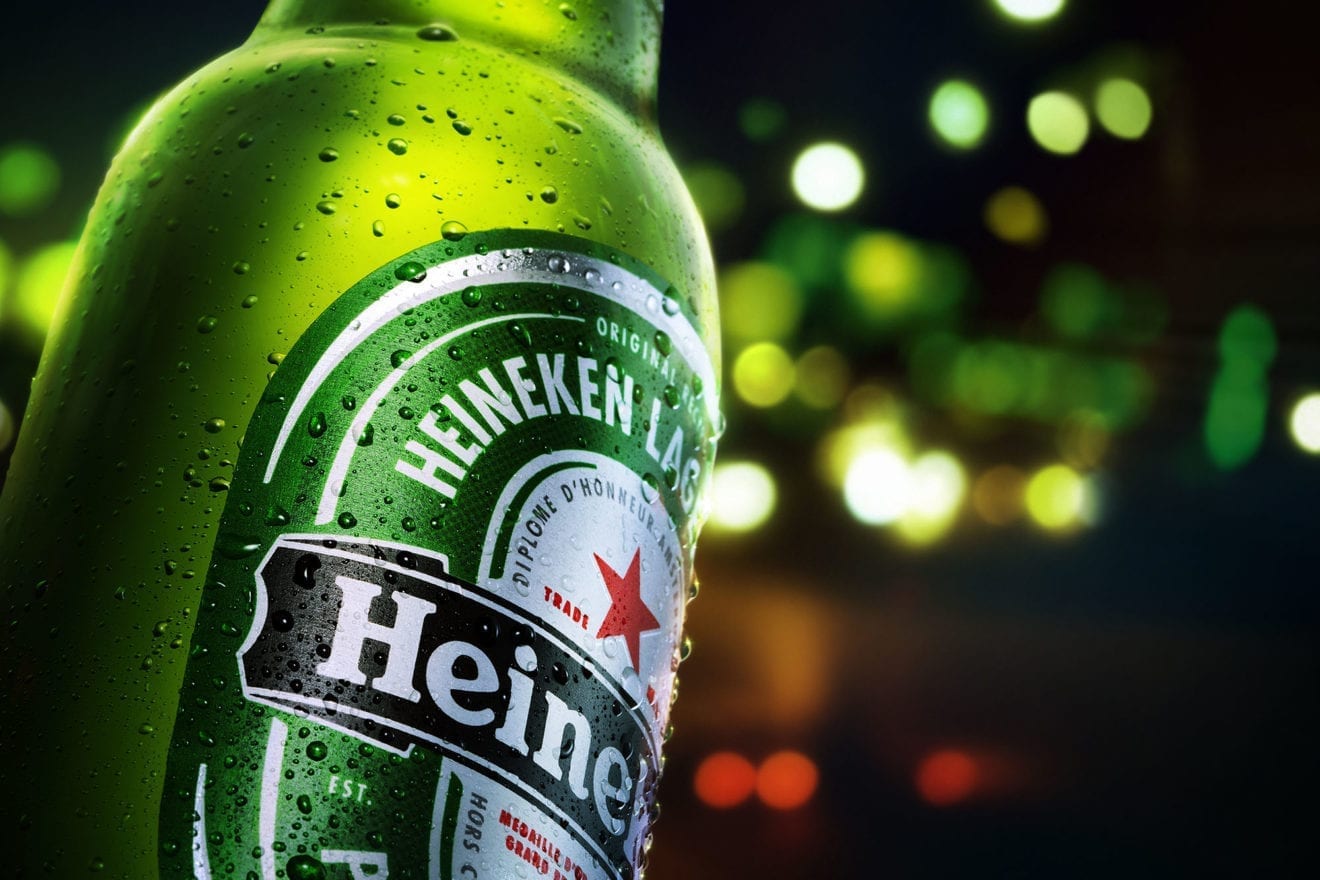
    Heineken, the renowned brewing titan, has reported a substantial surge in growth during the first half of this fiscal year, following its decision to eliminate 3000 roles within the organization.

    The company declared a $24.3 billion revenue during this period, signifying a 2.7% increment, and correspondingly, a net profit of about $2 billion, marking a 10.2% rise.

    The organization’s CFO, Harold van den Broek, gave an account of these financial outcomes prior to the scheduled appointment of the company’s prospective CEO, Rafa Oliveira, set to take the helm on October 1.

    Van den Broek articulated, “We recorded volume expansion and a sturdy operating profit surge, with all our five global brands witnessing growth and maintaining promising momentum in our premium and beyond beer portfolios.” He further added, “The performance is indicative of the caliber of our progressive growth, the flexibility of our advantageous footing, and our ability to acclimate and execute in a fluctuating landscape. We further initiated major measures to enhance productivity and foster future-ready competencies, ensuring we efficiently catalyze further growth.”

    The Asia Pacific region was Heineken’s most robust source of revenue growth, with a staggering increase of 10.57%. Conversely, the company’s year-on-year growth in the Americas remained static.

    Emphasizing the company’s cautious approach in light of uncertain circumstances, van den Broek remarked, “We have confidence in our strategy and its progress, but we continue to exercise caution due to the persisting macroeconomic and geopolitical volatility.”

    The company’s prudence was demonstrated earlier this year, in February, when it declared 3000 job cuts in the first half of the fiscal year. In addition to these job reductions, Heineken anticipates eliminating another 3000 roles before the onset of the next fiscal year. The company asserts that these cuts have considerably expedited organizational transformations.

    Questions & Answers

    What was Heineken’s net profit and revenue growth in the first half of the fiscal year?
    Heineken reported a $24.3 billion revenue, a 2.7% increase, and approximately $2 billion in net profit, a 10.2% increase.

    Who is set to become Heineken’s new CEO?
    Rafa Oliveira is expected to become the new CEO of Heineken, with his appointment scheduled for October 1.

    What is the company’s approach in response to ongoing macroeconomic and geopolitical uncertainty?
    Heineken is exercising caution and prudence in response to ongoing uncertainties, as evidenced by its job reduction strategy and emphasis on efficiency and productivity.

  • Every Half Brews Fresh Success: Scores $8M Series A Funding for Rapid Vietnamese Coffee Expansion

    Every Half Brews Fresh Success: Scores $8M Series A Funding for Rapid Vietnamese Coffee Expansion

    Vietnamese coffee brand, Every Half, has recently raised a total of US$8 million in a Series A funding round. The considerable investment comes courtesy of existing investors Openspace Capital and DSG Consumer Partners.

    The new capital will be used to facilitate comprehensive expansion across Vietnam, as well as deepening the company’s investment into its vertically integrated supply chain. Plans are also in place to increase the reach of its packaged coffee business.

    Diversifying the Coffee Sector

    Every Half is well on its way to extending its business operations beyond traditional cafes. The company is actively investing in coffee farming, proprietary fermentation technology, e-commerce, and business-to-business distribution.

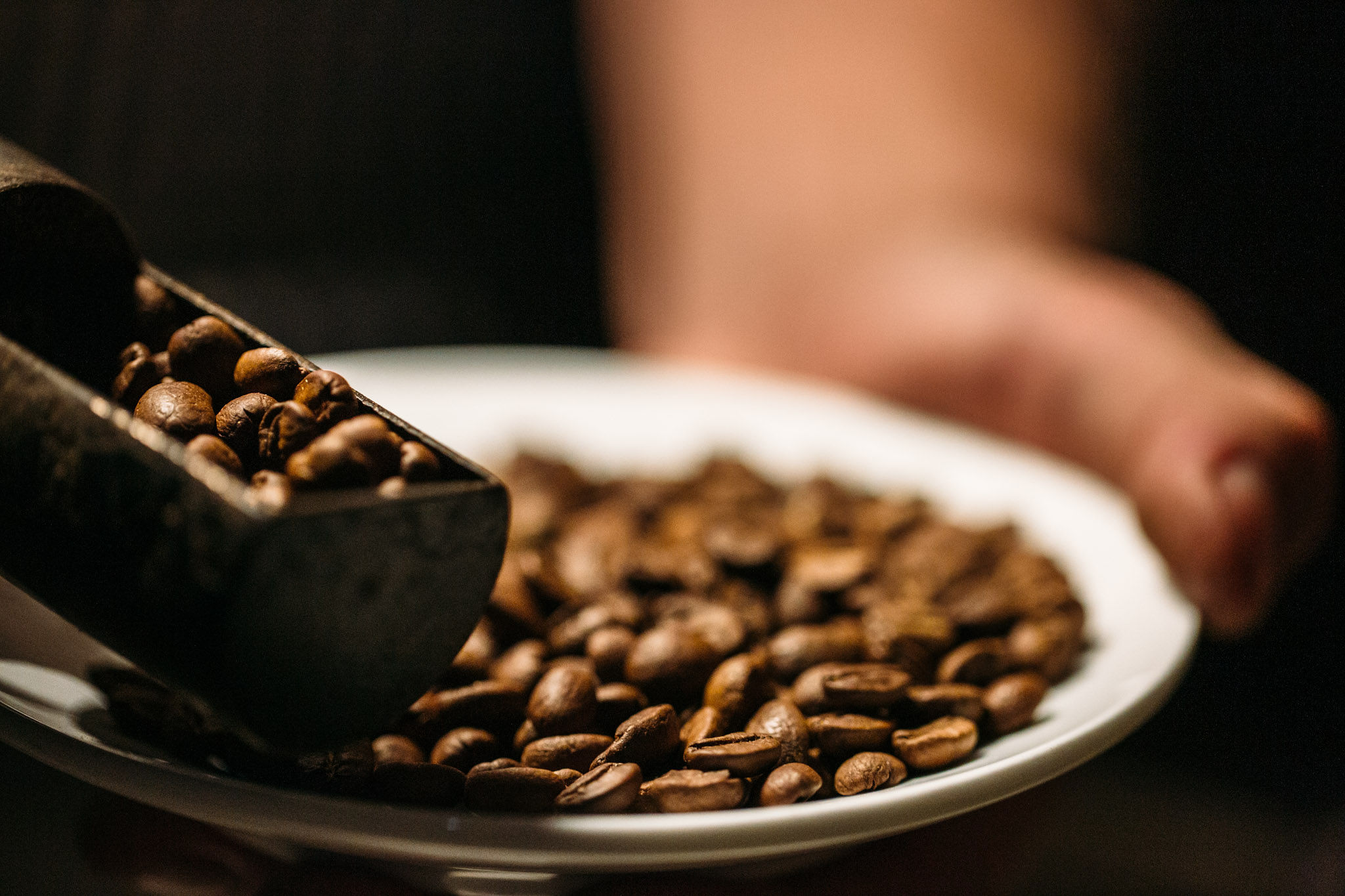
    As of now, Every Half manages 36 stores in numerous locations including Ho Chi Minh City, Hanoi, Danang, and Hoi An. The company is projected to almost triple its revenue this year. In addition to this, it has expanded its range of consumer products. From selling roasted coffee beans and brewing equipment online to exporting to markets such as Singapore, Thailand, and Taiwan.

    The latest funding round builds on previous investments from Openspace and DSG Consumer Partners. This follows an undisclosed seed round in 2024 topped by a $3 million pre-Series A funding round last year.

    Every Half was established in 2021 by ex-The Coffee House executives Vo Duy Phu and Tran Le Minh Truc. The company’s primary aim is to promote Vietnamese-grown specialty coffee through a wide-ranging business model that covers sourcing, processing, roasting, and retail.

    In 2024, when Openspace made its initial investment, it expressed support for Every Half’s ambition to transform Vietnamese coffee from a mere commodity export into a globally recognized premium brand. This highlighted the founders’ extensive experience in coffee sourcing, product development, and retail.

    DSG Consumer Partners echoed this sentiment, emphasizing the firm’s focus on specialty coffee, sustainable sourcing, and brand building as essential drivers of its long-term growth potential.

    Questions & Answers

    What is the primary focus of Every Half?
    Every Half aims to transform Vietnamese-grown specialty coffee into a globally recognised premium brand.

    How does the company intend to use the funds from the recent Series A funding round?
    The brand plans to use the funds to facilitate expansion all over Vietnam and to deepen their investment in their vertically integrated supply chain.

    What are some of the additional business avenues Every Half is exploring?
    Every Half is diversifying with investments in coffee farming, proprietary fermentation technology, e-commerce, and business-to-business distribution.

  • Malaysia Vows to Slash Reliance on Foreign Food by Half by 2050 for Enhanced National Food Security

    Malaysia Vows to Slash Reliance on Foreign Food by Half by 2050 for Enhanced National Food Security

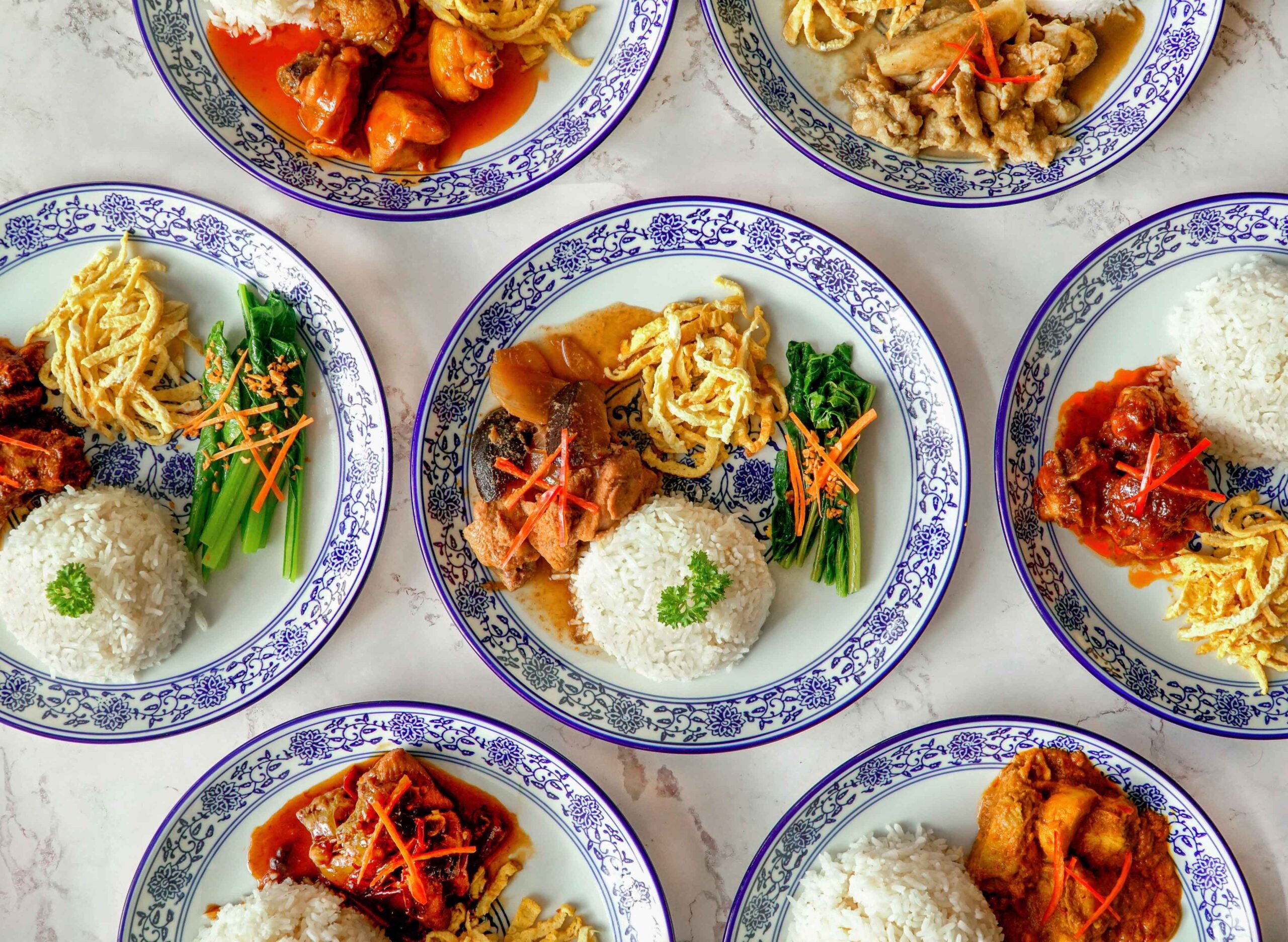
    Malaysia has outlined an ambitious plan to decrease its dependence on imported food by half by 2050 in an effort to bolster national food security. This objective arises as the nation grapples with an annual food import expenditure hitting around 80 billion MYR, or approximately US$20 billion, as per the statement of Ahmad Zahid Hamidi, Deputy Prime Minister and Minister of Rural and Regional Development, on July 4.

    Phased Implementation

    The strategy is set to be executed in stages, with intermediate milestones set at a 15% reduction by 2030 and just over 30% by 2040, before eventually realizing the ultimate aim by 2050. Hamidi stated that the strategy would focus on maximizing the use of underemployed and unused land owned by branches under the Ministry of Rural and Regional Development. This land would be transformed into agricultural and livestock production areas in order to increase domestic food production capacity.

    Hamidi further elaborated that the food security program has been active for the past three years and has already contributed to stabilizing prices, specifically through broiler chicken and egg production initiatives.

    Domestic Supply and Stable Prices

    Hamidi emphasized that the purpose of the plan is not to rival commercial producers. Instead, its primary focus is to guarantee an ample domestic supply and reduce price fluctuations. By increasing local production, Malaysia aims to obtain a more reliable and sustainable food source, reducing its vulnerability to global market changes and potential supply chain disruptions.

    Questions & Answers

    What is Malaysia’s goal with respect to imported food?
    Malaysia aims to cut its reliance on imported food by 50% by 2050 in order to enhance national food security.

    How does the country plan to achieve this objective?
    Malaysia plans to utilize underused and idle land owned by agencies under the Ministry of Rural and Regional Development, converting it into agricultural and livestock production zones.

    What is the purpose of this initiative?
    The goal is to ensure a sufficient domestic food supply and reduce price volatility, not to compete with commercial producers.