
Tag: handheld

  • Viettel to gift 4G phones to 700,000 2G subscribers

    Viettel to gift 4G phones to 700,000 2G subscribers

    State-owned telecom giant Viettel will spend VND300 billion (US$12.2 million) to gift 4G phones to 700,000 of its subscribers who still use 2G devices.

    The military-owned company announced Friday that the program, which aims to support a rapid switch to 4G networks, is meant for customers still using 2G phones who lack access to 4G devices due to their remote location or financial status.

    It plans to gift feature phones but with added cloud phone features that allow the use of some OTT apps.

    The program will run from now until the 2G network is shut down on Oct. 15, with eligible users getting a message instructing them to go to the nearest Viettel store or contact its local employees for support.

    Viettel said it would prioritize subscribers in mountainous regions affected by recent storms, like Lao Cai, Yen Bai, Tuyen Quang, Hoa Binh, Bac Kan, Son La, Dien Bien, Lai Chau, Cao Bang, and Ha Giang provinces.

    The Ministry of Information and Communications and telecom firms have been taking a number of measures to promote the shift from 2G. The number of 2G users declined from 11 million in July to three million now.

    Viettel has the most 2G subscribers of any network operator, but has seen over eight million switch to 4G devices this year.

    It recently installed over 6,000 new base stations nationwide to expand its 4G network coverage to 96% of the population, including four million new users in remote and rural areas.

    Pulling the plug on 2G will promote the adoption of 4G, which can help familiarize people with digital and online public services, and free up resources for network providers to focus on developing 5G and 6G technologies.
  • Japanese, Taiwanese cellcos suspend Huawei device sales

    Japanese, Taiwanese cellcos suspend Huawei device sales

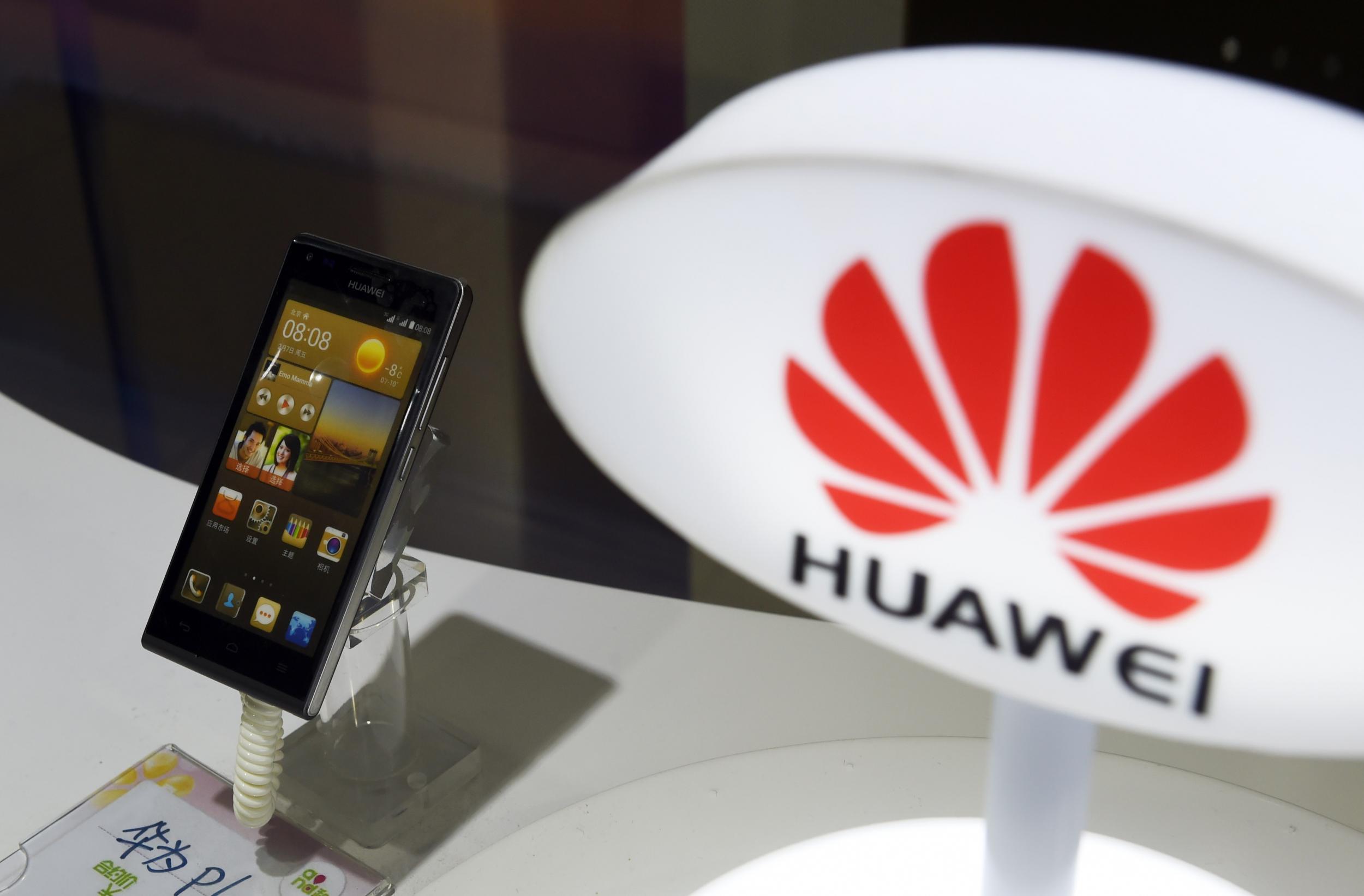
    The first crop of Asian operators have responded to the US trade ban on Huawei and its implication for Huawei’s access to the Android OS by freezing sales of new Huawei devices.

    Japan’s KDDI and SoftBank have both revealed plans to postpone the planned launch of Huawei’s new range of smartphones, which had initially been scheduled to launch this month.

    Meanwhile NTT Docomo has announced it will stop taking orders for the new devices, but has not yet announced plans to suspend the scheduled launch of a new high-end Huawei handset.

    But Huawei has insisted it will continue offering services and support for its existing products in Japan without disruption despite the decision.

    Meanwhile, in Taiwan, Chunghwa Telecom and Taiwan Mobile have both revealed they plan to stop selling Huawei devices after their current stocks sell out. The operators no longer intend to launch the latest crop of Huawei devices.

    The US Commerce Department last week officially added Huawei to the list of companies covered by president Donald Trump’s executive order declaring a state of emergency. The presidential declaration gave the government powers to regulate commerce by prohibiting US companies from trading with foreign companies deemed to present a national security threat.

    This decision has prompted a number of key Huawei suppliers to announce they will stop trading with the vendor – including Google, which said it will comply with the order and cut off Huawei’s access to Android.

    The Commerce Department has subsequently issued a 90-day reprieve allowing companies to continue trading with Huawei, but only to provide products and services required to maintain existing solutions.

    But Huawei will still be prohibited from using all but the open source version of Android in new devices and risks losing access to Google’s suite of services for even its existing devices after the 90-day window.

    Huawei has contingency plans in place such as its own operating system, which it has been developing for some time and promises at least some compatibility with Android apps, as well as its own app store.

    The Chinese vendor has repeatedly denied any suggestion that the Chinese government could use its equipment to spy on foreign nationals.