Tag: handset

  • Uncertified Android phones will lose support for an important app in March

    Uncertified Android phones will lose support for an important app in March

    The latter is making changes to its Messages app that will prevent some devices from receiving texts. One group of Android users that won’t be able to receive new texts will be those who own one of the latest Huawei models. Starting this coming March, Android phones considered to be “uncertified” will not be allowed to install and use the Messages app; this will affect millions.<

    Because of its placement on the U.S. Commerce Department's Entity List (due to its alleged ties to the Communist Chinese government), Huawei is not allowed to access its U.S. supply chain. That means that its phones cannot use Google software including the licensed version of Android. Because recent Huawei models like the P40 series and the Mate 40 series no longer feature security permissions from Google, the latter considers those Huawei models to be uncertified. Certified Android models are allowed to have Google's Android apps installed along with the Google Play Services ecosystem.

    Uncertified Android handsets are hard to find. But in the case of Huawei, the manufacturer's newer models are impacted by the firm's placement on the Entity List. If you install the latest listing of Google Messages from the Play Store (which is version 7.2, by the way) on an uncertified device, a message will appear that reads, "On March 31, Messages will stop working on uncertified devices, including this one." The warning is intended to prevent Huawei owners from sideloading Google Play Services onto their device which could allow them to install Google Messages on it despite any ban. The Messages app is not preinstalled on most Android phones and must be downloaded from the Play Store.

    Google might have decided to make this change because of the end-to-end encryption that has recently been added to the Messages app. Android phones without certification, including newer Huawei devices that have Play Services sideloaded, have not been able to have their security vetted. Thus, users who think that messages they are sending to friends, family members, co-workers and others using an "uncertified" device are protected by encryption, could actually be disseminating secrets that strangers are viewing.

    While there has been some hope that the punishments received by Huawei might be reversed under the Biden administration, so far there has been no word from the new president about his intentions vis-a-vis Huawei.
  • Nokia closes handset brand licensing deal

    Nokia closes handset brand licensing deal

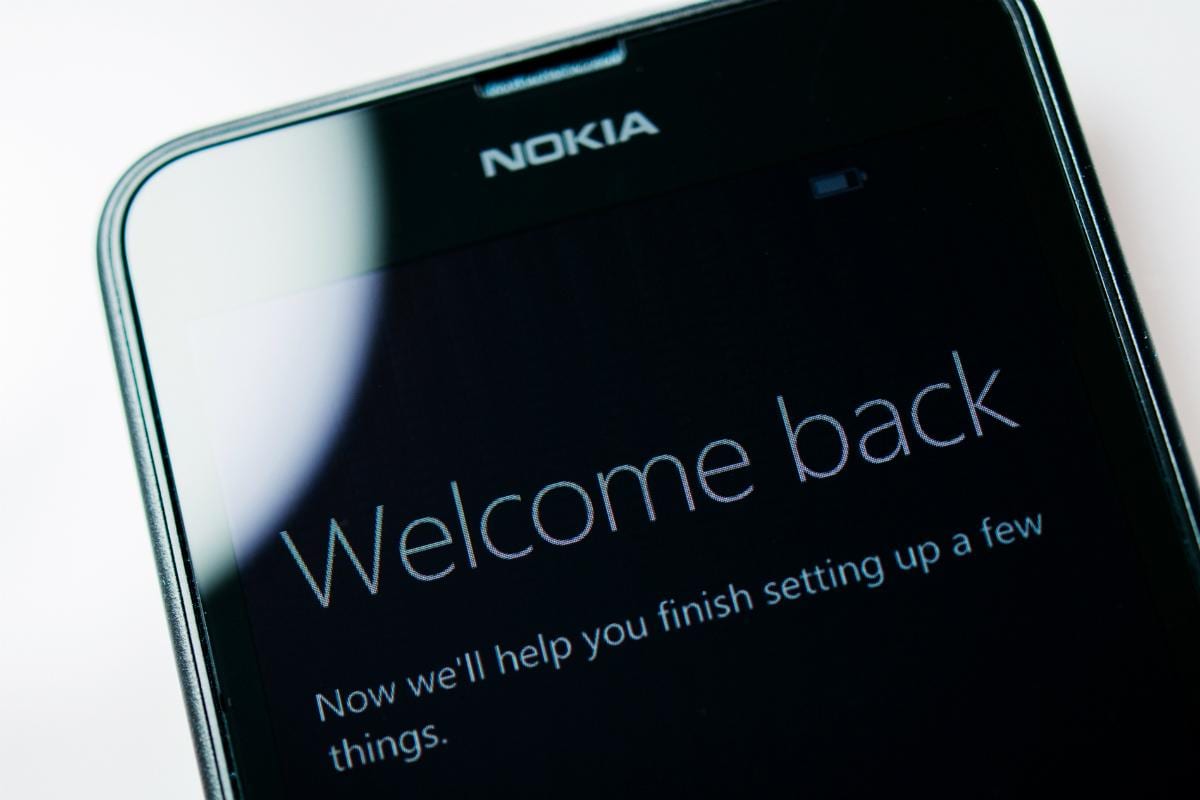
    Nokia has announced it has completed the transactions that will allow HMD Global to become the new brand licensee for Nokia feature phones, smartphones and tablets.

    HMD Global has secured an exclusive global brand license for a 10-year term. HMD was created by a group of former Nokia employees to revive the Nokia handset brand, and entered the exclusive licensing agreement with Nokia in May.

    The necessary transactions involved HMD, Hon Hai subsidiary FIH Mobile and Microsoft, following the latter’s ill-fated purchase of Nokia’s device business for $7.4 billion in 2013.

    HMD will continue to provide Nokia branded feature phones for emerging markets, and will also produce new Nokia smartphones and tablets for its device portfolio.

    Nokia will receive royalty payments on each sales covering both brand and intellectual property rights.

    “We’ve been overwhelmed by the enthusiasm shown around the world for the return of the Nokia brand to smartphones,” Nokia Technologies interim president Brad Rodrigues said.

    “The HMD Global team has the ambition, talent and resources to bring a new generation of Nokia branded phones to market, and we wish them every success. I’m sure our millions of Nokia fans will be excited to see their new products.”

  • India to become handset component hub

    India to become handset component hub

    India is on track to manufacture $80 billion worth of mobile phone components over the next five years, new research suggests.

    This will help India become a global manufacturing hub, the study conducted by IIM Bangalore and market research firm Counterpoint Research has revealed.

    This presents a significant opportunity from the domestic demand perspective to manufacture mobile phones in the country and source local components, driving the government’s Make in India initiative and reduce dependency on imports.

    “India can potentially be the world leader in mobile phone manufacturing ecosystem and this has to be done in a phased manner,” said Aruna Sundararajan, secretary, ministry of electronics and IT, government of India, at an event here where the study findings were released.

    India has beaten the US to become the second largest global smartphone market in terms of users in early 2016 and is on track to cross half a billion smartphone users mark within the next five years.

    The contribution of domestically manufactured mobile phones has increased from 14% in 2014 to 67% in 2016 and is further estimated to reach 96% by 2020. However, 67% of the handsets manufactured in India contribute to just six per cent of the true local value addition with most of the OEMs still importing Semi Knocked Down components (SKDs).

    “Out of 50 facilities from original equipment manufacturers to original design manufacturers and electronics manufacturing services to component suppliers involved in manufacturing of mobile phones in India, almost three-fourth are Indian manufacturers, followed by Taiwanese with 10% and Chinese with 10 %,” the study revealed.

    “Under the proposed plan, we estimate that more than $15 billion worth components will be sourced locally over the period of five years through 2020 creating over a million direct and indirect jobs in India.”

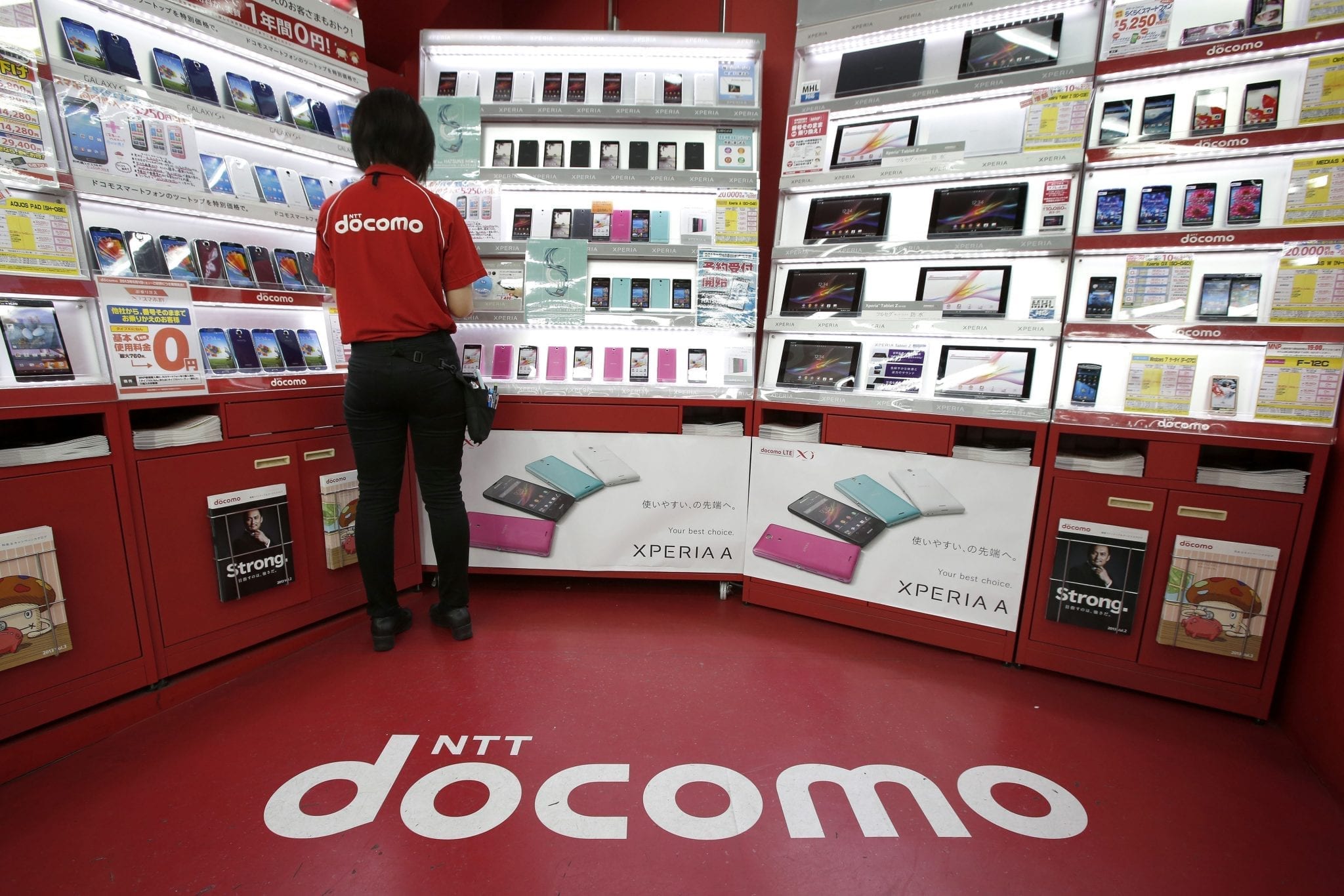
  • DoCoMo to phase out i-mode handset shipments

    DoCoMo to phase out i-mode handset shipments

    Japan’s NTT DoCoMo will end shipments of most feature phones compatible with its home-grown i-mode mobile internet standard by the end of the year.

    With the exception of some models such as devices for elderly users, production of phones with access to the i-mode service will cease this year.

    Of the six i-mode models currently available for general consumers DoCoMo plans to end shipments of five and stop selling the models as soon as existing stock runs dry.

    But DoCoMo plans to continue operating its i-mode email service for existing users.

    Production of i-mode handsets has been becoming more and more difficult due to supply chain issues – the parts and raw materials are becoming harder to find as the industry has almost entirely turned its focus to smartphones, the report notes.

    DoCoMo introduced the i-mode service in 1999, and the standard was partly responsible for the strong growth of Japan’s mobile market.

    At its peak nearly 50 million subscribers were using phones compatible with the service. This has fallen to 17.4 million this year – but this still accounts for around 30% of the operator’s subscriber base.

    Unlike true mobile broadband, i-mode can only deliver services that have been converted to use the technology over gateways, placing it at a significant disadvantage compared to smartphones using web browsers.