Tag: hang

  • Retail Guru Leo Tsoi to Spearhead Hang Lung Properties as New CEO

    Retail Guru Leo Tsoi to Spearhead Hang Lung Properties as New CEO

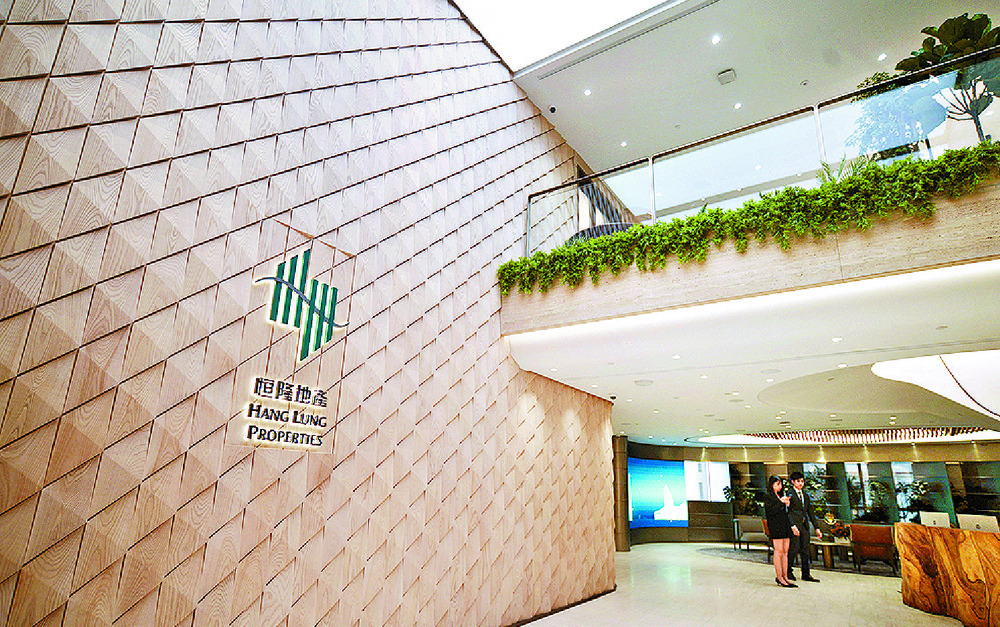
    Hang Lung Properties, a prominent Hong Kong property development firm, recently announced the appointment of retail expert, Leo Tsoi, as their new CEO and Executive Director. His tenure is scheduled to commence effectively as of October 1.

    In an initial phase, Tsoi will join Hang Lung Properties as the CEO-Elect and Executive Director, beginning on September 7. He is set to succeed the current CEO, Weber Lo, who will continue to serve in his role until September 30.

    Strategic Leadership Transition

    Building on a solid foundation of leadership and experience, Adriel Chen, the Chair of Hang Lung Properties, speaks highly of Tsoi as the right choice for the company’s future. Chen’s confidence in Tsoi’s ability to navigate the company towards its next growth phase is unwavering. In his view, Tsoi’s impressive leadership record marks him as the ideal person for the role and guarantees future prosperity for the organization under his guidance.

    In his address, Chen also expressed gratitude to the outgoing CEO, Weber Lo, acknowledging his significant contributions over the past eight years. He noted that Lo had left the company in a strong position, perfectly setting the stage for continued success in the future.

    Decades of Retail Expertise

    Tsoi comes with an impressive portfolio of over thirty years of experience in retail and business management. At present, he holds the position of CEO of Toys R Us Asia, where he has successfully steered the retailer’s venture into the thriving “kidult” market. His leadership has facilitated substantial growth across the regions of Greater China and Southeast Asia.

    Before his stint with Toys R Us Asia, Tsoi had been at the helm of Starbucks China as CEO, following numerous senior leadership roles within the company. Earlier in his career, he had also held managerial positions at well-known companies such as PepsiCo and Procter & Gamble China.

    In his response to the new appointment, Tsoi expressed keenness to work with Hang Lung’s employees, stakeholders, tenants, and customers. He highlighted his enthusiasm to be part of Hang Lung, a company with an expanding imprint and a commitment to operational excellence, making a significant influence on the communities it serves.

    Questions & Answers

    What experience does Leo Tsoi bring to Hang Lung Properties?
    Leo Tsoi brings vast experience, spanning over thirty years in retail and business management. He has served in numerous senior roles, including CEO of Toys R Us Asia and Starbucks China.

    Who will Leo Tsoi succeed as CEO of Hang Lung Properties?
    Leo Tsoi will succeed the current CEO, Weber Lo, who will remain in his role until September 30.

    What does Leo Tsoi’s appointment mean for Hang Lung Properties?
    Leo Tsoi’s appointment is expected to steer Hang Lung Properties into its next growth phase. His extensive leadership experience and track record in retail and business management are viewed as significant assets for the company’s future.
  • HSBC’s $13.6b Acquisition Of Hang Seng Bank: Independent Advisor To Evaluate Risks

    HSBC’s $13.6b Acquisition Of Hang Seng Bank: Independent Advisor To Evaluate Risks

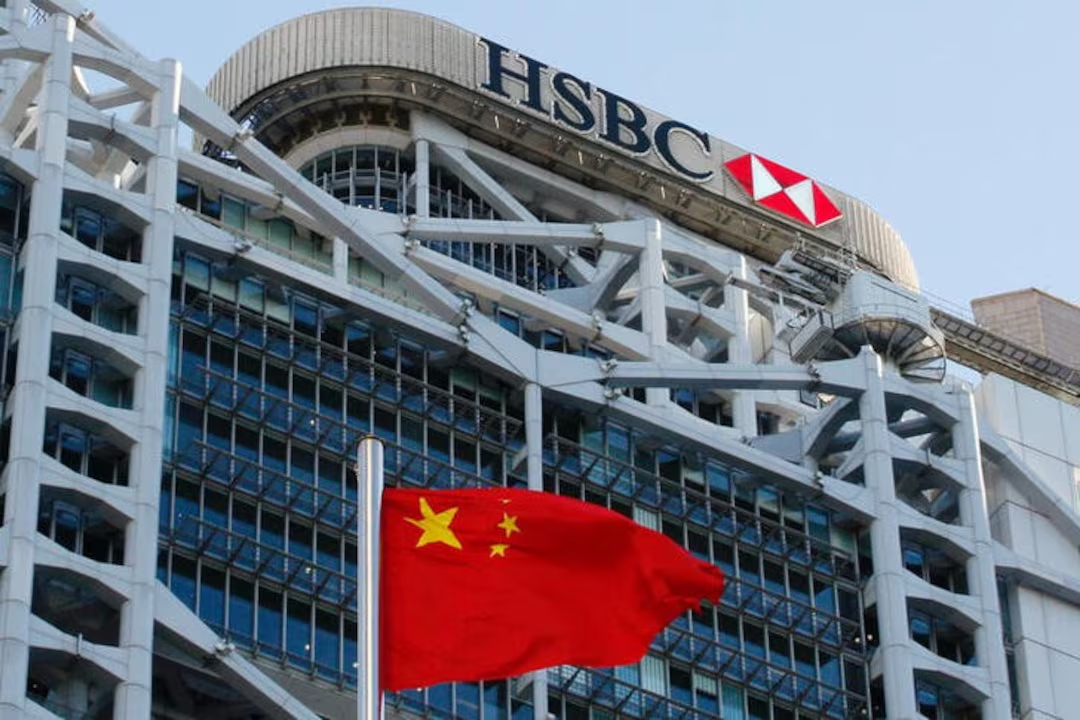
    Hong Kong’s Hang Seng Bank has enlisted the services of an independent advisor to evaluate its impending takeover by HSBC. Somerley Capital, a financial advisory firm, has been tapped to scrutinize the details of the deal, according to a recent filing made to the exchange.

    HSBC’s Proposed Acquisition

    Earlier this month, British banking giant HSBC, which currently holds a 63% stake in Hang Seng Bank, disclosed its intention to acquire the remaining shares and privatize the local bank. The proposed deal is estimated to be worth HK$106 billion ($13.6 billion).

    HSBC’s Chief Executive Officer, Georges Elhedery, has described the initiative as a strategic move aimed at boosting growth. However, there have been several concerns raised by observers about the potential risks the bank could be taking on.

    Assessing Risks

    Critics have noted that the acquisition would mean HSBC absorbing the risks associated with a decline in Hong Kong’s commercial real estate sector. Hang Seng Bank has reported HK$25 billion worth of impaired loans in this sector for the first half of 2025. As such, this deal would expose HSBC to the potential economic fallout from this downturn.

    Questions & Answers

    What is HSBC’s proposed acquisition of Hang Seng Bank worth?
    The acquisition is proposed to be worth HK$106 billion ($13.6 billion) and would see HSBC owning all shares in Hang Seng Bank.

    Who has Hang Seng Bank appointed as an independent advisor for the deal?
    Hang Seng Bank has appointed Somerley Capital as an independent financial advisor to assess the proposed acquisition.

    What risks are associated with HSBC’s planned takeover?
    The key risk associated with the takeover is the exposure to the downturn in Hong Kong’s commercial real estate sector, with Hang Seng Bank having reported impaired loans worth HK$25 billion from this sector in the first half of 2025.

  • HSBC’s Hang Seng Deal Bets on Long-Term Gains Beating CRE Risks

    HSBC’s Hang Seng Deal Bets on Long-Term Gains Beating CRE Risks

    HSBC’s recent proposal to purchase Hang Seng has raised questions due to the potential commercial real estate risk in Hong Kong. However, some experts believe that possible long-term advantages such as cost synergies may offset these concerns.

    Deal Details

    HSBC last week proposed to take over its Hong Kong-based subsidiary, Hang Seng Bank, by purchasing the remaining 37% stake currently held by minority shareholders for HK$106 billion ($13.6 billion). This transaction values Hang Seng at $155 per share, representing approximately a 30% premium at the time of the announcement. Hang Seng is expected to maintain its individual brand, banking license, and board.

    The acquisition will be entirely financed by HSBC, which plans to restore its CET1 ratio to its target operating range of 14-14.5% by generating capital organically and pausing any further buybacks for three quarters.

    Post-announcement, Hang Seng’s share price saw an increase of approximately 26%, while HSBC’s shares dropped by nearly 8%.

    Potential Bailout Concerns

    One of the most significant concerns surrounding the deal is Hang Seng’s exposure to Hong Kong’s commercial real estate (CRE) sector, which has been experiencing a sustained decline due in part to reduced rental demand and enduring vacancies. Close to half of HSBC’s Hong Kong CRE exposure is linked to Hang Seng, which reported HK$25 billion of impaired loans in the sector as of the first half of 2025.

    Reports indicate that Hang Seng was in the initial stages of selling more than $3 billion worth of property-backed loan portfolios following HSBC’s directive to its London-based global chief corporate credit officer and the head of its special credit unit to initiate such a process three months prior. Additionally, HSBC’s Hong Kong CEO Luanne Lim was appointed as Hang Seng CEO in September, replacing Diana Cesar who was promoted to Hong Kong vice chair at HSBC.

    However, HSBC CEO Georges Elhedery maintains that the deal aims to stimulate growth. He has stated that the Hang Seng transaction was not motivated by pressure to rescue the local lender and added that the British firm would consider further acquisitions in Hong Kong, with transaction banking and wealth identified as priority growth areas.

    Analysts’ Take

    The business community has offered mixed reactions to the deal, which is yet to receive approval.

    According to a UBS report, benefits could arise from increased exposure to the high return on tangible equity (ROTE) market in Hong Kong and simplified operations. However, concerns about provisions for CRE loans persist. Jefferies downgraded HSBC from a “buy” to a “hold” status after the planned $8.5 billion share buyback plan was scrapped, noting that the Hang Seng deal would have a neutral impact on earnings per share before synergies.

    Michael Makdad, a senior equity analyst at Morningstar, stated that “parent-subsidiary double listings are inherently problematic in terms of governance and in this sense, it’s a positive and long-overdue move. Of course, HSBC will need to pay a premium so it likely wouldn’t be positive in terms of my fair-value estimate for HSBC but there should be some opportunities for cost synergies.”

    Questions & Answers

    Q: What is the potential impact of the HSBC and Hang Seng deal?
    A: While increased exposure to the high ROTE market of Hong Kong and reduced operational complexity are expected benefits, there are concerns about provisions for CRE loans.

    Q: Has HSBC’s stock been affected by the announcement to buy Hang Seng?
    A: Yes, the announcement has led to an approximately 8% drop in HSBC’s share price.

    Q: Is there a risk of a bailout related to the HSBC and Hang Seng deal?
    A: There have been speculations about a potential bailout due to Hang Seng’s significant exposure to Hong Kong’s declining commercial real estate sector. HSBC’s CEO, however, maintains that the purchase is aimed at driving growth.