Tag: harajuku

  • Lululemon Opens 1,220-Square-Metre Harajuku Flagship in Tokyo

    Lululemon Opens 1,220-Square-Metre Harajuku Flagship in Tokyo

    Lululemon has opened a 1,220-square-metre flagship store in Tokyo’s Harajuku district, its largest retail location across the Asia-Pacific region. The multi-level site serves as the brand’s first global flagship in Japan, built to anchor its wider expansion beyond traditional yoga apparel.

    The store design incorporates a sculptural logo centrepiece built with Japanese furniture maker Karimoku and Torafu Architects. It features commissioned artworks referencing Meiji Shrine, Yoyogi Park and Ura-Harajuku, alongside the company’s first in-store personalisation services in Japan and traditional Furoshiki gift wrapping options.

    Local Design and Product Mix

    Assortments in the Harajuku store focus heavily on category diversification, stocking lines for running, training, golf, tennis and commuting. Apparel includes dedicated Asia Fit cuts tailored specifically to regional sizing preferences, moving the brand deeper into everyday activewear.

    Elliot Harris, Lululemon’s senior vice president and general manager for Asia Pacific, noted that Japanese consumers demand high standards of craftsmanship, longevity and product education. The flagship operates as a community venue hosting running events like the Hatsu Run and sessions with local brand ambassadors.

    Betting on Japanese Sports Apparel

    While many apparel chains across East Asia trim physical square footage to cut overhead, premium athletic labels are taking the opposite route in Tier 1 retail hubs. Japan’s sports apparel market is projected to expand into a US$15 billion sector by 2032, driven by sustained local participation in fitness, running and outdoor movement.

    RetailNews Asia views the Harajuku opening as a direct play for brand equity in a market where shoppers still place heavy value on physical store service before buying online. Large-format spaces allow athletic brands to justify premium price points by bundling experiential marketing with technical product demonstrations.

    Lululemon is monitoring foot traffic and conversion metrics at the Harajuku site as it evaluates flagship store formats for other key metropolitan markets across Asia Pacific.

  • Lululemon Debuts in Japan with Innovative Flagship Store in Tokyos Fashionable Harajuku District

    Lululemon Debuts in Japan with Innovative Flagship Store in Tokyos Fashionable Harajuku District

    Lululemon, the well-known Canadian athleisure brand, is set to break into the Japanese market with its first flagship store in Harajuku, Tokyo. The store is scheduled to open on August 19, marking a significant milestone for the brand’s international expansion.

    Lululemon’s Harajuku Connection

    The choice to situate their flagship store in Harajuku district, a melting pot of fashion and community spirit, was a strategic move by Lululemon to align with the brand’s identity. The brand expressed how the unique blend of history, culture, creativity, and freedom in Harajuku and Jingumae districts echoes the core values of Lululemon, which include movement, connection, and community. The brand’s appreciation for the diverse cultural energy in Harajuku, the historical significance of Meiji Jingu Shrine, and the vibrant vivacity of Yoyogi Park, is reflected in the ethos of their new store.

    The Harajuku flagship store will feature artwork inspired by the local culture and landmarks such as the Meiji Jingu Shrine and Yoyogi Park. This distinctive artwork, a result of collaborations with local artists, will add an authentic touch of the locale to the store.

    A Unique Shopping Experience

    In addition to offering their signature athleisure line, the store will also provide a unique shopping experience with a personalization service exclusive to the Harajuku store. Customers will be able to customize select products, such as embossing on the Everywhere Belt Bag and engraving on the Back to Life Sports Bottle.

    Stewart Tudor, President of Lululemon Japan, stated that the flagship store is not just a retail outlet, rather it aspires to be a community hub that fosters connections, ideas, and inspiration.

    Questions & Answers

    What is unique about Lululemon’s Harajuku store?
    The Harajuku store will incorporate artwork inspired by local culture and landmarks, created in collaboration with local artists. This store will also offer a unique personalization service for select products, exclusive to this location.

    What does Lululemon’s new store aim to be?
    According to Stewart Tudor, President of Lululemon Japan, the store aims to be more than a retail outlet. It aspires to function as a community hub that connects people and ideas, fostering new inspiration and possibilities.

    Why did Lululemon choose Harajuku for its first Japanese store?
    Harajuku and Jingumae districts are known for their unique blend of history, culture, diverse creativity, and free self-expression. These qualities align with Lululemon’s core values of movement, connection, and community, making it an ideal location for their flagship store.

  • Blue Bottle Coffee Unveils Flagship Store in Harajuku, Japan: A Fusion of Innovative Design and Local Flavors

    Blue Bottle Coffee Unveils Flagship Store in Harajuku, Japan: A Fusion of Innovative Design and Local Flavors

    Blue Bottle Coffee, the renowned global coffee brand, has launched a premier outlet in Harajuku, marking a significant step in its ongoing refinement of its retail format within Japan.

    A New Blend of Retail

    The Harajuku outlet is nestled in Jingumae near Cat Street, occupying a spatial expanse of approximately 83 square meters and accommodating 26 seats. The store showcases a unique design by Teki Design and harmoniously melds a stainless-steel façade with reflective interiors. This design subtly extracts and mirrors the vibrant streetscape, thereby encapsulating Harajuku’s trademark, visually engaging retail atmosphere.

    The store features a unique layout that departs from the conventional high-throughput service model. Its seating arrangement and spatial design encourage customers to linger, thereby fostering a more experiential approach that surpasses the mere transactional model.

    Brewing a New Retail Experience

    While the Harajuku outlet is termed a flagship store, Blue Bottle Coffee’s primary focus appears to be on format experimentation rather than territorial expansion. The new store introduces an array of innovative beverage offerings such as an updated cold brew along with seasonal drinks. Additionally, it offers a curated food menu designed to cater to the unique tastes of the local market.

    Blue Bottle Coffee first expanded its footprint into Japan in 2015 with the launch of its inaugural store in Kiyosumi, Tokyo. Since then, the brand has exponentially grown and now operates around 30 outlets, with most of them located in the bustling Tokyo metropolitan area.

    In 2021, Blue Bottle Coffee expanded its global presence by inaugurating its first outlet in Singapore, thereby marking its initial foray into the Southeast Asian market.

    Questions & Answers

    What is the new approach adopted by Blue Bottle Coffee in its Harajuku store?
    Blue Bottle Coffee’s Harajuku store adopts an experiential approach, focusing on longer customer dwell times rather than a purely transactional model.

    What new offerings does the Harajuku store introduce?
    The Harajuku store introduces new beverage offerings, including an updated cold brew and seasonal drinks, and a curated food menu tailored to the local market.

    When and where did Blue Bottle Coffee make its first debut in Japan?
    Blue Bottle Coffee first debuted in Japan in 2015 with its initial outlet in Kiyosumi, Tokyo.

  • Ikea Japan Bids Farewell to Harajuku and Shinjuku Outlets: A New Chapter in Urban Retail Strategy

    Ikea Japan Bids Farewell to Harajuku and Shinjuku Outlets: A New Chapter in Urban Retail Strategy

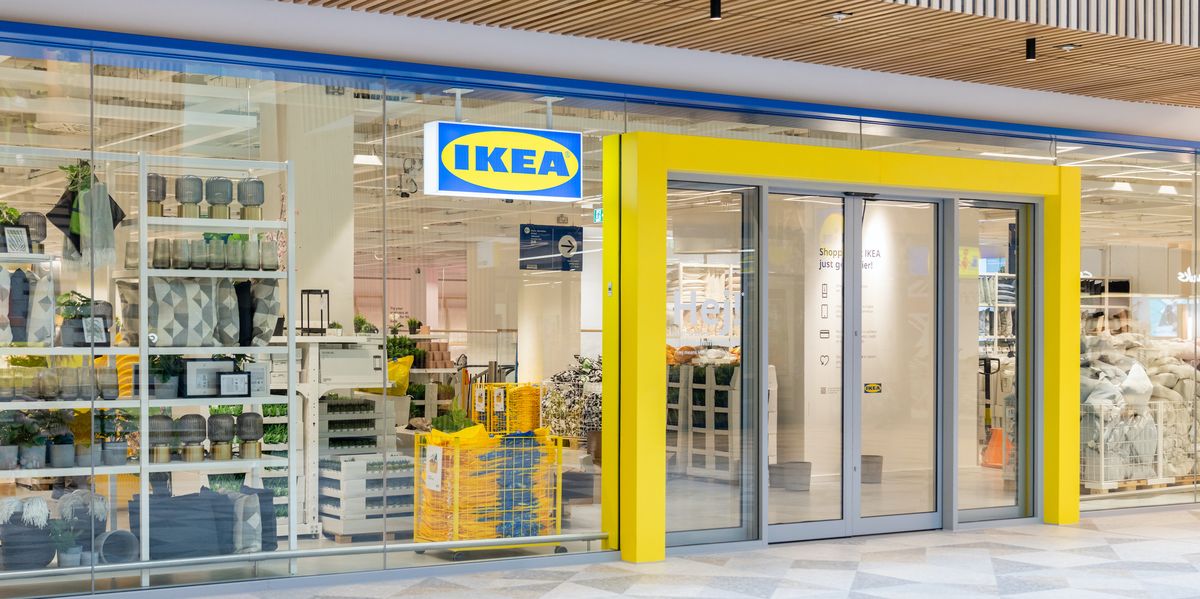
    IKEA Japan is set to shut down its Harajuku and Shinjuku city-format stores later this month. This brings an end to the retailer’s brief yet notable venture in two of Tokyo’s bustling shopping districts.

    Details of the Store Closures

    The renowned Swedish home furnishings group has confirmed that operations at both locations will cease on February 8, with doors shutting at 6 pm. This decision is part of a larger examination of IKEA Japan’s urban store network and its multichannel strategy.

    The Harajuku store was inaugurated in 2020, followed by the Shinjuku store in 2021. IKEA’s objective was to engage with younger, urban consumers by introducing smaller-format stores.

    IKEA’s Future Plans

    Despite the closures, IKEA has expressed plans to further solidify its presence in central Tokyo. The IKEA Shibuya will serve as the main city store, supplemented by larger suburban stores and its digital platform.

    In addition to these changes, IKEA also declared last month that it plans to close seven stores in China as of February 2. The list includes one suburban Shanghai location, another in Guangzhou, and multiple others in the second-tier Chinese cities of Nantong, Xuzhou, and Harbin.

    Questions & Answers

    When are the IKEA stores in Harajuku and Shinjuku closing?
    The stores are scheduled to close on February 8, with operations ending at 6 pm.

    What is the reason behind IKEA’s decision to close these stores?
    The decision to close the Harajuku and Shinjuku stores is part of a comprehensive review of IKEA Japan’s urban store network and omnichannel strategy.

    What are IKEA’s plans for its presence in Tokyo following these closures?
    IKEA plans to enhance its presence in central Tokyo, with the IKEA Shibuya serving as the main city store. This will be supplemented by larger suburban stores and the company’s online platform.

  • Adidas Japan to launch brand centre in Harajuku

    Adidas Japan to launch brand centre in Harajuku

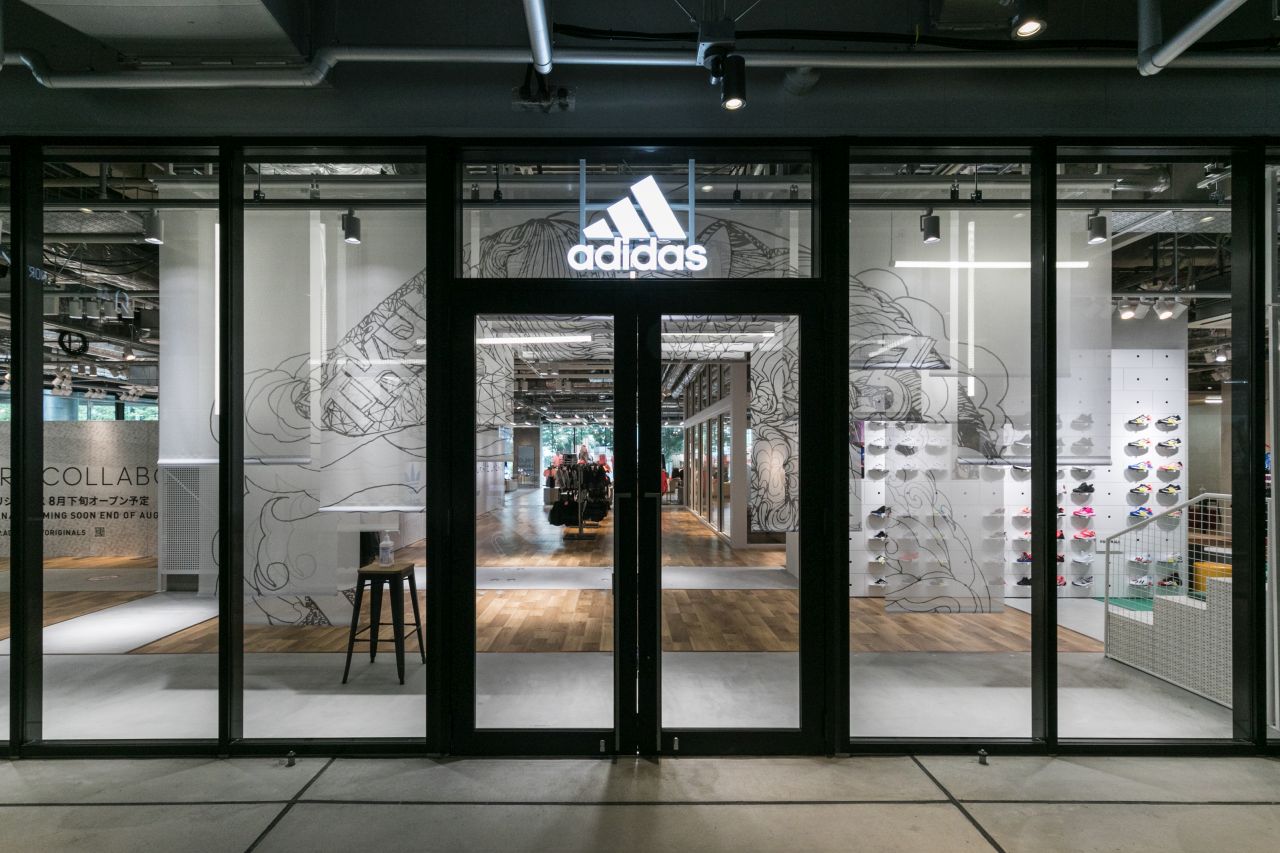
    The largest Adidas store to date on Japanese soil extends over two floors and a surface area of 1,000 square meters. In addition to countless products for a wide range of sporting activities, the new Adidas Brand Center, which is located just a few minutes’ walk from Shibuya Station, also offers an exclusive “Tokyo Collection”. This was designed especially for the new store and is exclusively available here.

    The “Digital Footwear Wall” offers space for up to 45 different shoe models and can be filled with matching campaign images as required. The store was designed in cooperation with a number of Japanese artists, whose works partly also decorate the salesrooms. In addition, characteristic design elements can be found throughout the store, which serves as references to the metropolis of Tokyo.

    On the occasion of the opening of the Brand Center at the end of July, visitors had the opportunity to purchase limited-edition T-shirts created in cooperation with the store’s artists and designers. According to Adidas, the store will continue to be used as a regular venue for events featuring local artists even after the opening-period.

    The Tokyo store also includes a special area dedicated to sustainability, offering Adidas Parley and Primeblue products and communicating information about the sustainability efforts of the Herzogenaurach-based sporting goods manufacturer. In partnership with the non-profit organization Parley, Adidas collects plastic waste before it can be discharged into the sea and uses it to produce high-quality sportswear. “Partnering with Parley on a shared mission to use 100% recycled polyester in our products by 2024, we created Primeblue. A high-performance recycled material made in part with Parley Ocean Plastic,” says the statement on the Adidas website.

  • Harajuku girls expected to shop at Bic Camera

    Harajuku girls expected to shop at Bic Camera

    Japanese electronics retailer Bic Camera is targeting teenage girls in a new concept store set to open in the quirky Harajuku shopping precinct.

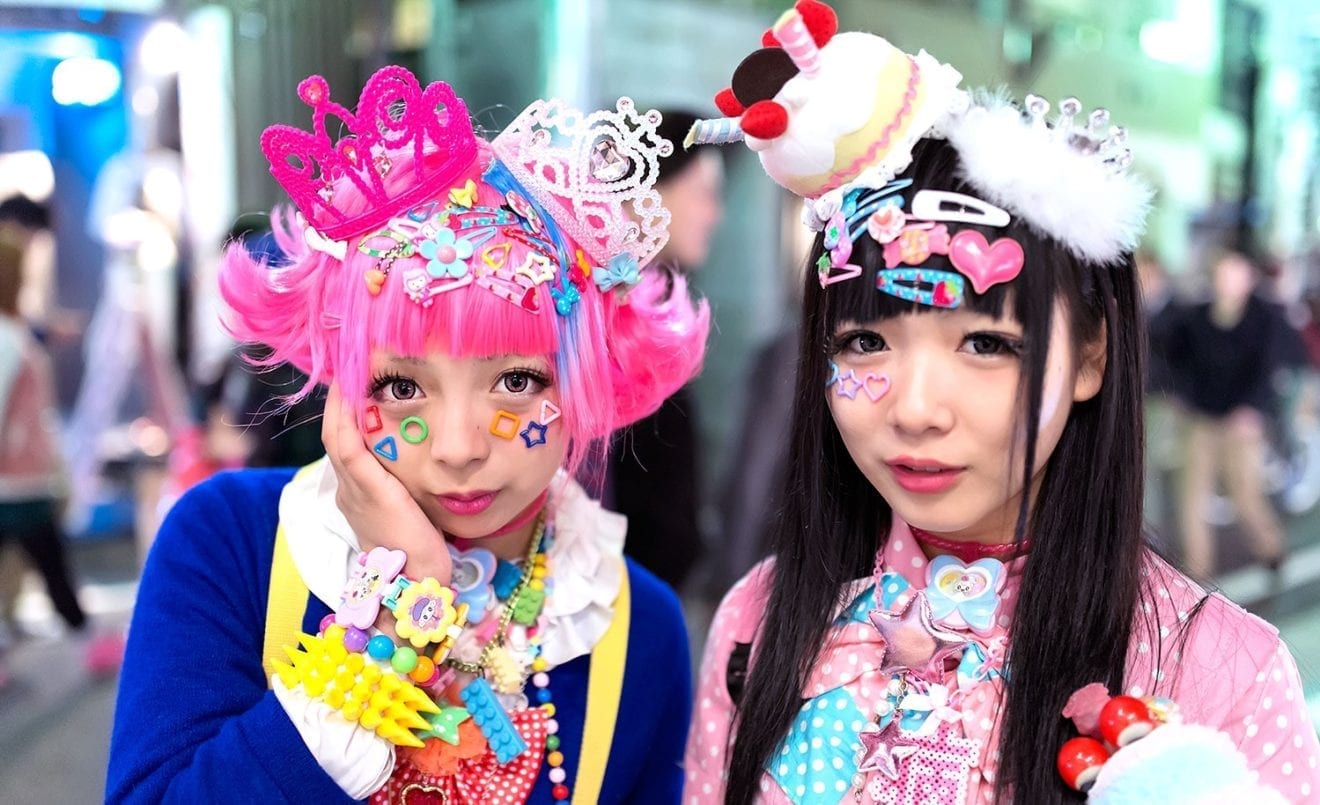
    Harajuku has been renowned globally as a destination for cosplay fans since way before the pastime became mainstream – and it is something of a mecca for teenagers chasing hip fashion labels and indulgent confectionery and beverages.

    Bic Camera has 41 large-format stores in Japan and counts Best Denki in its shareholder ranks. It plans to sell beauty appliances including facial treatment devices and hair dryers along with cosmetics, stationery and funky smartphone cases at the new store.

    The Harajuku shop, to open on Takeshita Street this weekend, will have two floors – one underground – with a footprint of just 330sqm, making it the company’s smallest to date.

    After refining the concept, the company plans similar stores elsewhere in Japan.

  • Korean fashion retailer Stylenanda opens a flagship store in Harajuku

    Korean fashion retailer Stylenanda opens a flagship store in Harajuku

    It is noticeable that online fashion shopping brands perform well in Japan, after China. Global women’s brand “Stylenanda” opened its first flagship store in Harajuku in the center of Japanese fashion. In the early morning of the opening day, a long line of Japanese customers were waiting  for the store to open.

    On May 11, day before the opening ceremony, various events were held for the press. Ruriko Kojima, the most popular Japanese entertainer, attended the event to celebrate the opening. The store also offered a catering service and allowed customers to take pictures with models, hence making the place popular.

    “Stylenanda” released a 3CE Tokyo Edition design and a limited  edition bag featuring unique graphics; both can be seen exclusively  in the Harajuku flagship store. Limited edition “Lucky Box” is also available for customers.

    Stylenanda, which already had success in Korea and China, is growing every year, such as it is now responsible for trendy fashion and beauty for women.

    Stylenanda is an online shopping women’s apparel brand launched in Korea in 2005. Based on its online popularity, it opened its first flagship store in Hongdae and entered the department store for the first time as an online shopping mall brand. Since it opened in Lotte Department Store in 2012, it has recorded annual sales of more than 800 million won, and was ranked No.1 in the Chinese consumer preference brand of Lotte Department Store in 2014.

    Thanks to its international success, the company is rapidly expanding by opening stores in China, Hong Kong and Singapore, thus strengthening its presence as a global brand.

    In the same way, a few companies have been recognized as ‘Korean fast fashion brands‘ and now grow quickly by reflecting fashion trends and only selling a small quantity of products in various designs.

    Already opening a first store in the Isetan Shinjuku Department Store last year, Stylenanda hopes that the Harajuku flagship store will seduce and catch attention.

  • Harajuku’s Anywhere Door offers Coneshots

    Harajuku’s Anywhere Door offers Coneshots

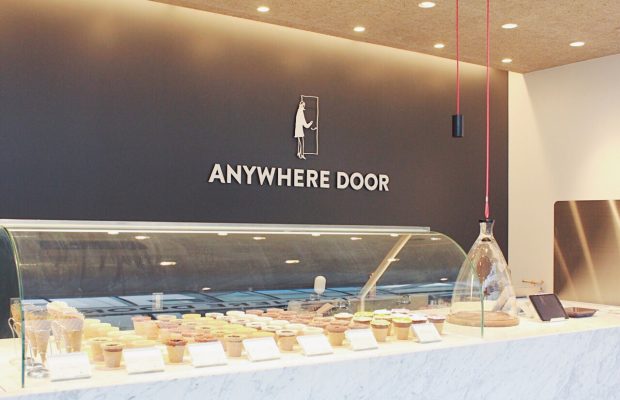
    Japanese accessories retailer Dot Co has branched into cafes, launching Anywhere Door, taking the name from the fictional transportation device in the Doraemon cartoon series.

    But this is not a transportation portal – it is a concept built around the Coneshot, an ice-cream cone cup with chocolate frosting and containing coffee, tea or orange juice with extras and toppings.

    According to the website, fillings can also include ice cream and whisky.

    Cone Shot shop Tokyo 2

    If comes from the waffle shot – espresso coffee in a chocolate-coated waffle cone – pioneered by such Los Angeles coffee shops as Alfred Coffee & Kitchen and Zia Valentina a few years ago.

    In Tokyo’s Harajuku district, Anywhere Door takes a sweeter approach involving chocolate cream, marshmallows and mascarpone. A creamy tiramisu cone filling is also offered with matcha or roasted tea.

    As well as coffee variations, Coneshot options include matcha and fruit combinations.