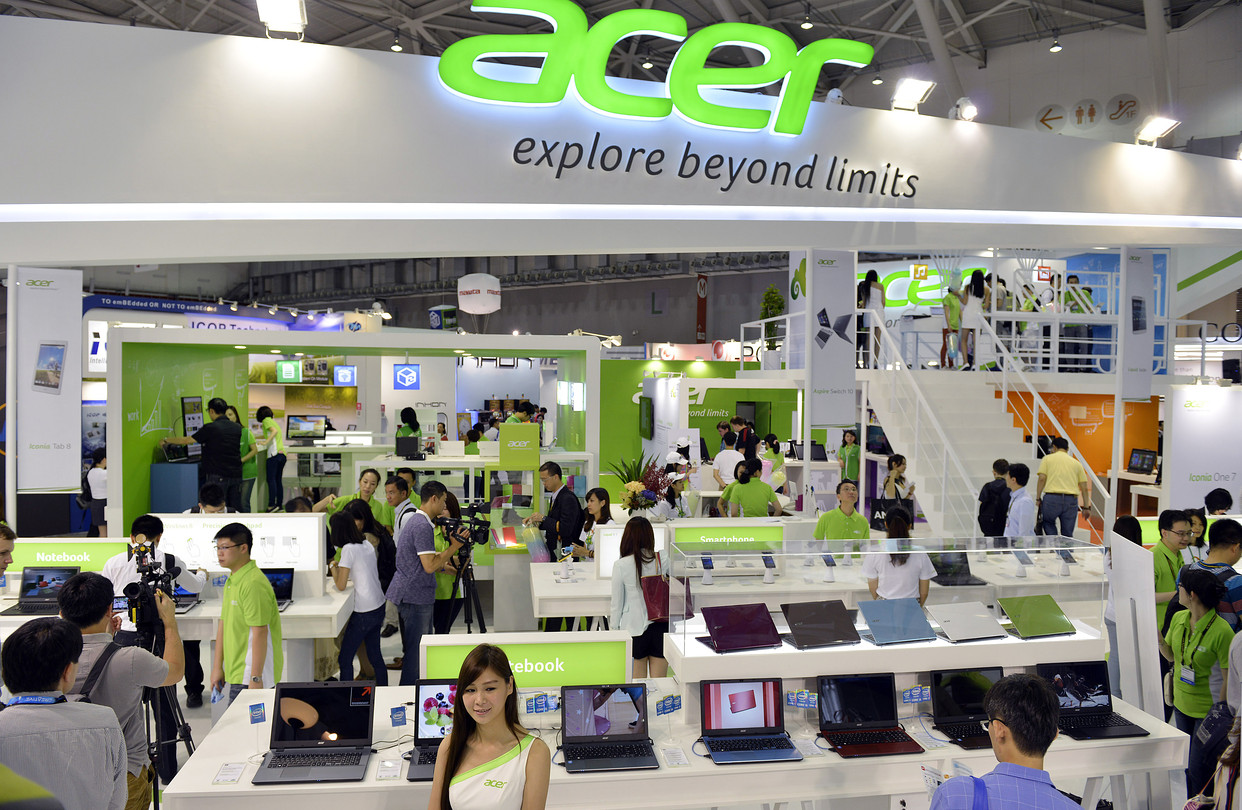
Acer expects consumer PC shipments in Taiwan to increase by more than 15 percent in 2026, driven by Singles’ Day discount promotions and strong year-end demand.
The Taipei-based hardware manufacturer matched that run rate through the first 10 months of the year, reporting 15 percent annual volume growth across the local domestic market.
Rising component prices, particularly for memory and silicon modules, pushed average retail selling prices higher across the sector. Acer Taiwan brand product and marketing manager Wu Ke-chien said revenue growth would outpace unit volume gains as hardware manufacturers pass procurement inflation on to shoppers. The company is maintaining its target for shipment expansion above 15 percent through November and December despite component delivery bottlenecks.
Component Crunch Reshapes Hardware Margins
Processors, dynamic random-access memory and solid-state storage expanded to represent about 68 percent of the bill of materials for a 900-dollar mainstream notebook by late 2026, up from 45 percent early last year. Conventional memory contract prices are forecast to rise another 10 to 15 percent in the fourth quarter, while flash storage is projected to increase 15 to 20 percent. Preserving gross margins on comparable consumer hardware under those input cost conditions requires retail list price increases approaching 80 percent.
Shortages are acute for discrete graphics cards and select mainstream central processors. Acer global headquarters allocates available inventory centrally across world territories, restricting local commercial pipelines. Discrete graphics models generate between 15 and 18 percent of Acer consumer notebook transactions in Taiwan, though company management targets 18 to 20 percent if component allocations improve.
Assembly Moves Back to Mainland Plants
Component inflation is forcing Asian electronics brands to reconsider their Southeast Asian manufacturing footprints. Rising memory expenses led brands including Acer, Asus and HP to transfer select consumer laptop assembly back to mainland Chinese facilities from factories in Thailand and Vietnam. The shift unwinds part of the diversified production footprint established across Southeast Asia amid US-China trade tensions.
Total notebook production outside mainland China is slipping from 24 percent of global volume in 2025 to 21 percent in 2026, with research projections tracking a drop below 20 percent by 2027. Major Taiwanese original design manufacturers like Quanta Computer, Compal Electronics and Inventec are redirecting floor space toward server hardware. Enterprise servers accounted for over 80 percent of Quanta revenue in the second quarter of 2026, freeing PC contract orders for Chinese assemblers such as Luxshare Precision Industry, Huaqin Technology and Longcheer Technology.
Display Niches and Retail Lineup Expansion
Consumer demand patterns in retail channels are fragmenting into specialized hardware segments. Alongside artificial intelligence laptops, tablets and ultra-lightweight notebooks introduced for the Singles’ Day retail period, Acer expanded its portable external monitor portfolio with screen sizes between 14 and 23.8 inches. Portable screens secured a 20 percent share of Taiwan’s total external mobile display market, creating an unexpected retail volume driver.
Securing low-cost silicon remains the deciding factor for regional consumer electronics margins. HP and Dell were qualifying DRAM from Chinese domestic supplier ChangXin Memory Technologies during 2026, while Acer and Asus asked Chinese production partners to source memory for some notebooks.
Acer reported its strongest second-quarter revenue performance in 13 years earlier in July 2026, followed by a seasonal tablet shipment rebound in September. Full-year local results hinge on whether retail sales volume during the November Singles’ Day promotions and December holiday shopping cycles can hold the targeted 15 percent growth rate against rising shelf tags.