Tag: harvest

  • Singapore Durian Prices to Fall 30% as Malaysia Celebrates Peak Harvest Season!

    Singapore Durian Prices to Fall 30% as Malaysia Celebrates Peak Harvest Season!

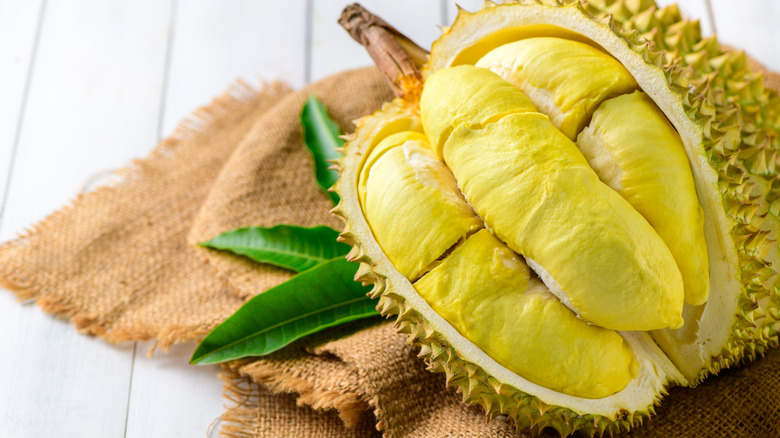
    Durian enthusiasts are buzzing with excitement as the season unfolds, although the peak harvest is a tad late this year. Sam Ho, owner of Uncle Sam Durian at Clementi Market & Food Centre, anticipates a prime durian bonanza starting in July, which is expected to lead to a drop in prices. “Right now, we’re at the beginning of the season, and because the harvest is small, prices will be a bit higher,” he commented in a recent interview.

    Ho sells fruits sourced from his own farm in Malaysia’s Pahang state, renowned for its Musang King durians. He predicted that this year’s supply is gearing up to outshine last year’s figures, even if the best bounty arrives a bit later than expected.

    Durians on the Move

    Singapore imports around 85% of its durians from Malaysia, with daily shipments during peak season sometimes exceeding 100,000 kilograms, as highlighted by Bloomberg. However, this season’s start has faced delays due to heavy rainfall affecting the blooming process earlier in the year.

    “Typically, the season kicks off in late April, but we are only just beginning to see the initial batches of durians,” stated Eric Yeap, a durian grower managing seven orchards across 53.4 hectares in Penang, in an early May interview.

    Despite the slow start, the recent hot and dry weather in Pahang has been favorable for durian blossoms, according to reports. Alvin Yap, president of the Pahang Fruit Farmers’ Association, is optimistic about a fruitful July and August ahead.

    With three waves of harvest expected, Pahang should deliver a wealth of durians come next month, particularly the beloved Musang King variety. However, Austin Quak of Rolling Durian warns that while prices may trend downwards, unpredictable weather could still impact the harvest outlook.

    Sweet Promotions for Durian Lovers

    As the peak season draws near, several businesses are rolling out promotions to delight durian fans in Singapore. FairPrice, the largest supermarket chain in the city, recently launched a limited-time offer featuring kampung durians at just S$1.95 (US$1.52) each, available from June 13 to 15 and June 20 to 22.

    In addition to these supermarket deals, The Bay Restaurant at Resorts World Sentosa is set to unveil a premium durian buffet on July 11, inviting enthusiasts to indulge in an all-you-can-eat experience for S$268 per person.

    For those willing to venture across the border, a durian carnival at Sunway Big Box Retail Park in Johor Bahru promises a delightful buffet sourced from one of Johor’s largest orchards, priced at RM98 (US$23) per person. It’s a perfect excuse to savor the famed fruit while enjoying a festive atmosphere!

    Questions & Answers

    What is causing the late start to the durian season this year?
    Heavy rainfall earlier in the year disrupted the blooming process, pushing back the typical start time of the season.

    When can we expect the peak harvest of durians?
    The peak harvest is anticipated in July and August, with abundant supplies particularly of the Musang King variety.

    Are there any exciting durian promotions happening in Singapore?
    Yes! FairPrice offers kampung durians for S$1.95 each, and The Bay Restaurant is launching a premium durian buffet for S$268 per person starting July 11.
  • Lychee Production Set to Soar by 30% This Year: A Sweet Harvest Ahead!

    Lychee Production Set to Soar by 30% This Year: A Sweet Harvest Ahead!

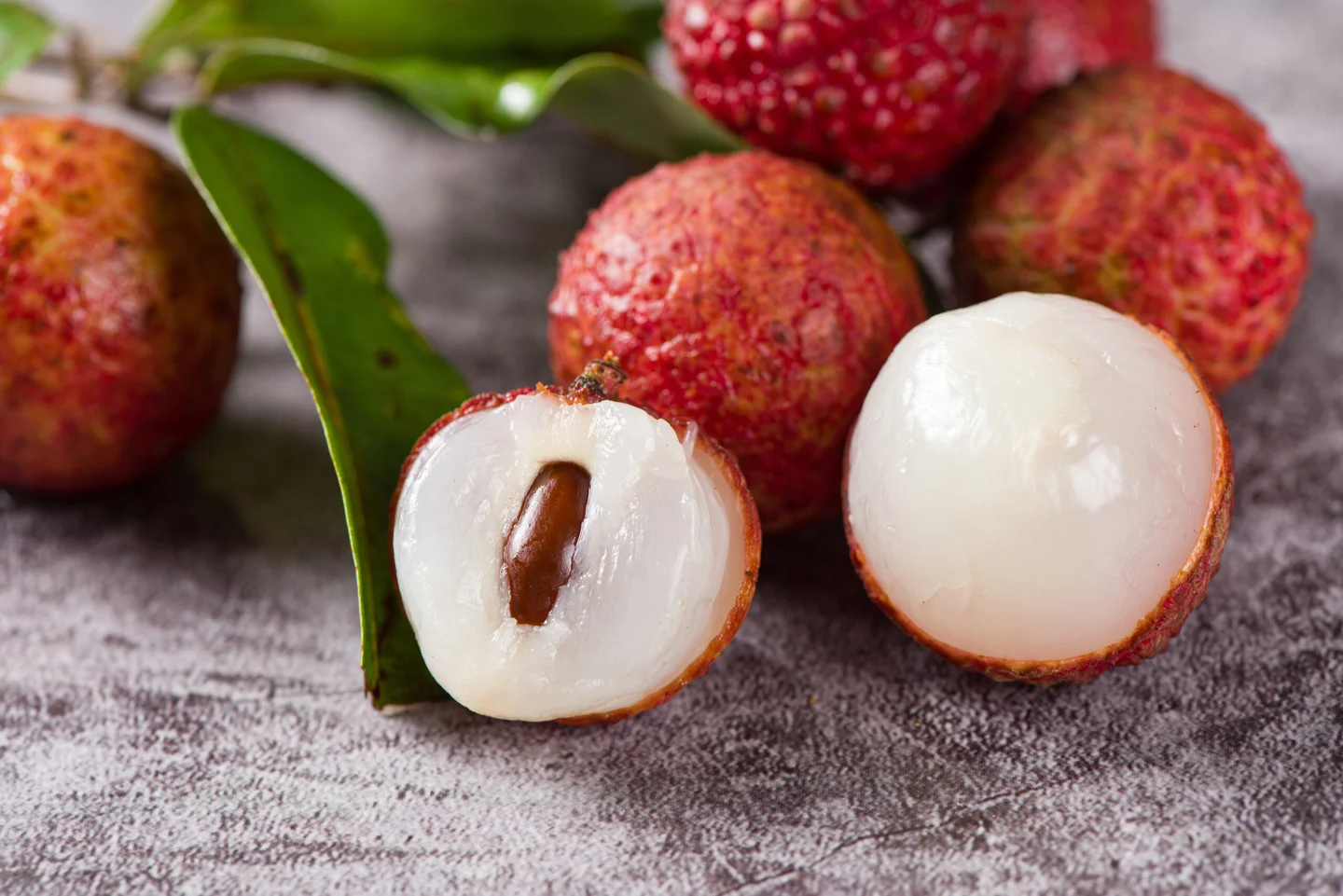
    Favorable weather conditions and effective disease management have significantly boosted lychee production in Vietnam, a fact that’s exciting for enthusiasts and exporters alike. The total yield is expected to reach impressive figures, with the northern province of Bac Giang leading the way at around 165,000 tonnes. Other contributors include Hai Duong with 60,000 tonnes, Hung Yen and Lang Son each producing 22,000 tonnes, and Dak Lak in the Central Highlands offering another 21,000 tonnes.

    Timing is Everything

    Harvest time is a brief but crucial window, divided into two phases: the early harvest from May 20 to June 10, followed by the main crop from June 10 to July 25. Those looking to capitalize on the lychee’s short harvest must prepare adequately to ensure smooth processing and consumption, according to local agricultural authorities.

    Aiming for Quality Control

    Production management is being taken seriously, with 469 production unit codes issued across nearly 19,400 hectares and 55 packaging facilities approved for exports to markets like China, Australia, Thailand, Japan, and the U.S. These facilities are under constant oversight, having successfully registered for the upcoming 2025 crop year.

    Global Readiness

    The Department of Plant Production and Protection has engaged proactively with international plant quarantine agencies since early April. Their efforts focus on ensuring that all documentation is in order while also inspecting lychee processing facilities, which include three irradiation and three fumigation plants. These establishments have received the green light from foreign authorities for the 2025 crop, positioning them to facilitate export.

    In a particularly noteworthy development, Japan has decided to allow Vietnam to supervise the processing of lychee shipments starting with the 2025 crop, eliminating the need for Japanese experts to oversee the entire farming process. This new approach promises to save time and costs for both growers and exporters—a win-win scenario!

    In readiness for the upcoming season, quarantine units and food safety testing laboratories are gearing up to collect and examine samples, ensuring that all regulations are met. Quarantine officers are expected to be active in local areas from June 1 through the end of the harvest season.

    Domestic vs. Export Market

    About 60% of lychee production is anticipated to be consumed domestically, while the remaining 40% will be earmarked for export. Despite Vietnam’s lychees reaching over 20 countries worldwide, a staggering 90% of the export volume still heads to the Chinese market.

    As the excitement builds for this year’s harvest, one can’t help but wonder: what unique lychee recipes will emerge from this abundance?

    Questions & Answers

    What are the major provinces producing lychee in Vietnam?
    The major producing provinces include Bac Giang, Hai Duong, Hung Yen, Lang Son, and Dak Lak.

    When does the lychee harvest season occur?
    The harvest is split into two phases: early fruits are harvested from May 20 to June 10, and the main crop follows from June 10 to July 25.

    How much of the lychee production is expected to be exported?
    Approximately 40% of the lychee output is planned for export, while the remaining 60% will be consumed domestically.

  • Harvest rain takes the flavor out of Vietnamese coffee crop

    Harvest rain takes the flavor out of Vietnamese coffee crop

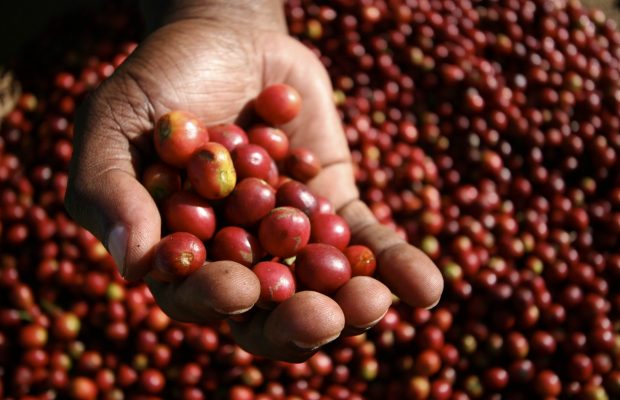
    Heavy rain that hit swamped Vietnam’s 2016/2017 coffee harvest has raised the ratio of low-quality beans and defects, traders said on Wednesday, with one major exporter saying quality is at its worst in nine years.

    Unseasonal rain that fell from October-December last year in Vietnam’s Central Highlands coffee belt delayed the 2016/2017 crop harvest, resulting in more black and broken beans. The rainy season normally ends in early October.

    The harvest was completed in January as usual, but a higher ratio of black and broken beans – counted as defects in export standards – has emerged.

    These defects, coupled with India’s ban on Vietnamese coffee imports from March 7, have made it more difficult for the world’s top robusta exporter to find buyers for the low-quality commodity this year.

    “The ratio of defects this year has risen by 50 percent from 2016,” said Le Duc Huy, deputy general director of Simexco, a major export firm based in the Central Highlands province of Dak Lak. “The quality is the worst since 2008.”

    Downpours cut Vietnam’s 2007/2008 coffee output by 15 percent to 1.08 million tons.

    Traders say India often buys Vietnam’s low-quality robusta grade 3, with 25 percent black and broken beans and 3 percent foreign matter, to produce instant coffee. Vietnam’s benchmark coffee for export is robusta grade 2 (5 percent black and broken), which is priced at a premium of $120-$180 a ton compared to the grade 3 beans.

    The harvest usually starts in late October and ends in January. Rain during the blossoming period reduces yields, while the wet weather disrupts the outdoor drying process, necessitating the use of electric dryers that turn the beans black and worsen the taste. The exportable volume is therefore lowered.

    Two traders at foreign firms in Ho Chi Minh City, Vietnam’s largest coffee trading market, estimated that low-quality beans made up 10-20 percent of the country’s output this year, which is projected to ease 8 percent from last year to 26.7 million bags, or 1.6 million tons, the U.S. Department of Agriculture has said.

    Vietnamese trade experts say India’s ban is a tit-for-tat action after Hanoi announced it was going to suspend the import of five Indian commodities from late April to prevent peanut beetle from spreading.

    Officials at the Indian Embassy in Hanoi did not immediately comment on the matter.

    The impact of the ban on Vietnam’s overall coffee exports is minimal, Vietnam Coffee and Cocoa Association Chairman Luong Van Tu said.

    India imported 6,900 tons of Vietnamese coffee from January-February this year, down 17 percent from the same period in 2016, based on Vietnam Customs data.

    Last year it spent $79.4 million to import 46,000 tons of coffee from Vietnam, a tiny fraction of the Southeast Asian nation’s total shipments of 1.78 million tons.

    India has the world’s third fastest growing retail coffee market behind Indonesia and Turkey, global market intelligence agency Mintel said in its latest report earlier this month.

    Robusta with high ratios of black and broken beans has also been sold to Vietnamese firms to produce instant coffee, traders said.

    But the ban has affected Indian roasters who had been sourcing their raw material from Vietnam, traders said.

    “Since the ban has been in place, several shipments have been held up and importers do not know how to solve the situation,” said a Vietnamese dealer at a Ho Chi Minh City-based firm which ships coffee to India.

    The ban has also made it difficult for Indian roasters after back-to-back droughts in the past two years damaged various crops, including coffee.

    “Indian roasters may have to switch to other sources, such as the Ivory Coast and other African nations,” a second trader at a European firm in Ho Chi Minh City said.