Tag: headphones

  • Sony Teases New Color Reveal for WH-1000XM6 Headphones: Is Sandpink the Next Big Thing?

    Sony Teases New Color Reveal for WH-1000XM6 Headphones: Is Sandpink the Next Big Thing?

    Sony has had a packed schedule in recent weeks, with the launch of the LinkBuds Clip in the previous month, a teaser for the anticipated debut of its high-end earbuds and the first speculations about the Xperia 1 VIII and Xperia 10 VIII smartphones. Adding to the excitement, Sony has issued another teaser for a unique product.

    New Color Option for Sony WH-1000XM6

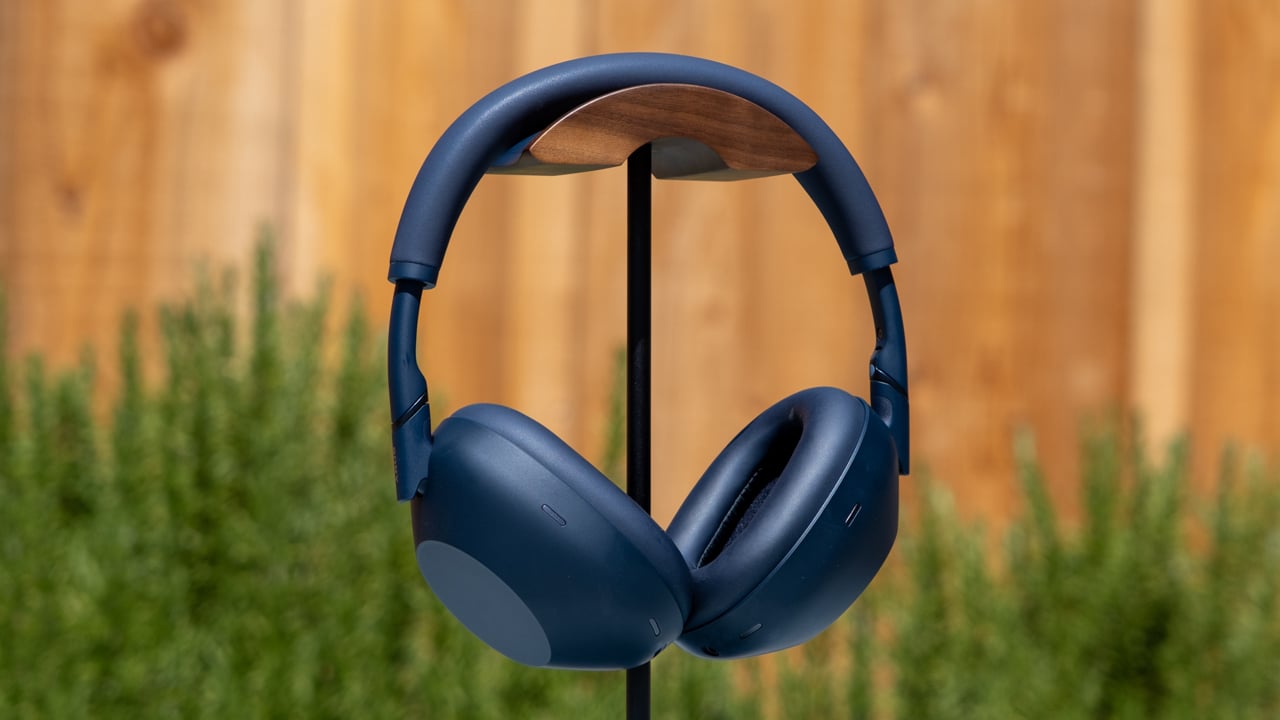
    Sony recently posted a brief six-second YouTube video teasing a new pair of headphones. The clip, titled “Your heart (and ears) will be set on us when you see this,” displays a rose-tinted cloth cascading over a set of headphones.

    Regrettably, the teaser doesn’t disclose the specific model hidden under the cloth, only hinting that something is “coming” on February 12, 2026. Much like last week’s promotional teaser for the WF-1000XM6 earbuds launch, the new video doesn’t provide any additional details.

    It appears unlikely that the video is teasing an entirely new headphone model. Instead, it’s more probable that it’s hinting at a Sandpink variant of the WH-1000XM6. Initial claims suggested that the new color could pertain to Sony’s forthcoming earbuds. However, these assertions were later clarified, stating the new shade was for the over-the-ear headphones. The release of the new video appears to substantiate these claims.

    The date and time unveiled in the new teaser aligns with the premiere of Sony WF-1000XM6, which is scheduled for 8am PT on Thursday, February 12. While the new earbuds will feature a redesign, they will initially only be available in black and white. Nonetheless, the possibility of a Sandpink model being released at a later date remains open.

    Similarities with Predecessors

    Apart from the design alterations, the WF-1000XM6 is likely to bear notable similarities with its forerunners. A recent leak suggested that the earbuds could include a new processor and speaker but offered little in terms of additional features. This might make it challenging for Sony to contend with competitors such as the AirPods 3 Pro, Samsung’s Galaxy Buds 3 Pro, and the yet-to-be-released Galaxy Buds 4 and Buds 4 Pro.

    Attracting a Broader Market

    If a splash of color can catalyze iPhone sales in China, why couldn’t it have a similar effect on Sony’s headphone sales? While not everyone may be a fan of pink gadgets, a considerable number of consumers may appreciate the added variety.

    Questions & Answers

    What is Sony’s new teaser about?
    The new teaser is likely about a Sandpink version of the WH-1000XM6 headphones.

    When is the new product expected to be launched?
    The new product is anticipated to be released on February 12, 2026.

    What changes can be expected in the WF-1000XM6 earbuds?
    The WF-1000XM6 earbuds may feature a new processor and speaker in addition to a design overhaul. However, they will initially only be offered in black and white.
  • Transform Your Headphones into a Real-Time Translator with Google’s New Breakthrough

    Transform Your Headphones into a Real-Time Translator with Google’s New Breakthrough

    Google is elevating its game in language translation with an innovative beta experience that allows users to experience real-time translations through their headphones. Alongside this development, improvements have also been made to Google Translate, featuring superior Gemini-powered translations, as well as an expansion of language-learning features within the Translate app.

    Enjoy Real-Time Translations Through Any Headphones

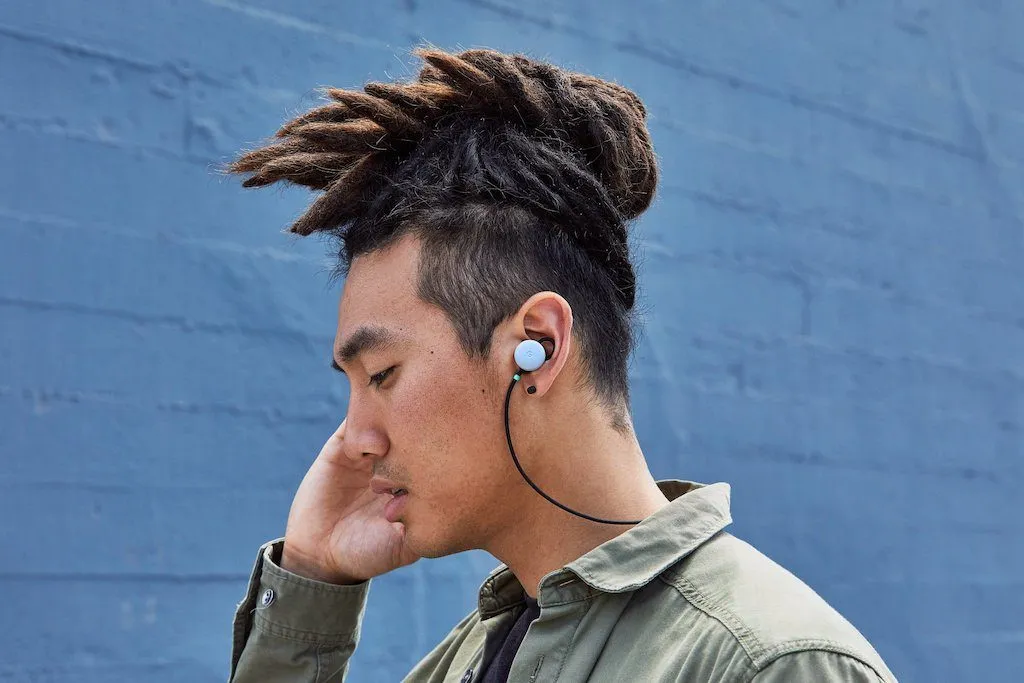
    One of the most notable updates is the introduction of live speech translation. While this feature was once exclusive to Pixel Buds, Google Translate now makes it available for any pair of headphones, supporting more than 70 languages. The beta version is currently accessible and compatible with any Android phone using the Translate app, eliminating the need for specialized hardware such as Apple’s AirPods to utilize a similar feature.

    What sets this feature apart is not merely a mechanical, verbatim translation. Google has designed this feature with the intention of retaining the original tone, emphasis, and cadence of the conversation, thereby enabling users to properly comprehend and follow conversations.

    Whether you are engaged in a conversation with a foreign language speaker, attending an overseas lecture, or watching a foreign film, you simply have to open the Translate app, select the “Live translate” option, and the translation will be relayed in real-time.

    At this time, the beta version is available in the US, Mexico, and India. Google has announced plans to launch it for iOS in 2026, which indicates that Apple users will soon be able to benefit from this feature as well.

    Improved Translations with Gemini AI

    Another significant update is the enhanced translation capability powered by Gemini AI. This feature is particularly useful for translating phrases, idioms, and slang, where literal translations can often be misleading or nonsensical. By analyzing context, Gemini provides a translation that captures the true essence of the idiom, thereby significantly enhancing the overall translation.

    This smarter translation function is currently available in the US and India, facilitating translations between English and nearly 20 languages, including Spanish, Hindi, Chinese, Japanese, and German. Moreover, it operates across Android, iOS, and the web, providing convenience for users regardless of their preferred platform to use Translate.

    Questions & Answers

    What is Google’s new translation feature?
    Google has introduced a beta experience that allows users to hear real-time translations directly through their headphones. This live speech translation feature is not limited to a word-for-word translation but also maintains the tone, emphasis, and cadence of the conversation.

    What improvements have been made to the Google Translate app?
    The Google Translate app has been enhanced with advanced Gemini-powered translations and expanded language-learning features. Gemini AI improves translation accuracy, particularly for phrases, idioms and slang, by taking context into account.

    Who can use Google’s live translation feature and where is it available?
    Google’s live translation feature can be used by anyone with the Google Translate app on a compatible Android phone. Currently, the beta version is available in the US, Mexico, and India. It is also scheduled to be released for iOS in 2026.

  • Apple has just killed off the last Beats-branded speaker

    Apple has just killed off the last Beats-branded speaker

    After discontinuing the Beats Powerbeats wireless earbuds, Beats EP wired on-ear headphones, and high-end Beats Solo Pro wireless on-ear headphones just a couple of months ago, Apple appears to have also pulled the Beats Pill+ plug more recently.

    This was of course a long time coming, as the portable Bluetooth speaker made its commercial debut all the way back in 2015, but seeing the $229 product officially and permanently going away is still notable for a number of different reasons.

    First and foremost, as you can easily notice, the disappearance of the Pill Plus leaves both the official Beats website and Apple’s own US e-store without a single Beats-branded speaker option. This bad boy was also the first of its kind to see daylight after the Dre-founded company was acquired by the Cupertino-based tech giant in 2014 in exchange for a whopping $3 billion.

    That highlights the minimal attention Apple gave its audio-focused subsidiary all these years, at least on the surface. Of course, the Beats name was at one point rumored to go extinct altogether for marketing purposes, which hasn’t yet happened and is unlikely to happen anytime soon given that the true wireless Studio Buds and Fit Pro earbuds are still under a year old.

    The only speaker Apple is selling at the time of this writing is the in-house $99 HomePod Mini, which features significantly more advanced technology than the Beats Pill+ in a few key departments while forcing its users to hug a wall at all times.

    If that sounds too inconvenient, you might be happy to know the fully portable battery-powered Pill Plus is still available (in presumably limited numbers) from major US retailers like Walmart or Target at or around its original list price.

    Then again, our complete roundup of the best portable Bluetooth speakers money can buy includes several great alternatives at comparable or lower prices, all of which are alive, kicking, and younger than Apple’s Beats Pill+.

  • Bose to launch new wireless headphones with voice-activated Alexa

    Bose to launch new wireless headphones with voice-activated Alexa

    Headphones with support for digital assistants like Alexa, Google Assistant and Siri have become trivial in the last couple of years. However, most of these headphones will only allow users to wake up the digital assistant by pushing a dedicated button.

    Apple and Samsung are the only companies that have recently introduced the ability to use voice activation to wake up the assistant implemented into a pair of headphones, though support is limited to a certain set of commands.

    The reason headphones manufacturers weren’t able to implement such a feature yet is due to the limited battery life of their products. In order to detect the wake word, headphones must use the battery to keep the microphone enabled all the time, which would drastically reduce the overall battery life. Luckily, a company called Knowles Corp. has managed to design a new chip that enables wireless headphones to reply to Amazon’s Alexa digital assistant by saying its name, Reuters reports. Basically, you will no longer have to press a button to activate Alexa, you will simply have to say its name.

    The new chip is power-efficient and includes a microphone and digital signal processor, as well as a reference design that will allow headphone manufacturers to add support for Alexa into their products.

    Knowles confirmed that Anker and LinkPlay will use its new chip and Alexa design to release headphones with voice-activated Alexa support, which will replace the traditional push-button versions.

    Bose will also launch a pair of headphones with voice-activated Alexa support later this month, although Knowles didn’t explicitly say whether or not they will be based on its chip.

  • Sony launches cheaper noise-canceling wireless headphones

    Sony launches cheaper noise-canceling wireless headphones

    If you’re in the market for a pair of premium noise-canceling headphones, there aren’t a lot of options in the $300-$350 price range. Two companies have distinguished themselves for bringing top-notch products to audiophiles: Bose and Sony.

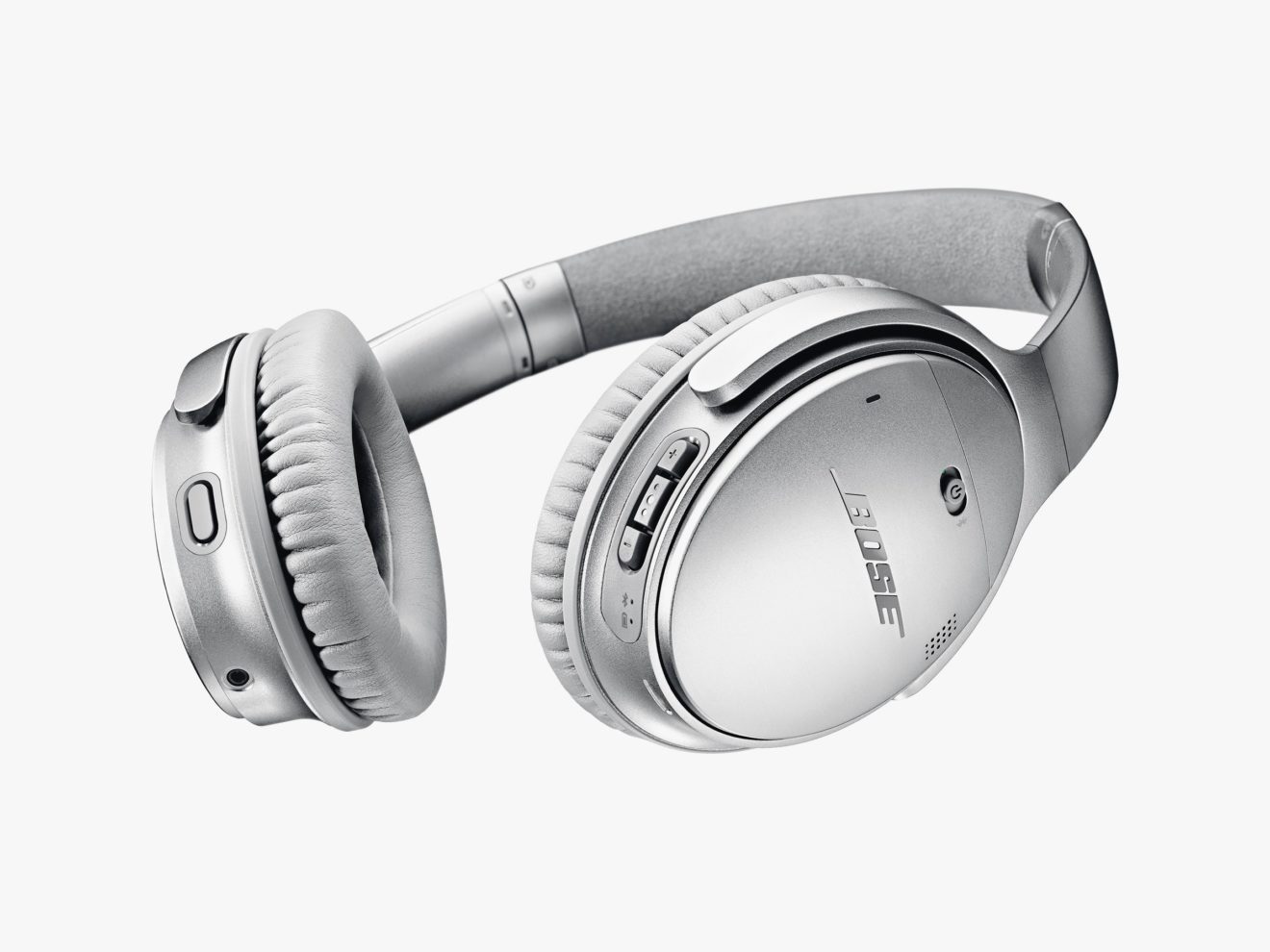
    Still, if you can’t afford to pay for a pair of Sony WH-1000XM3 or Bose QuietComfort 35 Series II, a new pair of noise-canceling headphones will be available for purchase for a much lower price.

    Sony’s WH-XB900N offer a more accessible alternative for those who need noise-canceling technology. They cost just $250 and offer similar features as the company’s premium 1000XM3 headphones, plus extra bass (hence the XB model name).

    Design-wise, they feature a foldable design and touch panel controls on the headphone housing. Of course, Sony’s WH-XB900N Extra Bass wireless headphones include a built-in microphone for use with Google Assistant. They also pack NFC (Near Field Communication) and Bluetooth connectivity.

    As far as battery life goes, Sony claims its new headphones should offer up to 30 hours of playback time on a single charge. Also, a charge of around 4 hours will keep the headphones powered all day, which is quite impressive.

  • B&O’s refreshed Beoplay H9 headphones come with Killer Features

    B&O’s refreshed Beoplay H9 headphones come with Killer Features

    After (narrowly) beating Apple to the punch with super-expensive “truly wireless” earbuds supporting wireless charging functionality, Bang & Olufsen is shifting its attention to the premium Beoplay line of wireless over-ear headphones to release a refreshed H9 model. This is already available in the US at the same price as its H9i predecessor, bringing a couple of important upgrades to the table.

    First, there’s a new dedicated button allowing B&O Beoplay H9 users to summon Google Assistant and get it to do stuff by voice commands. The built-in digital assistant does not replace touch controls altogether, though, so you can still use gestures directly on the ear cups to seamlessly navigate your listening experience.
    The other major improvement comes in the battery life department, where the Beoplay H9 headphones are making a pretty ambitious promise. Namely, you should be able to squeeze up to a whopping 25 hours of uninterrupted play time from these bad boys, compared to the “modest” 18-hour maximum endurance advertised for the H9i. What’s impressive is that Bang & Olufsen has somehow managed to make this leap while retaining the exact dimensions and weight of the H9i.
    Speaking of things retained, the Beoplay H9 features the same old (and great) active noise cancellation technology, “expertly tuned” acoustics performance, and Transparency Mode functionality for when you don’t want to feel isolated from your surroundings. Available in Matte Black and Argilla Bright colors with the super-premium build quality and a self-proclaimed focus on craft, the H9 headphones are priced at $500, which is certainly not affordable… but also not shocking.
    Just like the H9i, the Google Assistant-enabled H9 have a pretty clear target audience that cares more about B&O brand recognition and stature than objectively comparing the value for money delivered by these headphones with those of the cheaper Bose QuietComfort 35 II or Sony WH1000XM3.
  • Rimowa x Bang & Olufsen crossover link between Adventure and Sound

    Rimowa x Bang & Olufsen crossover link between Adventure and Sound

    Rimowa has announced its first collaboration with luxury audio and lifestyle brand Bang & Olufsen.

    In their first Rimowa x Bang & Olufsen crossover, the two firms have created a pair of limited-edition Beoplay H9i headphones designed to characterise the brands unique approach to style, fashion and functionality.

    “Rimowa and Bang & Olufsen share a passionate approach to purposeful and elegant design,” said Rimowa CEO Alexandre Arnault. “Both of them celebrate aluminium in their products. To strengthen the natural relationship between sound and travel, we have proudly partnered to create the Rimowa x Bang & Olufsen Beoplay H9i headphones.”

    “For more than 90 years, Bang & Olufsen has striven to be more than an audio company, a brand that stimulates people’s lives through a passion for sound, design and craftsmanship,” said Bang & Olufsen executive VP, brand and markets, John Mollanger.

    “With Rimowa being much more than a luggage company – a brand that makes travel an art and that disrupts its own marketplace – we are honoured and proud to have an ideal partner. The first materialisation of our collaboration, the Rimowa edition of our flagship Beoplay H9i headphones and exclusive Rimowa carrying case, will make the world travel at the speed of sound.”

    The limited edition headphones will be available at HKD7250 (US$923.50) starting April 15 in select Rimowa and Bang & Olufsen stores as well as online at bang-olufsen.com.

  • Sony MDR-HW300K wireless headphones are 35% off

    Sony MDR-HW300K wireless headphones are 35% off

    Are you looking to buy a nice new pair of wireless headphones? If so, you might want to check out this deal. There’s a 35% discount for Sony’s MDR-HW300K Bluetooth headphones. This model typically retails for $100 at Amazon, but right now, you can grab a brand new pair for $65 at Woot.

    The MDR-HW300K has a driver size of 40mm. The system transmits an uncompressed 2.4 GHz signal to reduce unwanted interference while the real-time automatic channel tuning prevents signal degradation. These features allow the system to deliver high-quality sound without outside interference. Aside from sounding great, the set is also extremely comfortable and stylish thanks to the light-weight, adjustable padded headband and swivel style ear-cup design. The cans are advertised as lasting up to 10 hours between charges.

    If this deal interests you, feel free to follow the above link to Woot. Shipping is free, and a 1-year warranty is included.

  • Apples focuses on high-end audio market

    Apples focuses on high-end audio market

    Apple is returning to its roots when it comes to music products and is starting to embrace the world of audiophiles who are prepared to pay more for premium, higher-quality speakers and music devices.

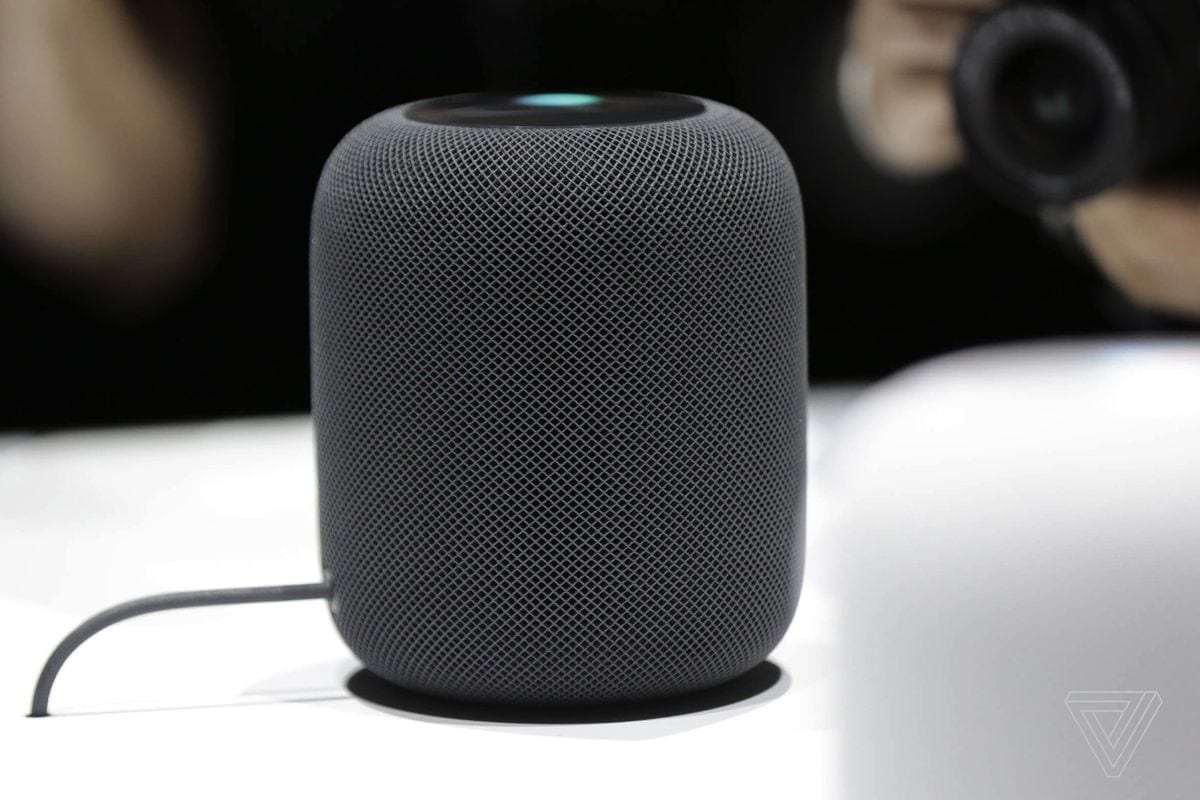
    Take the release of the HomePod in February. Apple‘s new home speaker is designed to compete with Amazon’s Echo devices. A key part of Apple’s marketing for the device focuses on the audio quality.

    “HomePod is a powerful speaker that sounds amazing and adapts to wherever it’s playing,” Apple says on its website. “It is the ultimate music authority, bringing together Apple Music and Siri to learn your taste in music.”

    Apple already has its own line of headphones, and even has an entire separate brand for them: Beats. Apple bought Beats for $3 billion (£2.1 billion) in 2014, and got its hands on the company’s trendy headphones business, its fledgling music streaming service, and Beats founders Jimmy Iovine and Dr. Dre.

    But the Beats brand never felt like a natural fit for Apple. The company built up its profile by making sure that celebrities and sports stars wore its distinctive, colourful headphones. Apple, however, prefers to be far more low-key in its endorsements and design choices. Design chief Jony Ive favours white, minimalist products, for example.

    Apple now seems to be planning to start again on headphones and is reportedly working on something that seems much more Apple-y.

    High-end audio products are nothing new for Apple. In fact, it brings the company back to the release of the iPod.

    The iPod Classic was practically tailor-made for audiophiles with its 80GB or 160GB hard drive and support for lossless music. Wired said that it was “the natural choice for people who are serious enough about audio quality to include their listening equipment in their signature files.”

    But over the years Apple has moved away from catering to audiophiles. It’s a small market, after all, and Apple does not want to risk releasing niche products. So newer iPhones made it incredibly difficult to play lossless music, and Apple eventually discontinued the iPod Classic. “Farewell Apple iPod classic, We Audiophiles Will Miss You,” PC Magazine wrote.

    There have been glimmers of hope for audiophile Apple watchers over the years, though.

    Ive likes to play loud music in the Apple design studio. Maybe that was a sign that an Apple stereo system was on the way. Apple founder Steve Jobs had been working on a new, lossless music format with musician Neil Young. Maybe Apple was about to get back into lossless audio in a big way (it wasn’t). U2 singer Bono said that he was working on a top secret music format with Apple. Perhaps that was the high-resolution audio fans had been waiting for.

    The audiophiles revolted. “How do you justify an iDevice to an audiophile?” read one forum post. “With the lackluster audio properties inside the devices and the inability to make adjustments to the sound it is a hard sell to someone who cares about audio, for a company that claims to love music.”

    Another forum post had the title “Apple Music… Seriously?” Audiophiles bemoaned the lack of proper lossless audio support. Sure, some people made the point that Apple’s music format is basically identical to standard lossless formats. But audiophiles never saw Apple as a serious player in that space.

    Now, that all seems to be changing. The HomePod received positive reviews from Reddit’s audiophile community. Apple vice president of worldwide marketing Phil Schiller even tweeted a link to a post from the subreddit reviewing the speaker.

    The release of a line of premium Apple headphones would do even more to establish Apple’s audiophile credentials. Until recently, the closest thing you would find to an audiophile product in an Apple Store was a speaker made by a third-party company such as Devialet. But that is likely to change as Apple develops its own line of speakers and headphones.