Retail News CRM

Tag: headset

  • Samsung Challenges Apple’s Dominance: Unveils Project Moohan, Its First XR Headset

    Samsung Challenges Apple’s Dominance: Unveils Project Moohan, Its First XR Headset

    Samsung has officially entered the extended reality (XR) market with the announcement of its “Worlds Wide Open” Virtual Galaxy Event. The event, which will live-stream on October 21st at 10 p.m. ET, will reveal “Project Moohan,” the company’s first XR headset.

    A New Entrant in the XR Arena

    Samsung’s “Project Moohan” is the first device to be officially unveiled as a product of the collaboration between Samsung, Google, and Qualcomm in the XR space. The headset is built on the new Android XR platform and marks the dawn of “multi-modal AI.” The design of the product has been kept under wraps until its official reveal at the event. To create excitement among customers, Samsung is offering a $100 reservation credit on its official website.

    Why This is a Significant Development

    The XR space has been primarily dominated by Apple’s expensive Vision Pro, which is priced at $3,499. However, due to its high cost and closed ecosystem, there has been a significant gap in the market for a rival product. The Samsung-Google-Qualcomm alliance is set to fill this gap, leading to a classic Android vs. iOS competition in spatial computing. The open platform of the new product encourages developers to create a variety of apps, potentially leading to faster innovation and increased consumer choice. For those seeking an alternative to Apple’s XR vision, Samsung’s “Project Moohan” could be the ideal solution.

    The Battle for the XR Market is On

    The launch of “Project Moohan” brings a much-needed heavyweight competitor to challenge Apple in the XR space and potentially drive down prices. While Apple’s Vision Pro is a remarkable piece of technology, its high price tag makes it inaccessible for most people. The alliance between the tech giants has the potential to offer a compelling alternative that is more affordable. The hope is that “Project Moohan” will be released at a more consumer-friendly price point. If Samsung can deliver a premium experience without the high cost, it could be the device that finally brings XR into the mainstream, promoting an open ecosystem over Apple’s polished, closed one.

    Questions & Answers

    What is “Project Moohan”?
    “Project Moohan” is Samsung’s first XR headset, unveiled at the “Worlds Wide Open” Virtual Galaxy Event.

    Who is involved in the creation of “Project Moohan”?
    The headset is a product of the collaboration between Samsung, Google, and Qualcomm.

    How does “Project Moohan” compare to Apple’s Vision Pro?
    Unlike the expensive and closed ecosystem of Apple’s Vision Pro, “Project Moohan” operates on an open platform, encouraging faster innovation and increased consumer choice due to its more affordable price point.
  • Apple Vision Pro 2: Familiar Design, Powerful Chip, But Reduced Features – Analysts Predict Market Challenges

    Apple Vision Pro 2: Familiar Design, Powerful Chip, But Reduced Features – Analysts Predict Market Challenges

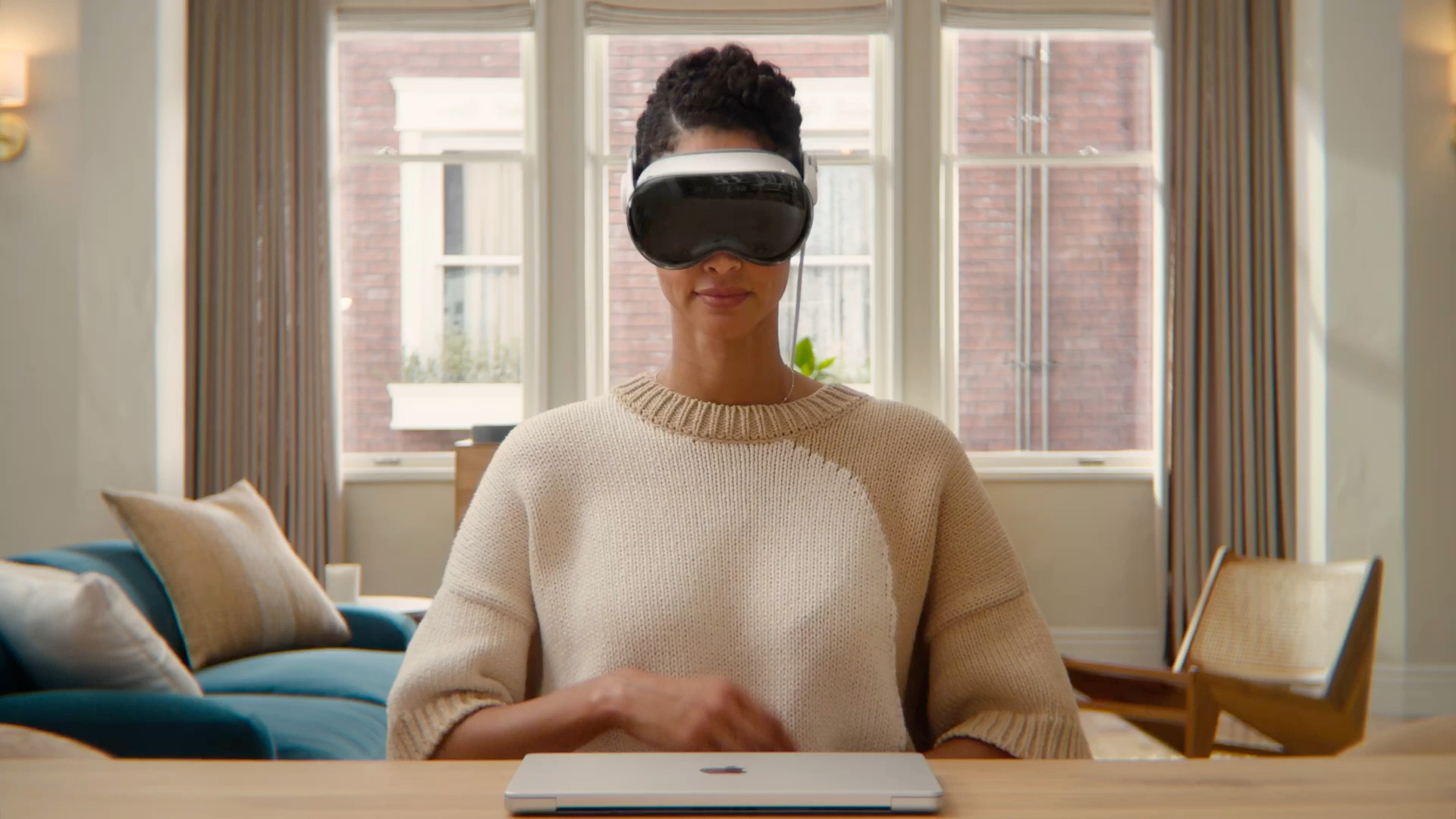
    The much-awaited Apple Vision Pro 2 has recently made an appearance through FCC filings, potentially dampening the enthusiasm of many Apple enthusiasts. The disclosure confirms Apple’s plans for a second iteration of their mixed-reality headset but also hints that the device might bear a striking resemblance to its earlier version.

    Conservative Alterations, Recognizable Aesthetics

    The FCC documents reveal that Apple has kept the design of the Vision Pro 2 largely in line with the original model. Initial reports suggest that the company may even maintain the substantial $3,499 price point, a price that previously set the first Vision Pro significantly above most of its rivals.

    Under-the-Hood Enhancements

    The most significant development appears to be in the internal workings of the device: the Vision Pro 2 is anticipated to house Apple’s M4 chip, constructed on a 2-nanometer process. This advancement should result in swifter functionality and improved efficiency, but these enhancements might not be sufficient to compensate for the absence of other novel features.

    Potential Reductions in Features

    In a surprising turn of events, Apple might decide to scale back on certain components, including the EyeSight display – the external screen that digitally displays the user’s eyes to onlookers. While removing such features could reduce costs, it also risks making the already high-priced device less attractive.

    Upcoming Market Hurdles

    Given the limited availability of mixed-reality content and the competitively priced Meta Quest 3 offering a much more affordable entry point, Apple’s latest headset could face considerable challenges. Analysts believe the Vision Pro 2 might serve more as an interim product, allowing Apple to maintain its presence in the XR space until it is prepared to launch genuine AR smart glasses targeted at the mainstream market.

    Questions & Answers

    What changes can be expected in Apple’s Vision Pro 2?
    The Vision Pro 2 is expected to feature Apple’s M4 chip promising faster performance and better efficiency. However, the device might maintain a design and price tag similar to its predecessor.

    What features might Apple reduce in the Vision Pro 2?
    Apple might decide to scale back on certain elements, like the EyeSight display, which digitally projects the wearer’s eyes for bystanders, as a cost-saving measure.

    What are the market challenges for the Vision Pro 2?
    The limited availability of mixed-reality content and the competitively priced rivals like Meta Quest 3 could pose considerable challenges for Apple’s latest headset.

  • Apple’s VR/AR headset to use standalone design

    Apple’s VR/AR headset to use standalone design

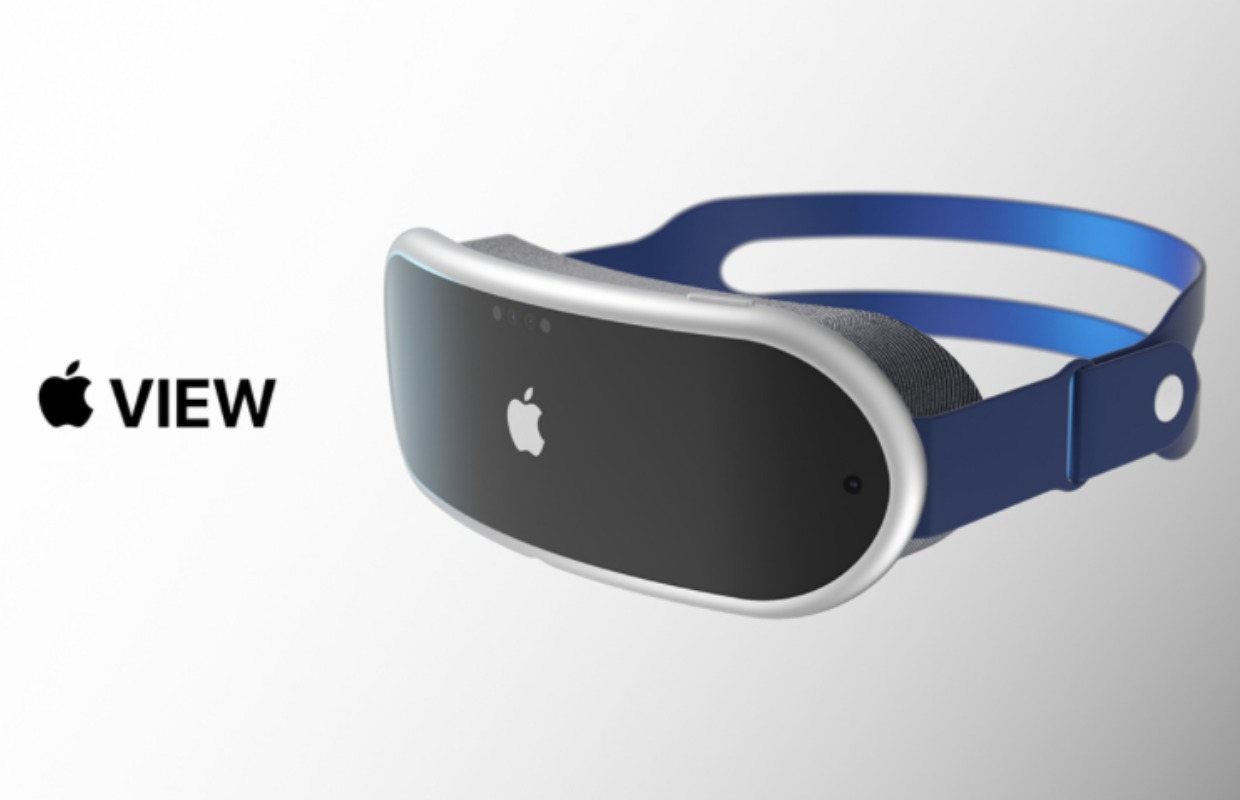
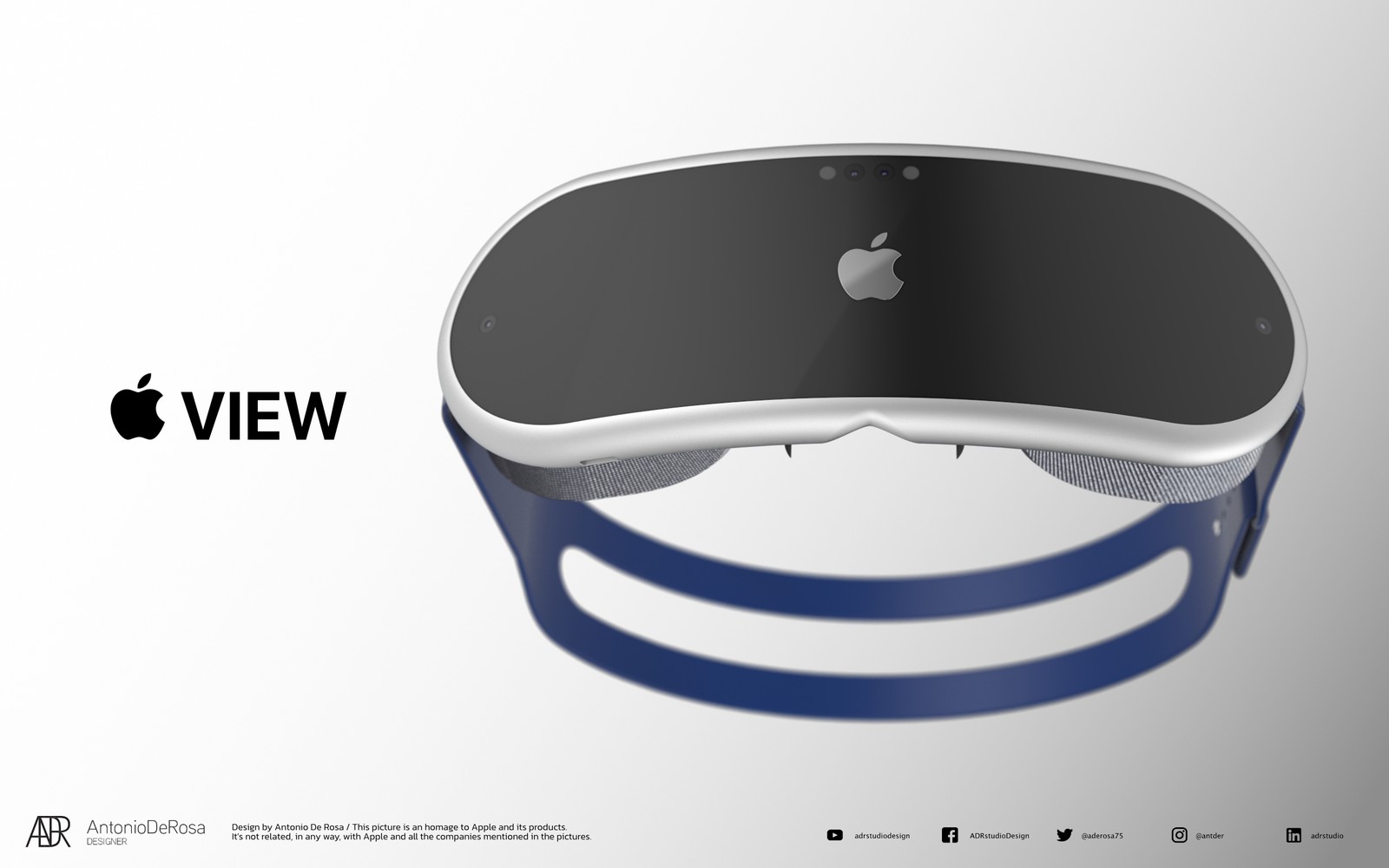
    Apple’s mixed reality headset was recently shown to the company’s board of directors. With mixed reality, the device will support both VR (virtual reality) and AR (augmented reality). The former creates an environment that is all made up while the latter places a layer of data on top of a real-world image. For example, with VR you might find yourself in a room with a large screen television that you can use to play video games.
    The thing is, this room does not exist and neither does the television set. You’ll see it only when you have your mixed reality headset on. Augmented Reality (AR) is currently used on Google Maps. With Live View, the camera on the back of the phone sends images to the display that shows you where you are while arrows are superimposed on the screen showing you which way to turn and pointing out famous landmarks that you’ll be walking past.
    By the time the decision was made to go with the standalone headset, the device’s multiple chips had already been in development for several years. This made it impossible for Apple to start from scratch and go back to the drawing board to produce a single chip to handle all the capabilities of the headset. Other issues have created headaches for hardware and algorithm engineers such as many as 14 cameras on the device.
    The report also delves into former Apple design chief Jony Ive’s continued work on the project which has continued long after Ive left Apple. While Ive prefers a wearable battery for the mixed reality headset (“the best Apple mixed reality headset yet,” as Ive might have said on the new product video), prototypes of the device reportedly have the battery hidden inside the headband of the VR headset.
    Still, it is not known where the battery will be found in the final design of the device. We do expect the headset to use a new operating system called realityOS which was a name we first heard used in conjunction with Apple headgear years ago.
    The mixed reality headsets check off a few flattering and unflattering boxes. Expensive? The price could be above $3,000 and include as many as a dozen cameras to help track hand and head movements. There could be two 4K micro OLED displays and an AMOLED low-resolution display for peripheral vision. Analyst Ming-Chi Kuo says that Apple does not pigeon-hole the device as a gaming platform and that it will sport the best industrial production to date.
    Bloomberg’s Mark Gurman wrote, “Gaming should be a strong focus of the machine, especially given that it will have multiple processors, a fan, extremely high-resolution displays, and its own App Store. Look for Apple to position the device as a dream for game developers. Next, media consumption. I expect Apple to work with media partners to create content that can be watched in VR on the device. Third, communications. Look for Animojis and a VR FaceTime-like experience to be the new-age Zoom.”
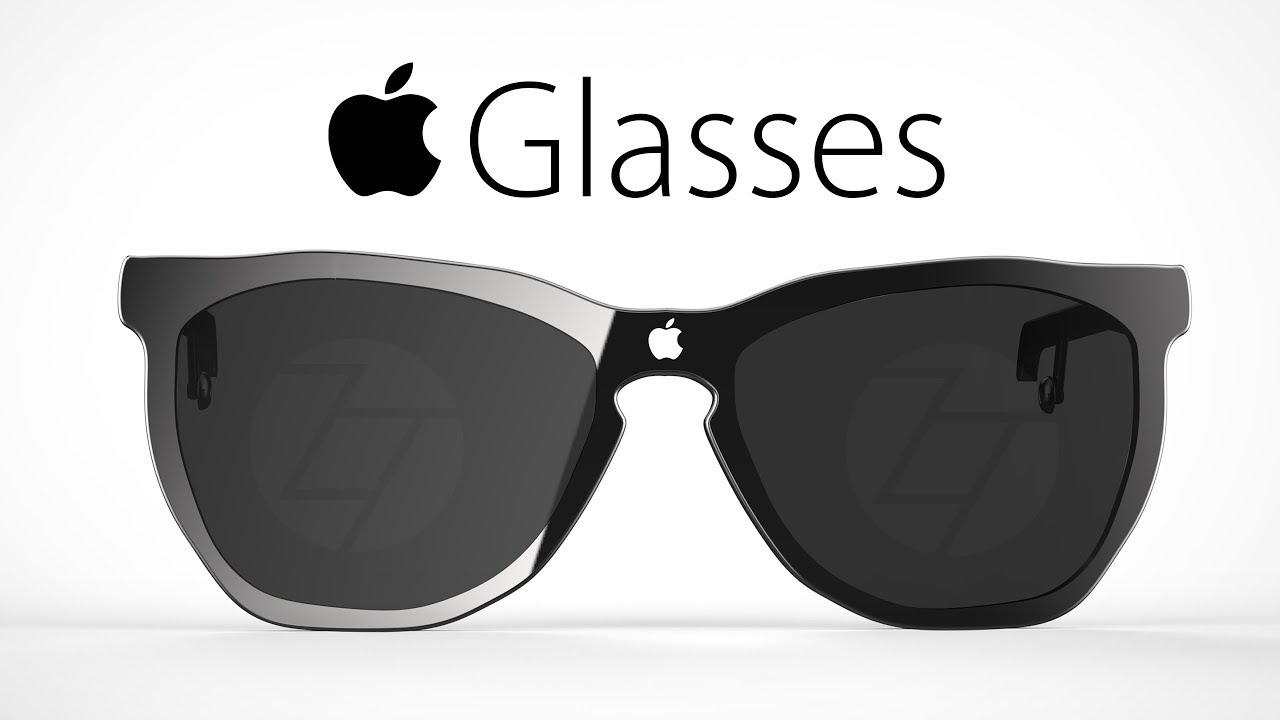
    And a few years after the mixed reality device is released, Apple is expected to launch what many have been expecting to be its next big product replacing the iPhone, Apple Glass. With a design that resembles traditional glasses, Apple Glass would allow users to employ AR to see data through their glasses as they go about their average day.
    At Google I/O last week, Google showed off a pair of smart glasses that looked nothing like Google Glass, the device that helped coin the phrase “glass holes.” The glasses displayed at the event allow a user to slip one on and instantly engage in a conversation with someone speaking another language. If Apple and Google can prove the worth of using smart glasses for this type of content (which would also benefit the hard of hearing) instead of recording copies of first-run movies and selling bootlegged copies of them, then AR glasses could very well be the next big thing.


  • Apple VR headset may come with Micro LED display, M1 chip

    Apple VR headset may come with Micro LED display, M1 chip

    Apple’s VR headset’s due date at the end of the year is inching ever closer, and the rumors surrounding the new device have been flowing in at a faster rate than usual. A mysterious new tip has made its way to us today, supposedly revealing details about the headset’s display and processing chip.

    The leak comes from Korean tech site ET News, and claims it has insider info that Apple is developing a Micro OLED chip for the device with TSMC:

    The parts industry expects Apple to release virtual reality (VR) headset terminal for the metaverse market as early as this year. It was understood that the performance test for VR headset production has been recently completed. Apple VR devices are equipped with micro-organic light-emitting diode (OLED) displays.

    Apple cooperated with Taiwan’s TSMC with developing OLED displays for VR devices. Micro OLED displays do not require color filters since OLEDs are deposited directly on the chip wafer. Micro OLED is smaller, thinner, and more efficient.

    The same article also states that Apple is equipping the VR headset with an M1 chip, which also powers Apple’s latest iPads and MacBooks.

    Although the ET News leak has made its way into the tech mainstream media, it wouldn’t be too fast to put much stock in it. It further claims that Apple will be using the iPhone’s iOS operating system for the headset, despite an earlier fairly credible GitHub code leak showing clear references to a separate “Reality OS” operating system that the company is developing.

    The M1 chipset claim is slightly more credible, as we know that the device has already been tested with the processor Apple designed to replace Intel components on certain Mac models. In power, the M1 processor is comparable to the 5nm-node A14 Bionic chip that powers the iPhone 12 series but is complete with all of 16 billion transistors for maximum compact power and efficiency.

  • The Apple Glasses AR/VR headset completes engineering tests for a possible 2022 launch

    The Apple Glasses AR/VR headset completes engineering tests for a possible 2022 launch

    According to sources from the Taiwanese supply chain, Apple has already finished the last of the Engineering Validation Tests (EVT2) of its future Glass AR headset that is expected to be launched this year.

    Next in line for the upcoming virtual reality wearable with a fruit logo is reportedly the design validation test (DVT) stage which, if passed successfully, could mean an Apple Glasses release in 2022, despite that recently Mark Gurman, a Bloomberg analyst, predicted that the headgear won’t be landing before 2023 rolls in.

    With Apple Glasses price rumored to be around $3000 for a set of two 8K resolution displays and the necessary Apple Silicon chips needed to process all the visual information in a standalone manner that doesn’t need to be hooked up to a computer.

    Industry insiders out of Korea have tipped that LG Innotek, the company that supplied the cameras for LG’s Android handsets of yesteryear, will be supplying the 3D time of flight (ToF) module that Apple plans to use for their virtual reality headset.

    According to another storied Apple analyst, Ming-Chi Kuo, the Apple Glasses headset specs will include Wi-Fi 6E connectivity in order to provide the huge bandwidth needed to stream all these bits and bytes it will be generating.

    That’s also not hard to believe, given that there already exists virtual reality gear with Wi-Fi 6 connectivity out there, in the form of Facebook’s Oculus Quest, which allows it to stream at up to 120Hz refresh rates.

    Mr Kuo also claims that three major companies – Apple, Meta, and Sony – will have high-end mixed reality headgear with Wi-Fi 6/6E chips inside, perhaps having in mind the PlayStation VR2 model that is expected to land this year as well.

    If the tentatively named Apple Glasses mixed reality headset is released in 2022, it may have to battle against Facebook (aka Meta)’s own such gear that is rumored to be launched this year as well. The Apple headset will also be “pricey,” according to Bloomberg’s Mark Gurman in his PowerOn Apple-themed newsletter edition, and that price is said to be in the realm of $2999.

    Still, Apple has been talking about the possibilities that mixed reality offers for so long ago, adapting its products and programming SDK packages for a major AR/VR push, that a dedicated augmented reality headset could very well be a gamechanger for the industry, if and when it falls down from that rumored $3000 Apple Glasses price tag.

  • New report hints at the potential power of Apple’s upcoming AR/VR headset

    New report hints at the potential power of Apple’s upcoming AR/VR headset

    Apple’s first genuinely new product in a while is expected to see the light of day in the second half of 2022, and it is the alleged AR/VR headset. The rumor mill has been spilling out all kinds of reports and rumors about the device, one of which reveals Apple’s intent for its implementation.

    More recently, a new report from the well-known and respected tech analyst Ming-Chi Kuo pulls the curtains yet even more. He claims that the headset will be powered by the same 96W USB-C power adapter that comes with the MacBook Pro.

    At first glance, this piece of information might seem boring or even unworthy of being mentioned. However, it could be a showing sign of the power that stands behind Apple’s mixed reality wearable product. Previous rumors say that it will be rocking a Mac-level computing power, which would explain the big power adapter.

    To be more precise, Kuo has stated that there will be two processors that will contribute to the headset’s capabilities: a 5nm chip and a 4nm one, supposedly manufactured by TSMC. He also says that one of the chips will be similar in performance to that of the M1 SoC, while the other will be responsible for all the sensors.

    Needless to say, this first iteration will likely be a very niche product, going for insane amounts of money and reserved for the early adopters and developers. That is why Apple is said to make only a small number of them for 2022.

    That being said, Kuo predicts that the next generation will enter the market with a more competitive price point and slowly become more affordable and available. Tim Cook, Apple’s current CEO, has expressed a tremendous interest in the technology. Significant amounts of investments are being made in both VR and AR, so both are probably here to stay and have some part to play in the future

  • Apple’s AirPods held sway over all competitors in the TWS Bluetooth Headset market

    Apple’s AirPods held sway over all competitors in the TWS Bluetooth Headset market

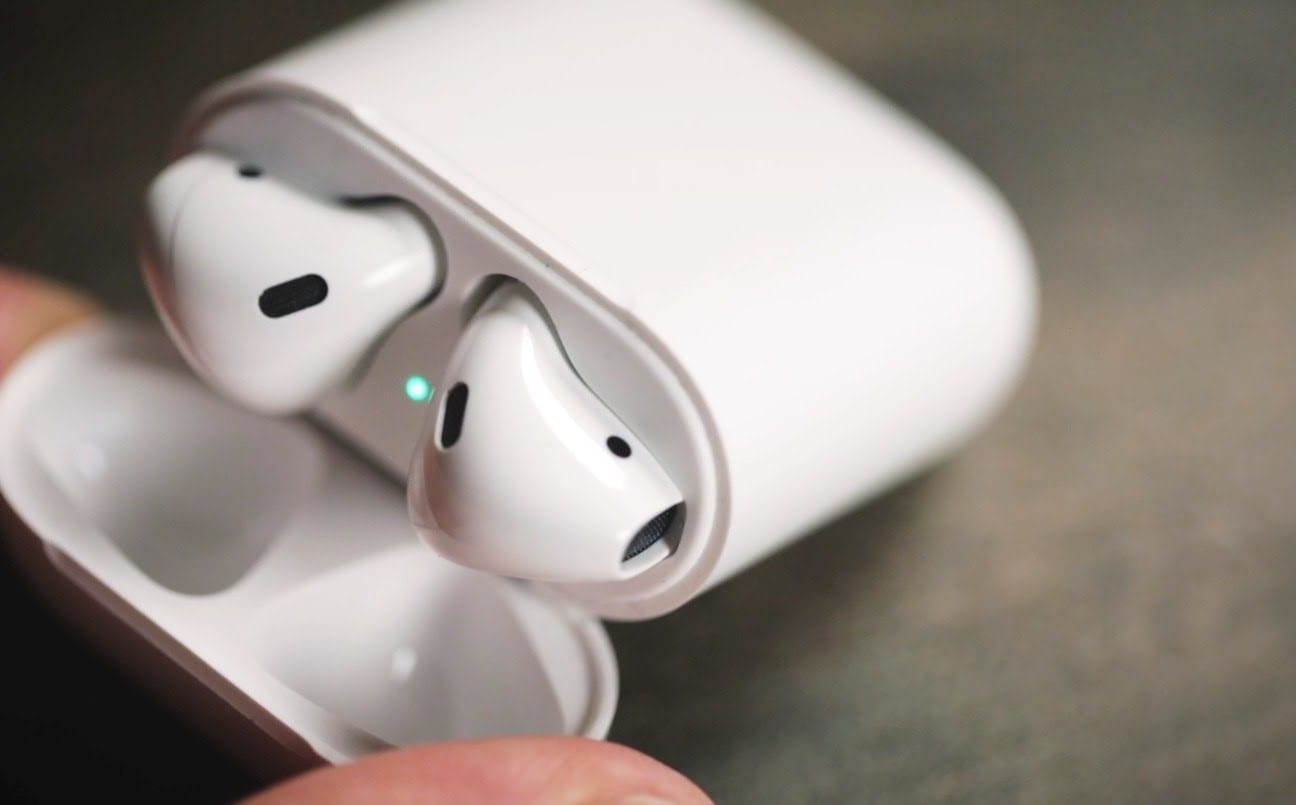
    According to research firm Strategy Analytics, Apple’s AirPods dominated the market for True Wireless Stereo (TWS) Bluetooth headsets in 2020. Overall, the accessory remains one of the hottest products in tech as the category saw sales soar 90% last year. Even after last year’s growth, there is room for more.

    Ville-Petteri Ukonaho, Strategy Analytics’ Associate Director, notes that globally, only one in 10 people own a Bluetooth headset. Ukonaho says that with companies like Apple and Samsung no longer including wired earphones in the box with new handsets, Strategy Analytics sees “huge potential” for Bluetooth headset sales.

    Ken Hyers, Director at Strategy Analytics, said, “TWS headsets drove global sales volumes in the Bluetooth headset segment. While the pandemic slowed demand briefly during the first half of the year, sales rebounded strongly during the second half. The Work From Home shift benefited the entire Bluetooth headset category in terms of sales volume growth.”

    Hyers also touched on Apple’s current domination of the TWS Bluetooth headset market while also pointing out that the tech giant’s share is shrinking thanks to competition this year from Samsung, Huawei, and Xiaomi. Hyers said, “Apple maintained a commanding lead in the TWS segment in 2020, but its commanding share is shrinking as competition intensifies. Strong competition is expected from Xiaomi, Samsung, and Huawei in 2021. The TWS headset market is already hugely overcrowded and despite a strong sales outlook, there will inevitably be consolidation in the years ahead.”

    Apple is expected to unveil two new AirPods versions this year, the third-generation AirPods and the second generation AirPods Pro. The new models could see the light of day this March. The first generation AirPods were released on December 13th, 2016 with the second-generation model launched last March. On October 30th, 2019, the AirPods Pro hit the market with new features including Active Noise Cancellation to remove ambient noise, and the Transparency mode to allow outside noises to be heard.

  • IoT to drive BLE market to 1.6b devices by 2023: ABI

    IoT to drive BLE market to 1.6b devices by 2023: ABI

    ABI Research forecasts that Bluetooth Low Energy (BLE) devices will exceed 1.6 billion annual shipments by 2023. Growth in segments like smart home, beacons and asset tracking, emerging IoT applications, alongside growth in existing key markets and the emergence of audio over BLE will enable the technology to achieve a CAGR of 27% between 2018 and 2023, tripling in size.

    Andrew Zignani, senior analyst at ABI Research, says the growth in BLE stems from continued technical enhancements that take advantage of opportunities arising from growing number of applications in various vertical markets.

    “BLE’s ubiquitous support in mobile devices, combined with its ability to support mesh networking, beacon functionality, and most recently, centimeter level location accuracy with the introduction of Bluetooth 5.1 and radio direction finding (RDF), is enabling BLE to be increasingly leveraged within smart consumer devices, larger scale home and commercial building automation environments, and RTLS deployments with more stringent accuracy requirements,” says Zignani.

    By 2020 Bluetooth is anticipated to enable high-quality audio streaming over BLE, providing a boost for the existing headset market and the emerging True Wireless audio device market.

    Zignani cites announcements at CES2019 such as Dialog Semiconductor demonstrating an audio over BLE proof of concept utilizing their SmartBond SoCs. “From 2020, we expect the Bluetooth audio market to take advantage of upcoming enhancements to better support truly cable-free earbud experiences while enhancing the battery life and user experience, though it may take some time for the standardization process to translate to wider mobile and ecosystem support,” explains Zignani.

    BLE chipset providers continue to innovate to provide further improvements in power consumption, further extending battery life and enabling support for battery-free devices via energy harvesting.

  • Xiaomi announces its first VR headset

    Xiaomi announces its first VR headset

    Xiaomi is broadening its already expansive range of products by venturing into virtual reality for the first time.

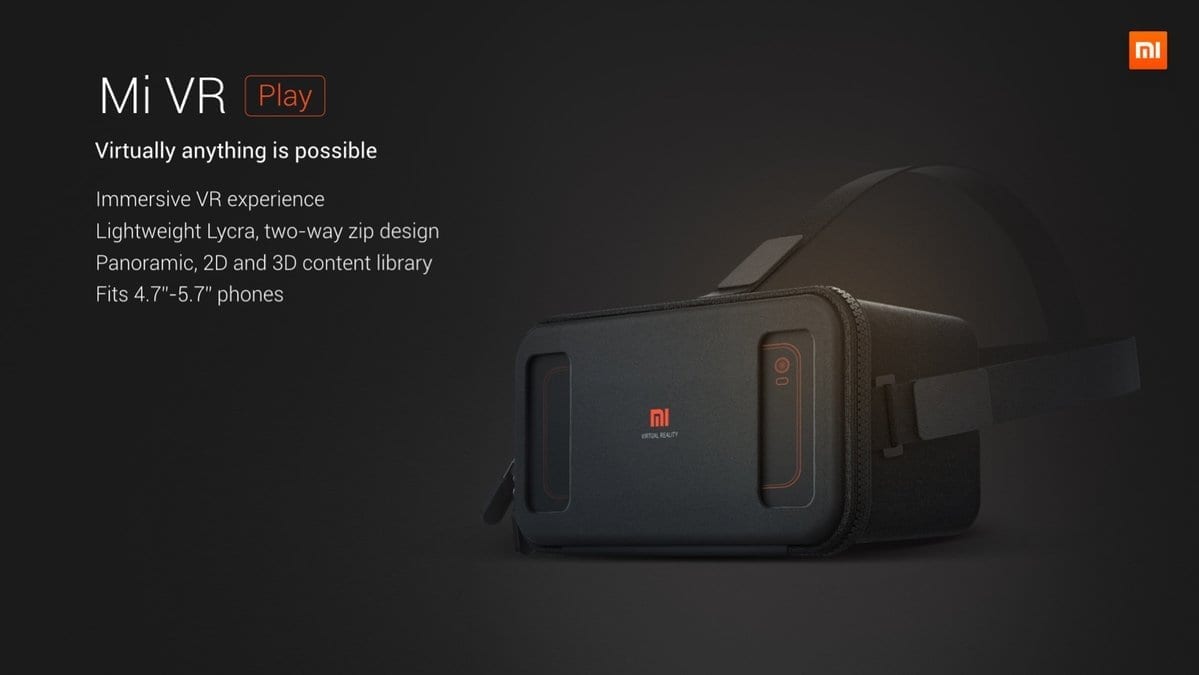
    The company today announced the Mi VR Play, an “entry-level” virtual reality headset that it hopes can open this new exciting medium to new audiences because not everyone has thousands of dollars needed to set up an Oculus Rift or HTC Vive. Democratizing technology is the thesis behind most of Xiaomi’s competitively priced products, including the $550/$750 notebook announced last week that will rival Apple’s Macbook in China.

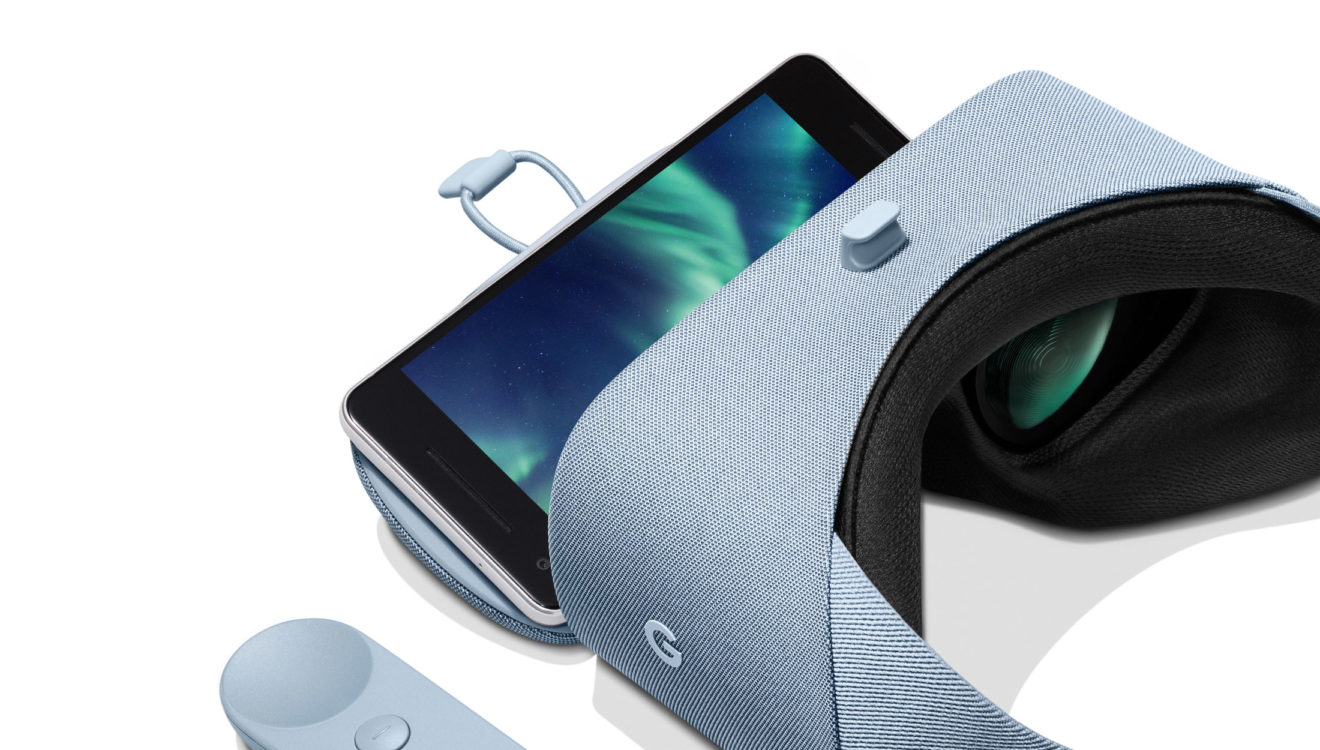
    This new device recalls Google’s super-cheap and super-simple Cardboard VR headset. It is fairly basic in nature; you pop a smartphone into the lycra-built body then open Xiaomi’s Mi VR app, which contains VR content from selected partners that include Conde Nast Traveler and YouKu, “China’s YouTube.” Xiaomi pledged to invest $1 billion in video content, including VR, last year, so that library is sure to get bigger over time.

    Here’s how Xiaomi describes the headset:

    Mi VR Play has significantly improved upon the design typically used in similar VR products — it is wrapped in lightweight, durable Lycra for long-lasting comfort. In the future, Mi VR Play will also be available in a selection of bold prints and colours for even more stylish options. The unique two-way zipper helps to ensure compatibility, providing a secure grip on a wide range of 4.7- to 5.7-inch smartphones. At the same time, the dual openings on the front allow for slight positioning adjustments and ventilation.

    Here’s the catch — you can’t go and buy one, even if you’re in China.

    Xiaomi is making it available to a limited number of beta test users, who signed up on August 1 when Xiaomi put out a call for volunteers. One million users signed up in just eight hours, the company said, but Xiaomi has selected just a fraction of those — likely “tens of thousands,” a representative told us.

    For those lucky ones accepted into the test program, the Mi VR Play will cost just RMB 1 ($0.15).

    Xiaomi told us that it has plans to make the headset more widely available in the future, but there’s no schedule for that right now. Along those lines, it isn’t clear how much the headset will cost once it is on sale to all. We suspect it won’t be RMB 1, sadly.