
Retail News CRM

Tag: heavy

  • Iran Conflict Fuels Rapid Electrification of Chinas Heavy Truck Fleet Amidst Diesel Price Hike

    Iran Conflict Fuels Rapid Electrification of Chinas Heavy Truck Fleet Amidst Diesel Price Hike

    The surge in diesel prices, precipitated by conflict with Iran, could hasten the electrification of China’s heavy-duty truck fleet this year, according to market analysts and auto manufacturers. This shift could further expedite the decline in fuel consumption in the world’s top oil-importing nation.

    The past two years have seen electric heavy-duty truck sales rise from a niche market to nearly one-third of all new heavy-duty truck purchases by 2025. This increase is attributed to government subsidies, lower refueling costs, and an expanding charging infrastructure. Growth in 2025 was particularly significant in the last quarter as buyers anticipated the termination of the trade-in subsidy program.

    Sales of new-energy heavy-duty trucks, predominantly electric, commenced this year with similar growth, increasing by 45% from the previous year to 44,000 units. This figure represents over a quarter of the entire segment, a strong increase from less than 20% a year earlier, as stated by data provider CVWorld.cn.

    CVWorld.cn also expects sales of heavy electric trucks to rise by 30% in April. The increase is likely driven by robust seasonal demand and high oil prices. According to Min Ji, a senior analyst at S&P Global Mobility, the conflict has increased China’s domestic fuel prices, inevitably accelerating the transition from conventional trucks.

    Electric heavy-duty trucks, with a range of approximately 300km, are primarily used for short hauls between industrial locations and transportation hubs. However, long-distance routes are expanding, and manufacturers such as Sany are introducing trucks with a range of up to 600km.

    The extensive electrification of passenger cars and the swift deployment of electric and liquefied natural gas-powered trucks have reversed China’s longstanding growth in the use of diesel and gasoline. Industry analysts largely predict that the demand for oil will reach its peak by 2030.

    Projections for Diesel Consumption and Export Trends

    Current predictions from energy consultancies anticipate a more rapid decline in diesel use than previously expected. GL Consulting predicts diesel consumption will decrease by 4.3% this year, in comparison with a pre-conflict estimate of a 4.1% fall. Rystad Energy forecasts a 5% reduction in diesel demand, surpassing its previous estimate of a 4% decrease, equating to a further decline of about 40,000 barrels daily.

    A 27% rise in retail diesel prices in China following the onset of the Iran conflict has made the economic case for purchasing electric trucks more compelling. Despite the higher initial cost of electric heavy-duty trucks (500,000 yuan or US$73,500) compared to their diesel counterparts (more than 300,000 yuan), nearly half the price difference can be offset through a trade-in program recently extended to the end of the year.

    The lower operating costs of electric trucks are fueling a surge in exports to Europe, which is the world’s second-largest electric truck market, albeit considerably behind China. In 2024, China’s electric truck sales reached 160,000 units, while Europe lagged with fewer than 25,000 sales, as reported by the International Energy Agency.

    Questions & Answers

    What impact has the Iran conflict had on diesel prices in China?
    The conflict with Iran has led to a significant surge in diesel prices in China, rising by 27% since the conflict began on February 28.

    What are the benefits of electric heavy-duty trucks?
    Electric heavy-duty trucks offer a range of benefits including lower operating costs, far-reaching government subsidies, and reduced environmental impact compared to their diesel counterparts.

    How is the growth of electric truck sales expected to change in the near future?
    The growth of electric truck sales is projected to continue, with a predicted increase of 30% in sales of heavy electric trucks in April. This growth is primarily driven by strong seasonal demand and high oil prices.
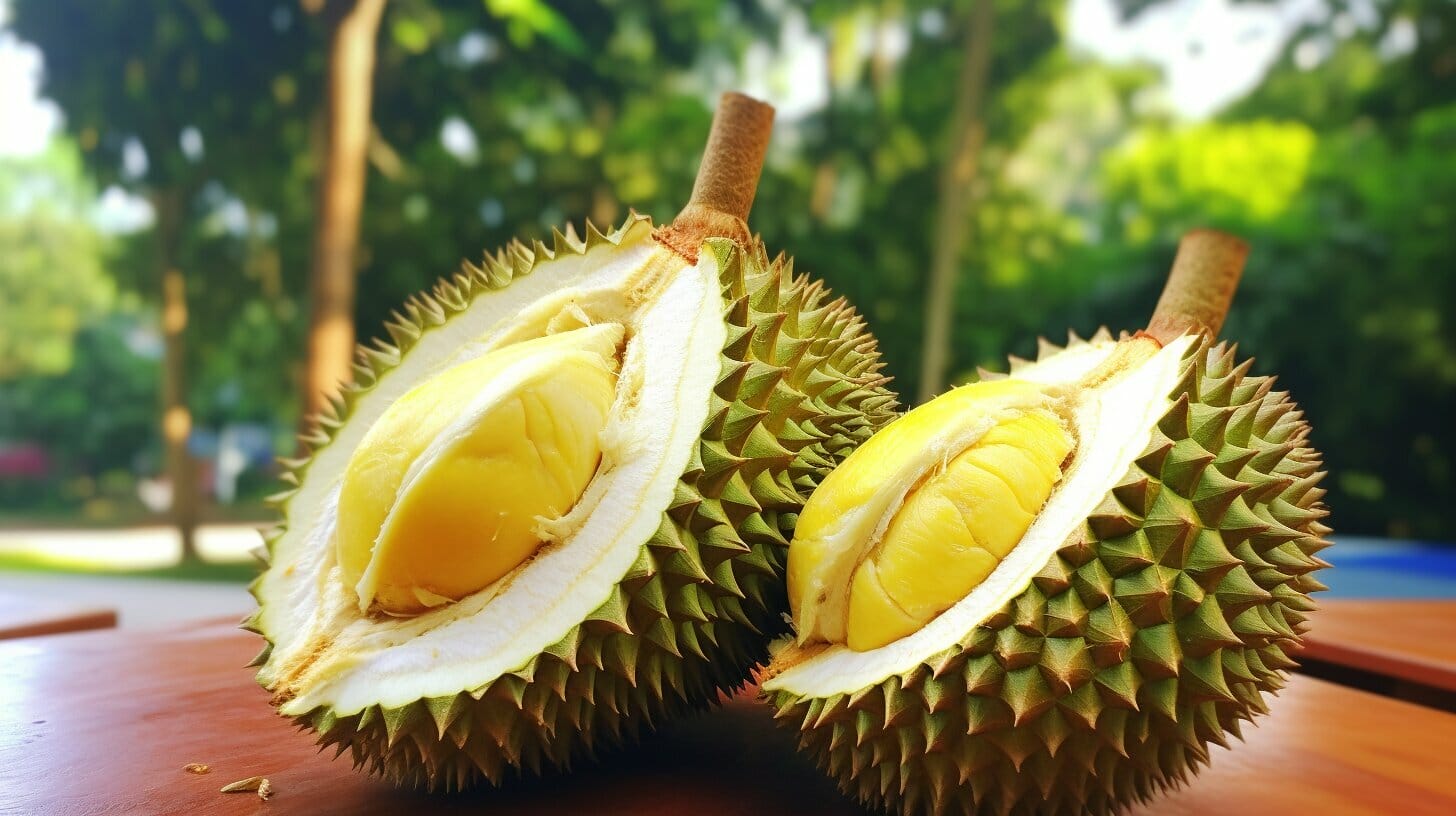
  • Dak Lak Durian Crisis: Testing Halt Triggers Heavy Losses for Farmers and Exporters

    Dak Lak Durian Crisis: Testing Halt Triggers Heavy Losses for Farmers and Exporters

    Durian orchards in Dak Lak Province are suffering significant losses as export activities have halted and demand has plummeted due to delays in chemical residue testing. Doan Thi Thuy, an orchard owner in Krong Pak District, has experienced the harsh realities of this situation with fruits beginning to fall from her over 100 durian trees in recent days.

    Failed Deals and Falling Prices

    Thuy mentioned that several large-scale traders had shown interest in purchasing her durians for VND82,000 (US$3.12) per kilogram, even going so far as to put down deposits. Unfortunately, these deals fell through, forcing her to sell the now overripe fruits to smaller traders at a significantly reduced price of VND20,000-25,000 per kilogram.

    Impacts of Testing Delays

    The Dak Lak Durian Association recently highlighted that almost 2,000 containers of fruits have been stuck at various locations including warehouses, packing facilities, and border checkpoints since October 11. This bottleneck has occurred due to the halt in chemical residue testing, which is a critical step in obtaining the necessary certifications for export.

    The peak durian harvesting season in Dak Lak, a key producing province in the Central Highlands, is currently underway. However, the paused testing has resulted in significant losses for farmers.

    Orchard Owners Bearing the Brunt

    Doan Kiem, a durian farmer, has resorted to selling his durians, originally intended for export, at just a quarter of the agreed-upon price to anyone willing to buy. Kiem spends approximately VND600 million annually to maintain his 500-tree orchard and estimates his losses in the hundreds of millions due to this predicament.

    The pause in testing has not only affected farmers but also exporters who are left with no other option but to wait for the test results. Some businesses, fearing their fruits will spoil, have tried to sell in the domestic market or have processed them. Delays in testing have even caused several shipments of durians to crack and spoil, leading to losses amounting to billions of dong.

    The Path Forward

    A testing center in northern Vietnam expects to resume operations shortly. The temporary halt was to ensure the stability and accuracy of the equipment after its heavy use during the peak season. Vietnam has 24 labs that have been approved by Chinese customs to test a total of 3,200 samples per day. However, the heavy workload has led to equipment breakdowns at many labs, while others have had to pause operations due to license renewal processes.

    The Ministry of Agriculture and Environment has instructed relevant agencies to review all labs and provide necessary assistance. It has also advised the Plant Protection Department to cooperate with Chinese authorities to get more testing facilities approved.

    The Vietnam Fruit and Vegetable Association has suggested that testing facilities should plan their maintenance schedules in advance and notify businesses sooner to avoid further bottlenecks. It also encourages exporters to keep a close eye on market trends and adjust their shipping schedules to avoid congestion during peak seasons.

    Despite the current challenges, Vietnam managed to export $1.8 billion worth of durians in the first eight months of 2025. Fresh fruit shipments accounted for $1.52 billion of this total, marking a 25% decline from the previous year. However, frozen durian exports saw an impressive increase, up 127% to $265 million.

    Questions & Answers

    What is the main reason for the current losses in Dak Lak’s durian industry?
    The primary reason is the delay in chemical residue testing, which has halted exports and led to a significant drop in demand.

    How have testing delays affected durian farmers and exporters?
    Testing delays have resulted in massive losses for durian farmers, with fruits falling from trees and deals with traders falling through. Exporters are also in a bind as they can’t export their produce without the necessary certifications.

    What measures are being taken to resolve this issue?
    A testing center in northern Vietnam expects to resume operations shortly. Additionally, the Ministry of Agriculture and Environment has instructed relevant agencies to review all labs, provide necessary assistance, and work with Chinese authorities to get more testing facilities approved.