Tag: Heineken

  • Idris Jala to become Heineken Malaysia chairman

    Idris Jala to become Heineken Malaysia chairman

    Performance Management and Delivery Unit (Pemandu) chief executive officer Datuk Seri Idris Jala will join Heineken Malaysia Bhd (formerly Guinness Malaysia Bhd) as chairman starting Jan 1, 2017.

    In a filing with Bursa Malaysia, the Selangor-based brewer said Idris would succeed Tan Sri Saw Choo Boon who had decided to retire as chairman on Dec 31.

    At the request of management, Saw has agreed to continue to support the group as advisor of Heineken Malaysia starting Jan 1, 2017.

    Idris, who served as Minister in the Prime Minister’s Department for six years, is the managing director of the Big Fast Results Institute in addition to helming Pemandu.

    “Datuk Seri Idris Jala is a renowned transformation guru in turning around companies’ performance through his big fast results methodology and transformational strategies that are innovative, rigorous and relevant to today’s demands. He has continuously delivered sustainable socio economic reforms which, in 2014, saw Bloomberg place him among the top 10 most influential policy makers in the world,” Heineken Malaysia said.

    Prior to his Government stint, Idris was managing director/CEO at Malaysia Airlines (MAS) for three years. He was brought on board to turn around the airline which was in crisis brought about by a prolonged bout of losses from operational inefficiencies.

    Before that, he spent 23 years at Shell, rising up the ranks to hold senior positions including vice president (Shell Retail International) and vice president (business development consultancy) based in the UK.

  • Korean grocery prices among world’s highest

    Korean grocery prices among world’s highest

    A recent report from a Korean consumer protection agency reveals that the prices of imported fruit, wine, beer and Starbucks coffee in Korea are much more expensive than in other countries.

    According to Consumers Korea, the domestic prices of imported grapes, wine, and domestic pork belly were among the highest levels in the world. The prices of groceries in the major cities of 13 countries were compared.

    The report indicated that 800 grams of American grapes cost 7009 won in Korea, which was twice as high as the price in the U.S. (4069 won), and wine was being sold for an average of 38,875 won, which was 71 per cent higher than the price of wine in the Netherlands (22,681 won), which has the fifth-highest wine prices in the world.

    The price for a kilogram of domestic pork belly (27,930 won) was almost twice as high as the comparable price in China (14,679 won), which was the second-highest among the 13 countries compared.

    The cost of coffee at Starbucks (Americano tall size), domestic beef sirloin (one kilogram, steak), imported sirloin (one kilogram, steak), bananas (Philippines, one bunch), American oranges (one), American grapefruit (one), Coca Cola (1.5l), Heineken (330ml), and Miller (355ml) in Korea were the second highest among the 13 countries compared.

    Of note, the price of Heineken in Korea (2016 won) was 2.9 times higher than the price in the Netherlands (729 won), and the price of Miller in Korea (2203 won) was 2.3 times higher than the price in the US. (960 won).

    Officials from Consumers Korea commented that among the 35 products compared across the 13 cities, the Korean grocery prices of 31 products ranked in the top five.

    “Prices of Korean agricultural products were expensive compared to prices in other countries. Since customs tariffs are being lowered due to different free trade agreements, regulations should be established so that the financial benefits of free trade can be passed on to consumers,” said the officials.

  • Myanmar retail sector ringing up sales

    Myanmar retail sector ringing up sales

    Rising incomes, an expanding economy and changing consumer patterns are attracting a growing number of international brands to Myanmar. By fuelling competition amongst existing players, their presence is expected to trigger an improvement in the range and quality of products and services on offer.

    International attention has been driven by bullish retail growth, which has expanded by an average rate of 7-15% per annum since 2011.

    Daw Win Win Tint, managing director of leading retailer City Mart Group and president of the Myanmar Retailers Association, told OBG international bands are attracted to Myanmar’s strong economic growth and increasing consumer purchasing power.

    “The average basket of goods continues to grow by around 10% per year mainly due to increasing spending power in urban cities, especially Yangon, where salaries have risen significantly,” she said.

    Fast moving

    Several international brands have made forays elsewhere the retail supply chain, making strategic greenfield investments in local processing. In the fast-moving consumer goods (FMCG) segment, Carlsberg and Heineken both opened brewing factories in Myanmar earlier this year through joint ventures with local partners, and Japan’s Kirin acquired a 55% stake in market leader Myanmar Beer for $560m in August.

    While modern retail currently accounts for just 10% of the FMCG segment, Daw Win Win Tint expects restrictions on foreign retail chains entering the Myanmar market to be lifted sometime in the future. As local purchasing power grows and Myanmar consumers have greater exposure to foreign brands via the internet and international travel, demand in the FMCG segment in particular is expected to rise.

    “There needs to be more awareness of the potential of the FMCG sector, as Myanmar has a population of approximately 51m and the prospects of becoming a manufacturing hub for South Asia,” she told OBG.

    Rising tide of consumerism

    Industry observers forecast a surge in consumer activity in the coming years, with the McKinsey Global Institute predicting in mid-2013 that Myanmar’s GDP would expand by more than four-fold by 2030, from around $45bn to $200bn. The group also predicted that rising incomes would fuel expansion of the country’s consumer class, jumping from 2.5m to 19m over the period, with consumer spending to triple to $100bn per year.

    As the country liberalises its retail market, the division of consumer spending between domestic and international retailers could see a shift. Local consumption habits continue to favour local products, though this is largely due to availability. In the beer segment for example, Myanmar Brewery accounts for more than 80% of sales.

    Though Myanmar consumers may welcome the entry of new brands and chains, such a transformation is likely to be a strain on current operators, who will have to contend with high-profile rivals with international experience and economies of scale. This will force local retailers to adapt to the changing market, which should bolster the portfolio products on offer and promote market efficiency.

    Consumer spending

    In addition to the prospect of greater competition, a decline in consumer confidence has the potential to cool sales in the shorter term. Though consumer sentiment in Myanmar remains among the most positive in the region, according to the most recent MasterCard survey, there has been a recent dip in the outlook of shoppers.

    Myanmar’s rating on the latest consumer confidence index, issued at the end of July, slipped from a regional high of 97.2 in mid-2014 to 81.6. Although still ahead of the South-east Asian average of 71 – second only to Vietnam – the 15.6-point drop was one of the sharpest recorded over the period. Although Myanmar’s position on the MasterCard index may have eased somewhat, any rating above 50 suggests that consumers remain optimistic.

    Weaker sentiment could be due in part to upcoming elections, scheduled for November, though increasing inflation is also likely to be a factor. According to the IMF, inflation reached 8% at the end of May. While low compared to an average of 23% between 2001 and 2010, this represents an increase from the 5% and 6.1% registered in FY 2011/12 and FY 2012/13, respectively.

    The ongoing depreciation of the kyat and crackdown on dollarisation could also be impacting consumer confidence, with the currency falling some 25% year-to-date against the US dollar in August. In addition to affecting the price of foreign goods, this downward movement has also increased the cost of local goods that rely on imported components.
     

  • Heineken joins foreign brewers seeking to slake Myanmar’s thirst

    International brewers are trickling into Myanmar, betting that higher incomes and economic reforms will whip up a thirst for foreign beer in a market that has long been dominated by state-owned firms.

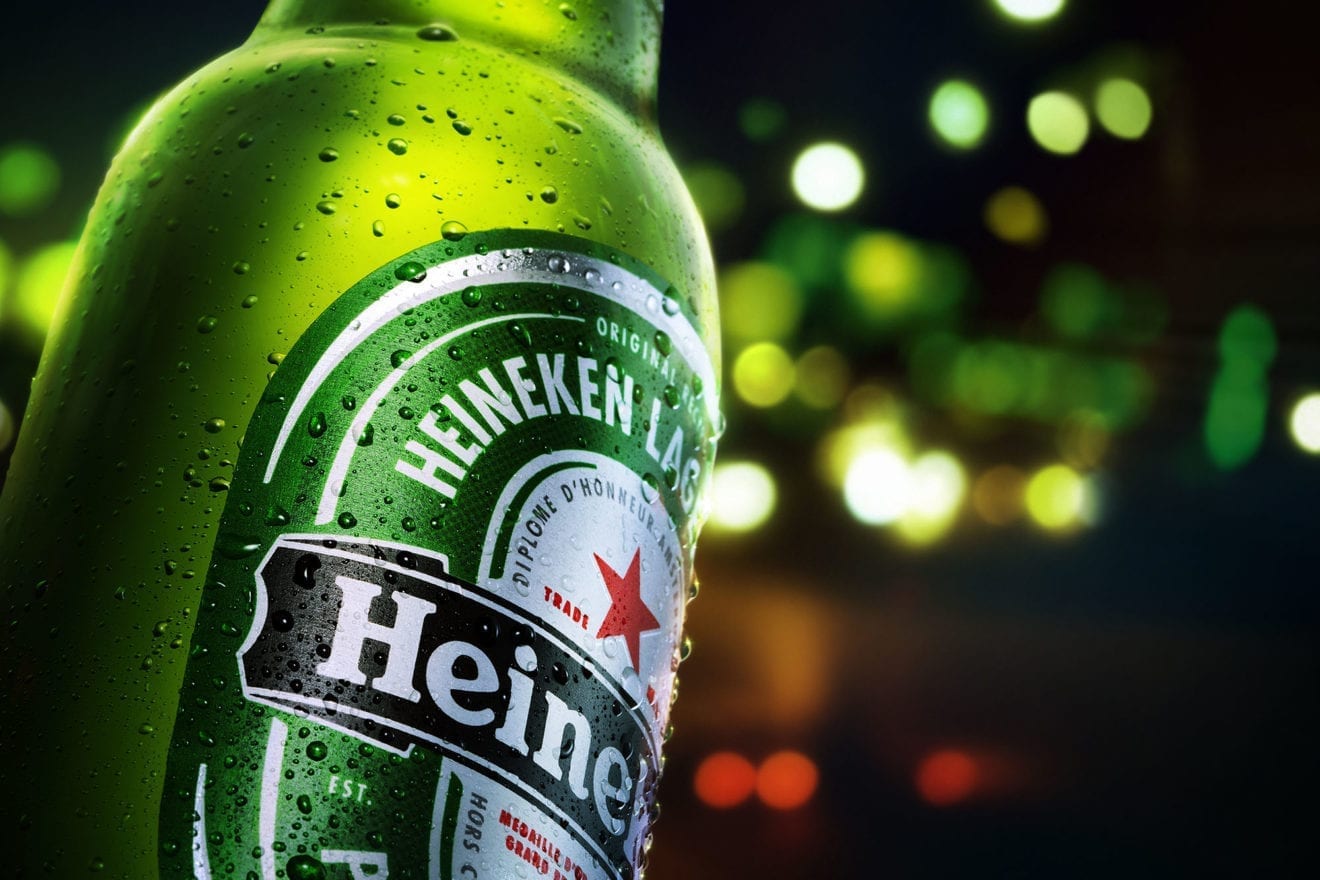
    Heineken NV, the world’s third-largest brewer, on Sunday opened a $60-million brewery joint-venture just outside Yangon, returning to one of Asia’s most promising beer markets after exiting in 1997 amid international condemnation of the human rights abuses of the military government at that time.

    Heineken’s Regal Seven beer is set to rival the Tuborg and Yoma brands by Carlsberg, which in May became the first foreign brewer to set up in Myanmar as it emerges from 49 years of military rule.

    “Myanmar is on faster trajectory of growth and its disposable income will rise for common people in coming years,” said Vijay Dhayal, senior consultant at financial advisors New Crossroads Asia.

    Myanmar’s beer industry is dominated by state-backed Myanmar Brewery, and beer consumption rates are some of the lowest in Asia at just 3.2 litres per person in 2013, according to the latest data from research firm Euromonitor International, well below the 31 litres per person in neighbouring Thailand.

    But with consumer spending expected to rise as economic reforms kick in, foreign brewers hope Burmese will want more beer, especially the branded kind. Euromonitor forecasts the value of the beer market to almost double to $675 million in three years time from an estimated $375 million this year.

    Heinken’s Myanmar brewery is a joint venture with privately owned Alliance Brewery Co Ltd (ABC), majority-owned by local spirits entrepreneur Aung Moe Kyaw.

    Analysts, however, say the dominance of Myanmar Brewery, which has an 80 percent market share, will be tough to crack.

    “This will not be an easy game for foreign firms,” said Alec Maurice, Business Development Officer at consultancy Thura Swiss. “Myanmar consumers are often very loyal to their brands, especially in the beer sector.”

  • Bintang Profits Take a Hit on Beer Ban

    Bintang Profits Take a Hit on Beer Ban

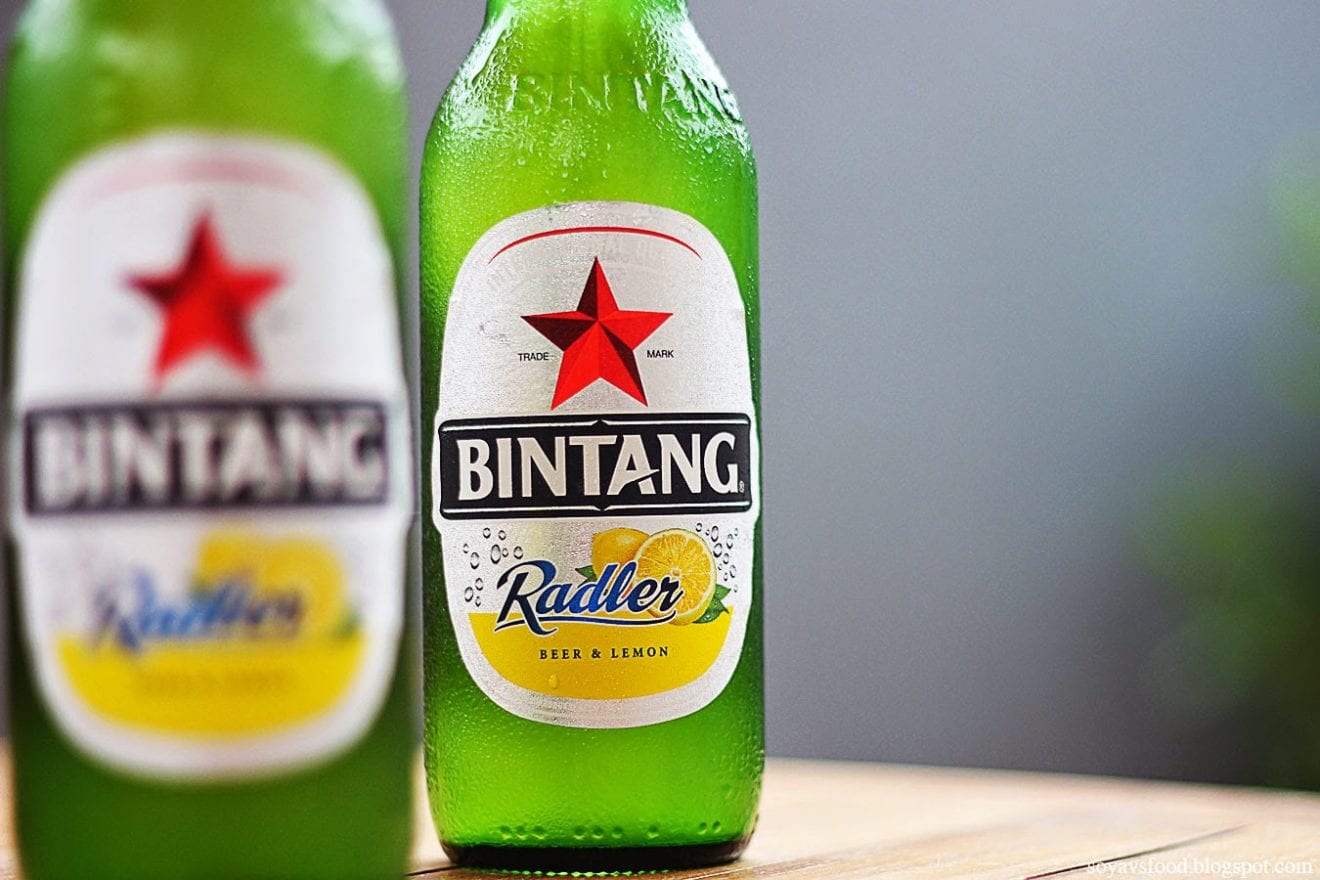
    One of Indonesia’s biggest beer producers, PT Multi Bintang Indonesia, reported a plunge in profits of 42% in the first quarter of the year, when convenience stores started phasing out stock in preparation for a ban on alcohol sales.

    Net income was down to $8.2 billion (107 billion rupiah) year-on-year in the first three months of the year, the company said in its latest financial report.  It also said it was putting on hold planned investments of around 635 billion rupiah due to the ban and continued uncertainty over the future of the regulation.

    The ban is part of decree from the Ministry of Trade that prevents convenience stores from selling beverages with an alcohol content of more than 1%. It took effect on April 16, but retailers were told to start phasing out stock in January.

    While beer sales are still allowed in supermarkets and restaurants, beer distributors feared that sales would take a hit since small retailers and convenience shops account for around 60% of all beer sales in the country.

    “These traditional wholesalers are an important distribution channel in the route-to-market for most consumer goods in Indonesia, including beer,” Multi Bintang said in a statement.

    Retailers and analysts have also been critical of the ban, saying it was pushed too quickly without allowing the industry time to prepare.

    “This is the ready-fire-aim policy making where nobody thinks through the implications,” said Paul Rowland, a Jakarta-based political analyst. “We’ve had a string of these kind of policy decisions that don’t take into account the end result,” he added, pointing to a proposed ban on second-hand clothing and the cancellation of thousands of import licenses in December.

    Multi Bintang’s President Director Michael Chin said that the decline in profit and revenue, which fell by 23% from the same period last year, “was primarily due to the destocking.” The company is currently in talks with the Ministry of Trade about the ban but says they’re moving slowly.

    In an interview last month, he told The Wall Street Journal that concerns about legal uncertainties raised by the decree would likely derail tens of millions of dollars allocated to boosting the company’s production. Muslim-majority Indonesia makes up a small percentage of total global beer sales for major beer makers, such as Heineken and Guinness, but its growing middle class has made the world’s fourth most populous country an enticing market for expansion.

    Multi Bintang, which is majority-owned by Heineken Holding NV of the Netherlands, also produces Heineken in Indonesia and Guinness through a third-party agreement. It has been in Indonesia since 1929.

  • Heineken in talks with Indonesia on beer ban, underage drinking

    Heineken in talks with Indonesia on beer ban, underage drinking

    Brewing companies and Indonesia’s Trade Ministry will form a joint working group to discuss alternative solutions and programs to prevent underage drinking, Dutch brewer Heineken says.

    Heineken, the largest shareholder in Multi Bintang Indonesia, met with Trade Minister Rachmat Gobel on Sunday just days after the government banned alcohol sales at convenience stores and small shops across the country.

    In a press release obtained by GlobeAsia, Heineken said that the company applies very strict rules about how to market and sell its beer products that include prevention of underage drinking. It also said that Multi Bintang has worked with a large number of minimart operators to train their staff to make sure they do not sell to people below the legal drinking age of 21 years old.