Tag: hero

  • Uber’s $14.8 Billion Acquisition of Delivery Hero Bolsters Global Food Delivery Dominance

    Uber’s $14.8 Billion Acquisition of Delivery Hero Bolsters Global Food Delivery Dominance

    Uber, one of the leading global mobility and food delivery platforms, has confirmed its decision to acquire another significant player in the industry, Delivery Hero. The agreement, which values Delivery Hero at approximately €13.0 billion (US$14.8 billion), follows earlier disclosures by the latter about being in advanced talks with Uber amidst market rumors of a potential takeover.

    Uber’s proposal outlines a voluntary public takeover offer, which will see it pay Delivery Hero shareholders €41.50 per share in cash. This move will significantly broaden Uber’s global delivery operations through the integration of Delivery Hero’s portfolio of brands. These include Foodpanda, Glovo, Talabat, HungerStation, and PedidosYa. Consequently, the amalgamated businesses will operate in 99 markets, offering services in ride-hailing, food delivery, and quick commerce.

    Future Plans and Investments

    Niklas Östberg, the co-founder and CEO of Delivery Hero, has expressed his confidence in the acquisition. He asserts that the deal, along with Uber’s planned investment in Germany, highlights the appeal of the European tech ecosystem. Furthermore, he expresses the company’s intent to continue contributing to its growth.

    To ensure regulatory approval for the acquisition, Delivery Hero will divest its operations in 14 markets where it overlaps with Uber. The divestment will be done to investment firm SSW Partners before the transaction is finalised.

    Uber, for its part, has pledged to uphold Delivery Hero’s Berlin headquarters and its staff until at least the end of 2029. In addition, the company has promised to invest €2 billion in Germany by 2031.

    The transaction is anticipated to be concluded in the second half of 2027, subject to shareholder acceptance and regulatory approvals.

    Questions & Answers

    What is the value of the proposed acquisition of Delivery Hero by Uber?

    The deal values Delivery Hero at approximately €13.0 billion (US$14.8 billion).

    How will the acquisition expand Uber’s business?

    The acquisition will allow Uber to integrate Delivery Hero’s portfolio of brands, including Foodpanda, Glovo, Talabat, HungerStation, and PedidosYa. This will significantly expand Uber’s operations across 99 global markets.

    What commitments has Uber made towards Delivery Hero’s existing operations and workforce?

    Uber has committed to maintaining Delivery Hero’s Berlin headquarters and workforce until at least the end of 2029. It also plans to invest €2 billion in Germany by 2031.

  • Delivery Hero CEO Niklas Ostberg Announces Planned Departure amid Strategic Shift

    Delivery Hero CEO Niklas Ostberg Announces Planned Departure amid Strategic Shift

    Niklas Ostberg, the founder and CEO of Delivery Hero, has announced that he will be stepping down from his executive role after 15 years steering the global food delivery enterprise. The company has initiated a hunt for Ostberg’s successor, aiming to fill the position by March 31 of the coming year. The complete transition is expected to be finalized by the end of the year.

    Ostberg believes that this is the optimum time to initiate the transition as Delivery Hero is entering a new phase of strategic development and operational emphasis. “This is the appropriate moment to commence the process of transitioning the company into its future stage,” stated Ostberg. He also added that the long-term course was set during the Strategic Review, which was announced in December. The focus of this review was to deepen the market penetration, enhance the customer experience, and improve the consumer offering under the Everyday App strategy.

    Started in 2011, Delivery Hero has broadened its reach to more than 60 markets via brands like Foodpanda, Glovo, and Talabat. In a significant move, earlier this year, the Singapore-based multi-service platform, Grab, acquired Delivery Hero’s Foodpanda delivery business in Taiwan. The cash deal, which amounted to US$600 million, marked Grab’s first expansion beyond Southeast Asia.

    Questions & Answers

    Why is Niklas Ostberg stepping down from his role as CEO of Delivery Hero?
    Ostberg believes the timing is right as Delivery Hero is poised to enter a new phase of strategic development and operational focus. He wishes to allow the company to transition smoothly into its future stage under new leadership.

    What is Delivery Hero’s future strategy post-Ostberg’s departure?
    The company’s long-term strategy is to deepen its market penetration, enhance customer touchpoints and improve consumer offerings under the Everyday App strategy.

    How has Delivery Hero expanded its operations?
    Delivery Hero operates in more than 60 markets via brands like Foodpanda, Glovo, and Talabat. Additionally, its Foodpanda delivery business in Taiwan was recently acquired by Grab, marking the latter’s first expansion beyond Southeast Asia.

  • Delivery Hero Initiates CEO Successor Hunt as Niklas Ostberg Announces Resignation

    Delivery Hero Initiates CEO Successor Hunt as Niklas Ostberg Announces Resignation

    Niklas Ostberg, the founder and CEO of Delivery Hero, is set to step down from his leadership role after a notable 15-year tenure at the helm of the global food delivery enterprise. As a result, the company has launched a search to find a suitable successor to fill Ostberg’s shoes.

    Ostberg will continue to manage the operations and lead the team until his successor is officially appointed, with the deadline for this set for March 31st of next year. The transition is likely to be finalized by the end of the year, ensuring a smooth transfer of responsibilities.

    Delivery Hero: Entering a New Era

    According to the company, this succession plan comes just as Delivery Hero is on the brink of stepping into a new phase that’s characterized by strategic development and a renewed focus on operations.

    Ostberg feels confident that this transition comes at an appropriate time. He stated, “This is the right moment to begin handing the company over to its next chapter.” He elaborated on the company’s future direction, pointing out the strategic review announced in December, which has paved the way for deeper market penetration, increased customer engagement, and enhancements to the consumer offering under the Everyday App strategy.

    Founded in 2011, Delivery Hero has grown to operate in over 60 markets worldwide, with multiple brands, including Foodpanda, Glovo, and Talabat under its umbrella.

    In a significant development earlier this year, Grab agreed to purchase Delivery Hero’s Foodpanda delivery business in Taiwan for a whopping US$600 million in cash. This marks the first major expansion of the Singapore-based super app beyond the boundaries of Southeast Asia.

    Questions & Answers

    Who is expected to replace Niklas Ostberg as CEO of Delivery Hero?
    A replacement for Niklas Ostberg has not been announced as yet. The company is currently in the process of finding a suitable successor.

    What is the future strategy of Delivery Hero as announced in their December review?
    The future strategy of Delivery Hero includes penetrating deeper into their markets, increasing customer touchpoints, and improving the consumer offering under the Everyday App strategy.

    What is the significance of Grab’s acquisition of Delivery Hero’s Foodpanda in Taiwan?
    Grab’s acquisition of Foodpanda in Taiwan marks the first major expansion of the Singapore-based super app beyond Southeast Asia. This could potentially lead to further expansion and growth for Grab in the future.

  • Hero Pleasure Plus 110 Launched In India

    Hero Pleasure Plus 110 Launched In India

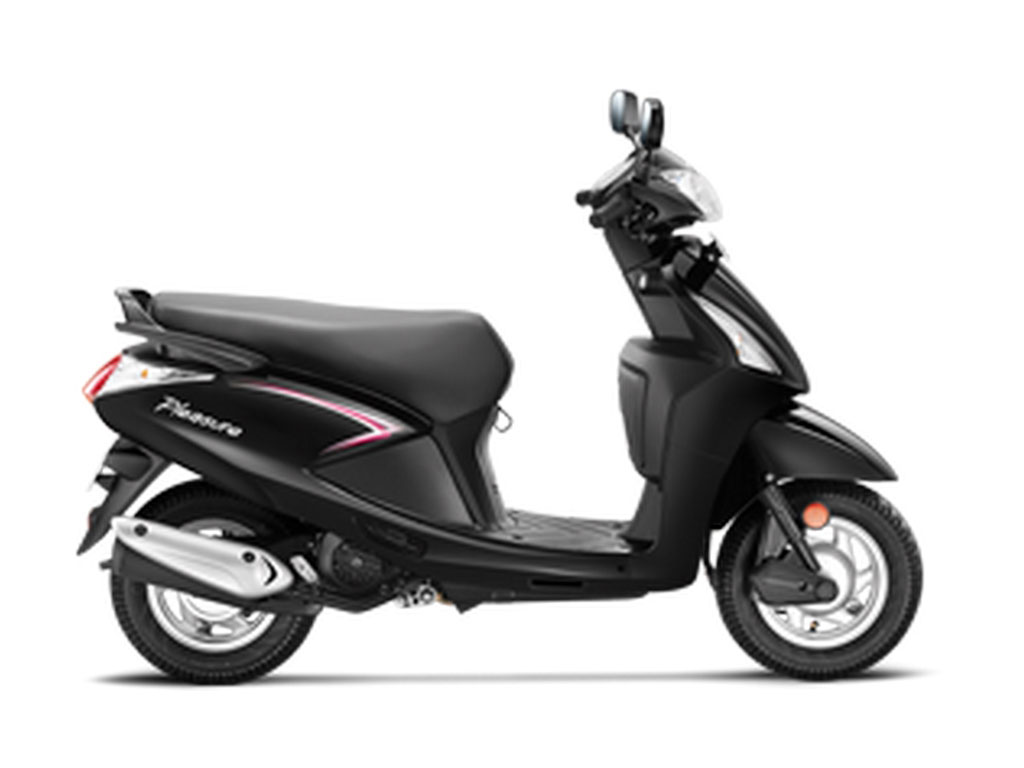
    Hero MotoCorp’s second launch for the day is the all-new Pleasure Plus scooter. The new Hero Pleasure 110 is priced at ₹ 47,300going up to ₹ 49,300  and gets comprehensive upgrades over the outgoing version with a revised design, new colors and more features on offer. It still remains one of the most affordable scooters on sale and will be attracting a number of first-time female buyers. Bookings for the new Pleasure commence from today across the two-wheeler maker’s dealerships pan India, while deliveries will begin by the end of this month.

    The all-new Hero Pleasure had been given a number of revisions for a smart looking appearance. The scooter looks fresh with the bright colors, while the front apron gets a bow-tie like silver plastic cladding that lends a cute face to the model. The headlamp design is completely new and is an angular-upright shaped unit that gets a retro-touch while looking all modern. The side panels have been reworked and get brushed silver highlights for added effect. The taillights are new and the instrument console has been revised as well with a new digital display. The scooter comes with a USB charging slot as well.

    The 2019 Hero Pleasure Plus draws power from the more powerful 110 cc single-cylinder air-cooled engine that is tuned for 8 bhp and 8.7 Nm of peak torque. The motor is paired with a CVT unit. The more powerful engine replaces the 102 cc mill that was seen on the predecessor and belt out nearly 7 bhp and 8.1 Nm of peak torque. The updated scooter continues to use spring loaded shocks at either end that help keeps costs low. Braking performance too comes from the 130 mm drum brakes at the front and rear with Integrated Braking System (IBS) offered as standard.

    The Hero Pleasure has always been an entry-level offering and comprehensively updated version will certainly help the scooter solidify its position in that space. The aggressive pricing will also help the model that competes against the likes of the Honda Activa-i and the TVS Scooty Zest. Bookings for the updated Pleasure scooter are now open.

  • Dickson Concepts unveils HK$1bn new retail format

    Dickson Concepts unveils HK$1bn new retail format

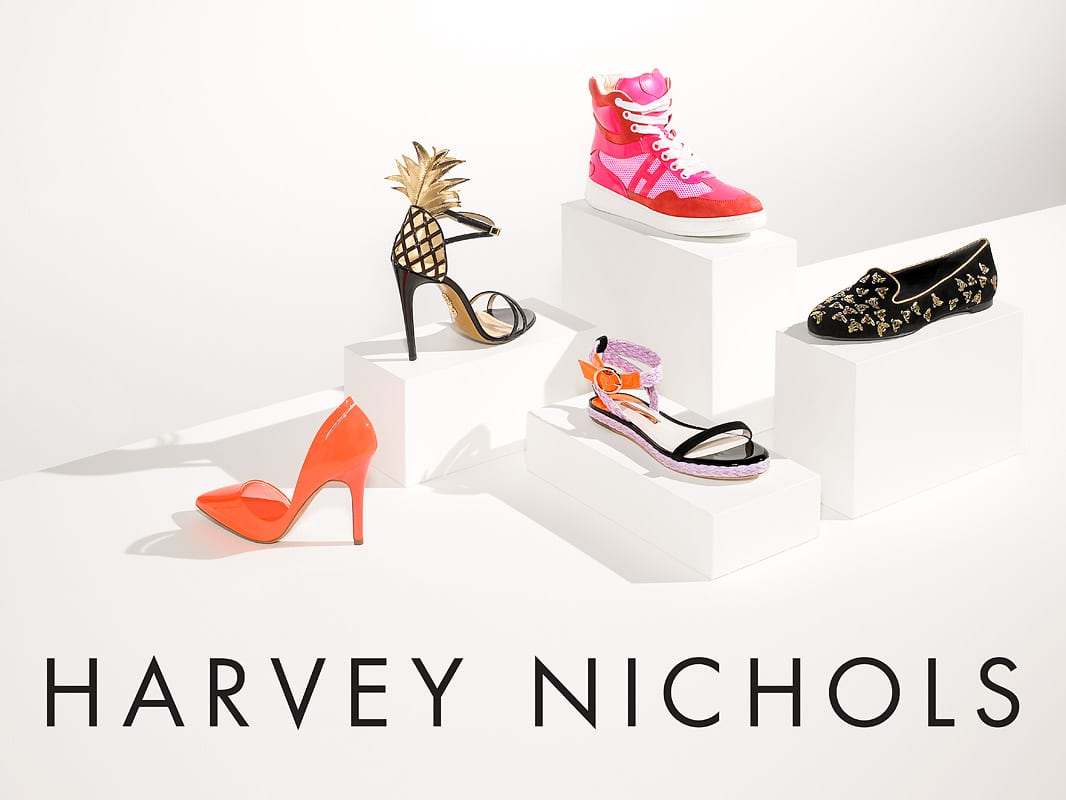
    Dickson Concepts has unveiled a new luxury retail concept merging the cutting-edge technology with a personalised styling service, to be launched under the Harvey Nichols banner. The first flagship store for the new format will be unveiled at Pacific Place in Autumn next year, with plans to expand the concept globally.

    Dickson Concepts says it plans to invest HK$250 million on the Pacific Place store and up to a further HK$1 billion in technology and technology-related companies, together with additional stores abroad.

    The project has evolved from the strategic partnership between Dickson Concepts and its Harvey Nichols Group subsidiary in the UK, announced in March, in which the parent company gained access to the department store’s digital expertise and will use it to create a seamless inventory across the UK and Hong Kong businesses, allowing customers to shop the entire range and even consult with store staff online. The move has trebled the number of products available to shoppers.

    In a statement, Dickson Concepts said it will build on the Harvey Nichols business based on two formats – one being the flagship new format store just announced, the other the traditional flagship store format which Harvey Nichols Landmark operates under.

    “Together, the two formats will allow Dickson Concepts to maximise and fully develop the potential of Harvey Nichols in different parts of the world.”

    Day and night service

    The new concept store will allow Harvey Nichols to offer “day and night service” for the first time, with in-store stylists serving customers during the day and Harvey Nichols’ UK stylist network servicing the e-commerce platform during the night.

    “The service will allow customers to shop live and obtain styling advice from Harvey Nichols’ stylists in Hong Kong and the UK via instant messaging, photo sharing, and live video streaming, even during late evening in Hong Kong. Products selected can then be shipped directly to the customers’ home, office or our Hong Kong store for personal service and immediate alteration by our expert tailors as maybe required, thereby creating a service that is unmatched by pure online operators,” the company said.

    The live online shopping functionality is powered by global retail technology company Hero, with which Harvey Nichols signed a strategic partnership in June.

    “Technology is core to Harvey Nichols’ new store format and is carefully interwoven into the store to drive the most immersive, enjoyable, and personalised shopping experience possible,” the company said.

    “In its new retail format, Harvey Nichols’ online exclusive offering will be interspersed into the presentation of physical products to provide customers with the full view of the most up to date and exciting products available, while allowing even frequent customers to explore and discover new product stories on every visit. Customers will be able to scan any digital products showcased in the store directly onto their own smartphones, or alternatively be served with an expert team of stylists.”

    The Pacific Place store will feature an online style lounge where dedicated stylists will work to provide each customer with product recommendations built around the customer’s personal taste, needs and preferences.

    “This will allow each customer to be presented with a selection of coordinated outfits that are completely tailored to them, without experiencing the frustrations of surfing through thousands of products available online to find the perfect piece.”

    The new store will be located on the second level of the current Harvey Nichols store at Pacific Place, and will showcase three times the offering. The existing store will be reduced in size from 84,000sqft to 42,000sqft,  resulting in a large reduction in fixed costs and substantially increased sales due to the significant increase in products and brands offered. “As such, the new format will allow Dickson Concepts to maximise sales densities and profits, compete against pure online operators, while offering customers the most curated product and service offering possible,” the company said.

  • Solid year for revitalised Dairy Farm International

    Solid year for revitalised Dairy Farm International

    Hong Kong-headquartered multi-format retailer Dairy Farm International has celebrated its 130th anniversary with a strong set of results, with food, home furnishings and restaurants delivering higher profits.

    Total sales, including those of associates and joint ventures, rose 14 per cent in US dollar terms and 17 per cent on a constant-currency basis to US$20.4 billion. Sales of wholly-owned subsidiaries rose 1 per cent to $11.2 billion.

    Underlying net profit rose by 7 per cent to $460 million, partly due to a 13 basis point net improvement in operating margins as well as increased contributions from Yonghui and Maxim’s. Operating profit rose 6 per cent.

    Supermarkets & hypermarkets solid

    Total food division sales, which include Wellcome and Giant, were flat in US dollar terms, although up 1 per cent on a constant currency basis.

    “In an environment of severe pressure on pricing, sales growth in Hong Kong supermarkets and in the convenience store businesses in Hong Kong, Mainland China and Singapore helped to offset declines in the group’s supermarkets and hypermarkets in Singapore and Indonesia and largely flat sales elsewhere,” explained CEO Graham Allan.

    “The closure of a number of unprofitable stores in Singapore and Indonesia also weighed on sales performance. However, specific actions, including strategic store closures, prudent management of costs and more targeted promotional activity, delivered improved operating margins.’

    Operating profit from the food division rose 13 per cent to $267 million, with the largest gains coming from Singapore and Indonesia.

    Sales of $6.2 billion from supermarkets and hypermarkets (excluding Yonghui) were in line with last year in constant currency while operating profit increased by 13 per cent to $194 million.

    Wellcome in Hong Kong drove higher sales through strengthening its fresh offer and an enhanced merchandise assortment. Operating profit was lower, principally due to a continued rise in rental costs and competitor promotional activities. In Macau, San Miu achieved sales and operating profit growth in its first full year in the group with range enhancement and increased fresh participation.

    In Taiwan, sales and operating profit were ahead of last year. A new ‘superstore’ concept was introduced for Wellcome with two net new stores opening during the year, while Jason’s continued its store expansion.

    “The retail landscape in Indonesia was challenging with limited recovery in consumer confidence and significant competition from the continued rollout of mini-market stores across the country, which impacted sales growth at supermarkets and hypermarkets,” said Allan.

    “Nevertheless, improved margins, from pricing and promotional activities, the closure of a number of underperforming stores and tighter cost control boosted profitability. Improving the fresh assortment and revitalising the upscale Hero brand remain key focus areas for the business.”

    In Malaysia, sales and operating profit were behind 2015 due to persistent low consumer confidence together with ongoing price controls following the introduction of GST, which continued to weigh on performance.

    The Philippines recorded a strong year with all banners reporting like-for-like sales growth and improved profitability. “A more appealing fresh assortment coupled with tactical pricing and successful marketing activities underpinned an encouraging increase in footfall,” said Allan.

    “Rustan’s benefited from increased sales of its imported and exclusive brands, while measures to improve cost efficiency were also implemented.”

    In Singapore, sales were down year-on-year due to poor consumer sentiment and the impact of store rationalisation. “Cold Storage achieved an encouraging operating profit increase, despite reduced sales following the closure of underperforming stores. Giant saw steady sales and positive profit growth, driven by increased margins and lower operating costs.

    “In the coming year, we aim to invest in the renewal of customer facing and back office technologies to improve our customer experience and internal efficiency whilst optimising ranges and supply chain productivity.”

    In Vietnam, Giant posted sound sales growth, from its single store, with increased customer traffic being the main driver and in Cambodia, the group saw “encouraging increases” in like-for-like sales and operating profit.

    Convenience sales reach $2 billion

    Convenience stores reported $2 billion in sales, an increase of 5 per cent year-on-year in constant-currency terms. Operating profit increased by 15 per cent to $73 million.

    In Hong Kong, 7-Eleven outpaced the competition and grew sales and operating profit despite soft consumer sentiment and difficult market conditions. Like-for-like sales strengthened during the year supported by promotions, range improvements and new products. A slight gross margin improvement led to a higher operating profit despite cost increases from labour and rent. In Macau, sales were flat and operating profit was lower due to slowing tourist numbers and a substantial cigarette tax increase in 2015.

    In Mainland China, 7-Eleven continued its solid growth and passed its 800th store milestone. During the year, sales and operating profit increased, with store network expansion and like- for-like sales growth. This was driven in part by an expanded ready-to-eat (RTE) product range.

    In Singapore, 7-Eleven achieved positive like-for-like sales growth arising from a store re-ranging project with a strong focus on RTE, including the successful introduction of new private label products sourced from 7-Eleven Japan.

    “Operating profit was significantly ahead of 2015 due to these initiatives and the rationalisation of loss-making stores,” said CEO Graham Allan. “The RTE range will be further expanded in 2017 and there will be increased focus on acquiring new profitable sites.”

    Health & beauty sales rise

    Dairy Farm’s health & beauty division achieved $2.6 billion in sales, up 4 per cent on a constant currency basis, however profit declined 5 per cent to $175 million due to margin pressure and higher rents in Hong Kong.

    “Gains in Hong Kong, Mainland China, Singapore, Indonesia and the Philippines, offset disappointing sales in Malaysia,” said Allan.

    In Hong Kong, Mannings’ sales increased in 2016 despite a smaller store network. “As mainland Chinese tourist arrivals continued to decline, promotional campaigns and loyalty programmes were launched throughout the year targeting local consumers,” said Allan. “Sales were flat in Macau as mainland Chinese tourist arrivals remained soft.

    On the mainland, Mannings “showed gradual improvement” with solid sales growth, particularly in baby care, beauty care and personal care, while the contribution from corporate brands increased.

    In Singapore, Guardian reported growth in sales, while operating profit also increased with higher gross margins and greater focus on cost and shrinkage management, partially offset by higher rental costs, but in Malaysia, Guardian experienced “a challenging year” with lower sales and operating profit due to subdued consumer sentiment, increased competition and weakness of the ringgit.

    In Indonesia, Guardian posted double-digit sales growth for the fifth year in a row, despite the net closure of 73 stores. Operating profit was higher than in 2015 with higher gross margins.

    In Vietnam, Guardian recorded another strong year of double-digit sales growth and improvement in gross margin. Corporate brand penetration increased significantly as brands such as Botaneco Garden proved popular with local consumers and in the new market of Cambodia, progress was made through range expansion and increased corporate brand penetration supporting strong like-for-like sales.

    In its second year in the group, Rose Pharmacy in the Philippines delivered performance improvement through sales growth, gross margin enhancement, better cost efficiency and the closure of a number of underperforming stores. Guardian brand products were launched with encouraging early signs of customer acceptance.

    Home furnishings solid

    Home Furnishings, essentially the Ikea business in Hong Kong, Taiwan and Indonesia, recorded a 12 per cent rise in operating profit to $71 million driven by increased sales of $597 million, 6 per cent ahead of 2015.

    “Sales and operating profit were higher than last year in all three markets. Like-for-like sales growth was particularly strong in Taiwan and Indonesia.”

    Hong Kong led the group in introducing new concepts to increase consumer access, launching online shopping in April 2016 and opening two pick-up points in Macau and on Hong Kong Island. Indonesia introduced online shopping in July. Taiwan opened a pick-up point in Hsinchu and launched online shopping in February 2017.

    “We continued to strengthen our low price image through ongoing price investment, and increased our focus on market specific products to enhance our local consumer appeal.

    “In the coming year, Home Furnishings plans both to continue its push in consumer accessibility and to drive forward its expansion plans, having identified a second Indonesia store location and opening a fourth store in Hong Kong in the second half of 2017,” said Allan.

    Solid growth for Starbucks, Maxim’s

    Sales in Dairy Farm International’s restaurants division rose 7 per cent year-on-year to $2 billion and profit rose 4 per cent.

    “The business delivered another year of record earnings in a difficult market environment while continuing to expand outside Hong Kong,” said Allan.

    The division expanded its reach by acquiring Cova, a premium chain of cake shops and restaurants, and by opening its first Treats food hall.

    In China, Maxim’s added 16 new stores across its brands, including the first Cheesecake Factory franchise at Shanghai Disney Town.

    The company now operates 20 Starbucks cafes in Vietnam and Cambodia and describes their performance as “encouraging”. The group launched its first Thai franchise in September – MX Cakes and Bakery, a joint venture with ThaiBev, which has opened three outlets in Bangkok.

    “Looking ahead, the group continues to see various exciting opportunities, including entry into the Beijing market with the opening of Jade Garden, Cafe Landmark and The Cheesecake Factory planned in 2017. Maxim’s will also continue to explore franchise and acquisition opportunities across the region.”

    Dairy Farm will “compete aggressively”

    Chairman Ben Keswick said Dairy Farm International is “transforming itself to compete aggressively in a changing retail landscape”.

    “Central to this are a strong focus on understanding changing consumer behaviour, growing market share, building digital engagement with customers and sharing know-how across the group. Investment is being sustained in supply chain, IT infrastructure and systems, and the skills and expertise of our people to support this transformation. Each business is committed to optimising the shopping experience of its customers and to serving their evolving needs as efficiently as possible.”

    Keswick said increasing convenience through expansion and enhancement of the store network remains a high priority, although when necessary, underperforming stores will be closed. Last year the entire group added a net 114 stores, despite a number of closures across its divisions.

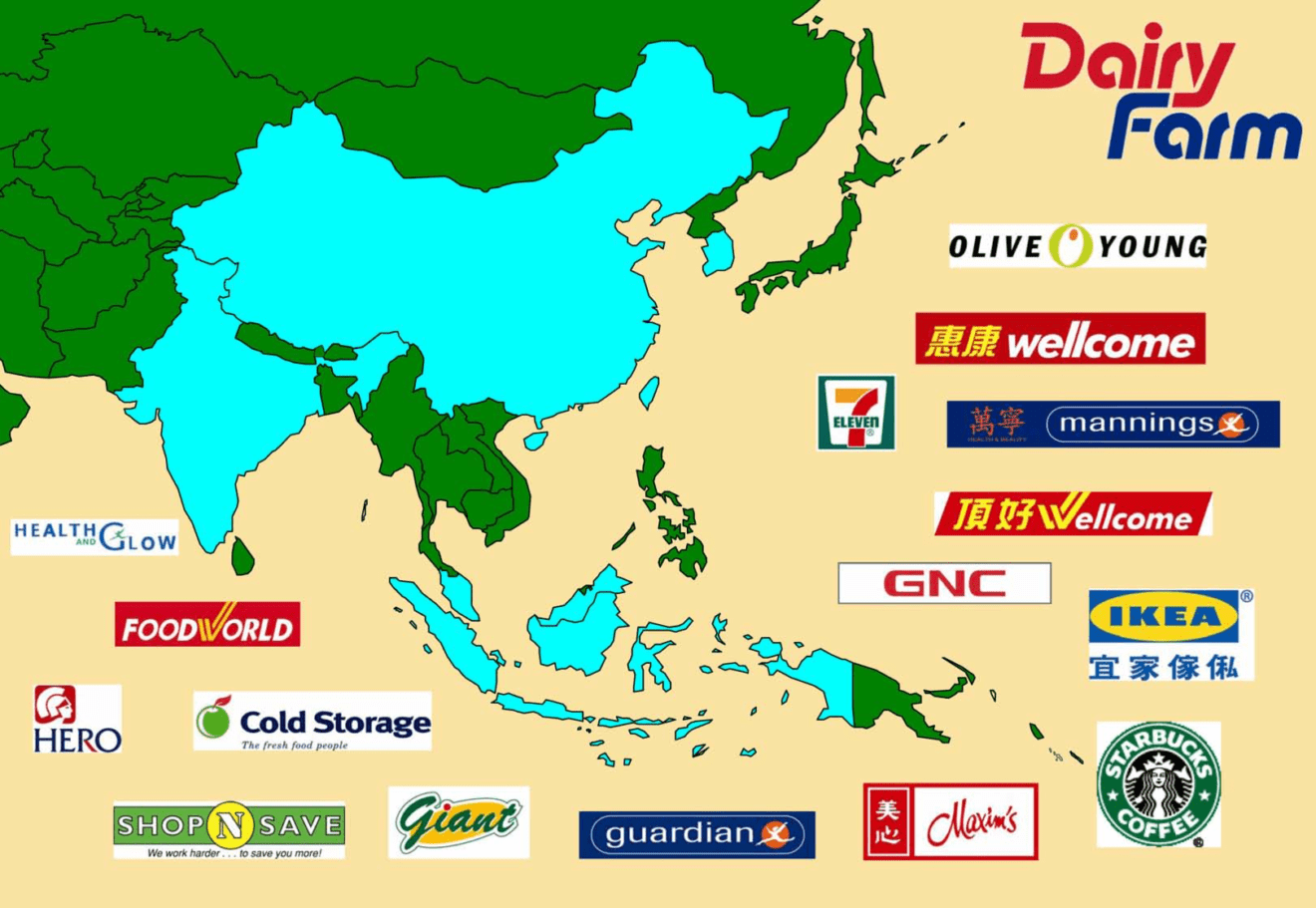
    At December 31, Dairy Farm International had 6548 stores in operation in 11 countries and territories, including its interest in 487 Yonghui stores in Mainland China.

    “Despite the uncertain economic outlook for 2017, the group continues to strengthen its businesses,” said Keswick. “Investments are being made to enhance its competitive position, increase customer convenience and adapt to emerging consumer trends. These investments, coupled with the exposure of its market-leading retail brands to Asia’s growth markets, will support Dairy Farm’s long-term success.”
  • Mixed fortunes for Dairy Farm Indonesia

    Mixed fortunes for Dairy Farm Indonesia

    Dairy Farm International’s Indonesia operation continues to struggle in food – but Ikea trades above expectations.

    The Hong Kong-listed company holds a controlling 83.9 per cent share in PT Hero Supermarket Tbk, which operates Giant hypermarkets and grocery stores, Guardian pharmacies and has the nation’s Ikea franchise, among others.

    Hero has reported a first quarter sales decline of 3 per cent to IDR3,409 billion (US$258 million), a 2 per cent improvement in gross profit, but a net loss of IDR 35 billion ($2.65 million).

    “While there are initial signs of margin improvement, the trading conditions for food are expected to remain challenging,” said president director Stephane Deutsch.  “Various initiatives are underway to improve the profitability of the Food business, and continuing progress is expected in both health and beauty and Ikea.”

    Although still relatively new, Ikea was the star of the quarter with sales up by double digits, exceeding both sales and profitability expectations.

    A total 28 net stores were closed in the first quarter, including one Giant Ekspres, 24 Guardian and five Starmart convenience stores. This was offset by the opening of one Guardian and 1 Giant Ekstra.

    In health and beauty, Guardian’s store rationalisation program is “progressing well”, said Deutsch. Together with the introduction of refreshed branding and increasing private label development, the restructure is leading to improvements in both sales and profitability.

    But profitability in the food operations was reduced due to the lower sales, higher stock provisions and increasing costs resulting from last year’s wage increases.

    “Significant attention continues to be given to driving sales growth, and several initiatives are underway to mitigate the effects of rising costs through energy savings and improved productivity,” said Deutsch.

    In food, the strategic decision to increase the focus on fresh produce is showing promising results with strong like-for-like sales growth.

    “Disappointing grocery and general merchandise sales, however, impacted negatively the overall food [division] performance during the quarter, especially in Giant. Action is also being taken to improve the efficiency of the supply chain, with increased centralisation through the group’s distribution centres,” he said..

    Both Giant Ekstra and Ekspres are taking action to improve their trading and their profitability.

    Dairy Farm Indonesia’s upscale format, Hero Supermarket, had stable like-for-like sales and continues to focus on enhancing its offer across the fresh, imported and exclusive ranges to provide a more distinctive choice for customers.

    At the end of the quarter (March 31), Hero operated 582 stores: 54 Giant Ekstra, 153 Giant Ekspres and Hero Supermarket, 295 Guardian Health and Beauty stores, one Ikea and 79 Starmart convenience stores.

  • Dairy Farm exits Starmart Indonesia

    Dairy Farm exits Starmart Indonesia


    Convenience store and grocery retailer Hero Supermarket is to exit the troubled Starmart Indonesia business.

    Hero, a subsidiary of Hong Kong-headquartered Dairy Farm International, has announced the sale of 80 stores to Fajar Mitra Indah, a subsidiary of Wings Group, an Indonesian food conglomerate which owns the FamilyMart franchise in the country. The networks will be merged by the year’s end under the FamilyMart banner, taking that network to 80.

    The sale follows the closure of 50 poorly performing stores in the network last September after a long-running strategic review. The balance of the stores – the number of which is undisclosed – will be shuttered.

    The Starmart business had effectively been kneecapped by rapidly implemented Indonesian government policies, most significantly a ban on convenience stores selling alcohol which took effect last April. A general economic slowdown has not helped sales of other goods.

    In a statement, Hero said it would withdraw entirely from the convenience stores business in Indonesia. No transactional details were revealed but the company said the closure would have no material impact on its trading figures this year.

    Both Starmart and FamilyMart are relative minnows in the Indonesian convenience store sector – local chains Alfamart and Indomart – each about 10,000 outlets strong – dominate.

    According to a report in the Nikkei Asian Review, Hero’s profit fell 90 per cent in 2014 and slipped into the red in 2015. Its supermarket business is under pressure from discounters and the company has also shuttered a number of unprofitable Guardian drugstores.

  • Hero to open more stores  to boost revenues

    Hero to open more stores to boost revenues

    Retail company PT Hero Supermarket (Hero) will spend up to Rp 640 billion (US$48 million) this year for business expansion with retail plans to open stores in several cities across the country.

    The move will be made to restore the company’s disappointing financial performance earlier this year.

    Hero, which operates hypermarkets, supermarkets, convenience stores, drug stores and furniture stores, plans to open four Giant Ekstra hypermarkets and six mid-sized Giant Ekspres supermarkets in several regions, including Bangka and Lombok. Arief Istanto, a director with Hero, said each Giant Ekstra would cost between Rp 100 billion and Rp 150 billion while the Giant Ekspres would cost about Rp 20 billion. It means the company will allocate between Rp 440 billion and Rp 640 billion in capital expenditure to build the stores this year.

    Arif said the company aimed to improve its financial performance and hoped to book profits like it did in previous years. The company will use its internal funds for the expansion.

    “We would like to expand our network so that it can attract more customers. Thus, our top line will also increase,” he said after an extraordinary shareholders’ meeting on Tuesday. At the meeting, they agreed not to disburse the Rp 43.75 billion in dividends to shareholders and instead spend it on the company’s business expansion plan.

    Hero Supermarket previously suffered Rp 33.19 billion in net losses during the first quarter of this year amid a 14 percent increase in net revenues of Rp 3.57 trillion, making it the worst performer in the country’s retail industry.

    Last year, the company saw its net profit dive to Rp 43.75 billion from Rp 671.13 billion in 2013. A 13.94 percent increase in revenues, which stood at Rp 13.56 trillion at that time, could not ease the ballooning operating expenses, which hit Rp 3.31 trillion.

    “Our 2014 financial results were disappointing with weak sales growth and a significant increase in operating costs across all businesses as well as higher overhead and store pre-opening costs,” Stephane Deutsch, Hero’s president director, said in a statement.

    In 2014, the company launched a flagship furniture store under Swedish brand IKEA in Alam Sutera, Tangerang, Banten, some 25 kilometers west of Jakarta’s city center.

    Arief confirmed Hero has planned to build five more IKEA stores in the future as the company was upbeat about the prospects of the franchise furniture store.

    “At the moment, we are looking for land for the second store. It is supposed to be done this year,” Arief said, adding that the second store would be located in Greater Jakarta.

    According to him, IKEA has contributed around Rp 200 billion to Hero’s revenues in the first quarter of this year,

    Hero says it hopes to book 30 to 40 percent growth in revenues during the fasting month of Ramadhan this year. The company currently operates 33 Hero supermarket stores, 341 Guardian healthcare stores, 98 Starmart convenience stores, 53 Giant Ekstra stores, 121 Giant Ekspres stores, two Jason supermarket stores and one IKEA store.

  • Dairy Farm Indonesia reviews struggling Starmart

    Dairy Farm Indonesia reviews struggling Starmart

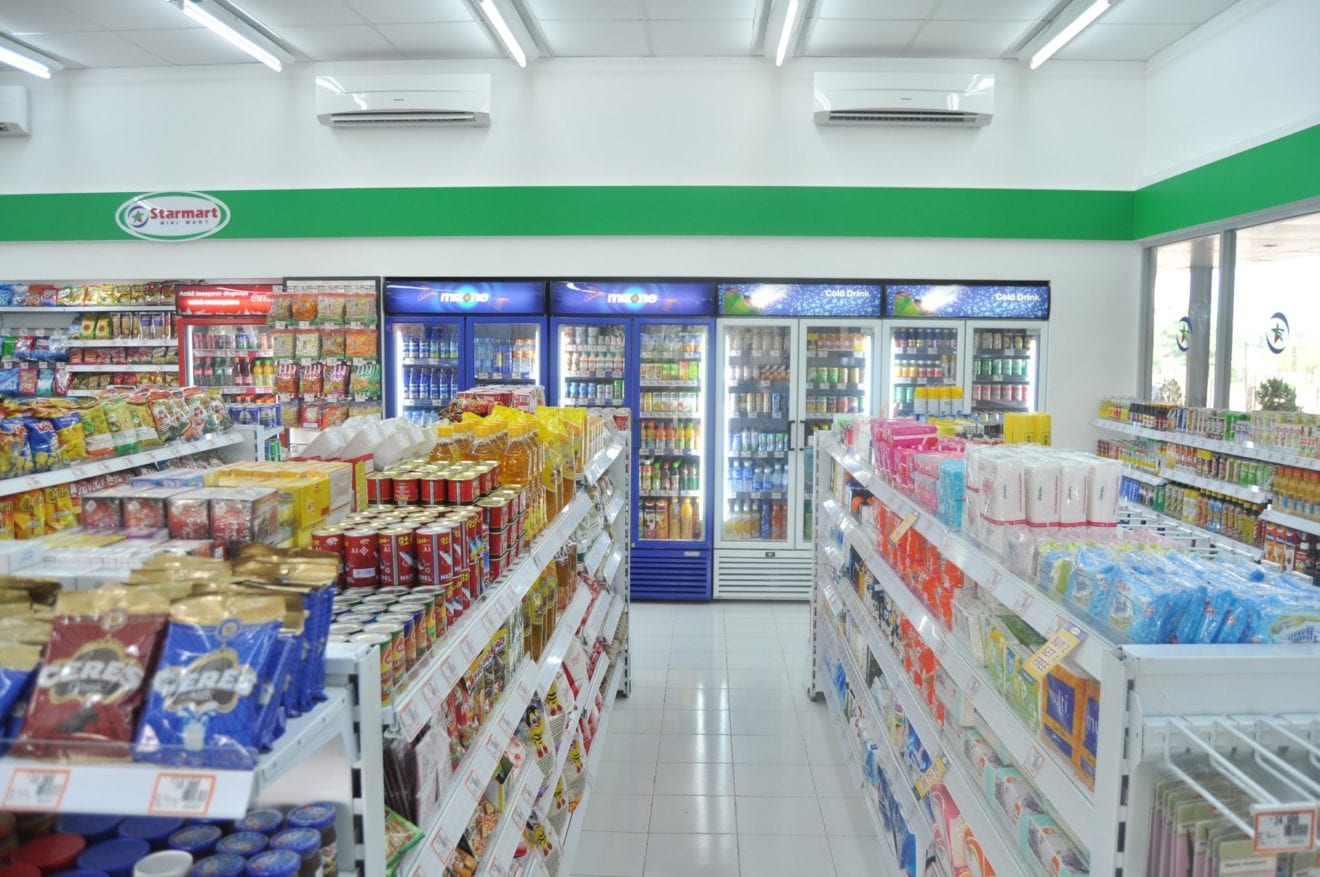
    Dairy Farm Indonesia is reviewing the future of its Starmart convenience store chain after closing nearly a third of its stores in the latest half year.

    The chain has been hit hard by the Indonesian government’s moves to limit the sale of alcohol, banning liquor sales in c-stores in April.

    Since then, Hong Kong headquartered Dairy Farm Indonesia subsidiary PT Hero Supermarket group has closed 39 stores leaving just 95.

    “A detailed strategic review of this business is currently being undertaken,” the company said in its earnings statement released Tuesday.

    The company said the closures would improve the profitability of the banner, but its prospects do not appear bright.

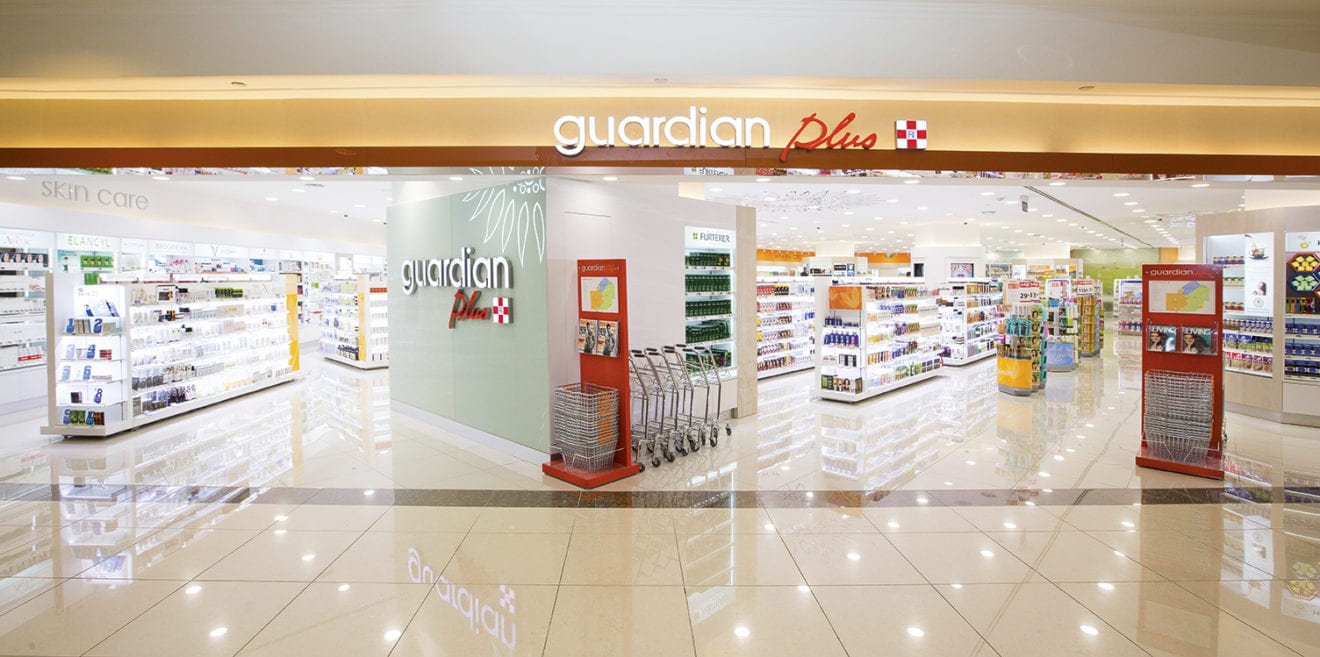
    PT Hero operates 641 stores in all, including 53 Giant Ekstra hypermarkets, 155 Hero Supermarkets and Giant Ekspres stores, 337 Guardian health and beauty stores and one Ikea.

    Overall, the group experienced a 15 per cent increase in revenue in the first half year, with gross profit up nine per cent, but it still posted a net loss of Rp 32 billion (HK$18.4 million).

    Food and health & beauty sales, showed strong like for like growth in the half year, despite a soft trading environment, and Ikea showed “very promising” early trading figures, the company said.

    “Despite the sales momentum, profitability was negatively impacted by outpacing costs resulting from minimum wage increases, stocktake improvements and store rationalisations. Strong actions on energy saving and productivity are being taken to mitigate the impact of increasing costs. In Food, investment in price has led to a reduction in the gross profit margin.”Besides the Starmart closures, PT Hero shuttered another 24 stores across its brands.

    Stephane Deutsch, president director, said in food, the company was concentrating on increasing fresh produce sales.

    “This has helped to increase like for like sales, especially in Giant where progress is being made on growing its market share. Action is also being taken to improve the efficiency of the supply chain.”

    The hypermarket operation, Giant Ekstra, and the supermarket operation, Giant Ekspres, are both taking steps to improve the customer shopping experience in selected stores prior to rolling out the initiative more broadly across the country, he said.

    “The upscale format, Hero Supermarket, is continuing to enhance its offer across the fresh, imported and exclusive ranges to provide a more distinctive choice for customers.”

    In Health and Beauty, Guardian’s store expansion program is “progressing well” alongside the introduction of refreshed branding and increasing private label development, leading to further improvements in like for like sales.

    “The strategic partnership with the local pharmacy operator Apotik Melawai, which combines their local pharmacy strengths with the broader health and beauty offering of Guardian, is showing encouraging results.”

  • Ikea drives Hero Indonesia outlook

    Ikea drives Hero Indonesia outlook

    Hero Indonesia, the supermarket and healthcare retailer, is looking to Ikea to boost its fortunes after a disappointing 2014.

    The retailer, 81.9 per cent owned by Hong Hong based Dairy Farm International, has reported a 14 per cent increase in net revenue and nine per cent increase in gross profit. But weak like-for-like sales in the core supermarkets division delivered an “underlying operating loss” of 12 billion IDR (US$925,181) and an “underlying profit” of IDR20 billion ($1.542 million).

    “Challenging conditions are expected to continue in the food business in 2015, although action is being taken to address weaknesses and improve profitability,” President director Stephane Deutsch said in a statement.

    “Nevertheless, the successful opening of the first Ikea store (in October at Alam Sutera) and the continuing profitable development of Guardian provides reason to remain cautiously optimistic about the trading outlook for the year ahead.”

    He said, despite the challenges in the food sector, Hero Indonesia’s health and beauty business experienced good growth with 22 additional stores opening, and early trading results from Ikea were “very encouraging”.

    Group overheads were higher, with electricity increases and a rise in the minimum wage negatively impacting on the business, together with a large store network.

    Deutsch said like-for-like sales in the food business were weak, particularly in the Giant Ekspres operations, and new stores did not perform as well as expected.

    “In the food operations, there is an increased focus on fresh produce and market share continues to improve. Action is also being taken to improve the supply chain with additional distribution centres enabling increased centralisation, rather than having suppliers delivering direct to the stores,” he said.

    The Giant Ekstra hypermarket operation delivered above market like-for-like sales growth which enabled it to absorb the increase in operating costs and maintain its profitability. Giant Ekspres, the supermarket banner, faced a challenging year. Disappointing like-for-like sales, higher utilities costs and minimum wages led to a material deterioration of the profitability of its operations. The upscale format, Hero Supermarket, continues to focus on improving its offer across the fresh, imported and exclusive ranges to provide a more distinctive choice and grow customer appeal.

    “Starmart’s increased focus on Ready-to-Eat has had a positive impact on sales in the stores where this offering has been introduced. A store portfolio optimisation program was launched to address loss making stores, with the closure of 30 stores to improve the overall profitability of the banner. A detailed review of this business is currently being undertaken.”

    Hero’s Guardian store expansion program is progressing well alongside the rollout of a fresh brand look, said Stephane.

    “A dedicated distribution centre was opened to support its supply chain. In addition, a strategic partnership is under trial with a local pharmacy operator, Melawai Pharmacy, in Jakarta to combine their local pharmacy strengths with the broader health and beauty offering of Guardian.”

    Meanwhile, the new Ikea store attracted more than 75,000 customers per month since opening. “The contribution from IKEA to PT Hero’s full-year result was affected by the limited trading period and pre-opening expenses, but this business is expected to contribute positively in 2015.”

    The company is continuing to invest in the supply chain infrastructure, including distribution centres and IT systems, to provide the support necessary to deliver a superior customer offer and to provide a compelling shopping experience for customers.

    Hero opened 22 net new stores in 2014, including four Giant Ekstras, seven Hero Supermarkets and Giant Ekspres, 33 Guardians and the Ikea. This was offset by a net reduction of 23 Starmart outlets. As at December 31, the company operated 704 stores: 55 Giant Ekstras, 165 Hero Supermarkets and Giant Ekspreses, 349 Guardians, one Ikea and 134 Starmart convenience stores.