Retail News CRM

Tag: Highlands Coffee

  • Vietnam’s Largest Coffee Chain, Highlands Coffee, Brews Up to $400M Potential IPO

    Vietnam’s Largest Coffee Chain, Highlands Coffee, Brews Up to $400M Potential IPO

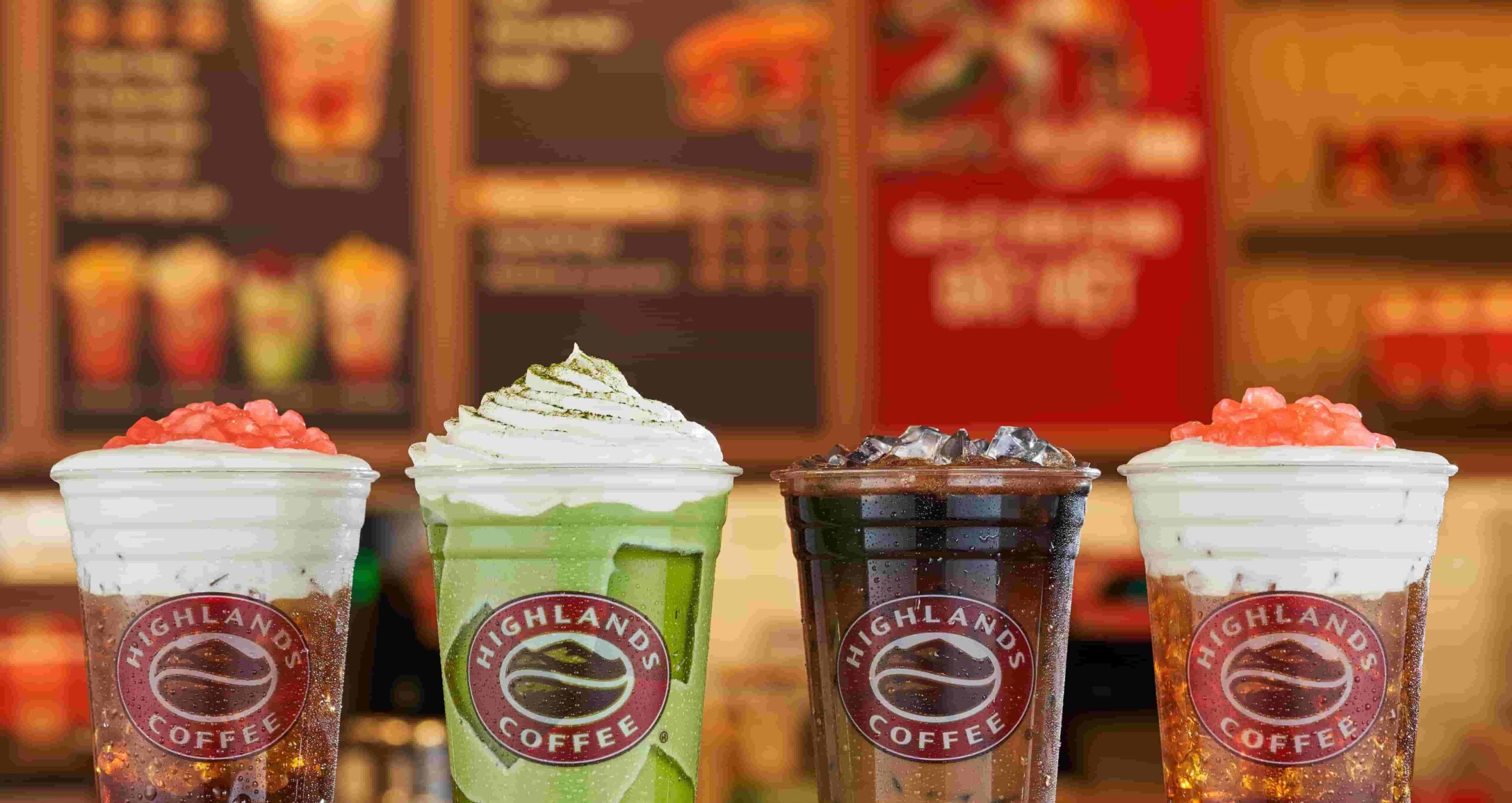
    Highlands Coffee, Vietnam’s most prominent coffee chain, is exploring the option of an initial public offering (IPO) in its native country, with the potential to raise between US$300-400 million. The company is currently working alongside a financial advisor, and there are discussions of potentially increasing the number of banks involved in the process.

    Despite the ongoing discussions, details surrounding the IPO’s size remain flexible and may be subject to change. Considerations are being made carefully, with all the necessary precautions taken to ensure a successful outcome.

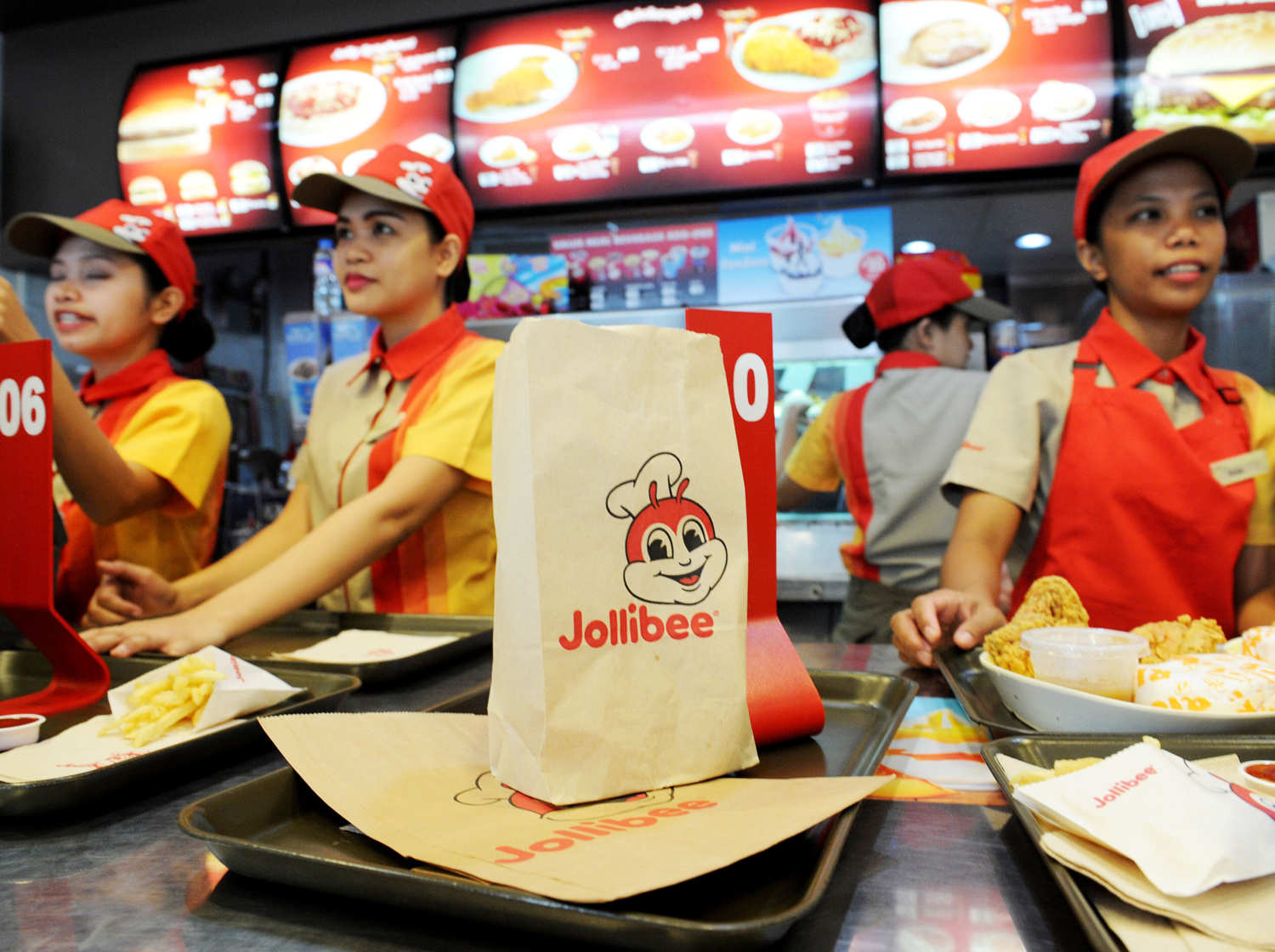
    Highlands Coffee’s major stakeholder is Jollibee Foods, a leading fast-food group based in the Philippines. Jollibee Foods holds a 60% stake in SuperFoods Group, the parent company of Highlands Coffee. They began their investment in the coffee chain back in 2012.

    The origins of Highlands Coffee date back to 1999, when Vietnamese-American entrepreneur David Thai established the business. From its humble beginnings, the chain has expanded significantly and now boasts a total of 928 outlets. These outlets are spread not only across Vietnam but also in various international locations.

    Questions & Answers

    Who is the biggest stakeholder in Highlands Coffee?
    The biggest stakeholder in Highlands Coffee is Jollibee Foods, a fast-food group based in the Philippines. They own a 60% stake in SuperFoods Group, the parent company of Highlands Coffee.

    Who founded Highlands Coffee, and when was it established?
    Highlands Coffee was founded by Vietnamese-American entrepreneur David Thai in 1999.

    How many outlets does Highlands Coffee have, and are they only located in Vietnam?
    Highlands Coffee has a total of 928 outlets. While many of these are located in Vietnam, the chain also has a presence in various international locations.
  • Highlands Coffee Brews Up Success with Record 17% Earnings Jump in Q3

    Highlands Coffee Brews Up Success with Record 17% Earnings Jump in Q3

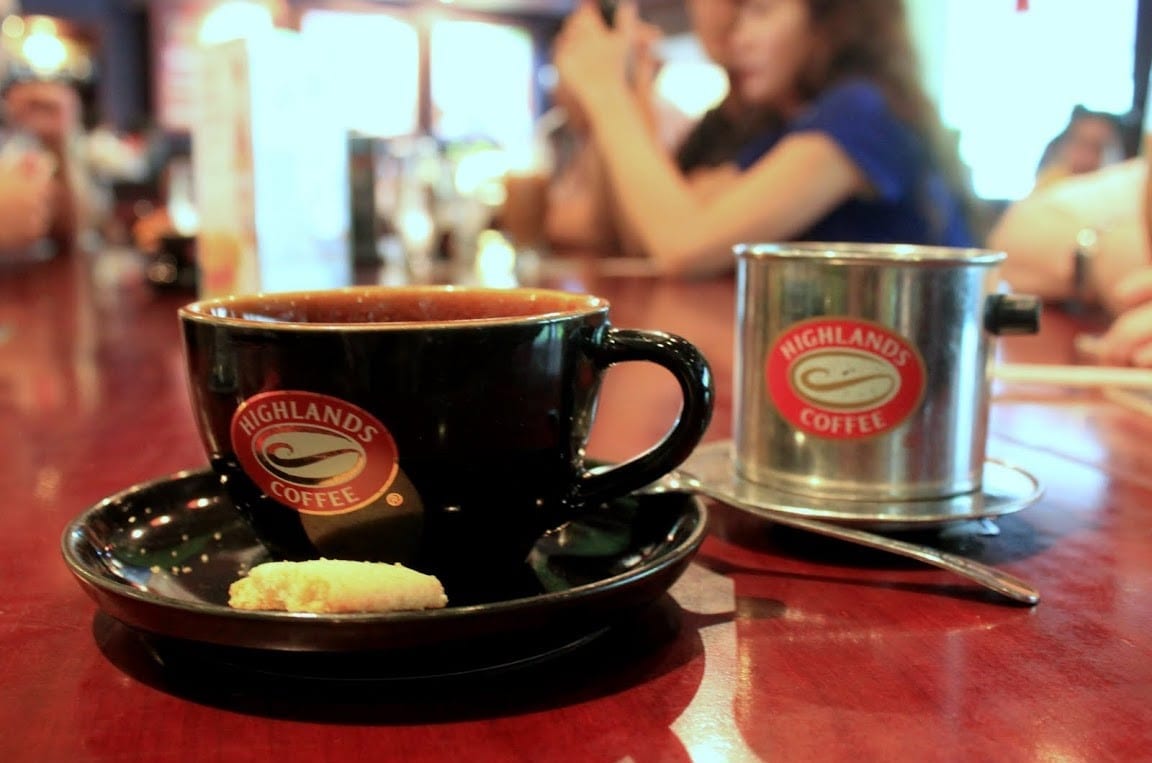
    Highlands Coffee, the biggest coffeehouse chain in Vietnam, noted an earnings before interest, taxes, depreciation and amortization (EBITDA) of 666 million Philippine pesos, equivalent to US$11.3 million, for the third quarter. This demonstrates a 17.1% growth compared to the same period last year and is the highest quarterly EBITDA since Q3 2023 when Jollibee Foods Corporation, its parent company, started releasing its financial data separately.

    Contribution to Parent Company’s Earnings

    The Vietnamese coffee brand contributed about 6.1% to the total EBITDA of Jollibee Foods Corporation, which is based in the Philippines. Moreover, it made up 29% of the corporation’s coffee and tea sector. Sales at locations that have been in operation for a minimum of 15 months saw a 17.2% increase.

    The EBITDA of Highlands Coffee for the first three quarters of 2025 experienced a 9.5% rise, amounting to 1.9 billion Philippine pesos.

    Chain Expansion

    The coffee chain operates 928 branches both domestically and internationally, 109 of which were inaugurated within the first nine months of the year. Originally established in 1999 as a packaged coffee vendor in Hanoi, the business transitioned into the coffeehouse industry in 2002 with its pioneer branch in Ho Chi Minh City. The chain was later acquired by Jollibee Foods Corporation in 2012.

    Business Strategy

    David Thai, the founder and CEO, acknowledged earlier this year that the coffee chain has witnessed positive outcomes due to its business model, customer-centric approach, and well-defined positioning in terms of products, pricing, and taste. The company streamlined its operations and expanded methodically. Moreover, the firm primarily focuses on enhancing its flavor profiles before investing in marketing efforts.

    Highlands Coffee is planning to go public in Vietnam, Thai confirmed, although a specific timeline was not provided. Industry analysts and securities agencies forecast that it will likely be listed in 2026-2027, coinciding with an anticipated wave of initial public offerings.

    Vietnamese F&B Market

    In the first half of the current year, the food and beverage sector in Vietnam generated VND406.1 trillion, equivalent to US$15.4 billion in revenues, a slight increase from the VND403.9 trillion recorded a year earlier, as stated by digital management solution provider iPOS.

    Despite major holidays such as the Lunar New Year in February and the Reunification Day at the end of April not boosting sales as expected, Vietnamese consumers seem to be maintaining their F&B expenditures. However, the report also indicated that the number of F&B locations is dwindling and the market is heading towards intense competition.

    Questions & Answers

    What is the current contribution of Highlands Coffee to Jollibee Foods Corporation’s total EBITDA?
    Highlands Coffee contributes approximately 6.1% to Jollibee Foods Corporation’s total EBITDA.

    What is the business strategy of Highlands Coffee according to its CEO, David Thai?
    The business strategy of Highlands Coffee is based on its unique business model, customer-centric approach, and distinctive positioning in terms of products, pricing, and taste. The company prioritizes developing its flavor profiles before allocating resources to marketing.

    What is the projected timeline for Highlands Coffee to go public in Vietnam?
    Securities firms and analysts predict that Highlands Coffee will go public in Vietnam between 2026 and 2027.

  • Vietnam’s largest coffee chain Highlands Coffee posts $41M in profit

    Vietnam’s largest coffee chain Highlands Coffee posts $41M in profit

    Vietnam’s largest coffee chain Highlands Coffee posted an EBITDA of VND1.05 trillion (US$41 million) last year, up 4.5% from 2023.

    The chain contributed 36% of the EBITDA from coffee and tea of its parent company Jollibee Foods Corporation. EBITDA stands for earnings before interest, taxes, depreciation, and amortization.

    An average store posted VND16 million in revenue per day.

    Same-store sales, however, declined by 3.7% year-on-year. The figure measured stores’ sales that had been operating for at least 15 months.

    Highlands Coffee, by the end of last year, operated 850 outlets in Vietnam and other countries.

    The brand was established in 1999, starting with sales of packaged coffee products in Hanoi. In 2002, Highlands Coffee expanded into the coffee chain model with its first store in Ho Chi Minh City.

    In 2012, Highlands Coffee was acquired by Jollibee Foods Corporation, a Philippines-based restaurant conglomerate.

    At the end of 2016, JFC and its partner, Vietnam Thai International Company, planned to list Highlands Coffee on the Vietnamese stock market. However, this intention has yet to materialize.

    Highlands Coffee has thrived by focusing on widespread coverage. Their strategy revolves around offering a streamlined menu while expanding into office buildings, apartment complexes, street-front locations, and shopping centers.

    Vietnam’s beverage store revenue last year was estimated at VND118.26 trillion, a 13% increase from the previous year, according to a report by iPOS, which provides digital management solutions to over 100,000 businesses.

    This marked the highest revenue and the fastest growth rate since 2018.

  • Apple Pay launched in Vietnam

    Apple Pay launched in Vietnam

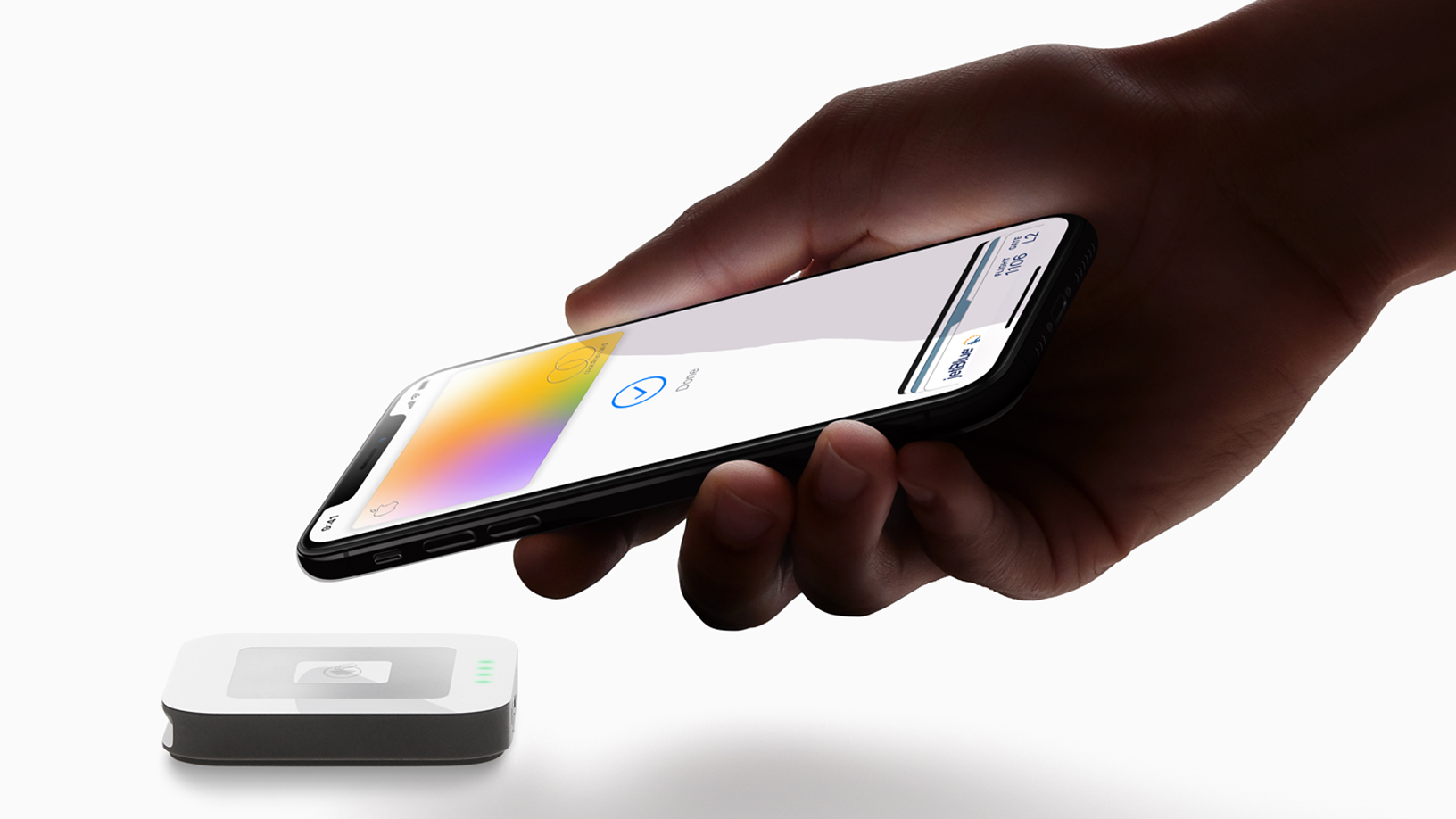
    Apple Pay has arrived in Vietnam, enabling users to make contactless money transactions through an iPhone or Apple Watch.

    Vietnam is the third country in Southeast Asia to allow Apple Pay after Malaysia and Singapore.

    Several lenders such as MB Bank and Techcombank now support Apple Pay services at some establishments such as Starbucks, Phuc Long, Mc Donald’s, Highlands Coffee, CGV, and Winmart.

    Users can add their credit or debit card information to Apple Pay using the Apple Wallet app.

    At least an iPhone 6 or Apple Watch Series 4 is required to use it.

    Apple Pay was first launched in the U.S. in 2014.

    Apple assures that users’ credit data is only stored on their devices and not transmitted to Apple’s servers.

    In Vietnam, Samsung Pay was launched in 2017 and Google Wallet in November 2022.

  • Philippines’ Jollibee in talks to sell a stake in Vietnam’s Highlands Coffee

    Philippines’ Jollibee in talks to sell a stake in Vietnam’s Highlands Coffee

    Jollibee Foods Corp, the biggest fast-food operator in the Philippines, is in advanced discussions to sell a minority stake in its Vietnamese coffee chain Highlands Coffee, two sources with knowledge of the matter told Reuters.

    Jollibee, controlled by Philippine billionaire Tony Tan Caktiong, is considering a sale that could value the fast growing coffee chain at roughly $800 million, one of the sources said, declining to be named as the information is confidential.

    The group is looking to sell 10% to 15% of its stake in Highlands Coffee to an investor, the source added, declining to name the party.

    Jollibee declined to comment. Highlands Coffee did not respond to requests seeking comment on Tuesday.

    Jollibee initially bought a small stake in Highlands Coffee a decade ago and then took a controlling interest. Highlands Coffee, which was established in 1999, began as a coffee products packager in Hanoi and has since grown to become a chain with more than 500 stores in Vietnam and the Philippines.

    The sources said the stake sale, if successful, could eventually pave the way for an IPO of Highlands Coffee, a move that Jollibee has been considering since many years.

    Vietnam, with a population of 99 million, is Asia’s fastest growing economy with gross domestic product seen expanding 8% this year and 6.5% next year, the government said last month.

    A boom in coffee drinking has spawned big domestic brands in Southeast Asia. Last year, Indonesian coffee chain Kopi Kenangan was valued at more than $1 billion in a funding exercise.

    Jollibee has been rapidly expanding overseas and especially across Southeast Asia, aiming to capture growing consumer spending in the region of some 680 million people.

    Jollibee operates the largest food service network in the Philippines with more than 1,500 stores in 17 countries, including U.S. brand Coffee Bean & Tea Leaf and its own fast-food chain with the ubiquitous smiling bee logo.

  • Highlands Coffee posts first loss in 8 years

    Highlands Coffee posts first loss in 8 years

    Highlands Coffee chain lost VND19 billion ($812,069) last year, its first loss since 2014, VnExpress has learned.

    Its sales plunged by nearly 20 percent to VND1.7 trillion, which still made it the largest coffee chain in Vietnam, its earnings report, recently acquired by VnExpress, shows.

    It is not listed on the stock market, and typically such companies do not make public their financial reports.

    Highlands faced many issues with landlords who accused it of delaying rent payments of over VND1 billion for up to six months.

    It had admitted at the time, when social distancing restrictions were still in place, that it was facing financial difficulties.

    Highlands Coffee was established in 1999 to sell packaged coffee. It started opening cafes in 2002, and now has 522 of them, according to its website.

    It was acquired by the Philippines’ Jollibee Foods in 2012.

  • Starbucks closes third Vietnam outlet

    Starbucks closes third Vietnam outlet

    Starbucks Vietnam will close its Hanoi outlet after eight years, following the closure of two locations in Vietnam last year. The Starbucks Lan Vien outlet in Hoan Kiem District will operate until June 30, the company said in a Facebook post. Last year, the coffee chain had closed another outlet in Hoan Kiem District and one in Ho Chi Minh City’s District 1.

    Patricia Marques, CEO of Starbucks Vietnam, said earlier this year that the company was finding it challenging to expand the number of outlets in Vietnam due to difficulties in negotiating rent prices.

    The company, however, will continue to expand in Vietnam by focusing on new urban areas where there is a lack of services, she added.

    She also said that in central districts, Starbucks has observed that customers tended to order more takeaways, so it was considering opening small takeaway outlets where customers can pick up their drink right away.

    Starbucks has 78 outlets nationwide, while its competitor Highlands Coffee’s has 500 and The Coffee House has 156.

    The Covid-19 pandemic has forced several food and beverage chains to close outlets amid plunging revenue.

    The Coffee House closed over 20 outlets last year, while Soya Garden shut down its last one in HCMC. Soya Garden still has eight outlets in Hanoi.

  • Highlands Coffee locked in rental disputes at major locations

    Highlands Coffee locked in rental disputes at major locations

    Several landlords have cut off utilities to major Highlands Coffee outlets for not paying rent; the coffee chain says it needs rental discounts for unexpected enforced closures.

    Real estate developer Hoa Binh House has lodged a complaint with authorities of Ward 25 in HCMC’s Binh Thanh District, saying the coffee chain owes it five months’ rents at nearly VND500 million ($22,036).

    A Hoa Binh House representative said that the company had blocked the entrance to Highlands Coffee’s location at the Pax Sky building Monday morning.

    “So far Highlands Coffee has not made any moves to pay its debt. They have not contacted us to deal with the complaints we have filed.”

    A Highlands Coffee rep said that the company was trying to resolve conflicts with Hoa Binh House, and that both sides had exchanged many letters on the issue.

    The coffee chain, part of the Philippines’s Jollibee Foods Corporation, said that prolonged social distancing in HCMC in the third quarter had caused major losses to the company with revenues falling to zero.

    Highlands Coffee does not have the ability to pay rent in full for that period. Therefore, the coffee chain requested Hoa Binh House for a 50 percent discount in the first week of July, from Jul. 1 to Jul. 8, and a 100 percent discount on rent from July 9-15. The chain also asked for 50-100 percent discount the entire time that the city imposed social distancing.

    The discount will be deducted in Highlands Coffee’s payments starting August 15 onward, the chain suggested.

    Hoa Binh House, however, did not agree. Its rep said that the building it is operating, Pax Sky, was also affected by HCMC’s social distancing, which exerted major financial pressure.

    Highlands Coffee cannot unilaterally invoke the force majeure clause without a decision from the court to that effect.

    Hoa Binh House agreed to give a 20 percent discount in August, and had Highlands Coffee agreed to it, the real estate developer would have given another 20 percent discount for the next three months.

    Since Highlands Coffee still kept asking for the full discount, Hoa Binh House terminated their contract on November 12 and cut electricity and water to the location.

    Highlands Coffee later set up its own electric generator and water tank and continued to do business. It also told Hoa Binh House it would seek compensation for the damage caused by cutting off electricity and water supply.

    It was reported earlier that the coffee chain also owed six months’ rents for its outlet in Artemis building in Hanoi’s Thanh Xuan District. The amount involved was more than VND1 billion.

    Residents in the neighborhood said that as the conflict played out, many people wearing Highlands Coffee uniformed showed up and had physical contact with securities guards of the Artemis building.

    Highlands Coffee told reporters that the company was in financial difficulties due to social distancing in the capital and was negotiating with Artemis building mangers.

    It said that the building managers unilaterally cut electricity and water and even confiscated Highlands Coffee’s assets.

    It did not comment on the report of people in its uniform showing up and causing disruptions in the neighborhood.

    The rep confirmed that Highlands Coffee, which has 450 outlets nationwide, wants to resolve its conflicts with landlords under existing laws.

  • Which are Vietnam’s most successful coffee chains?

    Which are Vietnam’s most successful coffee chains?

    Highlands Coffee reported sales of VND1.24 trillion ($53.23 million) last year making it Vietnam’s largest coffee chain in terms of revenues. The figure was four times that of Phuc Long’s, eight times that of The Coffee House’s and thrice that of Starbucks’.

    Founded in 2002 by a Vietnamese-American and sold to Philippine fast food giant Jollibee in 2012, Highlands Coffee now has 230 stores mostly in well-known buildings and malls.

    Local chain The Coffee House saw revenues double last year. Nguyen Hai Ninh, its founder, said the chain received over 20 million visitors.

    It now has over 100 stores nationwide, and Ninh said each store can serve 500 – 1,000 visitors on average daily. “We expect to double the number this year, and are looking to open 700 more across Vietnam in the next five years, at an average of 10 per month.”

    The chain’s differentiating factor is that the emphasis is not renting the best locations; rather, it seeks to attract clientele with a modern, striking shop design that appeals to younger customers.

    Its drinks are priced moderately, which helps it attract a wide range of customers.

    It recently bought the coffee business of Da Lat-based Cau Dat Farm and simultaneously launched a flagship store in downtown Saigon, The Coffee House Signature.

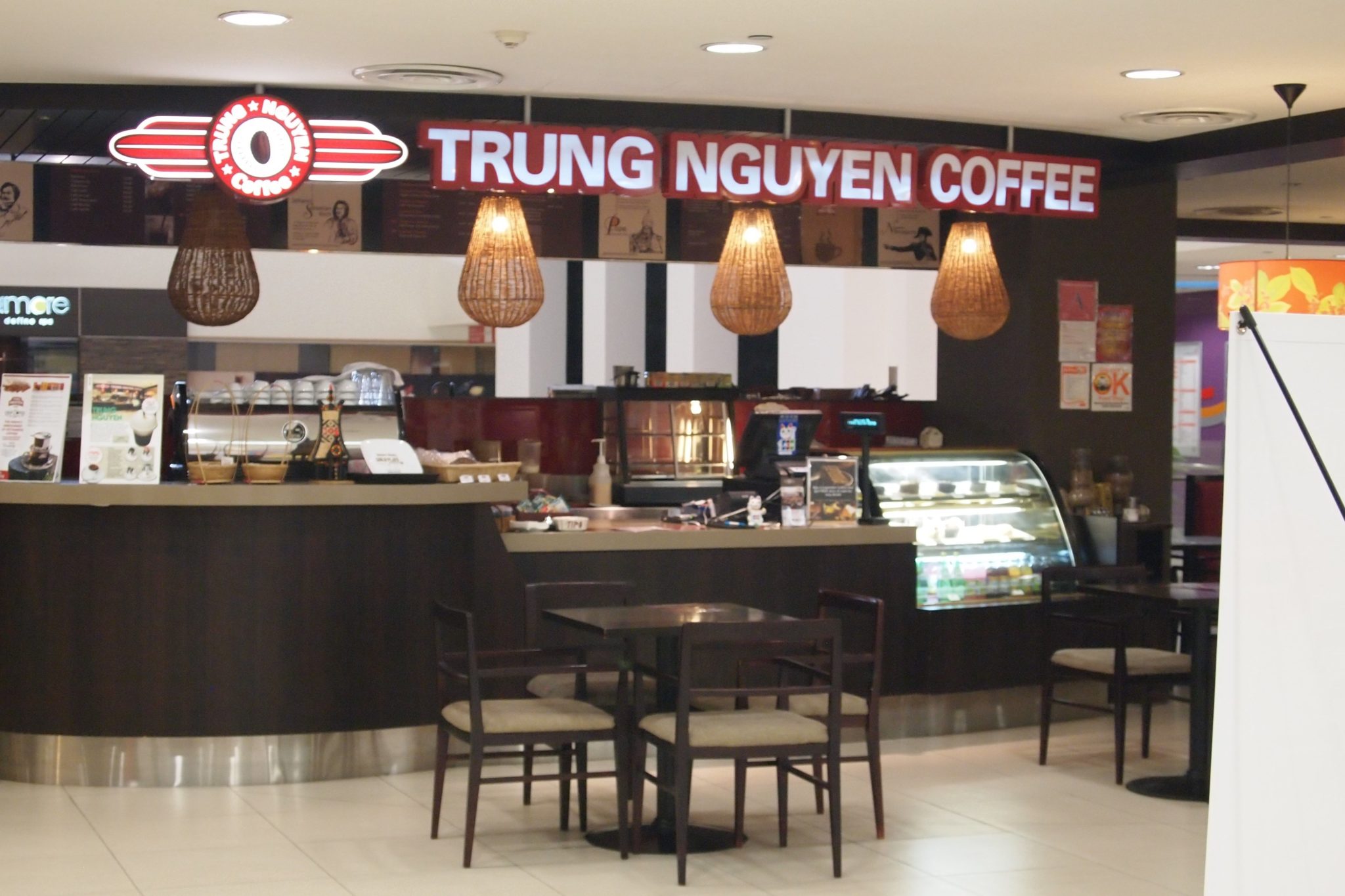
    Local brand Trung Nguyen’s highest revenue from any store is VND2-3 billion ($86,200-129,300) per month, while most make an average of VND400-500 million ($17,200-21,500).

    By the end of this year Trung Nguyen is expected to have a total of 100 outlets.

    Phuc Long, though a coffee chain associated with milk tea, has seen annual revenues grow at 7 percent in recent years, predominantly from the latter drink.

    With the rapid growth of coffee chains, coffee consumption by Vietnamese has also risen sharply.

    According to a study by BMI Research, a subsidiary of ratings firm Fitch, consumption grew from 0.43 kg per person in 2005 to 1.38 kg in 2015. This is the highest growth rate of any global coffee exporter, and the figure is forecast to reach 2.6 kg by 2021.

  • New product helps Vietnam’s canned coffee market

    New product helps Vietnam’s canned coffee market

    One of the largest beverage makers in the world is hoping to ‘capture’ Vietnamese taste with its new canned coffee product. Coca-Cola, one of the two biggest players in the Vietnamese carbonated beverages market, has entered the canned coffee market with Georgia Coffee Max.

    Though Vietnam is the second largest exporter of coffee in the world, its ready-to-drink coffee market has not attracted much attention from major players.

    Coca-Cola’s move could breathe life into it, but the challenge is not a small one, industry insiders said.

    For instance, at a supermarket on Quan Hoa Street in Hanoi’s Cau Giay District, canned coffee products do not have their own section, but are placed among other carbonated and energy drinks.

    Four brands of this rarely-seen product — Birdy, Nescafe, Highlands Coffee, and My Café — sit inconspicuously among dozens of other beverages.

    According to the shop assistants, canned coffee is hardly purchased, and sometimes is not bought for weeks at a time.

    The market for canned coffee came to existence 10 years ago with the entry of Birdy Coffee from Japan’s Ajinomoto.

    A year later Nestlé, which wanted a piece of the action, established a canned coffee production line at its plant in the southern Dong Nai Province.

    Other early birds included local dairy giant Vinamilk, which started putting up ready-to-drink coffee production facilities, followed by two then-emerging brands, Tan Hiep Phat and Highlands.

    Though initially many of the brands ran aggressive marketing campaigns, the market gradually fizzled out. Many products disappeared completely within a short time.

    In 2013 local coffee giant Trung Nguyen launched a range of fresh coffee products in bottles and cartons in sizes ranging from 500 ml to a liter. Within two years these too disappeared from grocery store and supermarket shelves.

    Today only a few names are left in the market, like PepsiCo, Highlands Coffee, Nestlé, Ajinomoto, and the new entrant, Coca-Cola.

    The real challenge for producers is no longer getting market share but changing consumer habits.

    Industry insiders quoted customer feedback as saying canned coffee is like fast food, sweet and lacking the authentic coffee taste.

    Speaking at the launch of the new product, a Coca-cola executive said though there are other brands in the market, their research showed the pie is large enough for new players to enter.

    Le Trung Tin, director of the Georgia Coffee Max line, said the secret to success is capturing the Vietnamese taste in the canned coffee.

  • Global chains suffer as Vietnamese coffee lovers vote with their feet

    Global chains suffer as Vietnamese coffee lovers vote with their feet

    Local coffee shop chains are outmaneuvering international brands like Starbucks by catering to customers’ demands.

    Young customers are now choosing smaller brands like The Coffee House, Cong Ca Phe and Phuc Long as their to-go spot for affordable brews.

    Local brands not only offer many beverage options but also sophisticated interiors and unlimited and fast internet access to ensure they retain customers, Nikkei Asia Review quoted market researcher Nguyen Phuong as saying.

    All this has helped these brands become very popular among students and young working professionals, who can spend hours there yet feel welcome.

    Phuong said having knowledge of Vietnamese culture and consumers has helped the local brands attract customers.

    By changing their business models to fit customers’ tastes, local brands report growing and some are even looking to expand.

    Nguyen Hai Ninh, CEO of what is thought to be the fastest growing chain, The Coffee House, told Nikkei that he plans to open 700 outlets around Vietnam in the next five years, or around 10 a month.

    Just one month after the brand opened its first shop in Seoul last month, Cong Ca Phe plans to add two more stores in the South Korean capital.

    The chain, which debuted in 2007, has more than 50 stores around Vietnam, and intends to add one or two every month until 2020.

    Thuc Coffee, Urban Coffee Station and Phuc Long report 7 percent annual revenue growth.

    In contrast, international names like Starbucks have grown slower than expected in the Vietnamese market.

    Starbucks only has 38 stores after entering the market five years ago despite boasting huge numbers in neighboring countries such as Thailand (330 stores), Indonesia (320) and Malaysia (190).

    Meanwhile, NYDC, Gloria Jean’s Coffees, and Caffe Bene of Korea have all wound up or are close to doing so.

    Singapore-based NYDC closed its last store in July 2017, Australian brand Gloria Jean’s Coffee also closed its last store in April 2017 after a decade of slow growth.

    Caffe Bene now has only three outlets remaining, according to InsideRetail Asia.

    Talking about the reason for the failure of international brands in the domestic market, industry insiders said that high rents on premium land have raised the cost of retail prices, making their coffee less competitive than local ones.

    A local coffee shop owner told Nikkei that opening a 200-square-meter Starbucks store in Saigon requires an initial investment of $215,000, while Coffee House only needs $86,000.

    Sean T Ngo, CEO of VF Franchise Consulting, said Vietnam, a major exporter of Robusta coffee, imposes high import tariffs on coffee beans, and international coffee chains often use imported Arabica beans that raise costs significantly. Higher costs have driven many customers to domestic brands.

    Phuong said that another reason for the downfall is that old brands are slow to adjust their business models to match customers’ taste.

  • Vincom Centre Landmark 81 launched

    Vincom Centre Landmark 81 launched

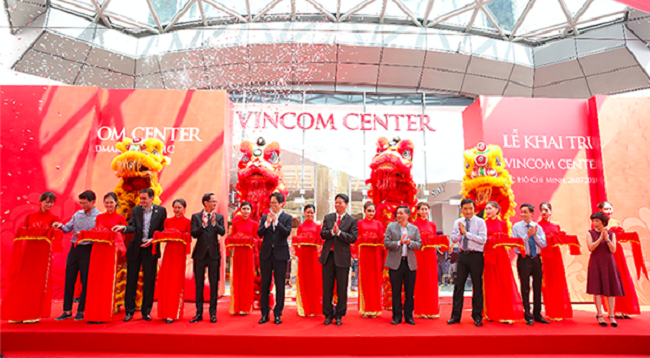
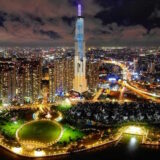
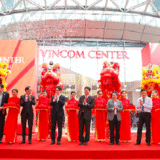
    Vingroup has opened its 55th shopping centre, The Vincom Center Landmark 81 mall, in Ho Chi Minh City’s Binh Thanh district.

    The 50,000sqm shopping centre occupies six of the skyscraper’s 81 storeys, housing 100 domestic and international brands in cosmetics, fashion, F&B, and entertainment.

    Fashion brands include Versace Jeans, Calvin Klein, Adidas, Tommy Hilfiger, Lacoste, French Connection, Kimmay, Superdry, H:Connect; Cole Haan, Ecco, Dune London, Parfois, Aldo, Pandora, Longines, OWL and Nike.

    The 7000sqm food and beverage area features 30 restaurants, including China’s Peach Garden, Japan’s Dozo Sushi, Vietnamese restaurants Delights, Di Mai, and coffee shops including Starbucks’ largest Vietnam outlet and Highlands Coffee.

    In the entertainment area, there is a 2000sqm Vincom Ice Rink, Vietnam’s largest, and a CGV cinema complex including an Imax screen, as well as a tiNiWorld entertainment complex and an indoor games centre.

    Vingroup’s food arm VinMart operates a supermarket there.

  • Record growth boosts Jollibee Foods’ income 24pc

    Record growth boosts Jollibee Foods’ income 24pc

    Philippine-headquartered quick-service restaurant chain Jollibee Foods income jumped 24.6 per cent to 6.14 billion pesos (US$123.26 million) last year, thanks to aggressive store openings.

    Jollibee says it opened 340 outlets across nine brands – its biggest expansion in a single year – of which 243 stores were in the Philippines. Including JVs, such as Smashburger in the US and Highlands Coffee in Vietnam, Jollibee opened 468 stores last year.

    This pushed system-wide retail sales, derived from franchised and company-owned stores, by 14.1 per cent to 149.14 billion pesos.

    Jollibee Foods Philippines CEO Ernesto Tanmantiong says the company is spending 14 billion pesos this year, up from 10.4 billion pesos last year, to open more outlets and expand its commissaries.

    Jollibee says its business in China – about half of its overseas interests – has returned to growth, with sales expanding by 6 per cent in the fourth quarter.

    Poor sales in China earlier prompted the company to reorganise there. It unloaded its San Pin Wang noodle chain and took over a food-processing company.

  • Jollibee Winnipeg first Canadian foothold

    Jollibee Winnipeg first Canadian foothold

    Filipino restaurant company and global fast-food chain Jollibee Foods Corporation (JFC) has opened its first Canadian outlet, Jollibee Winnipeg.

    With 35 stores already in North America, it plans to continue its march into Canada with three more outlets next year, at Winnipeg Northgate, Scarborough, and Mississauga, to be followed by Edmonton in 2018.

    In the US, it is also set to open its first store in the state of Florida, in Jacksonville, and its first store for Manhattan, New York.

    “It has been a joy to see the happiness families experience when visiting our locations in the US, and we are thrilled to now bring that same feeling into Canada at such a festive time like this,” says JFC group president for north America and foreign franchise brands Jose Minana.

    “Winnipeg is a fitting choice for Jollibee’s first Canadian store because it has largest density of Filipinos to the total population of the city,” says JFC North America VP/GM Maribeth dela Cruz.

    JFC is currently the largest Asian restaurant company in market capitalisation, working in 12 markets including Brunei, China, Hong Kong, Singapore and Vietnam. It has 3236 stores globally, of which 1111 are Jollibee branded. Other brands in its portfolio are Burger King, Chowking, Greenwich, Hong Zhuang Yuanm Mang Inasal, Red Ribbon and Yonghe King.

    JFC also has investments with the brands 12 Hotpot, Highlands Coffee, Pho 24, Dunkin Donuts in China, and US-based burger chain Smashburger.

  • Jollibee to list Highlands Coffee in Vietnam

    Jollibee to list Highlands Coffee in Vietnam

    Jollibee Foods Corp’s subsidiary JSF Investment and its partner Viet Thai International plan to list the Highlands Coffee business on the Vietnam stock exchange.

    According to the announcement, Super Foods, the company owns 51 per cent of Highlands Coffee brand, will be listed publicly by July, 2019.

    The exact stake of the IPO has yet to be disclosed.

    Besides Highlands, Superfoods also owns and operates Pho 24 and the Hard Rock Cafe stores in Vietnam.

    After being acquired by Jollibee Food Corp in 2012 with a $25 million deal, Super Foods has rapidly expanded its Highlands chain throughout Vietnam up to 130 outlets in July.