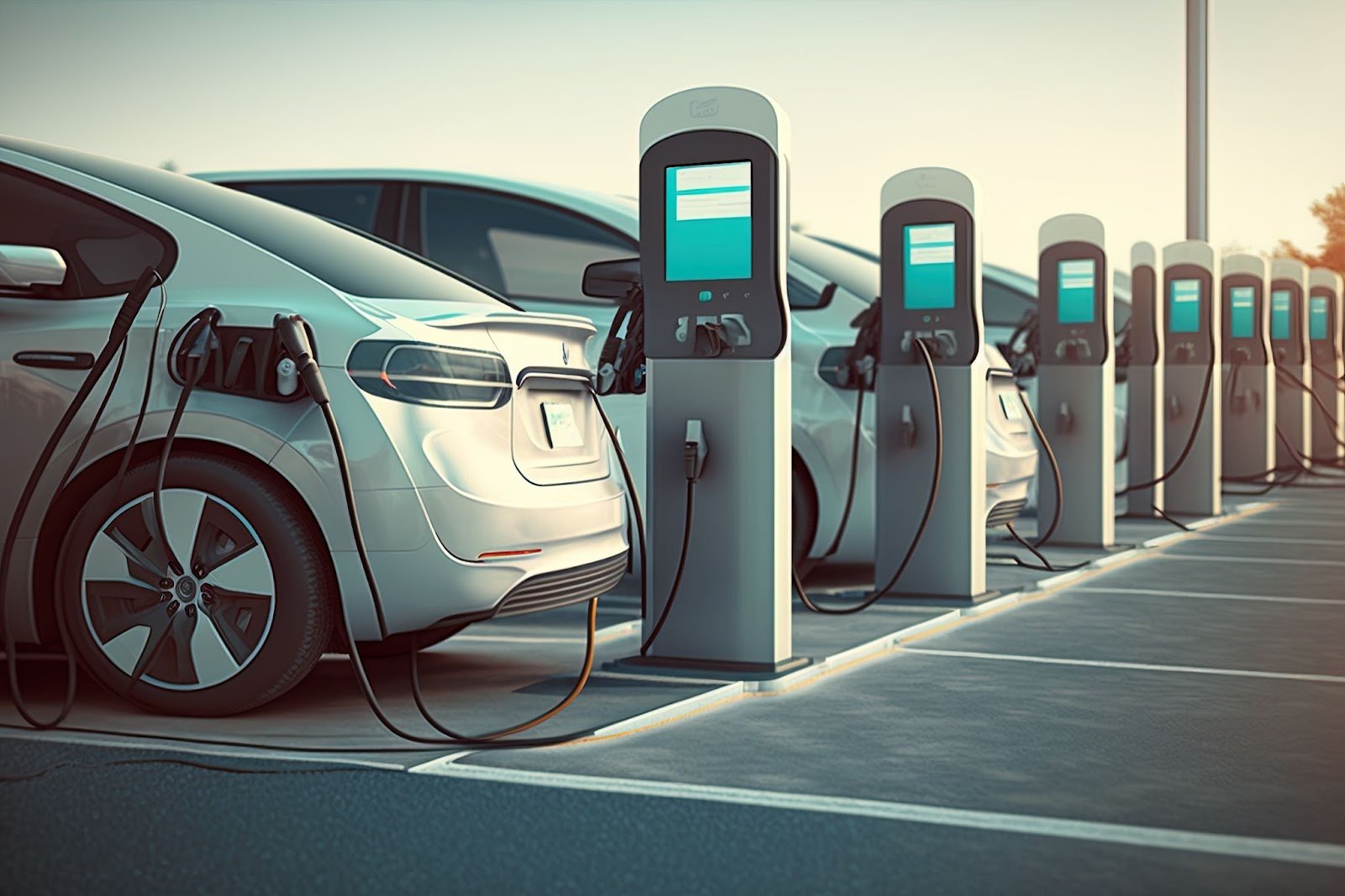
China’s highway electric vehicle charging volume climbed 51.42 per cent year-on-year to 163 million kilowatt-hours during the week-long National Day holiday, official energy data showed on Thursday.
Drivers logged 6.711 million charging sessions between October 1 and October 7 across 62,700 monitored highway charging points. That averaged 23.26 million kilowatt-hours a day.
Demand peaked on October 1 at 28.05 million kilowatt-hours, up 60.40 per cent from the same day last year to set an all-time holiday record. Over the first three days, vehicles consumed 71.62 million kilowatt-hours across 2.968 million sessions. That worked out to 989,500 plug-in events each day.
Peak Holiday Grid Loads
Road trips accounted for more than 90 per cent of all passenger travel during the holiday, driven by toll-free highway access for private passenger cars. Average daily travel volume for battery-powered cars reached roughly 1.6 times normal operating levels of 9.8 million daily trips.
During the eight-day combined National Day and Mid-Autumn holiday in 2025, charging volume totaled 123 million kilowatt-hours, an average of 15.36 million a day. The National Energy Administration tracked 48,400 operational highway points during that period. The network added 14,300 monitored points over the following twelve months.
Grid managers prepared by deploying mobile emergency chargers and requiring pre-holiday hardware maintenance across intercity corridors. Highway authorities also routed charging traffic into dedicated lanes to clear standard rest-stop parking bays.
Highway Infrastructure Expansion
Fleet expansion is driving the surge. China counted 48.97 million new energy vehicles on the road at the end of June 2026, representing 13.19 per cent of total motor vehicles nationwide, up 2.92 percentage points from a year earlier. First-half registrations reached 5.195 million units, capturing 49.42 per cent of all new passenger car registrations.
Charging hardware still struggles to keep pace during seasonal travel surges. Highway rest stops held 85,400 charging connectors by the end of June 2026, giving standard service areas near-total coverage outside high-altitude and sub-zero border zones.
Installations accelerated this year. Highway operators added 11,000 high-power charging guns during the first eight months of 2026, matching the total volume of high-output equipment installed in all prior years combined.
Commercial Pressure on Service Areas
For retail concessionaires and commercial property operators at highway service plazas, concentrated charging demand creates an operational bottleneck. Dwell times keep drivers on site for 20 to 45 minutes. That lifts footfall into convenience stores, fast-food outlets and coffee kiosks, but chokes forecourt parking capacity.
Upgrades carry heavy capital costs. Service plaza operators face steep utility spending to install ultra-fast direct-current chargers capable of delivering 250 kilowatts or more without destabilising local distribution grids. For private charging networks and automaker-backed stations, peak holiday utilization generates strong revenue over seven days, but high-voltage hardware sits underutilised throughout standard workweeks.
Planners are pushing provinces to underwrite dedicated energy hubs to counter the imbalance. In southern China, Guangdong province established an independent plan to build 3 million total charging facilities by 2027 to service an expected provincial fleet of 8 million electric vehicles.
Regional Targets and 2030 Capacity
The Ministry of Transport set a target to install more than 10,000 new charging connectors across highway service areas across 2026, mandating high-power connectors to comprise at least 25 per cent of all new builds. Meeting that threshold requires substantial grid substation expansion along secondary arterial corridors connecting tier-two and tier-three cities.
Power planners published a broader blueprint in July targeting 40 million charging stations across all categories by 2030, up from 20 million recorded at the end of 2025. That long-term target is designed to support an estimated national fleet of 110 million electric vehicles.
Grid stability faces its next trial in late January. The multi-week Lunar New Year travel rush will test high-power charging corridors across central and northern provinces under sub-zero winter battery drain conditions.