Retail News CRM

Tag: hike

  • Vietnam’s Auto Market Zooms Ahead: 15% Hike in Sales with Hybrids and Imports in the Lead

    Vietnam’s Auto Market Zooms Ahead: 15% Hike in Sales with Hybrids and Imports in the Lead

    The Vietnamese auto market has witnessed a significant growth of 15% in sales during the first half of 2026, as compared to the same period last year. A substantial portion of this growth can be attributed to the robust sales of imported and hybrid vehicles. Cumulative sales during this period amounted to 149,761 vehicles, which presents an increase of 4% from the previous month with total sales reaching 31,104 vehicles, as per a report by the Vietnam Automobile Manufacturers’ Association (VAMA).

    The Uneven Recovery of the Auto Market

    Despite the substantial growth, the auto market recovery in Vietnam appears to be inconsistent. When compared to June 2025, the sales for June 2026 reflect a decrease of approximately 2.7%. The first half of the year marked the sales of over 100,000 passenger cars, around 38,000 commercial vehicles, and nearly 10,865 hybrid vehicles, which witnessed a remarkable growth of 83% year-on-year.

    The surge in the sales of hybrid vehicles suggests a growing preference for fuel-efficient and environmentally friendly vehicles. VAMA reported the sale of 2,347 hybrid vehicles in June alone, marking an increase of 41% from the previous month and nearly double the sales in June 2025, making hybrid vehicles the most rapidly growing sector in the auto market.

    Competitive Landscape and Market Growth Prospects

    Among the brands under VAMA, Toyota secured the leading position with the sale of 6,494 vehicles in June, accounting for nearly 27% of the total sales. They were followed by Mitsubishi with 3,158 units sold, and then Ford with 2,741 units. Kia and Mazda, both distributed by THACO, sold 2,675 and 2,361 vehicles respectively, making it to the top five best-selling brands of June.

    The competition has been intensifying in the market, as reflected by the narrowing gap in sales among the leading brands. It spans across various segments including B-segment sedans, urban SUVs, MPVs, and pickup trucks.

    Industry experts anticipate that the positive performance in the first half of 2026 will lay a strong foundation for greater growth in the second half. Several automakers are planning to introduce new models, expand their hybrid and electric vehicle lineups, and implement promotional programs to boost demand.

    Given the competitive auto loan interest rates, stable supply of vehicles, and a diverse product range, Vietnam’s automotive market is likely to sustain its growth momentum for the rest of 2026. SUVs, MPVs, and hybrid vehicles are expected to continue to drive overall market sales.

    Questions & Answers

    What is the growth rate of sales in the Vietnamese auto market in the first half of 2026?
    The Vietnamese auto market recorded a growth rate of 15% in sales in the first half of 2026.

    Which are the top-performing vehicle brands in June 2026?
    Toyota, Mitsubishi, Ford, Kia, and Mazda were the top-performing vehicle brands in June 2026.

    What type of vehicles are expected to drive overall market sales for the rest of 2026?
    SUVs, MPVs, and hybrid vehicles are expected to be the key drivers of overall market sales for the rest of 2026.
  • Vietjet and Bamboo Airways Hike Checked Baggage Fees Prior to Peak Summer Travel Rush

    Vietjet and Bamboo Airways Hike Checked Baggage Fees Prior to Peak Summer Travel Rush

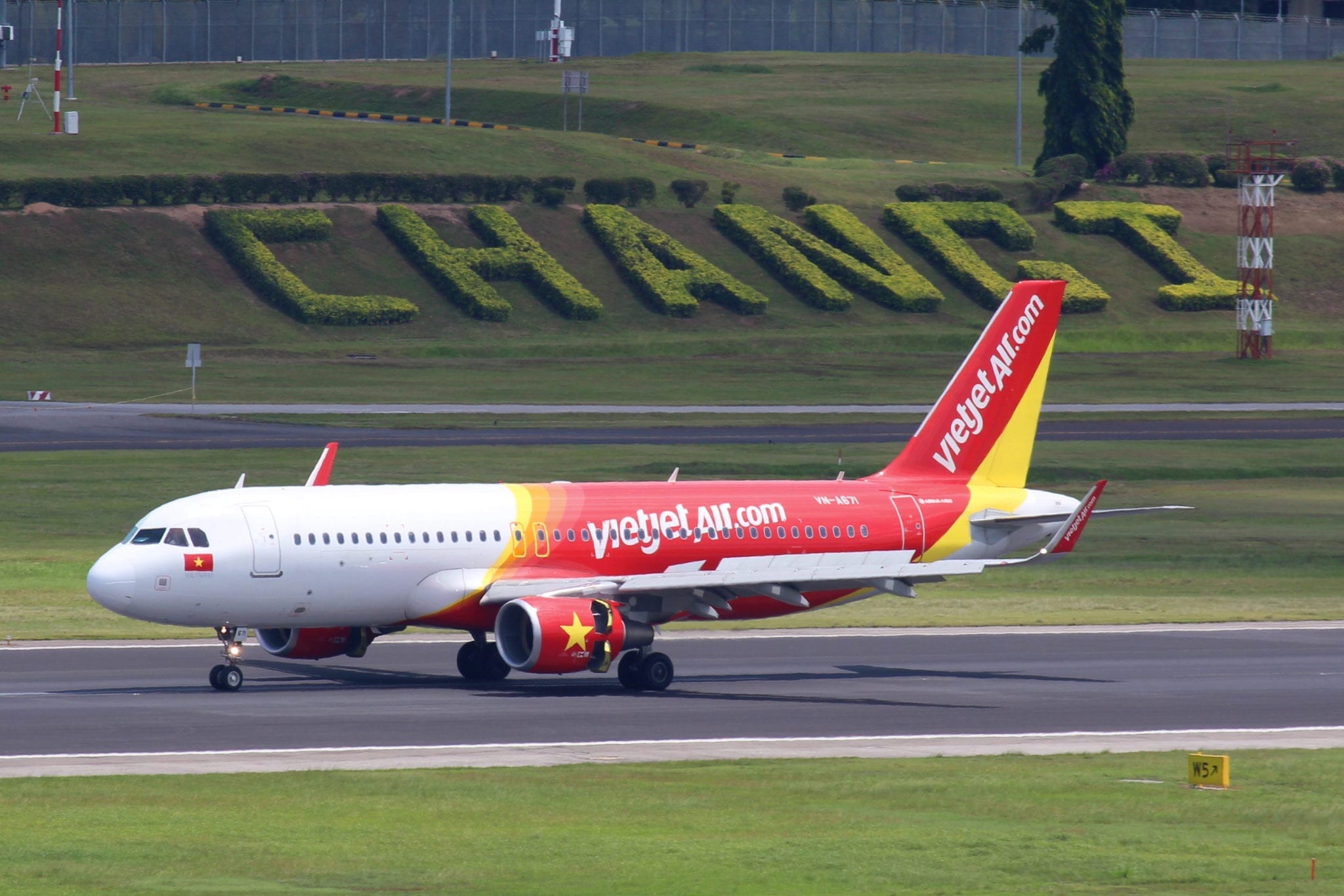
    Vietjet Air and Bamboo Airways, two leading airline companies, have recently increased their rates for checked luggage by 15-25%. This price surge has come into effect just before the beginning of the high-demand summer travel season.

    Revised Baggage Prices

    According to a recently released pricing schedule, checking in 20 kg on Vietjet’s domestic flights has become 25% more expensive, now costing VND250,000 (equivalent to US$9.5) plus tax. For 30 and 40 kg luggage, the prices have risen by 20%, costing VND360,000 and VND480,000 respectively. Furthermore, the pricing for oversized bags and extra carry-on allowance has also seen an increase of approximately 20%.

    The price adjustments also apply to various international routes. For instance, the price for checked baggage weighing 20 kg on Southeast Asia flights has increased by 21%, amounting to VND580,000. Meanwhile, on flights to Hong Kong, Taiwan, and mainland China, the rate has similarly increased to VND700,000.

    Bamboo Airways has also implemented an approximate 15% increase on their domestic flights during peak seasons such as Tet (the Lunar New Year) and summer. The summer fees are set to be applicable from May 20 to August 15 as well as from August 27 to September 2.

    Implications of Rising Costs

    A flight booking agency in Ho Chi Minh City noted that several airlines have been increasing fares and other prices, such as checked baggage, seat selection, and in-flight meals, in response to the escalating fuel costs. It has been observed that customers, who previously focused solely on ticket prices, are now showing heightened awareness of baggage fees when planning their travel expenses, particularly families and long-term travelers who may end up adding millions of dong to each trip due to these charges.

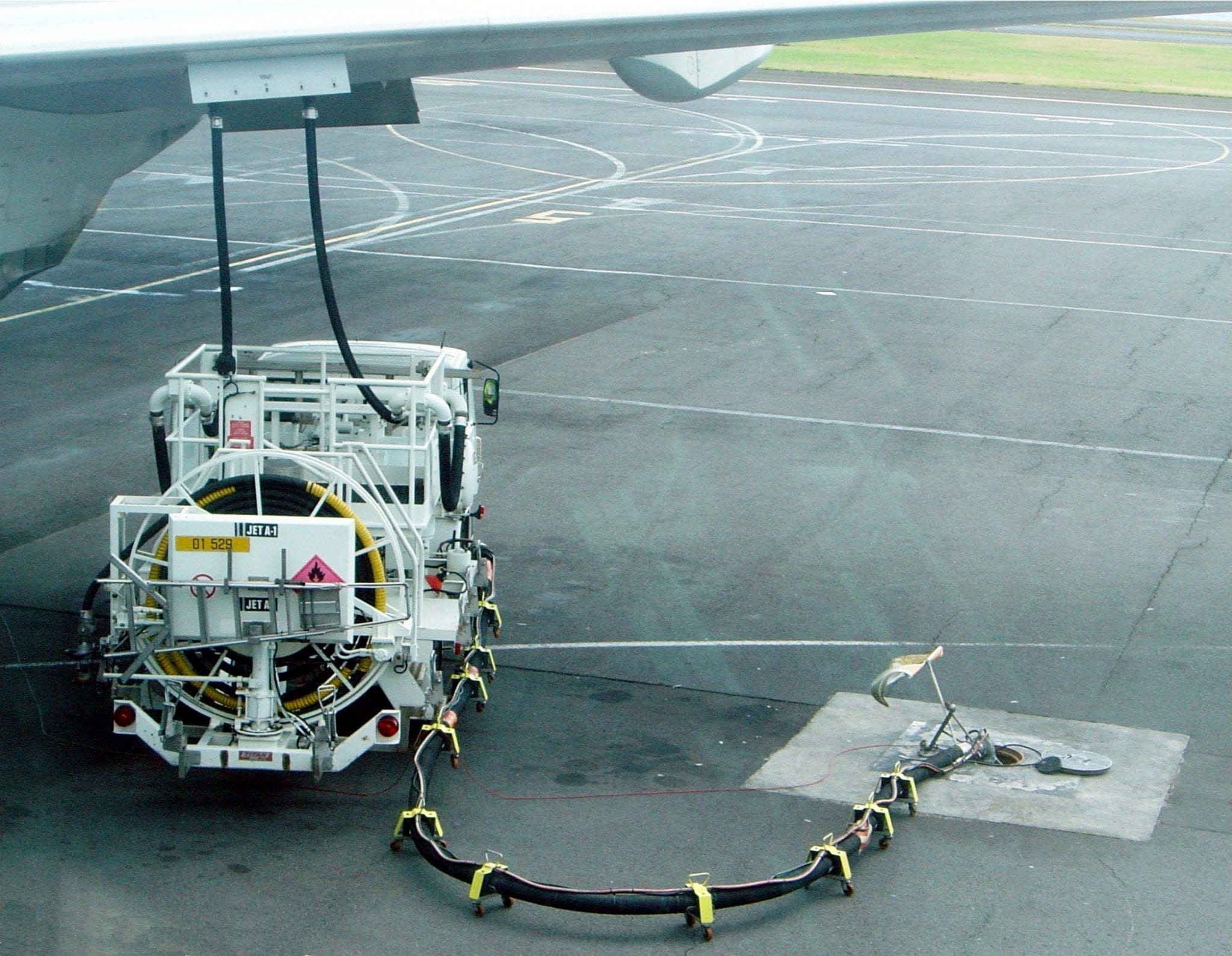
    According to a report by the Civil Aviation Authority of Vietnam, the prices of Jet A1 aviation fuel have consistently remained high in Asia, occasionally reaching US$214-216, as a result of Middle East tensions. This fluctuation in fuel prices has significantly impacted airlines’ operating costs and airfares in recent years.

    Questions & Answers

    What is the percentage increase in Vietjet Air and Bamboo Airways’ checked baggage prices?
    Answer: Their checked baggage prices have increased by 15-25%.

    How is the increase in baggage prices affecting customers’ travel planning?
    Answer: Customers are now more conscious of baggage fees when planning their travel expenses.

    What has contributed to the increasing operating costs for airlines in recent years?
    Answer: Fluctuating fuel prices, particularly of Jet A1 aviation fuel, have significantly impacted airlines’ operating costs and airfares in recent years.

  • Skyrocketing Fuel Prices Push Global Airlines into Fare Hike: Vietnam’s Aviation Sector Braces for Impact

    Skyrocketing Fuel Prices Push Global Airlines into Fare Hike: Vietnam’s Aviation Sector Braces for Impact

    As global aviation fuel costs rise due to increased geopolitical instability, more than 60% of international airlines have already increased their fares or are planning to do so from mid-March, according to the Civil Aviation Authority of Vietnam (CAAV). The soaring fuel prices have resulted in mounting operational costs, leading many international carriers to utilize fuel surcharges to balance their expenses and maintain consistent service levels.

    The Impact of Rising Fuel Prices

    The CAAV conducted a swift survey on March 20, covering nearly 40 international and regional airlines operating routes to Vietnam. The survey revealed that over 60% of these airlines have already implemented, are in the process of implementing, or are planning to introduce fare adjustments or fuel surcharges, starting from mid-March.

    This trend is notable in significant aviation markets across Asia, Europe, and North America, highlighting the extensive financial pressure experienced by airlines globally. In Northeast Asia, which includes Taiwan, China, Japan, and the Republic of Korea, ticket prices have significantly increased, with hikes ranging from $11.5 to nearly $115 per ticket.

    Regional Variations in Fare Hikes

    In contrast, fare increases in Southeast and South Asia have been more moderate, typically fluctuating around $5 to approximately $70 per ticket. For long-haul flights to Europe and North America, fuel surcharges are considerably higher, generally ranging from around $43 to over $215 per ticket, with even greater increases for business-class passengers.

    The air cargo sector is also feeling the impact, with some airlines introducing fuel surcharges calculated on a per-kilogram basis. Despite these adjustments being seen as a short-term response to fluctuating fuel prices, they are expected to elevate both passenger airfares and cargo costs in the upcoming months.

    Questions & Answers

    What is driving the increase in global aviation fuel prices?
    Geopolitical instability is the primary factor contributing to the rise in global aviation fuel prices.

    How are airlines offsetting the rising operational costs?
    Many international airlines are introducing fuel surcharges or adjusting their fares to counterbalance the increased operational costs.

    What impact will these adjustments have on the aviation industry?
    These adjustments are expected to increase both passenger airfares and cargo costs in the near future.

  • Icebreaker’s Eco-Friendly Fashion Woos Thailand: First Southeast Asia Store Opens in Bangkok

    Icebreaker’s Eco-Friendly Fashion Woos Thailand: First Southeast Asia Store Opens in Bangkok

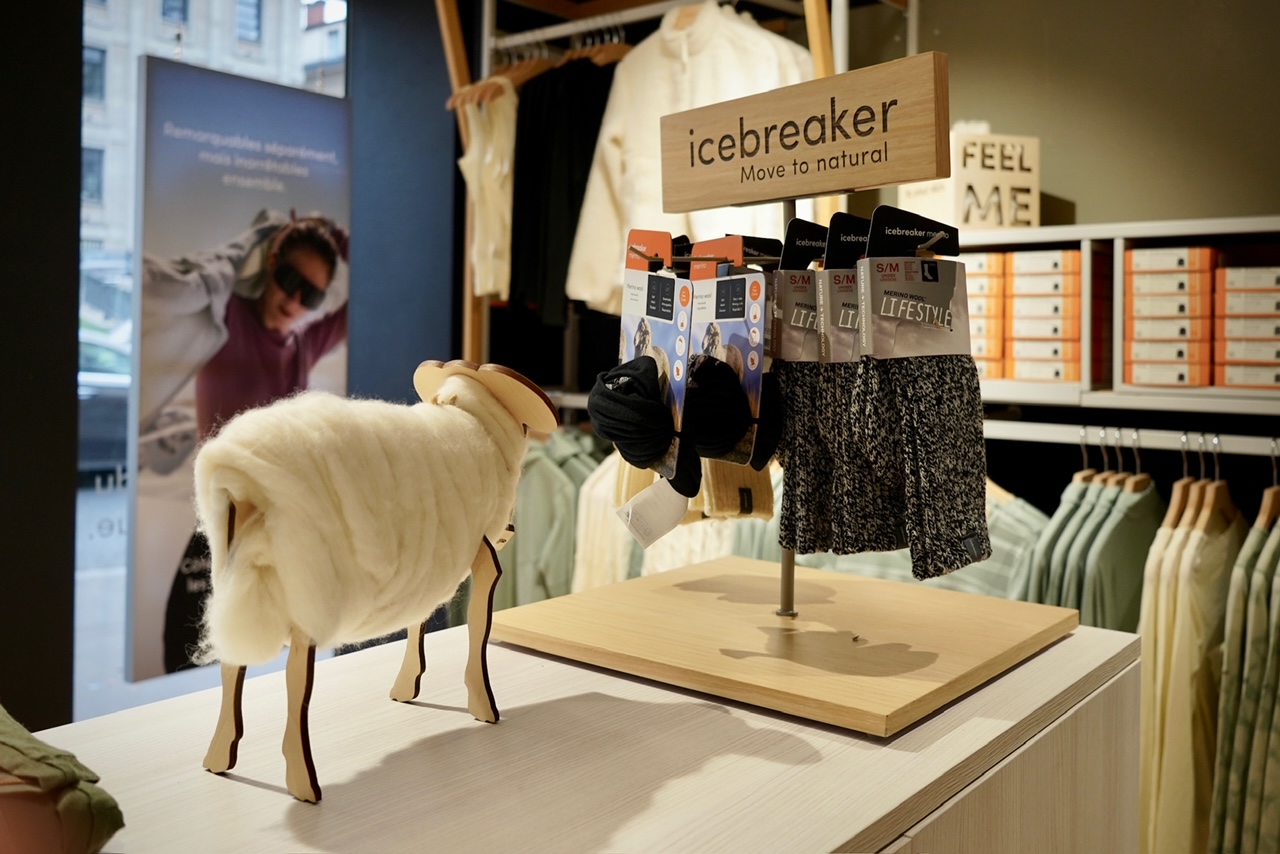
    Icebreaker, a renowned outdoor apparel brand originating from New Zealand, recently established its first retail outlet in Southeast Asia. The new store, located in Central Park, Bangkok, was launched in collaboration with the Thai Outdoor Group (TOG).

    Making its debut in Southeast Asia is regarded as a significant achievement in Icebreaker’s global expansion strategy. Moreover, it solidifies the brand’s intrinsic principle of ‘Move to Natural.’ This philosophy encourages the use of natural, environmentally-friendly fibres instead of synthetic alternatives.

    The Bangkok store highlights Icebreaker’s Merino wool products, positioning the brand to capitalize on the escalating consumer interest in sustainable and high-performance apparel.

    The store inauguration was marked with the ‘Meet Your Merino Sheep’ workshop. This event provided a unique opportunity for participants to create their own Merino sheep using the same high-grade fibres that are used in the manufacture of Icebreaker garments.

    Icebreaker, established in 1995, is widely acknowledged as a trailblazer in the application of Merino wool. This material is highly prized for its breathability, temperature regulation, resistance to odour, and natural comfort under a range of conditions.

    In a remarkable development in 2018, Icebreaker was acquired by the American apparel titan, VF Corp, for $288 million, following a highly competitive bidding process.

    Questions & Answers

    What is the significance of Icebreaker’s new store in Bangkok?
    The opening of Icebreaker’s store in Bangkok marks a significant milestone in the brand’s global expansion strategy. It also positions the brand to tap into the growing consumer interest in sustainable and performance-driven apparel in Southeast Asia.

    What is the philosophy of Icebreaker?
    Icebreaker follows a core philosophy of ‘Move to Natural’, which promotes the use of natural, sustainable fibres over synthetic alternatives.

    Who acquired Icebreaker in 2018 and for how much?
    Icebreaker was purchased by the US apparel giant VF Corp in 2018 for a sum of $288 million.

  • H&M Reports 40% Surge In Operating Profit Despite Market Uncertainties And Outlet Reduction

    H&M Reports 40% Surge In Operating Profit Despite Market Uncertainties And Outlet Reduction

    In the third quarter of this year, Swedish fashion conglomerate H&M reported an operating profit increase of 40% to US$523 million, with its operating margin escalating from 5.9% to 8.6%.

    Key Factors driving the Increase

    The company attributed the favorable performance to enhanced customer offerings, better gross margin, and effective cost control. The company’s gross profit reached US$3.19 billion, with the gross margin rising to 52.9%, a substantial increase from the 51.1% recorded in the same period the previous year.

    Despite a 4% decrease in the number of outlets, H&M still managed to boost its sales in local currencies by 2% compared to the same timeframe last year. Nonetheless, the company’s net sales dropped slightly from US$6.24 billion to US$6.03 billion, a decrease largely influenced by a currency translation effect on the SEK.

    Company’s Strategy amidst Uncertainty

    H&M CEO Daniel Erver acknowledged the ongoing market uncertainty and the cautious consumer behavior it has bred. Despite these challenges, Erver emphasized the company’s unwavering focus on improving its customer offerings and maintaining value for money. Erver believes that the company’s strong culture, combined with effective cost control and flexibility, provides a stable foundation for achieving long-term, profitable, and sustainable growth in an increasingly complex environment. The company remains committed to its ambitious sustainability goals.

    Expansion and Digital Transformation

    H&M marked its entry into the Brazilian market in August by launching its first physical and online stores. The company also opened a new flagship store in Paris’ Le Marais, featuring a curated selection and a novel interior design concept. As part of its global strategy, H&M introduced its revamped digital store earlier this year. The brand is focused on upgrading a significant portion of its physical stores by improving layouts, presentations, and incorporating technology to elevate the customer experience.

    Questions & Answers

    What factors contributed to H&M’s increase in operating profit?
    Enhancements in customer offerings, improved gross margin, and effective cost control led to an increase in H&M’s operating profit.

    How is H&M adapting to the ongoing market uncertainty?
    Despite market uncertainties, H&M is focusing on its customer offerings and maintaining value for money. The company aims to leverage its strong culture, effective cost control, and flexibility to achieve long-term, sustainable growth.

    What are H&M’s recent expansion and digital transformation initiatives?
    H&M recently entered the Brazilian market with both physical and online stores. The company has also launched an upgraded digital store and is working on improving the layouts, presentations, and in-store technology at many of its global outlets.