Tag: hina

  • China Seeks US Trade Dialogue, Insists on Lifting Tariffs as Preliminary Step

    China Seeks US Trade Dialogue, Insists on Lifting Tariffs as Preliminary Step

    Escalating Trade Tensions: U.S. and China Exchange Heavy Tariffs Amidst Negotiation Hopes

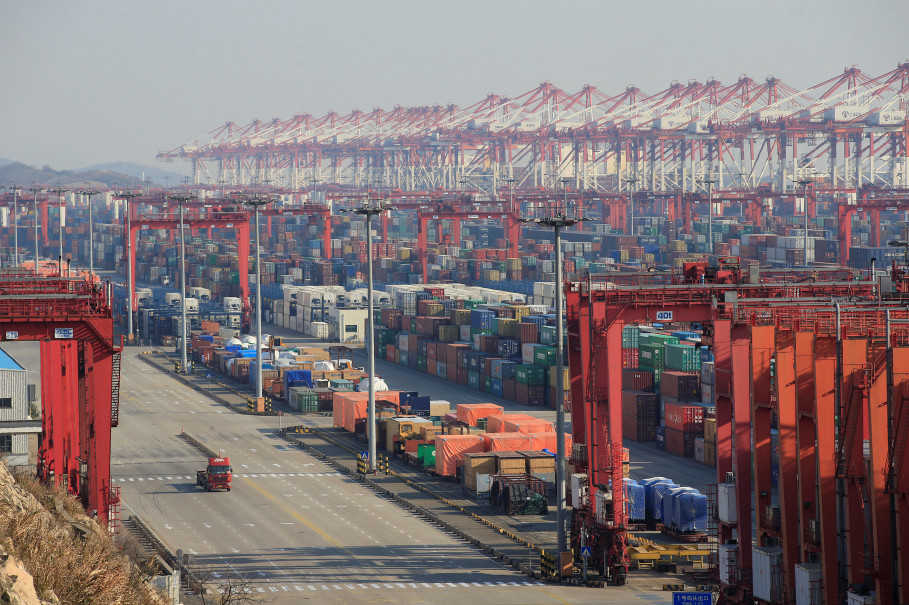
    In a dramatic escalation of the ongoing trade war, the U.S. has imposed significant tariffs of up to 145% on a variety of Chinese products starting in April. In retaliation, China has introduced a new set of tariffs, matching the U.S. with a 125% duty on American imports. This development comes amidst tentative talks and fluctuating market reactions.

    Temporary Reprieve for High-Tech Goods

    Notably, certain high-end tech products such as smartphones, semiconductors, and computers have been temporarily exempted from the U.S. tariffs. This sector will be closely watched by analysts as an indicator of potential longer-term policy shifts in these pivotal industries.

    Dialogue and Diplomacy: A Path Forward?

    Amidst these aggressive fiscal maneuvers, U.S. President Donald Trump has suggested that China is keen to negotiate, citing a “very good chance we’re going to make a deal.” Conversely, official statements from Beijing assert that it was the U.S. that initiated contact, with China now evaluating the outreach.

    However, any progression towards substantive talks appears contingent on concessions, particularly regarding unilateral tariffs. The Chinese Commerce Ministry emphasized that without the U.S. showing sincerity by reversing its tariffs, dialogue would be insincere and erode trust further.

    Hard Stances on Both Sides

    Expert opinions suggest a tough stance from China, with signals that negotiations will commence only after the U.S. exhibits concrete actions towards compromise. Wu Xinbo of Fudan University highlighted that revocation of tariffs might pave the way for addressing deeper issues such as the unbalanced trade relationship and technological suppressions alleged by Beijing.

    The Global Impact and Deadline Pressures

    As the 90-day deadline in July looms for several countries to negotiate terms with Washington, the broader international community remains on edge. Beijing’s firm resolve was echoed in a recent social media campaign, emphasizing their readiness to combat a prolonged trade war if necessary.

    Economic Strains and the ‘Olive Branch’

    Recent economic data from China and the U.S. expose vulnerabilities exacerbated by these trade tensions. China’s factory activity has contracted, and similarly, the U.S. economy faced contraction in early 2023. Amid these challenges, calls for a resolution have intensified, with some analysts like Stephen Innes from SPI Asset Management recognizing Beijing’s recent statements as a potential initial step towards de-escalation.

    Looking Ahead: Implications for the Retail Sector

    These unfolding events hold profound implications for the retail sector. Consumer trends could shift significantly as product prices and availability are impacted by the tariffs. Retail news will continue to monitor how retail chains and consumers adapt to these new economic realities. As the situation develops, the resilience of the global trade framework and international economic relations will be tested. This period may well define the future dynamics of international trade and consumer behavior in a deeply interconnected world economy.

  • Fintech Rapyd Expands APAC Footprint

    Fintech Rapyd Expands APAC Footprint

    The fintech-as-a-service provider is expanding Greater China coverage and offering company incorporation, business accounts, credit cards, and payments services from a single platform.

    Rapyd has acquired Hong Kong-based Neat, a cross-border trade enabling platform for SMBs and startups, the fintech said a statement on Wednesday.

    Neat’s services, capabilities, and licenses will be integrated into Rapyd’s platform to enable a global trade solution optimized for SMBs, entrepreneurs, and growing young companies, according to a statement, which did not disclose the terms of the deal.

    As SMBs need to go digital and globalize at an even faster rate due to the pandemic, together Neat and Rapyd can help businesses everywhere sell their goods and services in new markets with less complexity, flatten FX fees, to unlock revenue and growth potential that would otherwise be inaccessible to them,» Joel Yarbrough, managing director of Rapyd Ventures and vice president of Asia Pacific, said about the acquisition.

    Rapyd bundles a range of digital payments-related services for businesses, including funds collection, funds payouts, currency transfers, ID verification and card issuing, and brings together over 900 payment methods in over 100 countries. Rapyd’s investors include Stripe, General Catalyst, Oak HC/FT, Coatue, Tiger Global, Durable Capital, Target Global, Fidelity Management and Research Company, Altimeter Capital, BlackRock Funds and Tal Capital.

  • Tesla moves closer to deal to build cars in China

    Tesla moves closer to deal to build cars in China

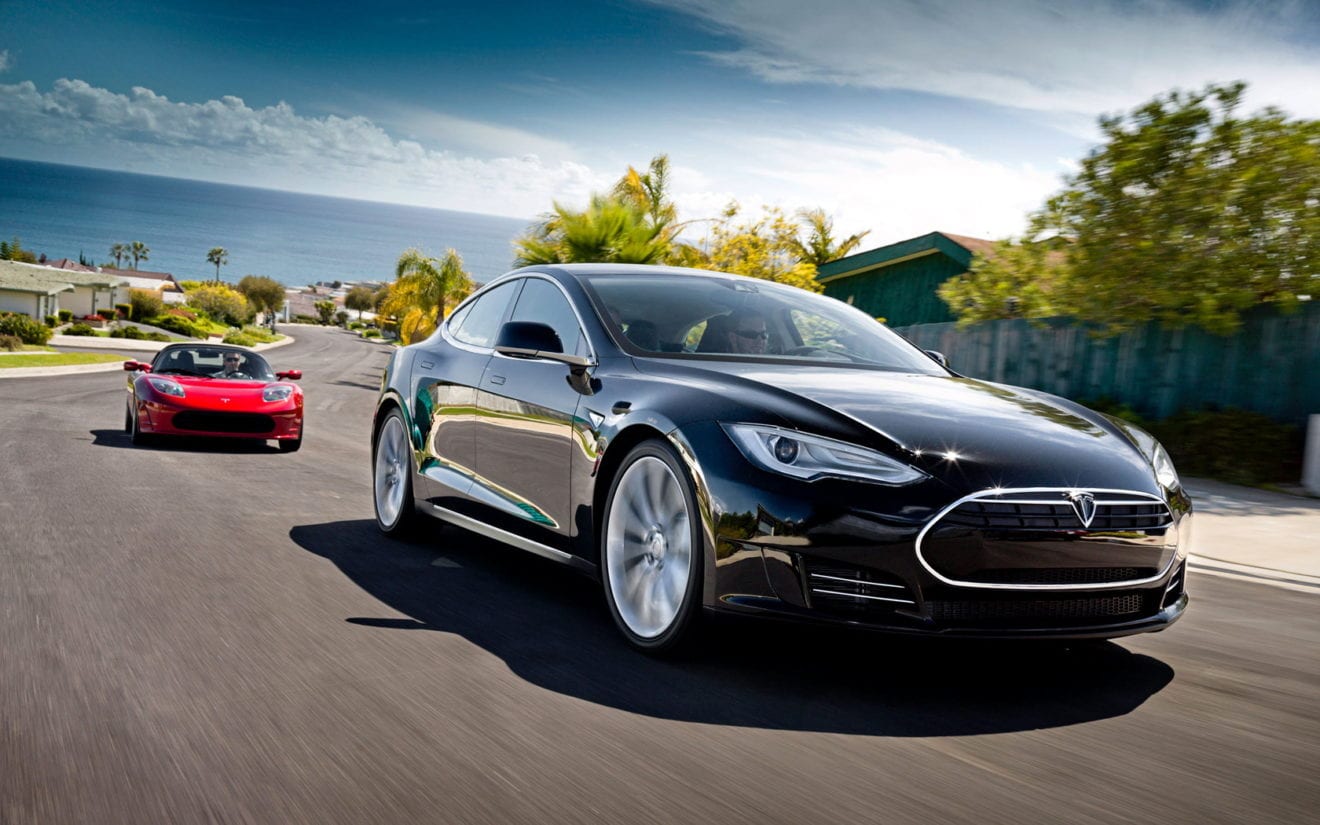
    Electric car maker Tesla Inc said on Sunday it is talking with the Shanghai municipal government to set up a factory in the region and expects to agree on a plan by the end of the year.

    China levies a 25 percent duty on sales of imported vehicles and has not allowed foreign automakers to establish wholly owned factories in the country, the world’s largest automaker. Those are problems for Tesla, which wants to expand its presence in China’s growing electric vehicle market without compromising its independence or intellectual property.

    China’s government has considered allowing foreign automakers to set up wholly owned factories in free trade zones in part to encourage more production of electric and hybrid vehicles – which the government calls “new energy vehicles” – to meet ambitious sales quotas.

    Tesla would still have to pay a 25 percent duty on cars built in a free trade zone, but it could lower its production costs.

    “Tesla is working with the Shanghai Municipal Government to explore the possibility of establishing a manufacturing facility in the region to serve the Chinese market. As we’ve said before, we expect to more clearly define our plans for production in China by the end of the year,” a Tesla spokesperson said in a statement emailed to Reuters.

    Tesla said in June it was beginning talks with Shanghai.

    The Wall Street Journal reported that Tesla and the Shanghai government have already reached a deal in that city’s free trade zone. Shanghai is China’s de facto automotive capital and a significant market for luxury vehicles of all kinds.

    Chinese internet company Tencent Holdings Ltd has a five percent stake in Tesla and is seen as a potential ally for Tesla’s efforts to enter the Chinese market.

    It was unclear if the Chinese government will conclude a deal with Tesla to coincide with U.S. President Donald Trump’s visit next month.

    Tesla Chief Executive Elon Musk has said the company eventually will need vehicle and battery manufacturing centers in Europe and Asia.

    Tesla is wrestling with production problems at its sole factory, in Fremont, California. It is trying to accelerate output of its new Model 3 sedan, but conceded earlier this month that production bottlenecks had held third-quarter production to just 260 vehicles, well short of the 1,500 previously planned.

  • G-III Apparel taking DKNY, Donna Karan to China

    G-III Apparel taking DKNY, Donna Karan to China

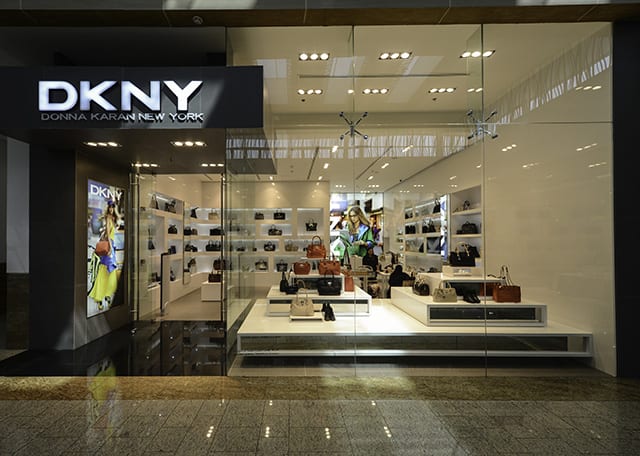
    American apparel brands DKNY and Donna Karan are about to invade Greater China via a JV between New York’s G-III Apparel Group and investment fund Amlon Capital.

    As well as the mainland, the venture is targeting Hong Kong, Macau and Taiwan, with January 1 as lift-off date.

    G-III owns 49 per cent and Amlon the balance of the JV, which will have $25 million in funding. It is being chaired by Tommy Hilfiger chairman Fred Gehring with Steve Shen from Nanjing Datex fashion as CEO.

    G-III chairman/CEO Morris Goldfarb says the collaboration offers a “major strategic opportunity”.

    G-III makes and distributes apparel and accessories under licensed, owned and private-label brands. Its owned brands include DKNY, Donna Karan, Jessica Howard and Vilebrequin. It has fashion licences for such brands as Calvin Klein, Dockers, Guess, Ivanka Trump, Karl Lagerfeld, Kenneth Cole, Levi’s, Tommy Hilfiger and Vince Camuto.

    Amlon was set up last year by Gehring together with partners and private equity firm Apax Partners. The private investment vehicle already has stakes in Denham Jeans, Karl Lagerfeld and childrenswear brand Vingino.