Tag: hiroshima

  • Japan’s Seto Inland Sea Targets Wealthy Visitors Across 700 Islands

    Japan’s Seto Inland Sea Targets Wealthy Visitors Across 700 Islands

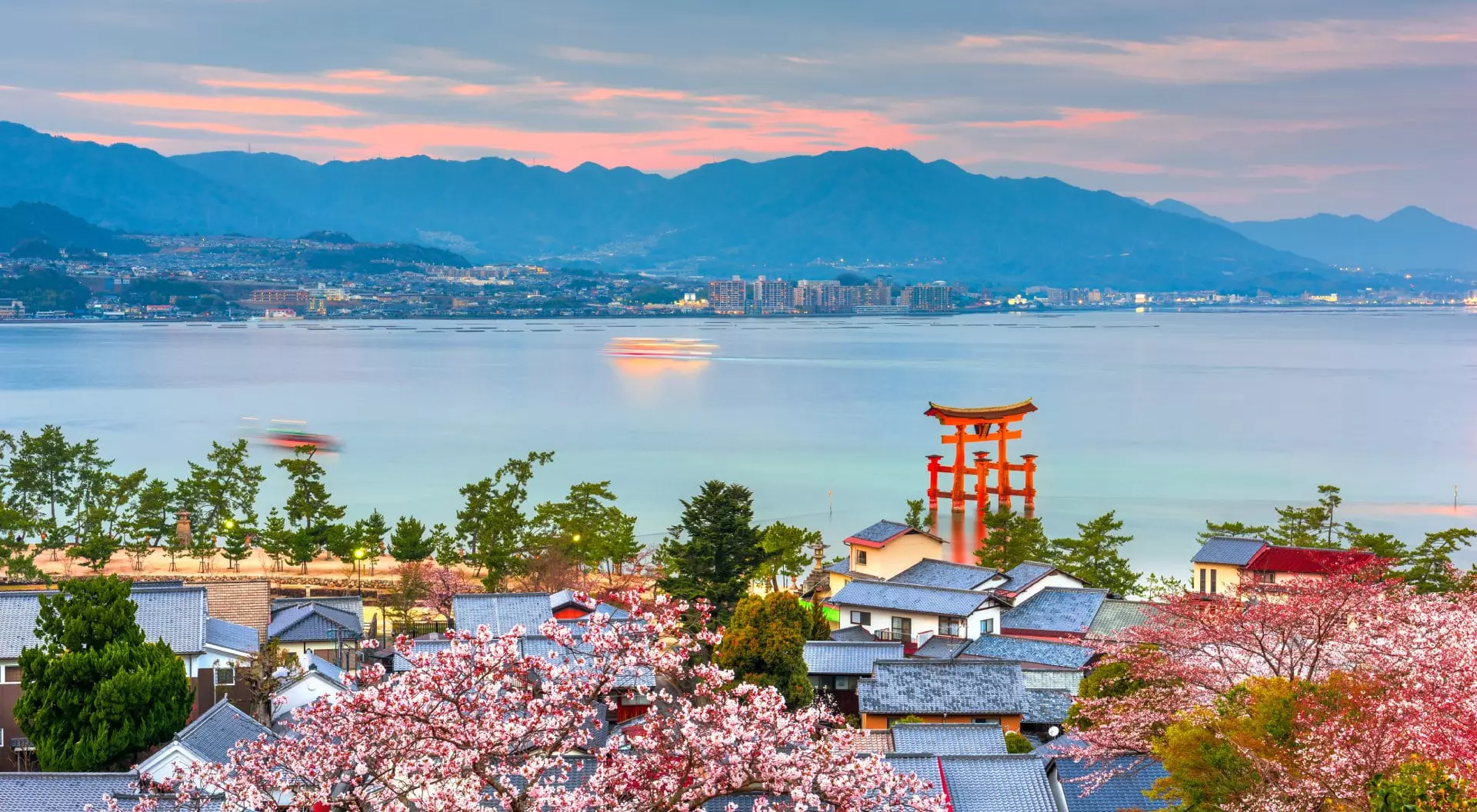
    Tourism operators across Japan’s Seto Inland Sea have begun expanding private cruise services to attract high-spending international and domestic travellers across the archipelago of more than 700 islands.

    Solarina Setoda Marina opened in September on Ikuchijima Island off the coast of Hiroshima prefecture to support the growing demand for private marine excursions.

    Infrastructure Constraints Across the Islands

    Regional operators report that current port infrastructure limits expansion. Existing docking points cannot handle higher volumes of private vessels without congestion.

    Adding dedicated piers across key islands is now the primary operational requirement to raise visitor capacity. Without more berthing facilities, maritime operators cannot scale vessel schedules or add exclusive route stops.

    Targeting Affluent Travel Spend

    The push toward private charters shifts the regional tourism model away from mass-market sightseeing toward higher-margin hospitality. Private cruises allow operators to package island-hopping itineraries with regional dining, art sites, and luxury accommodation.

    For regional businesses, capturing higher average spend per visitor provides revenue without overcrowding small island communities. The strategy mirrors premium charter models in the Mediterranean and Southeast Asian island chains.

    Marine Transport and Local Supply Chains

    Expanding cruise services creates direct demand for marine services, fuel supply, vessel maintenance, and shore-side hospitality. Marina developments like the facility on Ikuchijima serve as anchor nodes for island supply chains.

    Suppliers and local vendors gain access to premium customer traffic arriving directly by water. However, execution depends on municipal coordination and coastal development permits to build the required docks.

    Pier Capacity Remains the Key Metric

    The opening of Solarina Setoda Marina in September established an initial hub on Ikuchijima Island. Regional tourism groups are now tracking municipal approvals for additional pier construction across the Seto Inland Sea to determine how fast charter fleets can expand.
  • Lopia Expands into Chugoku with Hiroshima Store Opening

    Lopia Expands into Chugoku with Hiroshima Store Opening

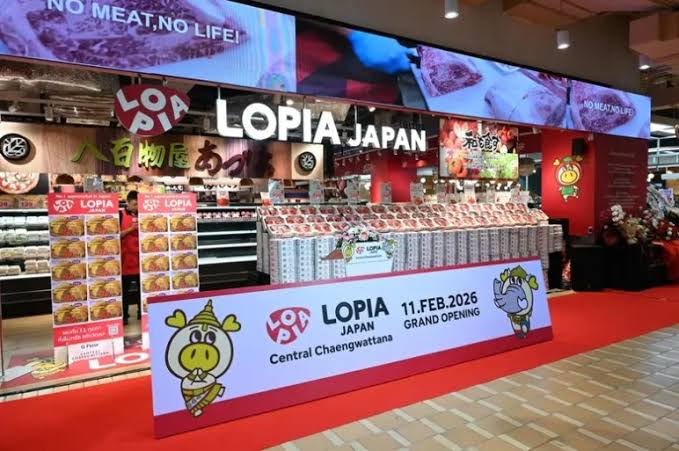
    Discount supermarket chain Lopia has entered Japan’s Chugoku region with store openings across Hiroshima and Yamaguchi prefectures. The expansion intensifies pricing pressure on established regional grocery operators.

    The Kawasaki-based chain opened its first outlet in the Chugoku-Shikoku district in April at the Hiroshima Pacela shopping complex in Hiroshima’s Naka Ward. Shopper traffic at the location remained heavy through September. Steep discounts on everyday food staples drove the crowds.

    Expansion across western Japan

    Lopia built its reputation on meat-led merchandising and aggressive discount pricing. The operating model relies on high turnover to offset thin margins. Bringing that footprint into Hiroshima and Yamaguchi takes the company directly into territory long defended by regional supermarket chains.

    Regional grocers in western Japan are responding by overhauling fresh-food assortments and restructuring operational costs. Several operators have deployed leaner store formats. That allows them to defend sales volumes without matching Lopia dollar-for-dollar on commodity pricing.

    Incumbent grocers rework store formats

    Mall landlords see high-volume food discounters like Lopia as dependable traffic drivers while discretionary retail spending faces pressure. At Pacela, the anchor tenant shows how commercial real estate operators are replacing traditional department-store tenancies with daily-necessity grocers.

    Local supermarket operators face direct margin compression. Incumbents cannot easily match Lopia’s buying scale across packaged goods. That leaves them reliant on local sourcing relationships, prepared meals, and perishables to protect basket size.

    Fresh food versus deep discounting

    This Chugoku push follows Lopia’s multi-year geographic rollout across Japan. The chain previously expanded from its base in the Kanto region around Tokyo into Kansai and Kyushu. Each regional move followed the same playbook: enter a central urban retail complex, then spread into surrounding suburbs.

    Competitors across Hiroshima and Yamaguchi are tracking how quickly Lopia adds follow-up sites in the region. The critical test comes with year-end trading, when regional grocers will see whether footfall at the Pacela flagship stabilizes or keeps pulling shoppers away from neighborhood stores.

  • Minecraft Workshops Reconstruct Pre-Atomic Bombing Cities in Japan

    Minecraft Workshops Reconstruct Pre-Atomic Bombing Cities in Japan

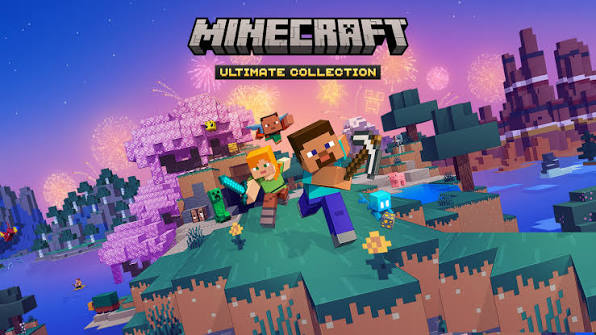
    University students in Japan are using the popular video game Minecraft to educate children about the appearance of Hiroshima and Nagasaki before the atomic bombings of August 1945. These workshops aim to help participants grasp the scale of loss and destruction caused by the nuclear attacks.

    Misaki Katayama, a 27-year-old graduate student at the University of Tokyo specializing in peace education, initiated these two-day workshops in Hiroshima and Nagasaki in 2023. The program targets elementary school students from fourth to sixth grade, tasking them with digitally rebuilding the pre-bombing cityscapes.

    Rebuilding History Through Gaming

    Participants utilize historical maps, photographs, and video footage to reconstruct significant areas within Minecraft, a game renowned for its block-building virtual environment. For instance, a workshop held in Hiroshima on August 4 and 5, 2023, saw students meticulously recreate the district where Hiroshima Peace Memorial Park now stands, including a temple and a kindergarten that were once part of the bustling neighborhood.

    Katayama’s inspiration for the project arose six years ago after an atomic bomb survivor (hibakusha) recounted an elementary student’s comment, “It was lucky that the atomic bomb was dropped on a park.” This statement highlighted a critical gap in understanding, as the student was unaware that the park site was once a vibrant, densely populated area. Katayama noted that as time passes, it becomes increasingly challenging for people to visualize the pre-bombing cities.

    Understanding Loss and Reality

    The workshops are structured to offer a comprehensive learning experience. On the first day, students gather historical information, plan their reconstructions, and build the cityscapes in Minecraft. This activity allows them to experience how long it takes to build a city and how quickly it can be destroyed. The second day transitions to a more somber reflection, where participants view images of hibakusha immediately after the bombing and listen to survivor testimonies. This segment helps them understand the stark reality of the attacks and their transformative impact.

    While digital technology can significantly broaden understanding of historical urban environments, Katayama acknowledges the challenge of ensuring participants remain focused on the educational objective rather than merely the game’s building aspect. She mitigates this by beginning workshops with a moment of silence for atomic bomb victims, emphasizing the gravity and respect required for the subject matter. Katayama believes these digital tools can stimulate imagination and encourage deeper reflection on the atomic bombings and the lives affected.

  • Nok Air launched direct flights to Hiroshima, Japan

    Nok Air launched direct flights to Hiroshima, Japan

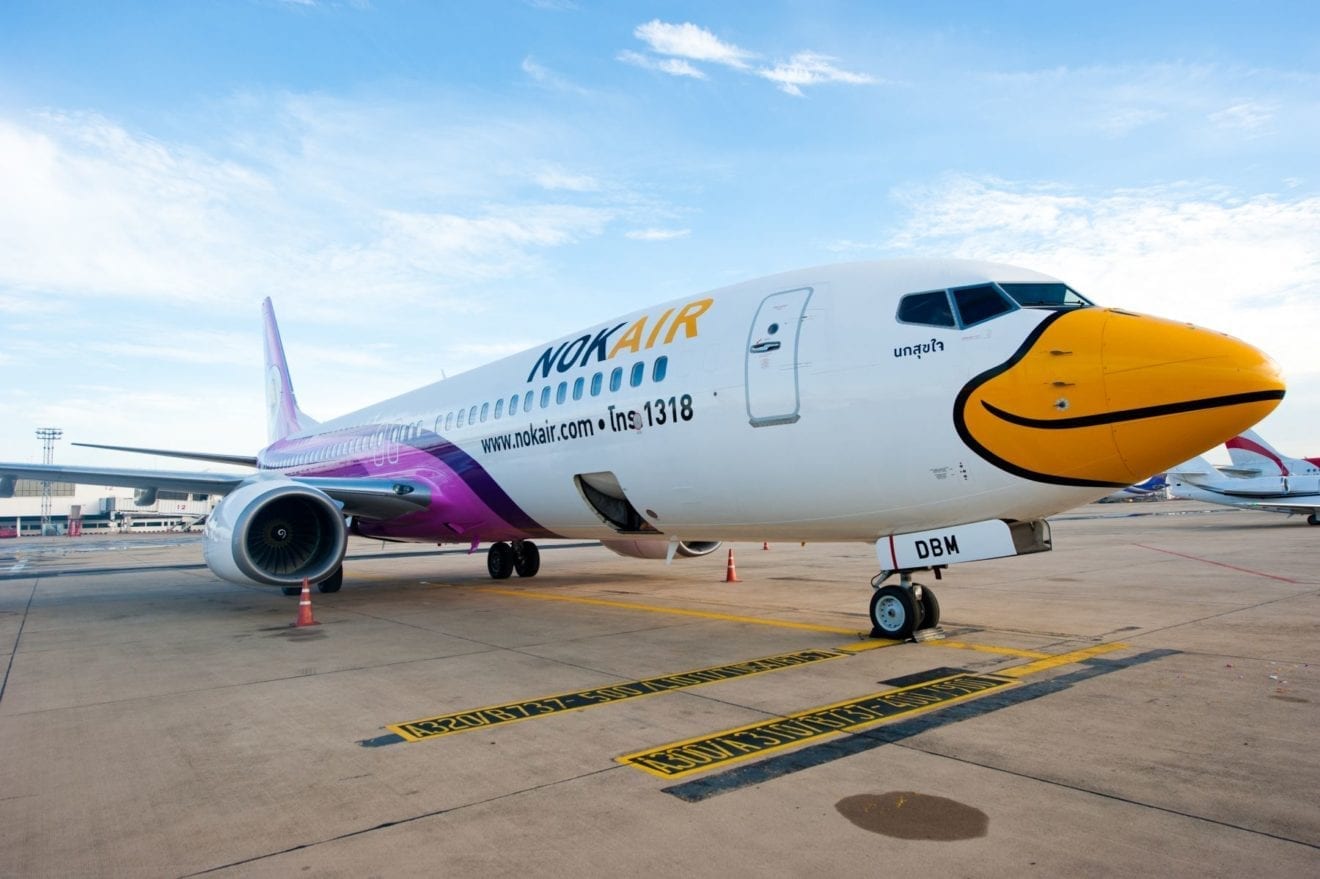
    The first phase is charter flights which have begun on 1st and 5th May 2019. This route is one of the many of the Nok Air’s turnaround plan by looking for the potential routes. Now, Nok Air is available and intend to create an impressive experience for the passengers.

  • Croesus Retail Trust buys Hiroshima mall for over $40m

    Croesus Retail Trust buys Hiroshima mall for over $40m

    It is expected to provide stable income.

    According to KGI Fraser, Croesus Retail Trust (CRT) is acquiring Fuji Grand Natalie, a suburban retail property in Hiroshima Prefecture.

    It added, “The NPI yield of the acquisition is 6.3 percent using the purchase consideration of JPY3.3b. The total acquisition cost is JPY3.63b (S$44.3m), funded by equity using part of the net proceeds from the private placement raised earlier.”

    In its report KGI Fraser cited steady income stream as the property “is master-leased to Fuji Co Ltd/Ehime (8278 JP) till end-March 2024 on a fixed monthly rent basis.”

    RHB meanwhile described Fuji Grand Natalie as an income-producing large scale suburban retail mall in Hatsukaichi City with 100 percent level of occupancy.

    The acquisition, according to RHB, will be accretive to CRT’s shareholders.

    – See more at: https://sbr.com.sg/retail/more-news/croesus-retail-trust-buys-hiroshima-mall-over-40m#sthash.6auQqA0v.dpuf