Tag: hk

  • HKT’s digital venture arm partners Google Cloud to up customer experience

    HKT’s digital venture arm partners Google Cloud to up customer experience

    HKT’s loyalty program and digital ventures arm – The Club, announces its strategic collaboration with Google Cloud to develop an innovative hyper-personalization platform, named Copernicus, to integrate into The Club’s digital ecosystem across its business pillars. Combining its strong network and database with Google Cloud’s expertise and state-of-the-art technology, The Club aims to provide customers with a uniquely tailored online digital experience.

    Through closely collaborating with many business partners, The Club has long provided its members with truly unprecedented experiences and a variety of premium services, ranging from lifestyle, shopping, travel, insurance, and much more. This time, The Club looks to Copernicus to achieve a more focused and personalized customer experience, leveraging Google Cloud’s expertise in data security and governance, data analytics and data visualization capabilities to deliver products and services geared specifically to each customer’s specific needs.

    The Club’s Data Science team will develop machine learning and AI algorithms to identify customer needs-based products and services by analysing members’ behaviors and preferences, allowing The Club to take further steps towards enhancing consumer experiences with more personalized offerings.

    Specifically, Google Cloud’s advanced data analytics technology empowers The Club to build Copernicus which enables The Club to understand each individual member’s purchasing behavior and interests more precisely and quickly on one unified platform. This in turn allows The Club to deploy more targeted and personalized marketing strategies for reaching individual members across all touchpoints of the customer journey. The Club members will benefit from tailored recommendations that match their interests and needs through their preferred channels.

    Mr. Alan Tsui, CEO of HKT’s loyalty, digital and analytics, said, “We are excited to announce this ground-breaking collaboration with Google Cloud in Copernicus. This enables us to provide the best services and products at the right time for individual members. In recent times, we have adopted data science technology to tailor exclusive rewards to selected members, piquing their already heightened interests. We firmly believe our unique in-house data capabilities, partnered with Google Cloud’s advanced technology, will lay a strong foundation for our digital transformation journey.”

    Copernicus’ machine learning ability is more than just an analysis of The Club’s extensive database. Copernicus will allow The Club to constantly optimize its performance by forecasting customers’ behaviors with prescriptive information, thereby increasing the customer base by identifying and converting the right target audience segments. The Club hopes to connect more partners and customers to The Club ecosystem. With support from this collaboration which combines HKT’s comprehensive networks with Google Cloud’s secure infrastructure and global network, Copernicus will open a whole new world of opportunities for new and existing partners from across different industries and promises enhanced services and unique experiences tailored to each individual member.
  • Asia’s Leading Food & Hospitality Tradeshow HOFEX returns to Hong Kong 7-10 May

    Asia’s Leading Food & Hospitality Tradeshow HOFEX returns to Hong Kong 7-10 May

    HOFEX, Asia’s Leading Food & Hospitality Tradeshow will return to Hong Kong for its biggest year yet 7-10 May at Hong Kong Convention and Exhibition Centre (HKCEC), where the biennial show will occupy almost every available exhibition space. Expecting more than 2,800 international exhibitors and 42,000+ trade buyers, HOFEX 2019 will cement its position as the region’s largest and most important meeting place for the hospitality industry. Occupying an exhibition space of over 70,000 m2 across 3 levels of HKCEC, trade visitors will be able to sample and source everything for the food and hotel industry. The show’s opening ceremony, which will take place on 7 May 2019 will be attended by The Honourable Paul CHAN Mo-po, GBM, GBS, MH, JP Financial Secretary, The Government of the Hong Kong Special Administrative Region. HOFEX is organised by UBM Asia and is co-located with ProWine Asia and Retail Asia Conference & Expo.

    74 exhibiting countries and regions and 48 national and regional groups and pavilions make the 2019 edition of HOFEX the most international year yet. In addition to long-supporting exhibitors including Japan, Australia, UK, USA, Germany, Austria and Spain, this year will welcome newcomers AANA – Agence de l’Alimentation Nouvelle-Aquitaine France, AREI Latvia, Association PorkColumbia, British Columbia, Ministry of Agriculture Czech Republic, Spanish Beef, VLAM Belgium and more. 

    Prolific business opportunities 
    This year’s tradeshow has been strategically organised to optimise buyers’ experiences with the aim of maximising networking potential across the vast space.

    Hall 1 will house Bakery & Confectionery @ HOFEX, where global and local manufacturers can meet with buyers from the ever-growing Asia-Pacific bread, cakes, pastries and confectionery markets; Bean2Cup @ HOFEX, where baristas, café owners, coffee producers and suppliers will find everything from coffee beans to espresso machines; Foodservice Equipment & Catering Supplies, where state-of-the-art international catering equipment will be showcased; and Tableware & Hospitality SuppliesHospitality Technology and Hospitality Design, where hospitality professionals from restaurants, resorts, hotels, spas and more will find ideas and inspiration to build  a more streamlined business – from manufacturing and production to packaging, design and facilities.

    Food and Drinks is in Hall 3 & 5 where visitors can enjoy local as well as exotic offerings from the many international pavilions, ranging from frozen and chilled seafood to cured and fresh meat, snacks and beverages, baked goods, confectionery, ice cream, canned foods and more; co-located show ProWine Asia, the region’s leading wine and spirits trade fair showcasing premium wine, beers, professional wine equipment and accessories from around the world; and Meat @ HOFEX, dedicated to the surging demand for prime meats across APAC and featuring the world’s leading meat purveyors from Colombia, Germany, Ireland, South Africa, the UK and more. Meat @ HOFEX will also be home to a new star of the show, HOFEX’ first food truck, sponsored by the Butcher’s Club. This mobile kitchen will roam the exhibition floor preparing and delivering meat from the Butchery Skills Challenge to visitors adjacent to Beer Street, serving up a match made in heaven.

    Hall 5 will house the co-located Retail Asia Conference & Expo (RACE). Presenting the latest catering and hospitality innovations, retail technologies and solutions including everything from floor-cleaning robots with 3D cameras to revolutionary Point of Sale systems and internet retailing. RACE provides trade professionals at HOFEX with an unrivalled opportunity to enhance operational performance. 

    On-site Events – Hong Kong International Culinary Classic and Mixed Barista Arts

    The culinary heart of the fair, the Hong Kong International Culinary Classic (HKICC) will see over 900 chefs, cooks, pastry chefs and apprentices from across the globe hone their culinary skills at this esteemed competition. This year, CLP Power Hong Kong Limited will be the Platinum Sponsor of the event, showcasing its latest ‘All-Electric Kitchen’ concept. Endorsed by the World Association of Chefs’ Societies (WACS), the competitions include a Live Afternoon Tea Set Competition, the Gourmet Team Challenge and for the first time a Gelato competition sponsored by Bonny Foodservice Products, which provides a unique chance to mingle with the world’s best Gelato makers. The HKICC is also home to the impressive Butchery Skills Challenge sponsored by Sutherlands Gastronomy, where international teams of talented butchers will show off their passion, precision and power in a bid to be the best.

    Meanwhile, baristas from across the region will battle it out during the popular Mixed Barista Arts. Taking on a brand-new competition format this year, the 4-in-1 challenge will be comprised of 4-barista arts, namely single origin coffee knowledge and tasting ability, grinder skills and knowledge, latte art and ability to work as a team.

     “This is the 32nd year we are hosting HOFEX and we are proud to say that 2019 will be bigger and better than ever”, says Mr. Daniel Cheung, General Manager of UBM Asia. “For four days, the HKCEC will once again be transformed into a launchpad for new products and brands, a platform for like-minded professionals to connect and do business as well as providing an unmatched opportunity to gather industry knowledge.” 

    HOFEX is organised by UBM Asia, the largest tradeshow organiser in Asia with over 290 events, combining local expertise with a global industry network to provide high-quality events and the best customer experience for event attendees from all over the world. 

    Pre-registration for HOFEX 2019 is now open until 18 April on the website. Walk-ins are available on-site, and visitors may register and pick up a pass outside Hall 1. The show is open to trade professionals and media only and visitors must be aged 18 or above. Pre-registration passes include a complimentary 4-day show admission badge to HOFEX, ProWine Asia and Retail Asia Conference & Expo, as well as an electronic Advance Buyer’s Guide and access to the tradeshow’s complimentary business matching services.

  • Swire Properties’ community ambassadors visit Taikoo Dockyard retirees in HK

    Swire Properties’ community ambassadors visit Taikoo Dockyard retirees in HK

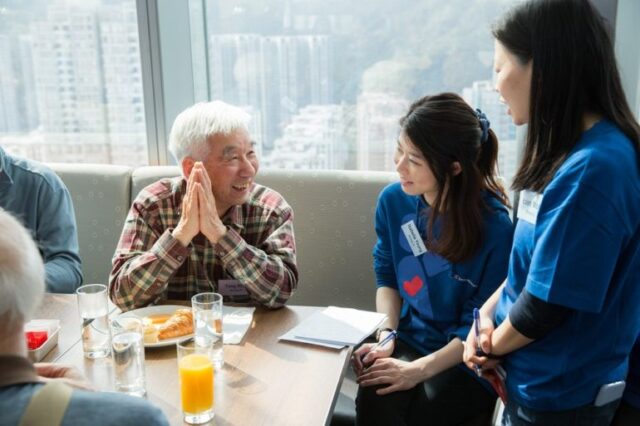
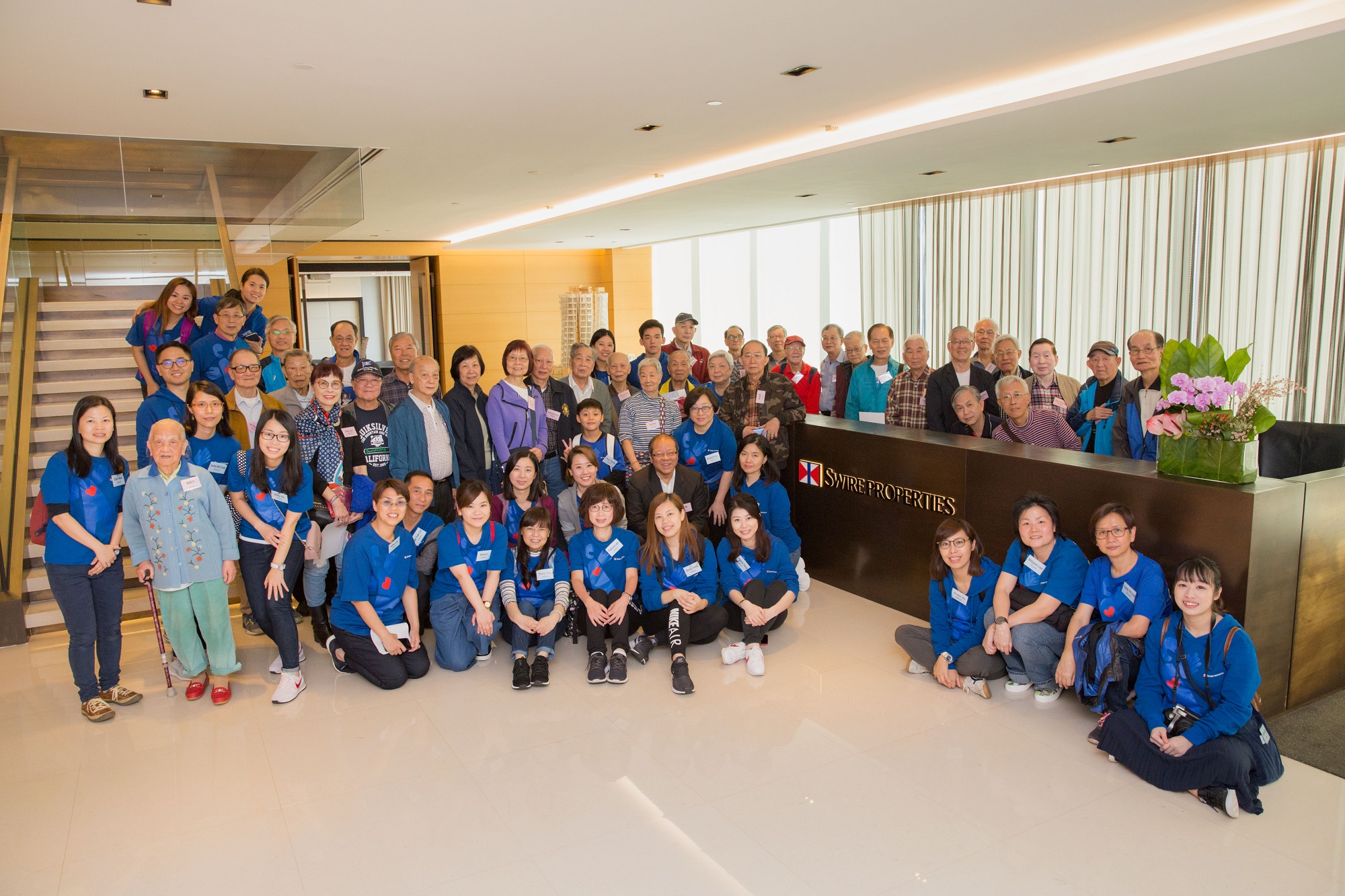
    Swire Properties’ Community Ambassador held a gathering with some 40 retirees of Taikoo Dockyard. It has been a tradition to organise such gatherings during Chinese New Year since 2015 to stay in touch with the old Swire staff and foster friendship across generations. Hosted by Mrs Elizabeth Kok, Director & Senior Advisor at Swire Properties, the old staff of the Swire group shared their fond memories of working in the Island East area, where the Swire group once operated the largest shipyard in Hong Kong for over a century.

    The sharing session was followed by a visit to the LEGO model of Taikoo Dockyard at Cityplaza, which reminisced about working lives in the area. While looking back to the good old days, the old staff are also amazed by the transformation of the area which is now developed into a blue-chip private housing estate and a major commercial area, against the backdrop of Hong Kong’s rapid development in the past decades.

    Many of the participants had spent their entire career life in Swire for more than 40 years. Mr Lam, aged over 90, was in charge of electric machine room of Taikoo Dockyard. Bringing along his old staff card to the gathering as a way to share his memory, he treasured the rare opportunity to gather with his former colleagues and the Community Ambassadors.

    Mrs Elizabeth Kok, Director & Senior Advisor at Swire Properties, welcomed the veterans in the gathering. She remarked that the event was so meaningful that it offered the old staff a chance to revisit their former workplace at Cityplaza.

  • Starbucks Hong Kong partners with Deliveroo to launch delivery services

    Starbucks Hong Kong partners with Deliveroo to launch delivery services

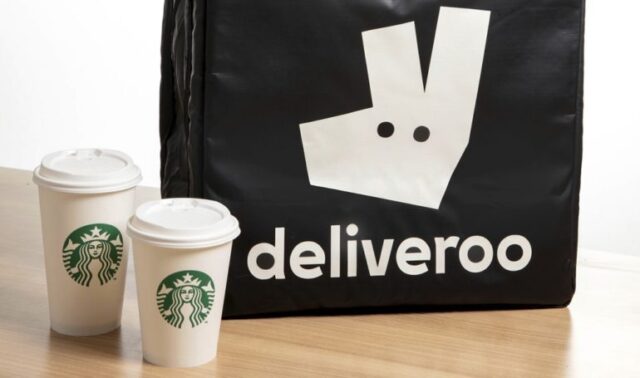
    Starbucks Hong Kong and Deliveroo Hong Kong, the online food delivery company, announced an exciting partnership to launch a pilot delivery service starting on 21st January 2019. The service will first roll out at 18 participating stores across Hong Kong Island, Kowloon, and the New Territories with plans to expand the program to more stores over time.

    To celebrate the launch of Starbucks delivery service, customers can enjoy free delivery from January 28 to February 3 – an exclusive offer for Hong Kong customers to try out this new offering.

    Also, new Deliveroo customers can enjoy HK$25 discount on each of their first four Starbucks orders on Deliveroo with the code “STARBUCKS100”.

    As the first retailer in Hong Kong to launch mobile ordering feature using its mobile payment technology, Starbucks has continued to embrace the relentless pursuit of digital innovations to meet the high expectations and demand for convenience in Hong Kong.

    The introduction of delivery services with Deliveroo will elevate Starbucks Fourth Place experience, the digital and mobile touchpoint that connects Starbucks with its customers. The delivery service is expected to reach over 30 stores in second quarter, offering convenience to more customers in Hong Kong.

    Deliveroo, the largest food delivery platform in Hong Kong, is growing and this year expects to work with 4,000 riders and 6,000 restaurants in Hong Kong. The company is intent on expanding its offer to consumers, in particular with partnerships such as this. Based on its exclusive data insights, Deliveroo knows that customers are increasingly searching for hot beverages and coffee on the platform. Searches surged by 185% in 2018 while orders for coffee and tea increased by a staggering 245%. Therefore, Deliveroo and Starbucks will go together brilliantly.

    As part of Deliveroo’s corporate offering, Deliveroo for Business, for companies across Hong Kong, Deliveroo will offer bulk Starbucks coffee deliveries to meet the rising in breakfast, lunch and teatime coffee orders in Hong Kong’s business districts. Given the rapid growth of Deliveroo for Business to date, Deliveroo believes this will be incredibly popular amongst Hong Kong workers. As part of this, 25 major businesses with more than 100 employees have already expressed interest in the new Starbucks-Deliveroo offer.

    The pilot delivery partnership allows customers to order and customize some of their favorite Starbucks beverage* and food items to their door step, including the option to modify size, number of espresso shots and dairy selections. We target to ensure every order meets the unparalleled experience and quality that customers are accustomed to in Starbucks stores.

    “We are continuously looking for ways to evolve and innovate our features that are relevant to our customers, thus we are happy to partner with Deliveroo who is as passionate as we are in food and beverage, to offer trusted delivery services and bring ease to our customers,” said Andrew Hui, General Manager, Starbucks Hong Kong & Macau. “The pilot delivery program is a seamless addition to our commitment to explore digital solutions, and the perfect complement to our in-store offerings, further extending the holistic Starbucks experience for customers to enjoy wherever they may be.”

    Brian Lo, General Manager of Deliveroo Hong Kong, said: “Deliveroo is constantly looking for new ways to ensure customers have access to amazing food and drink whenever and wherever they want it, and so we are delighted to work with Starbucks. This partnership will again show people that, on Deliveroo, every option and every occasion is catered for. Deliveroo is growing across Hong Kong and across the world, and with exciting new partners and new offers such as this, we are looking forward to expanding our reach even further. This collaboration will be available for our corporate customers on Deliveroo for Business, for workers who want that vital coffee.”

  • Hong Kong companies see the importance of Wi-Fi

    Hong Kong companies see the importance of Wi-Fi

    “Wi-Fi is critical to deliver multimedia content to a proliferation of connected devices to enable a connected global economy,” said Linda Hui from Ruckus Networks at an early October press conference in Hong Kong.

    “If IT departments need to spend considerable time fixing Wi-Fi issues, this puts severe pressure on the organization to digitally transform, reduce operational costs and hinders their ability to deliver new products, services and revenue models,” said Hui, the firm’s managing director for Hong Kong and Taiwan.

    In the survey of eight Asia-Pacific markets by Ruckus—which was acquired by Arris last year—76% of Hong Kong enterprises said they intend to upgrade their Wi-Fi equipment in the next 12 months. “This is to meet demands for enhanced Wi-Fi security, improve overall user experiences, and provide a stable high-speed connection [that can handle] the rise in multimedia content,” said Ruckus in a statement.

    The firm said “an equipment overhaul is long due in many [Hong Kong] businesses as 35% said they estimated HK$400,000 per year ($51,300) is lost annually due to connectivity issues.

    Survey stats & specs
    This is according to the firm’s first “Asia Pacific State of Wi-Fi Study, which surveyed 1,200 business and IT leaders in Australia, China, Hong Kong, India, Indonesia, Japan, Singapore and Taiwan to identify Wi-Fi usage trends and expectations.” “Respondents ranged from mid- to large-sized organizations and are in decision-making or implementation roles for IT-related initiatives.”

    “From a corporate perspective, implementing Wi-Fi in the workplace meant better productivity (74%), flexibility (55%), and improved collaboration (44%),” said Ruckus. “Yet over half (51%) had experienced at least six instances of connectivity downtime, and 9% indicated they had over 20 instances in the last twelve months.”

    More importantly, Ruckus said their survey indicates that “half of all businesses said a bad Wi-Fi experience can negatively impact a brand image.”

    Wi-Fi security…rock-solid?
    As usual, security concerns top the list. When rating the current state of Wi-Fi security in their organizations, 47% of Hong Kong firms said it was good or very good—compared to 53% across Asia Pacific. However, 61% also said they only used basic usernames and passwords to provide Wi-Fi access, while 16% indicated they have an open Wi-Fi network with no secure log-in measures.

    The survey also found that Hong Kong businesses suffered losses of HK$37 million ($4.8 million) in total over the past year due to Wi-Fi downtime. Apart from monetary losses, 48% of Hong Kong respondents said their IT departments needed to spend about a week or more each month to manage Wi-Fi or network-related issues.

    “Today, Hong Kong people expect a seamless, reliable and fast Wi-Fi experience and accessibility whether at home, at work, on the move or at a public venue,” said Hui. “When there is a connectivity issue or other disruption to the Wi-Fi experience, this dampens accessibility by throttling the ability to work anywhere, at any time with productivity taking a hit.”

    Wi-Fi wonderland
    Ruckus said the survey demonstrates “how ingrained Wi-Fi has become in Hong Kong society,” as 51 percent of respondents said they carry at least four Wi-Fi enabled devices including smartphones, smart watches, laptops, and tablets.

    But work & home setups are preferred by Hong Kongers. Respondents voiced concerns about the Wi-Fi service offered in public places with 81% saying slow Wi-Fi connection speeds top their list of concerns with connection drops and limited coverage area close behind. Only 17% said they had enjoyed a good or very good experience using public Wi-Fi.

  • 3 HK wins permit for 26-GHz, 28-GHz 5G trials

    3 HK wins permit for 26-GHz, 28-GHz 5G trials

    Hutchison Telecommunications Hong Kong Holdings’ mobile division 3 Hong Kong has secured a temporary permit to conduct 5G new radio trials.

    Hong Kong’s Office of the Communications Authority (OFCA) has granted 3 Hong Kong permission to conduct network trials using 26-GHz and 28-GHz millimeter wave spectrum, the operator said.

    The permit will allow 3 Hong Kong to possess, establish, maintain and use transmitting and receiving stations for indoor and outdoor 5G trials, which are expected to commence in the third quarter.

    The operator successfully applied for a 5G indoor test permit for the 3.5-GHz band last August and completed a number of tests over the remainder of the year.

    “3 Hong Kong is determined to launch a 5G service at the earliest opportunity, after 5G spectrum specifications and standards have been finalized,” the company said.

    OFCA has previously announced plans to ensure Hong Kong is one of the earliest adopters of 5G technology by setting the regulatory groundwork for commercial services to be launched in 2020.

    In March, 3 Hong Kong activated Hong Kong’s first five-carrier aggregation (5CC CA) LTE-Advanced services, using its 900-MHz, 1800-MHz, 2100-MHz, 2300-MHz and 2600-MHz spectrum. During network trials, the company achieved speeds of 1.1Gbps over the network.

  • Caelum Greene, the first multi-brand fashion store in Hong Kong

    Caelum Greene, the first multi-brand fashion store in Hong Kong

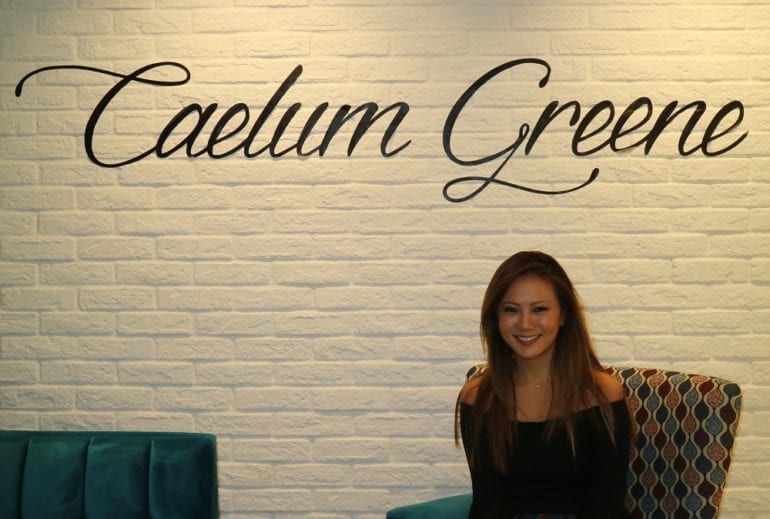
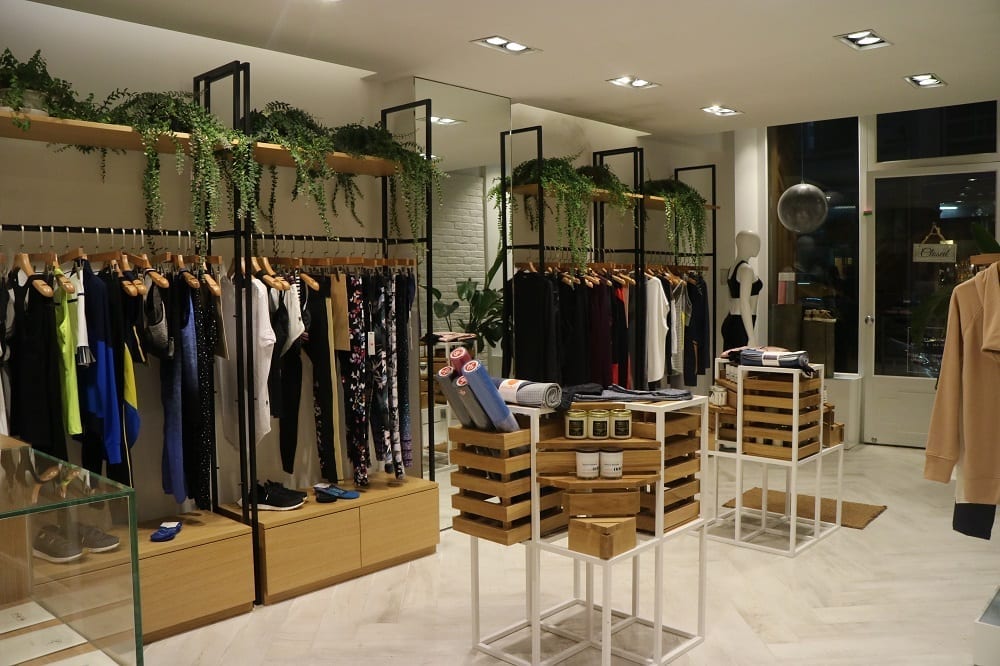
    Featuring mannequins stretched out in graceful yoga poses, Caelum Greene is hard to miss on Hollywood Road.

    Hong Kong’s first multi-brand athleisure and lifestyle fashion store soft-opened in June 2016, attracting a clientele of health-conscious customers who love looking and feeling good.

    After only 1 year of operations, Caelum Greene is launching its e-commerce site on 5 January 2018.

    Designed and curated for the modern-day mindful customer, the brands offered readily merge wellness with fashion. With two elegant yet cozy, eco-friendly locations in Hong Kong, Caelum Greene is looking to extend its ethos to a wider audience with its upcoming online presence.

    Serving as the bridge between the modern day gal and sustainably conscious designers, Caelum Greene’s online presence will continue to showcase its outstanding ethos and dedication to a better world.

    Caelum Greene carries brands offering versatile, high-quality fabrics made with the heart and mind. These include high-tech athleisure brands Daquini, MICHI, Monreal London, as well as fashion and lifestyle brands Tach Clothing and Filippa K. Caelum Greene is committed to actively giving back to the community, and its online experience will be no different.
    Continuing its partnership with Asia’s largest sustainable fashion NGO, Redress, Caelum Greene will donate a percentage of the online sales to the organization for every order placed. The aligned missions and collaboration will give clothing a second chance at life, filtering it through the system to be upcycled or recycled. The collaboration aims to prove that together, we can reduce waste in the fashion industry.

    Together, the online platform and brick-and-mortar stores will allow Caelum Greene to maximize its positive impact.

    Founder Charlotte Tsuei emphasizes that “it is important to me that wherever Caelum Greene goes, it brings positive and meaningful change to the community.”

    Charlotte Tsuei describes Caelum Greene as “an alternative to shopping more sustainably without compromising on style and quality.” The brands at Caelum Greene are carefully curated based on their style, quality, value, uniqueness and their core ethics similar to Caelum Greene. “We hope to able to move the needle, even just ever so slightly, towards a more sustainable future for fashion.”

  • Hong Kong retail banks’ profits up 4.5 per cent in first three quarters

    Hong Kong retail banks’ profits up 4.5 per cent in first three quarters

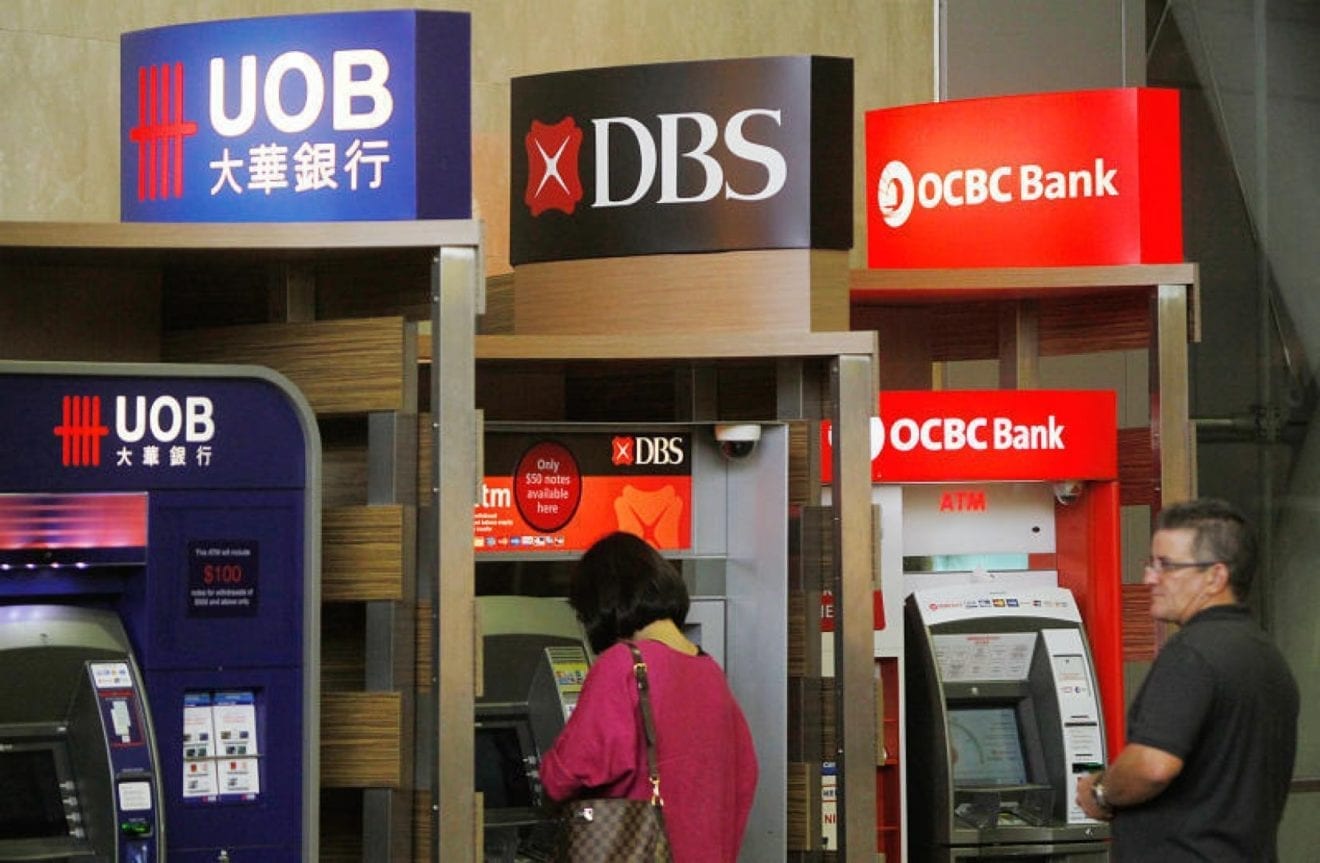
    Hong Kong’s retail banks saw a modest rise in profits in the first three quarters of the year thanks to improved income from foreign exchange activities.

    According to figures from the Hong Kong Monetary Authority, retail banks in the city saw their pre-tax operating profits rise by 4.5 per cent in the first nine months of the year in comparison with the same period of 2015.

    The HKMA said that the growth could be attributed to increases in both income from foreign exchange and derivatives operations and from dividends received from subsidiaries, while a decline in operating expenses also contributed to the improvement.

    The three elements provided increases of 4.5, 3.5 and 4.1 percentage points respectively to the banks’ profitability.

    These increases were offset, however, by a fall in fee and commission income, which led to a 7.8 percentage point reduction.

    The profit improvement over the first three quarters marks a turnaround in performance after banks had a troubling early part of this year. In the first quarter of 2016, retail banks’ profits fell by 4.8 per cent, albeit in comparison to a strong first quarter in 2015, in which incomes were boosted by large trading volumes in stock markets in both Hong Kong and mainland China.

    Last summer’s turbulence in the Shanghai stock exchange, as well as the hit to sentiment from the sudden devaluation of the yuan in August meant that Hong Kong banks had a difficult third quarter in 2015, making it easier to post good figures for the third quarter of this year, as well as the first nine months of the year as a whole.

    Banks in Hong Kong received a further boost last week when interest rates rose in the city, following the Federal Reserve’s decision to raise the rate in the US.

    The rise in interest rates should enable the banks to gain greater returns on cash that has been deposited with them, which they are unable, or have chosen not, to lend out.

    In Hong Kong, this is a sizeable amount, and according to the HKMA’s figures, in the first three quarters, retail banks’ total deposits increased at a faster pace than total loans. This meant that their loan-to-deposit ratio declined to 55.2 per cent at the end of September from 57.0 per cent at the end of June.

  • Is HK still a ‘cool’ place for luxury shopping?

    Is HK still a ‘cool’ place for luxury shopping?

    Retailers in Hong Kong preparing to welcome Chinese mainland tourists over the Lunar New Year festive period face a real crisis: Canny shoppers don’t think the special administrative region is cool enough.

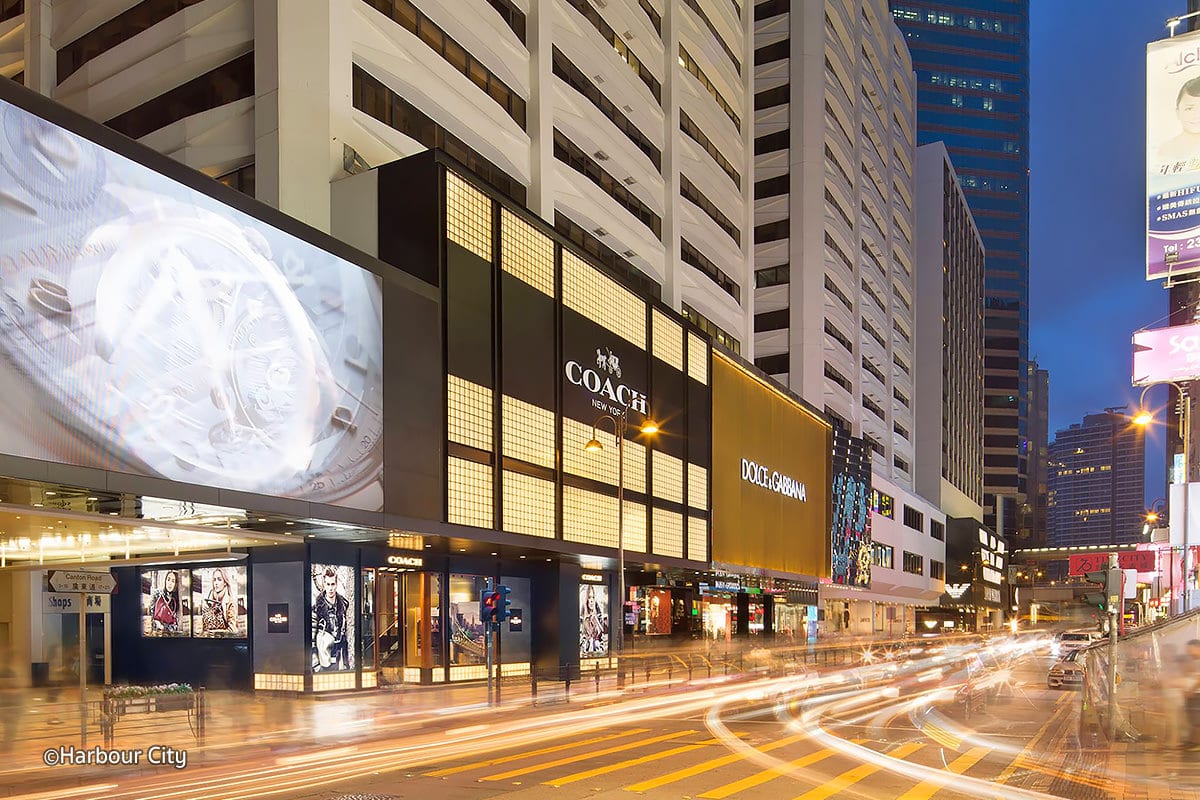
    HSBC’s global co-head of consumer and retail research, Erwan Rambourg, said luxury goods are now cheaper in other markets, bringing the wealthy, sophisticated Chinese travelers to places such as Japan, Korea, and Australia.

    “There were a lot of attractions in Hong Kong for mainlanders to come in and purchase here,” Rambourg told CNBC’s “Squawk Box”. “It used to be cheaper than a lot of other places in the region. That’s not the case anymore, given the strength of the Hong Kong dollar.”

    The Hong Kong dollar is pegged to the U.S. dollar, which implies if the latter strengthens, the former follows.

    “Price arbitrage doesn’t work anymore [in Hong Kong],” Rambourg said. “It’s actually cheaper to buy in Seoul, in Tokyo, and elsewhere.”

    Between Hong Kong and Japan, and the strength of their respective currencies, he said “the difference is you reclaim VAT [Value-added tax] when you go to Japan,” which makes luxury goods slightly cheaper there.

    Retail sales were also battered in Hong Kong as a result of lower consumer spending, mostly from mainland Chinese tourists. Sales were down 8.5 percent on-year in December to HK$43.7 billion ($5.62 billion) in value terms, the biggest percentage decline since January 2015. In volume terms, sales declined by 6.1 percent.

    Hong Kong’s lack of entertainment and diversity outside of shopping is also an issue as it sends wealthy tourists to other, more exciting locations, added Rambourg.

    A quick look at tourism numbers in Hong Kong show tourist arrivals fell 2.5 percent in 2015 to 59.32 million.

    Chinese mainlanders, who comprise a bulk of Asia’s luxury consumers, purchase mostly personal items such as handbags and apparels, according to David Dubois, an assistant professor of marketing at business school INSEAD.

    “This is because of the importance of luxury as a social signal, which puts focus on a product’s conspicuous features – example, it’s logo,” Dubois told CNBC by email. “The strong gift-giving culture also fuels such a drive for highly recognizable goods.”

    Rambourg noted in a recent report there are several factors that propel Chinese shoppers to make their luxury purchases abroad, instead of at home. Consumption taxes, moves in the foreign exchange market, and price differences in different geographies for a single product are motivations for travel.

    Most luxury companies have wide pricing discrepancies, the report noted, and on average, prices in mainland China are at a 37 percent premium compared to euro zone prices.

    For example, data compiled by HSBC show a Hermes plain silk twill tie costs 160 Euros ($177.69) in France and Italy; it costs 1,600 Yuan in China ($243.37) – a 36.9 percent premium -, $180 in the United States, 25,920 yen ($219.74) in Japan, and HK$1,650 ($211.79) in Hong Kong.

    HSBC also calculated how different products cost across regions relative to the euro. Here’s how a few of them stack up:

    Many brands are dealing with price gaps through new products whose prices will not vary much among regions. “The Prada brand, for instance, is set to launch collections for the spring, which will have prices in mainland China at a [estimated] 10 [percent] premium to Italy vs. a current [estimate of] 40 [percent],” the HSBC report said.

    There are non-economic considerations too.

    Easing of travel regulations, authenticity of the product, validation – such as buying a Hermes tie in Paris instead of Kunming – and perception that in-store experience will be better also factor in, the HSBC report noted.

    But overall luxury consumption in China, Dubois said, has slowed in the last two years over weaker growth prospects while luxury consumers from newer engines of growth such as Malaysia, Vietnam, and Thailand are emerging with better access to luxury products.

    “This was expected as there is a well-known correlation between GDP growth and luxury consumption,” he said.

  • Stronger HK dollar a turn-off for tourists

    Stronger HK dollar a turn-off for tourists

    The sharp decline in the yuan and volatile stock markets have exacerbated retail and tourism woes in Hong Kong as a weak currency means it is no longer attractive for mainland visitors to shop and dine in the city.

    Experts fear the falling yuan will further discourage mainland tourists. A total of 38.6 million visited the city in the first 11 months of 2015, accounting for about 77 per cent of all arrivals to Hong Kong.

    “Mainland tourists will turn to places with weaker local currencies,” says Charlie Chen, head of Asian consumer research at French bank and financial services company BNP Paribas.

    Although the yuan is falling against the US dollar, Chen says it is not necessarily depreciated when converted to other major currencies, like the South Korean won and Japanese yen. But the Hong Kong dollar is pegged to the US dollar, which means higher prices when converted to yuan.

    “The luxury sectors will be hit the most if the yuan continues to depreciate,” Chen notes. He says people tend to buy expensive goods in places with weaker currencies than their own, as they can save more money in absolute terms.

    Jewellery, watches, clocks and valuable gifts are already ranked the worst performer among all retail outlets in Hong Kong, with sales down 20.6 per cent in November on a yearly basis.

    However, one of the city’s biggest jewellers, Chow Sang Sang, says it has not felt much of the heat from the fluctuation of the yuan since August, though it has constantly adjusted the exchange rate of the two currencies if customers want to pay in yuan instead of Hong Kong dollar in a bit to protect its profit margins.

    “Mainland consumers still have a reason to buy gold in Hong Kong,” says Lau Hak-bun, the company’s director of Greater China, adding that the same item still costs at least 20 per cent more on mainland China despite the recent devaluation. But if the yuan falls a further 10 per cent from last year’s level, he “needs to look at the strategy again”.

    Ricky Tse, chairman of the Hong Kong Inbound Tour Operators’ Association, also seems to be at ease. He says the impact of the yuan’s devaluation has already been “hedged” by the falling hotel rates and retail prices in the city in the past year.

    Tse says that he has observed a drop of “at least 20 per cent” in hotel rates compared with a year ago.

    “Cheaper hotel rates and more discounts to retail prices will attract more tourists to the city,” he says.

    Despite the recent contraction of tourists from mainland China in – with arrivals of tour groups dipping by about 20 per cent last year – Tse notes that more hotel rooms have been booked by overseas tourists.

    “Foreigners are very practical,” he says, adding that the number of tourists from Southeast Asia has remained stable despite the local currencies falling against the Hong Kong dollar.

  • Tourism Slows Hong Kong Retail

    Tourism Slows Hong Kong Retail

    While Hong Kong has traditionally been the favored shopping destination of Chinese mainland consumers looking to grab up luxury items, it looks like 2015 may see the biggest drop in retail sales since 2003.

    The drop 12 years ago was an outgrowth of the SARS outbreak that cause a global health scare. This year’s issue seems to be tamer and tourism based. This year saw the first annual decline in tourists from mainland China since 2003. The number of Chinese tourists in Hong Kong decline 15.4 percent between November of 2014 and November of 2015 — the biggest drop in a year where falling figures have been a norm.

    Hong Kong has drawn high rolling consumers for some time with its luxury good shops with Gucci, Louis Vuitton and Chanel on sale for 40 percent less than is the norm in China.

    For the last eight months, however, retail sales have been in decline — down 2.7 percent year-to-year — a bigger drop off than even SARS managed in 2003.

    “There is an urgent need for a new marketing campaign to rebrand Hong Kong as a dynamic, exciting and relevant modern city,” Kwok said.

    There is also the reality that China’s affluent middle class is increasingly likely to search further abroad for luxury goods — aided by several nations that have relaxed visa requirements for visiting Chinese tourists. Hong Kong, on the other hand, has strengthened its visa requirements and disallowed visitors from the neighboring Shenzhen province to visit Hong Kong more than once a week.

    In an attempt to turn things around, Hong Kong is looking to develop more experiential attractions including a second Disney theme park, sporting events and dining venues. But those ventures will take time. The more immediate challenge for local merchants is to fill the hole left by distracted mainland Chinese consumers in the meantime.