Tag: hobart

  • Lark Master Distiller Chris Thomson to Step Down After 20 Years

    Lark Master Distiller Chris Thomson to Step Down After 20 Years

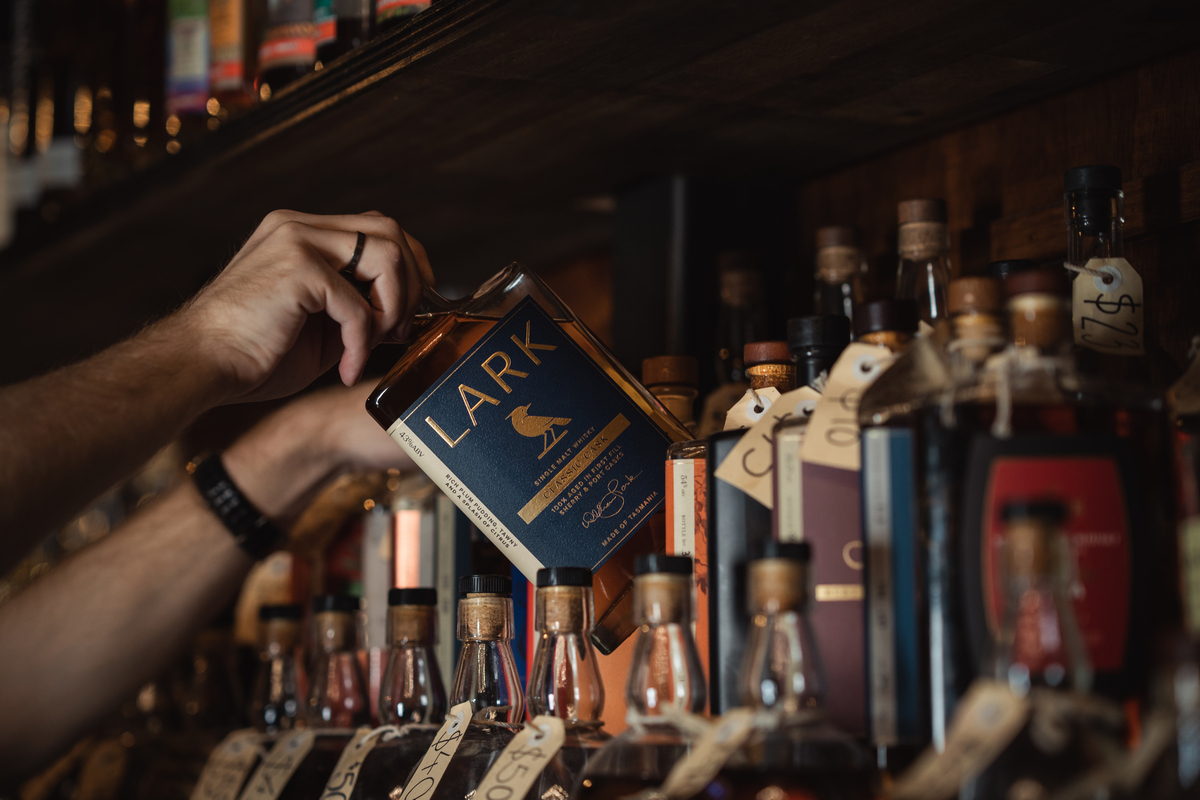
    Lark Distilling Co master distiller Chris Thomson will leave the Tasmanian whisky maker at the end of 2026 after nearly two decades. He plans to launch his own spirits venture.

    His exit follows a financial year in which the Pontville-based distiller lifted international export sales 69 per cent to AU$1.8 million. Global travel retail revenue rose 43 per cent to AU$2.2 million.

    Thomson joined Lark in February 2007 and became master blender and distiller in 2010 after training under founder Bill Lark. He finishes his tenure in late December. He will take several months off with family before launching the new whisky project.

    Export expansion and production scale

    Net sales grew 15.1 per cent for the financial year ending June 30, 2026. Gains came from expanding beyond domestic bottle shops into regional duty-free hubs and offshore export channels across Asia-Pacific.

    Primary distillation and cask storage shifted to the expanded Pontville site north of Hobart, building an inventory reserve for larger commercial runs. Thomson oversaw the formulation and rollout of the luxury single malt range earlier this year. He established standard production recipes to maintain barrel consistency as volume expands.

    Leadership changes at Pontville

    Former Four Pillars gin co-founder Stuart Gregor took over as Lark chief executive and managing director in late 2025. He praised Thomson’s contribution across the past two decades.

    “Chris has been much more than an integral member of our team; he has been our beating heart and soul for more than half of our existence and one of the world’s great distillers,” Gregor said.

    This leadership handover tests whether a craft spirits label can maintain its liquid profile without its longtime blender. For liquor retailers and regional distributors, the challenge is whether brand equity survives the exit of the personality behind the product.

    Industry recognition and market shifts

    Thomson collected the Rest of the World title for Master Distiller and Master Blender of the Year at the 2026 World Whiskies Awards Icons of Whisky. The Spirits Business Awards also named him runner-up Blender of the Year in 2025.

    Tasmanian single malts face tougher shelf competition in Asian travel retail corridors from Japanese, Taiwanese and Scottish distillers. Lark has relied on limited-cask releases and luxury pricing to protect margins against higher local excise rates and rising logistics overheads.

    Operational handover ahead of 2027

    Production staff at Pontville will handle distillation and blending once Thomson departs at year-end. Lark has not named an external successor for the master distiller post.

    Investors and retail buyers will watch the distillery’s half-year trading update in early 2027 to see whether export momentum across Asian duty-free accounts holds under Gregor.
  • Rebel Opens 3,000Sqm Flagship Store in Hobart

    Rebel Opens 3,000Sqm Flagship Store in Hobart

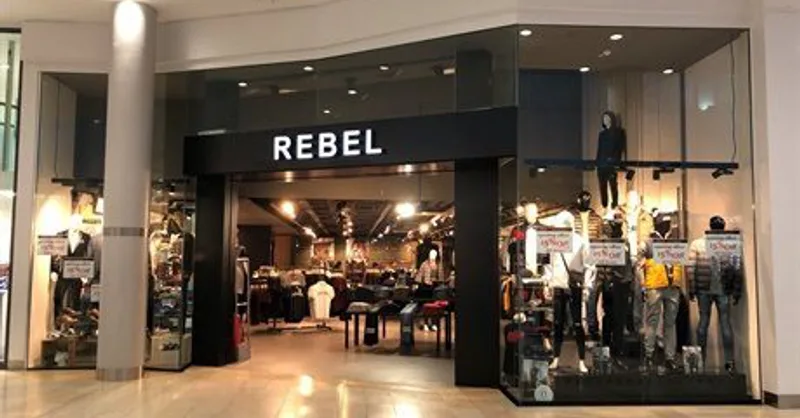
    Rebel opened its largest Tasmanian store on Murray Street in Hobart in September 2026, spanning 3,000 square metres across two floors. The flagship created more than 40 jobs.

    The two-level site replaces a former H&M location in the central business district. It brings the sporting goods chain to three outlets across the state alongside existing stores in Rosny Park and Launceston.

    Interactive format on Murray Street

    This Hobart flagship is the retailer’s second Rebel Customer Experience format in Tasmania. An interactive football zone lets shoppers test boots and equipment before paying. The store also stocks gear for cricket, basketball and Australian rules football.

    Shelf space leans heavily into Tasmanian Devils teamwear and guernseys ahead of the state entering the Australian Football League. Dedicated testing zones help defend physical store sales against online sports apparel retailers.

    Shifting footprints across regional centres

    Athletic specialty stores face rising occupancy costs in central business districts, yet taking over vacated department and fast-fashion spaces provides pre-built foot traffic. For landlords, experiential sporting anchors balance slowing apparel footfall in secondary city centres.

    Conversion rates must stay high to justify multi-level rents. Interactive zones increase customer dwell times, but they require higher staffing ratios on the floor to manage testing areas and equipment fittings.

    Five-year expansion targets 70 stores

    Super Retail Group appointed Jenny Child as managing director of Rebel earlier in 2026. Store portfolio expansion sits at the centre of the brand’s capital deployment.

    We know how passionate Tasmanians are about sport and with the state’s first AFL team on the horizon, there’s never been a more exciting time to open a store of this scale in Hobart.

    Hobart’s opening kicks off a five-year development cycle aimed at mid-sized and regional hubs. Rebel currently operates 39 regional locations across Australia. It plans to scale that network to 70 sites by June 2031 across RCX, foundation and compact formats.

    Next openings in the pipeline

    Rollout schedules over the next four quarters will determine how quickly Rebel opens the remaining 31 regional sites to meet its June 2031 target.

  • Lark Distilling Sales Rise 15% to $18 Million on Asia and Travel Retail Push

    Lark Distilling Sales Rise 15% to $18 Million on Asia and Travel Retail Push

    Tasmanian single malt whisky maker Lark Distilling Co lifted annual net sales 15.1 per cent to $18 million for the year ended June 30.

    Export expansion and global travel retail channels drove the performance, offsetting softer broader consumer spending in mature domestic bottle shops.

    Export Demand Drives Gains

    International sales jumped 69 per cent to $1.8 million during the 12-month period. Global travel retail delivered $2.2 million in sales, representing an increase of 43 per cent over the prior year.

    Lark now distributes its spirits across 10 Asian markets. Regional airport duty-free counters and specialty spirits retailers served as the primary entry points for the Tasmanian brand as it built overseas distribution volume.

    Regional Premium Spirits Shift

    Australian craft distillers are increasingly targeting Asia-Pacific travel corridors to find higher margin buyers for aged stock. Demand for premium brown spirits across North and Southeast Asia has created an opening for niche single malts outside traditional Scottish and Japanese categories.

    Distributors will track whether Lark can sustain double-digit overseas momentum as additional export inventory arrives across its newer Asian accounts in the coming quarters.