Retail News CRM

Tag: holidays

  • Navigate Your Holidays with Ease: Google Maps Unveils Four Exciting New Features

    Navigate Your Holidays with Ease: Google Maps Unveils Four Exciting New Features

    During the holiday period, traveling often becomes a necessity for many Americans, whether it’s by plane, train, or car. It’s a time synonymous with family gatherings, making it the ideal opportunity for Google to unveil some new updates for Google Maps. The company is rolling out four enhancements, all aimed at making your journey smoother and more informed.

    Pre-Travel Tips On Google Maps

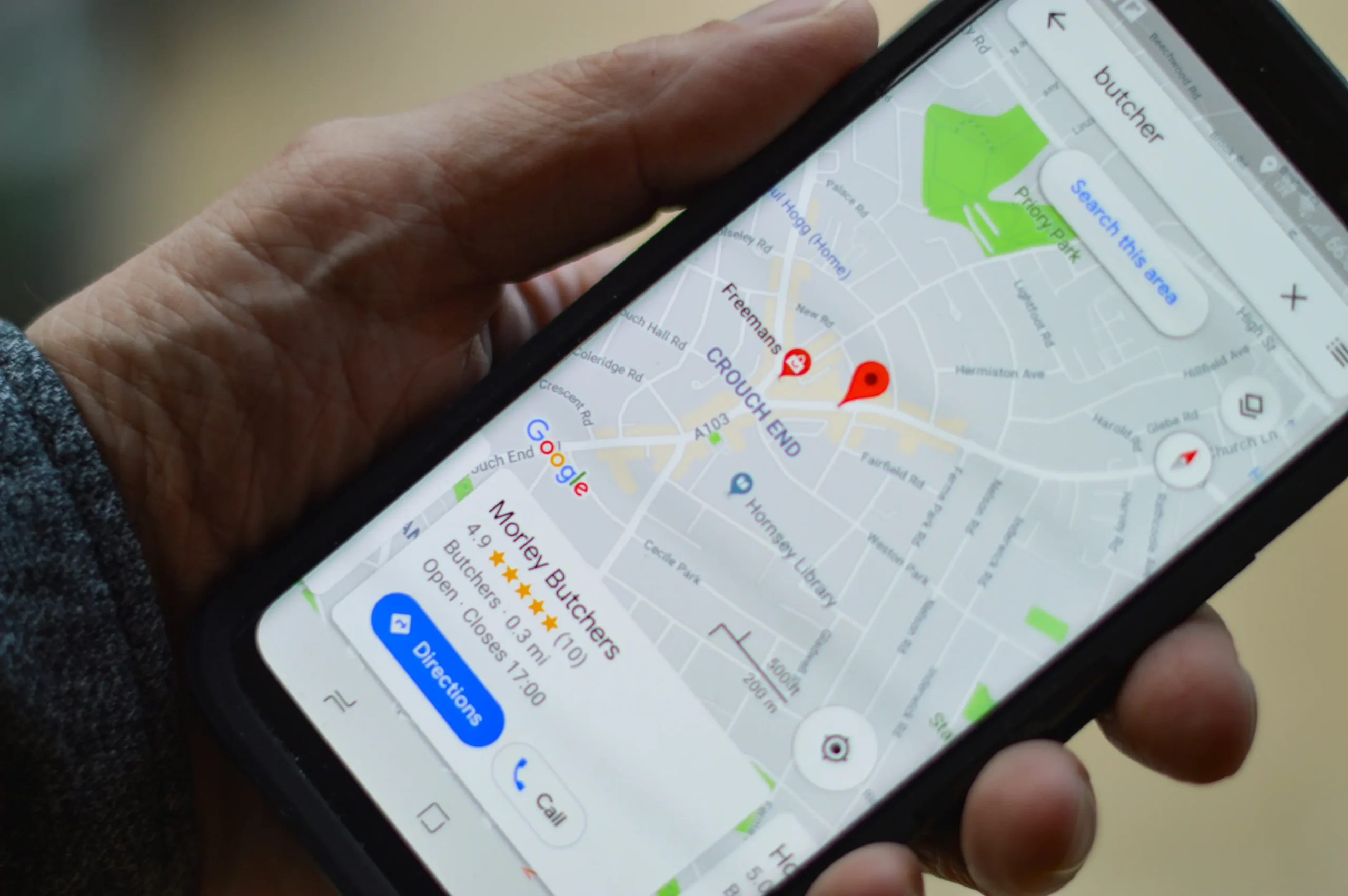
    One of the significant updates is the addition of a feature dubbed “Things you should know before you go.” Google is incorporating AI capabilities into its applications, and Google Maps is no exception. When seeking directions to restaurants, hotels, or concert venues, scrolling down will provide users with key tips about the location. This is akin to having an expert guide providing you with insider knowledge.

    This feature utilizes reviews and other relevant information to provide essential tips – from how to make a reservation, to revealing secret menu items, and even providing parking advice to make your arrival hassle-free. Each tip can be tapped on for more details. The feature is currently rolling out for Google Maps on iOS and Android, with some users already reporting its presence on their devices.

    Enhanced Explore Tab in Google Maps

    Google is also revamping the Explore tab in Google Maps. A simple upward swipe in the Explore tab will now uncover trending dining spots, entertainment venues, and other points of interest. The feature is also designed to help users discover curated lists from trusted sources as well as local influencers. This update will be available on both iOS and Android devices within the month.

    AI-Powered EV Charger Availability

    For those driving electric vehicles (EV), Google Maps can already assist in locating an available charging station. However, the challenge lies in whether the port will still be available upon arrival. To overcome this, Google is using AI to analyze historical and real-time availability to predict how many chargers are likely to be free at your chosen charging station. This feature, accessible through a simple “EV chargers” search in Google Maps, will save users precious time and is set to roll out next week.

    Anonymous Reviews

    Lastly, Google is offering users the option to leave reviews using a pseudonym and a new profile picture tied to their reviews. This means users can share their experiences and recommendations without using their real names, providing a more comfortable way to leave feedback. Google assures that its built-in monitoring system remains in place to guard against fake and suspicious reviews. This feature will be available globally later this month on Android, iOS, and desktop.

    Questions & Answers

    What is the new feature in Google Maps called “Things you should know before you go”?
    This is a new feature that provides users with key information and tips about a location before their visit. It utilizes AI to generate this advice based on reviews and other relevant data.

    How is Google improving the Explore tab in Google Maps?
    Google is revamping the Explore tab to include trending dining spots, entertainment venues, and other points of interest. It will also showcase curated lists from trusted sources and local influencers.

    How is Google using AI to improve EV charger availability on Google Maps?
    Google is using AI to analyze historical and real-time availability data to predict how many chargers will likely be free at a chosen charging station. This feature helps users avoid wasted trips to occupied charging stations.

  • Vietnamese Airlines Soar Ahead with New Direct International Flight Initiatives

    Vietnamese Airlines Soar Ahead with New Direct International Flight Initiatives

    Ngoc Yen is buzzing with excitement as she returns to Bali after a three-year hiatus, remarking that this time her journey was significantly more affordable and convenient thanks to a direct flight from Ho Chi Minh City. “It’s more manageable now: ticket changes are easy, the flight attendants speak Vietnamese, and the meals hit just right,” she shared, contrasting her previous experiences that often required lengthy layovers in Singapore, racking up unexpected costs along the way.

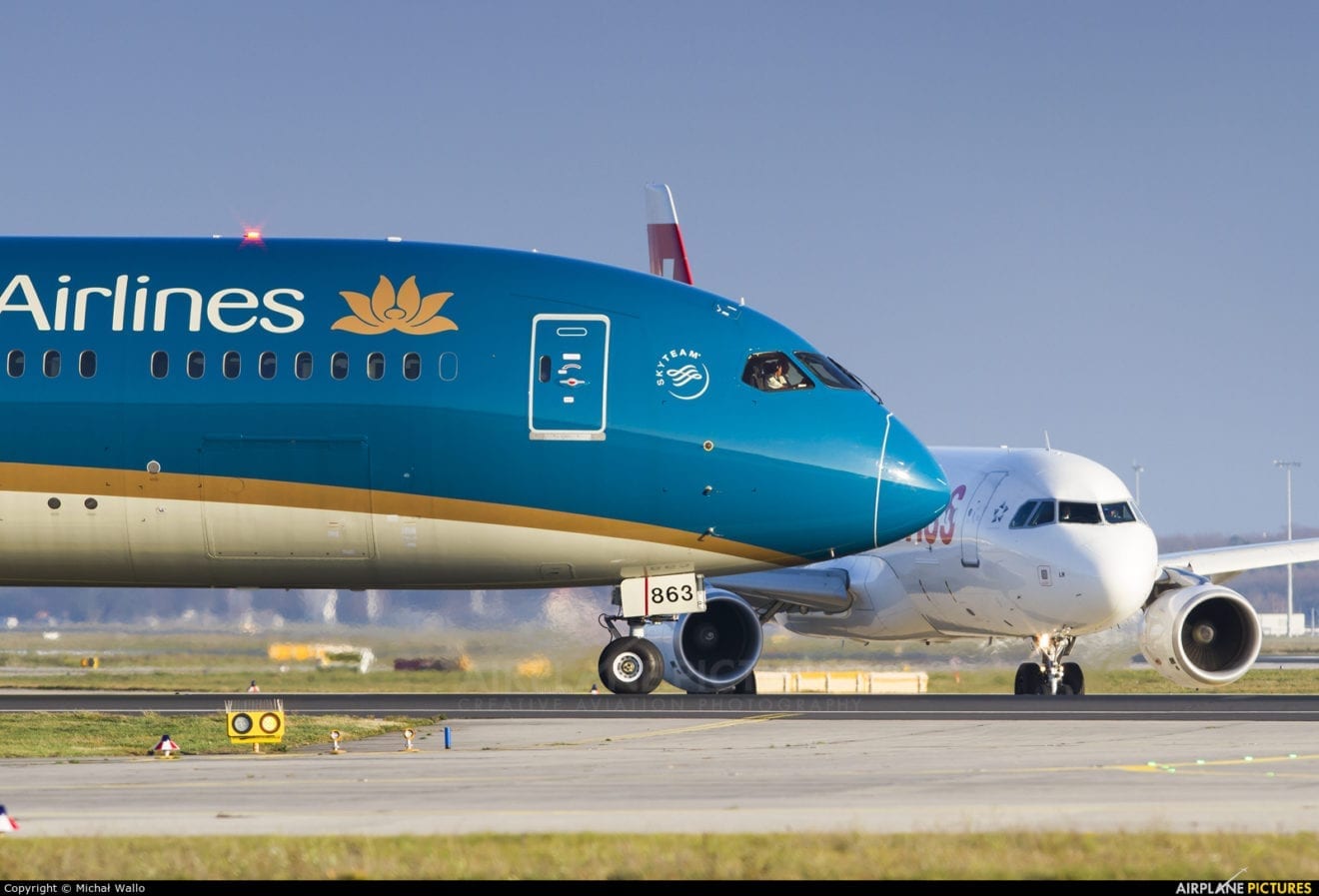
    Leading the charge in this travel renaissance, Vietnam Airlines has introduced an impressive 13 new international routes since early 2024. Among these, the cities of Ho Chi Minh and Bali, Copenhagen, Bengaluru, Hyderabad, and Milan are now just a short flight apart. This expansion includes its inaugural service to Denmark and the revival of crucial routes such as Hanoi to Moscow and Ho Chi Minh to Osaka.

    Today, Vietnam Airlines operates on 69 international routes—a notable 13% increase from pre-pandemic levels—connecting travelers to 37 destinations across 21 countries. A spokesperson for the airline highlighted its rapid recovery and expansion as “unprecedented.” The international routes have not only boosted airline connectivity but also contributed significantly to its financials, with revenues up by 10.6% year-on-year in the first half of 2025, accounting for 60% of total transport service revenues.

    Meanwhile, budget carrier Vietjet Air is setting its sights on the Indian market with flights to major cities like Mumbai, Ahmedabad, and Hyderabad. The airline recently kicked off new services from Nha Trang in Vietnam to Vladivostok, Khabarovsk, and Blagoveshchensk in Russia, and connected Hanoi with Chengdu in China. Looking ahead, Vietjet plans to add flights to Auckland, New Zealand, in September, part of a broader strategy for sustained growth.

    Bamboo Airways, on the other hand, is focusing its efforts on short-haul routes, allowing it to easily adjust flight frequencies to popular destinations like Bangkok, Taipei, and Seoul. In a unique twist, Vietravel Airlines is broadening its horizons in charter flights, appealing to high-end travelers with luxurious all-inclusive tours to destinations in South Korea, Japan, and Thailand.

    The Civil Aviation Authority of Vietnam has noted a resurgence, revealing that Vietnamese airlines are now operating across more than 150 international routes, surpassing numbers seen before the pandemic. This aggressive expansion is driven by a desire to retain slots at major airports as demand for air travel rebounds. Airlines are also gearing up to increase international flights to attractive Vietnamese tourist destinations such as Da Nang, Nha Trang, and Phu Quoc, signaling a strategic effort to reinforce Vietnam’s position in the global transport ecosystem.

    “We’re not merely chasing numbers; we’re selecting destinations with strong connectivity that serve both passenger and cargo needs,” stated a representative from one carrier, emphasizing the balance between growth and practicality. Routes like Hanoi-Hyderabad are gaining popularity due to competitive pricing, and travel agents in Hanoi report soaring demand for direct flights to India and Bali, particularly among independent and business travelers. As optimism swells, airlines are planning to continue this trend of international expansion, buoyed by the encouraging response to their new services.

    Questions & Answers

    What new international routes has Vietnam Airlines added recently?
    Vietnam Airlines has launched 13 new international routes including those to Bali, Copenhagen, Bengaluru, Hyderabad, and Milan.

    How has Vietjet Air expanded its operations?
    Vietjet Air has targeted the Indian market with flights to major cities like Mumbai and has also initiated new services to Russian cities and plans to connect to Auckland, New Zealand.

    What strategic moves are Vietnamese airlines making post-pandemic?
    Vietnamese airlines are rapidly expanding their international services to secure airport slots and respond to rising travel demand, focusing on destinations that enhance both passenger and cargo connectivity.

  • Thailand Lifts Alcohol Ban on Five Buddhist Holidays at Airports and Hotels, Boosting Tourism Appeal

    Thailand Lifts Alcohol Ban on Five Buddhist Holidays at Airports and Hotels, Boosting Tourism Appeal

    Thailand is stepping into a new era for travelers, as the government embarks on a journey to boost tourism by allowing limited alcohol sales during five prominent Buddhist holidays. Specifically, from Saturday, international airports, hotels, venues hosting major events, and select nightlife spots will welcome patrons looking to raise a glass—even on days traditionally marked by sobriety.

    Selected Venues, Select Days

    However, not every establishment will be joining the celebration; the rule relaxation is strategically aimed at specific locations rather than a blanket policy. In a statement reported by the Bangkok Post, government spokesman Jirayu Houngsub emphasized that the change is part of the “Amazing Thailand Grand Tourism and Sports Year 2025” campaign, aimed at providing a much-needed boost to the tourism industry. “It will directly benefit businesses in the tourism sector,” he noted.

    Despite its reputation as a premier tourist hotspot known for stunning beaches, lively nightlife, and being the only Southeast Asian nation to decriminalize cannabis, Thailand has often left visitors scratching their heads. Tourists frequently encounter closed bars during religious holidays, even amid peak travel seasons.

    A Cautious Celebration

    People’s Party MP Taopiphop Limjittrakorn, a notable advocate for liberalizing Thailand’s alcohol laws, urged caution in celebrating this change. He pointed out that the ban on alcohol sales persists for many retail outlets. “Roadside food stalls, convenience stores, and supermarkets are not included in the new announcement. They still cannot sell alcohol,” he shared on Facebook.

    In recent months, Thailand has taken significant steps toward relaxing restrictions in the alcohol sector. Earlier this year, lawmakers in the House of Representatives passed an amended alcohol control bill, repealing an outdated 1972 military decree that prohibited alcohol sales before 11 a.m. and during certain afternoon hours. This exciting legislation is currently making its way through the Senate, paving the way for further changes in the beverage industry.

    Who knows—maybe soon, you’ll be sipping a cold one during sunset by the beach, even on a holiday!

    Questions & Answers

    What are the specific locations where alcohol sales will be allowed during Buddhist holidays?
    Alcohol sales will be permitted at international airports, hotels, venues hosting major events, and select nightlife spots.

    Why was this change implemented?
    The change is part of the “Amazing Thailand Grand Tourism and Sports Year 2025” campaign aimed at stimulating the tourism sector and benefiting related businesses.

    Are all businesses allowed to sell alcohol during these holidays?
    No, the new regulations only apply to select locations, and many places like roadside food stalls, convenience stores, and supermarkets will still be prohibited from selling alcohol.

  • Waymo, UPS Expand Autonomous Freight Truck Tie-Up Ahead Of Holidays

    Waymo, UPS Expand Autonomous Freight Truck Tie-Up Ahead Of Holidays

    Alphabet Inc’s Waymo said on Wednesday it is expanding its partnership with United Parcel Service Inc to move freight using autonomous trucks between two of the parcel delivery company’s Texas facilities during the holiday season.

    Waymo Via, the company’s delivery operation, began its partnership with UPS in early 2020 when it shuttled packages for the company between the Metro Phoenix area and its Tempe hub in Arizona using an autonomous minivan.

    The company said trial runs would start in the coming weeks, where big rigs equipped with its fifth-generation Waymo Driver technology will deliver for UPS’ North American Air Freight unit between facilities in Dallas-Fort Worth and Houston, Texas.

    Driver shortages have hit U.S. trucking and delivery companies, most notably FedEx Corp, as they race to hire workers for the crucial holiday season when package volumes can easily double. Waymo and UPS said the trials would help assess the impact of autonomous driving technology on safety and efficiency.

  • Over 320,000 jobs in Asia-Pacific travel-retail industry under threat

    Over 320,000 jobs in Asia-Pacific travel-retail industry under threat

    Governments across Asia Pacific are being urged to protect more than 320,000 duty-free and travel-retail industry jobs at risk during the coronavirus pandemic.

    The Asia Pacific Travel Retail Association claims that the jobs in the US$36 billion industry may be overlooked by politicians devising financial rescue measures to deal with the economic fallout of the pandemic. It is asking governments to support the industry along with airlines, airports and maritime businesses.

    In a special report, the association outlines the industry’s almost $15 billion contribution to GDP across Asia Pacific.

    “Airport retail and commercial services, including food and beverage, constitute a crucial business sector providing up to 60 percent vital commercial income for airport owners, outpacing aeronautical revenue streams,” read a statement issued by the association.

    “It is the most significant direct contributor to the investment in Asia-Pacific’s aviation infrastructure and ongoing development of world-class national gateways, the region’s hubs to the world.”

    “The dynamics of duty-free and travel retailing are intrinsically linked to the aviation and maritime industries and its viability is entirely dependent on the return in passenger traffic,” said association president Grant Fleming.

    “This means 320,000 jobs are at risk that could be safeguarded if governments extend financial support packages to the industry.”

  • AirAsia offers up to 30% off for flights from KL

    AirAsia offers up to 30% off for flights from KL

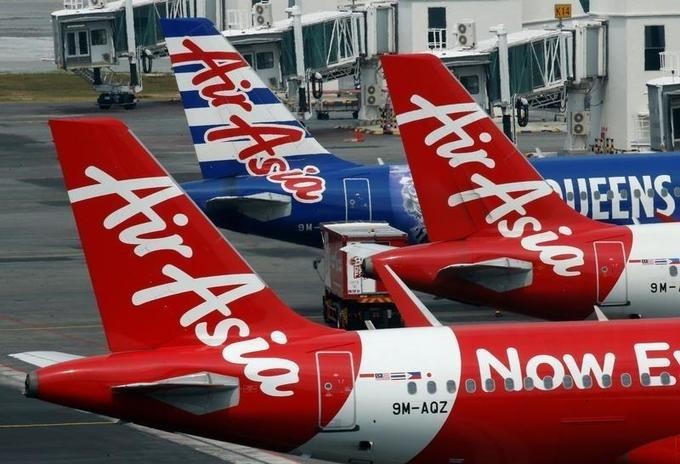
    AirAsia Group Bhd is offering 30% off all its flights out of Kuala Lumpur from now until Feb 23, except those operated by AirAsia India and AirAsia Japan.

    The special sale is for travel between Feb 24 and Sept 30.

    In a statement today, AirAsia said the discounted base fares are for short-haul flights from Kuala Lumpur to destinations such as Johor Baru, Bintulu, Kuantan, Maldives, Krabi and Kolkata.

    “Our goal is to make travel more affordable and seamless than ever before as we continue our transformation to become a leading online travel package platform — now offering much more than just airfares,” airasia.com CEO Karen Chan said.

  • Webjet earnings taking a hit from Thomas Cook bankruptcy

    Webjet earnings taking a hit from Thomas Cook bankruptcy

    Digital travel business Webjet is set to feel the pinch of the collapse of British travel company Thomas Cook.

    The online company, which manages the hotel bookings for Thomas Cook’s customers visiting Europe, said it will be impacted by a loss of total transaction value (TTV) in FY20 from Thomas Cook’s demise.

    Webjet has advised that it expected TTV from Thomas Cook to be in the range of $150 million to $200 million (A$221.4 million to A$295.18 million) in FY 2020.

    This is expected to reduce its earnings before interest, tax, depreciation and amortisation (EBITDA) growth this year. An additional $27 million to $33 million of EBITDA was expected in FY 2020, but the impact of Thomas Cook entering liquidation is expected to reduce this guidance by up to $7 million.

    The online travel agent also said Thomas Cook owed it approximately $43.7 million.

    Webjet said, however, that the impairment of any unpaid receivables will be treated as a one-off expense to the income statement and that there will be no material adverse impact on the company’s liquidity because any write-off will be absorbed by existing cash reserves which stood at $211.4 million as of June 30 plus its undrawn debt facilities.

    The online retailer said there will be “no impact on the more than 3,000 hotel contracts Webjet acquired from Thomas Cook in August 2016, which are wholly owned by WebBeds and available for sale to all WebBeds customers.”

    The company added the vast majority of these contracts are currently sold at full margin to non-Thomas Cook customers and have been a key driver of the profitable growth of their European business over the last three years.

    The travel retailer also said there is no change expected to its other expected FY20 earnings drivers indicated in the FY19 results announcement.

    The embattled travel company Thomas Cook has collapsed after last-minute negotiations aimed at saving the firm failed.

  • Cebu Pacific launches P99 domestic seat sale starting Monday

    Cebu Pacific launches P99 domestic seat sale starting Monday

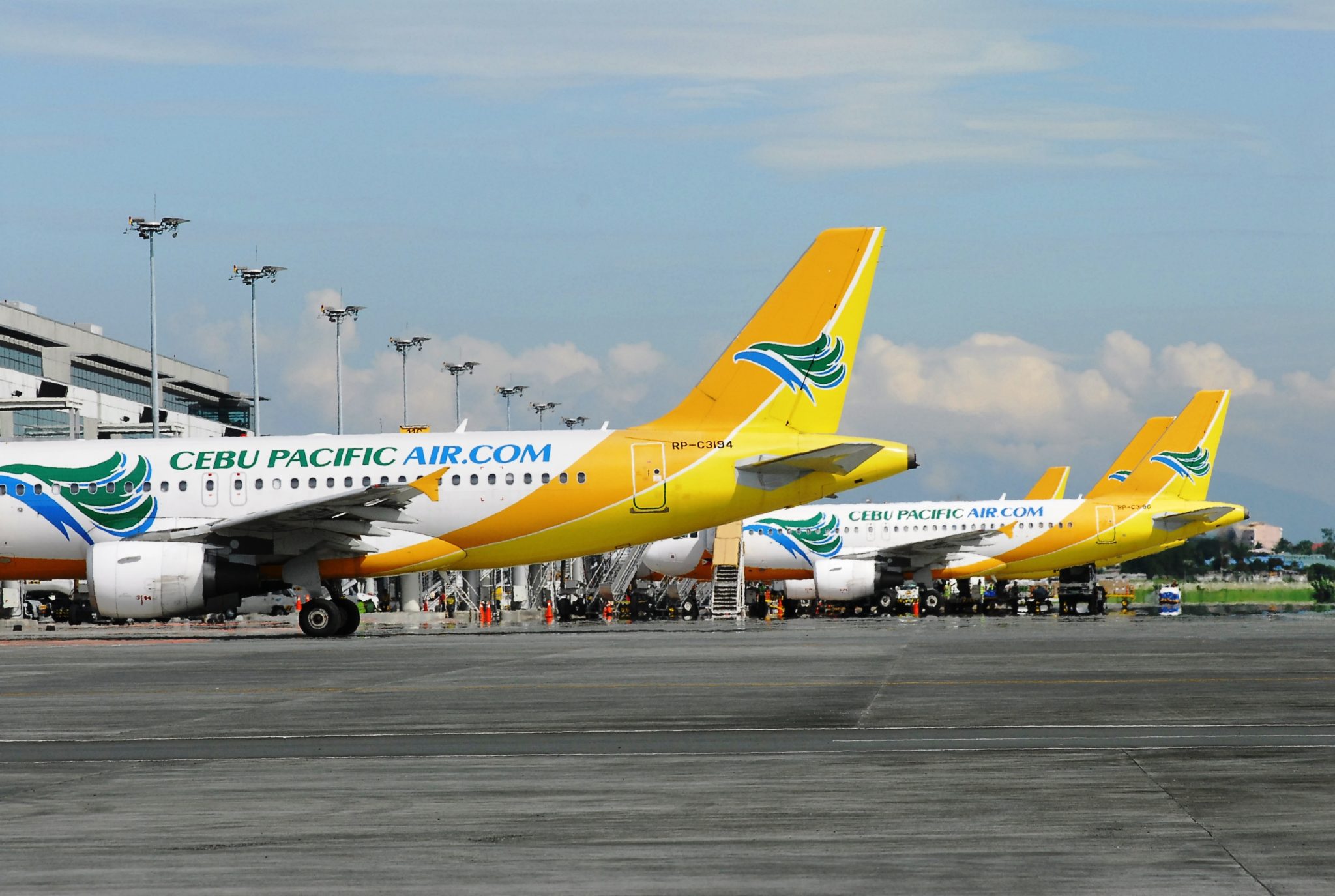
    Budget carrier Cebu Pacific on Monday announced a P99 seat sale for domestic flights one-way from Clark International Airport.

    In an advisory, the airline said the sale started Monday, August 19, and will end on Wednesday, August 21.

    The travel period is from October 1, 2019 to January 31, 2020.

    The P99 one-way flights are Clark to Bacolod, Bohol, Boracay (Caticlan), Cebu, Clark, Davao, Iloilo, and Puerto Princesa.

    Aside from Clark, Cebu Pacific operates flights out of six other strategically placed hubs in the Philippines: Manila, Kalibo, Iloilo, Cebu, Cagayan de Oro (Laguindingan) and Davao.

    The carrier operates over 2,000 weekly flights across 37 domestic and 26 international destinations.

  • AirAsia announces five new domestic routes to Lombok, Labuan Bajo, Kertajati

    AirAsia announces five new domestic routes to Lombok, Labuan Bajo, Kertajati

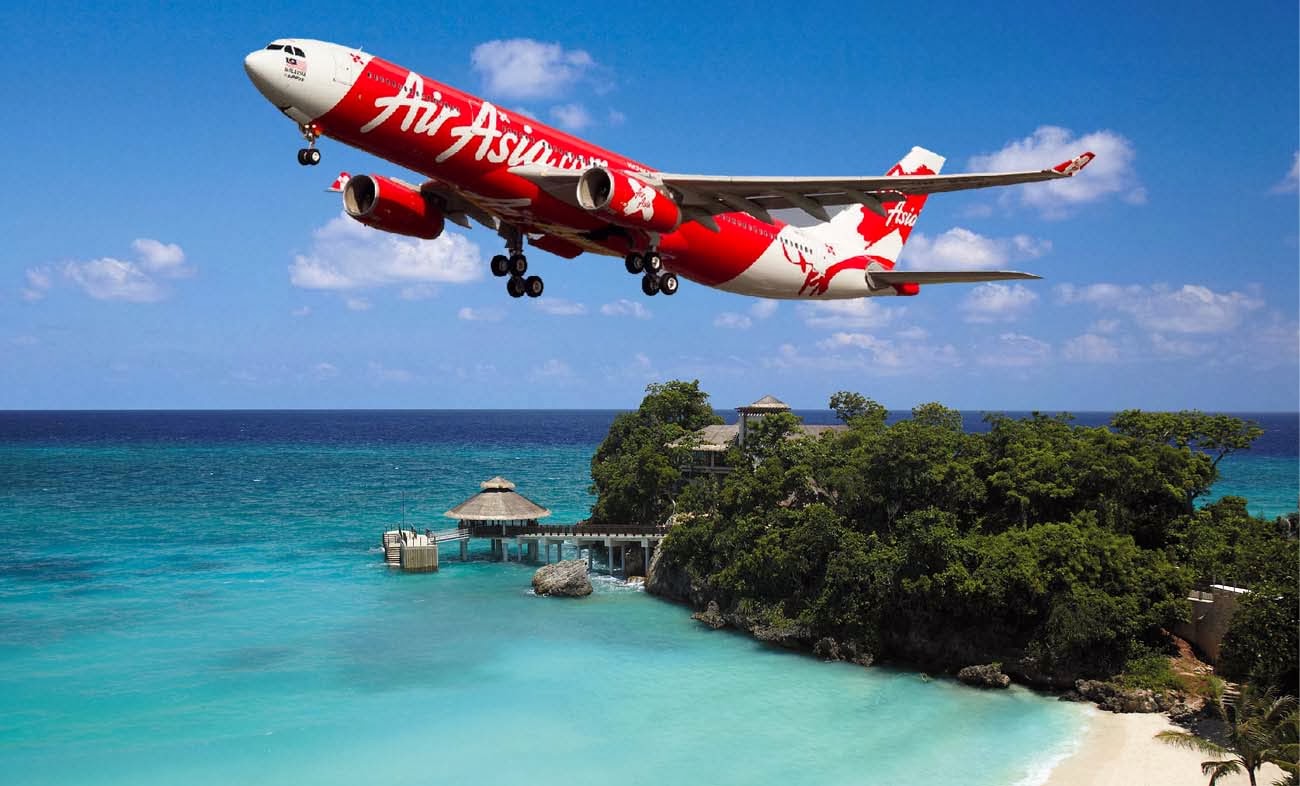
    Low-cost carrier AirAsia launched five new domestic routes on Monday as it stated its “commitment to continue to support tourism and the economy by providing affordable flights”.

    Among the new services that will be operational on Aug. 1 are Jakarta-Lombok (11 times a week), Bali-Lombok (seven times a week), Yogyakarta’s Kulon Progo-Lombok (three times a week), Bali-Labuan Bajo (seven times a week) and Surabaya-West Java’s Kertajati (three times a week).

    Special promos are available for bookings made through airasia.com or the airline’s mobile app until June 30 for trips between Aug. 1 to Oct. 26, including for the Jakarta-Lombok (starting from Rp 635,000 [US$44.88]); Bali-Lombok (Rp 243,000) and Surabaya-Kertajati (Rp 626,000) routes. A free 15-kilogram baggage allowance is available for all the carrier’s domestic flights.

    “Since AirAsia’s newest hub in Lombok was inaugurated in early May and with the addition of our 25th Airbus A320 fleet, we are now ready to connect more and more of the country’s best destinations to support tourism and the local economy,” said AirAsia Indonesia managing director Dendy Kurniawan in a statement.

    AirAsia’s current domestic routes are Jakarta-Bali, Jakarta-Yogyakarta, Jakarta-Surabaya, Bali-Yogyakarta, Bali-Surabaya, Bali-Surakarta, Yogyakarta-Medan and Bandung-Bali.

  • Glory Days of Samsonite Sales Ending

    Glory Days of Samsonite Sales Ending

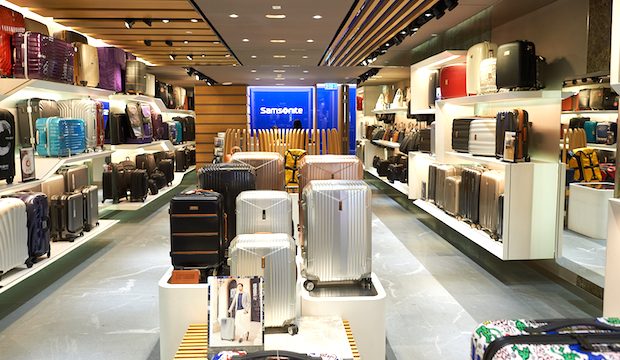
    “Economic headwinds” in the latest quarter have brought an end to the stellar run of Samsonite sales growth.

    For the March quarter, the world’s largest luggage retailer has reported a fall in sales of 2.4 per cent and 6.3 per cent when reported in US dollars. Profit attributable to shareholders slumped by 48.2 per cent to US$22.8 million.

    In Asia, overall sales fell 2.1 per cent, but the group continued to achieve net sales gains in both Japan (up 4.1 per cent) and Hong Kong (up 5.5 per cent) during the quarter.

    Last full year, net Samsonite sales were up 8.4 per cent on a constant-currency basis to US$3.797 billion in the year to December 31. Profit attributable to shareholders rose by 23.9 per cent before extraordinary items.

    The company has consistently reported quarter-on-quarter sales growth during the last several years, although this was heavily influenced by the acquisition of Tumi and other businesses over the same period.

    Commenting on the results, CEO Kyle Gendreau said economic headwinds have continued to impact a number of the company’s key markets during the first quarter, particularly the US, South Korea, Chile and the business-to-business market segment in China.

    “Excluding these four markets, our net sales grew by a healthy 3.4 per cent, driven by a 4.4 per cent increase in Asia (excluding South Korea and business-to-business sales in China) and a 2.3 per cent growth in Europe.”

    In China, a sharp decline in business-to-business orders caused net sales to decrease by 8.3 per cent year on year. Excluding business-to-business orders for both periods, net sales in China increased by 5.9 per cent, driven by a 15.1 per cent rise in direct-to-consumer sales, despite weak consumer sentiment amid concerns about trade relations with the US.

    By brand, Tumi sales in Asia soared 17 per cent and in Europe by 22.5 per cent.

    Net sales of the Samsonite brand were down by 4.2 per cent year-on-year to $373 million during the quarter, primarily due to declines in the US, China and South Korea.

  • Holidays boost Chinese e-commerce Numbers

    Holidays boost Chinese e-commerce Numbers

    An extended May Day holiday has proved a boon for Chinese e-commerce, especially among millennial consumers and high-end brands.

    Food orders among the generation group rose 112.4 per cent during the holiday period compared to last year, according to figures recorded at online delivery platform Eleme. Alibaba tourism platform Fliggy recorded a 500 per cent increase in the purchase of tourism products among people born after 2000, while online hotel orders from young parents with children under the age of three increased 77 per cent.

    Additionally, quality home appliances are now among the most highly sought-after products purchased on e-commerce sites.

    “This year’s May Day Holiday showed that people have stronger high-quality consumption demands, reflected not only in high-quality products but also in services,” said the Academy of China Council for the Promotion of International Trade’s head of international commerce Zhao Ping.

    “The growth has been driven by a surge in disposable incomes and the middle-income population,” she added.

    Millennials have now surpassed Gen-X consumers as the biggest e-commerce spenders, according to a report by market consultancy CBNData.

    “The younger generation, especially those born after 1990 and 1995, are more used to ‘fingertip’ consumption and are fast becoming disrupters in the e-commerce sector,” said CBNData business analyst Yang Qin.

  • Prada Station pop-up at Galaxy Macau

    Prada Station pop-up at Galaxy Macau

    The pop-up is designed as a dream-like container; it represents the image of Prada on the move, drawing inspiration from the brand and its fundamental codes, such as travel and modernity.

    Around the train, the illuminated platforms host a series of small installations that complement the main aesthetic experience embodied by the train including Christmas versions of life-size Prada Robots and a ticket kiosk .

    The interior features walls covered in floral-patterned red silk brocade to create a luxurious, romantic look.

    The setting is completed by the iconic black-and-white chequered floor which characterizes Prada stores around the world since 1913.

    The Prada Cahier bag is reinterpreted in three styles made of exotic leathers, exclusive at The Promenade Shops in Galaxy Macau.

    This project – here inaugurated for the first time – offers customers the chance to acquire exclusive products which are chosen for each leg of the journey and presented inside this original installation.

    Prada Station Pop-up will delight the customers until 14 January 2018 at The Promenade Shops’ Pearl Lobby, located within Galaxy Macau.

    Galaxy Macau and Broadway Macau combine deliver the “Most Spectacular Entertainment and Leisure Destination in the World”. Developed at an investment of HK$43 billion, the two properties cover 1.1 million square meters of unique entertainment and leisure attractions that are unlike anything else in Macau.

  • Bali Travel Bureaus optimistic of Obama`s vacation boosting tourism

    Bali Travel Bureaus optimistic of Obama`s vacation boosting tourism

    The Indonesian Tourism Travel Bureau Association (Asita) has expressed hope that the visit of former US president Barack Obama to Bali would help attract foreign tourists to the island.

    “We hope the number of tourists from the US to Bali would increase,” Balis Asita Chairman Ketut Ardana stated here, Tuesday.

    The visits of world leaders to Bali help to promote Bali internationally since they are covered by the media, he said.

    Their visits to Bali will also draw other leaders to visit Bali for a vacation, he added.

    Tourists from the US usually stay for more than a week in Bali, and they prefer five-star hotels, he remarked.

    The number of US tourists to Bali had reached 64,042 during the January-April period, or an increase of 19.7 percent from that recorded during the same period last year.

    The US stands sixth among the list of 10 countries contributing the largest number of foreign tourists to Bali. From January to April 2017, a total of 1,817,772 foreign tourists had visited Bali.

    A total of 511 thousand tourists from China had visited Bali during the period between January and April, followed by 353 thousand from Australia, and 74 thousand from Japan.

  • Indonesia promotes tourism branding at World Travel Market

    Indonesia promotes tourism branding at World Travel Market

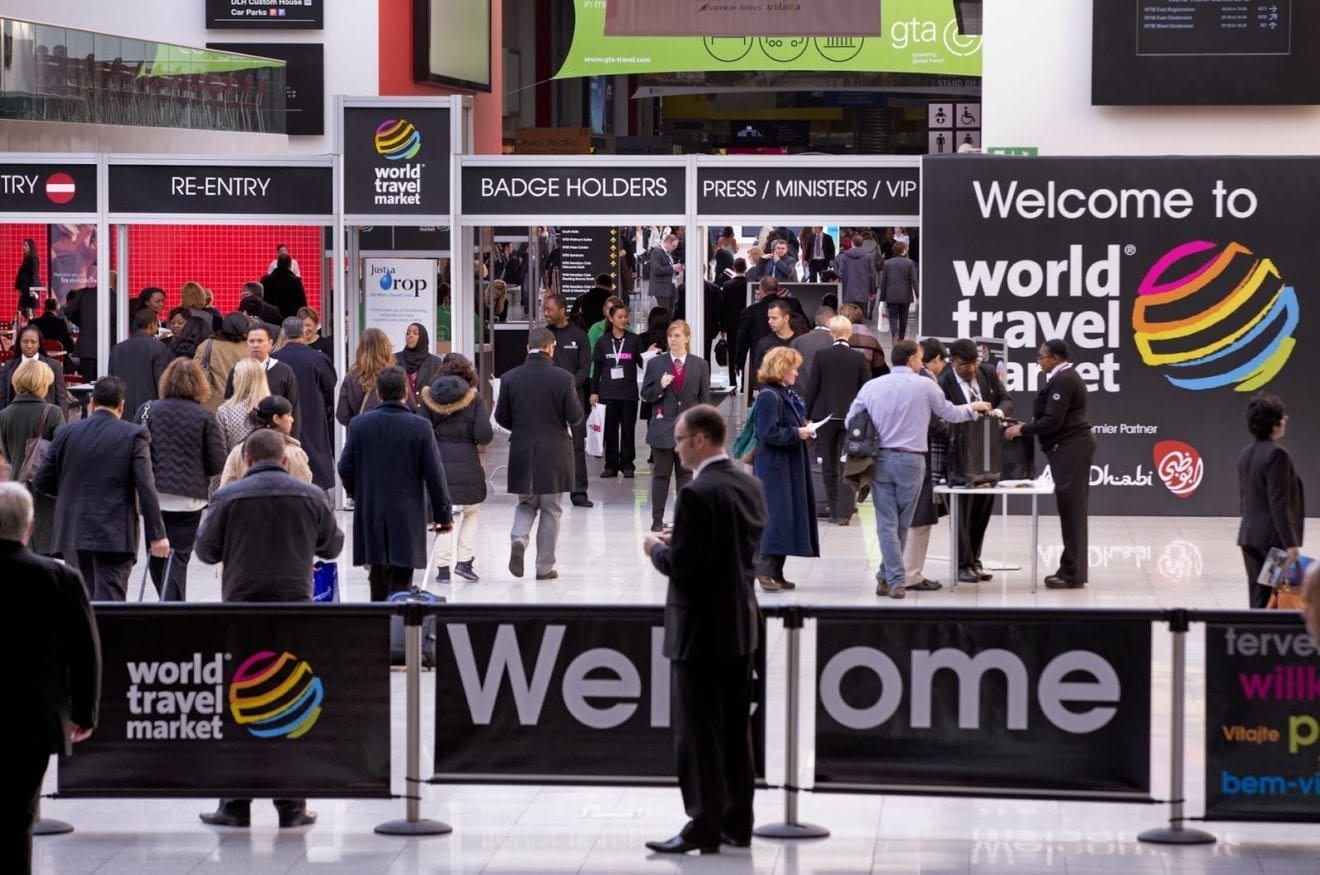
    The Tourism Ministry is promoting a tourism brand of Wonderful Indonesia at the global travel fair of World Travel Market (WTM) in London from November 7 to 9, 2016.

    By promoting the event, the ministry is featuring the beauty of Banyuwangi (East Java) images on five decker buses from October 31 till the end of November, according to a statement from the Tourism Ministry received by ANTARA here on Wednesday.

    Indonesia has signed an agreement as the prime sponsor of the travel fair. Tourism Minister Arief Yahya said the agreement will help in promoting Indonesian tourism.

    “WTM is a global travel fair. As in 2015, around 50 thousand tourism professionals from 183 countries participated in the fair,” the minister said.

    He added that WTM was an effective and efficient media to promote Indonesia and its tourism brand of Wonderful Indonesia in the global market.

    With a visa-free policy and deregulation on yacht or cruise ship travelling to Indonesia, the government expects 20 million foreign tourists by 2019, nearly double the target of 10.4 million set in 2015.

    At the fair, the Indonesian delegation will showcase UNESCOs world heritage of Borobudur Temple, Prambanan Temple in Central Java, diving spots in Raja Ampat in Papua, as well as golf, spa and shopping tour in Jakarta and Bandung (West Java).

    The UK and European Union are very important markets, as the number of potential tourists is quite great. Each tourist would stay at least for 10 days on average and would spend a huge amount during their trip.

  • Hotel occupancy rates increase in Bali

    Hotel occupancy rates increase in Bali

    The occupancy rates of star rated hotels in Bali averaged 72.40 percent in August or an increase of 1.76 percentage points from 70.62 percent in the previous month.

    “The occupancy rate was quite encouraging when visits by foreign tourists shrank 9.52 percent in Bali compared with the previous month,” head of the Bali branch of the Central Bureau of Statistics (BPS) Adi Nugroho said here on Wednesday.

    Adi said the occupancy rates would boost hotel operators as an occupancy rate of 50 percent is enough to cover operating cost including salaries of employees.

    In August, 2016, Bali recorded 438,135 visits by foreign tourists including 437,929 arrivals recorded by the Ngurah Rai airport and 206 arrivals at seaport.

    The number of arrivals dropped 9.52 percent in August from July but an increase of 44.3 percent year-on-year, Adi said.

    Adi said most foreign tourists stayed at star rate hotels in six of nine regencies in the province.

    The highest occupancy rate was recorded by hotels in the regency of Badung averaging 75.38 percent or up from July, followed by hotels in the city of Denpasar averaging 66.34 percent though declining from the previous month.

    Hotels in the regency of Gianyar followed in the third place with occupancy rate averaging 60.01 percent , down from 66.84 percent in July , the regency of Buleleng recorded an occupancy rate of 57.69 percent up from 52.23 percent and the regency of Karangasem 47.45 percent, down from 50.92 percent.

    Three other regencies – Jembrana, Bangli and Klungkung – have no star rated hotels . They have only inns or non standard hotels.

    Four star hotels recorded the highest occupancy rate averaging 78.16 percent, followed by five start hotels averaging 77.31 percent, one start hotels 64.96 percent , three start hotels 58.55 percent and two star hotels with occupancy rates averaging 56.31 percent.

    Adi Nugroho said despite the significant increase in the occupancy rate. the increase was recorded only in the regencies of Badung and Buleleng.

    In three other regencies, hotel occupancy rates declined including in the city of Denpasar, regencies of Gianyar and Karangasem, Adi Nugroho said.