Tag: home furnishing

  • Ikea Thailand Targets 2029 for Relocated Phuket Store

    Ikea Thailand Targets 2029 for Relocated Phuket Store

    Ikea Thailand is prioritizing small-format stores across secondary provinces while partnering with Thailand Post to establish parcel collection points, curbing the high capital expenditure required for suburban big-box sites.

    E-commerce now generates 26 to 30 per cent of Ikea’s sales in Thailand, shifting consumer traffic patterns and forcing the furniture giant to rethink how it deploys physical space outside Bangkok.

    Large destination stores demand extensive land acquisition, substantial civil works, and protracted planning cycles. Leonie Hoskin, retail business manager of Ikea Thailand and Vietnam, confirmed that the Swedish home furnishing retailer views compact formats as low-capital beachheads in provincial markets where customer density does not yet justify an industrial-scale warehouse footprint, ahead of a planned store opening targeted within the next year or two.

    Sizing Down the Footprint

    The retailer currently operates three small-format locations across the country. These include a 700-square-metre showroom in Chiang Mai, an 800-square-metre unit in Khon Kaen, and a 2,000-square-metre outlet in Phuket.

    Those footprints stand in stark contrast to the brand’s established base around the capital. The medium-sized Sukhumvit city store covers 12,000 square metres, while the suburban flagship complexes at Megabangna in Samut Prakan and Bang Yai in Nonthaburi each measure 25,000 square metres.

    Compact footprints reduce opening overheads, but they remove the self-serve warehouse floor that defines standard Ikea operations. Without on-site storage, small stores function primarily as display galleries and planning studios, requiring continuous replenishment and regional parcel fulfillment to complete sales.

    Fulfillment Pressures and Postal Partnerships

    Operating furniture showrooms without inventory reserves exposes retailers to higher last-mile delivery costs. Bulky home goods restrict carrier options, raise parcel handling fees, and increase merchandise transit damage.

    To protect margins, the company is preparing a distribution framework with state-owned carrier Thailand Post. Under the arrangement, customers can collect parcels from postal pick-up points rather than paying for direct home delivery, shifting the final stage of freight expenses off the retailer’s balance sheet.

    Physical locations remain essential for customer acquisition, even as digital transactions approach one-third of total revenue. Shoppers consistently inspect materials, confirm dimensions, and test colour palettes in showrooms before checking out online, turning local branches into customer service anchors rather than cash-and-carry points.

    Phuket Expansion and Capital Allocation

    In tourist-heavy Phuket, where Ikea has traded for roughly a decade from its 2,000-square-metre base, the brand has decided that the small format has reached its limit. Hoskin stated the company wants to relocate the branch into a standalone facility of 10,000 to 12,000 square metres.

    “We are looking to relocate the Phuket branch into a space of 10,000 to 12,000 sq m,”

    she said.

    The southern relocation is penciled in for around 2029, reflecting the long gestation periods of regional real estate projects. In the near term, management intends to open another outlet within one to two years, though site locations have not been disclosed.

    Balancing Provincial Reach Against Bangkok Assets

    Across Southeast Asia, home furnishing operators face escalating construction costs and shifting lease dynamics. The traditional model, building massive 25,000-square-metre stores on city fringes, locks up capital for years and relies on consumers owning vehicles capable of hauling flat-pack boxes. By relying on smaller showroom formats, Ikea cuts pre-opening cash burn and tests consumer appetite in provincial hubs before committing to heavy land investments.

    Yet stripping warehouses out of retail units transfers commercial risk directly into the supply chain. If third-party logistics networks encounter delays or mishandle fragile stock, delivery penalties and return rates quickly consume the rent savings gained from downsized floorplates. Commercial success now rests on whether Thailand Post’s network can process heavy parcels at acceptable service levels.

    The company also holds an undeveloped land parcel in Rangsit, north of Bangkok. That plot offers the option for a third full-sized metropolitan flagship or a consolidated national fulfillment hub, though management expects any major development there to remain several years away.
  • Asia becomes Laura Ashley’s last hope

    Asia becomes Laura Ashley’s last hope

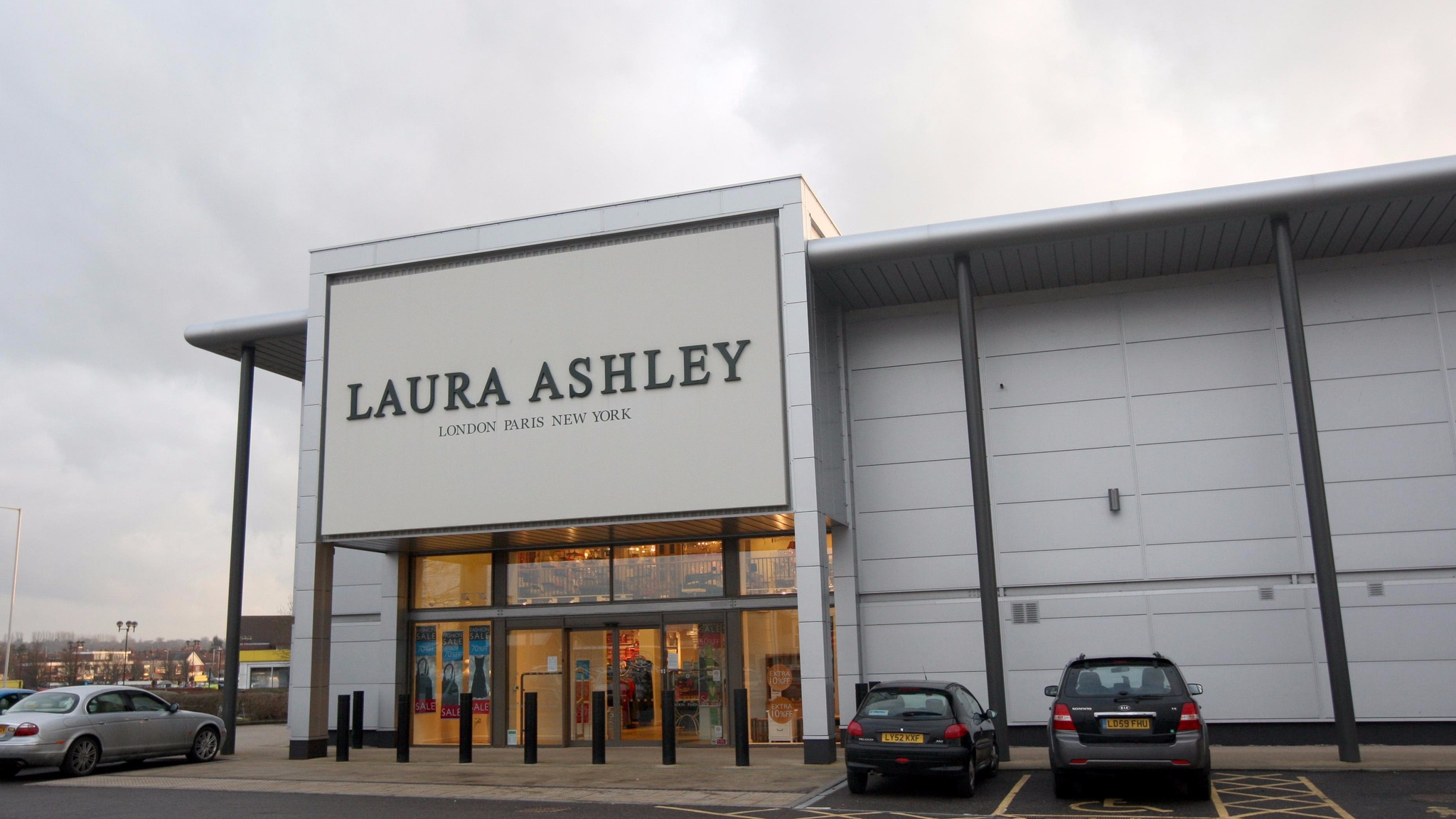
    Fashion and home furnishings brand Laura Ashley will close 40 stores in the UK as it prepares to expand into the Chinese market. The firm has already gone through a round of 40 closures since 2015 against flagging interest from British consumers, which has seen a reported 14 shops closing every day in the territory.

    Laura Ashley runs a regional office in Singapore focused purely on e-commerce into China, with plans to look at physical stores rollout after establishing a significant foothold in digital retail there.

    According to Khoo, the company is “moving to Asia in a much bigger way”.

    The brand is wholly owned by Malayan United Industries (MUI), which is currently restructuring parts of its business and rationalising assets. The brand will be expanding the 120 British Laura Ashley stores that remain following the closures to better showcase the brand.

    MUI’s executive chairman Andrew Khoo Boo Yeow said: “It doesn’t really matter if [customers] buy online or offline, we just want them to get inspired … It’s a challenging environment and it could become more challenging”.

    In Australia, the remaining 16 Laura Ashley stores will close this month after the company failed to find a buyer for the business, which was run under a licence. It was placed in administration for the second time in two years on December 3.

  • Mr DIY ready for massive growth by 2020

    Mr DIY ready for massive growth by 2020

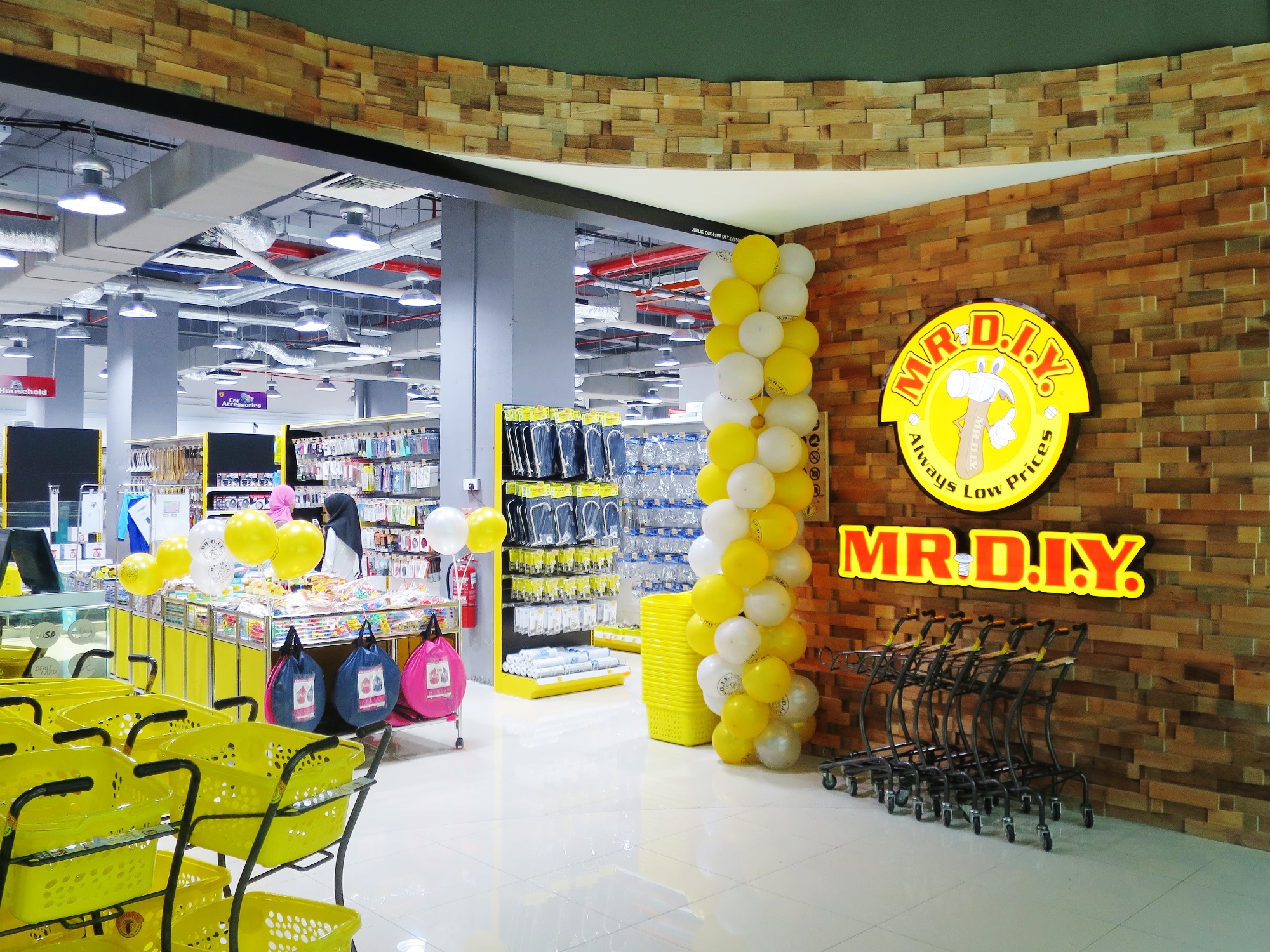
    Malaysian home improvement retailer Mr DIY has announced plans to open at least 1000 branches by 2020. The announcement was made at the opening of its latest outlet at Paradigm Mall, its 440th local branch and 600th global branch. The brand currently operates 120 stores in Thailand, 40 in Indonesia, four in Brunei, and one each in Singapore and the Philippines.

    Mr DIY head of marketing Andy Chin said: “We feel that our home improvement retail business model, offering a variety of goods at affordable prices, is suitable for better business growth in the country as well as the Asean market. At the end of this year, we target 700 global branches, and the number may reach 1000 or more by 2020. These will be based on an organic growth.”

    He added that the company’s prospect of Asean-level expansion will be focused on Indonesia, Thailand and the Philippines,” said Chin.

    Mr DIY is the largest home appliance retailer in Malaysia with more than 20,000 SKUs.

  • Index Living Mall plans ASEAN expansion

    Index Living Mall plans ASEAN expansion

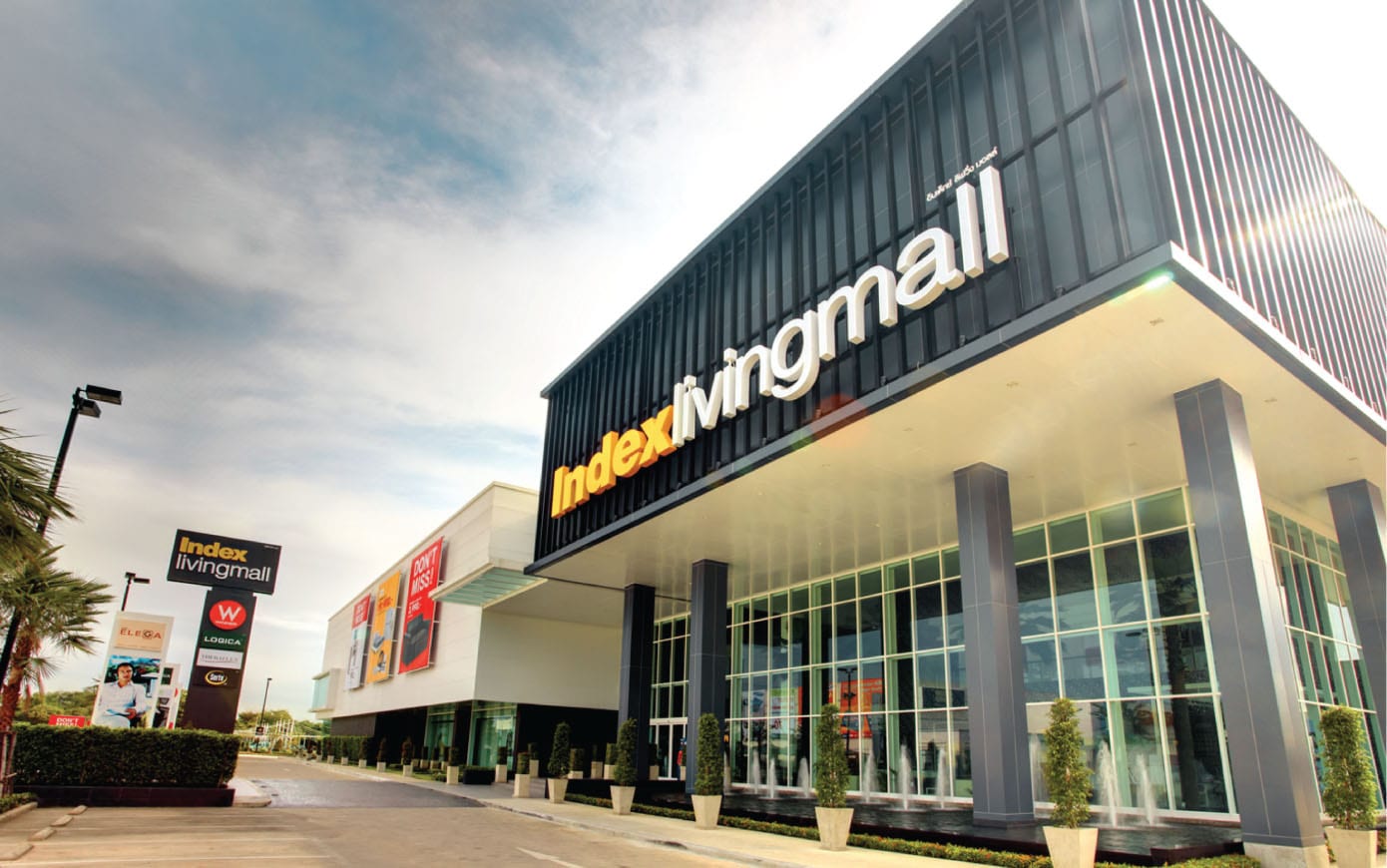
    Home-furnishing retailer Index Living Mall has announced its 2020 vision to continue its push beyond Thailand into other ASEAN countries.

    With franchised stores already trading in Malaysia, Thailand and Vietnam, the company believes the region’s urbanisation has shifted consumers toward a more modern lifestyle, including the way they buy and use home-furnishing products. It also notes a rise in the number of middle-income earners throughout the ASEAN Economic Community.

    MD Kridchanok Patamasatayasonthi says the company aims to double the present 5 per cent contribution to its total revenue from AEC markets by 2020. The company’s total revenue of Bt9.5 billion (US$264.8 million) last year was 5 per cent up on 2014.

    “Our market expansion through international franchisees is the result of growth in the home-furnishing and accessories sectors among ASEAN member countries,” says Kridchanok. “Other positive factors, including the bustling economic outlook, rising gross incomes and similar customer behaviour, helped accelerate our decision to look for investment opportunities in new markets.”

    She says the company has appointed VinDS, the retail investment arm of Vietnamese commercial property developer Vingroup, as its franchisee to tap into the home-furnishing and accessories retail market in that country. The first Index Living Mall under that partnership had a soft opening last month in Ho Chi Minh City, occupying 7000 sqm in Vincom Mega Mall Thao Dien. Costing more than Bt200 million, the store is expected to achieve Bt350 million in sales in its first year.

    Index Living Mall has had a store trading in Ho Chi Minh for more than four years, effectively testing the market. Now with VinDS it expects to open 10 more stores in major cities in Vietnam, including Ho Chi Minh, Hanoi and Da Nang, within five years.

    “Economic growth indicators show that the Vietnamese retail market is number two in Asia, after only China,” says Kridchanok.

    “During the first half of last year, the Vietnamese economy posted 6.28 per cent growth, the highest since 2008. With a population of 90 million, this will continue to grow, thanks to per capita income rising more than 10 per cent over the past decade.”

    Kridchanok says it is expected that the number of Vietnamese earning a median income of 15 million dong ($673) a month will grow to 33 million by 2020.

    Index Living Mall’s director for international business development Ekaridhi Patamasatayasonthi says the company’s venture into Vietnam highlights its marketing direction to tap into emerging CLMV (Cambodia, Laos, Myanmar and Vietnam) markets, aimed at strengthening its leadership position in the home-furnishings and accessories retail market in the ASEAN region.

    Ekaridhi says the company plans to open store in Manila in September via a joint venture with SM Retail, a Philippine business conglomerate involved in shopping mall, property development, banking and retailing. Index Living Mall has a 30 per cent stake in the venture.

    In Malaysia, Index Living Mall opened its first home-furnishing store in Putrajaya last year in a joint venture with AEON. Three more stores are planned for Malaysia this year – in Kuala Lumpur in March, Kota Bharu in April and Johor Bahru in the fourth quarter.

    Ekaridhi says there are six franchised stores in five countries – Malaysia, Russia, Maldives, Nepal and Vietnam – as well as dealers in Laos and Myanmar. In its home country, the company has 25 stores in 17 provinces, of which nine are in Bangkok. It plans to invest Bt470 million this year to open two stores, in Nakhon Pathom and Chachoengsao.

    Index Living Mall expects to post Bt10 billion in revenue this year and to grow its annual sales by 10 per cent over the next five years.