Tag: homes

  • New Love Trend: Young Vietnamese Couples Investing in Homes Before Rings

    New Love Trend: Young Vietnamese Couples Investing in Homes Before Rings

    In a shift of convention, many young couples are prioritizing financial stability and homeownership over marriage. Rather than saving for a wedding, these couples are committing to mortgage contracts together, seeing this as the true foundation for their future.

    After a short dating period of only six months, Ngoc Ly and Huy Hoang, both 30 years old, decided to jointly purchase a 65-square-meter apartment on Tran Phu Street in Hanoi’s Ha Dong District, valued at USD135,000. The couple is not yet married, but they believe that owning a home lays a secure foundation, after which marriage can follow at any time.

    Hoang and Ly are both architecture graduates and began dating shortly before Lunar New Year festival of 2024. They had been working for six years before deciding to make a joint property purchase, both to grow their investments and to secure a place of their own.

    “In our assessment, we realized that no matter how hard we work, keeping pace with housing prices is almost impossible,” Hoang explains. “As people from other provinces, we’ve always dreamed of having our own place in Hanoi.”

    In May 2024, they jointly purchased the apartment in Ha Dong. A bank loan covered 60% of the property’s value. Another couple in Vung Tau, Le Hoai and Thien Nhi, both 26 years old, made a similar decision.

    The couple bought a two-story, 30-square-meter house for VND2 billion. Despite criticism and doubt from those around them, they believed purchasing a home should come before their wedding. To afford the house, they sold a homestay in Da Lat and borrowed more from relatives. In June 2024, they moved into their new house.

    A Shifting Paradigm

    The trend among young people to prioritize homeownership over marriage is growing. According to data from the Vietnam Association of Realtors Institute for Research and Evaluation, buyers aged 25–35 are now involved in over 40% of all transactions, and this figure can rise up to 70% in some housing projects.

    Truong Anh Tuan, head of the legal department at the Vietnam Real Estate Association, notes, “In recent years more young people have been pooling money to buy property together, especially in major cities. This reflects a shift in their perspective on ownership, which has become more flexible, pragmatic, and open to risk-taking.”

    Dr. La Linh Nga, director of the Center for Psychological and Educational Science Research and Application, adds that young people today approach love with practicality and independence. They plan carefully for each stage of their lives, from dating to marriage, from securing housing to starting a family.

    This trend highlights the harsh reality of homeownership dreams in the face of rising property prices and stagnant wages. As a result, the government has initiated programs like the “One Million Social Housing Units” and preferential credit packages to support young buyers.

    Questions & Answers

    What are the factors influencing young couples to prioritize homeownership before marriage?
    Rising property prices and stagnant wages are pushing young couples to prioritize homeownership. They are pooling resources to buy property together as they believe it provides a secure foundation for their future.

    What is the government doing to support young property buyers?
    The government has initiated several programs like the “One Million Social Housing Units” and preferential credit packages to assist young property buyers.

    What does this trend signify about the new generation’s perspective on homeownership?
    This trend reflects a shift in perspective among the new generation who are more pragmatic, flexible, and open to risk-taking. They are considering joint property ownership as a form of investment and a step towards financial stability.

  • Luxury Home Prices in Hong Kong Set to Decline by Up to 5% – What Buyers Should Know!

    Luxury Home Prices in Hong Kong Set to Decline by Up to 5% – What Buyers Should Know!

    In the first half of 2025, Hong Kong’s luxury property market has seen a surge in activity, primarily driven by an influx of distressed units sold at attractive prices. This situation has piqued the interest of affluent buyers, eager to seize the opportunity to acquire high-value properties at reduced rates. William Lau, Senior Director and Head of Residential Agency at Knight Frank, observed that this trend is temporarily stabilizing luxury prices, especially for homes valued between HK$20 million and HK$40 million. Lau predicts a modest decline of 0% to 5% in this segment while properties exceeding HK$40 million are likely to hold their ground.

    Leasing Market Shines in Hong Kong’s Luxury Sector

    Contrasting the sales market, leasing has taken center stage, bolstered by rising demand from the Top Talent Pass Scheme, which attracts skilled professionals to the city. The unique attributes and scarcity of luxury properties have further fortified the leasing sector’s resilience. Notably, demand is robust in Mid-Levels, particularly for apartment units measuring between 800 and 1,000 square feet—ideal for families seeking that coveted extra storage space.

    With a strong leasing pipeline, Knight Frank expects luxury rents to rise by a steady 0% to 3% throughout the year. As the market realigns amidst these dynamics, investors and tenants alike are keenly eyeing this resurgence, hoping to capitalize on the evolving landscape of Hong Kong’s high-end real estate.

    Questions & Answers

    What factors are driving the recent activity in Hong Kong’s luxury property market?
    The increase in distressed properties available for sale, often at reduced prices, has attracted cash-rich buyers, providing investment opportunities in high-value segments.

    What is the forecast for luxury home prices in Hong Kong over the next year?
    Prices for residential homes priced between HK$20 million and HK$40 million may see a decline of 0% to 5%, while properties valued above HK$40 million are expected to remain stable.

    How is the leasing market performing compared to the sales market?
    The luxury leasing market has outperformed the sales sector, driven by demand from initiatives like the Top Talent Pass Scheme, with expected rent increases of 0% to 3% this year.

  • Ho Shung-pun family of Hong Kong lists $44M building after selling Peak luxury homes.

    Ho Shung-pun family of Hong Kong lists $44M building after selling Peak luxury homes.

    The vacant building nestled in the bustling Mong Kok district has recently hit the market, boasting a remarkable five floors and a total gross floor area of approximately 13,000 square feet (1,207 square meters). The news broke last Wednesday, as the South China Morning Post reported, with Colliers appointed as the sole agent in charge of this intriguing listing.

    Originally acquired in 1971 for HK$420,000 by Kowloon Investment, a venerable property investment and management firm celebrating its 70th anniversary, this sale has piqued the interest of many in the real estate sector. The listing has emerged in the wake of a significant financial maneuver by the Ho family, which saw Kowloon Investment’s director selling seven luxury homes on the Peak, raising about HK$3 billion to settle private loans.

    These luxury transactions tell a compelling story. Notable sales this year include three houses on Plantation Road, which fetched an impressive HK$1.1 billion in July, another set of three units on the same road that sold for HK$828 million in October, and a lavish townhouse on Peak Road that went for HK$1.05 billion in November. Some of these residential gems went for as little as half their previous market price, according to Bloomberg.

    The trend isn’t just unique to the Ho family; a number of entrepreneurs and celebrities in Hong Kong are cashing in on luxury properties at eye-catching prices. Actor Chow Yun Fat, for example, made headlines late last year by slashing the price of his Peak mansion by HK$25 million, bringing it down to HK$195 million. This prime piece of real estate, affectionately dubbed “Sunshine Garden,” was initially acquired for HK$128 million.

    Meanwhile, in the vibrant Tsim Sha Tsui shopping district, a property formerly owned by the late Stanley Ho, known as the “King of Gambling,” has also come into the spotlight. Marked at HK$88 million, this property is indicative of shifting dynamics in one of Hong Kong’s most coveted areas.

    “There are few opportunities to acquire such a prime development site in the heart of Tsim Sha Tsui,” remarked Reeves Yan, head of capital markets at CBRE Hong Kong, the exclusive agent managing this sale. On another note, Gale Well Group CEO Jacinto Tong recently parted with his penthouse for HK$138 million. He and his sister are also preparing to list assets valued at around HK$2.2 billion in 2025, which includes luxury residences, office buildings, and retail spaces.

    In a rapidly changing market, the tale of luxury real estate sales unfolds, leaving many to wonder where the next surprising twist might emerge.

    Questions & Answers

    What is significant about the Mong Kok building’s sale?
    The Mong Kok building’s sale is noteworthy due to its prime location and the significant history behind its original purchase price.

    How are luxury property prices trending in Hong Kong?
    Luxury property prices in Hong Kong are experiencing a downward trend, with sellers, including celebrities and entrepreneurs, listing homes at distressed prices.

    What does the current market indicate for future sales?
    The current market suggests a continued shift, with luxurious properties being sold at much lower prices, potentially attracting renewed interest from buyers.

  • Vietnamese Consumers Drive Demand as 4th Largest Foreign Buyers of Australian Homes

    Vietnamese Consumers Drive Demand as 4th Largest Foreign Buyers of Australian Homes

    In a recent seminar in Ho Chi Minh City, Deborah Wiltshire, Sales Director at The Gurner Group, revealed exciting insights into foreign investment trends in Australia’s booming real estate market. According to data from Australia’s Foreign Investment Review Board, foreigners acquired 5,360 residential properties totaling approximately A$4.9 billion (US$3.1 billion) in 2022-23, with Vietnamese investors showing a notable increase in activity.

    Vietnamese Buyers Increasing Presence

    The appetite for Australian properties among Vietnamese investors has surged, with purchases rising by 15% during the same period. Vietnamese nationals accounted for 8-10% of off-the-plan apartment acquisitions, highlighting a growing trend in this critical market segment.

    Data from Victoria, the top destination for Vietnamese international students in 2024, indicates that sales to Vietnamese buyers have jumped by 10-12% year-on-year. Notably, properties priced between US$800,000 and $1.2 million have emerged as the most sought-after options among these investors.

    Student Attraction Fuels Demand

    A report from CBRE, a leading property consultancy, outlines that 60% of Vietnamese purchases aim to provide accommodation and educational opportunities, while 30% are for investment purposes and 10% cater to migration needs. The city of Melbourne stands out as a prime hotspot due to its urbanization, robust economy, and rich cultural diversity.

    With over one million international student enrollments recorded last year, Melbourne attracts students mainly from China, India, Nepal, the Philippines, and Vietnam. This influx has positioned the city as the fastest-growing capital in Australia, promising further development opportunities.

    Growth Outlook Amid Challenges

    Michael Paproth, Business Manager at The Gurner Group, noted that Australia’s population is projected to grow by 1.8% annually over the next five years, outpacing growth in established economies like Canada and the U.S. However, he also warned that housing development is struggling to keep up with demand, predicting a shortage of approximately 28,000 apartments in the coming years.

    As restrictions limit foreign buyers from acquiring existing properties, off-the-plan purchases attract a relatively low tax rate of 10%, especially when compared to markets like Singapore, which imposes significantly higher rates.

    Rising Wealth and Demand

    Notably, Vietnam is witnessing a steady rise in its high-net-worth population, with around 5,500 individuals boasting a net worth exceeding US$10 million as of 2024. This growth, estimated at 5-18% annually prior to the pandemic, and 2.4-5% post-COVID, fuels demand for overseas properties, including those in Australia.

    Implications for the Retail Sector

    The intensified interest from Vietnamese investors not only signals a promising shift in foreign investment dynamics but also reflects evolving consumer trends that could reshape Australia’s retail and property landscapes. As consumer preferences evolve, retail businesses may look to adapt and align with this growing demand for international investment opportunities.

  • Vietnam gives second electricity discount as Covid-19 relief

    Vietnam gives second electricity discount as Covid-19 relief

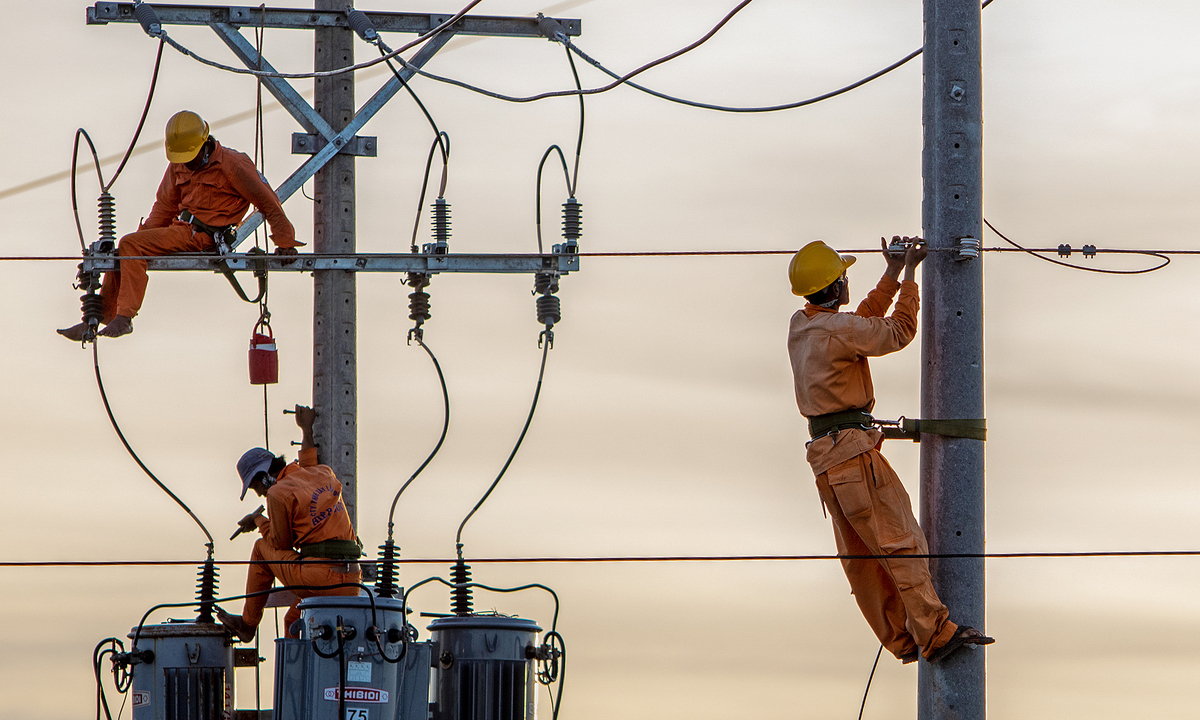
    The government has cut electricity prices by 10 percent for the year’s last quarter to support economic recovery from Covid-19 impacts.

    The discount applies to businesses and households for a maximum of 300-kilowatt-hour consumption per month from October to December. Consumption above this limit will attract normal prices.

    Covid-19 quarantine centers will get a 100 percent discount on their electricity bills, while medical facilities that test and treat Covid-19 patients can enjoy getting a 20 percent discount.

    The government had already given a 10 percent discount in the second quarter, which was estimated to cost the state coffers nearly VND11 trillion ($476 million).

    The discounts came as Vietnam’s economy was badly hurt by the Covid-19 pandemic, with key sectors posted drastically reduced or even negative growth.

    In the first nine months, 31.8 million workers were affected by the pandemic, losing their jobs or having their working hours reduced, according to the General Statistics Office.

  • Rich Indonesians snapping up Singapore luxury homes as taxman calls

    Rich Indonesians snapping up Singapore luxury homes as taxman calls

    Never mind that Singapore is experiencing one of the worst property slumps in its history, demand for luxury housing is suddenly coming from an unexpected group: wealthy Indonesians.

    This year’s purchases by Indonesian nationals of homes valued at S$5 million or more have already nearly quadrupled from last year’s total.

    The stepped-up buying coincides with the passage of a law in Jakarta aimed at getting Indonesians to repatriate or pay taxes on an estimated US$300 billion that had fled to Singapore during previous periods of unrest, lest those who took their money out be found out for tax evasion – a reason cited by three property agents as a primary reason behind the purchases.

    Indonesians were the top foreign buyers at the luxury OUE Twin Peaks tower, which went on sale in July.

    “We’re seeing a big increase in Indonesians buying the most expensive property,” said Ang Kok Leong, a senior agent at SLP Realty Pte, who cited Indonesians’ concerns about Singapore’s upcoming move to share financial information as the single biggest motivation for his Indonesian clients. “These people are generally in tune with this kind of situation back home, so if I’m not about to let the Indonesians know what I have, I will buy in Singapore.”

    Indonesia, Singapore and other countries are adopting global tax reporting requirements to tell each other about nationals holding assets abroad. Indonesians moving money into property are counting on only assets held in banks, not in real estate, being shared, agents and brokers say.

    While the numbers in the official data are small, they show surging demand that likely understates the real total. Indonesians bought 30 Singapore properties valued at S$5 million or more between the start of the year and Aug 17, compared with only eight such deals for all of 2015, according to the Urban Redevelopment Authority. Disclosure of nationality is voluntary.

    During the first half of this year, Indonesians bought 189 properties of all values in Singapore, 23 per cent more than in the same period last year, data from Cushman & Wakefield Inc show. While purchases from Chinese and Malaysians declined during the second quarter, transactions by Indonesians rose 19 per cent.

    Not all Indonesians buying real estate are seeking to avoid taxes, of course, and some may see value in a market that bottomed out in prime areas at the end of 2015. Indonesians are drawn to property in Singapore’s center, especially the Orchard Road area where the OUE Twin Peaks towers are located. Apartment prices there have risen 0.6 per cent since their low at the end of 2015, according to Cushman & Wakefield.

    At the OUE Twin Peaks development, where luxury condos in the second tower of the 36-story high rises went on sale in July, the developer sold almost half the first batch of 86 units with price tags of as much as S$4 million, with Indonesians the top foreign buyers, according to Propnex Realty Pte, a company handling sales for the project.

    A Propnex agent who asked not to be identified said the strong demand from Indonesians came as a surprise. It’s a marked change from past sales of downtown luxury homes, such as the Marina One Residences last year, when Indonesian buyers accounted for just three of about 200 units sold, Cushman & Wakefield data show.

    Indonesian President Joko Widodo’s ambitious tax amnesty plan, under discussion since earlier this year and ultimately passed in June, is aimed at repatriating Indonesian cash stashed overseas while giving evaders a way to come clean.

    Under the amnesty, Indonesians are to pay a tax rate starting at 4 per cent on declared property or funds left overseas. It increases in stages to 10 per cent as the amnesty period draws to a close in March. Those who send their money home and keep it in Indonesia for at least three years pay 2 per cent and are offered a wide range of possible investments. Those who don’t declare and are found out face paying 200 percent of the tax owed.

    The tax amnesty deal may attract S$5 billion to S$9 billion of Indonesian funds deposited in Singapore, Sanford C Bernstein & Co analysts Kevin Kwek and Norbert Topouzoglou wrote in a July 21 report. Most of the assets are probably invested in properties, securities or businesses, and are thus less likely to be repatriated quickly, they said.

    Wealthy clients typically allocate about 20 per cent of their assets to property, according to Evrard Bordier, Singapore-based managing partner of Swiss private bank Bordier & Cie. That percentage might increase because of the new tax transparency standards from the Organization for Economic Cooperation and Development that both Singapore and Indonesia have agreed to, he said. They currently don’t include reporting on real estate holdings.

    “This global shift into increased transparency will no doubt result in subtle yet important changes in the portfolio allocation of a typical high-net-worth individual,” said Bordier, noting that the global trend toward sharing information across jurisdictions eventually will make hiding money in property difficult.

    In response to a request for comment, the Monetary Authority of Singapore and the country’s Ministry of Finance said Singapore is ready to help in “any case of suspected cross-border tax evasion.”

    Singapore and Indonesia have yet to agree to the mechanisms needed for the automatic exchanges of information under OECD tax standards, due to come into effect by 2018. Until then, information transfers including information on property ownership take place upon request between the two tax authorities.

    “Expectations of motivating substantial repatriation whilst there are still doubts/lack of clarity may be overly optimistic,” Vishnu Varathan, an economist with Mizuho Bank Ltd., said by e-mail. “Declaring taxable monies to be repatriated could subject their accounts/finances to more scrutiny.”

    Singapore is currently mired in its most prolonged housing slump on record. Home prices in the city-state fell for the 11th straight quarter in the three months ending June 30, posting the longest losing streak since records started in 1975.

    Singapore’s government is holding steadfast on cooling measures it has rolled out since 2009, for fear of inflating a property bubble. The measures, including a stamp duty on foreign buyers, limit the investment appeal of what is still a key high-end housing market in Asia. Wealth advisers and property agents say property is often seen as a conservative investment option and a way to store wealth at a time of economic uncertainty and mediocre returns in financial markets.

    “Indonesians see Singapore as a politically stable safe haven,” said Jasslyn Yeo, Singapore-based global market strategist for JPMorgan Chase & Co’s asset management unit. “This is an important factor, especially at this time when you see so much instability in the region.”

    Indonesian wealth fled the country as far back as the 1960s when violence against ethnic Chinese was part of a campaign by President Sukarno to stamp out Communism. Other periods of instability include 1998, when anti-Chinese riots coincided with the ouster of President Suharto, and thousands of ethnic Chinese took refuge in Singapore and elsewhere.

    Many Indonesians travel to Singapore for medical checkups and procedures, so locations near hospitals are at a premium, agents say. Indonesian citizens bought 42 of 211 apartments in the range of S$1 million to S$4 million earlier this year in the Cairnhill Nine condo development, within walking distance of two hospitals, Cushman & Wakefield data show. The second-largest group of foreign buyers was Malaysians, with 16 units.

    Unlike Singaporeans, who mostly buy to reside in properties and take time to decide, Indonesians often close deals in a matter of days and aren’t picky about details, the agents say. They typically look for amenities such as hot tubs and swimming pools, as well as private elevator entrances, a feature that has become popular in recent years.

    “This kind of buyer, sometimes they will come wearing big sunglasses if they’re famous, so you don’t recognize them, and often they come with their own family agent,” said Kent Tan, an agent with realtor Home Guru Pte, who has seen a recent uptick in the number of queries by Indonesians. “These buyers know Singapore’s market very well and have known it for many years.”
  • Thailand sets terms for rural broadband project

    Thailand sets terms for rural broadband project

    Thailand’s ICT ministry has finalized the terms of reference for a tender auction for a 15 billion baht ($433.1 million) national broadband project.

    The project’s procurement committee is preparing the auction process and expects to name the winner by September 15, citing comments from ICT minister Uttama Savanayana.

    Whichever company is selected for the project will be a major supplier of fiber or copper broadband networks for the national project. State-owned operator TOT will be in charge of distributing the network to selected areas and hiring private companies to construct it.

    The national project aims to extend broadband infrastructure to the 39,000 villages that still lack broadband internet access. Uttama said the ministry aims to expand the network to at least 10,000 villages by the end of the year and to all 39,000 next year.

    While the ICT ministry first aimed to complete the terms of reference for the project by March, it was delayed by several months due to management issues, the report states. The project forms part of the government’s digital economy and Thailand 4.0 policies.

    TOT was selected to take sole responsibility for the project in April, despite initial plans to have the company jointly oversee the project with fellow state-owned operator CAT.