Tag: Homewares

  • Styld Partners with Mattel to Launch Limited-Edition Barbie Collection

    Styld Partners with Mattel to Launch Limited-Edition Barbie Collection

    Australian lifestyle brand Styld has partnered with Mattel to launch a limited-edition Barbie drinkware and homewares line across Australia this month.

    The range pairs Mattel’s entertainment rollout with everyday functional goods. Products are designed for adult nostalgia.

    Carafe design and product range

    A 750ml insulated stainless-steel carafe anchors the lineup. It represents the brand’s first build at that capacity. Features include a protective silicone bumper base and an integrated holder designed to carry lip gloss on the go.

    Other products include insulated cooler bags, stemware goblets, drink tumblers and kitchen chopping boards. Every piece carries Barbie’s pink-and-peppermint striped exterior finish.

    Mattel entertainment licensing pipeline

    The product release lands ahead of the premiere of Mattel’s Barbie Nutcracker film. Mattel continues to push its classic intellectual property into adult lifestyle, gifting and kitchenware rather than relying solely on traditional toy aisles.

    These collaborations give global entertainment groups access to domestic retail networks through local lifestyle labels. Alicia Stephens, founder and creative director at Styld, positioned the range to capture adult shoppers who grew up with the property alongside younger consumers.

    Commercial distribution and consumer response

    Retailers across the Asia-Pacific region have expanded licensed homewares shelf space over the past two years to capture higher-margin impulse gift purchases. Co-branded functional accessories give specialty lifestyle businesses immediate consumer recognition without the customer acquisition overhead required for unbranded launches.

    The rollout tests how effectively nostalgic entertainment properties convert into repeat purchases within Australia’s competitive insulated drinkware category this quarter.
  • Adairs Chief Elle Roseby Resigns Following 39.4 Million Dollar Loss

    Adairs Chief Elle Roseby Resigns Following 39.4 Million Dollar Loss

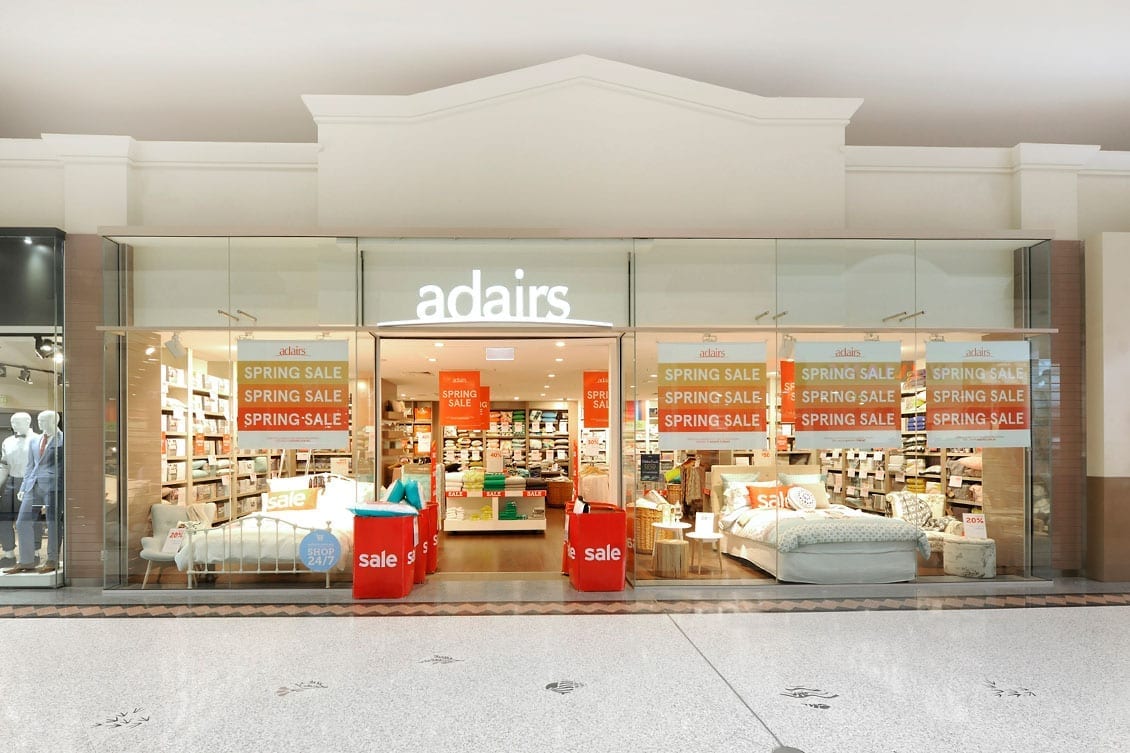
    Adairs chief executive and managing director Elle Roseby has resigned following a fiscal 2026 statutory net loss of $39.4 million, the Australian homeware group announced on Tuesday.

    Roseby will stay in the post through her notice period ending in March 2027. Meanwhile, the board is conducting an executive search across its three retail brands.

    Executive changes and management shuffle

    Rachel Taylor stepped into the newly created role of executive general manager at the flagship Adairs brand. Chief financial officer Matt Edmonds expanded his duties. He now oversees daily operations alongside his finance brief.

    She joined Adairs in January 2025 after running Country Road and Trenery at Country Road Group. The board said the restructured team will maintain operational momentum while recruiting a permanent successor.

    With Elle continuing to lead the business and supporting the transition, we are well placed to maintain momentum through an orderly change in leadership.

    Impairment charges drag down balance sheet

    An asset impairment against Focus on Furniture drove the $39.4 million statutory loss. Softer spending on bulky home goods and higher borrowing costs reduced the book value of the furniture unit. That hit the bottom line despite sales gains at the core Adairs banner and online brand Mocka.

    Homeware operators across the region face tighter discretionary spending as higher living costs deter shoppers from large interior purchases. For Adairs, the non-cash write-down exposed the volatility of furniture acquisitions compared to bedding and linen sales.

    Retreat from New Zealand retail

    During her tenure, Roseby closed all seven Adairs brick-and-mortar stores in New Zealand to concentrate capital and logistics on Australia. Exiting physical shops across the Tasman Sea ended an expensive regional footprint. Offshore demand shifted to e-commerce channels.

    Landlords and suppliers now see a business focused exclusively on Australian retail parks and shopping malls. Eliminating loss-making overseas leases reduced fixed property costs. However, it leaves the company dependent on domestic consumer confidence.

    What the leadership transition leaves open

    The incoming chief executive inherits three distinct businesses in Adairs, Mocka, and Focus on Furniture. Stabilising margins across the bulky furniture portfolio represents the primary test for the next administration.

    Roseby will continue running group operations and supporting Taylor and Edmonds through to her departure in March 2027.

  • Brita Marks 60 Years with Launch of Limited Edition Glass Jug

    Brita Marks 60 Years with Launch of Limited Edition Glass Jug

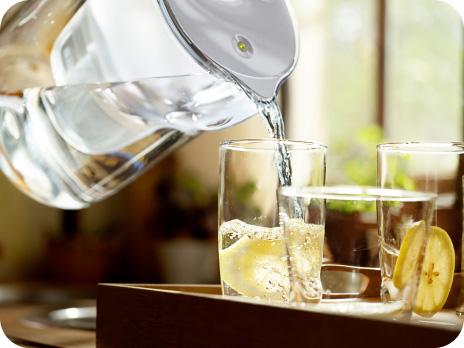
    Brita is marking 60 years in September 2026 by expanding beyond traditional water filter jugs into a broader hydration category spanning smart bottles, tap solutions, and dispensers.

    The German brand, founded in 1966, is rolling out the Brita 60th Anniversary Limited Edition Glass Jug alongside carbonators and integrated appliance filtration to connect with modern shoppers.

    Nadine Miller, marketing director of Brita ANZ, said the brand’s ‘Drink better. Do better.’ campaign reflects an effort to place hydration at the intersection of homewares, wellness, technology, and lifestyle.

    Expanding Beyond the Plastic Filter Jug

    Countertop jugs with replaceable cartridges built the modern filtration category, but growth in developed retail markets requires higher-ticket hardware. Department stores and specialty homewares chains in the Asia-Pacific region have increasingly given prime shelf space to premium glass carafes and integrated carbonation dispensers over utilitarian white plastic pitchers. Brita is responding by pushing higher-margin glass designs and tap fittings into its existing retail footprint.

    Retailers face inventory trade-offs when shifting from simple replacement cartridges to multi-format hydration systems. Cartridges generate reliable repeat footfall, whereas hardware installations demand more display space and shopper education. If consumers treat filtration as an occasional lifestyle purchase rather than a daily consumable habit, replenishment velocity across mass-merchant channels risks slowing down.

    Recycling Metrics and Shelf Space Competition

    Sustainability claims are now central to how hydration products compete against bottled water in major supermarkets. Brita tracks its environmental footprint using an internal metric called Planet Contribution, which balances single-use plastic bottles avoided against the company’s carbon output. In Australia, the business runs a national take-back scheme with TerraCycle to collect and recycle used Maxtra Pro cartridges and soft-plastic packaging wrappers.

    Heinz Hankammer founded the company in Germany in 1966, building filters by hand before releasing the AquaDeMat car-battery demineraliser in 1967. Brita introduced its first consumer household filter jug in 1970 and launched its first industrial cartridge recycling programme in 1992. Those core filter mechanics remain the foundation of the business, even as the exterior form shifts toward glass and plumbed appliances.

    Retail buyers across Australia will evaluate sell-through rates for the 60th Anniversary Limited Edition Glass Jug over the coming holiday quarter as Brita tests consumer appetite for premium materials against standard plastic SKUs.

  • Adairs Lifts FY26 Revenue to $641.7 Million Despite Furniture Slump

    Adairs Lifts FY26 Revenue to $641.7 Million Despite Furniture Slump

    Adairs Limited lifted group revenue 3.8 per cent to $641.7 million in FY26 as solid sales at its core homewares brand and Mocka offset a furniture slump.

    Underlying net profit after tax rose to $34.6 million, though non-cash impairment charges dragged the Australian retailer to a statutory net loss of $39.4 million.

    The flagship Adairs banner drove the performance. Sales grew 3.9 per cent to $459.2 million, lifting underlying earnings before interest and tax 14.9 per cent to $41.1 million. Gross margin reached 60.9 per cent, while EBIT margin widened 90 basis points to 9 per cent.

    Mocka expanded at a faster clip. Revenue jumped 22.9 per cent to $71.2 million and underlying EBIT climbed 32.1 per cent to $10.1 million, supported by catalogue expansion and pricing adjustments. The brand also opened physical trial stores in June.

    Supply snags hit furniture earnings

    Focus on Furniture weighed on group returns. Sales dropped 5.6 per cent to $111.3 million and underlying EBIT plunged 67.6 per cent after a third-quarter leadership transition disrupted inventory purchasing, thinned showroom floor stock and stretched customer delivery timelines.

    The group installed a new divisional chief executive and restarted supplier ordering in April and May. Inbound stock shipments are scheduled to rebuild availability through the second quarter of FY27, with fresh furniture collections arriving from October.

    Store network plans and debt reduction

    Discretionary retailers across Australasia continue to grapple with uneven consumer sentiment by tightening supply chains and defending gross margins. Adairs countered the furniture drag by trimming net debt by $20 million to $47.6 million, funding a 9.5 per cent increase in full-year dividends to 11.5 cents per share.

    Network changes will remain selective in the year ahead. The group plans to open seven to 10 stores, refurbish four to six, and shut between two and five underperforming sites, while Focus on Furniture will focus on relocations rather than adding new stores before earnings recover across FY28.

  • Australian homewares brand Anko expands in India with Flipkart

    Australian homewares brand Anko expands in India with Flipkart

    Australian Kmart-owned homewares brand Anko has teamed up with e-commerce giant Flipkart to expand its footprint in India.

    Indian shoppers can now peruse about 400 Anko products across multiple categories on Flipkart, and the company says it plans to increase its range in the near future.

    The Australian retailer announced its debut in India earlier this year and reported strong growth from both metropolitan and tier 2, and 3 cities.

    “This strategic alliance will allow us to reach a wider audience and meet the growing demand for high-quality and affordable homeware products across the country,” said Pulkit Bansal, country head at Anko India.

    “Through Flipkart’s Brand Mall, Anko will have a prominent presence with a dedicated presence across platforms, ensuring easy access for customers. Additionally, Anko products will be listed under Flipkart Plus assured listings, offering customers a guarantee of quality and reliability.”

    Anko is sold through more than 300 stores in Australia and New Zealand, as well as other international markets. The brand focuses on providing advanced shopping experiences with responsibly sourced products.

    Anko is Kmart Australia’s house brand. The Anko name was introduced in 2019 as part of Kmart’s 50th anniversary celebrations.

  • Oaktree and Alceon acquire Decor and Willow brands

    Oaktree and Alceon acquire Decor and Willow brands

    Investment companies Oaktree Capital Management and Alceon Group have made a move into homewares with their acquisition of Marlin Management Services (Marlin Brands), a wholesaler whose portfolio includes Decor and Willow, among other leading kitchen and home brands.

    Oaktree and Alceon own a number of iconic Australian apparel brands, including Billabong and Quiksilver (Oaktree), and Noni B (Alceon).

    Marlin Brands owns the more than 60-year-old Decor brand, which makes reusable plastic containers, the more than 100-year-old Willow brand, which makes jugs, coolers and rubbish bins, and the Albi brand, which supplies more than 3000 retailers with home and kitchen products, fashion accessories and jewellery.

    Marlin also owns Independence Studios, a giftware and toy brand, and Pacific Optics, which distributes general merchandise such as sunglasses, hats and phone accessories to petrol and convenience stores.

    The acquisition will see Oaktree and Alceon focus on growing Marlin Brands’ online and international sales.

    “We are excited about the next phase of growth under Oaktree and Alceon’s stewardship,” Greg Kerr, chief executive of Marlin Brands, said.

    The companies’ growth strategy entails growing Decor and Willow’s international operations, particularly its penetration into the US market, and further growing the company’s direct-to-consumer sales through online marketplaces. Marlin Brands already has more than 2600 SKUs listed on Amazon.

    “Together our strategy is to accelerate Marlin Brands’ growth via supply chain transformation and cater to an omnichannel approach to ensure our consumers can be consistently delighted by Marlin’s products in Australia and increasingly internationally,” Kerr said.

    In a statement released on Monday, the investment companies highlighted their expertise in optimising group logistics, warehousing and supply chain management, and branded wholesale and direct-to-consumer sales, as key factors that will enable them to grow the newly acquired business.

    Marlin Brands currently serves more than 18,000 retailers throughout Australia and New Zealand, with more than $260 million of annual revenue.

    Coast2Coast Capital, the South African investment company that owns Marlin Brands, put the wholesaler up for sale last September after abandoning plans for an initial public offering.

  • Homewares Influenced by SPA and Wellness Concepts

    Homewares Influenced by SPA and Wellness Concepts

    The concept of wellness will increasingly be incorporated into houseware and home designs, predicts consumer market analytics firm WGSN. Speaking at the 34th HKTDC Hong Kong Houseware Fair and the 10th HKTDC Hong Kong International Home Textiles and Furnishings Fair, WGSN Mindset trends specialist Charlie Clark looked at the design concepts, colours and macro directions that will define homeware collections for spring/summer 2020.

    She explained how “sensorial wellness” – the concept of wellness embracing living as well as mental and physical health – is increasingly at the forefront of consumers’ minds and will become a theme in upcoming houseware designs.

    According to Clark, there will be a greater emphasis on the way textures and colours are used to affect our mood, and how the arrangements of spaces and products can make us feel energised or calm.

    Clark highlighted four design trends that have emerged out of this wellness theme, with corresponding zones set up at the Houseware Fair so that visitors could experience how these concepts can be applied to product designs.

    The trends include “Primitive Future”, a tendency toward sensorial simplicity in a blend of high-tech and organic lifestyles; “Hyper Room”, underscoring a mysterious and sometimes moody sense of the future; “Playful Plush”, blending culture with global influences; and “Harmony Lab”, emphasising wellness in the relationship between humans and technology.

    The fairs ran from April 20 to 23 at the Hong Kong Convention and Exhibition Centre. Some 2500 exhibitors from 28 countries and regions were featured at the fairs to showcase the latest houseware and home textiles collections to global buyers. The two four-day fairs welcomed close to 47,000 buyers from 121 countries and regions.