Retail News CRM

Tag: Honey

  • Sweet Success: Honey Australia Buzzes into Middle East Market with Exclusive Lulu Hypermarket Partnership

    Sweet Success: Honey Australia Buzzes into Middle East Market with Exclusive Lulu Hypermarket Partnership

    The family-owned Australian brand, Honey Australia, has recently extended its reach into the Gulf Cooperation Council (GCC) through an exclusive collaboration with the Lulu Group.

    Honey Australia’s premium products are now widely available across Lulu Hypermarket locations throughout the GCC. The launch of their partnership was celebrated with an in-store event in Qatar.

    Nick Maiolo, the co-founder of Honey Australia, expressed immense pride in this exclusive partnership with the Lulu Group for the brand’s GCC expansion. He stated, “As a family-owned enterprise that has been closely working with Australian beekeepers for several generations, it’s an honor to have our products included within Lulu’s premium Australian range, and being introduced to customers across the Middle East.”

    The regional introduction of Honey Australia is in line with the company’s participation at Gulfood, a leading food and beverage industry event. This provided the company an opportunity to connect with buyers and distribution partners to further fortify its market presence.

    Honey Australia’s expansion is not limited to the Middle East alone, as the company also has plans to extend its reach in other regions worldwide.

    Questions & Answers

    What is Honey Australia’s new partnership?
    Honey Australia has entered an exclusive partnership with the Lulu Group, helping them expand into the Gulf Cooperation Council (GCC) region.

    What event marked the launch of this partnership?
    The launch of the partnership was celebrated with an in-store event in Qatar.

    What is Honey Australia’s future expansion plan?
    While they have recently expanded into the GCC, Honey Australia intends to further increase their global presence by branching out into other regions around the world.

  • Gippsland Dairy And Beechworth Honey Unveil Honey-infused Yoghurt Exclusively At Coles

    Gippsland Dairy And Beechworth Honey Unveil Honey-infused Yoghurt Exclusively At Coles

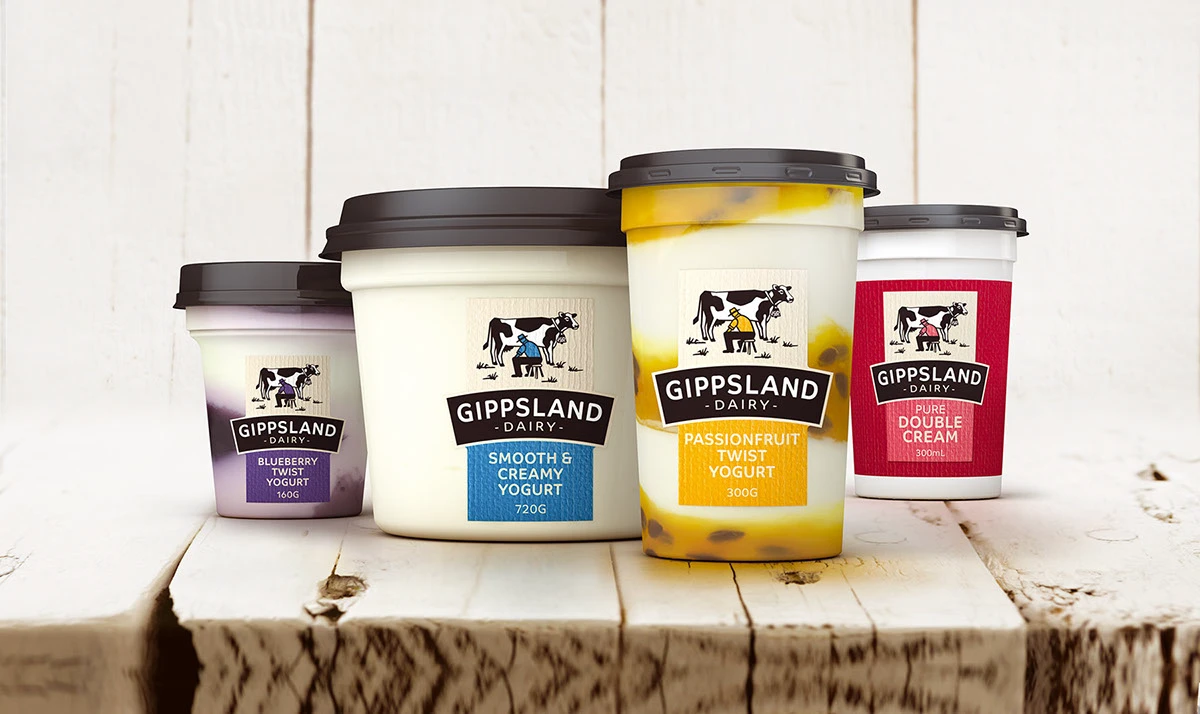
    Gippsland Dairy, a subsidiary of Chobani, has joined forces with Beechworth Honey to introduce two new honey-infused yoghurt products into the market.

    Exclusive Partnership Product Launch

    The dynamic collaboration merges Gippsland Dairy’s premium yoghurt with the rich, sweet flavors of Beechworth Honey’s Australian-produced honey. Shoppers can exclusively find these products on the shelves of Coles supermarkets.

    The newly unveiled range features a 160g Honey Pot blend and a Honey Praline Medley Mix-In, the latter of which includes a delightful addition of almonds. Beechworth Honey expressed their exhilaration about the new products, stating, “Tasty is beyond an understatement! We couldn’t be more excited to see this one hit the shelves.”

    Chobani’s Expansion in Australia

    This innovative launch comes on the heels of Chobani’s recent growth of its Fit portfolio in Australia. The expansion saw the debut of Fit Flip, a protein-rich Greek yoghurt product that comes with a side of crunchy mix-ins.

    Questions & Answers

    Where can customers find the new honey-based yoghurt products from Gippsland Dairy and Beechworth Honey?
    These products are exclusively available at Coles supermarkets.

    What are the new products in the honey-based yoghurt range?
    The range features a 160g Honey Pot blend and a Honey Praline Medley Mix-In, which includes almonds.

    What was the recent addition to Chobani’s Fit portfolio in Australia?
    The Fit portfolio was recently expanded with the introduction of Fit Flip, a high-protein Greek yoghurt paired with crunchy mix-ins.

  • Hive & Wellness Australia Initiates Strategic Review Amid Global Interest

    Hive & Wellness Australia Initiates Strategic Review Amid Global Interest

    Hive & Wellness Australia Begins Business Review

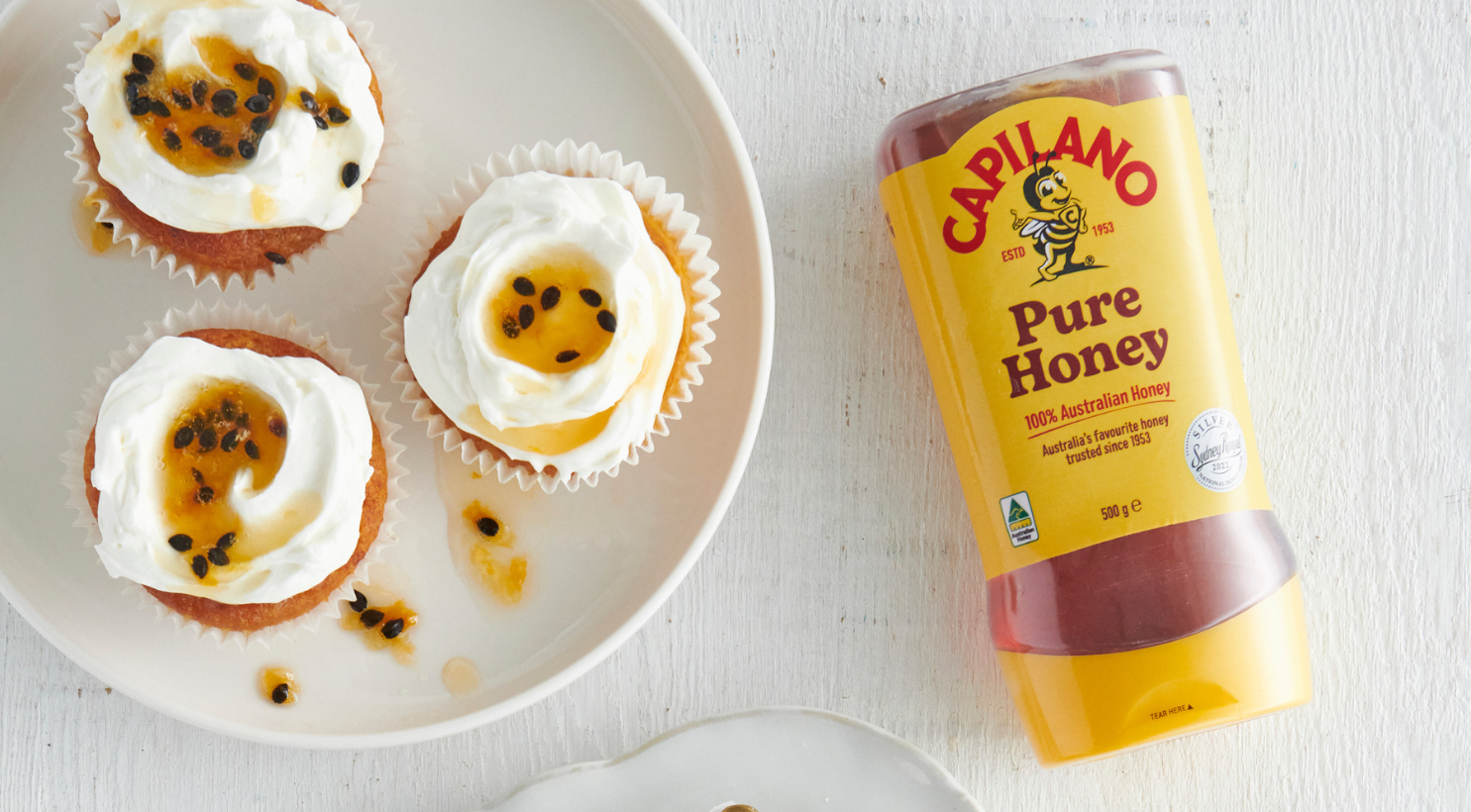
    Hive & Wellness Australia, the firm behind the Capilano Honey brand, has initiated a comprehensive evaluation of its operations. The company has engaged the services of Rothschild & Co to assist in this strategic review.

    This decision has been prompted by unsolicited interest shown in the company’s operations. Hive & Wellness Australia is considering a range of potential avenues, including courting interest from global food corporations and financial backers.

    Capilano Honey Goes Private

    In 2018, Capilano Honey transitioned to private ownership as part of a joint venture consisting of Wattle Hill Capital, ROC Partners, and Australian Capital Equity. This led to the formation of Hive & Wellness Australia.

    Subsequent to the acquisition, the consortium has collaborated with CEO Ryan d’Almeida to extend Hive & Wellness’s reach on a global scale. The brand’s products are now available in over 35 countries, with its international presence spanning markets such as China, Japan, and the United States.

    Business Performance and Portfolio

    Hive & Wellness Australia is a major player in the honey industry, sourcing over 15,000 tonnes of honey every year. The company posted impressive gross sales figures, approximately $150 million, for the 2025 fiscal year.

    Besides Capilano, Hive & Wellness Australia also owns other notable brands including Barnes Naturals and Wescobee, further diversifying its portfolio and strengthening its market positioning.

    Questions & Answers

    What prompted Hive & Wellness Australia to initiate a business review?
    The company decided to undertake a strategic review following unsolicited expressions of interest in its business operations.

    Which firms were involved in taking Capilano Honey private in 2018?
    Wattle Hill Capital, ROC Partners, and Australian Capital Equity formed a consortium to transition Capilano Honey to private ownership, resulting in the formation of Hive & Wellness Australia.

    What brands does Hive & Wellness Australia own apart from Capilano Honey?
    The company’s portfolio includes a number of brands such as Barnes Naturals and Wescobee, in addition to Capilano Honey.

  • Duxton Bees launches honey brand, Fuzzy Bum

    Duxton Bees launches honey brand, Fuzzy Bum

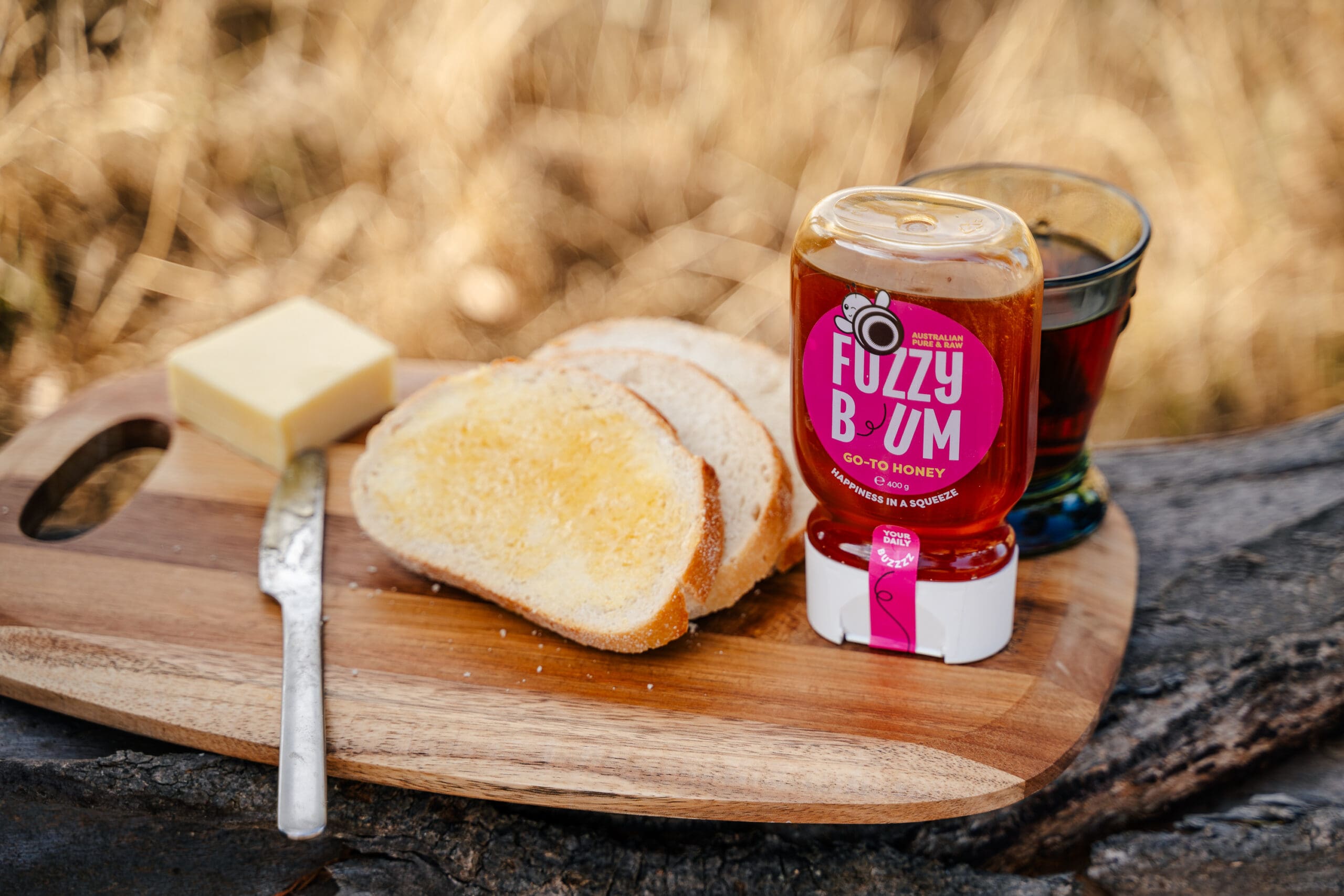
    Duxton Bees has launched Fuzzy Bum, a new honey brand with a mission that goes beyond sweet treats, raising awareness about Australia’s bee crisis. 

    According to the company, Fuzzy Bum is made entirely from locally sourced honey and is fully traceable back to the hive. The product is minimally processed, retaining its natural vitamins, minerals and antioxidants. 

    “Our goal with Fuzzy Bum is to highlight the importance of local beekeepers and sustainable honey production in Australia,” said Keegan Blignaut, MD of  Duxton Bees. “Bees are essential to our environment and food security, yet they are under threat.

    “By choosing 100 per cent Australian honey, consumers can help protect these vital pollinators and support a more sustainable future.” 

    The packaging is designed with bold lettering, vibrant colours, and humorous drawings inspired by local Australian flora.

    Fuzzy Bum honey is now available both online and at select retailers.

  • Expert claims 90% of honey in Malaysia is artificial

    Expert claims 90% of honey in Malaysia is artificial

    According to Zulkifli Mustafa, a senior lecturer at Universiti Sains Malaysia (USM), up to 90% of honey available in Malaysia is not genuine.

    “The biggest challenge of the honey industry now is the presence of artificial honey, which reaches 90% in the market,” honey expert Mustafa was quoted.

    The fake product includes stingless bee honey. Mustafa’s research emphasizes the nutritional value of honey produced by stingless bees, noting its potential health benefits. This variety of bees employs biting as a means of defense rather than stinging.

    Following these revelations, the Domestic Trade and Cost of Living Ministry has announced plans to investigate the allegations that a significant portion of honey products sold in the country are counterfeit/

    Datuk Armizan Mohd Ali, the Minister for Domestic Trade and Cost of Living,has directed the ministry’s enforcement division to examine these claims thoroughly.

    This news emerges amidst a broader context of food adulteration concerns. The European Commission’s recent study found that nearly half of the honey samples tested were suspected to be adulterated with inexpensive sugar syrups, as reported by The Guardian in March 2023.

  • Vietnamese honey gets a sweet deal in Taiwan

    Vietnamese honey gets a sweet deal in Taiwan

    Vietnam’s honey exports to Taiwan rose by 57 percent last year to US$1.64 million, thanks to competitive prices and growing quality.

    Oanh, a woman from the northern province of Hai Duong who is working in Taiwan, said Taiwanese increasingly prefer Vietnamese honey due to its better prices than Thai products.

    Last year Vietnam was the second largest natural honey exporter to Taiwan, accounting for nearly 10 percent of the latter’s total imports. Its export volumes rose by 44 percent to 382 tons, according to statistics from Taiwan’s Bureau of Foreign Trade.

    In the first two months of 2022 exports quadrupled year-on-year to 46 tons. Vietnam exports 54,000 tons of honey annually, 95 percent of it to the U.S.Exporters said Taiwan is a promising market for honey due to growing demand.

    But the U.S. has imposed a preliminary anti-dumping tax of over 410 percent on Vietnamese honey.

    Its import tax on honey from other countries is around 30 percent.

  • Honey exports set for anti-dumping probe in US

    Honey exports set for anti-dumping probe in US

    The U.S. Department of Commerce has received demands for anti-dumping investigations into honey imported from Argentina, Brazil, India, Ukraine, and Vietnam.

    According to the Trade Remedies Authority of Vietnam, for the first time ever the country’s honey products face the risk of being investigated for trade remedies in the U.S.

    The complainants are the American Honey Producers Association and the Sioux Honey Association, who have listed 12 Vietnamese firms in the petition and calculated the dumping margin at 207.08 percent.

    They want the anti-dumping investigations to be done for the period from October 1 last year to March 31 this year, and want damage investigation done from the beginning of 2018.

    Data from U.S. customs shows Vietnam exported 50,700 tons of honey products in 2020, or 25.8 percent of that country’s total honey imports.

    The DOC will decide whether to launch an investigation within 20 days.

    The U.S. International Trade Commission is reviewing the two associations’ lawsuits to assess the damage done to the U.S. honey production industry.

  • Japanese juice chain Honey’s Bar makes Singapore debut

    Japanese juice chain Honey’s Bar makes Singapore debut

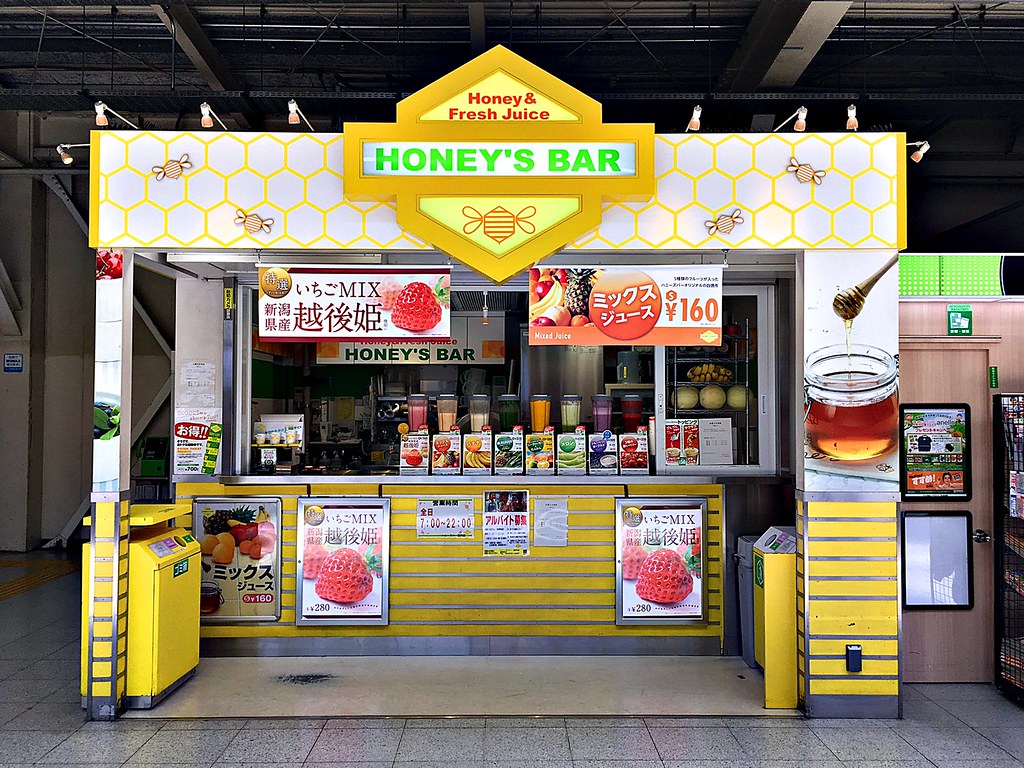
    A new healthy and refreshing beverage option in town to quench your thirst and restore your energy. HONEY’S BAR Singapore, will commence its operation on 15th April 2021 with its very first store located at Jurong Point, Level B1-85, just along the SHOKUTSU TEN Japanese Food Street.

    Maintaining at a good selection of 8 juice options at all times, all of HONEY’S BAR juices are made with honey exclusively imported from Japan as its base ingredient with no added sugars. Honey is easily digested by the human body, making it an excellent energy absorption ingredient, thereby the best supplement to be used in a drink for energy replenishment. It also contains vitamins and minerals that are beneficial for everyone.

    In line with the seasonality of Japanese food production cycle, HONEY’S BAR also offers seasonal juices that are specially curated with seasonal Japanese fruits. From the classic ‘Mixed Juice’, ‘Carrot & Apricot’, ‘Melon’ menu to the premium seasonal menu like ‘Japanese Strawberry Mix Yoghurt’ and ‘Japanese Seasonal Citrus, Mango and Apple’, it aims to offer Singaporeans the taste of ‘Japan’ with Japanese fruit ingredients that are imported directly from Japan.

    Coming in 3 different sizes for all 8 menus – Small, Regular, and Large. Every cup of fresh fruit juice offered by HONEY’S BAR are served with a controlled sweetness from honey to ensure an enjoyable ‘sipping’ experience.

    Operated as a franchise chain business in Singapore, HONEY’S BAR is managed by JRE Ya Kun Food Service Pte. Ltd, a local joint venture company formed by JR East’s Singapore subsidiary, JR East Business Development SEA Pte. Ltd., and Ya Kun International Pte Ltd (Ya Kun).

    Through HONEY’S BAR, both JR East and Ya Kun aim to capture the attention of health-conscious consumers with a passion for healthy and refreshing beverages that taste refreshing and delightful!

  • Comvita Honey wholly acquires China joint venture

    Comvita Honey wholly acquires China joint venture

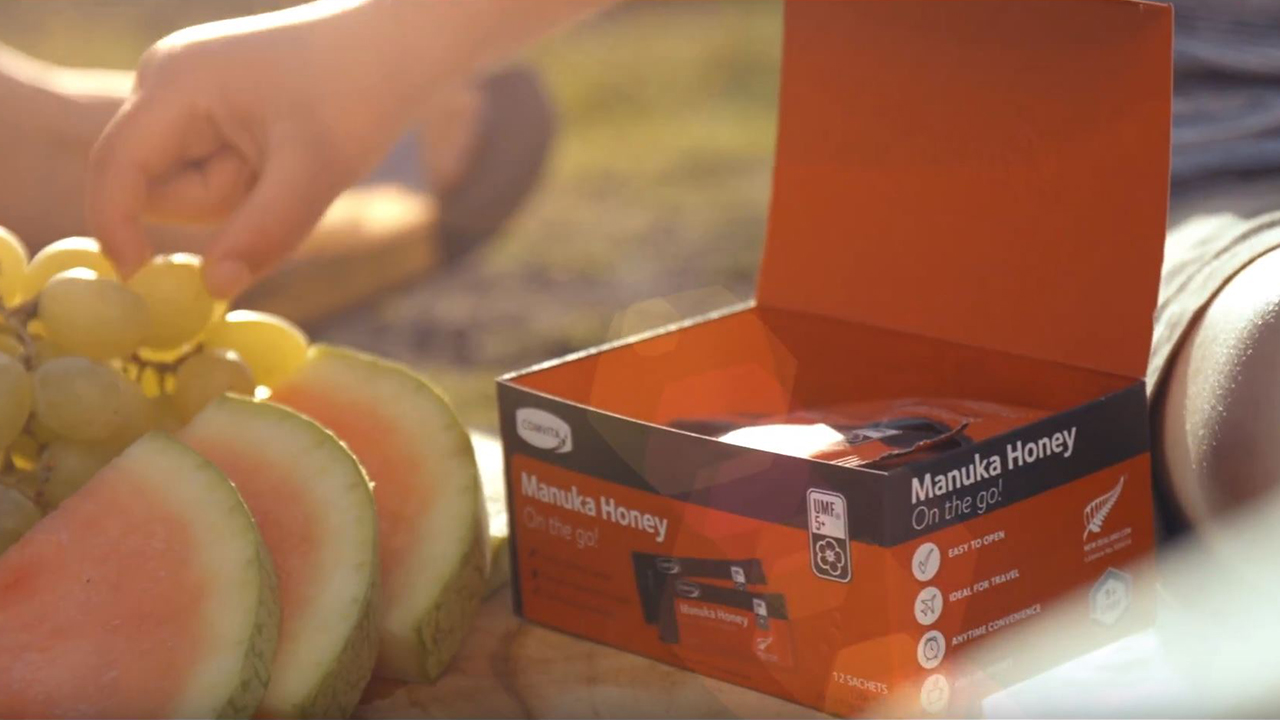
    New Zealand honey business Comvita has entered into a conditional agreement to acquire the remaining 49 per cent of its China joint venture, Comvita Food Ltd and Comvita China Limited.

    The acquisition will be funded through the issuing of 4.05 million new shares, as well as a payment of $3.19 million.

    “This completes the ‘final piece of the jigsaw’ with respect to our China Strategy, which we have been working on for a number of years,” Comvita chief executive Scott Coulter said.

    “Our goal has been to gain full control of our brand across all key channels into China. This acquisition significantly strengthens our direct to China business, the key building block in our China strategic plan.”

    According to Coulter, China remains Comvita’s strongest consumer base, with its success in the region underpinned by its efforts to get closer to the Chinese consumer.

    This was initially done through a distribution relationship for 12 years, before the business entered a 51 to 49 per cent joint venture in 2017. This acquisition is the culmination of that effort.

    “China is moving into a direct trade and a formalised cross border e-commerce model, to ensure both consumer protection and fairness in taxation between online and offline ‘players’ are in place,” Coulter continued.

    “This acquisition will provide Comvita with much more flexibility to optimise sales and channel profitability in this fast evolving environment.”

    For the remainder of the year, the brand issued three goals for the China market: to achieve price harmonisation between its channels and markets, to supply key cross border e-commerce platforms directly, and to build its e-commerce and marketing capability in the region.

    Comvita chair Neil Craig noted that while the recent period had been tough on shareholders due to the execution of the brand’s strategy in China impacting its short term earnings, the brand now expects revenue from its consolidated China business to be greater than $200 million in sales annually.

  • Bolloré Logistics Sponsors Honey Factory for Urban Beekeeping in Seoul

    Bolloré Logistics Sponsors Honey Factory for Urban Beekeeping in Seoul

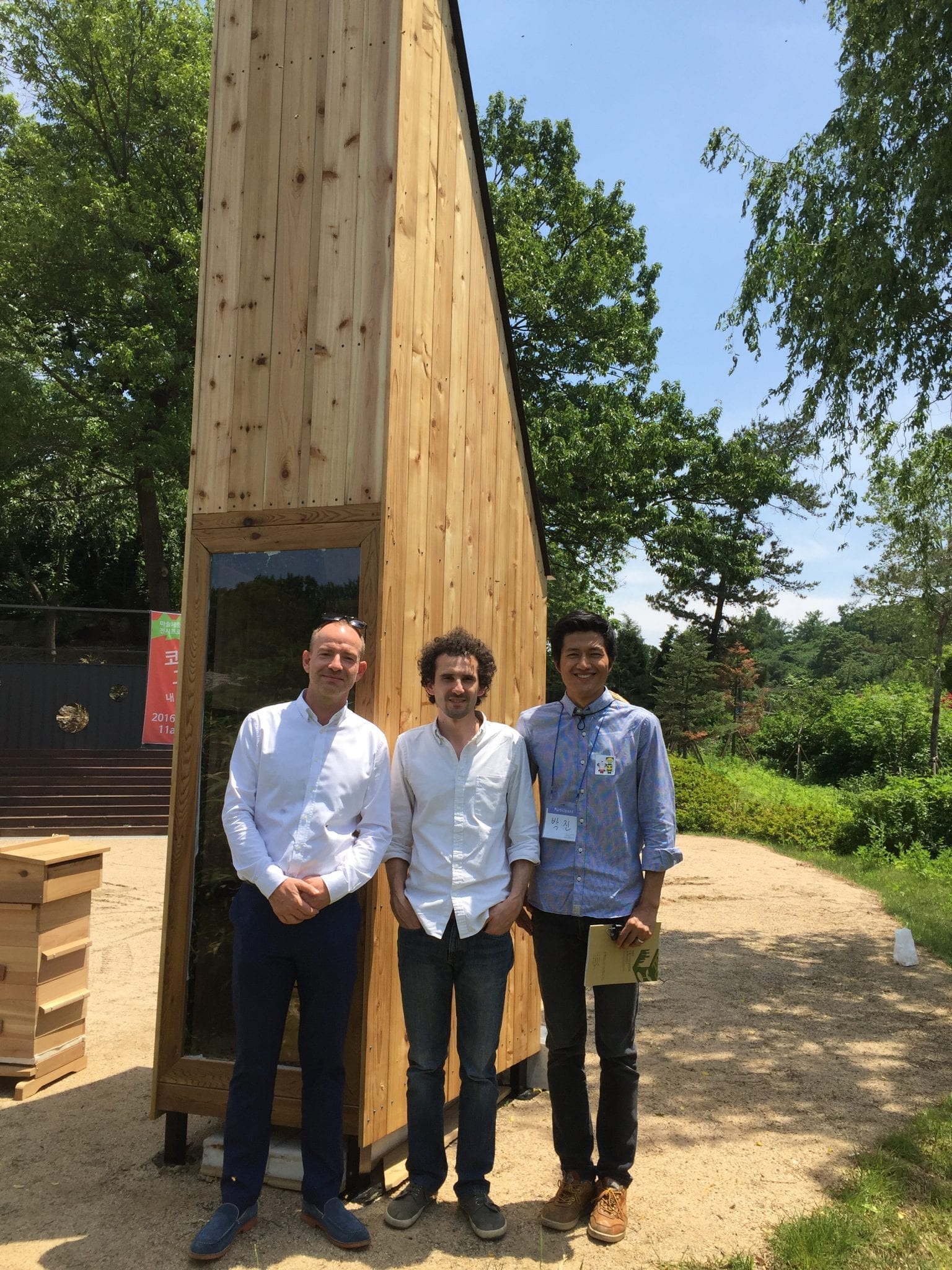
    In an effort to promote the idea of urban beekeeping and to provide information about its environmental benefits, Bolloré Logistics Korea recently sponsored a beehive structure called Honey Factory, in Seoul, South Korea.

    Currently installed in Seoul Children’s Grand Park, it was first introduced in Asia at the 2016 International Conference on Urban Agriculture during The 5th Seoul Urban Agriculture Expo that took place last May 19-22.

    Designed by Italian industrial designer Francesco Faccin, this wooden beehive has a 4.5-meter chimney that keeps curious children safe from the bees. It also protects the bees from harm due to bad weather and helps keeping it at constant temperature with optimal ventilation. Honey Factory is an ideal beehive for city parks as a standard hive can cover a radius of three kilometers.

    The first Honey Factory has also been operating since 2015 installed in the garden of the Triennale Design Museum in Milan, Italy, and carries out educational activities as well as producing great urban honey.

    This action is fully in line with the biodiversity action plan put into effect within the Bolloré Logistics Business Unit. Bolloré Logistics’ biodiversity strategy has three fundamental pillars based on the ARC concept (Avoid / Reduce / Compensate):

    (1) Embracing biodiversity as one of the company’s environmental concerns;

    (2) Working with customers and suppliers on biodiversity issues and the impact of our activities;

    (3) Make our sites models for biodiversity, all over the world.

    By sponsoring the first Honey Factory in Asia, Bolloré Logistics hopes to increase efforts to protect bees, as they play a vital role in maintaining biodiversity.