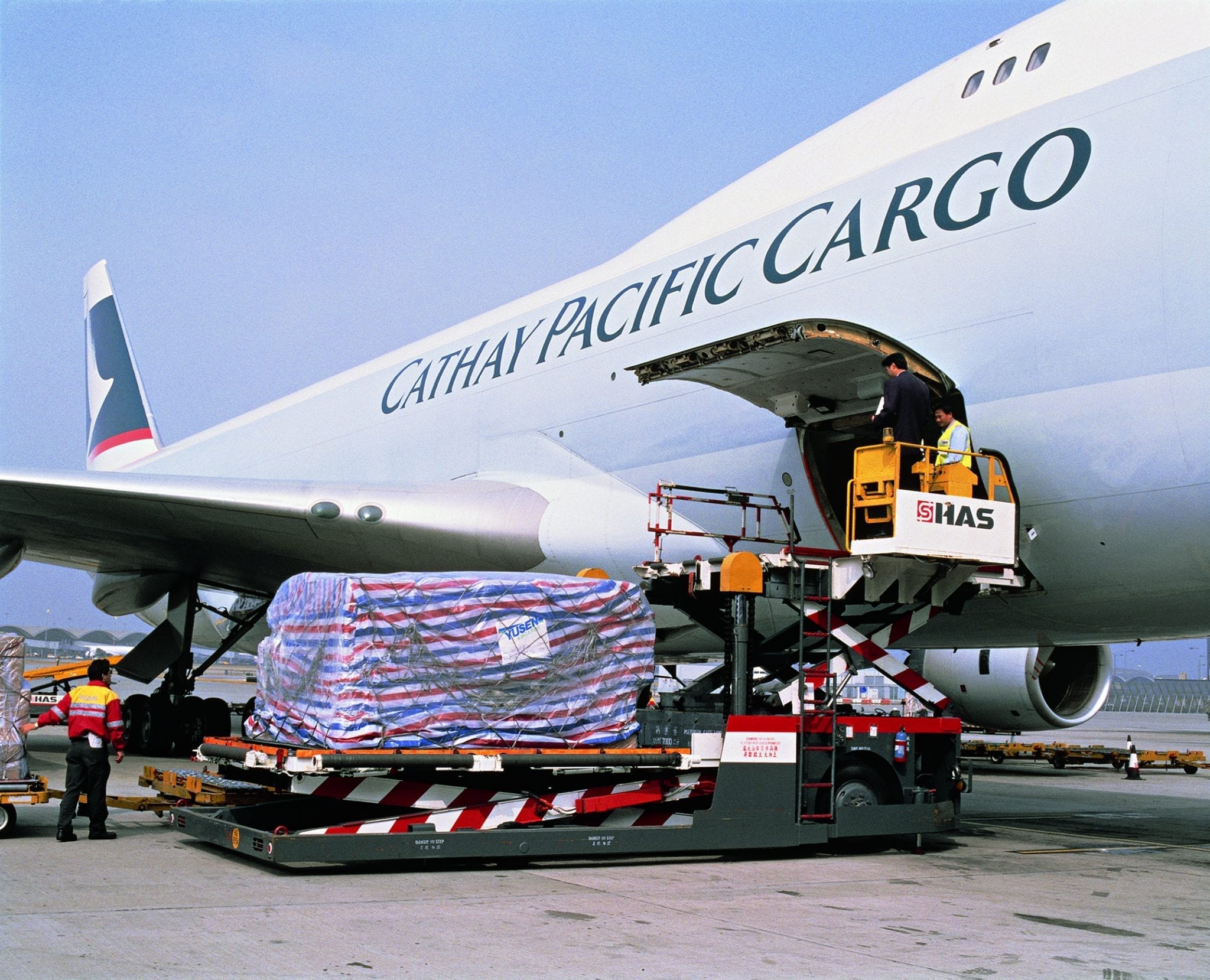
Cathay Pacific is planning to rebrand into a new business model that offers a wide range of products apart from just selling air tickets, according to a report. Hong Kong’s flag carrier is planning to reposition itself and adopt an “Amazon concept” that includes many businesses under the brand. Under the new plan, Cathay Pacific will become just one of the brands within the Cathay ecosystem.
It’s reported that the senior management of the company has likened the plan to that of AirAsia, which offers a wide variety of businesses including food delivery, online groceries as well as health and insurance segments. Previously, the company rolled out an ad that shows multiple lifestyle items via email to its customers. In that email, the company said that it is “always searching for new ways to help you move forward in style – to connect you with people, places and experiences that matter.”
It concluded with a statement: We’re going to elevate the Cathay experience you know and love into a lifestyle experience that will add to your pleasure and enjoyment. The ad ends with the name “Cathay” with “Pacific”, sparking speculation over an imminent rebrand.
The report cited a source familiar with this matter, saying that its executive director Ronald Lam will spearhead the effort. He once said Cathay Pacific is a retail service rather than an airline. The aviation industry has been heavily hit by the pandemic and as Hong Kong is a city with no domestic routes, Cathay’s income dropped drastically by 84% last year, resulting in a HK$21.6 billion loss (US$2.78 billion). It avoided collapse thanks to a government-led bailout worth HK$39 billion and cut thousands of jobs worldwide, including the shut down of its sister airline Cathay Dragon.
Meanwhile, amidst the pandemic in 2020, AirAsia decided to pivot its business and realize its ASEAN super app ambition under three main pillars – travel, eCommerce, and fintech. Among the list of categories including flights, hotels, SNAP, activities, insurance, Big Rewards, unlimited deals, and wifi. The app also had a “Get it fresh” section offering groceries via its B2C platform AirAsia fresh and “Get Holla”, which allowed consumers to pay to get shout-outs from artists under RedRecords including Jannine Weigel.
Taking its ambitions across the region, earlier this month AirAsia decided to expand its eCommerce offerings to Singapore, asking for interesting fresh produce and groceries merchants throughout the island to join its growing eCommerce delivery platform. Merchants were invited to list their fresh produce, groceries, and sundry daily necessities on the AirAsia super app, and will be contacted by the AirAsia team within 48 hours for the next course of action. Merchants on the AirAsia super app’s eCommerce delivery platforms can also leverage AirAsia’s marketing efforts and periodic campaigns to drive more traffic to their online stores and increase sales.
