Tag: Hong Kong Tourism Board

  • Hong Kong ‘losing its edge’ as China Mainlanders look elsewhere

    Hong Kong ‘losing its edge’ as China Mainlanders look elsewhere

    Growth in overnight Mainland visitors to Hong Kong has slumped to a fraction of last year’s figures.

    Total visitor numbers from China’s Mainland in May rose by five per cent year on year – but it’s the day trippers making the numbers, not the cashed up Chinese staying in Hong Kong hotels and splurging on luxury goods.

    The latest Visitor Arrivals Statistics for May released by Hong Kong Tourism Board show the number of overnight visitor arrivals grew a mere 1.1 per cent when compared to last year’s 6.7 per cent.

    Combined with the retail sales for May released earlier this week – which saw a 4.6 per cent seasonally adjusted increase in spending but a 15 per cent slump in luxury goods sales – the drag from the slowdown in tourist spending at retail level is notable.

    Hunter Williams, a partner with OC&C Strategy Consultants, Greater China, believes Hong Kong is losing its edge to attract tourist money in the future.

    Furthermore, he argues, more Chinese travellers are expected to flush all over the world yet the growth in “per pax” spending is likely to be slower.

    The number of outbound Chinese travellers topped 100 million for the first time last year – and that figure is predicted to double by 2020 at the current annual growth of 33 per cent.

    Williams says the problem for Hong Kong and Macau is that both SARs have lost their competitiveness.

    “Hong Kong and Macau are relative losers in the fight for the Chinese travel dollar. Both are seeing lower tourist arrival numbers and significantly lower “per pax” spending. Attempting to shift from exclusively targeting “high rollers” to competing for “middle class” tourists is likely to prove a painful transition,” he says.

    Group travel is still popular amongst Mainland Chinese and draws from “a seemingly bottomless reservoir of first-time travellers,” but the world is now welcoming greater numbers of independent Chinese travellers.

    “We believe there is no longer a “Chinese traveller” per se, but rather, four segments with distinct shopping behaviour.  OC&C Strategy Consultants defines these segments as first-time “travel tasters,” deal-savvy “savvy shoppers,” “white collars” and the high-spending “new elite.”

    Growth in “per pax” spending is likely to be slower, driven by several factors.

    “Firstly, overseas travel is increasingly democratised and open to middle class Chinese, rather than being the exclusive preserve of the elites. Secondly, reacting to exchange rate changes and cuts in import duties, many luxury brands have lowered domestic prices in China, lessening the incentive to shop abroad.

    “Thirdly, China’s anti-corruption campaign continues and “tigers and flies” alike are rightly wary of flaunting ill-gotten gains.”

    A “wealth effect,” says Williams, due to soaring stock market performance could offset some of these factors or a crash could exacerbate them – but the volatility of China’s equity markets makes such speculation problematic.

    Williams also warns retailers to make sure they appreciate how Chinese consumers almost live their lives on their smartphones.

    “From ordering a taxi (Didi Kuaidi); socialising with friends (WeChat); making discounted reservations for dinner (Dianping); shopping the latest fashions (Taobao and Tmall), and even paying for daily necessities at the local convenience store (Alipay), Chinese live on their phones.”

    He says retailers in destinations preferred by Mainland Chinese should expect greater numbers of Chinese travellers than ever this summer.

    “However, these travellers will spend less and will be more digitally demanding than ever. This can be a challenge for the overseas businesses targeting them, as the digital tools and platforms they are accustomed to using are generally China-only.

    “More and more international brands are active on Chinese social media sites like WeChat, but few have a full, 360-degree digital presence.”
  • Hong Kong retailers may benefit from missile row

    Hong Kong retailers may benefit from missile row

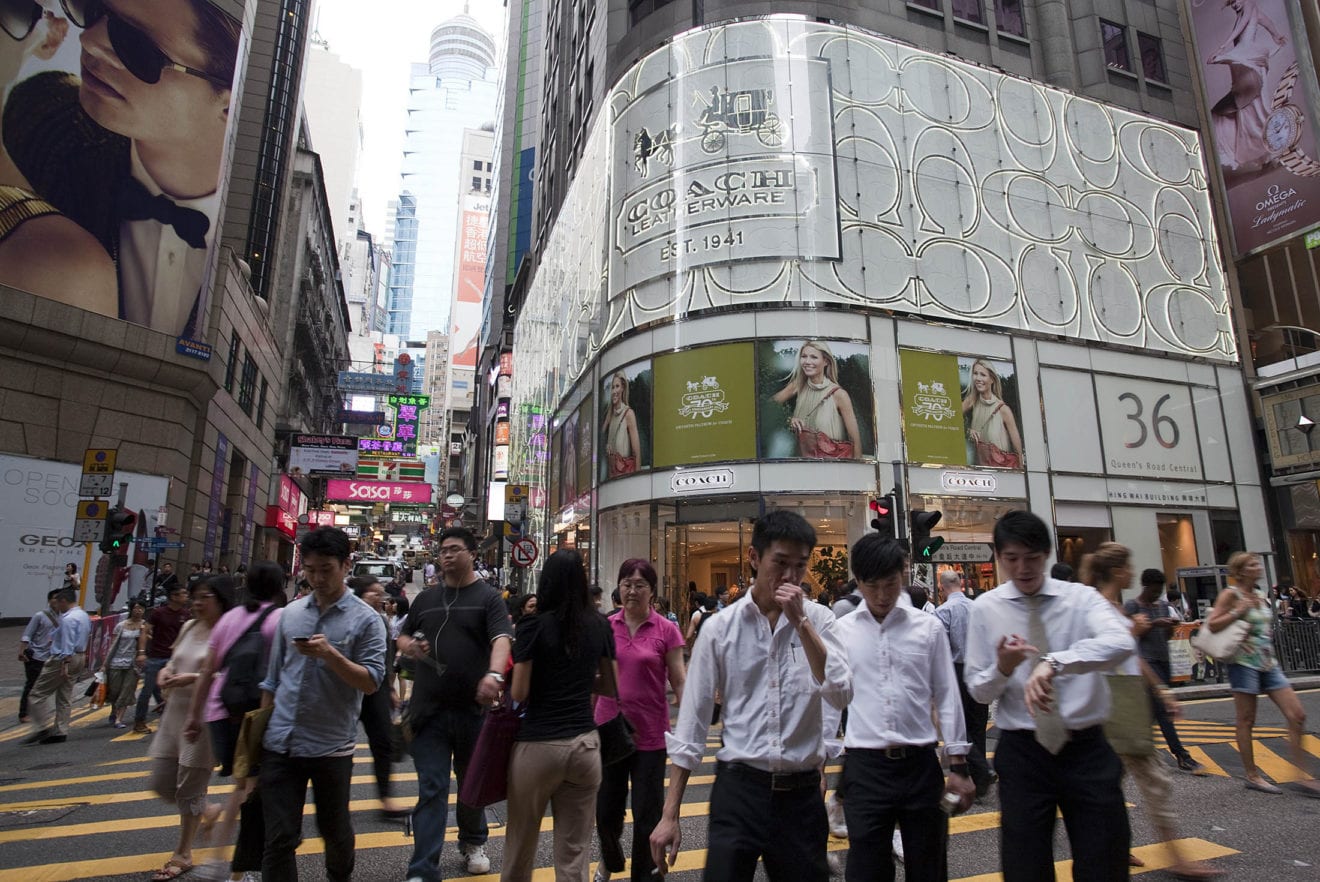
    China’s ban on group tours to South Korea in retaliation against a planned deployment of a missile defence system there could see a revival of tourism to Hong Kong, where retailers have been struggling.

    “South Korea, Southeast Asia and Hong Kong are all short-haul attractions favoured by mainlanders, and if one market faces headwinds there can often be a knock-on effect on the others,” says investment firm CLSA head of Hong Kong consumer research Mariana Kou.

    Beijing last week ordered domestic travel agents to stop offering group tours to South Korea, as well as hotel and flight booking services for individual travellers.

    Although designed to protect against attacks from North Korea, South Korea’s installation of THAAD radar is considered by Beijing as a threat.

    Mainland Chinese visitors to South Korea rose to 8 million last year, almost quadruple the level of 2012. The Korea Tourism Organisation estimates that a 50 per cent drop in mainland tourism would hit the tourism sector to the tune of US$9.6 billion.

    People speaking Chinese were noticeably absent from the shopping district of Myeong-dong in Seoul yesterday, just as the Chinese government’s ban went into effect, reports The Korea Times.

    “I think the number of Chinese tourists has declined almost 70 to 80 per cent,” says an information officer helping foreigners. “There are obviously fewer Chinese tourists here than Japanese visitors these days.”
    Previously, Chinese tourists were crowding shops to buy cosmetics and luxury goods. Now the owners of so-called “road shop brands”, such as Innisfree, Nature Republic and The Face Shop, are struggling to attract custom. Now their workers are speaking Japanese and distributing leaflets and maps in the language.

    Meanwhile, some tourist buses have been taking Chinese groups to the main Lotte Department Store, but tourism officials expect this mark to dry up by the weekend. “Those who came to Korea before the measure have yet to leave,” says one official.

    Experts say the situation could see middle-class shoppers from China’s less affluent cities flock to Hong Kong as an affordable alternative, reports The South China Morning Post.

    Hong Kong Tourism Board data shows that spending by individual travellers has been trending downward. The average overnight visitor to the city spent HK$6602 (US$850) last year, down from HK$7234 in 2015. The board predicts a further 5.2 per cent drop to HK$6256 this year.

  • Richemont Asia stores set for cull

    Richemont Asia stores set for cull

    Feeling the pinch from a tough trading environment, luxury goods retailer Richemont has announced restructuring measures, including the closure of stores.

    Richemont Asia sales have declined despite a 26 per cent increase in sales in Mainland China.

    Global sales fell 18 per cent in April, and the company reported a 23 per cent drop in full-year profit.

    Richemont says it is cutting costs in its watch sector and plans to consolidate its global retail presence, particularly in Mainland China, while investing further in jewellery.

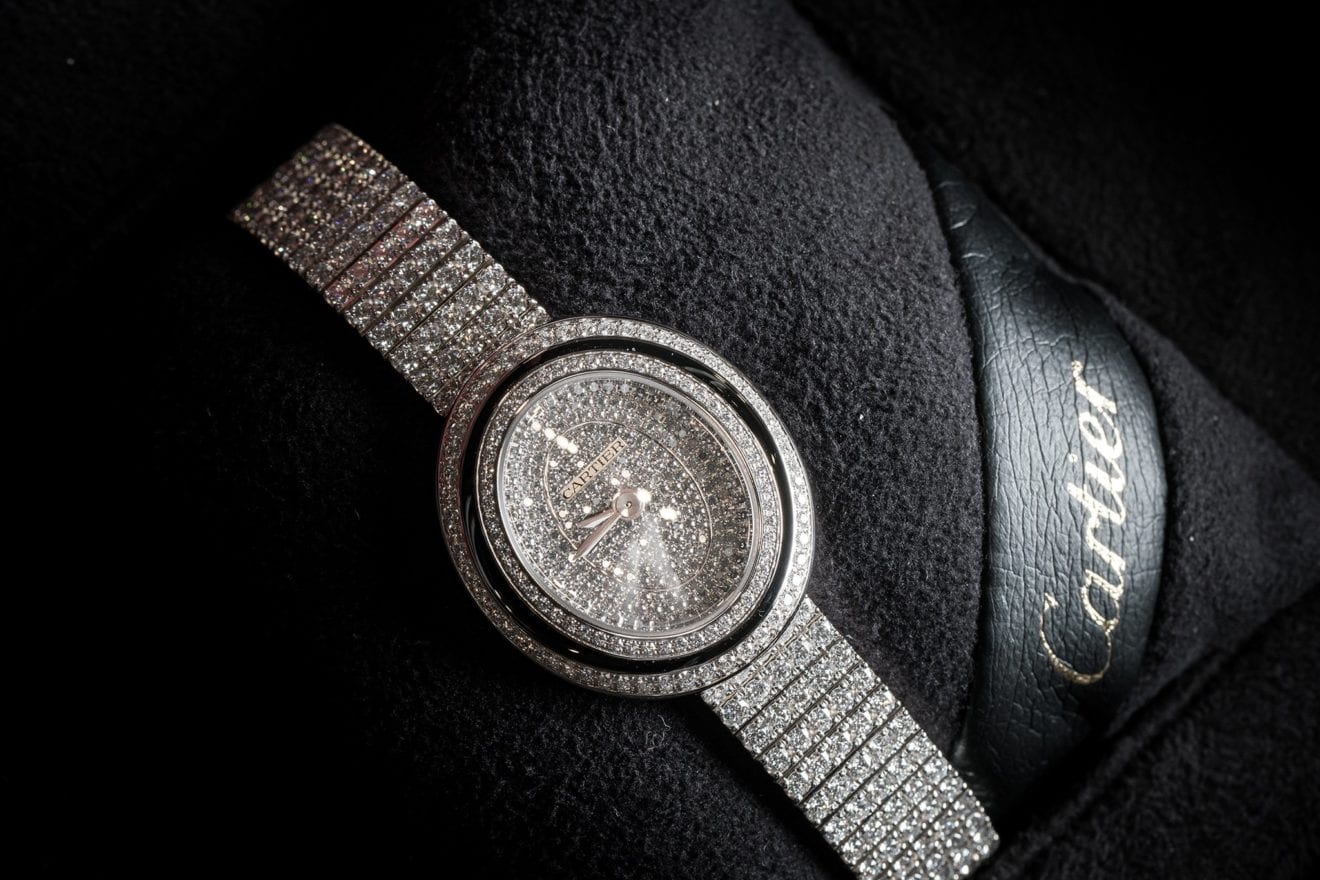
    Richemont owns brands including Baume & Mercier, Cartier, Chloe, Dunhill, IWC Schaffhausen, Jaeger-LeCoultre, Lancel, Montblanc, Piaget, Roger Dubuis, Shanghai Tang, Vacheron Constantin and Van Cleef & Arpels.

    “In the near term, we are doubtful that any meaningful improvement in the trading environment is to be expected,” said chairman Johann Rupert, revealing plans for Richemont store closures across its brands.

    Richemont’s operating profit in the year ended March was $2.06 billion, down from $2.67 billion because of the cost of restructuring measures initiated to counter the Asia Pacific downturn. Full-year revenue edged up 6 per cent to $11.08 billion, helped by favourable exchange rates.

    “Our concerns over geopolitical risks and the impact on the behaviour of our clients proved justified,” said the company.

    “Trading conditions in Hong Kong and Macau remained difficult. Only mainland China showed good growth.”

    Richemont’s final quarter was hit by slower tourist spending in Europe after terrorist attacks, while its Hong Kong business continued to bear the brunt of a strong currency which, combined with a slowdown in Chinese growth, deterred mainland tourists.