Tag: Hosting

  • Why Your IT Infrastructure Can Benefit From Server Racks?

    Why Your IT Infrastructure Can Benefit From Server Racks?

    Servers are an important part of tons of different businesses, but only if they’re done the right way. While you invest hefty amounts for the servers, you must also keep in mind the maintenance and safety aspects related to the infrastructure. If you want to make sure your server is set up optimally, here’s why you should invest in a good server rack.

    What Are Server Racks?

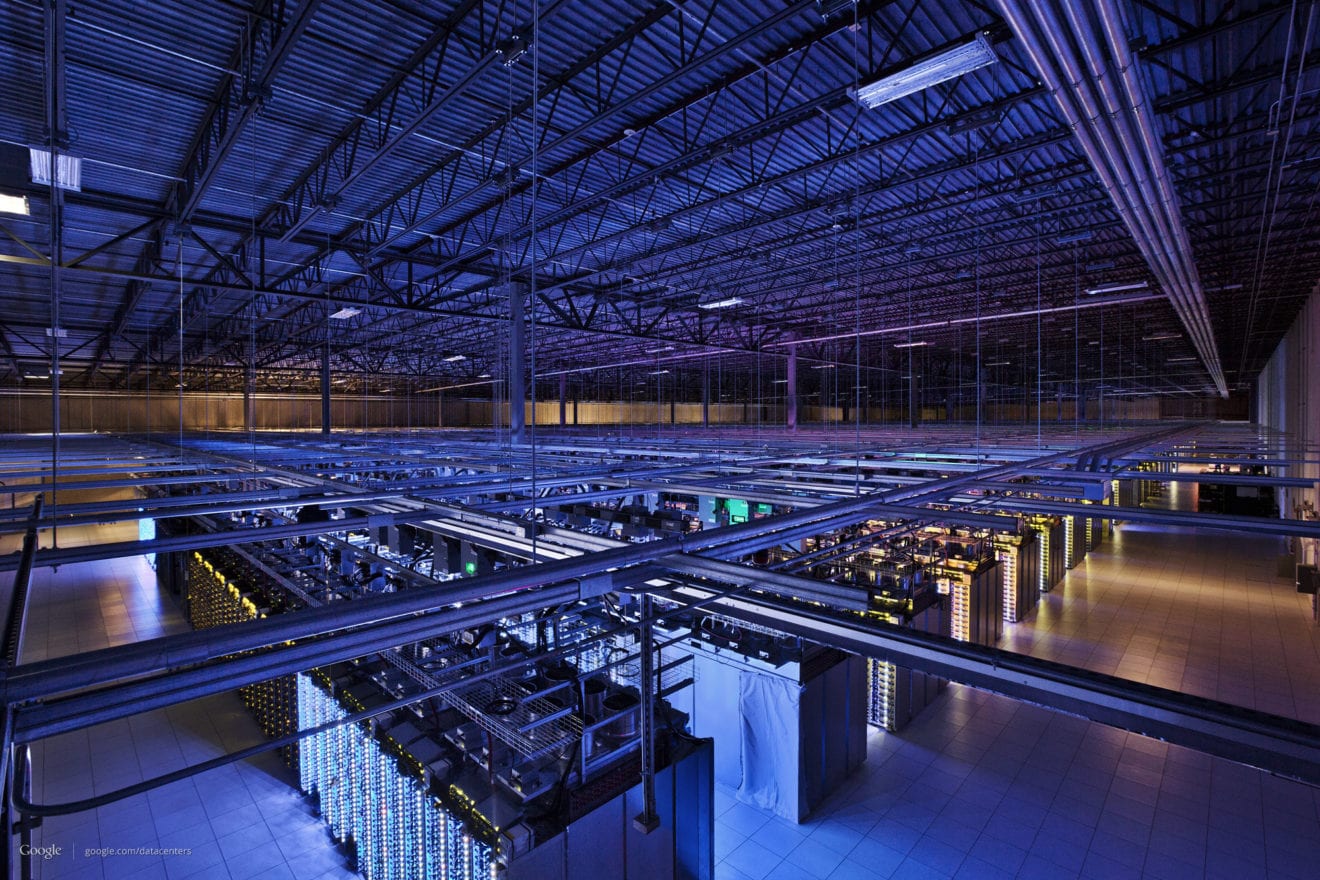
    A server rack is a shelf designed to hold all the different components that make up a server, which includes server computers, routers, switches, and hubs. This rack allows you to keep all of your server components neatly stored in one compact area, which provides many benefits.

    While you don’t essentially need to have a server rack to contain your server, most companies choose to. Without a good rack, it’s easy to end up with scattered components that make life a lot more complicated, which doesn’t have to be the case.

    Make Maintenance Easy

    Probably, one of the most significant benefits of investing in a rack for your server is that maintenance becomes a lot easier. You have all of your components in one space for starters, so you don’t have to go searching around for different routers, switches, and hubs to figure out where the problem lies. In addition to that, a good rack keeps all of your equipment organized, so it’s easier to access cables and other crucial components when working on a server.

    No matter how you look at it, you’re going to end up performing many maintenance activities if you want to keep your server in good shape. Whether you’re simply having software updated or trying to fix a critical problem, it’s important to have an easy server maintenance solution at all times.

    Secure Your Server

    Servers are a hugely important part of most business architecture, but they’re also vulnerable. Not only can people attack servers via the internet, but you also have to consider the possibility of your server being damaged physically. The best way to protect your server is to keep it safely stored in its own room that only authorized personnel has access to.

    If you’re going to store your server in a room, the best way to keep everything secure and neatly organized is to put everything in a server rack. The best part about server racks when it comes to secure storage is the fact that you can find locking racks that are even more secure.

    Leave Room to Grow

    Another great part of server racks is the potential for growing your server over time. While you might need a simple single-computer server at the moment, that might change as your business grows, or you need to take advantage of a larger database.

    There are a lot of server components that you might want to upgrade and having a server rack with plenty of space makes those upgrades simple. Whether you need an extra switch or a second server computer, you’ll already have the rack space to upgrade to something better.

    A Big Upgrade

    Running a business demands a lot of careful considerations, especially regarding the technology side of things. If you want to make sure your servers are set up for a long and successful future, you need a good server rack.

    The best way to make sure you’ve got a solid server setup is to work with a professional to get all the equipment you need. As long as you’ve got the right server components and a good server rack, you’ve got solid infrastructure that’s ready to expand with your business over the years.



  • AWS to be anchor customer for Hawaiki cable

    AWS to be anchor customer for Hawaiki cable

    In March, the Hawaiki cable project announced its contract with TE Subcom had come into force. They had raised the necessary funds to kick off the construction phase, and yesterday we learned where some of those funds came from.

    Amazon’s AWS division has stepped up for a large chunk of capacity on the system, becoming a high profile anchor customer on a submarine cable system for the first time.

    The Hawaiki cable is the latest project aimed at hooking up Australia and New Zealand directly with the west coast of the USA, stopping in Hawaii and branching off to American Samoa with options to reach several more.

    It’s a route dominated today by the longstanding Southern Cross cable system, and one on which we have seen several failed attempts to build an alternative – especially by partisans on the New Zealand side. This is the first time the money has finally added up though. As currently planned, the cable will stretch 14,000km and deliver as much as 30Tbps of capacity.

    Amazon AWS joins Vodafone, REANZ, and American Samoa Telecom as anchor customers. It’s Amazon’s first foray into the world of submarine cable systems, but surely not its last.

    The cloud giant is merely joining its tech brethren like Google, Facebook, and Microsoft in taking an active role in the underlying infrastructure they all depend on, taking up some of the slack as global telecommunications operators themselves continue to shy away from undersea investments in favor of wireless and terrestrial fiber.

  • GoDaddy launches in 11 more APAC markets

    GoDaddy launches in 11 more APAC markets

    Small business technology services provider GoDaddy has expanded further into Asia, launching in 11 more markets including Hong Kong.

    The company has launched its suite of cloud-based products for SMEs across the region. With the launch GoDaddy services are now available in 14 Asian markets, also including Japan, Indonesia, Malaysia, the Philippines, Singapore, South Korea, Taiwan, Thailand and Vietnam.

    GoDaddy offers a suite of cloud-based products and services including domain registry, website hosting, website development and productivity tools.

    The company offers also local language customer care and direct phone numbers in each of its new Asian markets.

    GoDaddy CEO Blake Irving noted that SMEs account for over 97% of all enterprises and employ over half the workforce across APEC economies.

    “Asia is home to one of the largest, most vibrant small business communities in the world,” he said.

    “As internet growth and smartphone adoption continue to accelerate across the region, it’s important that these businesses are able to create strong digital identities that will help them achieve their goals and compete online.”

    Globally, GoDaddy now services small businesses in 53 markets, supporting 26 languages – including 10 Asian languages – and 44 currencies.

  • Amazon Building New Data Centers in South Korea for Cloud Unit

    Amazon Building New Data Centers in South Korea for Cloud Unit

    Amazon.com Inc. in 2016 will open a new cluster of data centers in South Korea, as the Web retailer pushes deeper into Asia to compete with other cloud-computing providers such as Microsoft Corp. and Google.

    The facilities are for the machines that power Amazon Web Services, the business that rents data storage and computing power to other companies, rather than its online retail operations. They are being built in response to requests from customers, including Samsung Electronics Co. and various gaming companies, Seattle-based Amazon announced Wednesday. The data centers will also let Amazon serve new clients, including government agencies and large enterprises that need to keep data exclusively in South Korea.

    Some nations mandate that certain data, such as health records, can’t leave their country of origin, prohibiting cloud providers without data centers located in those countries from certain kinds of business. Proximity to customers also decreases response times for those running Internet-based cloud applications.

    Amazon’s cloud-computing division serves customers such as Pinterest Inc. and Netflix Inc. South Korea will be the fifth AWS region in Asia, and Amazon has committed to building a second cluster of data centers in China and is also planning one in India. The company will have 12 data regions worldwide when South Korea is built in early 2016.

    Amazon didn’t disclose the size of its investment.

  • Made-in-China.com increases website traffic with cloud

    Made-in-China.com increases website traffic with cloud

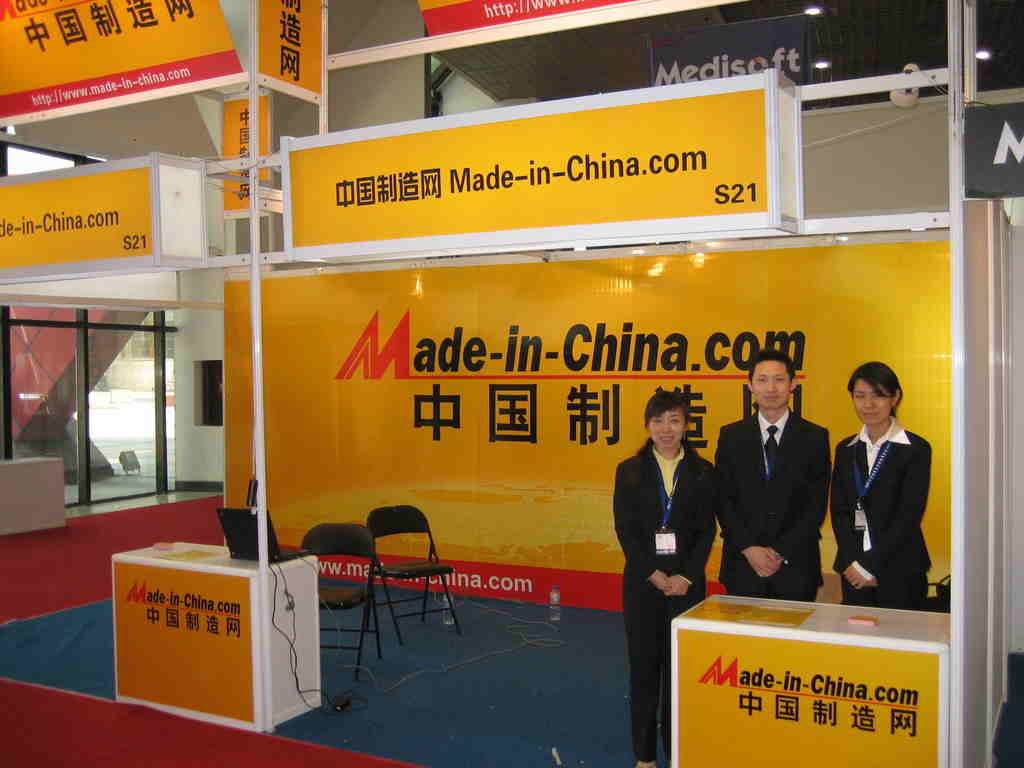
    Made-in-China.com, a global trade commerce company, has grown its website traffic over 2000 percent using a managed cloud portfolio.

    The dedicated hosting solution from Backspace, which is part of its managed cloud offering, allows the company to have full control over its servers while also enjoying high levers of speed and performance.

    “As an ecommerce company that connects worldwide buyers with Chinese suppliers, it is critical that we provide a user-friendly and quality experience to our customers around the world,” said Tao Yan, IT Manager, Made-in-China.

    The company started working with Racks[ace in 2006 and has since then grew its website traffic from 1 to 2 million to 25 to 35 million today. Revenues also increased from CNY43 million (USD6.9 million) annually in 2006 to approximately CNY500 million (USD80.5 million) a year today.

    “Because of the company’s support, we’ve been able to focus on growing our business year-over-year, as opposed to investing our time handling IT issues, as we did with our previous provider,” Tao Yan added.

    In the eight years that Made-in-China has worked with Rackspace, the company’s infrastructure has also grown dramatically, from just two servers in 2006 to a total of 23 servers hosted in the US, as well as seven cloud servers hosted in Hong Kong.

    While Made-in-China is based in Nanjing, China, over 70 percent of Made-in-China’s web traffic comes from overseas, meaning it needed a reliable hosting provider that could support its business globally.

    “With more and more China-based companies expanding West, demand has spiked for stable and flexible hosting solutions that can manage traffic around the globe,” said Ajit Melarkode, managing director, Rackspace Asia-Pacific.