Tag: HP

  • US tech giant Hewlett Packard plans up to 6,000 job cuts

    US tech giant Hewlett Packard plans up to 6,000 job cuts

    PC-maker Hewlett Packard on Tuesday said it would layoff as many as 6,000 employees over the next three years as the slumping world economy continues to embroil the US tech sector.

    HP, which has a payroll of about 61,000 people, said it aimed to secure $1.4 billion in annual savings through 2025 as it followed the cost-cutting path of other tech giants such as Facebook-owner Meta, Amazon and Twitter.

    The plan “will enable us to serve our customers better and drive long-term value creation by reducing our costs and reinvesting in key growth initiatives to position our business for the future,” HP CEO Enrique Lores said in a statement.

    Meta said earlier this month it will lay off more than 11,000 of its staff and Twitter saw half of its 7,500-strong employees culled just days after billionaire Elon Musk took over the company in late October.

    “These are the toughest decisions we have to make, because they impact colleagues we care deeply about. We are committed to treating people with care and respect…” an HP spokesperson said in an email to AFP.

    HP, which makes computer hardware and printers, announced the layoff plan as it announced an 11.2 percent fall in revenues to $14.8 billion for the final fiscal quarter of 2022.

  • Coupang, HP Korea sign MOU to strengthen sales

    Coupang, HP Korea sign MOU to strengthen sales

    E-commerce company Coupang said Thursday it signed a memorandum of understanding (MOU) with HP Korea Wednesday to strengthen sales channels for the technology company’s products. Through the agreement, Coupang will directly acquire HP products from the company, providing customers with better deals. HP Korea will also ensure faster delivery times and improve product services. The two companies plan to cooperate on online marketing and advertisements.

    James Lee, Coupang’s senior director, said, “By establishing long-term partnerships, [Coupang] will work harder to expand cooperative businesses.”

    Coupang currently offers a range of HP products, such as its gaming PCs and printers through its fast “rocket delivery” service.

  • HP develops POS solution for retailers

    HP develops POS solution for retailers

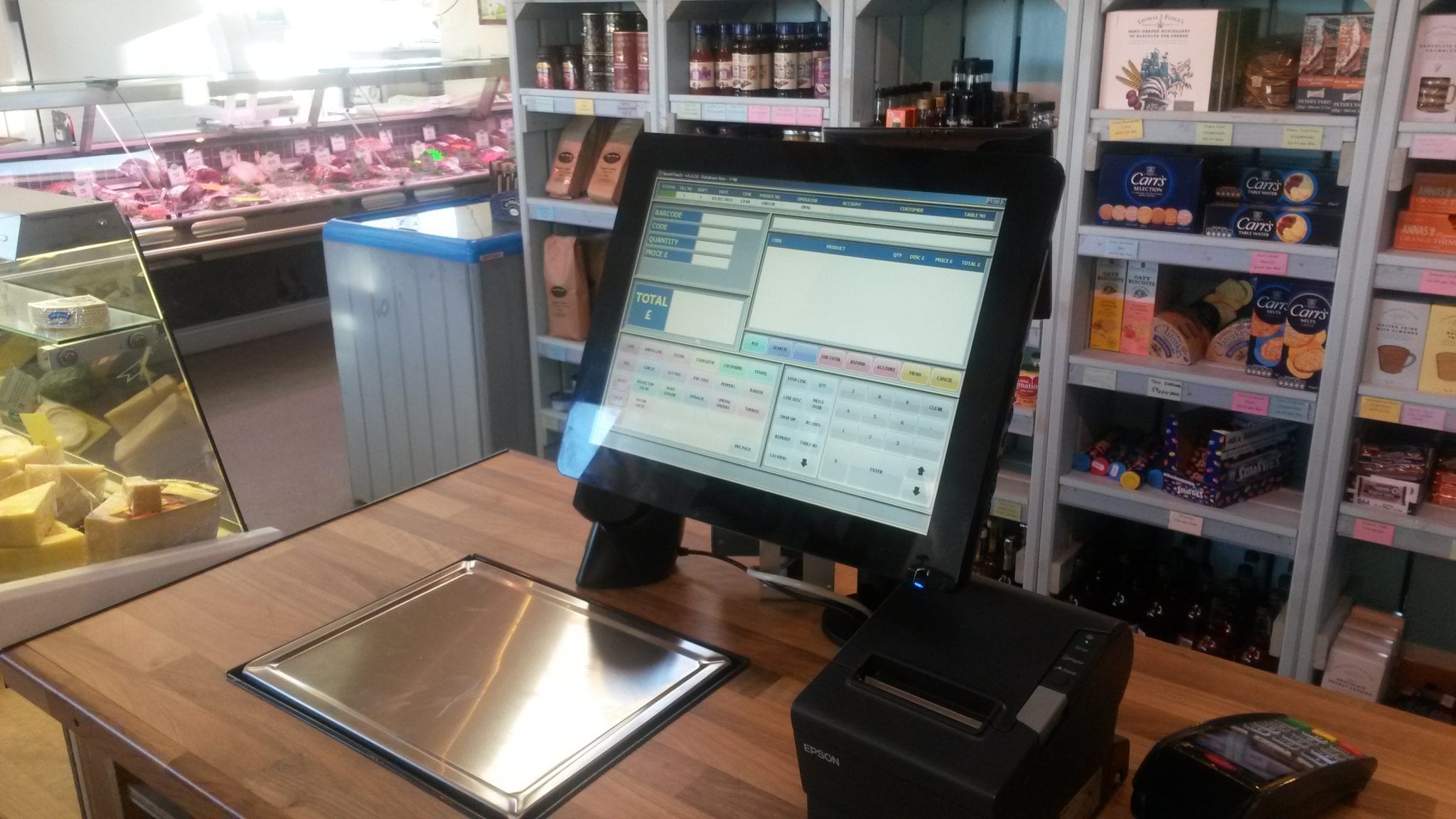
    HP has developed a point of sales solution aiming to reimagine how technology can transform the in-store experience for customers.

    HP ElitePOS supports several use cases including interactive signage, employee attendance, and self-service applications like a customer check-in and access to additional product offerings in the “endless aisle”.

    For retailers who want a clean and clutter-free counter space, or who need greater versatility in the placement of their point-of-sale terminal, the display can be separated from the input/output (I/O) base for maximum placement versatility.

    With point-of-sale devices increasingly targeted by hackers, security continues to be top of mind for the retail industry. According to Verizon’s 2016 Verizon Data Breach Investigations Report, 64% of breaches in the retail industry that contained data loss were caused by point-of-sale intrusions.

    “As the retail and hospitality industries undergo a revolutionary shift, the point-of-service device will be a critical hub in delivering the in-store experience for customers,” IDC VP of retail insights Leslie Hand said.

    “But with this rapid transformation in digital business also comes increased threats, in the form of targeted attacks and malware. Retail POS systems, including the new HP ElitePOS, must be able to balance the growing needs of the customer and the brand while also acting as a guardian of the  sensitive information that passes through the device on a daily basis.”

  • VMware, HP team for device lifecycle management

    VMware, HP team for device lifecycle management

    VMware and HP have teamed up to simplify device lifecycle management for all of an organization’s endpoints.

    Under the partnership, HP will add VMware Workspace ONE to its Device as a Service (DaaS) technology platform.

    Workspace ONE, an integrated platform powered by VMware AirWatch Unified Endpoint Management (UEM) technology, provides a holistic and user-centric approach to managing all endpoints in an organization – from mobile and desktop to IoT.

    HP DaaS offers a modern consumption model for computing in which hardware and lifecycle services are combined to improve the user experience and free up IT resources to drive growth.

    “In the mobile cloud era, employees, devices, applications and data increasingly live beyond the physical walls of the workplace, the datacenter, or the network,” VMware COO Sanjay Poonen said.

    “Digital enterprises are struggling to deliver a unified digital workspace due to disjointed technology and teams. We are proud to be the first to bring together identity, device management and application delivery on a single integrated platform so business can be conducted by mobile end-users regardless of platform, location, device or application.”

    VMware and Dell first entered a partnership in February 2016. CEO Pat Gelsinger spoke about the constantly expanding partnership during Dell EMC World in May this year.

    He spoke about the integration of VMware AirWatch and Dell Client Command Suite client systems management tools which ultimately became part of Workspace ONE; to enable customers to empower their workforce to securely bring the technology of their choice (devices and apps) at the pace and cost the business needs.

  • Huawei will leapfrog Apple and HP to lead the PC market in five years

    Huawei will leapfrog Apple and HP to lead the PC market in five years

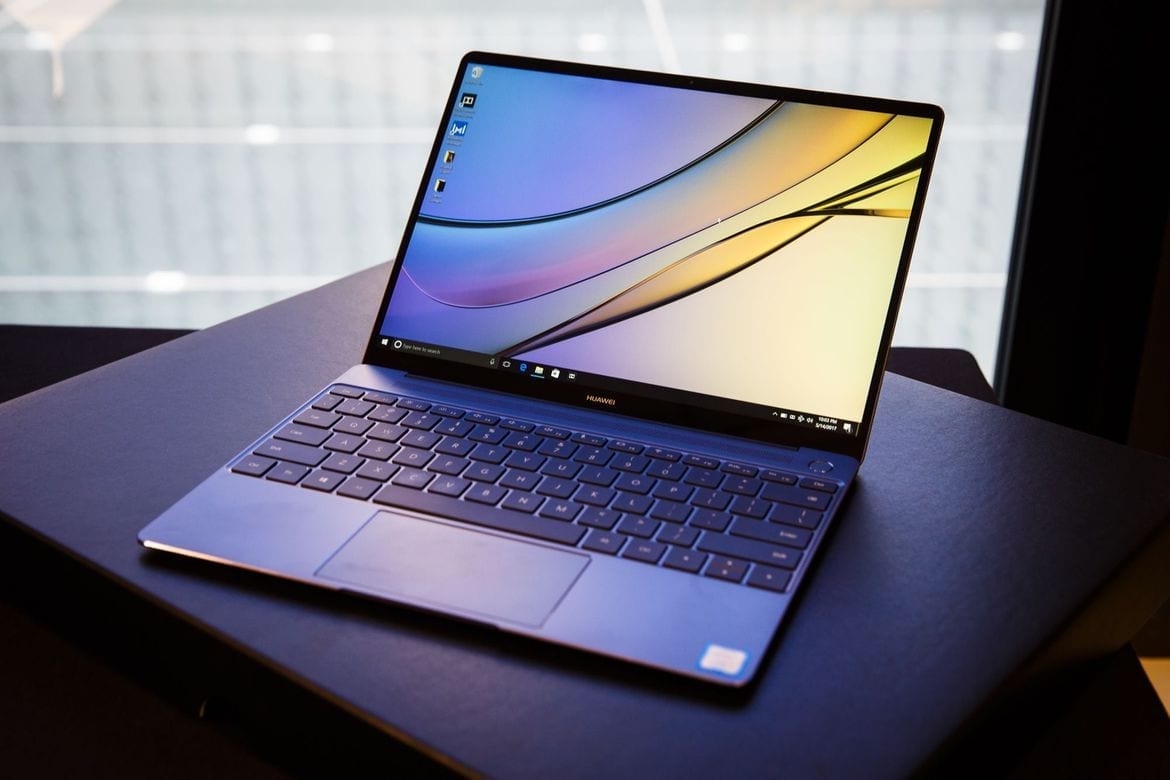
    Huawei will become the top personal computer maker in the world in three to five years, leapfrogging the likes of Apple, Lenovo and HP, a top executive at the firm told on Wednesday, just days after launching new notebook devices.

    In May, the Chinese firm took the wraps off of the MateBook X, MateBook D and MateBook E — the X is a laptop that competes directly with Apple’s MacBook line of products. For its part, the company says it is bullish on its plans in the PC space.

    “Whenever Huawei decides to enter an area, make a product, our target is always to be a global leader,” said Wan Biao, chief operating officer of Huawei’s consumer business group. “I think this comes from Huawei’s unswerving input in R&D, and our innovation capabilities. I think these has already been proven in our smartphone products.”

    When asked how long it will take to sit at the top spot in the market, Wan said the “process would take about three to five years.”

    The PC market has been declining for several years, but it recorded 0.6 percent growth in the first quarter of 2017, according to data from IDC. Given that low growth, it’s an incredibly tough market.

    HP, Lenovo, Dell, Apple, and Acer make up the top five players in the world by market share, IDC said. So if Huawei becomes number one, that would mean beating out those top players. Wan, however, said he’s confident.

    “Of course, we are confident because of Huawei’s powerful innovation capabilities. In fact, in the laptop space some technologies are the same with smartphone. In the meantime, with the development of AI, AR and VR [artificial intelligence, augmented reality and virtual reality] technologies, the chance to succeed will only grow bigger for a strong innovative company,” Wan told.

    Huawei’s consumer business is relatively young and began with smartphones. The Chinese giant is seeing success: reported revenues in its consumer business group were up 42 percent year-on-year in 2016 to 178 billion yuan ($26.19 billion). Smartphone shipments were up 29 percent to 139 million units, and Huawei is now the third-largest smartphone vendor in the world by market share.

    Wan’s projection of being the top PC maker in only a few years mirrors similar bullishness from the company about smartphones. In 2016, Richard Yu, the CEO of the consumer division at Huawei, told that the firm would be number one in smartphones by 2021.

    It may seem odd that Huawei is entering a stagnant market, but the tactic is to try and create an ecosystem of products for consumers. Not only does Huawei have smartphones, but it also sells smartwatches and Wi-Fi routers. Laptops are another edition to the portfolio.

    “I think for Huawei’s strategy, one of the most crucial points is the connectivity of all things. Every object in the world should be able to connect … Therefore Huawei is also developing our business over these notions,” Wan said.

  • HP’s Elite x3 now available in Hong Kong

    HP’s Elite x3 now available in Hong Kong

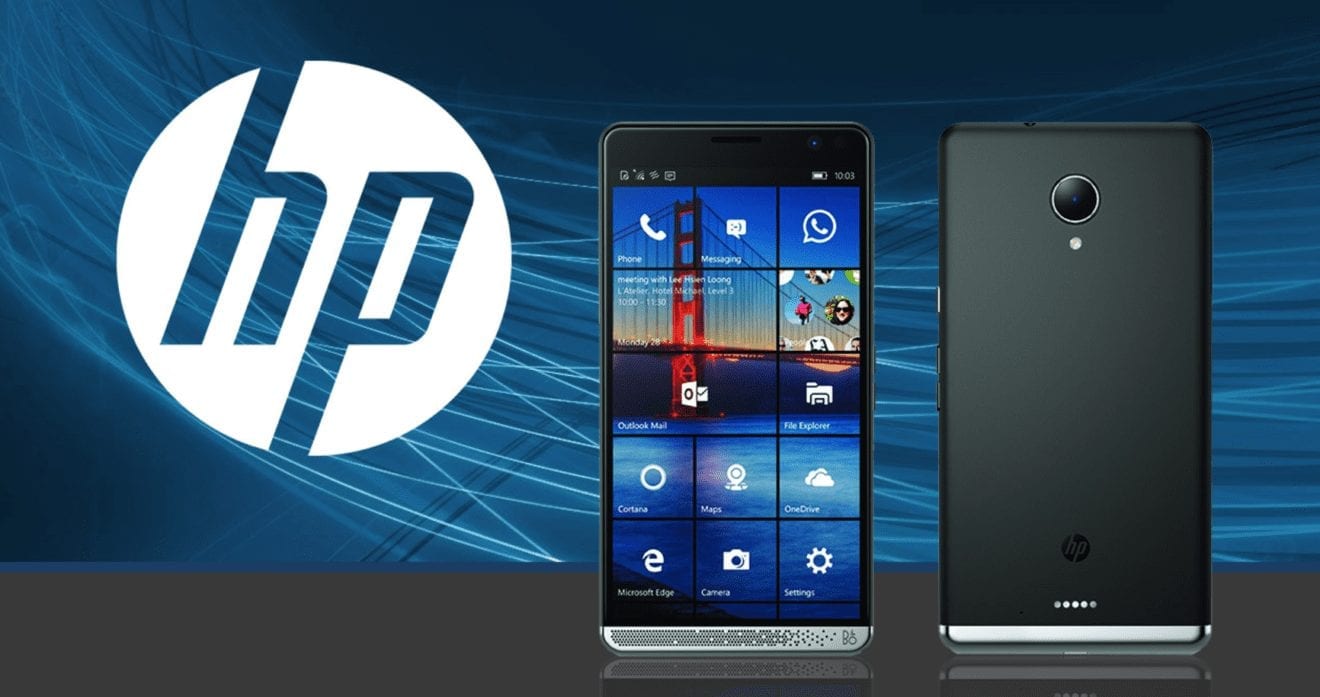
    Back in September, Hewlett-Packard launched its Elite x3 in Hong Kong. The company detailed some of the most important features of the device at the event in Hong Kong back in September. Today, it’s available for purchase from its official online store. Along with the device itself, HP is also selling a bundle and some accessories. Here’s a breakdown:

    • HP Elite x3 for HK$6499
    • HP Elite x3 Monitor Bundle (Elite x3, Desk Dock, HP Pro Display P222va 21.5-inch Monitor) for HK$6,499
    • HP Elite x3 with Desk Dock for HK$7698
    • Elite x3 Lap Dock for HK$4899
    • Elite x3 Desk Dock for HK$1199
    • Elite x3 Anti-Fingerprint Screen Protector for HK$240
    • Elite x3 Wireless Charger for HK$490
    • Elite x3 Rugged Case for HK$199
    • Elite x3 Wallet Folio Case for HK$179
    • Elite x3 Lap Dock Privacy Screen HK$300
    • Elite x3 Silicon Case for HK$159
    • Elite x3 Anti-Shatter Glass Screen protector for HK$119
    • Elite x3 Privacy Screen for HK$240

    The Elite x3, for those unfamiliar, features a Qualcomm Snapdragon 820, a 5.96-inch WQHD AMOLED display, 4GB RAM, 64GB of internal storage, and a 4150mAh battery. As for the cameras, HP has included a 16MP sensor on the back of the Elite x3, and there’s an 8MP front-facing camera. For security, HP has included a fingerprint scanner and an Iris scanner on the Elite x3. Lastly, it is worth noting that the HP Elite x3 also supports Continuum for phones which users can use with the HP Desk Dock.

    If you live in Hong Kong, you can get the device and its other accessories from the official HP store here.

  • Singapore retail rent decline worsens

    Singapore retail rent decline worsens

    The Singapore retail rent decline gathered pace in the last quarter according to data from Edmund Tie & Company.

    In the second quarter, retail rents across the board fell by 3.9 per cent quarter-quarter.  That was double the 1.9 per cent decline of the preceding quarter.

    Amid weaker demand, occupancy levels also dipped, falling by 0.5 percentage points quarter-on-quarter to 92.2 per cent.

    “In light of declining rents, several established retailers have taken – or are taking – advantage of the lower rents to reinforce their brand presence in Singapore through flagship stores,” the company’s quarterly review said.

    These include:

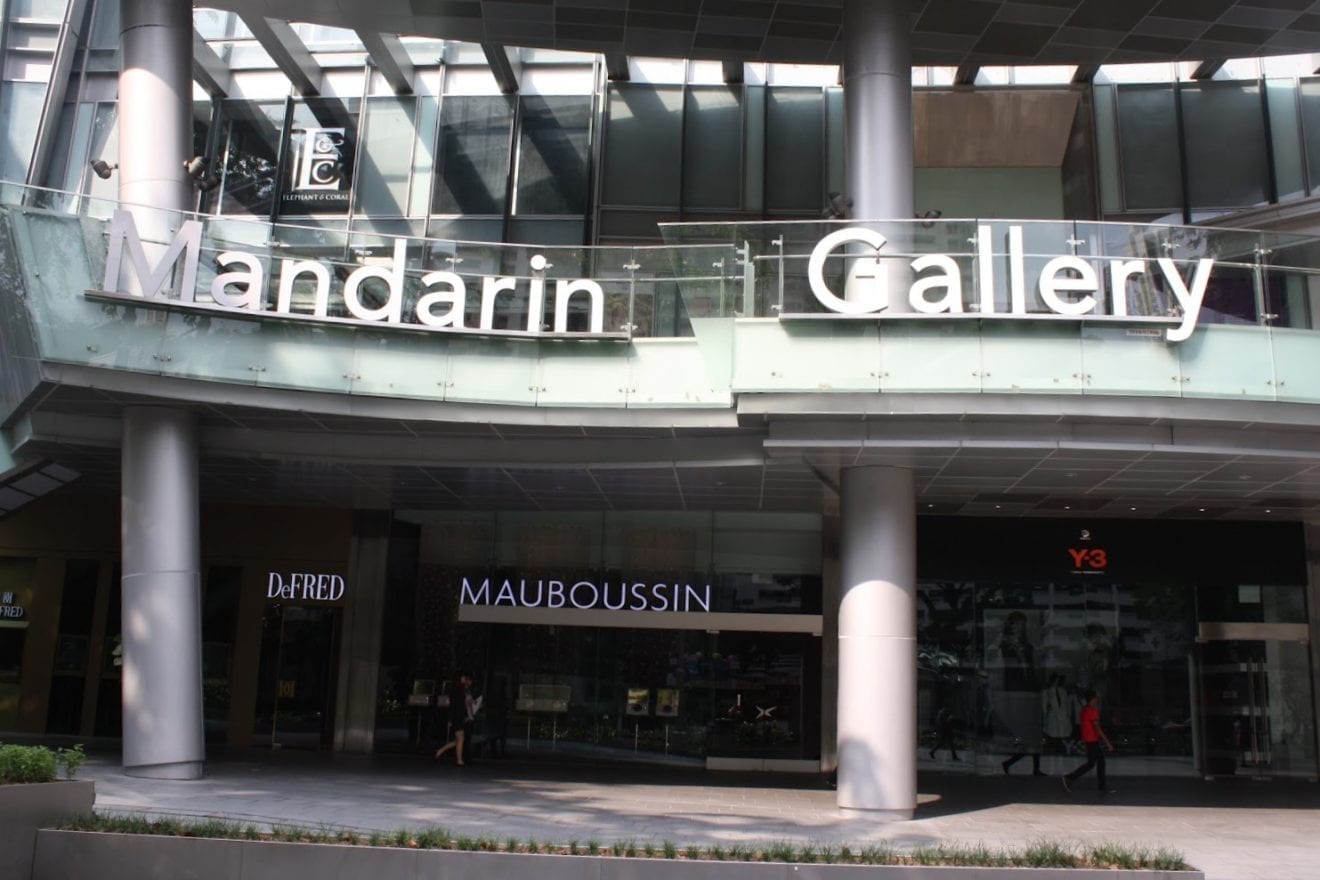
    • Choo Yilin at Mandarin Gallery.
    • HP at Marina Square.
    • Christian Dada at 268 Orchard.
    • Victoria’s Secret at Mandarin Gallery.
    • Uniqlo at Orchard Central.
    • Michael Kors at Mandarin Gallery.

    victoria secret

    “As the sector undergoes bouts of restructuring, retailers are also constantly reinventing themselves to reach out to the rising number of technological-savvy consumers. This includes the recent launch of digital wallets (eg: Apple Pay, Samsung Pay, Android Pay) which a string of established retailers have adopted, including Starbucks, Uniqlo, NTUC FairPrice and Cold Storage.”

    Headquartered in Singapore and supported by offices in Kuala Lumpur and Bangkok, Edmund Tie & Company is an established real-estate consulting firm that operates across Malaysia, Thailand and other countries in Southeast Asia.

  • Alibaba and Kodak team up to fight fakes

    Alibaba and Kodak team up to fight fakes

    Alibaba and Kodak have teamed up in a new business venture using high technology to fight fake goods being traded online.

    The cameras and film that helped build the Eastman Kodak empire, launched in 1888, are long gone, but the company has found new life authenticating products.

    With a history of research and hundreds of patents, Kodak is behind a startup working to combat counterfeiting with a technology that places an invisible, digitally traceable marker on products to ensure they are authentic.

    Targeting eCommerce, the new company is named eApeiron, which comes from the Greek word for everlasting.

    Fake and pirated products globally accounted for almost a half-trillion dollars in 2013, according to a report this year by the Organisation for Economic Cooperation and Development (OECD), with 84 per cent of seized goods originating in China and Hong Kong. As well as losses and brand erosion for companies, counterfeiting can mean lost tax revenue for governments. It also discourages innovation.

    “If you’re in charge of brand protection or you’re a security officer of a major brand, this means you have a new tool,” says Kodak CEO Jeff Clarke.

    Miami-based eApeiron will set up its research, engineering and manufacturing arms within Kodak’s business park in Rochester, New York. Some research will also take place in Shanghai and Tel Aviv.

    With China’s largest eCommerce company Alibaba Group an investor, its president Michael Evans will sit on eApeiron’s board along with Clarke. Its CEO is Charles Fernandez.

    Invisible ink

    Meanwhile, invisible-ink security products are already available, including VerifyMe, which signed a memo of understanding in May with HP’s Israel-based Indigo division, part of its HP Graphics business.

    One of VerifyMe’s anti-counterfeiting pigment technologies lets consumers see visible markings on a product while manufacturers can use devices to see invisible markings to support their supply and distribution-chain security.

    YPB Group in Australia makes scannable markers that are invisible to the eye because they blend into the material of the product they are marking.

    While luxury-goods companies are often targeted by counterfeiters, the OECD report says there are also potentially dangerous faked goods such as drugs, toys and spare parts. Tracing these items through the supply chain could ensure they are not expired or forgeries, Clarke says.

    Beaten by the digital revolution, Kodak filed for bankruptcy in 2012, emerging the following year as a commercial printing business. Kodak has continued to team with young companies on technology research, and its labs have more than 50 scientists and 4000 patents.

  • Lippo Group expands into online wholesaling

    Lippo Group expands into online wholesaling

    After launching its Matahari Mall online shop in October, Indonesia’s Lippo Group is expanding its eCommerce activity into wholesale services.

    It is set to launch Mbiz.co.id next month, targetting businesses and government institutions. It digitises the procurement process, which Lippo Digital Group CEO Adrian Suherman says translates into efficiency.

    To offer its customers more choice, Mbiz is hoping to attract a wide range of vendors to join its platform as suppliers. The aim is to offer an easy alternative to cumbersome conventional procurement, where a business has to find vendors and compare them one by one, negotiate prices and record transactions manually. Mbiz wants to expedite procurement by making vendor information easily available, comparable and transparent, as well as offering flexible payments.

    Meanwhile, the eCommerce site has been selling products from 12 main categories, including electronics, furniture, office supplies and packaging. Its vendors include Asus, HP, Philips, Samsung, Sony and other blue-chip companies.

    Mbiz intends to start selling heavy machinery and agricultural goods as well as maintenance, repair and overhaul items for businesses and government institutions.

    “If we talk about fashion in B2C business, it is going to be the clothing itself, but in B2B or B2G business, the items are yarn, loom, sewing machines, embroidery machines and fabrics,” says Mbiz co-founder Ryn Hermawan.

    As many businesses have their own particular procurement systems, Mbiz uses a direct-selling strategy, giving individual presentations to companies and organising events to introduce its services. A follow-up team is available to train businesses and help them evaluate their performance.

    Mbiz can also offer clients product recommendations and input on when they need to buy goods based on their historical data.

    For the largely untapped government institution market, Mbiz will play the role of vendor by providing its e-catalogue to the Government Procurement Regulatory Body (LKPP). Co-founder Andrew Mawikere says the potential for the procurement of government goods and services in Indonesia last year was Rp31 trillion (US$2.36 billion) without e-tendering.

    Mbiz has fewer than 100 employees and is funded by Lippo, but says it is open to foreign investment in the future. The unit is run by Brilliant E-Commerce, part of the Lippo group. Matahari Mall is run by Global Ecommerce Indonesia, in which Investama Digital Ventura holds a majority stake.