Tag: huizhou

  • TCL Opens Industrial Museum in Huizhou to Mark 45 Years in Hardware

    TCL Opens Industrial Museum in Huizhou to Mark 45 Years in Hardware

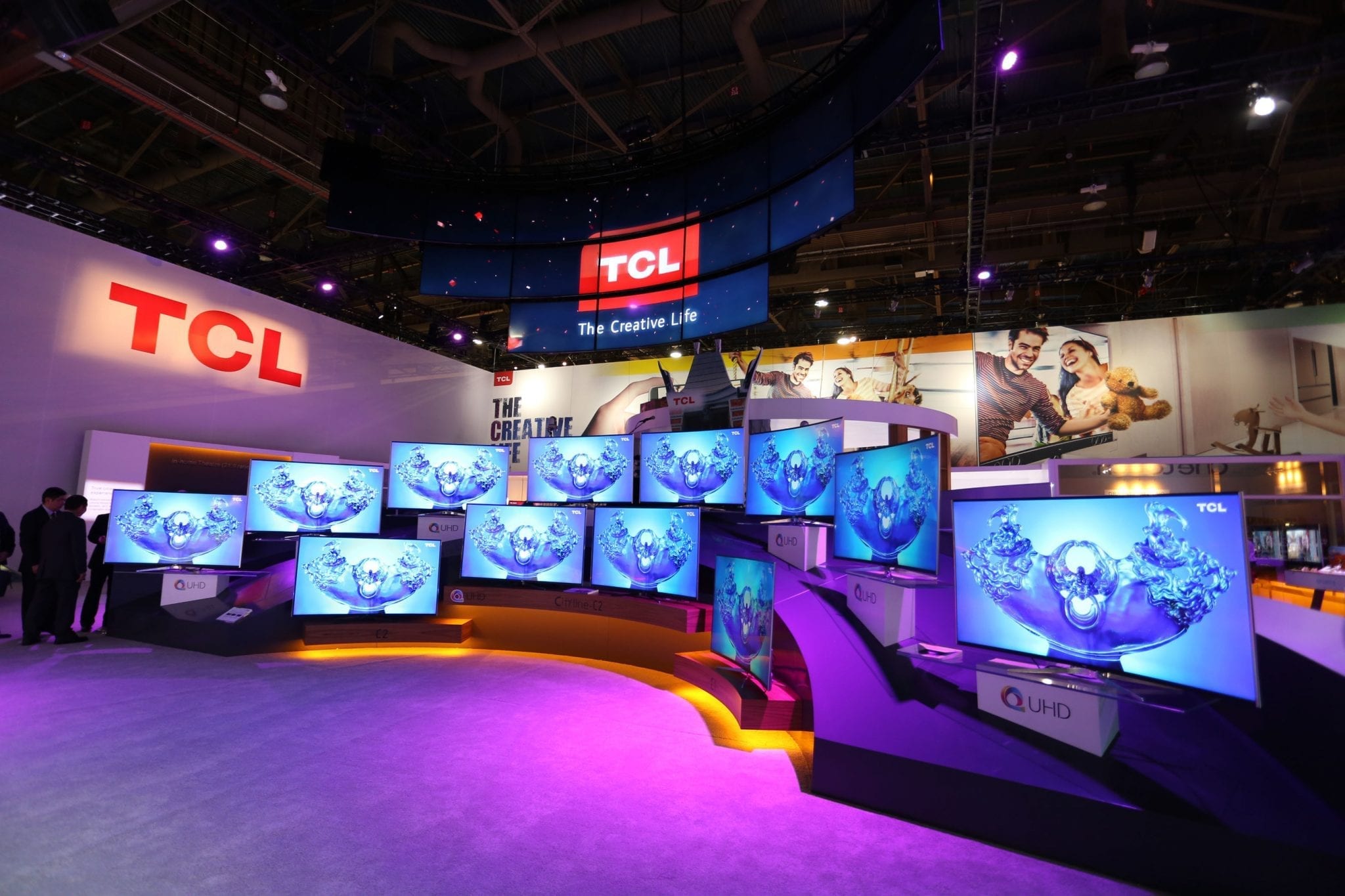
    TCL opened its new Industrial Museum in Huizhou on Monday, celebrating 45 years since its establishment as a local electronics maker in 1981. The facility shows the company’s evolution from a domestic magnetic tape workshop to an international consumer tech and display hardware manufacturer.

    The installation documents four and a half decades of factory automation, semiconductor display engineering, and overseas expansion.

    From Magnetic Tapes to Global Displays

    Founded as TTK Home Appliances Co., the company began by manufacturing cassette tapes before shifting into landline telephones, television sets, and mobile handsets. Today, the group operates across two listed entities, TCL Technology and TCL Electronics, spanning display panels, photovoltaics, and smart home appliances.

    Exhibits at the new museum track key shifts in manufacturing capability. These include the development of early cathode-ray tube televisions through to modern Mini-LED panels and automated fabrication facilities.

    Industrial Heritage and Corporate Strategy

    Corporate museums in China increasingly serve as public relations anchors for industrial conglomerates seeking to demonstrate domestic supply chain maturity. By establishing a dedicated site in its home base of Huizhou, TCL mirrors moves by Japanese and South Korean hardware giants that built legacy centers to project technical longevity to enterprise clients and government partners.

    For supply chain partners and component buyers, the facility highlights how vertically integrated Chinese panel production has become. TCL’s panel subsidiary, TCL CSOT, now supplies display modules to global television and monitor brands, competing directly with BOE Technology and LG Display.

    Display Capacity and Panel Investments

    The 45-year milestone follows aggressive expansion across high-generation display lines over the past decade. TCL CSOT invested heavily in 8.5-generation and 11-generation liquid crystal display lines in Shenzhen and Wuhan to capture share in large-screen home televisions and commercial monitors.

    That panel footprint allowed the company to secure lower manufacturing costs for its branded televisions in key export markets across North America, Europe, and Southeast Asia. Rivals such as Hisense and Skyworth have taken alternative routes by purchasing panels externally while focusing capital on retail distribution and branding.

    Next Steps on Next-Gen Displays

    Operational attention now shifts to the commercial output of printed OLED panels and advanced Mini-LED backlighting modules across the group’s production lines. TCL CSOT continues to run pilot validation for inkjet-printed OLED screens, with commercial yield rates remaining the key performance benchmark to watch through the next production cycle.

  • TCL Picks up over 30 Product Awards at IFA 2026 Across Displays and Hardware

    TCL Picks up over 30 Product Awards at IFA 2026 Across Displays and Hardware

    TCL secured over 30 product awards at IFA 2026 in Berlin. Its flagship SQD-Mini LED television line and connected smart home hardware led the haul. The Chinese consumer electronics manufacturer operates in more than 160 markets worldwide. It holds the top global market position in Mini LED and displays measuring 85 inches and above.

    Judges awarded the group seven IFA Innovation Award Honoree titles alongside five Global Product Technology Innovation Awards. Consumer tech publications gave top hardware prizes to the TCL X11L SQD-Mini LED television. The companion C8L model and the X3 Series OLED gaming monitor won separate honors for high refresh rates and panel contrast.

    Display Standards and Visual Certifications

    Beyond consumer televisions, the Shenzhen-headquartered group pushed into commercial display validation. TCL and testing agency TÜV Rheinland released a joint SQD-Mini LED Display Industry White Paper in Berlin. The document establishes testing parameters for real-world ambient lighting conditions. Testing firm SGS also granted visual comfort verification under a co-developed natural light standard.

    On the mobile and wearable side, the slim TCL P80 series led the phone division. The P80 Ultra model took an innovation honoree prize for its camera and screen setup. TCL’s augmented reality unit picked up hardware recognitions for two optical products. These included the RayNeo iO smart glasses with built-in voice assistance and the RayNeo GT Max AR glasses with Dolby Vision certification.

    Expanding From Screens into Connected Appliances

    For appliance retailers and electronics distributors across Asia-Pacific, the product spread shows a supplier determined to lock consumers into a broader ecosystem rather than selling standalone television screens. East Asian display makers face tighter margin pressure in budget segments. Proprietary white goods and connected home robotics provide a necessary volume buffer.

    That strategy directly challenges entrenched regional rivals who built their retail dominance on comprehensive living room and kitchen lineups. Competing on standalone panel specifications is no longer enough. Brands need broader catalogs to command prime floor space in modern department stores and multi-brand regional retail chains.

    Smart Home Ecosystem Rollout

    White goods featured heavily in the European show. Honors went to the TCL Solar Series air conditioner, the TwinMag Prime Fresh series refrigerator, and the heyAiMe companion robot. The TCL 5G AI CPE X5 router links the fleet. It took a dedicated innovation prize for automated network management features.

    Chinese hardware manufacturers continue an aggressive multi-year push to trade up from entry-tier pricing into premium display and connected home categories. Retail buyers across European and Asian distribution networks now await commercial release schedules and regional pricing sheets for the X11L display and RayNeo optical lines ahead of peak fourth-quarter consumer shopping cycles.