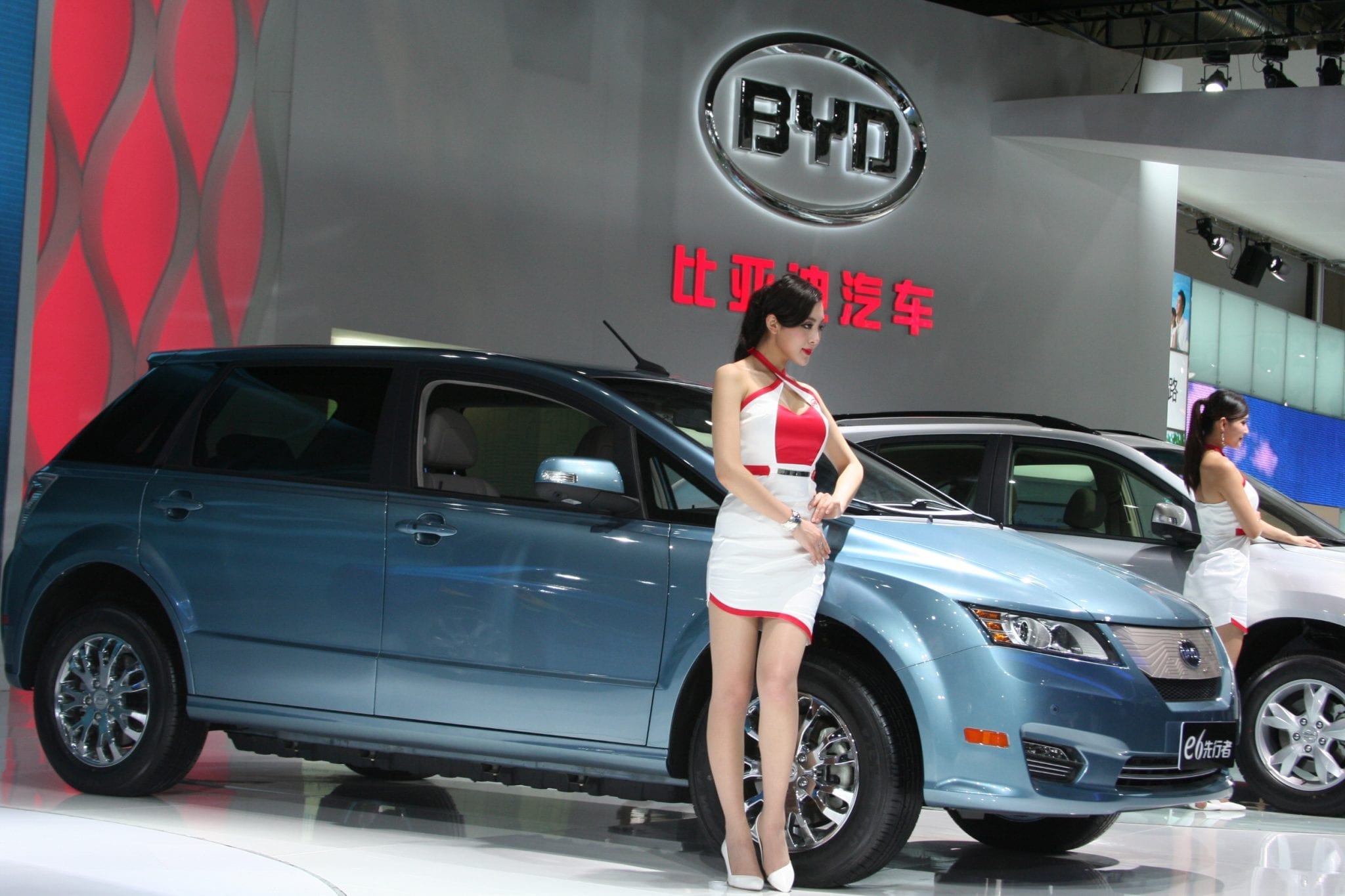
BYD delivered 4.27 million new energy vehicles last year, expanding its European footprint. The surge steps up competitive pressure on German automakers across their core regional markets.
Total sales for 2024 rose 41 percent over the previous year. That growth gives the Shenzhen-based automaker added scale as it builds its first European assembly facility.
Bypassing Tariffs in Hungary
Construction is underway on a passenger car plant in Szeged, Hungary. Vehicles assembled there will be built inside the European Union rather than shipped from Chinese ports.
Local assembly lets the carmaker bypass additional tariffs the European Commission imposed on battery electric vehicles imported from China. The Commission determined in 2024 that Chinese state subsidies harmed European producers, introducing penalties to offset pricing differences.
The Szeged plant will create thousands of local jobs and source components through regional supply chains, establishing a domestic European operating base.
Pressure on German Brands
German automotive groups face mounting headwinds across their volume and luxury segments. Volkswagen, BMW and Mercedes-Benz built their global market presence on engineering standards and brand prestige, supported by specialist badges including Audi and Porsche.
Sluggish domestic economic growth, persistent inflation and supply chain friction now squeeze profit margins across German operations. Lower production costs and rapid development cycles from Chinese competitors directly challenge those legacy advantages.
Pricing pressure in electric passenger cars leaves legacy European manufacturers with narrow operating margins. Chinese competitors produce battery packs and vehicle software internally, cutting component costs below what German supply networks currently deliver.
Policy and Market Headwinds
Trade barriers alone offer limited protection for European carmakers once overseas competitors start manufacturing inside the trade bloc. European manufacturers must match competitive vehicle prices while investing heavily in software architecture and battery chemistry.
The European Commission outlined these structural vulnerabilities in its 2025 automotive action plan. The report warned that European automakers risk falling behind international rivals in battery development, vehicle software systems and autonomous driving platforms.
Brussels now pairs import duties with domestic manufacturing incentives. Factory investments by Chinese firms inside the trade bloc weaken that intended barrier.
Expansion from 2022 Entry
BYD formally entered the European passenger car market in 2022 before committing capital to the Hungarian production site. Economists compare the broader shift to the manufacturing trade integration seen after China joined the World Trade Organization in December 2001.
German automakers must now defend market share across both electric sedans and compact sport utility vehicles as local assembly begins. The decisive metric will be the production start date at the Szeged plant and the final retail pricing of its Hungary-built models.