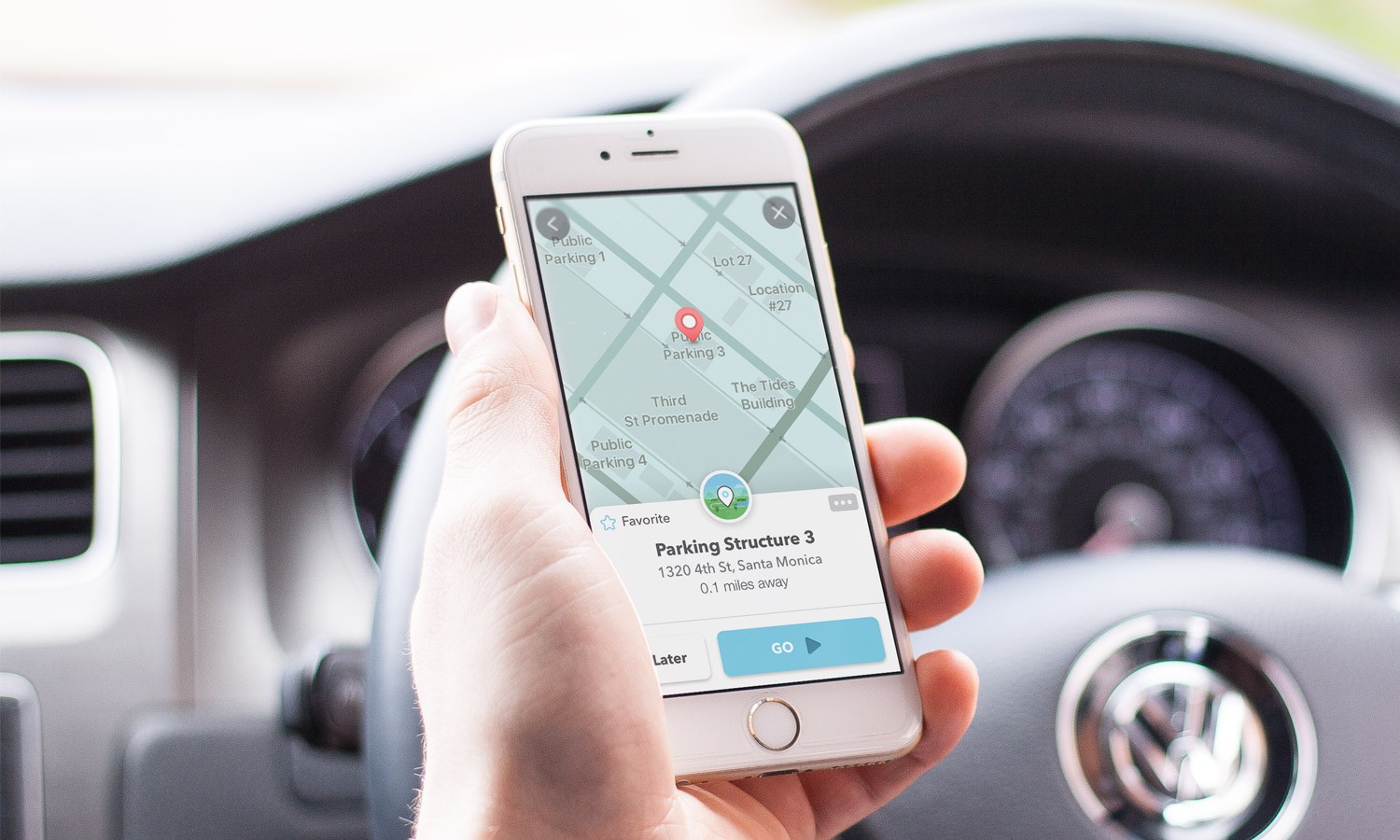
Waze, the popular navigation application, is set to enhance its user experience on Android Auto by finally removing a significant hurdle that has been a point of frustration for many of its users. The app will now allow the use of phones while connected to the vehicle, aligning its functionality more closely with its direct competitor, Google Maps.
Unlocking the User Experience
Android Auto users who are fans of Waze have had a notably frustrating issue for some time. Upon connecting their device to their vehicle, the application would effectively freeze on their phone, often presenting a black screen or a banner urging the user to concentrate on the dashboard. This made the phone virtually impractical for entering directions. Fortunately, this source of exasperation is now being addressed.
A widespread update is being rolled out that permits users to access and operate the Waze app on their mobile device while it concurrently runs on the car’s display. Although this feature has been seen in beta versions over the last few months, it now seems to be accessible to all in the stable builds.
This enhancement has been anticipated for quite some time. Google Maps, a close cousin and rival to Waze, resolved this exact restriction back in 2023. Prior to this amendment, Maps users faced the same predicament of a ‘locked screen,’ a situation that was universally disliked.
The Importance of This Update
The significance of this update lies in the fact that in-car infotainment systems are often less responsive than smartphones. Inputting an address on a dashboard touchscreen can be clumsy, slow, and distracting. Older vehicles or specific models frequently rely on rotary dials instead of touchscreens, making the task of typing an address like ‘Main Street’ by scrolling through an alphabet wheel incredibly tedious.
However, this alteration evens the odds. It enables a passenger to conveniently pick up the phone to add a stopover or check alternative routes without obstructing the driver’s map view on the larger screen. This update recognizes that the phone is often the superior input device, even though the vehicle may offer a better viewing experience.
A Timely Improvement
Many users, including myself, find themselves in a constant quandary over which of the two navigation behemoths – Google Maps or Waze – to choose. While Google Maps scores higher for its neater user interface and superior lane guidance, Waze is unmatched in its real-time police spotting and hazard alerts. Nonetheless, the inability to swiftly grab my phone and change a destination on Waze was a significant disincentive that often led me back to Maps.
This update overcomes that obstacle. It makes Waze significantly less restrictive and considerably more contemporary. It’s a quality-of-life improvement that may sway me to consistently use Waze for my daily commute. If you are yet to see this feature in action, try force-stopping the app and reopening it while connected; this appears to activate the new pop-up.
Questions & Answers
What does the new Waze update entail?
The update allows Waze users to access and operate the app on their phone while it’s simultaneously running on their car’s display.
Why is this update significant?
This update brings an end to the frustration of being unable to use the phone for navigation once connected to the car, a problem that had been a major issue for Waze users on Android Auto.
Is this feature already available on Google Maps?
Yes, Google Maps resolved this exact issue back in 2023, allowing users to operate the app on their phone while it’s connected to their vehicle’s infotainment system.