Tag: hybrid

  • Experience Hybrid Work Life at Logi Cafe: Logitechs Pop-Up Office Oasis with Ten Thousand Coffee in Taiwan

    Experience Hybrid Work Life at Logi Cafe: Logitechs Pop-Up Office Oasis with Ten Thousand Coffee in Taiwan

    Logitech, the global leader in computer peripherals, has teamed up with Ten Thousand Coffee to present Logi Café, a temporary initiative in Taiwan designed to transform cafés into flexible workspaces. This unique experience allows customers to interact with and explore Logitech’s extensive collection of innovative productivity devices.

    Creating Mobile Workspaces with Logi Café

    Active until the end of August, this experience is hosted in five different Ten Thousand Coffee locations across Taiwan, all under the banner ‘Work Anywhere With Logi.’ There are two primary venues, the Breeze Center and Q Square in Taipei, which offer dedicated experiential zones. Here, visitors have the unique opportunity to test the functionality of Logitech products within the authentic setting of a café environment.

    The Logi Café display features Logitech’s diverse array of portable and ergonomic devices. Visitors can engage with products such as the Mobi wireless folding mouse, the Keys-To-Go 2 Bluetooth keyboard, the MX series peripherals, and the complete Ergo collection. Additionally, customers can discover the AI-powered productivity features offered by Logitech’s Options+ software.

    This unique campaign was designed to reflect the contemporary shift towards hybrid work patterns. Cafes are increasingly seen as alternative workspaces for both professionals and students. The Logi Café initiative seeks to illustrate how Logitech’s lightweight peripherals can enhance productivity not only within traditional office spaces but beyond.

    Logitech’s Expansion into Retail

    In 2023, Logitech Singapore joined forces with Watsons to distribute a curated range of lifestyle and technology items across Singapore’s brick-and-mortar stores. This move into physical retail spaces further exemplifies Logitech’s commitment to delivering its innovative products directly to the consumer in a variety of settings.

    Questions & Answers

    What is Logi Café?
    Logi Café is a temporary initiative launched in Taiwan by Logitech in partnership with Ten Thousand Coffee. It transforms cafés into mobile workspaces where consumers can experience Logitech’s latest productivity devices.

    What products can visitors test at Logi Café?
    Visitors to Logi Café can explore a range of Logitech’s portable and ergonomic devices, including the Mobi wireless folding mouse, Keys-To-Go 2 Bluetooth keyboard, MX series peripherals, and the Ergo collection. They can also discover the AI-powered productivity features offered by Logitech’s Options+ software.

    What is the aim of Logi Café?
    Logi Café is designed to reflect the current shift towards hybrid working, demonstrating how Logitech’s lightweight peripherals can enhance productivity not only within traditional office spaces but also in alternative workspaces such as cafés.
  • Spark NZ and HPE Pioneer Advanced Hybrid Cloud Solutions for New Zealand’s Digital Boom

    Spark NZ and HPE Pioneer Advanced Hybrid Cloud Solutions for New Zealand’s Digital Boom

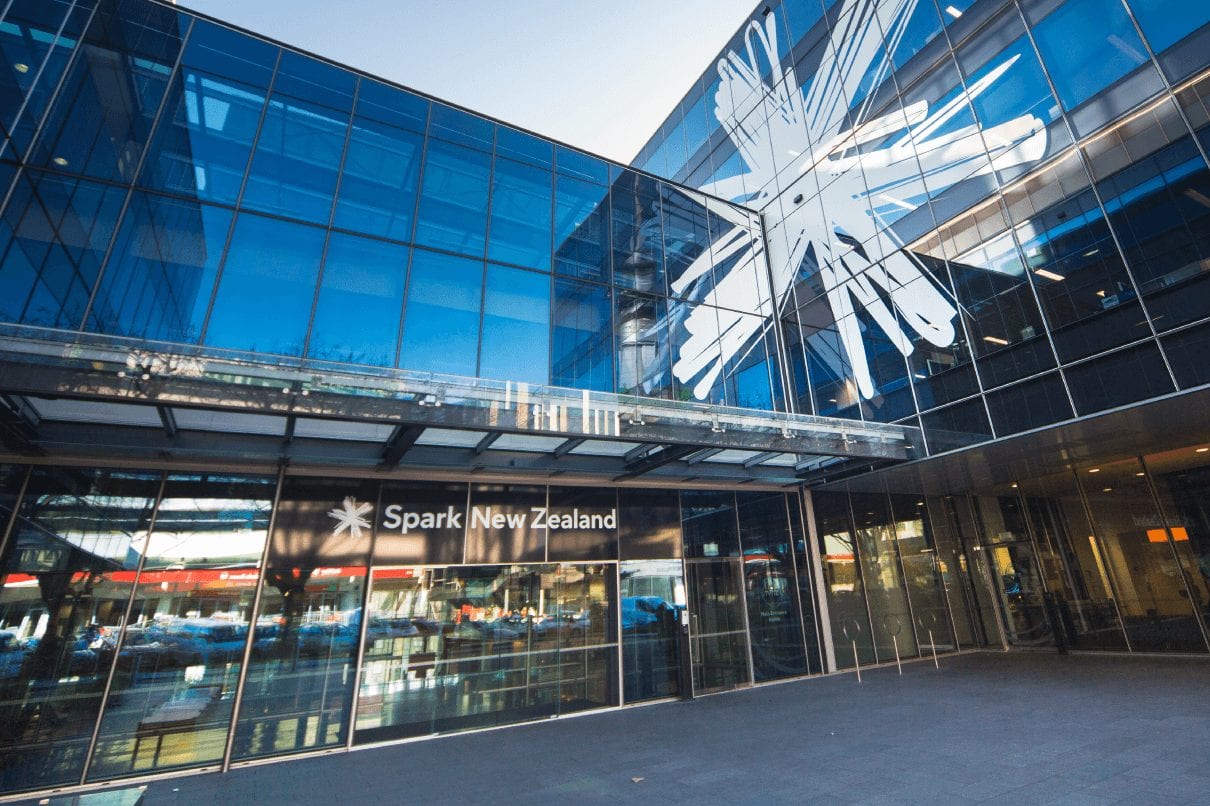
    Hewlett Packard Enterprise (HPE) recently declared that Spark NZ, a leading telecom company in New Zealand, has embarked on a series of substantial infrastructure transformations. Undertaken in conjunction with HPE, these projects aim to provide rapid and reliable hybrid cloud and managed IT services to Spark NZ’s customers. The IT overhaul will integrate new streamlined and automated features for the telecom company. Spark NZ’s objective is to entirely transform its cloud management platform in response to the substantial growth in digital consumption in New Zealand and the escalating demand for quick, reliable, and uninterrupted connectivity across all its services.

    Fostering Hybrid Cloud Growth: Merging Strategies for Optimal Cloud Solutions

    Working in tandem with HPE, Spark NZ has upgraded its antiquated infrastructure, establishing a modern, purpose-built hybrid cloud environment. This includes the integration of HPE GreenLake cloud and HPE Morpheus Enterprise Software to deliver scalable, unified services. This expansion equips Spark NZ to serve its customers more effectively with improved connectivity, advanced scalable AI solutions, and heightened control, agility, and security. The modernization process has been conducted in several stages, aimed at revolutionizing Spark NZ’s crucial infrastructure while concentrating on delivering measurable outcomes that stimulate transformative business change for customers.

    Chris Weber, Vice President and Managing Director at HPE South Pacific, expressed his pride in the partnership with Spark NZ and the innovations it has brought about. He emphasized the broad range of modern solutions HPE offers, from upgrading cloud infrastructure capability to increasing efficiency and scalability. Weber shared his anticipation regarding how the partnership will continue to yield results in the constantly evolving landscape and the business opportunities it will unveil as these projects mature.

    The Changing Face of Telecommunication Services

    The telecommunications sector in New Zealand is structured to cater to a large and widely distributed network of customers, businesses, and enterprises. As global productivity and innovation thrive, there is a rising demand for inventive solutions to meet the requirements of critical national infrastructure and private enterprises. Spark NZ’s proactive approach to embracing new solutions positions New Zealand competitively on the global stage, prioritizing improved customer outcomes and enhanced cost-efficiency.

    Penny White, Business Technology Services General Manager at Spark NZ, emphasized the changing needs of businesses as technology evolves. She noted that depending solely on public or on-premises cloud does not provide the flexibility, control, and speed necessary for them to maximize the benefits of technology to boost productivity. White stated that these barriers can be surmounted by hybrid cloud – the area where Spark NZ is focused. She affirmed that their strategic partnership with HPE has not just fortified their foundational infrastructure but also enabled them to continue delivering a seamless, user-friendly experience to their customers while unlocking enhanced efficiency, tangible business outcomes, and new potential capabilities.

    Questions & Answers

    What is the goal behind Spark NZ’s infrastructure transformation?
    The goal is to provide faster and more reliable hybrid cloud and managed IT services to its customers in New Zealand.

    How is Spark NZ addressing the growing demand for quick and reliable connectivity?
    Spark NZ is addressing this demand by modernizing its cloud management platform and integrating new streamlined and automated capabilities.

    What are the benefits of Spark NZ’s partnership with HPE?
    The partnership enables Spark NZ to serve its customers more effectively with improved connectivity, advanced scalable AI solutions, and heightened control, agility, and security. It also positions Spark NZ to continue delivering a seamless, user-friendly experience while unlocking enhanced efficiency, tangible business outcomes, and new potential capabilities.

  • VinFast Set to Revolutionize Transport with Hybrid Vehicles in 2023: A Game Changer in the EV Market?

    VinFast Set to Revolutionize Transport with Hybrid Vehicles in 2023: A Game Changer in the EV Market?

    VinFast, a Vietnamese automaker, is reportedly planning to tap into the hybrid vehicle market by next year. The company will reportedly add gasoline-powered generators to its existing electric vehicle models, easing the transition for consumers into the electric vehicle market.

    VinFast’s Hybrid Vehicle Plans

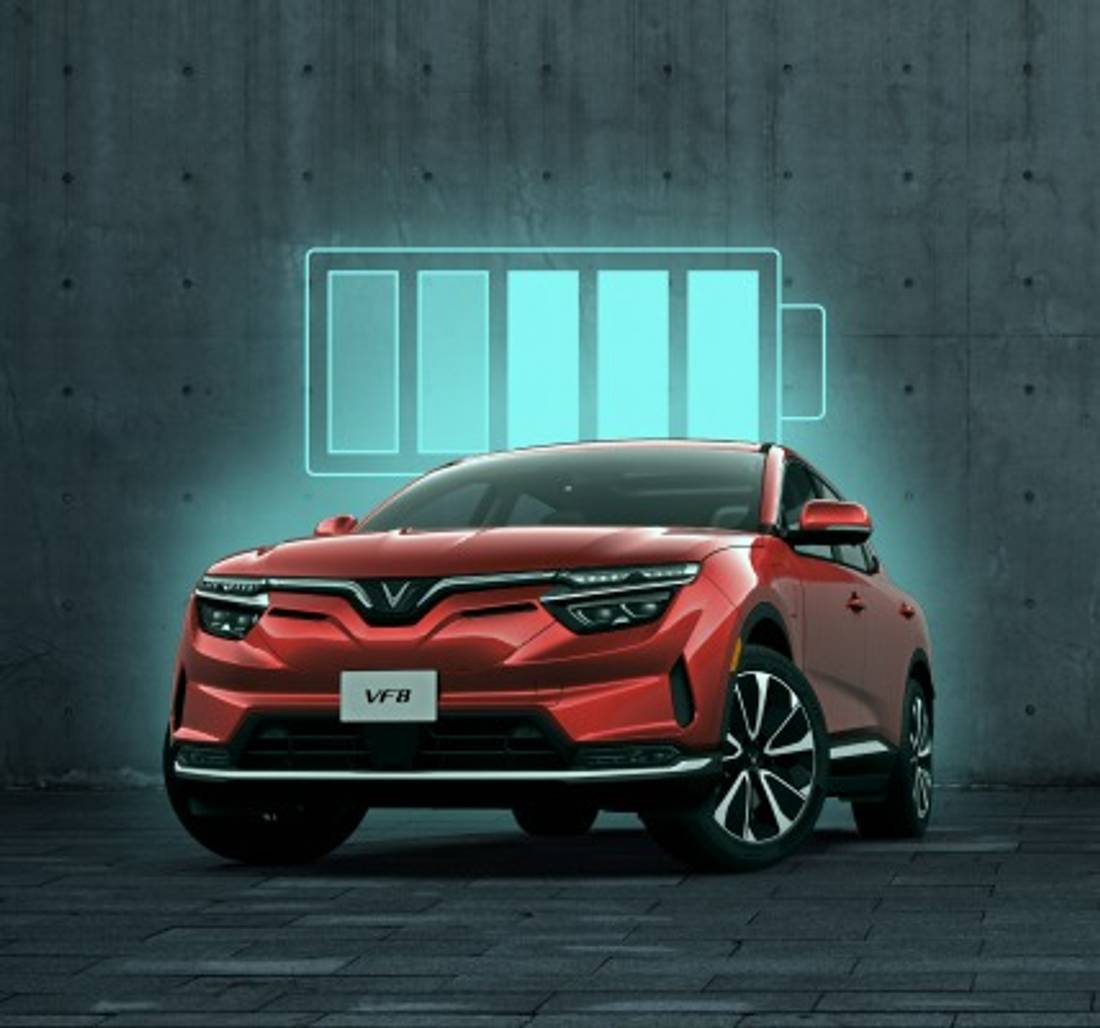
    Informed sources have revealed that VinFast is gearing up to roll out hybrid versions of its VF 8 and VF 9 models. However, the automaker has yet to officially confirm these plans. The recent buzz surrounding VinFast’s entry into the hybrid market was stoked when Sailun, a Chinese tire manufacturer with operations in Vietnam, used images of a car resembling a VinFast model in their promotional materials for an upcoming line of hybrid vehicle tires.

    According to insiders, the VinFast hybrid vehicles will likely fall under the extended-range electric vehicle (EREV) category. These vehicles are fully powered by an electric engine, but feature a gasoline-fueled generator to recharge the battery. This specific type of hybrid vehicle could broaden the customer base for electric vehicles by addressing common concerns about long-distance travel and the availability of charging stations.

    Global Shift Towards Hybrid Vehicles

    VinFast’s move towards hybrid vehicles mirrors a broader global trend among automakers. Several leading companies, including Honda, Mercedes, and Volvo, initially committed to exclusively manufacturing electric vehicles. However, they later modified or abandoned these plans, incorporating hybrid vehicles into their lineups. BYD, currently the top-selling new-energy vehicle brand worldwide, also heavily relies on hybrid vehicle sales.

    In recent years, hybrid vehicle sales in Vietnam have seen consistent growth, with a variety of options available from manufacturers like Toyota, Honda, Nissan, Suzuki, and Subaru. Chinese brands like BYD, Jaecoo, and Lynk & Co are further expanding the hybrid vehicle segment. Depending on the design, the interaction between the gasoline engine and the electric motor produces diverse hybrid formats.

    Extended-range electric vehicles are relatively rare in the Vietnamese market. The Nissan Kicks was the only model in this category, but it is no longer available for sale.

    Questions & Answers

    What are VinFast’s plans for entering the hybrid vehicle market?
    VinFast is reportedly planning to introduce hybrid versions of its VF 8 and VF 9 models by next year.

    What is an extended-range electric vehicle (EREV)?
    An EREV is a vehicle that is entirely powered by an electric engine but also has a gasoline-fueled generator to recharge the battery.

    How does VinFast’s shift towards hybrid vehicles fit into global automotive trends?
    VinFast’s move aligns with a broader international trend, with many automakers initially committing to electric vehicles but later incorporating hybrid vehicles into their lineups.

  • HSBC Plans for Permanent Hybrid Work Model

    HSBC Plans for Permanent Hybrid Work Model

    HSBC is the latest to embrace hybrid working with plans to make it a permanent model for the bank worldwide.

    My own view on the return to office is it would be a waste if we didn’t learn from the last 18 months, said HSBC group chief executive Noel Quinn.

    The bank’s work-from-home embracement is part of broader plans to cut costs including a 40 percent reduction in property footprint in the coming years. It also changed its office policy to include two employees per desk, excluding branches, and scrapped the executive floor of its London-based headquarter.

    We’ve learned to live and operate in a very different way, Quinn said, though he noted that he didn’t want to be overly prescriptive.

    Despite the plans, Quinn highlighted some of the advantages of the physical workspace such as social relationships or spontaneity.

    I don’t want to lose that DNA and that teamwork, he said. I’m really glad to be back in the office, seeing colleagues and having conversations in the corridor or in getting stuff done on the spur of the moment, rather than having to book a VC call or a telephone call.

    Quinn also highlighted traveling in the pandemic era, with the bank expecting budget in this area to shrink by 50 percent.

    I remember one day sitting at home, I traveled the world in a day, talking to clients in different parts of the world, he said. You can’t do that forever. You still want to have face-to-face interaction.

    Global banks remain divided on work-from-home measures with some like Citi and Standard Chartered signaling or planning a permanent shift while others like Goldman Sachs and Morgan Stanley preferring a return to the office.

  • UBS Rolls Out Permanent Hybrid Working Option

    UBS Rolls Out Permanent Hybrid Working Option

    UBS will allow up to two-thirds of its staff to permanently split working hours between home and the office, in hopes that the approach could help outdo U.S. rivals in requirement.

    An internal analysis of the 72,000-strong global workforce identified that around two-thirds had roles that were fit for hybrid working, according to a report citing unnamed sources, equivalent to more than 48,000 employees.

    The arrangements will be based on an individual’s role, tasks, and location with some, such as traders and branch staff, offered little flexibility with requirements to work on site. For certain activities, even hybrid workers will be required to come into the office to attend.

    No date has been set for a return to the office, according to the plan which is being led by chief executive Ralph Hamers.

    UBS’commitment to more hybrid working contrasts with that of major U.S. rivals which are not only increasingly asking workers to return but also demonstrating relatively critical views about the state of affairs.

    If you can go to a restaurant in New York City, you can come into the office and we want you in the office, Morgan Stanley CEO James Gorman said at a recent conference.

    Last year, UBS even explored the potential to have traders operate outside of the office, experimenting with virtual reality headsets for its London-based staff.

  • Maserati’s First Hybrid Car Coming Soon

    Maserati’s First Hybrid Car Coming Soon

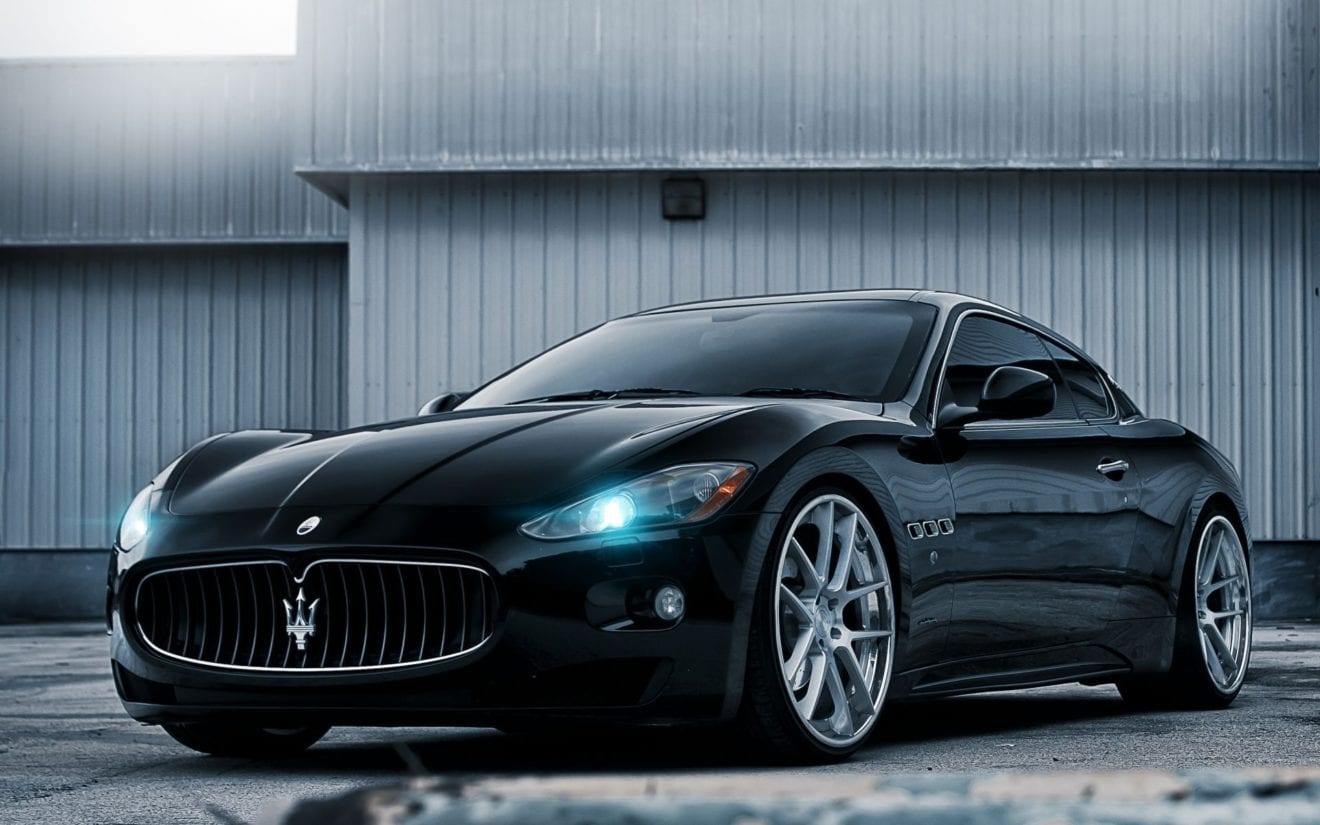
    It was in June 2018 that Maserati announced that it will be launching four new plug-in hybrid (PHEV) models by 2022 and last year it confirmed that the first electrified model in its line-up would be the Maserati Ghibli Hybrid which will be introduced in 2020. Well! The carmaker has now shared that its next launch will be the Ghibli Hybrid and also took to twitter today to showcase its intention to bring it out soon.

    The dramatic video shows the company’s logo – the Trident – sourcing its power from a thunderbolt, giving us a clear reference to Zeus from Greek mythology. The Maserati Ghibli Hybrid will be manufactured at the Modena plant where the company is significantly upgrading the production line and is investing 800 Million Euros in a new production line. Maserati in its five-year plan, had also announced that it will bring refreshed versions of the Ghibli and Quattroporte sedans before it gets built on a completely new platform by 2022. Moreover, the Levante SUV will also be updated, and we’ll also see a new smaller SUV joining the Maserati portfolio before 2022. Based on a completely new platform, the new Levante along with the Ghibli and Quattroporte will also be offered with an electrified powertrain for the very first time.

    At present, the Maserati Ghibli, on sale, in India is offered with a twin-turbo V6 petrol engine that is designed by Maserati Powertrain and is built at the Ferrari plant in Maranello. The engine is Euro6 compliant and promises an exciting drive while keeping the emissions in check. The petrol engine also comes with a new exhaust system controlled by pneumatic valves. Moreover, the engine features advanced valve control technology with hydraulic roller finger followers and four-cam phasers, twin-turbocharging and direct injection technology.

  • Ford Launches Testing Of New Self-Driving Fleet In Detroit

    Ford Launches Testing Of New Self-Driving Fleet In Detroit

    Ford Motor Co’s majority-owned autonomous vehicle subsidiary, Argo AI, launched its new fleet of self-driving test vehicles – Ford Fusion Hybrid – in Detroit on Wednesday, expanding its presence to five U.S. cities. The new cars are equipped with upgraded sensors, including radars and cameras with higher resolution and range, the company said.

    The No. 2 U.S. automaker is in talks with German carmaker Volkswagen AG to develop self-driving vehicles as its autonomous vehicles unit competes for investment and engineering talent with peers as well as technology companies.

    General Motors’ majority-owned Cruise robotaxi business, Aurora, recently announced a partnership with Fiat Chrysler Automobiles, while Alphabet and Uber are also investing in their self-driving projects.

    Argo already operates vehicles in Pittsburgh, Palo Alto, Miami and Washington D.C.

  • Hella Develops Battery Solutions For Mild Hybrid Vehicles

    Hella Develops Battery Solutions For Mild Hybrid Vehicles

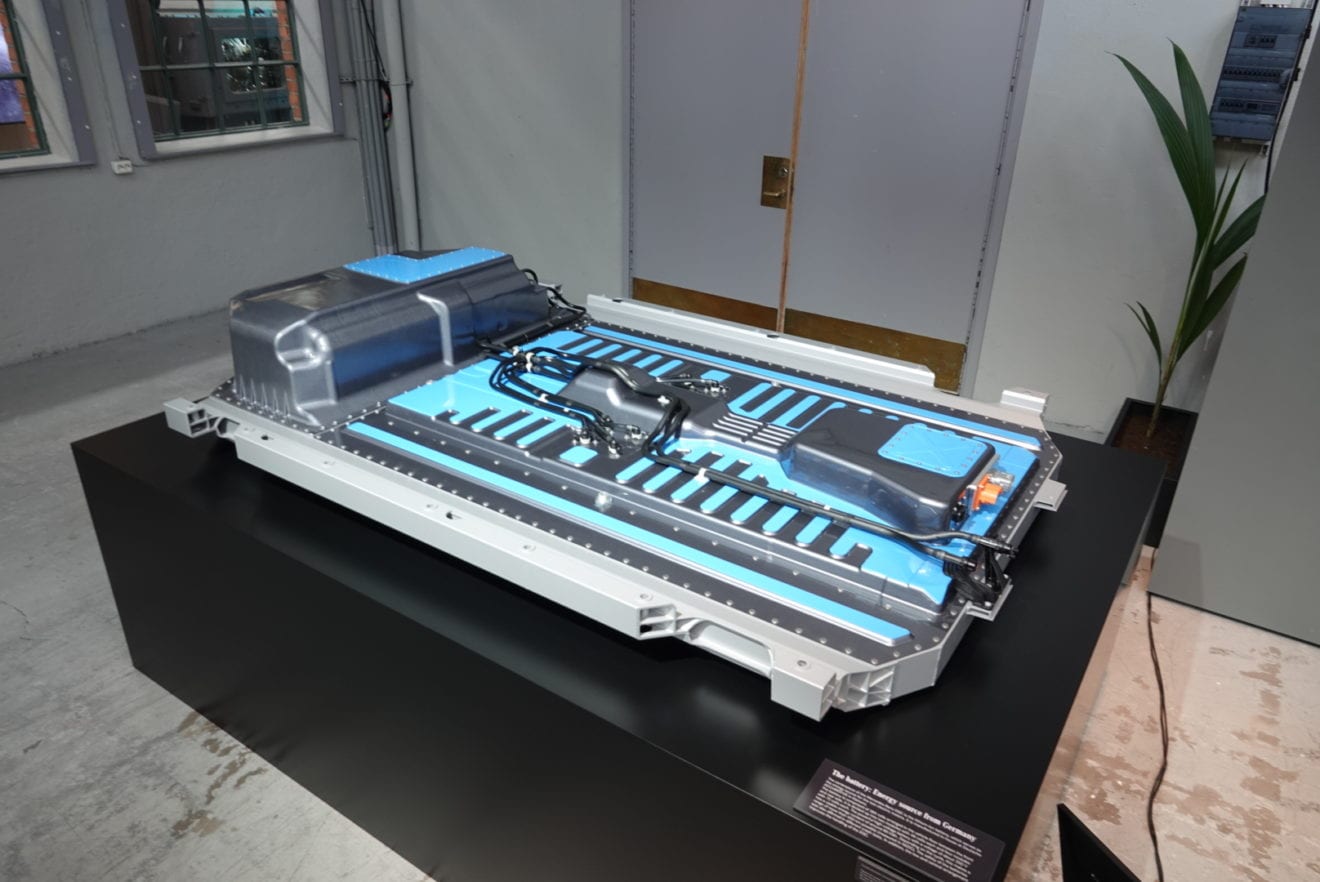
    Hella announced that it will develop and manufacture products that support all stages of automotive electrification. With new products like dual voltage battery management system and powerpack 48 Volt, the company is now one of the first on the market to offer innovative battery module solutions for mild hybrid vehicles. The new solutions enable savings of 5 to 6 grams of CO2 per kilometer and thus help to achieve CO2 targets in the short term.

    Starting 2020, newly registered vehicles in the EU will not be allowed to exceed a limit value of 95 grams of CO2 per kilometer. Hella’s dual voltage battery management system for the compact and mid-range class allows vehicles with internal combustion engines to be converted to a mild hybrid. It combines the conventional separate core elements such as 48 V battery, 12 V battery and voltage transformer (DC-DC converter) within a single product in the package space of a conventional lead-acid battery. This makes it easy to integrate the system into the existing vehicle architecture. Another advantage: The Dual Voltage Battery Management System eliminates the need for a lead-acid battery in the car. The innovative system consists of lithium-ion cells that are switched intelligently depending on the application. Thus the capacity can be used specifically in the 12-volt or 48-volt vehicle electrical system.

    Hella has designed the PowerPack 48 Volt for vehicles in higher power rating classes. It combines a 48-volt lithium-ion battery pack including battery management and DC-DC converter. In addition to the 12-volt battery, the PowerPack 48 is also drawn into the vehicle. It enables hybrid functions such as recuperation (ability to recover energy while braking) or active coasting (the internal combustion engine is switched off while driving) as well as other comfort functions for the luxury class. These include ambient lighting, automatic climate control and active chassis control.

  • Ferrari Hybrid Supercar Teased

    Ferrari Hybrid Supercar Teased

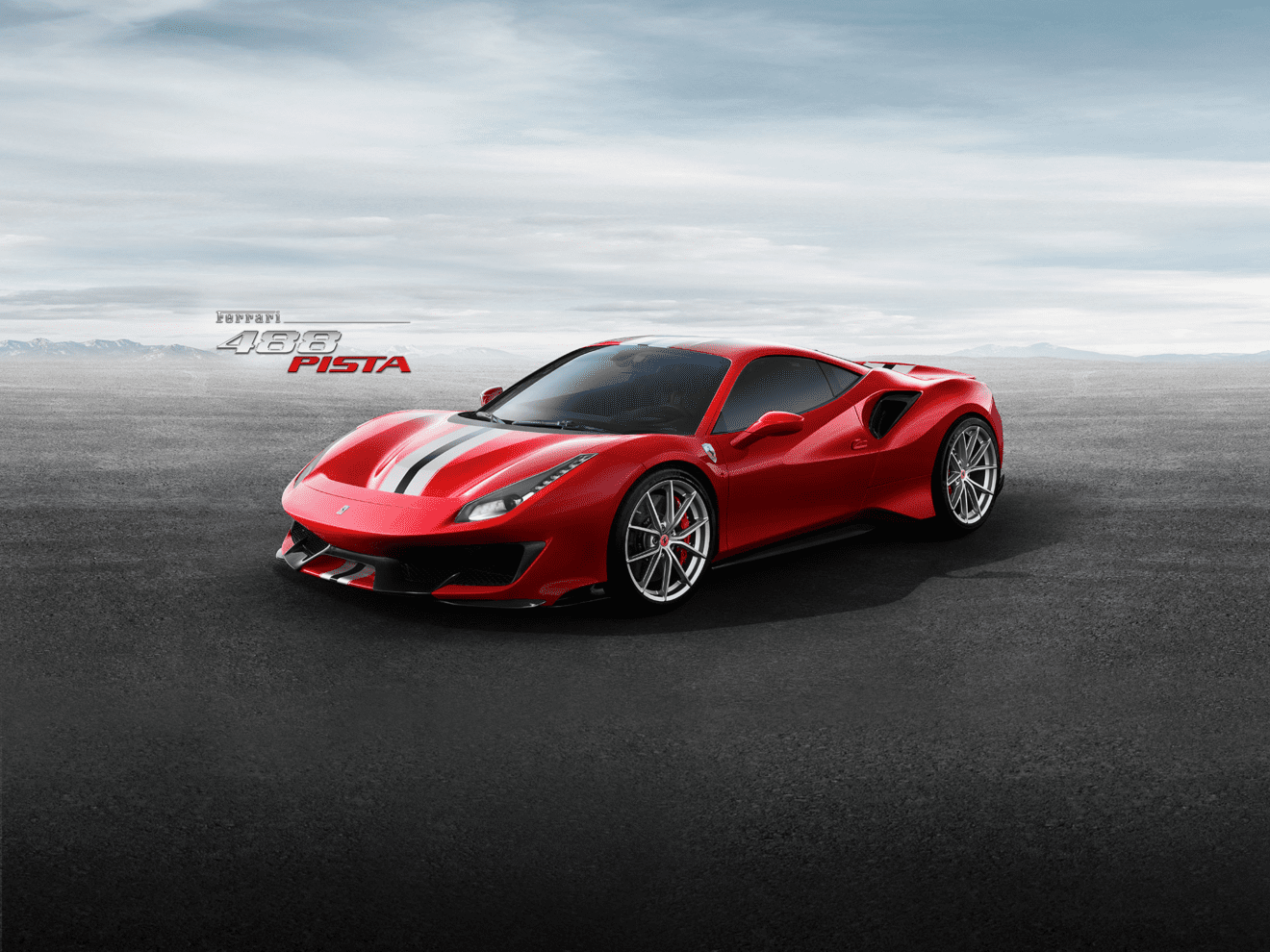
    Ferrari always gets our adrenaline pumping with its new models and this time it’s a new hybrid supercar. Just a day ahead of its unveil the Italian supercar maker took to Twitter to tease its upcoming model. Ferrari supercars have undergone significant powertrain upgrades in the last decade. The Ferrari 488 GTB was its first turbocharged model and this one will be the first hybrid supercar after the gorgeous La Ferrari hypercar and is expected to break cover on May 29.

    The silhouette of the car looks very similar to the track-focused Ferrari 488 Pista and F8 Tributo. However, in the teaser video it looks even more angular with a razor-sharp profile which makes it distinctive and different from other Ferraris. The angular headlamps look sleek and at the rear it gets the quad taillight setup. There is a massive diffuser underneath the dual-exhaust pipes, similar to what we have seen in the Tributo. Then there is also the integrated spoiler for drag efficiency.

    The new supercar is expected to launch with a 3.9-litre bi-turbo V8 motor which will be coupled with three electric motors. Two of them will be mounted on the front axle while the third one will be integrated into the gearbox to optimize the shifts. It will be offered with an all-wheel-drive setup and the powertrain in combination is expected to put out a whopping maximum output of 972 bhp which will help it clocking triple-digit speed in less than 2.0 seconds.

  • Cloud fueled data center spending growth to $150b in 2018

    Cloud fueled data center spending growth to $150b in 2018

    Synergy Research Group (SRG) says a 30% spike in public cloud spending the data center hardware and software market grow to $150 billion in 2018. In addition, the requirement for ever-richer server configurations also drove up enterprise server average selling prices.

    Spending on enterprise data center infrastructure grew by 13% in part driven by the 23% growth in private cloud or cloud-enabled infrastructure, which helped to offset a marginal decline in traditional, non-cloud infrastructure.

    In terms of market share, ODMs in aggregate account for the largest portion of the public cloud market, with Dell EMC being the leading individual vendor, followed by Cisco, HPE and Huawei. The 2018 market leader in private cloud was Dell EMC, followed by Microsoft, HPE and Cisco.

    Private cloud or cloud-enabled infrastructure accounted for a little over a third of the total. Servers, OS, storage, networking and virtualization software combined accounted for 96% of the data center infrastructure market, with the balance comprising network security and management software.

    “Cloud service revenues continue to grow by almost 50% per year, enterprise SaaS revenues are growing by 30%, search/social networking revenues are growing by almost 25%, and e-commerce revenues are growing by over 30%, all of which are helping to drive big increases in spending on public cloud infrastructure,” said John Dinsdale, chief analyst at Synergy Research Group.

    “We are also now seeing some reasonably strong growth in enterprise data center infrastructure spending, with the main catalysts being more complex workloads, hybrid cloud requirements, increased server functionality and higher component costs,” added Dinsdale.

  • Toyota To Give Royalty-Free Access To Hybrid Vehicle Patents

    Toyota To Give Royalty-Free Access To Hybrid Vehicle Patents

    Toyota Motor plans to offer royalty-free access to its hybrid-vehicle technology patents as early as this year. Toyota, which holds roughly 20,000 active patents in the field, is expected to make accessible most of the latest ones covering motors, power converters and batteries, according to the report.

    The change of heart was driven by a fear of hybrids losing relevance as the broader industry moves toward pure electric vehicles.

  • BMW Wants Its Electric Cars to Look More Boring

    BMW Wants Its Electric Cars to Look More Boring

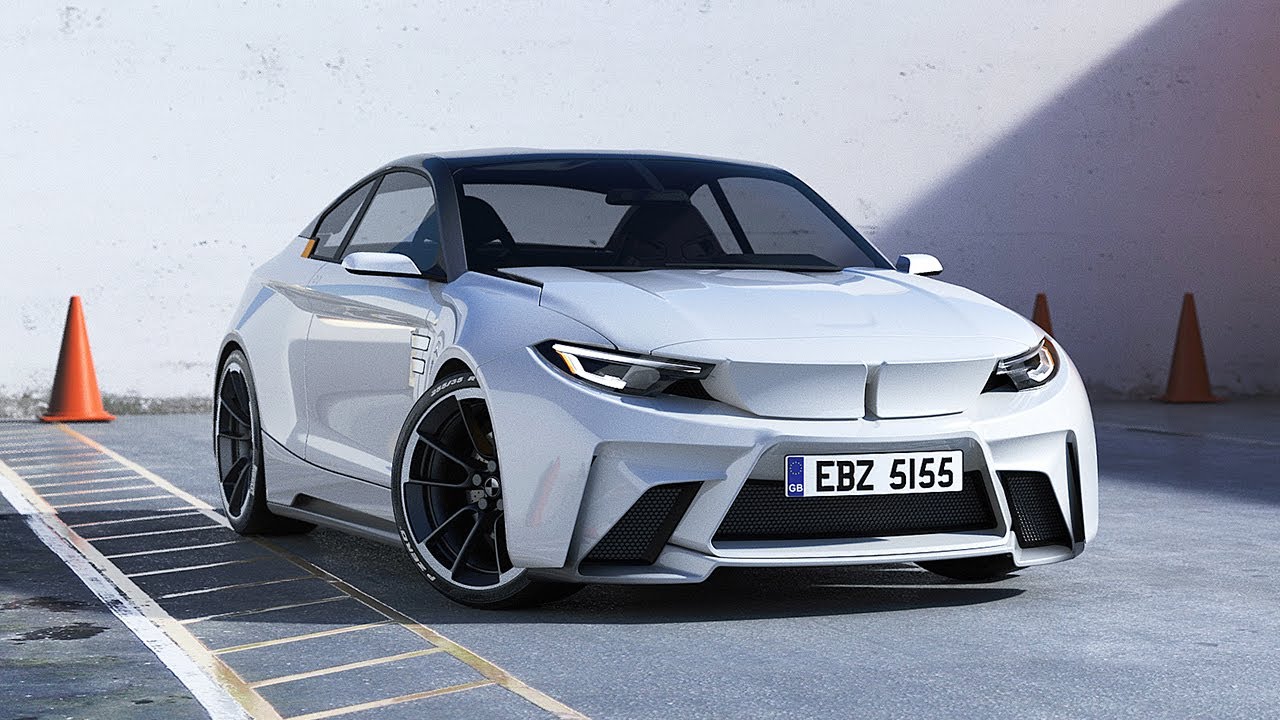
    BMW has decided that despite all the new engineering under the skin of the new 3 Series, the styling of the all-important sedan would only be very mildly updated. At the Paris Motor Show, the Bavarians also displayed a concept of their next i car, the electric iX3 SUV shown above. As far as its exterior goes, the i division’s next move feels like a 180 degree turn from the futuristic i3 city car and i8 plug-in hybrid.

    Indeed, it seems that BMW will dedicate its time to making sure its kidney grilles can keep growing. Indefinitely.

    Now, BMW Design Director Adrian van Hooydonk says that’s all on purpose. Van Hooydonk said that as electrified models get more and more popular, there will be no reason to make i BMWs look unique: Electric mobility will spread through our entire vehicle range in quite a short space of time—to the point that electric or plug-in hybrid is just another option box you tick as you order the car. The fact is that BMW customers want a dynamic car, whether it is a battery-electric vehicle or not, and so there’s is increasingly less reason to make these kinds of cars look different.

    This means BMW will go down a similar route as Audi with its e-tron or Mercedes-Benz with the EQ C—advanced electric vehicles with styling that’s almost exactly the same as their conventional cars. It’s a big shift from BMW’s previous strategy of making its electric cars look decidedly futuristic, and wholly distinct from its other offerings. Notably, Jaguar is committed to making its electric vehicles stand out—look at the I-Pace crossover, with its radical proportions making the most of Jag’s new electric car skateboard platform.

    BMW lost its head of exterior design, Karim Habib, to Infiniti in 2017. Since then, Jozef Kabaň has been responsible for BMW’s core line, while Domagoj Dukec is in charge of the i and M models. Their boss, Adrian van Hooydonk, joined BMW in 1992, becoming head of Designworks USA in 2001, and replacing Chris Bangle as Director of BMW Group Design in 2009. See you at his anniversary party in 2022.

  • Legacy networks to hamper hybrid cloud adoption

    Legacy networks to hamper hybrid cloud adoption

    Nearly all APAC IT decision makers (99%) agree that legacy network infrastructure will struggle to  keep pace with the changing demands of the cloud and hybrid networks, according to a survey by Riverbed Technology.

    The global survey, which includes responses from 1,000 IT decision makers across nine countries – including Japan, China, India and Australia — revealed a very high level of agreement that legacy infrastructures are holding back their cloud and digital strategies.

    In addition, 93% of respondents say their organization’s cloud strategy will only reach its full potential with a next generation network, and 98% agree that a next-gen network is critical to keep up with the needs of their business and end users.

    The survey also found there is a current gap in the adoption of next generation technology such as SD-WAN that will accelerate the cloud and digital transformation, however a tipping point is near.

    Of the APAC IT decision makers surveyed, 92% plan to migrate to SD-WAN within the next four years, up from just 6% today.

    Currently, performance pains experienced by businesses in APAC are glaring, as nearly half (48%) report that they experience cloud-related network issues specifically caused by their legacy infrastructure a few times a month or more; and 90% said it impacts their business at least monthly.

    But 85% of these same decision makers say they are still several years away from reaching the full potential of digital transformation, in part due to their legacy infrastructure. This number jumps to 90% for respondents in China and 94% in Japan.

    This gap between realization and actual deployment is consistent from companies across verticals such as financial, manufacturing, retail, energy and utilities, communications and media, and IT services, and could threaten their competitive positions in their respective markets.

    While a current gap exists in the adoption of next-gen technology to support cloud and digital transformation in the enterprise, this is changing quickly. Of those surveyed, 97% agree that within two years SD-WAN technology will be critical in next generation networks to manage cloud and hybrid.

    While only 6% of those surveyed are currently benefiting from SD-WAN today (slightly higher than the global average of 4%), more than half (57%) plan to migrate to SD-WAN within two years, and 92% within four years.

  • Massive shift towards hybrid infrastructure underway

    Massive shift towards hybrid infrastructure underway

    By 2020, enterprise spending on cloud, hosted and traditional infrastructure services will be more or less on par, Gartner has predicted.

    The research firm said the growth of cloud and industrialized services and the decline of traditional data center outsourcing (DCO) indicate a massive shift toward hybrid infrastructure services.

    “As the demand for agility and flexibility grows, organizations will shift toward more industrialized, less-tailored options,” said DD Mishra, research director at Gartner.

    “Organizations that adopt hybrid infrastructure will optimize costs and increase efficiency. However, it increases the complexity of selecting the right toolset to deliver end-to-end services in a multi-sourced environment.”

    Gartner predicts that by 2020, 90% of organizations will adopt hybrid infrastructure management capabilities.

    The traditional DCO market is shrinking, according to Gartner’s forecast data. Worldwide traditional DCO spending is expected to decline from $55.1 billion in 2016 to $45.2 billion in 2020. Cloud compute services, on the other hand, are expected to grow from $23.3 billion in 2016 to reach $68.4 billion in 2020.

    Spending on colocation and hosting is also expected to increase, from $53.9 billion in 2016 to $74.5 billion in 2020. In addition, infrastructure utility services (IUS) will grow from $21.3 billion in 2016 to $37 billion in 2020 and storage as a service will increase from $1.7 billion in 2016 to 2.7 billion in 2020.

    In 2016, traditional worldwide DCO and IUS together represented 49% of the $154 billion total data center services market worldwide, consisting of DCO/IUS, hosting and cloud infrastructure as a service (IaaS). This is expected to tilt further toward cloud IaaS and hosting, and by 2020, DCO/IUS will be approximately 35% of the expected $228 billion worldwide data center services market.

  • Toyota sees Europe sales up 5 pct this year as hybrids push pays off

    Toyota sees Europe sales up 5 pct this year as hybrids push pays off

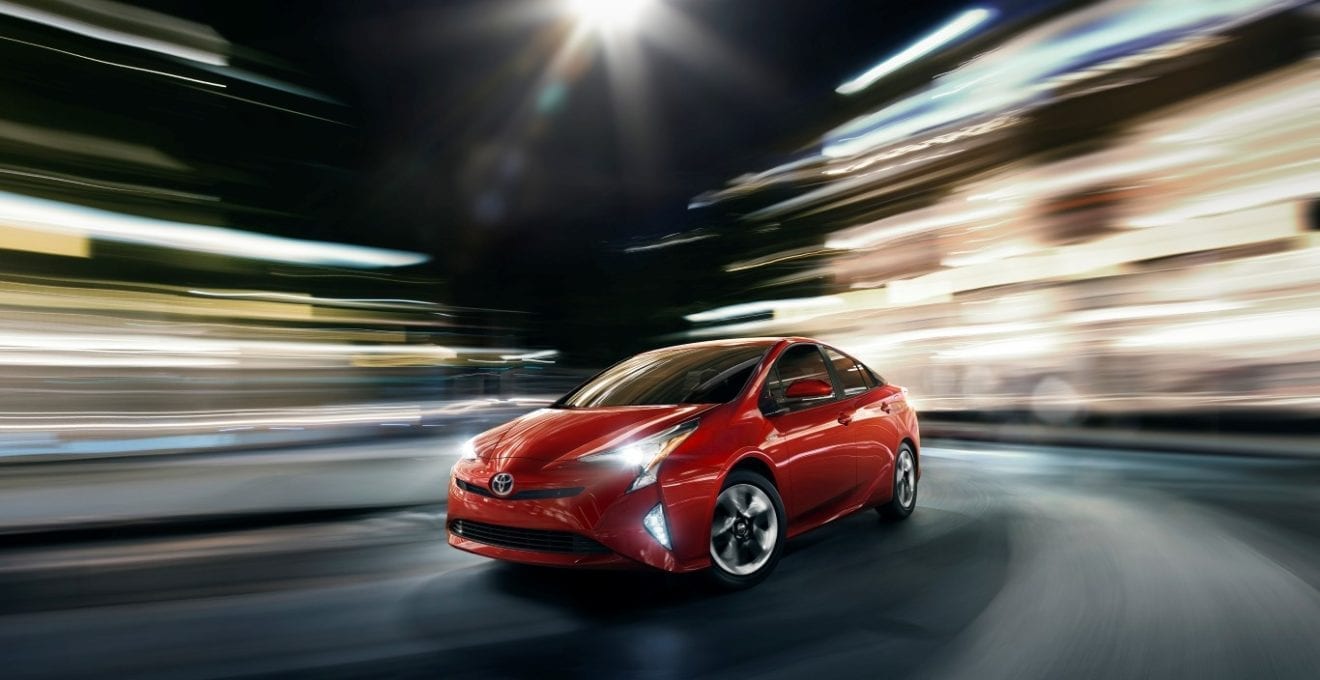
    Toyota Motor expects to increase its European sales by 5 percent this year to 975,000 vehicles and maintain its market share of around 5 percent, buoyed by the popularity of hybrids, its regional head said on Monday.

    Speaking ahead of the Geneva auto show, Johan van Zyl said sales of hybrid vehicles in Europe rose 40 percent last year and made up 32 percent of all sales in the region. For Toyota, Europe counts 56 countries, including Israel, Russia and Turkey.

    “We are on our way of achieving our target of having 50 percent of our mix in hybrids by 2020,” he told journalists.

    The executive said the outlook for Europe was clouded by upcoming elections, Britain’s pending exit from the European Union and persistent difficulties in the Russian and Turkish markets.

    He expects industry-wide sales in Europe to rise 1 percent this year. He said any increase in the western part of the region would likely be absorbed by some weakness in Britain, and expects some recovery in Russia.

    Van Zyl said PSA’s announcement on Monday that it would buy Opel from General Motors Co, creating Europe’s second biggest carmaker after Volkswagen AG, would not affect its own strategy.

    “We have no intention at the moment to alter any of our plans with regards to how we’re going to compete in the industry, we’ve got a very clear strategy,” he said, adding that Toyota would keep focusing on the A, B and C segments, keeping hybrids as its differentiator.

    “We are not a volume chaser, we want to create a sustainable, growing business in Europe,” he added.

    Van Zyl said Toyota was fully committed to its operations in the UK regardless of how the negotiations around Brexit pan out, but added that the carmaker was seeking to make the business more efficient.

    “The prudent approach is always to prepare yourself for the worst-case scenario. If we prepare for that and it’s better, then we are OK,” he said.

    He declined to comment on future production plans there other than saying Toyota “will produce vehicles in the UK”.

    Didier Leroy, Toyota’s executive vice president, added that a next-generation fuel cell car the group is developing with BMW will be ready in three to five years, while a separate project to develop a sports car with the German carmaker was ongoing.

    “The project has been globally approved, that means clearly that we will do it,” he said, but declined to give a timeline for when it would be produced.