Tag: hypermarket

  • SPAR India to partner Himachal Pradesh in promoting fresh sourcing and manufacturing

    SPAR India to partner Himachal Pradesh in promoting fresh sourcing and manufacturing

    As part of ‘The Global Investors Meet’ in Dharamshala, Himachal Pradesh on June 10-11, 2019, which will have the CII as key national partner, a road show was organized in Bangalore recently that saw senior leaders from various industries participate in the event. SPAR was one such participant at the show as a representative of the retail industry.

    At the event, SPAR India’s MD & CEO Rajeev Krishnan and Solai Shakthivel, Senior Vice President – Buying and Merchandising Foods, had the opportunity for a one-on-one interaction with the Chief Minister of Himachal Pradesh Jai Ram Thakur and Industry minister Bikram Singh.

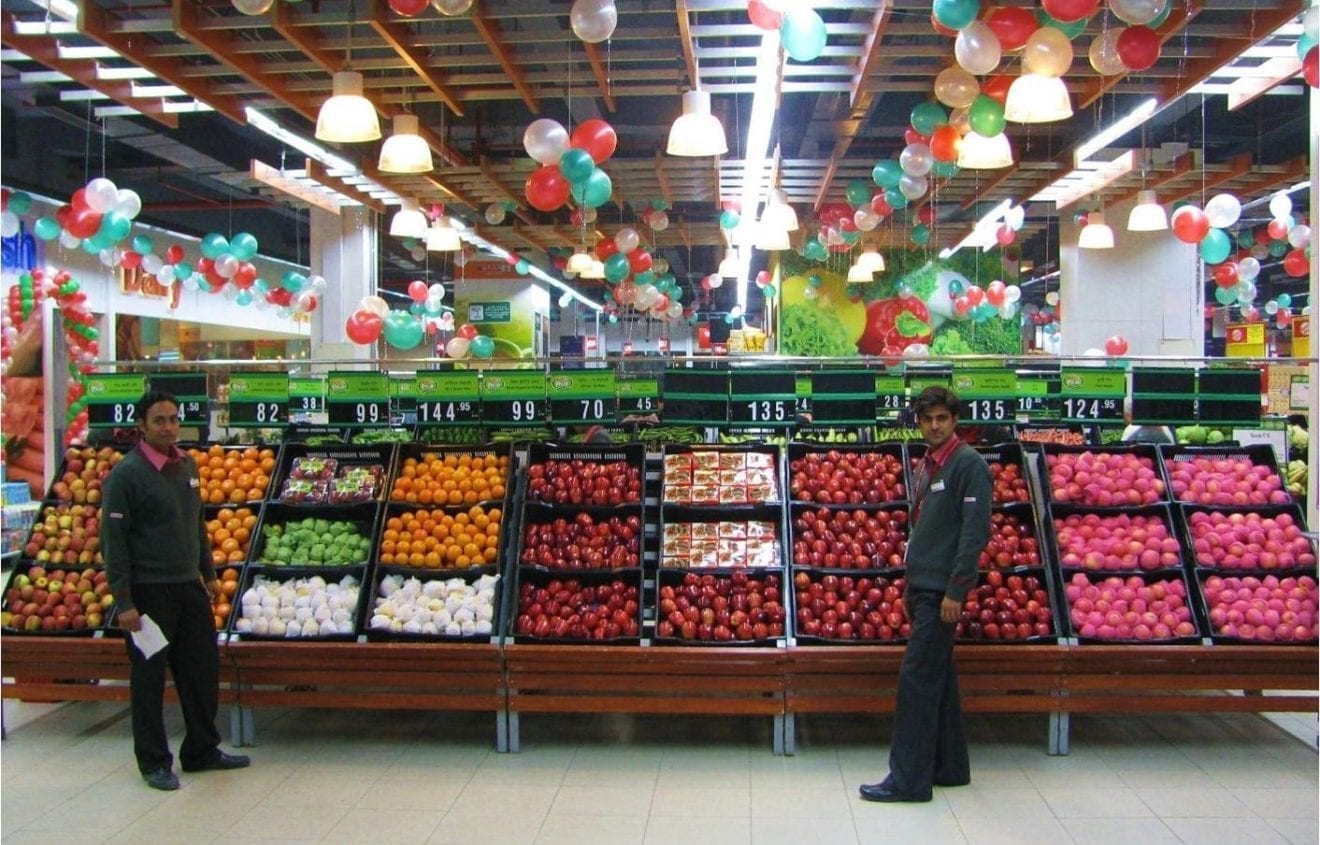
    Himachal Pradesh, known as the ‘Fruit bowl of India’, is famous for its manufacturing and SME development. With its ideal weather conditions, there are different varieties of fruits and vegetables grown in Himachal Pradesh. The state is famed for its abundance of crisp, juicy apples as well as for its pears, peaches, plums, grapes, apricots, mangoes, strawberries and citrus fruits.

    SPAR India offers a variety of fresh produce to its customers, which are mainly sourced from Himachal Pradesh. These include apples, green peas, oranges, honey, organic produce, among other products.

    According to Krishnan, “SPAR India is committed to continue building strong farm to fork relationships. We will be working jointly with the State on sourcing and developing our private label products – soaps, handicrafts, etc which, in turn, will support the growth of SMEs.”

    In its endeavour to continue making a difference in the lives of farmers, customers and communities, SPAR wants to be a strong partner to Himachal Pradesh in promoting fresh sourcing, manufacturing and tourism in the coming years.
  • Tesco to build simpler, more sustainable business; axe 9,000 jobs

    Tesco to build simpler, more sustainable business; axe 9,000 jobs

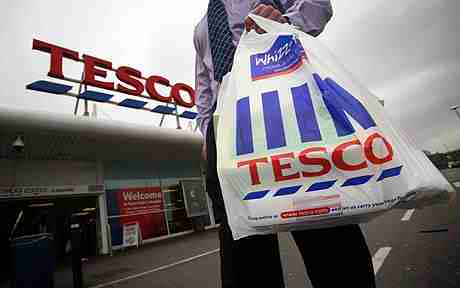
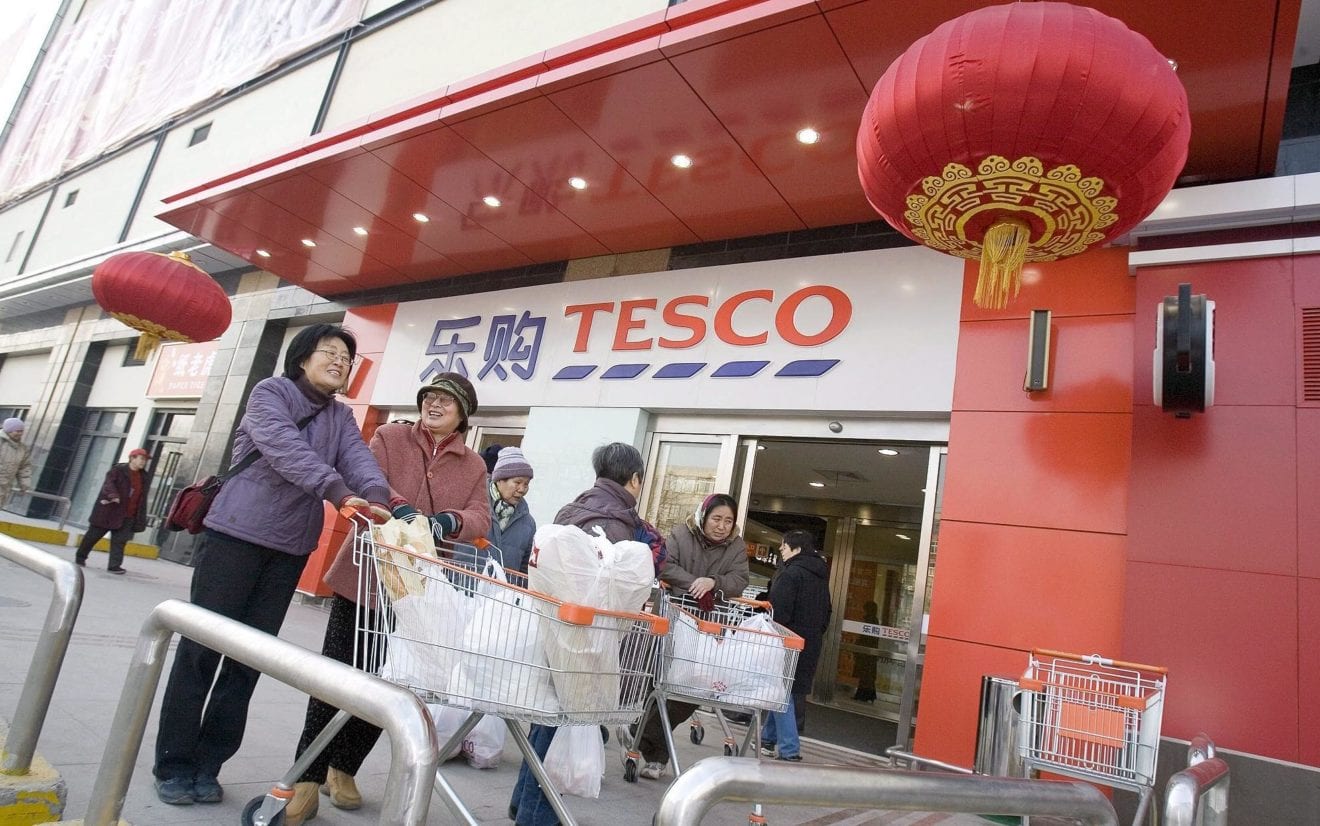
    Tesco has recently announced that the brand is making some strategic changes to further simplify the business and this might affect jobs of 9,000 employees. “Since we launched our turnaround four years ago, we have built a stronger business focused on serving our customers. Whilst this turnaround continues, it does so in a competitive and challenging market. We’ve briefed our colleagues on some changes we’re making to our stores and offices to further simplify our business, so that we can continue to invest in serving our customers,” Tesco said in a statement.

    Jason Tarry, CEO, UK & ROI said: “In our four years of turnaround we’ve made good progress, but the market is challenging and we need to continually adapt to remain competitive and respond to how customers want to shop. We’re making changes to our UK stores and head office to simplify what we do and how we do it, so we’re better able to meet the needs of our customers. This will impact some of our colleagues and our commitment is to minimise this as much as possible and support our colleagues throughout.”

    Changes include the following:

    Counters simplification

    Over recent years, convenience and online businesses have continued to grow, as the brand has core grocery and fresh departments in large stores. Not only are customers shopping in different ways, but they have less time available to shop too – which means they are using counters less frequently. The brand will be making changes to the counters in large stores to ensure that they have the right offer for customers. It is expected that around 90 stores will close their counters, with the remaining 700 trading with either a full or flexible counter offer for customers.

    Stock control simplification

    As business changes, the brand is also changing the way they manage their stock. After a number of trials, they have found a simpler way to conduct store routines and will be rolling this out to all of the stores. These changes mean a significantly reduced workload, with fewer hours needed to complete the routines.

    Merchandising simplification

    The brand wants to make shopping with them even easier, and they are aware that when they move products around this can prove frustrating for customers. The in-store employees have expressed to the brand that they want to spend more time with  customers, rather than moving products around the store. They have been working to reduce the amount of layout changes they make, so it’s easier for customers, and less work for in-store employees meaning fewer merchandising hours are needed.

    Colleague rooms

    Currently only one third of stores provide a hot food service and, over recent years, there has been reduced demand for this. Over the last three years the brand has been rolling out new self-service colleague kitchen areas in a number of stores, and they are now extending this to all remaining stores with a hot food service. This change will impact the people working in colleague rooms, who are employed by third party caterers, and the brand is working with them to provide as much support as they can.

    Head office

    The brand has completed a detailed review and this week they are talking to employees about changes in some of their head office teams, moving to a simpler and leaner structure, which will allow them to focus on supporting customers.

    In-store bakeries

    Contrary to media reports over the weekend, the brand has no plans to make any significant changes to bakeries this year.

    “Overall, we estimate that up to 9,000 Tesco colleague roles could be impacted, however, our expectation is that up to half of these colleagues could be redeployed to other customer-facing roles. We are working with our third party providers to understand the impact on their staff in our colleague hot food service,” Tesco said in a statement.

  • LOTS Wholesale Solutions expands footprint with its third store in India

    LOTS Wholesale Solutions expands footprint with its third store in India

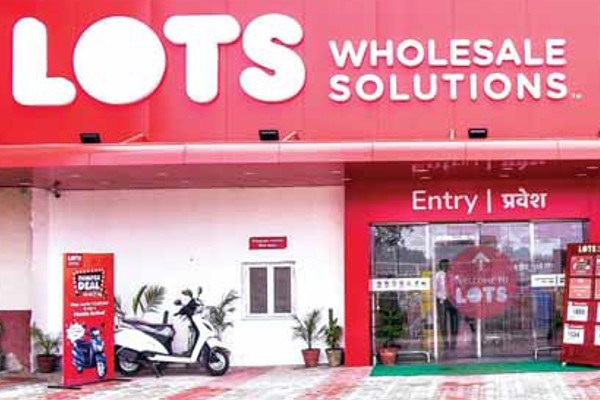
    LOTS Wholesale Solutions, a part of the US$ 50 billion Charoen Pokphand Group and a wholly owned subsidiary of Siam Makro Public Company Limited from Thailand, has unveiled its third wholesale distribution centre in India at Ithum, Sector 62, Noida. In 2018, the company inaugurated their stores at Netaji Subhash Place and Akshardham. The three stores, opened within a span of seven months, will cater to a total of 1,40,000 registered customers in Delhi NCR.

    LOTS Wholesale Solutions store in Noida is the first step towards the company’s commitment of investing Rs 250 crore in the state of Uttar Pradesh. The expansion plan will witness the opening of more stores in the state in the coming years.

    The new store in Noida is spread over an area of 50,000 sq.ft. and will provide its customers with more than 5,500 assorted products in food and non-food categories. It will cater to over 40,000 business customers with a diverse clientele including kiranas, hotels, restaurants and caterers (HoReCa), corporates, MSMEs and institutions such as government agencies, educational institutes and hospitals from the catchment area.

    In addition to the announcement of its third store, LOTS Wholesale Solutions also launched its own brands Basic Plus and PlusMo with an aim to provide best quality products at economical prices. The first two product categories introduced under these brands are bakery items and home-cleaning.

    Talking about the launch of the third store in India, Tanit Chearavanont, Managing Director, LOTS Wholesale Solutions said, ‘Following our values of victory, we have outperformed ourselves and unveiled the third store within a span of seven months. As promised, we delivered our two stores in 2018. Uttar Pradesh was an obvious choice for expansion after Delhi NCR, owing to the proximity to the enormous market opportunity in the state. It fits well within our cluster strategy for the business in India. Aided by government support, we aim to establish an environment of mutual growth for farmers, traders and our business in the state. We will work directly with them to establish a strong supply chain and demand for their products.’

    Featuring specially curated assortments for its members, delivery services, e-commerce, credit facility etc, LOTS Wholesale Solutions is a one-stop shop for all its customer needs.

  • Tesco Asia sales continue dropping despite growth in profit

    Tesco Asia sales continue dropping despite growth in profit

    Tesco Asia like-for-like sales continue to decline while the UK-headquartered company repositions its offer – masking a stronger underlying performance for the business. “We have made good progress in our discussions with suppliers towards a new commercial approach,” explained Tesco CEO Dave Lewis in a quarterly update. “We also accelerated planned changes to our operating model in Thailand, helping to reduce costs and underpinning our profit recovery.”

    Lewis said that despite minor changes to the government-issued welfare cards scheme during the third quarter, Tesco Thailand sales fell by about 1 per cent for the 19-weeks including the key Christmas trading period.

    Restructured Thailand store operations have led to reduced costs, underpinning profit recovery at the expense of sales.

    Referring to Tesco’s global operations, Lewis added: “We have more to do everywhere but remain bang on track to deliver our plans for the year and as we enter our centenary we are in a strong position.”

    The December quarter represented the 12th consecutive quarter of like-for-like sales growth for Tesco globally, with sales up 2.6 per cent.

  • Shoppers in Hyderabad welcome fourth SPAR Hypermarket

    Shoppers in Hyderabad welcome fourth SPAR Hypermarket

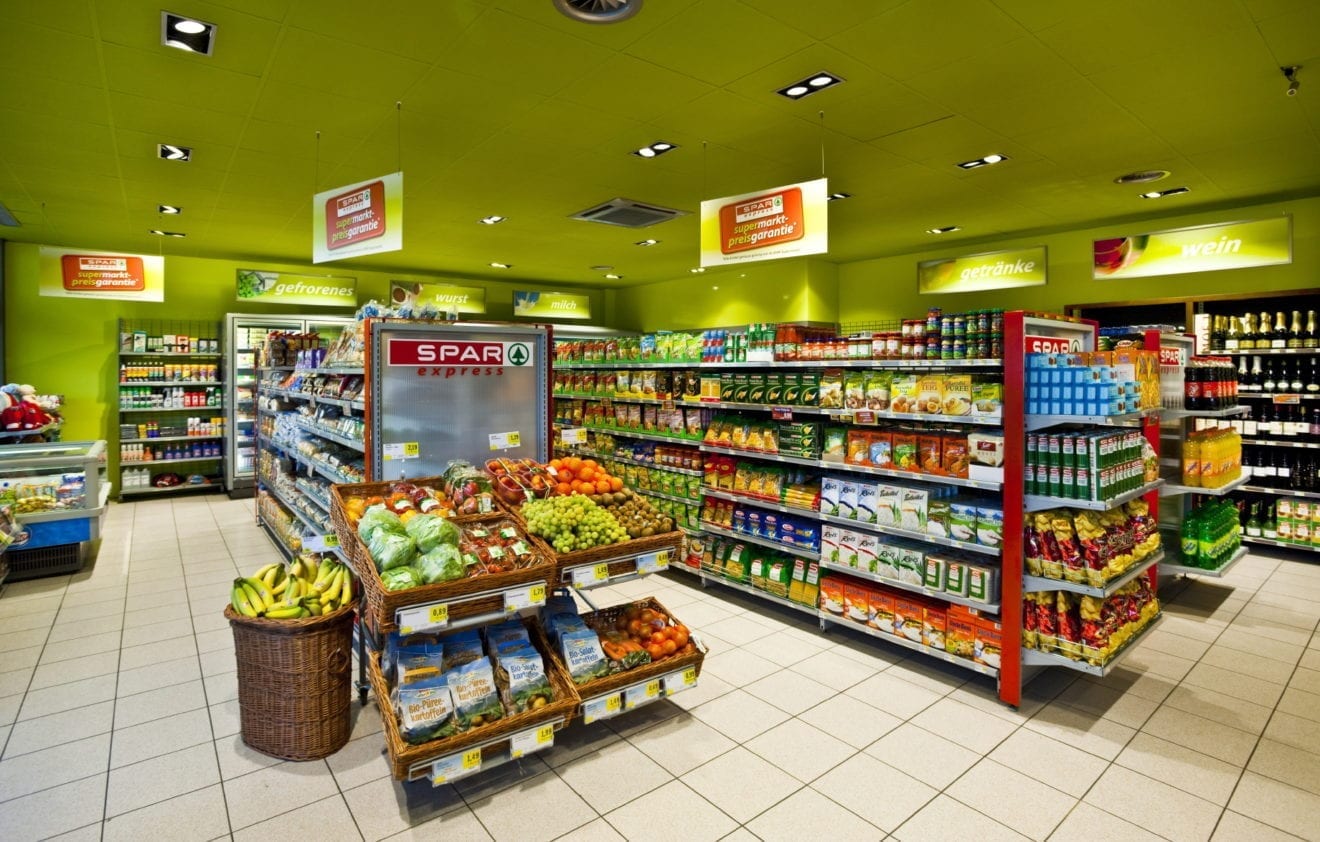
    Building on the SPAR Brand awareness amongst shoppers in Hyderabad, the newest hypermarket situated in Paradise Mall, Nacharam has been enthusiastically welcomed by customers. This is the 18th SPAR Hypermarket to open in the country, spread over seven states and nine cities, and the fourth in Hyderabad.

    The newly built hypermarket is a total of 6,000sqm and comprises one of the retail offerings in the Mall which is also managed by Max Hypermarkets, holder of the SPAR licence in India. In the retail selling area of 5,400sqm, customers can enjoy a diverse range of fresh foods from the fish, bakery, delicatessen and Food-to-Go service departments or browse the extensive non-food offer. The wide choice and high standard of products available throughout the hypermarket has seen customers react positively with particular attention on the Home & Living department.

    Many of the local customers are traditional families comprising a full target group of babies through to grandparents, requiring a broad range of products. In the build up to the opening on 18 October, SPAR India spread the word through extensive advertising. Customers took advantage of the opening specials with over 1,000 transactions taking place between 4:30 and 10:00 pm on the first day of trading. 

    Further advertising about the selection of fresh fish, meat and produce has begun together with greater awareness of the full hypermarket offer. Customers have commented favourably on the open layout, wide aisles and the merchandise available.

     SPAR India continues to focus on the range instore, building up their own brand products, which currently account for approximately 10% of retail turnover. SPAR India’s Managing Director, Rajeev Krishnan, stated at the opening ceremony that the group intends to expand its footprint by 30% in the next 12-18 months.

     SPAR India already offers an online shopping platform available for customers in Bengaluru. The platform offers same day delivery, payment by credit card, cash or food coupons and orders above Rs1,000 are free of charge. The online platform may be extended to other cities in the future. Furthermore, SPAR India continues to invest in the profitability and efficiency of its hypermarkets through the incorporation of new technologies such as the queue-buster solution to enhance the customer experience.

  • End of Growth for Hypermarkets?

    End of Growth for Hypermarkets?

    Hypermarkets, which offer a wide range of products under one roof, once prospered in Korea. Recently, however, sales growth has stagnated with a rapid change in consumer behavior. 

    According to industry watchers, hypermarkets in Korea anticipated high growth this year, following poor performance in 2015 from widespread public fear of MERS in June. But their high hopes have proven to be overly optimistic. 

    Lotte Mart, one of Korea’s leading hypermarket franchises, only saw 0.2 percent year-over-year sales growth in June. Homeplus, Korea’s second largest retailer, even showed negative sales growth. 

    E-mart, a subsidiary of Shinsegae, and the largest retail hypermarket in Korea, also recorded negative growth in May (4.4 percent), but improved its performance in June, although not as much as anticipated. 

    “We can’t disclose our growth rate for June because of government regulations, but considering the base effect caused by the MERS incident, the rate is far from our expectations,” said an E-mart official. “The industry itself is at risk, and its low growth has become a fixated phenomenon.” 

    Among the three retail giants, Homeplus has been suffering most from negative growth in recent years, and starting this year the company decided not to disclose its monthly growth rate in order to avert potential negative influence that it may further pose in the industry.

    “The company policy is not to disclose monthly growth rates,” said a Homeplus official. “But it’s true that the industry is suffering.” 

    Industry experts point to changing consumer trends, with preference rapidly shifting from offline to online purchasing. 

    “There are so few customers at these hypermarkets nowadays,” said an industry official. “Department stores, on the other hand, are more crowded because they often deal with high-end products. But a rising number of consumers are shifting over to e-commerce platforms to purchase daily necessities, which are the main products offered by hypermarkets.”


  • Lulu Group Indonesia opens first hypermarket

    Lulu Group Indonesia opens first hypermarket

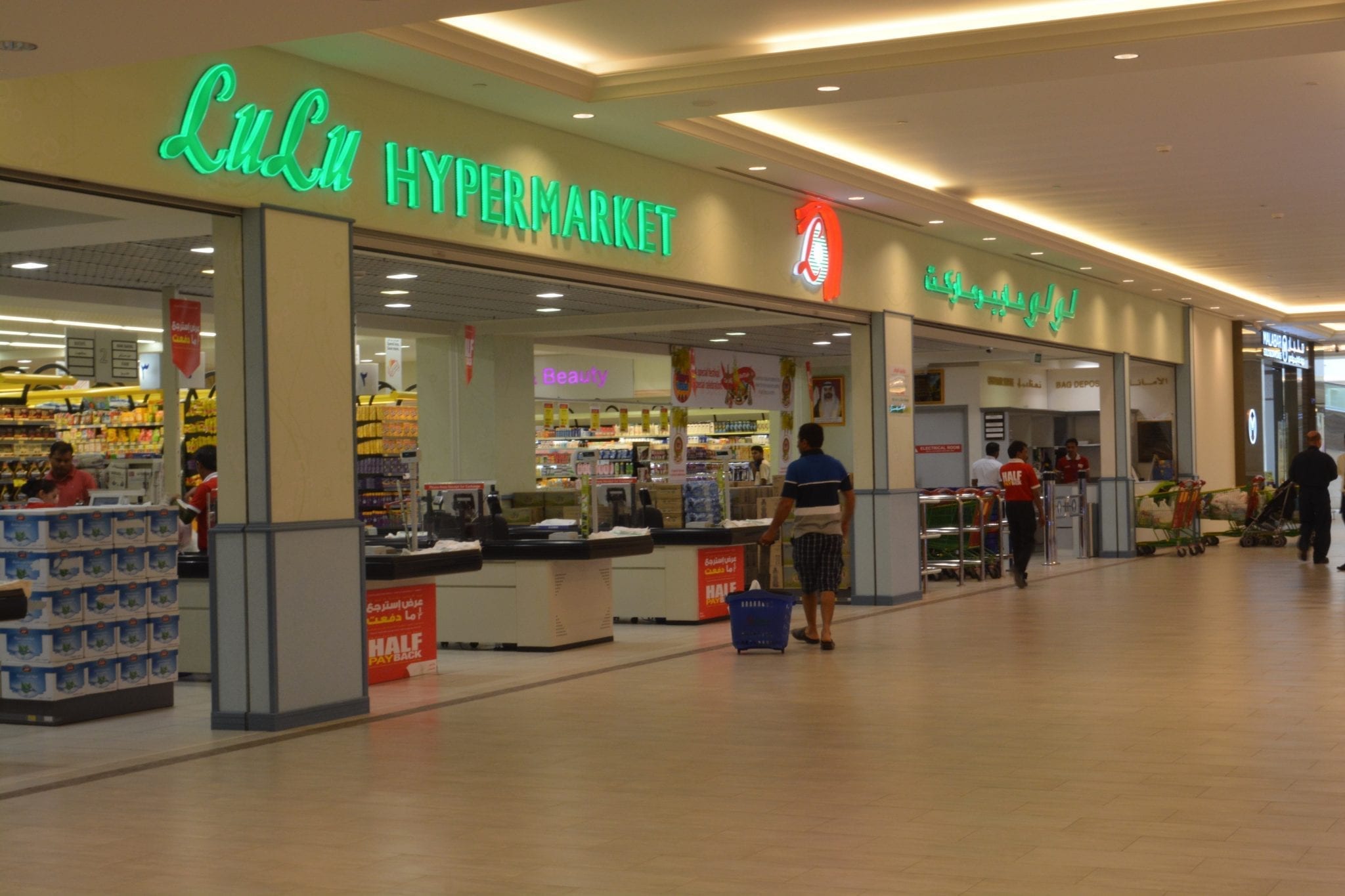
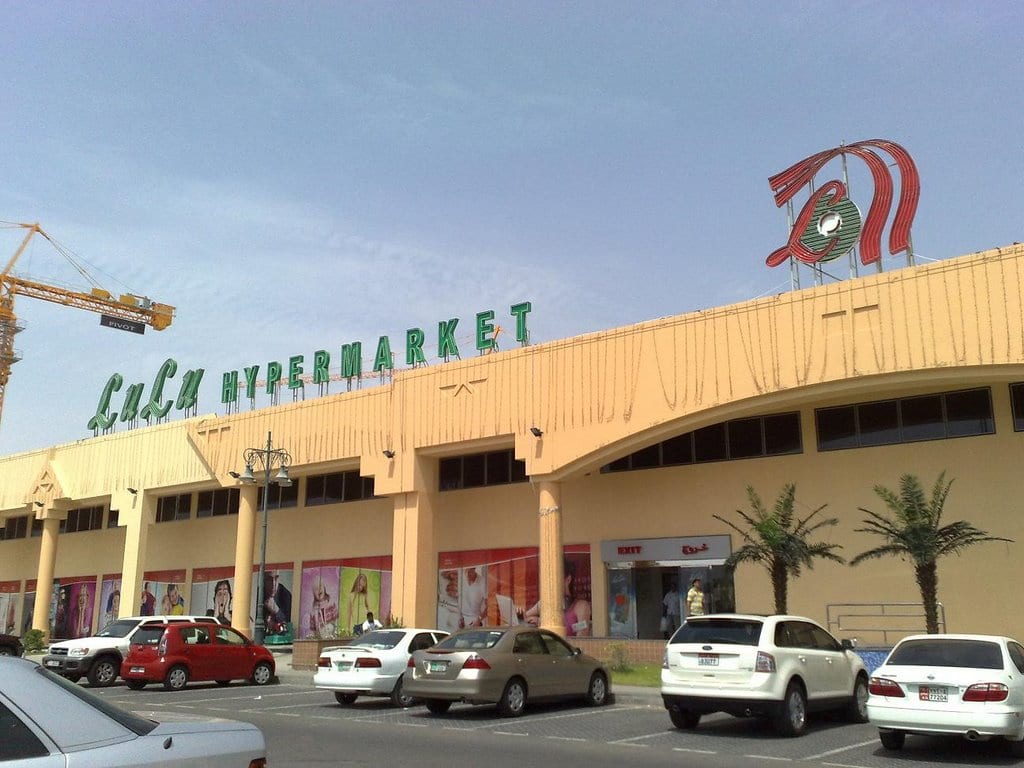
    Lulu Group Indonesia has opened its first hypermarket, in Jakarta.

    Based in the UAE, the Lulu Group plans to invest US$500 million to set up 10 hypermarkets in Indonesia over the next three years.

    Lulu-opens-first-Hypermarket-Indonesia

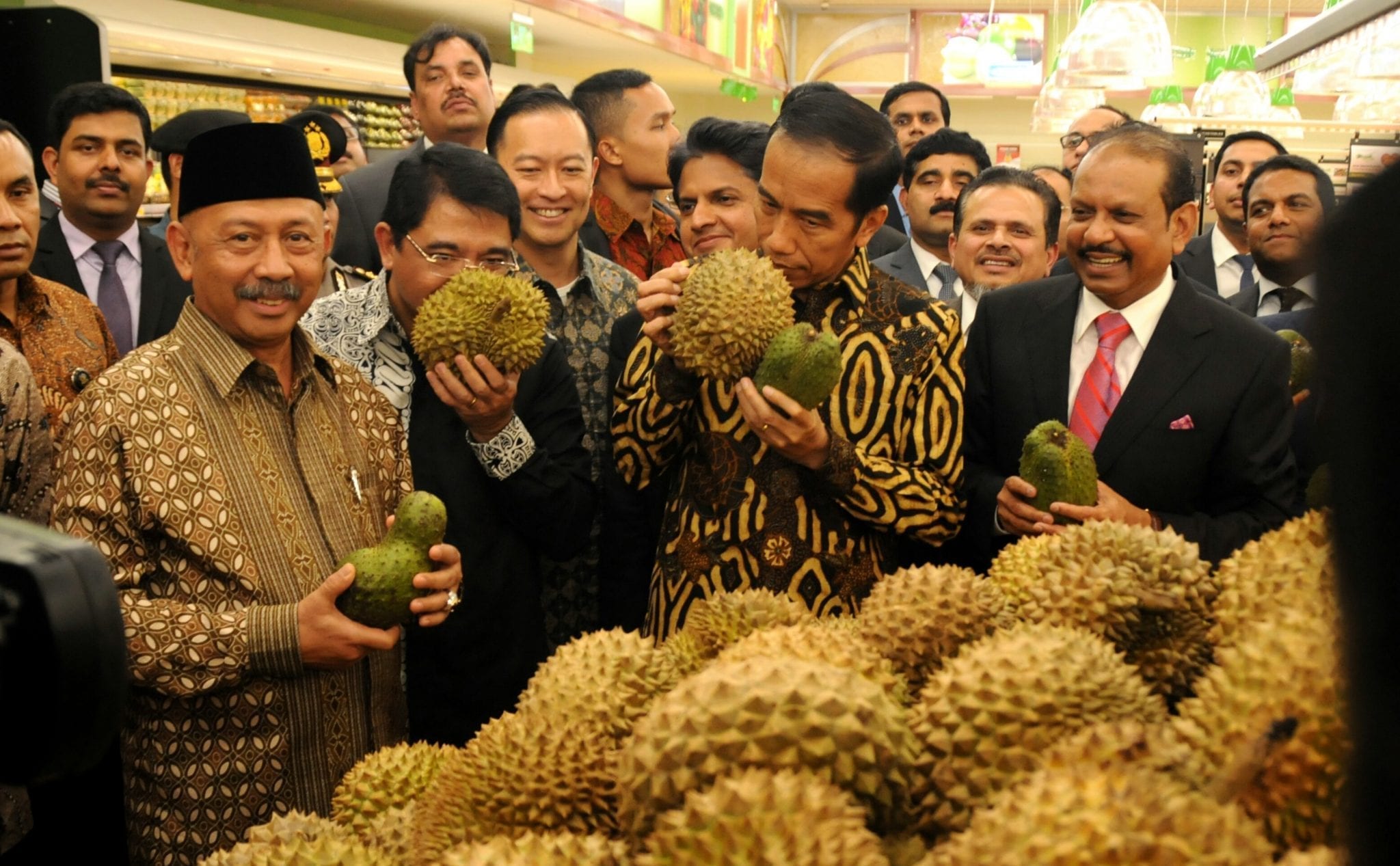
    Its first Lulu hypermarket was officially opened by Indonesian President Joko Widodo in the presence of Governor of Jakarta Basuki Tjahaja Purnama, Indonesian Trade Minister Thomas Trikasih Lembong, UAE Ambassador to Indonesia Ahmed Abdullah Al Mussali Al Awadi, Indonesian Ambassador to UAE Husin Bagis and other ministers and dignitaries.

    In the Cakung sub-district of East Jakarta, the hypermarket covers more than 200,000 sqft (18,580 sqm).

    Lulu Group chairman Yusuf Ali says the group also plans to set up a central logistics and warehouse centre in Jakarta.

    “We also plan to set up contract farming to ensure a continuous supply of high-quality products and to support the Indonesian agriculture sector.”

    The group has 126 stores (some in India) and more than 38,000 employees.

  • Lulu opens its first hypermarket in Indonesia

    Lulu opens its first hypermarket in Indonesia

    The UAE-based retail major Lulu Group marked its retail push into Indonesia with the opening of its first hypermarket in the country in capital Jakarta.

    The group has already announced plans to invest $500 million and set up 10 hypermarkets in the next three years in the country, as part of its expansion.

    The first Lulu hypermarket of the country was officially inaugurated by Joko Widodo, the President of Indonesia in the presence of Basuki Tjahaja Purnama, Governor of Jakarta; Thomas Trikasih Lembong, Indonesian Trade Minister; Ahmed Abdullah Al Mussali Al Awadi, UAE Ambassador to Indonesia; Husin Bagis, Indonesian Ambassador to UAE; and other ministers and dignitaries.

    Located in the Cakung sub district of East Jakarta with an area of over 200,000 sq ft., the new hypermarket is designed with customer convenience in mind and provides a one-stop shopping destination for the residents of the city.

    “With an initial investment of $300 million in the first phase, we plan to open 10 hypermarkets by end-2017 and a central logistics and warehousing facility in Jakarta. These projects are likely to generate more than 5,000 job opportunities for Indonesians,” said Yusuf Ali M A, chairman, Lulu Group.

    “We also plan to set up contract farming to ensure continuous supply of high quality products and to support the Indonesian agriculture sector,” he added.

    During the official visit to UAE last year, President Widodo had visited Lulu hypermarket in Abu Dhabi and expressed keen desire to have Lulu in Indonesia. He was especially impressed by the high standards of operations, quality of products and service and also the wide variety of products available in Lulu.

    The Lulu Group currently operates 126 stores across the GCC, Egypt and India and employs more than 38,000 people from different nationalities. It is also one of the largest retail chains in the Middle East.

  • Hypermarket sales could hit new high of more than NT$180 bil. in 2015

    Hypermarket sales could hit new high of more than NT$180 bil. in 2015

    Sales of hypermarkets in Taiwan are expected to hit a new high of more than NT$180 billion (US$33 billion) this year as chain operators have made great efforts to develop e-commerce platforms to boost sales, according to the Ministry of Economic Affairs (MOEA).

    In addition, the MOEA said that these hypermarket chain operators have worked with renowned brands in a wide range of industries, such as fashion items, restaurants and telecom service providers, to broaden their production lines, a move which is expected to attract more consumers.

    The ministry added that since the government launched short-term economic stimulus measures in November to encourage consumers to buy energy-efficient home appliances, hypermarket operators have been among the beneficiaries.

    In 2014, revenue of Taiwan’s hypermarket business stood at NT$175.8 billion, up 2.5 percent from a year earlier, the ministry added.

    On the back of their plans to add outlets countrywide, hypermarket operators in Taiwan witnessed their operations improve further in the first 10 months of this year, posting NT$153.9 billion in sales during the period, up 4.5 percent from a year earlier, statistics compiled by the MOEA showed

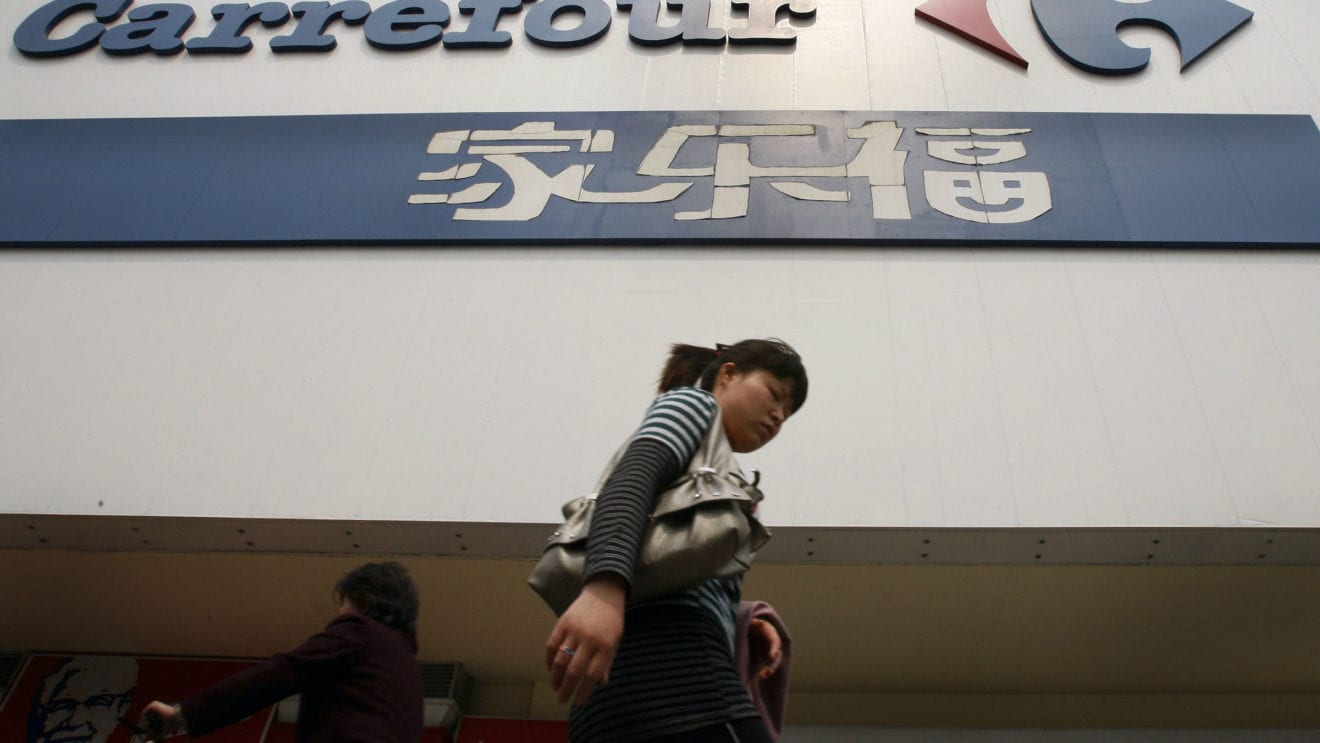
    Carrefour, the largest hypermarket operator in Taiwan, added 12 stores to its chain in the first 10 months of this year to boost its total outlets to 82 since the French retailer has intensified efforts to open smaller-sized stores in urban neighborhoods to take advantage of proximity to consumers, the MOEA said.

    RT-Mart (大潤發) ranked as the second largest hypermarket operator in Taiwan, running 26 outlets as of the end of October, unchanged from the end of 2014, ahead of A. Mart (愛買), which operated 20 outlets islandwide as of the end of October, up one from the end of 2014.

    Costco came in fourth, operating 11 outlets in Taiwan as of the end of October, up one from the end of 2014, followed by Taisuco (台糖量販), a retail business division of state-owned Taiwan Sugar Corp. (台糖), which operated five stores as of the end of October, unchanged from the end of last year.

    A total of 145 hypermarket outlets operated in Taiwan as of the end of October, up 14 from the end of 2014.

    The ministry said that the local hypermarket business accounted for 16.2 percent of sales posted by Taiwan’s retail industry in the first 10 months of this year, compared with 15.9 percent recorded in 2014.

  • Matahari speeds up G7 rollout

    Matahari speeds up G7 rollout

    PT Matahari Putra Prima has relaunched its Hypermart G7 concept at Metro Indah Mall Bandung in West Java.

    Another Hypermart store within the same province reopened on September 26, at Depok Town Square as the multi-format Indonesian retailer speeds up its hypermarket modernisation program.

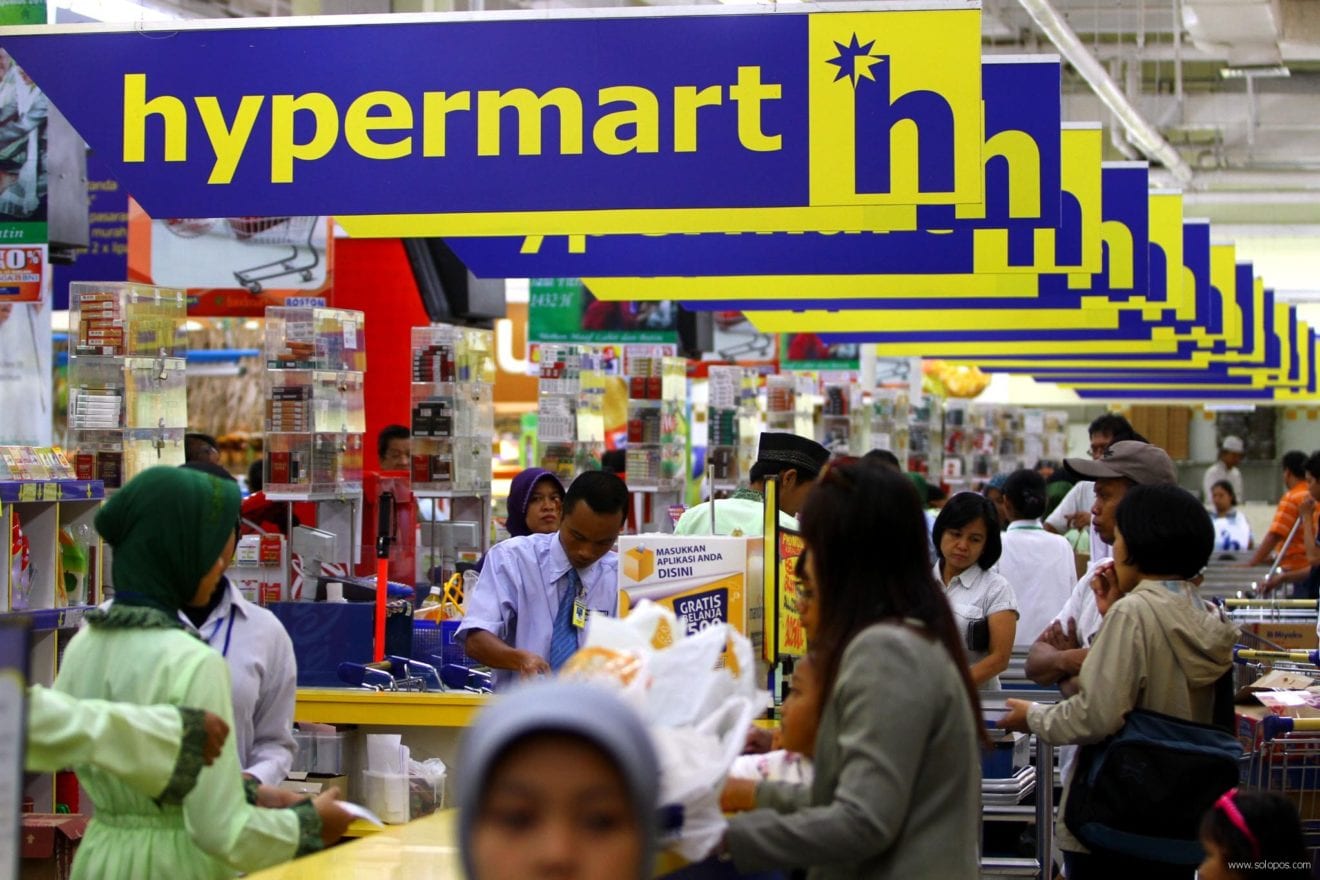
    The Hypermart G7 generation features a new type of gondola shelving with wider hallways to provide better navigation for customers, as well as a larger fresh foods area. Fashion and Beauty centres were upgraded and expanded and there is more emphasis on bakery, ready to eat meals, fresh food, bulk food and home & living.

    Director of public relations and communications, Danny Kojongian. said the openings not only represent stronger Hypermart’s presence within the regions, but also Matahari’s commitment to delivering its outstanding G7 Hypermarts to Indonesian consumers despite the current challenging macro-economic condition.

    “We are proud and honoured with our participation to strengthen the nation’s economy through Hypermart expansion, reinventing Foodmart supermarkets and starting to cater to the B2B segment throughout the regions,” he said.

    “MPPA is poised further to become the No. 1 Multi-Format FMCG Modern Retailer in Indonesia.

    Hypermart MIM Bandung is the seventh outlet to be renovated to the new G7 format. Two new ones have also been opened.

  • Lulu to open first hypermarket in Indonesia this year

    Lulu to open first hypermarket in Indonesia this year

    The UAE-based Lulu Group will mark its first retail push in Indonesia by opening its first hypermarket in the capital city of Jakarta by this year end.

    The announcement came during the visit of President of Indonesia, Joko Widodo (popularly known as Jokowi), to Abu Dhabi. He visited the Lulu Hypermarket at Khalidiyah Mall in Abu Dhabi, along with a high-level delegation.

    The Indonesian President is on a five-day state visits to three Middle East countries — Saudi Arabia, United Arab Emirates and Qatar.

    “With an initial investment of $300 million in the first phase, we plan to open 15 hypermarkets by the end of 2017 and a central logistics and warehousing facility in Jakarta. These projects are likely to generate more than 5,000 job opportunities for Indonesians,” said Yusuffali MA, managing director of Lulu Group.

    The group expects to invest a total of $500 million in Indonesia over the next five years.

    “The fact that we are going to Indonesia with our Halal Hypermarket concept, is giving us the encouragement to look for a wider market segment there,” added Yusuffali.

    Apart from Jakarta, Lulu intends to open hypermarkets in Bandung, Solo, Semarang, Surabaya and Yogyakarta.

    “We also plan to set up contract farming to ensure continuous supply of high quality products and to support the Indonesian agriculture sector,” said Yusuffali.

    The Indonesian President was welcomed at the hypermarket by Yusuffali; Saifee Rupawala, CEO; Salim M A, director; Rajmohan Nair, director – Lulu Far East operations, and a large number of Indonesian expatriates.

    President Jokowi and the accompanying delegation were taken on a guided tour of the hypermarket by Yusuffali and team who briefed him about specialties of the retail store.

    The president later urged Yusuff Ali to export more products from villages and towns in Indonesia.

    The Lulu chain currently operates 117 stores across the UAE, Oman, Bahrain, Kuwait, Qatar, Saudi Arabia, Yemen, Egypt and India. -TradeArabia News Service

  • Carrefour online store + Carrefour easy store

    Carrefour online store + Carrefour easy store

    French retailer Carrefour is embracing advanced technology to bring shoppers closer to its services in the fast-changing retail landscape.

    In June, the company launched its second Easy Carrefour store in Xuhui District. It’s a new initiative to cater to changing consumer habits and demand for neighborhood services in locations near residential or commercial areas.

    By the end of this year, Carrefour plans to open about 10 Easy Carrefour stores in Shanghai, Olivier Tollet, new format projects director of Carrefour China, told Shanghai Daily.

    “We have a much bigger plan but currently we’re still in the pilot phase,” he said.

    Regarding its e-commerce operations, Carrefour also launched its online shopping store www.carrefour.cn for its Shanghai customers in mid June and Tollet said he is pleased to see it working smoothly during the trial period.

    Shopping online

    “The basic idea of our website is to bring Carrefour products closer to consumers and all the products will be available for online shoppers,” he said.

    “Our intention is to duplicate the service wherever there’s a Carrefour presence in China, but we’ll go step by step for both formats,” he added.

    Easy Carrefour is offering products in three categories — immediate consumption, take-away, and groceries.

    By covering these categories, Easy Carrefour hopes consumers can find the right products and services when they need them.

    The Easy Carrefour store on Chaling Road N. also provides mobile top-up and credit card reimbursement in an effort to link consumers with online-to-offline services.

    Carrefour is looking for new locations for its Easy stores, and Tollet said they are targeting a combination of residential areas, transportation hubs and office areas.

    People living around or people passing by are basically the key customers Easy Carrefour aims to serve. Easy Carrefour is a new format adapted for people who value their time and convenience while shopping. It’s also adjusting the operations of the Easy Carrefour store step by step, with more services likely in the future.

    Commenting on Carrefour China’s e-commerce operations, Tollet said logistics is one of its key strengths as the chain can rely on its existing stores in more than 70 cities all over China.

    Merchandise ordered by consumers will be delivered from stores to their doorsteps, while packages ordered from e-commerce websites have to go through several dispatch hubs before delivery.

    Pick-up stations

    Currently, three out of Carrefour’s 29 outlets in Shanghai act as pick-up stops or stations for return of goods.

    Earlier this year, Carrefour China restructured its merchandise department and set up six territory merchandise centers to streamline supply chain management and leverage the advantages of a centralized procurement model.

    “The restructuring of the merchandise team is aimed at having new logistics capability to support the development of new formats such as our Easy stores and online shopping website,” Tollet added.

    Carrefour’s e-commerce operation is expected to launch in Beijing at the end of this year and eventually will be available all over the country.

  • Matahari Hypermart marks 111

    Matahari Hypermart marks 111

    Matahari Putra Prima has opened its 111th hypermarket, at Lombok Epicentrum Mall, Mataram

    Director of communications and PR, Danny Kojongian, says the new Matahari Hypermart features the new G7 design concept the company is rolling out across its hypermarkets in Indonesia.

    The decision to open in Lombok is due to rising consumer spending in Indonesia’s east.

    “This outlet is expected to follow the success of the previous Hypermart outlet which is also located in Mataram, Lombok,” he said in a statement.

    “With the development of tourism and infrastructure projects underway, Lombok has a huge potential to grow rapidly.

    “With the latest G7 concept, this Hypermart store expected to be a main shopping destination for daily and monthly needs that offers comfort and leading-edge services to customers.”

    Matahari is a multi-format modern retailer in Indonesia which operates Hypermart, Foodmart and Boston Health & Beauty branded stores.

    In line with the G7 concept, the new store features a new style of gondola shelving with wider aisles to allow easier navigation for customers, and a larger fresh area than previous stores. The fashion and beauty departments are upgraded and expanded to fit the evolving consumers’ lifestyles. Bakery, Ready to Eat, Fresh Food, Bulk Food, Home and Living categories are all also expanded and offer a wider range of products with modern concepts. In the operation, the outlet is engaged with the concept of environmentally friendly by using LED technology.

    Today (July 2) Matahari will also reopen its outlet in Bali Galeria. Hypermart Bali Galeria will adopt the latest concept of G7 to follow the modern lifestyle of the locals and tourists.

  • Tesco Korea on the block

    Tesco Korea on the block

    UK retailer Tesco has reportedly engaged HSBC to handle the sale of its South Korea retail operations.

    Tesco Korea is the hypermarket big’s largest division outdoors its UK house market and analysts estimate the enterprise might fetch between US$5 and $7 billion, sufficient to make a considerable gap in its debt and restructuring bills.

    Analysts within the UK recommend personal fairness corporations can be the more than likely potential bidders for the operation, particularly funding arms of Korean banks.

    Tesco, the world’s fourth largest retailer by gross sales, might comply with retain a stake within the enterprise

    post-sale, and/or license its model, which has robust recognition out there.

    Tesco says on its web site it has greater than 400 shops in Korea, together with 500 franchised shops, and serves greater than 6 million clients each week.

    “We’ve got a worthwhile on-line enterprise and 22 of our award-winning digital shops in South Korean subways and bus stops assist time-pressed clients store on-the-go utilizing their smartphones.”

    The shops are fed by three distribution centres, the most important the Hamahn Recent Distribution Centre, which can also be the most important recent distribution centre in Asia, processing greater than 40 million packing containers per yr.

    “We have now elevated the supply of ready fruit & veg and ready-meals in our shops. “We’ve additionally responded to financial pressures by providing a variety of Homeplus own-brand merchandise in three classes, from ‘Good Zone’ fundamentals on the lowest worth level to ‘Greatest Zone’ premium merchandise,” the corporate says.

    In addition to promoting items in Korea, Tesco says it exports £36 million of largely non-food merchandise from Korea to the remainder of the Tesco Group.

    Tesco has been tipped to divest a few of its Asian operations since an accounting scandal and falling market share within the UK decimated its share worth and new CEO Dave Lewis was appointed to attempt to flip across the struggling organisation.

    Tesco additionally has operations in Thailand and Malaysia

    The corporate posted a pretax lack of £6.38 billion (US$9.52 billion) for the yr to February 28, largely resulting from writedowns. Its everyday operations stay worthwhile.

    Tesco’s overseas retail competitors have already exited Korea, discovering the market, dominated by native gamers, robust to crack. Walmart bought 16 shops there to Shinsegae in 2006 and France’s Carrefour bought out to E.Land Group the identical yr.

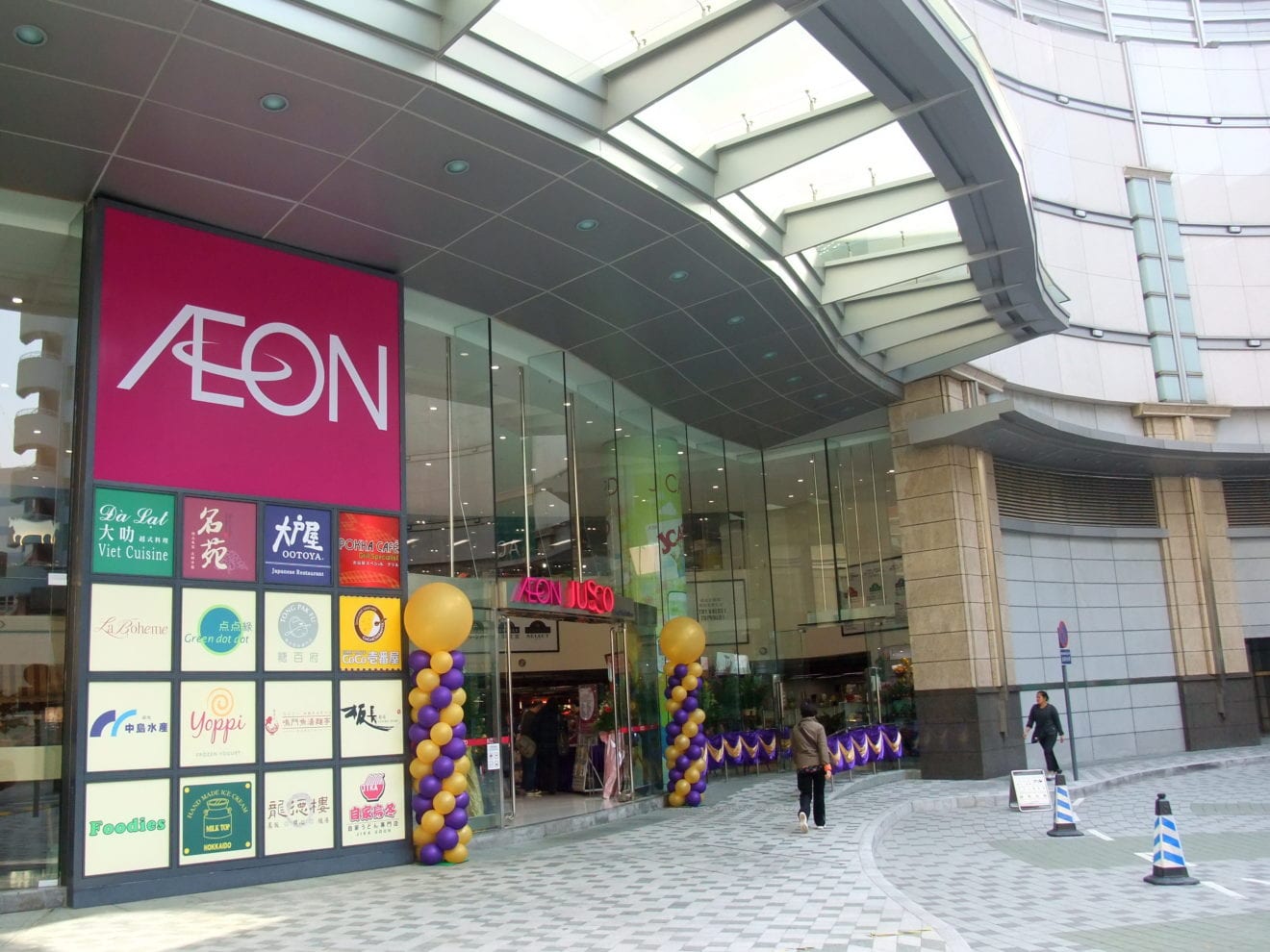
  • Aeon posts 1Q profit growth, sees challenging year

    Aeon posts 1Q profit growth, sees challenging year

    Aeon chairman Datuk Abdullah Mohd Yusof said nevertheless, the group remains confident in meeting the challenges head-on.

    “After consumers get used to the changes in the new tax system, they will start shopping again, especially in the upcoming festive periods,” he told reporters after the group’s annual general meeting yesterday.

    After enjoying four consecutive years of steady growth, Aeon saw its net profit for the financial year ended December 31, 2014 (FY14) drop 7.9% to RM212.71 million from RM230.96 million in FY13.

    However, its net profit rebounded for the first quarter ended March 31, 2015 (1QFY15), growing 5.4% to RM49.4 million or 3.52 sen a share from RM46.88 million or 3.34 sen a share a year ago. Revenue was up by 17.1% to RM1.11 billion from RM945.51 million in 1QFY14.

    Abdullah blamed the net profit decline in FY14 on the rising cost of living and operation costs, as well as an increase in its capital expenditure (capex) for expansion.

    “The [implementation of the] minimum wage also caused [the] costs to go up. The cost of doing business has risen. We have also been accelerating our expansion to have a bigger market share,” said Aeon managing director Nur Qamarina Chew Abdullah.

    Aeon has set aside RM700 million as capex for FY15, an increase from about RM670 million last financial year.

    Abdullah said the budget had been earmarked for the development of upcoming Aeon malls, namely in Shah Alam, Selangor and Klebang, Melaka, which are slated to open in 4Q15.

    The group will also open malls in Kota Baru, Kelantan by 2Q16, and Kuching, Sarawak in 2Q17.

    The overall occupancy rate of its malls currently stands at 93%, a number that Abdullah said is a “fairly good” average.

    Yesterday, Aeon shares closed 0.96% higher at RM3.16, with some 1.77 million shares traded. It closed with a market capitalisation of RM4.39 billion.