Tag: hypermarkets

  • Central Retail to Add 37 Food Stores Across Vietnam by 2028

    Central Retail to Add 37 Food Stores Across Vietnam by 2028

    Central Retail will open up to 37 food stores in Vietnam by 2028. The plan adds large-format hypermarkets and neighborhood supermarkets across primary and secondary cities.

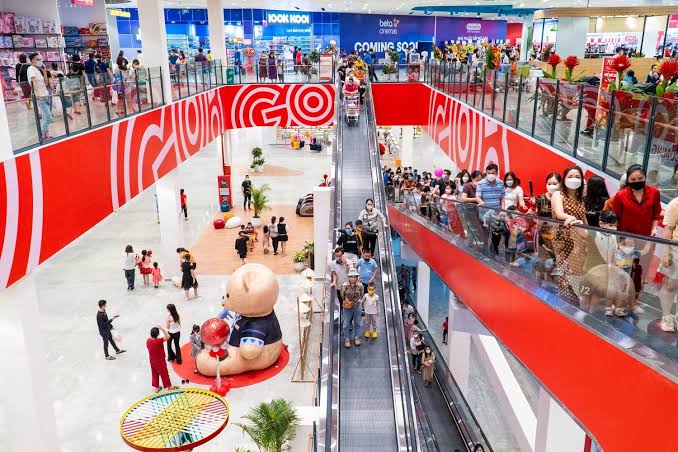
    Targets include 10 to 12 Go! Hypermarkets and 23 to 25 Mini Go! Stores over the next two years. The group already operates more than 300 locations covering 1.3 million square metres of floor space.

    Splitting formats between city hubs and provinces

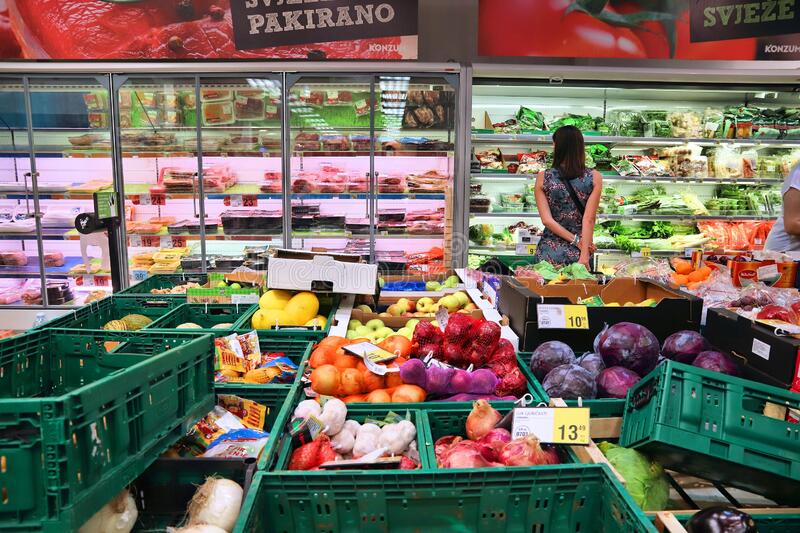
    Capital will split between large retail hubs and smaller grocery boxes. Central Retail Food Group is restructuring flagship Go! Hypermarkets around fresh produce, in-store bakeries and prepared dining counters. Smaller Mini Go! Branches will push into provincial markets. There, modern retail still competes against traditional wet markets.

    Food accounts for the bulk of local revenue. Beyond Go!, the portfolio includes Tops Market, Mini Go! And Lan Chi Mart. Sourcing leans heavily local. More than 90 per cent of inventory comes from roughly 2,000 Vietnamese suppliers.

    “Our strength lies in having a diverse range of store formats, from hypermarkets to supermarkets, allowing us to expand in ways that best suit the potential of each location and consumer segment across both major and secondary cities,” said Stephane Coum, CEO of Central Retail Food Group.

    Pressure on domestic grocers and floor space

    Rival operators like WinCommerce and Saigon Co.op face higher stakes in secondary provinces. Domestic chains spent the past three years closing unprofitable small stores and trimming distribution margins. Central Retail is taking the opposite route, committing fresh capital to physical stores as consumer spending climbs.

    Productivity outside Hanoi and Ho Chi Minh City remains the main operational hurdle. Secondary cities provide cheaper leases and less modern competition, but basket sizes are smaller and shoppers watch prices closely. The company bets fresh food counters and ready-to-eat meals will pull shoppers from wet markets faster than packaged goods.

    Building out the network

    Central Retail entered Vietnam nearly 15 years ago and has invested THB49 billion (US$1.5 billion) to date. It converted the Big C assets acquired in 2016 into the Go! Brand. Older hypermarket layouts were dropped for food-led centers that mix dining tenants with specialty retail.

    Loyalty data will feed directly into the physical roll-out. The 1 Vietnam loyalty programme reached 7.4 million members in its first year. The chain will use that database to drive shoppers into the 37 new locations as construction finishes through 2028.
  • Starbucks Expands in East Asia as Walmart Unwinds Suburban Hypermarkets

    Starbucks Expands in East Asia as Walmart Unwinds Suburban Hypermarkets

    Starbucks continues to scale its store footprint across East Asian metros while Western big-box operators like Walmart have spent years unwinding their suburban hypermarket networks.

    The divergence reveals how high-density Asian urban layouts reward high-frequency beverage retail while penalizing large-format car-dependent grocery models.

    Western retail expansion into East Asia split along structural lines over the past two decades. Big-box hypermarkets required expansive floor plates, suburban road infrastructure, and weekly bulk purchasing routines that never fully aligned with daily fresh food shopping habits in cities across China, Japan, and South Korea. Coffee chains, by contrast, secured small-footprint real estate embedded directly into transit nodes, office towers, and dense residential clusters.

    Urban Density And Real Estate Economics

    Hypermarket operators faced escalating commercial rents on massive suburban plots that could not generate the sales density required to offset real estate overhead. Local convenience store chains and neighborhood wet markets retained daily foot traffic, while domestic e-commerce platforms quickly captured non-perishable consumer goods.

    Starbucks structured its expansion around rapid footfall and premium beverage margins. Store units occupy high-traffic ground-floor positions in office complexes and transit hubs, turning compact footprints into reliable daily transactions. The company positioned its locations as functional meeting spaces for urban workers living and working in tight quarters.

    Localization Of The Consumer Experience

    Walmart relied heavily on centralized global procurement systems and standard supply chains designed to lower unit costs through sheer volume. That formula failed to dislodge regional grocery competitors who maintained direct, daily ties with domestic produce distributors and localized supply channels.

    Beverage operators adapted their product menus and store concepts far more quickly. Seasonal product launches, integration with regional digital payment apps, and localized delivery partnerships allowed coffee chains to embed themselves into daily consumer routines across tier-one and tier-two cities.

    Supply Chains And Digital Delivery Channels

    The rise of on-demand quick-commerce platforms in East Asia further eroded the traditional hypermarket advantage of wide product selections under one roof. When consumers can order household staples on mobile apps for delivery within thirty minutes, the incentive to drive to an out-of-town warehouse store disappears.

    Coffee retail adapted directly to this shift by integrating order-and-pay apps and motorcycle courier fleets into store operations. Compact urban kitchens double as mini-fulfillment nodes for instant delivery without adding significant real estate overhead.

    Western multi-brand retailers entering East Asia now structure their market entries around small-format, experience-driven spaces rather than sprawling suburban warehouses. The next operational test centers on maintaining beverage gross margins as domestic discount coffee brands add thousands of low-cost kiosks across the region.

  • Indonesian Retailers Urge Easing of Import Rules to Hit 6% Target

    Indonesian Retailers Urge Easing of Import Rules to Hit 6% Target

    Indonesian store operators are lobbying the government to ease import barriers, arguing regulatory bottlenecks threaten national retail consumption and the state’s 6 per cent economic growth target.

    Household spending drives more than half of Southeast Asia’s largest economy, yet complex technical permits and shifting product approvals continue to choke supply lines for global brands.

    Speaking at the Indonesia Retail Summit in Jakarta, Indonesia Retail and Tenant Association Chairman Budihardjo Iduansjah pushed for administrative relief on compliant merchandise. He argued that businesses paying duties and taxes should not face arbitrary import caps on goods with no domestic substitutes.

    Diverging fortunes across store formats

    The supply friction hits different store models unevenly. While hypermarkets face sliding footfall and operational contraction, convenience stores and minimarkets continue to add locations.

    Demand across food and beverage, cosmetics, and mobile electronics expanded by more than 10 per cent this year. Chains are using warehouse automation and price promotions to protect margins against rising overheads.

    Retailers across Southeast Asia face similar dilemmas when domestic trade protection policies collide with consumer appetite for international product ranges. In Jakarta, the friction has prompted warnings from policymakers that depleted domestic shelves will simply push middle-class shoppers abroad.

    Stemming outbound tourist spending

    Chief Economic Affairs Minister Airlangga Hartarto acknowledged that thin store inventories push shoppers to spend outside the country. Indonesian citizens spend roughly $6.7 billion annually on overseas travel services.

    Government planners want to retain that cash by developing domestic shopping tourism and expanding inventory depth in major commercial hubs.

    Whether trade regulators shorten import licensing timelines will determine if mall operators can secure sufficient stock ahead of the next fiscal review.

  • Thai Hypermarket Operators Face Slowing Growth Under Stiff Competition

    Thai Hypermarket Operators Face Slowing Growth Under Stiff Competition

    Thailand’s hypermarket operators face an uphill battle to expand as stiff competition and sluggish market momentum stall growth across large-format stores. The segment contends with difficult trading conditions where incremental gains require heavy operational effort against entrenched local rivals.

    Competition Slows Large Store Expansion

    Retail analyst Michael Baker reported that large-format grocery and general merchandise chains across Southeast Asia, led by Thailand, now operate in a grinding environment defined by slow forward momentum. Operators face intense rivalry that makes physical network expansion costly and difficult to sustain.

    Big-box retailers across the region have struggled to replicate past expansion rates as neighborhood formats, specialty retailers, and convenience networks pull shoppers away from suburban megastores. In markets like Thailand, where retail space per capita in urban centers is already high, winning market share requires squeezing efficiency out of existing floorspace rather than adding square footage.

    Market Headwinds Across Southeast Asia

    Large-format food and merchandise chains must resolve internal operating pressures while adapting store formats to retain foot traffic. Slower retail turnover across broad merchandise categories has forced chains to rethink store layout and inventory deployment.

    The next quarterly retail filings across Thai listed operators will show whether store rationalization and format downsizing can protect operating margins.