Retail News CRM

Tag: identity

  • Subtle Le Nguyen: Transforming Emotions into Fashion and Reshaping Vietnam’s Style Identity

    Subtle Le Nguyen: Transforming Emotions into Fashion and Reshaping Vietnam’s Style Identity

    At a young age of 16, Nhat Viet developed an interest in fashion while shopping with his family in Hanoi, a practice that would shape his future professional life. Viet found himself drawn towards clothing and fashion, a realization that came to him when an orange gown he had chosen for his mother was later seen worn by Beyoncé.

    The Birth of a Fashion Label

    A decade later, Viet’s natural flair for fashion led to the creation of Subtle Le Nguyen, a renowned fashion label in Vietnam. Established in 2014, the brand, initially a self-funded venture, has grown into a recognized name in fashion circuits, including popular platforms like Ssense and Moda Operandi. It even found its way into the wardrobe of Kylie Jenner for Coachella, marking a significant milestone in its journey.

    Despite this recognition, Viet maintains that he did not create Subtle Le Nguyen for fame, but rather for the sheer love and passion he has for fashion and creativity.

    A New Era in Vietnamese Fashion

    Vietnam’s fashion industry has always been a reliable partner to global brands like Uniqlo, Zara, and H&M, known for its precise and efficient manufacturing. However, a new wave of Vietnamese designers, including Viet, are now focusing on establishing their own brands that reflect their culture, identity, and artistic expression, rather than just production volumes.

    Initially, Viet faced financial constraints that limited his ability to experiment with designs. He had to settle for simple collections and carefully chosen fabrics. However, his vision remained steadfast – to build a space where he, along with others, can freely express ideas and experiment with different garment-making techniques.

    Reflecting Tradition and Emotion

    Subtle Le Nguyen stays true to its name, reflecting quiet, thoughtful designs that are laden with emotion. The designs mirror the tranquil and introspective nature of Hanoi, Viet’s hometown, with a muted color palette of soft taupes, faded olives, and dusted creams.

    Viet often incorporates Vietnamese traditions into his designs, merging them with contemporary fashion. He draws inspiration from various cultural elements, including traditional rituals, the way people interact with their clothes, and even unexpected objects such as a ceramic vase or an accordion.

    Sustainability is also central to Subtle’s philosophy, although Viet prefers to talk about its longevity and intention, rather than using the term ‘sustainability’ outright.

    Weathering the Pandemic Storm

    When the COVID-19 pandemic struck, Subtle faced a challenging period with retail sales freezing and rent pressures mounting. However, a silver lining appeared when the brand was chosen by Ssense and Moda Operandi to join their global online platforms. This opportunity provided Subtle Le Nguyen with essential exposure, placing it among the ranks of independent designers worldwide.

    Despite the economic downturn, rising production costs, and unpredictability of global retail, Viet remains committed to building relationships with customers and retailers, and improving customer service.

    Looking to the Future

    Looking ahead, Viet has ambitious plans, including hosting an independent fashion show internationally, with Paris as the dream location. However, he also acknowledges the uncertainty that lies ahead. His ultimate dream is for Subtle Le Nguyen to be more recognisable and accessible to people around the world.

    Questions & Answers

    What led to the creation of Subtle Le Nguyen?

    Nhat Viet, at a young age, developed a keen interest in fashion while shopping with his family. He later turned his passion into a career, establishing Subtle Le Nguyen.

    What makes Subtle Le Nguyen stand out in the fashion industry?

    The brand reflects traditional Vietnamese culture and contemporary design. It follows a philosophy of sustainability, focusing on the longevity and intention behind each garment.

    What does the future hold for Subtle Le Nguyen?

    Despite the uncertainty in the fashion industry, Viet plans to improve customer service, build relationships with customers and retailers, and launch an independent fashion show internationally. He hopes to make Subtle Le Nguyen more recognisable and accessible worldwide.
  • Jollibee Group Unveils Global Expansion Plan With Comprehensive Rebranding Strategy

    Jollibee Group Unveils Global Expansion Plan With Comprehensive Rebranding Strategy

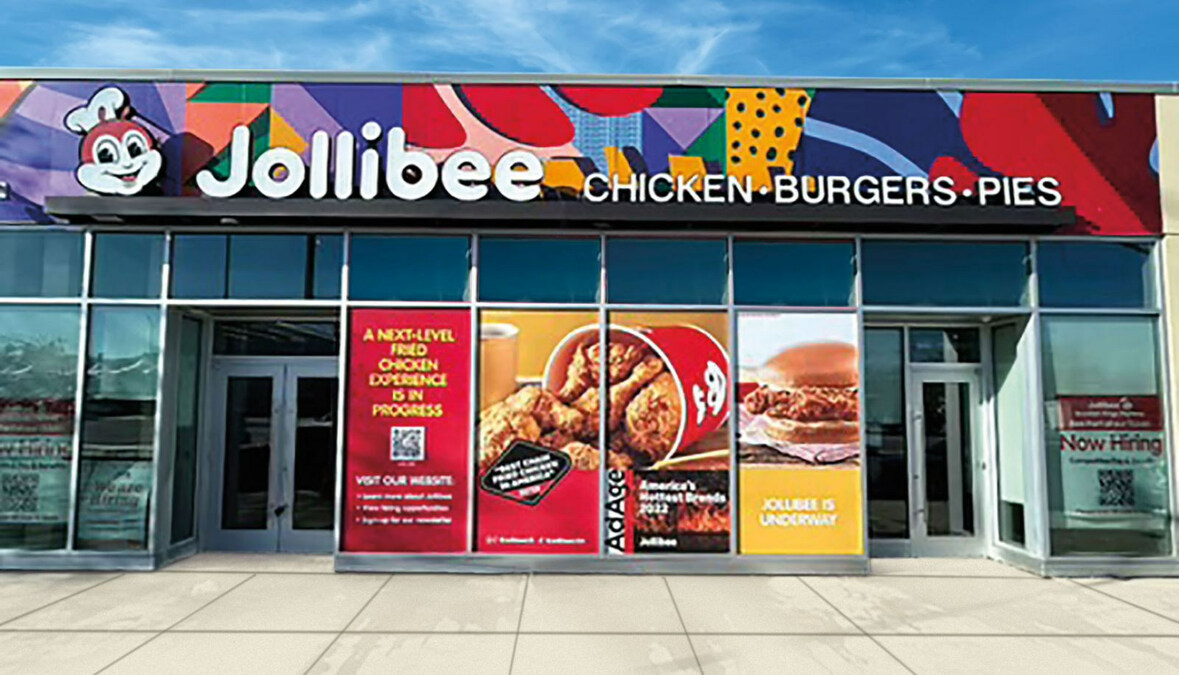
    Jollibee Foods Corporation (JFC) has recently undergone a rebranding effort, now going by Jollibee Group, with an eye on further global expansion.

    Rebranding for Global Growth

    Despite retaining its legal entity as JFC, the firm has announced that this comprehensive rebranding will encompass a new visual identity, a simplified brand hierarchy, and harmonized naming across all business divisions. The objective is to further fortify the company’s global footprint and enhance its brand value.

    Jollibee Group’s global president and CEO, Ernesto Tanmantiong, explained the reasoning behind this significant move: “Our fundamental aim is to bring joy through superior flavor. This purpose is the driving force behind our innovation, it shapes our customer promise, and it propels our momentum forward.”

    Unveiling the New Identity

    The introduction of the fresh identity took place during internal events, such as the supplier summit and the annual stockholders’ meeting, which were attended by employees and partners. The company is currently deploying this new identity through global media channels and corporate communications.

    Tanmantiong further added, “As we expand globally, we’re not only extending our reach, but also establishing a company that is not only known for business success but also for the joy and quality we bring to people’s lives.”

    Jollibee Group currently has a strong presence in 33 countries, with over 9000 outlets, including locations in the US, the Middle East, and Southeast Asia. Its diversified portfolio includes well-known brands such as Tim Ho Wan, The Coffee Bean and Tea Leaf, Jollibee, Chowking, Greenwich, Red Ribbon, and Mang Inasal.

    Questions & Answers

    What is the main reason for Jollibee Group’s rebranding?
    The main reason for the rebranding is to position the company for further global expansion and enhance its brand value.

    How was the new identity introduced?
    The new identity was introduced during internal events including a supplier summit and the annual stockholder’s meeting. It is now being introduced through global media and corporate communications.

    How many stores does Jollibee Group operate and in how many countries?
    Jollibee Group currently operates more than 9000 stores across 33 countries, including the US, the Middle East, and Southeast Asia.

  • Pomelo launches first Beauty Line

    Pomelo launches first Beauty Line

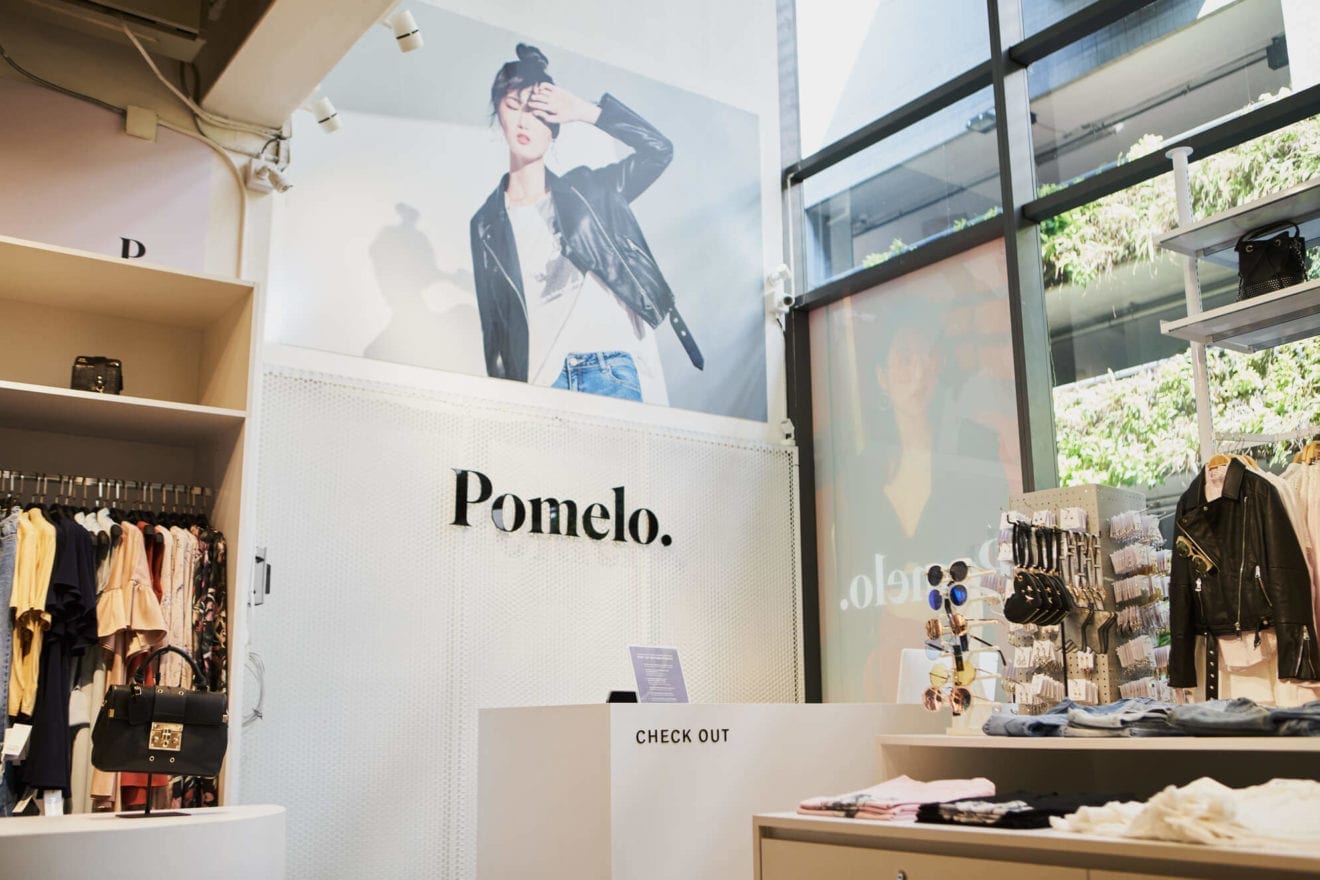
    O2O fashion brand Pomelo has launched its first cosmetics line, Beet, solidifying its identity as a one-stop lifestyle brand.

    Created with women on-the-go in mind, Beet comprises 17 products across four categories – Liquid Blush, Liquid Lipstick, Lip Gloss and Liquid Shimmer.

    All products are priced at S$10 per item and feature paraben-free and cruelty-free formulations.

    “For consumers today, beauty is integral to style,” said David Jou, Pomelo CEO, signalling the company is taking “a step in the right direction”.

    “As a fashion brand that wants to offer women everywhere their best look to become their best selves, we cannot ignore that.”

    With Beet, Pomelo provides another touchpoint for a seamless customer experience that prioritises modern consumers’ demand for convenience.

    Last month, Pomelo launched its second sustainable collection, Purpose.

  • Privacy is paramount to online consumers

    Privacy is paramount to online consumers

    More than half (55%) of consumers globally have decided against buying something online due to privacy concerns, a recent KPMG International survey indicates.

    The survey also revealed that less than 10% of consumers feel they have control over the way organizations handle and use their personal data. Respondents in most countries say privacy controls are more important than the potential convenience gained from sharing personal data.

    “An executive would be at risk of being fired if half their customer base disappeared after they made a crucial business decision,” said Mark Thompson, Global Privacy Lead at KPMG.

    “Failure to embed privacy into the DNA of their business strategy could ultimately lead to the extinction of a business given how closely consumers and regulators alike are paying attention to how organizations collect, store and use personal data.”

    The survey further revealed that 82% are not comfortable with the sale of their data to third-parties in exchange for the speed, convenience, product range, home delivery and price comparison that online shopping offers.

    Over two-thirds of people are not comfortable with smartphone and tablet apps using their personal data. In all markets but one, at least 75% of respondents said they were uneasy with their online shopping data being sold to third-parties.

    About 55% said a free fitness tracking device that monitors the well-being of users and produces a monthly report for them and their employer is also crossing the line.

  • Kantar unveils a new corporate identity across its operating brands

    Kantar unveils a new corporate identity across its operating brands

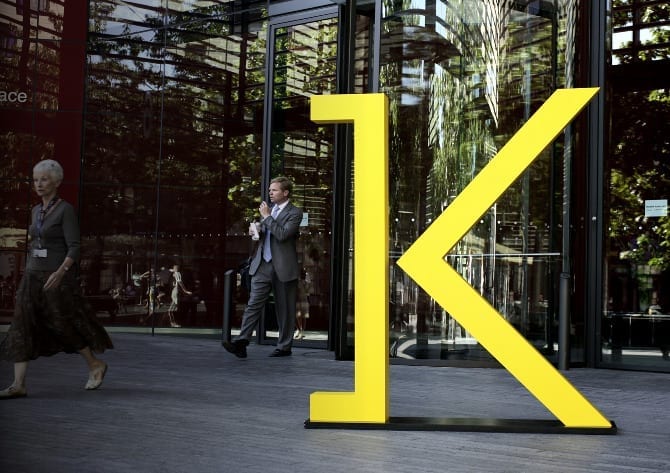
    Kantar today launches a new corporate identity, for the parent brand and its 12-strong family of operating brands, designed to create a much more unified look and feel across the whole business.

    The new identity, developed in close collaboration with WPP branding specialists The Partners, will be rolled out across all external and internal communications channels in the coming months.

    Operating brands not previously Kantar-branded will now take a Kantar prefix and a new, common typeface. For example: TNS and Millward Brown now become Kantar TNS and Kantar Millward Brown just like Kantar Worldpanel. The only exception is Lightspeed GMI, which now rebrands as Lightspeed.

    Along with the rebranding, Kantar is introducing a new tagline, “Inspiration for an extraordinary world”, drawn from its new corporate purpose statement, “To inspire our clients, our people and society to create and flourish in an extraordinary world.”

    Kantar’s new identity reflects and externalises an on-going change programme that started in January. The programme includes the fostering and rewarding of much greater collaboration between operating brands and the creation of a new insights group through much closer alignment of the company’s custom brands. In addition, global operations capabilities have been brought together into a single entity and the company is moving towards more aligned shared services in HR, finance and IT. We will shortly be adding to our portfolio of expert brands with the launch of Kantar Public, uniting our global expertise in governmental and public policy work; and Kantar Consulting, which will draw expertise from several of our brands to provide a full and broader range of marketing and sales consulting solutions and capabilities to our clients.

    Kantar CEO Eric Salama commented: “The rebranding is a tangible, visible expression of our desire to present clients with more easily-navigable and connected solutions that bring together the best of Kantar’s expertise.

    “We believe our clients and partners have started to experience the benefit of this approach – in more rounded, detailed and holistic research and recommendations. And it is helpful that for the first time we really look like a single family of brands serving a common purpose.”

  • MasterCard online identity checks enhanced

    MasterCard online identity checks enhanced

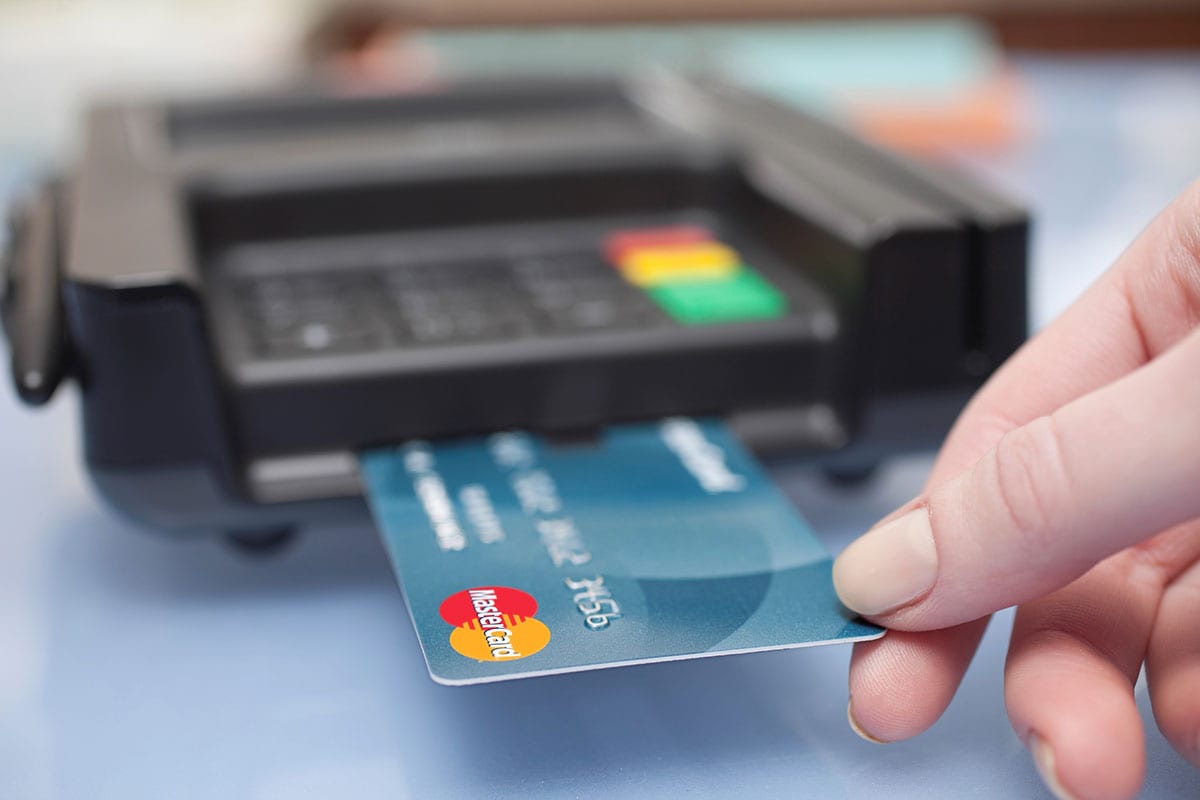
    MasterCard has introduced a new online Identity Check, a suite of technology solutions that use advanced technologies to prove a consumer’s identity and simplifies the online shopping experience.

    The credit card system provider says existing methods to prove the identity of online shoppers often take consumers away from a retailer’s website, adding to the time it takes to shop online, too often leading to payments being declined or cart abandonment.

    MasterCard says Identity Check “will put identity verification at the cardholder’s fingertips” using technologies such as biometrics and SMS-delivered one-time passwords.

    “Today, people shop on all sorts of devices, and they expect technology to simplify and secure the transaction,” said Ajay Bhalla, president of Enterprise Security Solutions, MasterCard. “This is exactly what Identity Check delivers.”

    MasterCard Identity Check represents a shift in strategy from a reliance on what the consumer knows (passwords), to what they have (mobile phone or other smart device) and who they are (biometrics). Hundreds of cardholders in the Netherlands began using biometric-enabled payments last month, while a similar trial is also underway in the US.

    US financial institutions can choose to participate in MasterCard Identity Check beginning in the middle of 2016, with a global expansion in 2017.

    MasterCard research shows 53 per cent of shoppers forget crucial passwords more than once a week, losing more than 10 minutes when they reset their accounts. People in Singapore estimate that they lose more 15 minutes every time they have to reset a forgotten password.

    “As a result, more than a third of people abandon an online purchase, while six in 10 said it led to missing a time-sensitive transaction like buying concert tickets, and more than one in two in Australia and Singapore have been locked out of a website because of this,” MasterCard reports.

    On average, people have to enter passwords eight times per day for the 10 different online accounts or applications they regularly use every week. People in Japan and India enter passwords 11 and nine times a day, respectively, above the global average.

    More than one in five people use the same password for everything, while a further 58 per cent rely on only a few different variations – despite warnings it puts them at greater risk from fraud. In Singapore, nearly one in three people use the same password for all their accounts.

    Globally, more than half of people want to see passwords replaced by something more convenient, while continuing to deliver the same levels of protection and peace of mind.