Tag: IFC

  • Samsonite reopens at Hong Kong’s IFC mall with pop-up cafe concept

    Samsonite reopens at Hong Kong’s IFC mall with pop-up cafe concept

    Samsonite has reopened its flagship store at Hong Kong’s IFC Mall with the launch of a limited-time pop-up cafe.

    Running until April 20, the Samsonite Cafe offers visitors a curated space to explore the brand’s sustainability initiatives in a lifestyle-driven setting.

    The cafe aims to complement the newly renovated outlet, which showcases the brand’s first dedicated sustainability-led design.

    As part of the activation, customers can enjoy complimentary coffee by registering as a Samsonite member at the pop-up store, or with any purchase made at the Samsonite IFC Mall store upon registering. Lifetime, Black, Platinum, and Gold Club members are eligible for complimentary coffee without any purchase.

    Constructed using FSC-certified plywood and low-emission gypsum board, the store features display podiums and wall panels made from repurposed luggage shell edges and leftover backpack fabric.

    To further lower its carbon footprint, more than 75 per cent of the renovation waste was sorted for recycling and processed by certified partners.

    The store also incorporates motion-sensor LED lighting and enhanced air quality systems in line with global retail standards.

    “Our inaugural sustainability concept at IFC Mall underscores our commitment to eco-friendly practices,” the company said.

    “This approach exemplifies our belief that sustainability can redefine the retail experience and transform the lifestyle bag and luggage industry.”

  • IFC and Partners Invest USD 900 Million in Malaysia Data Center

    IFC and Partners Invest USD 900 Million in Malaysia Data Center

    The consortium, which includes DBS, Deutsche Bank, Global Infrastructure Partners (BlackRock subsidiary), HSBC, ING, and Natixis CIB, joined IFC in funding the first phase of the project in Johor Bahru. This initial 98-megawatt facility is part of a larger 72.5-acre campus that aims to deliver 300 megawatts of critical IT capacity upon completion. Once operational, the campus is expected to become one of the largest and most advanced data centers in the Asia Pacific, addressing the region’s surging demand for data processing capabilities.

    In May, 2024, the IFC initially announced a USD 150 million financing package for the project, which included a USD 50 million bridge loan that proved to be instrumental in advancing the development and attracting additional funding from the consortium. The IFC has now committed its second tranche (totaling USD 100 million) as part of this latest financing round, marking a significant milestone in the project’s development.

    “Our Johor campus is a landmark development for Yondr and will become an important part of Asia’s infrastructure as demand for capacity continues to grow in the region, driven by the acceleration of artificial intelligence (AI) and digital services,” said Chester Reid, Chief Financial Officer at Yondr. “Our success in securing a substantial loan facility to help complete the first phase of this campus highlights trust in the Yondr brand from leading financial institutions, following a number of major project milestones we have delivered this year in Europe and North America.”

    The hyperscale data center campus in Johor Bahru will be certified under the Excellence in Design for Greater Efficiencies (EDGE) program—the IFC’s flagship green building certification system. The certification highlights the project’s commitment to resource efficiency and sustainable design.

    The IFC served as the mandated lead arranger (MLA) for the financing package, with DBS, Deutsche Bank, HSBC, ING, and Natixis CIB also acting as MLAs, underwriters, and bookrunners.

    This marks IFC’s third investment in Malaysia since establishing its operations in the country in 2023.

    Judith Green, the World Bank Group’s Country Manager for Malaysia, is satisfied with the IFC’s commitment to a second tranche of financing for Yondr’s data center campus in Malaysia, stating, “This project will not only help to accelerate the digital transformation of the wider Asia-Pacific region, but also serves as a strong example of how IFC’s tailored financing solutions can de-risk projects and drive private-sector investment into emerging markets.”

  • IFC Provides $70 Million for Shared Mobile Infrastructure Project in Philippines

    IFC Provides $70 Million for Shared Mobile Infrastructure Project in Philippines

    The International Finance Corporation (IFC) announced that it is providing $70 million to fund a shared mobile infrastructure project in the Philippines.

    In a press release, the organization said it is collaborating with Renewable Energy Infrastructure (CREI) Phils Inc. to help address the digital gap in the country through tower-sharing.

    The $70 million financing package consists of a $25.5 million loan from IFC and the provision of a facility worth $44.5 million.

    IFC’s investment will allow CREI Phils, a newly formed tower company in the Philippines, to fund the construction of over 600 w towers by next year. For the first time in the country’s history, these towers will be shared on an open-access basis. Aside from creating a competitive market for tower colocations, the loan will help increase mobile network capacity, allowing operators to expand high-speed mobile networks (4G and 5G) across the country, offering better services at more affordable rates.

    According to the 2020 Global Digital Overview, the number of internet users in the Philippines has more than tripled from 23 million (2010) to 73 million (2020). Yet, the quality of mobile connectivity is inadequate given its pervasive network congestion. The country ranks 95th out of 142 countries for mobile internet download speed. Further, the number of mobile subscribers per tower – a measure of network congestion – is more than double the regional average. According to market estimates, to fill the gap, the Philippines would need a significant number of new towers built in the next seven to eight years to support the government’s network capacity requirements.

    “We are thrilled to be working alongside IFC in supporting the government of the Philippines’ development of its mobile infrastructure sector,” stated Kadri Hakim, CEO of CREI. “Despite the challenging market conditions triggered by the pandemic, IFC’s long-term funding will allow us to meet our ambitions of expanding our digital infrastructure portfolio in the Philippines. Our management team’s extensive knowhow gained through 15 years of telecoms operations across South-East Asia and Africa combined with IFC’s deep knowledge of the country’s telecoms regulatory regime and its experience as an investor in tower companies, will enable us to effectively develop and grow our operations in the country.”

    The company’s entry into the Philippines telecoms market brings robust expertise in the design, construction and operation of towers, as well as the provision of efficient energy solutions that help displace and reduce the use of diesel fuel on towers connected to the grid. In line with the nation’s climate goals, this project will lead to significant greenhouse-gas (GHG) savings. IFC will also assist the company align its environmental and social practices with IFC’s performance standards.

    “Digital connectivity is more important than ever for businesses and people to thrive,” said Jean-Marc Arbogast, IFC Country Manager for the Philippines. “By supporting the entry of a new company, IFC’s investment will contribute to a strong independent tower market in the Philippines, increasing competition, creating jobs, spurring economic growth and help cut emissions.”

  • Sandro IFC store Opens with Fresh Feel

    Sandro IFC store Opens with Fresh Feel

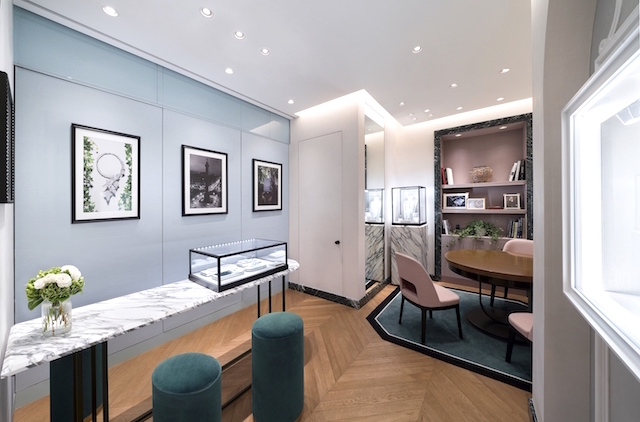
    The Sandro IFC Mall store has been expanded and relocated, the design upgraded design to introduce the French affordable luxury brand’s newest retail design concept.

    The 139sqm store features both menswear and womenswear collections and is the first boutique in Asia to present the brand’s new interior style.

    Accented by a contemporary design and modern decor, the boutique showcases the most diverse range from the brand in an understated setting with Marimorino texture finish walls and Herringbone wooden floors, complete with wooden furniture and an LED video panel showcasing the latest digital content and materials from the brand.

    Sandro operates more than 600 points of sales worldwide, almost a third of which are located in Asia.

  • IFC and Alipay Announce 10×1000 Tech for Inclusion Programme to Inspire Technology Leaders

    IFC and Alipay Announce 10×1000 Tech for Inclusion Programme to Inspire Technology Leaders

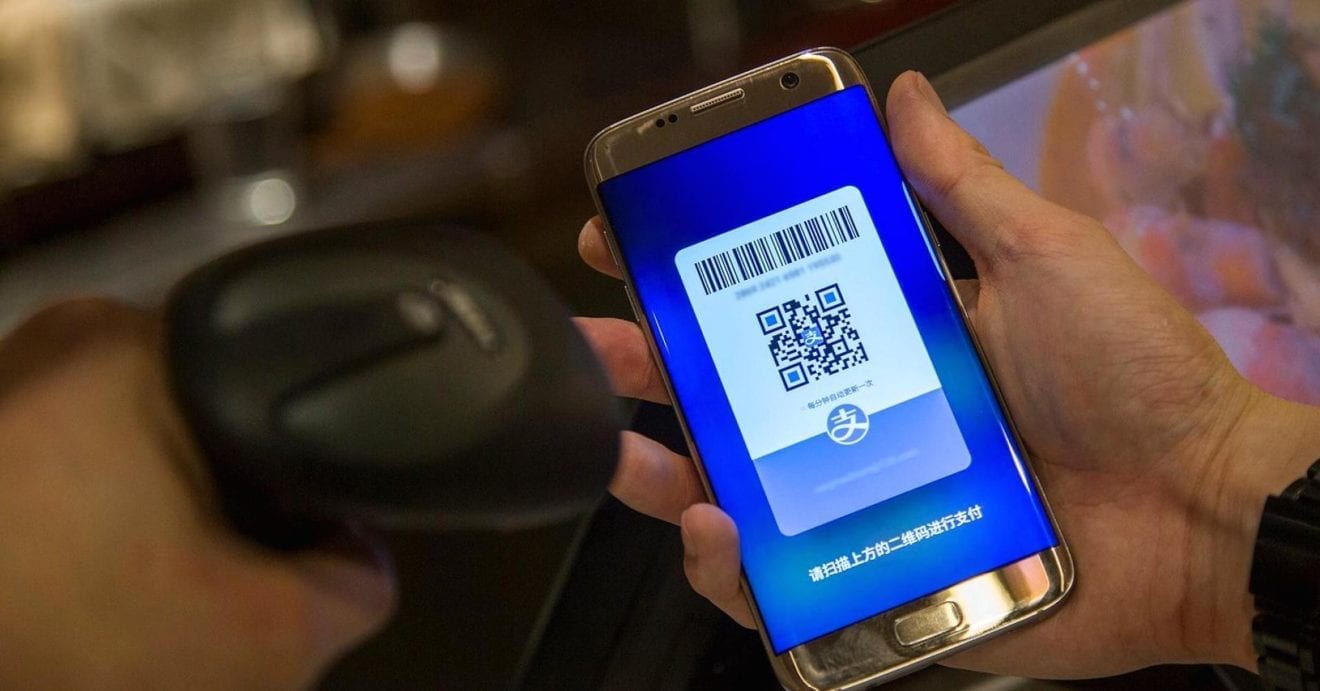
    International Financial Corporation (“IFC”), a member of the World Bank Group, and Ant Financial Services Group (“Ant Financial”), the world’s leading tech company and the operator of Alipay, jointly announced the 10×1000 Tech for Inclusion programme at the 2018 Annual Meetings of the International Monetary Fund and the World Bank Group. The initiative will include a comprehensive programme that embraces interactivity and the exchange of ideas to provide training to 10,000 tech experts in emerging markets from both public and private sectors over the next 10 years.

    Alibaba Group founder and Executive Chairman Jack Ma said that the programme aims to build an interactive and open platform to increase support for tech leaders and skilled individuals who are working to alleviate poverty and make basic financial services more broadly accessible in Indonesia, which will be the first stop of the programme within emerging markets.

    “I believe that investing in people is investing for the future. Cultivating talent is one of the most significant things the Alibaba ecosystem can do. My hope is that emerging markets will benefit from the individuals that are nurtured under this new 10×1000 Tech for Inclusion programme and be able to embrace a brighter future through the digital economy,” said Ma, who is an adviser to the Indonesian government steering committee for e-commerce.

    The 10×1000 Tech for Inclusion programme will seek support from local public and private sector partners in emerging markets. A series of Techfin workshops will be held across China and various countries. The workshops will aim to inspire tech leaders and local talent to become “drivers for change” in the digital era, promoting technology inclusion and global sustainability.

    “Technology offers the largest dividend of the digital era bringing unprecedented opportunities for financial inclusion,” said Eric Jing, Executive Chairman and Chief Executive Officer of Ant Financial. “Individuals with talent in technology are the drivers for change who can inspire innovation that will lead to a better collective future. Now is the time for Alipay to share its knowledge and experience in digital financial services to broaden the tech communities and ecosystem within emerging markets.”

    IFC and Ant Financial have partnered on initiatives to extend micro-credits to small- and women-owned businesses in China and over the past year have driven collaboration on inclusive digital finance, green digital finance and business-environment enhancement. In 2016, Ant Financial signed onto the World Bank Group Universal Financial Access 2020 goal and committed to increasing access to financial services for 100 million underserved individuals.

    Philippe Le Houérou, IFC CEO, said, “Digital finance is transforming the financial landscape, creating new markets, empowering consumers and putting banking in the hands of unreached millions worldwide for the first time. The joint programme will further deepen knowledge and create new opportunities for digital financial services to expand financial access and improve lives.”

  • IFC Invests $150m in Indonesia’s OCBC NISP’s Green Bond

    IFC Invests $150m in Indonesia’s OCBC NISP’s Green Bond

    The International Finance Corporation has invested in $150 million in “green bonds” issued by Indonesian lender Bank OCBC NISP, the private sector arm of the World Bank Group said in a statement on Wednesday (01/08).

    The five-year green bond, of which the IFC will be the sole subscriber, is the first ever debt paper issued by a commercial lender in Indonesia to fund environmentally friendly projects and help the nation mitigate the effects of climate change. The IFC and OCBC NISP signed a partnership agreement in Jakarta on Tuesday.

    The green bond is also expected to support government programs aimed at achieving a 29 percent reduction in greenhouse gas emissions by 2030. Green projects, including the development of green buildings, renewable energy and infrastructure, are prioritized in terms of funding.

    “This is a major milestone for the Indonesian banking sector as it’s expected to catalyze the development of the green bond market in Indonesia,” IFC chief executive Philippe Le Houérou said in the statement.

    “In a country where green financing is relatively low, this first ever green bond by a commercial bank marks the first step in unlocking the potential of the green bond market in Indonesia to spur new financing for climate smart projects. The IFC is in discussions with other players and keen to provide investment and advisory support to help develop green financing products in the country.”

    Indonesia is considered one of the world’s top greenhouse gas emitters – mainly due to forest fires – and the government has been under constant pressure from environmental activists to end deforestation and environmental degradation, especially in forest areas.

    According to the National Development Planning Board (Bappenas), Indonesia reduced carbon emissions by 15.5 percent between 2010 and 2015.

    In addition to its investment in the green bond, the IFC said it will support Bank OCBC NISP with advisory services, such as identifying projects that comply with the green bond principles and reporting assets considered environmentally friendly.

    “We realize that sustainability is a long journey and the pioneering green bond is an early step for Bank OCBC NISP to help our clients to do business in more sustainable way and to contribute to positive developments and governments goals,” Bank OCBC NISP president director Parwati Surjaudaja said.

    “Together with the IFC, we are looking forward to further collaborate and find innovative solutions that widen opportunities for economically, socially, and environmentally sustainable private investment,” he added.

    OCBC NISP, the local arm of Singapore-headquartered OCBC Bank, is Indonesia’s 10th-largest lender, with Rp 170.3 trillion ($11.8 billion) in assets as of June 30 this year.

    More to Come

    The IFC said it has worked with the Indonesian government and the Financial Services Authority (OJK) to develop a sustainable financing roadmap for the country. Indonesia became the first Asian country to sell green bonds internationally when the government issued a $1.25 billion five-year green sukuk, or Islamic green bond, on Feb. 23 this year.

    Speaking at a press conference in Jakarta on Wednesday, Houérou said the IFC is currently also in discussions with other private-sector players in Indonesia interested in issuing green bonds. He said there are several plans in the pipeline but declined to elaborate.

    “The opportunity is huge. It’s big. It’s a new trend worldwide, but now it’s in the region and Indonesia. The private sector is seeing more and more opportunity, while the government is also supportive of the initiative,” Houérou said. He added that he chose OCBC NISP to invest in the green bond because the lender has been financing projects in renewable energy and infrastructure.

    The IFC said it estimates that Indonesia may offer $272 billion worth of potential opportunities for green financing schemes.

    Vivek Pathak, the IFC’s director for East Asia and the Pacific, said the green bond might not offer lower interest rates, but in the long run, it could attract a large pool of investors and also boost the company’s image and business prospects.

    “When we were approaching the banks, the first question the banks ask is: ‘Would I get a lower interests rate?’ And my answer is no. But the thing is, there are investors that focus on climate financing exclusively. So there is a pool of capital out there, which these companies are able to access,” Pathak said.


  • Ashley Sutton presents Dear Lilly at IFC mall rooftop

    Ashley Sutton presents Dear Lilly at IFC mall rooftop

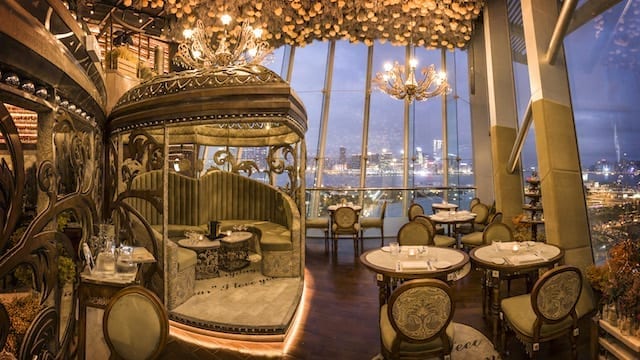
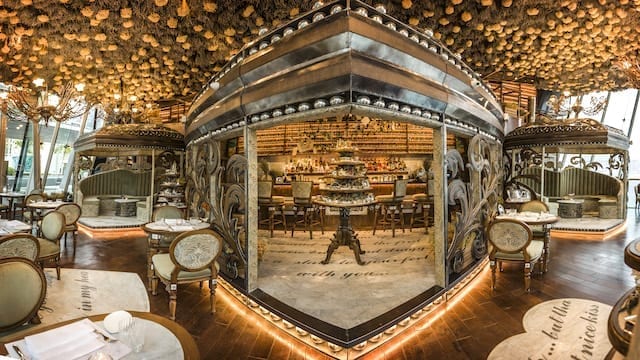
    Award-winning Australian designer Ashley Sutton has launched a restaurant and bar with a floral theme in a glass-walled space on the roof of IFC mall.

    Dear Lilly is described as a romantic restaurant and bar inspired by the hole-in-the-wall florists found along Parisian boulevards. As with Sutton’s other projects in Hong Kong, such as nightlife venues Iron Fairies, J.Boroski, Ophelia and Yojimbo, Dear Lilly is a collaboration with restaurant group Dining Concepts.

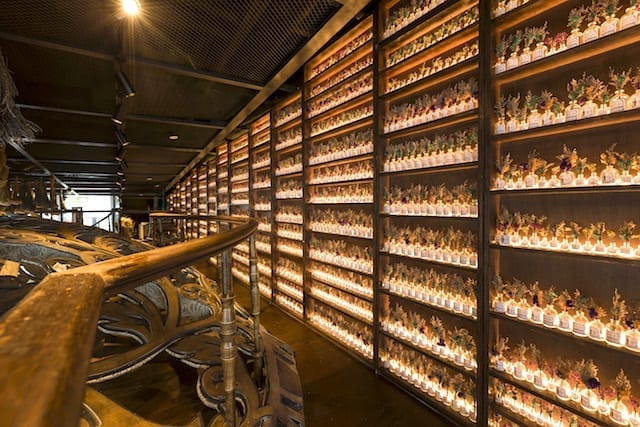
    Floor-to-ceiling shelves in Dear Lilly are crammed with vintage perfume bottles brimming with flowers, and hundreds of bouquets hang from the gently swaying kinetic ceiling.

    “Dear Lilly is unlike anything I’ve ever done before,” Sutton says. “It’s an incredibly enchanting space filled with flowers, love letters and charming antique ornaments I’ve sourced from around the world. I want people to step inside and feel like they’re in a fairytale.”

    Heart-shaped marble inlays in the floor are engraved with extracts from love letters. After reading thousands of love letters from throughout history, Sutton decided to fill Dear Lilly with extracts from letters sent by soldiers to their sweethearts during World Wars I and II. The restaurant’s name even came from one of the letters.

    Love letters and poems scrawled on scrolls of paper are piled on the bar alongside vintage black-and-white photos of couples. The bar and mixologists’ workstations are decorated with typewriters, rolls of ribbon and other knick-knacks.

    For romantic meals, Dear Lilly offers intimate booths designed as supersized versions of vintage jewellery boxes. For the steel heart-shaped structures, the metal has been treated to look like tarnished sterling silver.

    Embroidery and crowns

    Meanwhile, the serving staff at the restaurant wear outfits that feature embroidered button-up shirts or Victorian-inspired dresses and flower crowns. Mixologists wear vintage aprons with magnifying glasses, antique scissors and other knick-knacks poking out their pockets.

    Alongside classic drinks, Dear Lilly’s serves signature items inspired by 1920s French cocktails. To match the decor, the cocktails are garnished with edible flowers and sprigs of lavender. Dear Lilly also offers a range of beers served on its terrace overlooking Victoria Harbour.

    The cuisine is contemporary European featuring Mediterranean favours.

  • Calvin Klein Opens First Accessories Store in Hong Kong at IFC Mall

    Calvin Klein Opens First Accessories Store in Hong Kong at IFC Mall

    Calvin Klein, Inc., a wholly owned subsidiary of PVH today announced the opening of the first Calvin Klein accessories store in Hong Kong at ifc mall at Central Waterfront.

    Considered one of the country’s iconic world-class shopping malls, ifc mall is the destination for an extraordinary shopping, dining and entertainment experience. The new Calvin Klein accessories store is located on level 1, and offers both men’s and women’s Calvin Klein Platinum accessories and leather goods.

     The new store’s interior is marked by simple geometric forms that create a strong but neutral framework for product display. The crispness of the store’s geometry contrasts with the muted palette of oiled wood, lustrous rose-toned metal, honed stone and concrete. 

    Calvin Klein, Inc. is one of the leading fashion design and marketing studios in the world. It designs and markets women’s and men’s designer collection apparel and a range of other products that are manufactured and marketed through an extensive network of licensing agreements and other arrangements worldwide. Product lines under the various Calvin Klein brands include women’s dresses and suits, men’s dress furnishings and tailored clothing, men’s and women’s sportswear and bridge and collection apparel, golf apparel, jeanswear, underwear, fragrances, eyewear, women’s performance apparel, hosiery, socks, footwear, swimwear, jewelry, watches, outerwear, handbags, small leather goods, and home furnishings (including furniture). For more information, please visit calvinklein.com. 

    With a heritage going back over 130 years, PVH Corp. has excelled at growing brands and businesses with rich American heritages, becoming one of the largest apparel companies in the world. We have over 30,000 associates operating in over 40 countries with over $8 billion in 2015 revenues. We own the iconic Calvin Klein, Tommy Hilfiger, Van Heusen, IZOD, ARROW, Speedo*, Warner’s and Olga brands and market a variety of goods under these and other nationally and internationally known owned and licensed brands.

  • Myanmar City Mart secures IFC loan

    Myanmar City Mart secures IFC loan

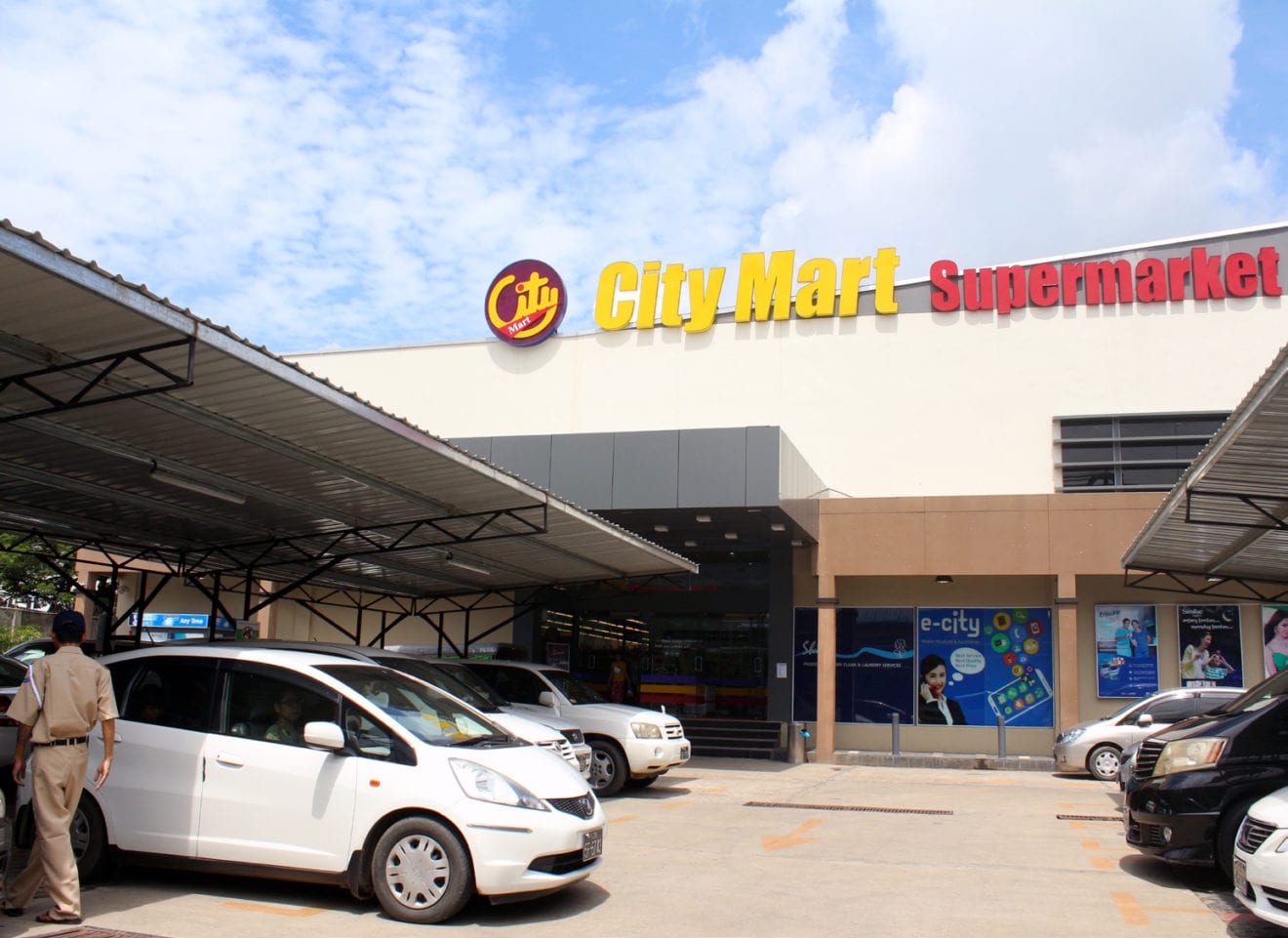
    Supermarket group Myanmar City Mart Holding Company (CMHL), the nation’s largest private retail group, is borrowing $25 million to finance a nationwide expansion.

    With more than 150 retail outlets in Myanmar, the company plans to build 20 more supermarkets and hypermarkets over the next three years.

    It plans a sixfold increase in its purchases from domestic suppliers to reach around $150 million by 2021, and create nearly 4000 jobs, half of which will be for women, reports Deal Street Asia. CMHL’s financing is in the form of a loan from the International Finance Corporation (IFC), the private lending arm of the World Bank Group.

    IFC hopes that CMHL’s expansion will not only help create jobs, but also develop supply chain and logistics infrastructure as well as support smaller businesses. “With our global expertise and industry knowledge, we will be delighted to work with CMHL to improve efficiency and standards to become a model retailer in Myanmar,” says IFC regional director Vivek Pathak.

    CMHL’s shareholders are Win Win Tint, the founder and MD, and her relatives.

    “IFC’s investment is a sign of confidence in our business plan as well as in Myanmar’s retail sector potential,” says Win Win Tint.

    “In addition to funding, IFC’s expertise and advice on food safety, good social and environmental practices and corporate governance will also help us take the company to the next level.”

    Myanmar’s $12 billion retail sector is predominantly informal, with formal retailers holding less than 10 per cent of the market, according to the loan documents. It is the second such loan extended by the IFC to CMHL. In October, IFC had already extended a  $25 million loan for a $46 million retail expansion plan.

    IFC is supporting reforms and investments in Myanmar with the aim of strengthening the private sector, creating jobs for poverty reduction and boosting shared prosperity.