Tag: IGD

  • Network expansion boosts Berli Jucker Profit

    Network expansion boosts Berli Jucker Profit

    Berli Jucker, the operator of Thailand’s Big C retail stores, has reported revenue of THB30.9 billion (US$979 million) in the first quarter, gaining THB1.6 billion (US$50.5 million) over the same period last year.

    Network expansion was the main driver of the revenue growth, reported IGD, with 27 Mini Big C stores opening during the quarter, more than compensating for the closure of 13 convenience stores.

    The company’s gross-profit margin decreased from 16.3 per cent to 15.9 per cent due to lower business-to-business sales.

    Net profit declined 2.3 per cent due to increased staff costs due to store expansion and yearly bonuses, together with increased store-opening and closing expenses and rising utility prices.

    As at the end of March, the company had 147 hypermarkets, 61 supermarkets, 797 Mini Big C and 140 Pure drugstores trading.

    Like-for-like sales grew 1 per cent year on year while other income including rental increased 4.7 per cent over the same period, reported IGD.

  • Global grocery markets growth fuelled by Asia, says IGD

    Global grocery markets growth fuelled by Asia, says IGD

    Global grocery markets are likely to generate an additional US$1.9 trillion in sales by 2023, led by Asian countries, according to new research data. The IGD forecast, based on IMF, World Bank, UN and Oanda base data, predicts Asia will see the strongest real growth – from population growth or consumers spending more on grocery – and is set to account for 47 per cent of the additional spend between 2018 and 2023. The forecast anticipates that nearly half (44 per cent) of extra sales will be created in Asia, which will add more than Africa, Europe and Latin America combined.

    Asia as a region will contain seven of the largest global grocery markets by 2023, with a combined market size of US$3.8 trillion.

    On growth in Asia, Nick Miles, head of Asia Pacific at IGD said: “China’s grocery market is expected to continue growing over the next five years, establishing itself as the largest grocery market globally. While growth varies between markets across Asia, countries such as India, Indonesia, Pakistan and Vietnam will continue to grow in importance for retailers and suppliers given the large populations, improving levels of GDP per capita and the development of modern trade. Retail partnerships have also in some cases helped retailers accelerate growth ahead of the market, and we expect more of these relationships to emerge and develop over the next year.

    “Grocery growth in Asia continues to benefit from a rapidly growing middle class, fast development and adoption of new technology, improved infrastructure and logistics networks, plus improvements to retail standards. Modern trade retailers continue to expand their store networks and improve existing operations.

    Meanwhile, traditional trade still plays a role, with mom-and-pop stores modernising their offerings and tailoring services to local communities. In countries like China and India this is being aided by online retailers such as Alibaba and Amazon.

    “Across Asia the pace of development and focus of retailing varies by market. However, online is expected to be the fastest growing channel regionally over the next five years,” said Miles.

    “Online grocery retailing is already well established in countries like South Korea, Japan and China and we expect the share of sales accounted for by channel in these markets to increase to over 10 per cent by 2023.

    While online grocery retailing is growing rapidly across Southeast Asia we expect it to still account for less than 2 per cent of sales in most markets in five years’ time.”

  • IGD predicts five trends set to shape retail in 2019

    IGD predicts five trends set to shape retail in 2019

    Seamless in-store shopping experiences coupled with innovative advances in technology are among IGD’s five key retail trends for 2019. “Next year’s biggest trend of all is likely to be the continuation of rapid and radical change in the food and grocery industry,” said Toby Pickard, head of insight, innovation and futures at IGD.

    “We have already seen a significant pivot towards innovative new technology, and there is no sign of this letting up next year. Shoppers’ expectations have changed, and the retail and grocery sectors are working to meet those expectations in every area of business,” he said.

    IGD’s five key retail trends for 2019 are:

    Data dictates the way: This year has seen data become more valuable to the retail sector than ever, with 46 per cent of supply-chain experts now actively prioritising data-driven business. As well as helping to boost sales, accurate data will be vital for tools that allow retailers to understand customer behaviour – and reward their loyalty.

    Through customer datasets, artificial intelligence (AI) and machine learning in-store, retailers can target products and offers more effectively while maintaining appropriate stock levels and improving customer service. Insights gained through closer customer engagement will provide invaluable guidance to retailers looking to grow their businesses: making stronger connections beneficial to both groups.

    Doing good is good businesses: Companies will increasingly take the lead on sustainability while issues such as food waste and plastic pollution make headline news. This has translated to changing attitudes across the generations. Nearly three quarters (74 per cent) of UK shoppers say they have become more aware of the environmental impact of plastic packaging over the past year, and this has led to innovations such as biodegradable wrapping and plastic-free supermarket aisles. Retailers are no longer thinking about just reducing waste, but want to make a positive, tangible contribution. The next wave of innovative and leading retailers and brands will move beyond reducing their impact.

    Seamless stores: Physical stores will offer a much more digital experience next year, by using technology to make it easier for customers to find items and gain more product information. Some 85 per cent of UK shoppers would like to see the roll out of more in-store technologies. This should lead to a faster shop for many, where searching aisles and shelves for the right item is replaced by an app that guides shoppers to where they want to be.

    “Physical stores offer customers a more tangible shopping experience, where they can see products before they commit to purchase,” sais Pickard. “This gives these spaces an advantage over online providers, and we are seeing stores begin to capitalise on that and add in extras to incorporate more of the benefits of online.

    “A recent example of this is Il Viaggiator Goloso, a premium Italian brand, which has enabled its electronic shelf-edge labels to show the online reviews and scores products have received. This gives customers a more informed choice in store.”

    Help me be healthy: Most shoppers aspire to eat and live well, with 85 per cent saying they are actively trying to improve their diet, but aspirations don’t always translate into action. “We believe shoppers will be more health conscious going forward, so supporting them to both look and feel good will be a major priority for retailers and their suppliers. This means that both consumers and businesses will be thinking more about wellness and the role of retail in promoting cleaner living going forward,” says Pickard.

    Anywhere, anytime: IGD expects innovative new social-commerce solutions to emerge throughout next year. Retailers and suppliers will deliver targeted marketing, and new ways to make online shopping more social, instantaneous, and convenient.

    “Next year, we will see retailers think increasingly about making every moment shoppable,” says Pickard. “A recent innovation was EasyJet making it possible for Instagram users to find and book holidays to new destinations, simply by clicking on a photo they have seen. Whether through targeted marketing or simple ways to make purchasing more seamless, shopping is becoming not just more convenient but more instant as well.”

    IGD says shopping will become seamless and omnipresent, with people no longer needing to visit a retailer’s online store. As they look at pictures, watch videos or TV they’ll be able to just add products to a shopping cart.

    “This has the potential to change the way that retailers think about selling in the future.”

  • How AI affect online grocery shopping experience

    How AI affect online grocery shopping experience

    AI will soon revolutionise the online grocery shopping experience, according to research released today ahead of next month’s Consumer Goods Forum Global Summit in Singapore.

    The research, compiled by IGD, is based on a survey of 223 senior industry members across 42 different markets and a series of in-depth interviews. It predicts digital transformation will reshape online food and grocery retailing. In China, already the world’s largest online shopping market, online grocery sales will grow by 286 per cent within four years and account for 11.1 per cent of the nation’s total grocery spending.

    The online store of the future will contain five key features:

    Personal micro stores

    “Personal micro stores” will offer individualised and online-exclusive products as well as personalised promotions, recommendations, advertising and loyalty schemes. More than two-thirds of respondents (69 per cent) believe some retailers will apply personalised pricing and promotions in future. An additional 77 per cent think almost all digital communication to consumers by retailers will be personal.

    “AI will help to unlock personalisation,” explains Simon Mayhew, online retail insight manager at IGD. “The store’s layout will be dynamic and able to predict the customer’s reason for shopping. So, if you need a meal for tonight, your homepage will display only the relevant solutions. When generally browsing, you will only see the products and pack sizes likely to meet your needs. Many products will only be buyable online where there is no constraint on shelf space, and in high-value categories, there will be customisable products, so you can create your own ideal shampoo or cereal.”

    Smart personal assistants

    Tomorrow’s online grocery stores will act as a smart personal assistant, connecting with various devices, preventing shoppers from running out of products and supporting their lifestyle goals. Nearly two thirds (60 per cent) of the experts surveyed predict that smart devices automatically re-ordering products will become a firmly established way of shopping for many people. The shopping experience will also be more inspirational, through personalised planners and sophisticated digital assistants like chatbots. Seventy-one per cent of respondents expect some retailers to provide a service to offer personalised dietary guidance.

    “Smarter devices will make shopping simpler and more inspiring,” says Mayhew. “The online store will help stop you running out of products. Shoppers will subscribe to have their favourite products delivered regularly and AI will predict when you may run out and make or suggest a reorder. Household devices, such as washing machines, will connect to your store and reorder when necessary. This will lock in customer loyalty.

    “The online store will offer more than just groceries, it will also help around the house. With populations urbanising and tending to live in smaller properties, businesses will offer services that prevent the need for space-hungry appliances, such as home cleaning and laundry.”

    Faster and more efficient

    Tomorrow’s online grocery store will be more efficient for shoppers, making it easier and quicker to order products. Login and payment will be available through facial, voice or touch recognition technology. Shoppers will incur less waste, with a greater choice of pack sizes and meal planners to help manage quantities and advise on using leftovers. A better fulfilment service will be on offer with more deliveries, on time and in full and products delivered at the right quality and freshness.

    “For retailers and manufacturers, the online store of the future provides both opportunities and challenges,” says Mayhew. “Data from the online store will guide product development. Retailers will see gaps in their ranges through unfulfilled search requests and have a better understanding of product quality through ratings, reviews and feedback to chatbots.

    “Fulfilment will benefit from robotics and supply chain forecasting will be more accurate. This will mean online pickers have fresher products to select, helping overcome one of the biggest barriers to shopping online. Unattended deliveries to homes, cars, and even ‘straight to the fridge’, will grow in popularity.

    “Improvements in service will reduce the number of returns and make deliveries quicker. We will see greater collaboration in the supply chain, including manufacturers pooling resources to sell directly to consumers. However, there will also be new challenges and potential inefficiencies. Shoppers will expect faster deliveries, and this means smaller, more frequent orders.”

    Frictionless experience

    Tomorrow’s online grocery store will deliver a frictionless combined offline and online shopping experience for consumers. People will switch seamlessly from shopping online and instore with data cross-referenced between the two. This will help bring more personalisation to the physical store and help shoppers find their favourite products quickly and discover new ones. This is an opportunity that many companies need to work on with over half (53 per cent) of survey respondents saying they haven’t or have only just started to integrate their online and offline teams.

    “Before visiting a physical store, you will be able to look online to check in-store, real-time availability, access product information, get product usage ideas and read reviews”, says Mayhew. “When you arrive at the physical store you will then benefit from personalised offers and recommendations. An online app will help you find products and pay for your shopping without cash.”

    Invisible stores

    Tomorrow’s stores will – at times – be invisible, with shoppers buying products from shoppable digital content such as videos, photos and social media. In the future, people can be shopping at any time. There will be no limits to when you can be shopping. China has been leading the merging of media, entertainment and shopping, and Europe and North America will follow.

    “You won’t even need to visit your online store to buy products,” says Mayhew. “Alongside voice ordering, the majority of digital content you see will be shoppable. You could be watching a video or see a still image and just click on it to buy the product.”

    Danger in downplaying

    IGD’s team says there are three primary reasons why no grocery retailer or supplier can afford to downplay online retail:

    • Across most of the world, online is already a fast-growing channel.
    • Online and offline are merging, with an online store vital to complement physical stores.
    • The digital world evolves faster than the physical one and online stores will become increasingly compelling.

    The research house says tomorrow’s shoppers will expect more choice, convenience, inspiration, personalisation and transparency and online stores will play an increasing part in meeting these needs.

    “Grocery retail is seeing an unprecedented amount of change, driven by changing shopper expectations and the ability to meet these using transformative technologies,” says Joanne Denney-Finch, IGD’s CEO. “This offers great opportunities for companies of all sizes. The winners will put the needs of their shoppers first, be prepared to act decisively, maintain the highest everyday standards and exhibit tremendous agility.”

    The report, free to download from IGD, will be presented in detail at the Consumer Goods Forum Global Summit from June 12-15.

    Peter Freedman, the forum’s MD, says the IGD research report sets out a clear, consumer-centric vision of tomorrow’s online shopping experience.

    “It gives us all something to aim towards and it ties nicely to the theme of this year’s Global Summit – Consumer Centricity in a Data-Driven World.

    “And it highlights the importance of the CGF’s positive change agenda – such as using new technologies to deliver accurate product information on the digital shelf, designing out product and packaging waste, and retailer-manufacturer collaboration for growth.”
  • Vietnam convenience store growth to lead Asia

    Vietnam convenience store growth to lead Asia

    Vietnam will be the fastest-growing convenience market in Asia by 2021, predicts international grocery research organisation IGD.

    According to the researcher, Asia’s grocery market will be the largest in the world with predicted 6.3 per cent of compound annual growth rate, up to US$4.8 trillion by 2021.

    Of that, the convenience store sector will see double-digit compound annual growth in the next four years.

    IGD predicts the Vietnam convenience store market will grow by 37.4 per cent in that time, followed by the Philippines at 24.2 per cent and Indonesia at 15.8 per cent. Those figures are based on assessments of the performance of the leading convenience store operators in each market.

    Cstores IGD

    During the past couple years, Vietnam convenience stores have become popular destinations, especially for young consumers. Savvy operators, like Circle K and FamilyMart have recognised local demand for c-stores as a place to not only shop but to hang out as well, providing an air-conditioned area to consume freshly-served convenience foods and snacks, up-to-date merchandising systems, a mix of imported and local goods and –  in some stores – even free Wi-Fi.

    It is also easier for businesses to get licences for stores with footprints under 500 sqm.

    According to IGD, Vietnam, the Philippines and Indonesia share similar characteristics that make their convenience markets particularly ripe for growth, including:

    • Store expansion: In all three markets, major players are speeding up store roll-outs in a battle for marketshare. For example, the number of c-stores operated by the top five retailers in the Philippines has more than doubled during the last five years and retailers are gradually shifting their focus from the capital to more provincial areas for greater opportunities.
    • Local players are gaining a stronger foothold: Asia’s convenience market has traditionally been dominated by Japanese retailers, such as 7-Eleven (which has yet to debut in Vietnam), FamilyMart and Aeon. However, there have been more market consolidations and partnerships and most noticeably, domestic players such as VinMart in Vietnam and SM Retail in the Philippines have been scaling up their operations and establishing leadership in their local markets.
    • Neighbourhood mini-supermarkets are becoming more popular: Apart from the modern convenience store format, local operators such as Indonesia’s Indomaret and Dairy Farm’s Wellcome format in the Philippines have developed a successful neighbourhood mini-supermarkets model, which better cater to local needs. These mini-supermarkets are typically between 150 and 300 sqm in size and are located in residential areas, with a focus on fresh food, top-up grocery and food-for-tonight.

    Thanks to the positive economic outlooks of all three countries, consumers are shifting from traditional wet-markets to the so-called modern trade, like convenience stores and supermarkets.

    Increased GDP per capita and foreign investment have also encouraged the market growth.

    “Among all the brick-and-mortar grocery channels, convenience shows the strongest growth prospects in Asia, thanks to rapid urbanisation, a growing young population and greater levels of disposable income,” says Nick Miles, head of Asia-Pacific at IGD.

  • Singapore online grocery market to triple by 2020

    Singapore online grocery market to triple by 2020

    The Singapore online grocery market is set to more than triple in size over the next three years, according to research house IGD.

    The global organisation expects sales will rise from the current S$130 million (US$91 million) to S$500 million (US$350 million) by 2020.

    At the end of 2016, IGD valued online grocery to have a 1.2 per cent share of the Singaporean grocery market. Reflecting rapidly changing shopper habits in the region and increased investment in the online channel from retailers and suppliers, IGD is further forecasting online to take a 4 per cent share of Singapore’s grocery market by 2020, with a compound annual growth rate of 39 per cent.

    Revealing the figures at this week’s IGD RedMart Trade Briefing, Nick Miles, IGD’s head of Asia-Pacific, said Singapore is hailing a new era of digital grocery retailing, driven by the entry of RedMart in 2011, Giant and Sheng Siong launching online grocery in 2013 and plenty of smaller start-up businesses also looking to grab a slice of the action.

    “Shopper habits are changing rapidly in Southeast Asia and in a compact city such as Singapore, with its relatively affluent population, big expat community and high penetration of internet and smartphone usage, there are huge opportunities for online grocery to meet these evolving needs. To make the most of this opportunity, retailers and suppliers must work together to ensure they really understand online shoppers and can tailor experiences and products to suit their personal preferences.”

    Miles says retailers are already clearly looking to improve the overall online experience, by getting the basics of search functions, favourites, images and information right for shoppers.

    “At the same time, they’ll be aiming to make delivery options as convenient as possible, whether that’s through shorter timespan delivery slots or greater choice of click and collect points throughout the region. Our UK data shows that 80 per cent of shoppers cite convenience as their number-one reason for shopping online, and we would anticipate Singaporean shoppers to have a very similar mindset when heading online for their groceries.

    “We also expect online grocery retailers in the region to encourage shopper loyalty through personalised offers and products, plus subscription models and delivery saver passes,” said Miles.

    “On top of that, shoppers in the region are increasingly connected via mobile, so ensuring a seamless shopping experience no matter what device they are using will be critical. Coupled with an increased focus on using innovations such as voice-activated technology, virtual reality and robotics, we predict huge opportunities for those retailers and suppliers who really invest in making the online grocery channel work for them in Singapore.”

  • Asian grocery boom predicted by IGD

    Asian grocery boom predicted by IGD

    Asia will continue to be the biggest engine of growth in the grocery market with its sales set to exceed those of Europe and North America combined within five years, according to new forecasts from research organisation IGD.

    Global growth will be driven by a combination of inflation, population and rising incomes.

    Highlights from IGD’s latest global grocery forecasts to 2021 include:

    * Asia’s grocery market is set to increase by $1.073 trillion, an annual compound growth rate (CAGR) of 6.3 per cent.

    * China will extend its lead over the US as the world’s biggest grocery market, with India in third place closing the gap.

    “Although there are several risks to the global economy and a danger of new barriers to trade in particular, we are optimistic these can be surmounted,” says IGD chief executive Joanne Denney-Finch. “We expect all regions to grow their grocery markets over the next five years, presenting big opportunities globally for manufacturers and retailers.”

    Asia’s grocery market will continue to prosper with China remaining comfortably in first place and three other Asian countries within the top 10, Denney-Finch says. “Millions more people across Asia will become middle class, and many more consumer goods companies will view this region as the key to their growth strategy.”

    IGD’s projected figures for 2021 show that China’s grocery market will be worth $1612 billion with a CAGR of 5.5 per cent.

    This compares with a market worth of $1.311 trillion for the US, with a CAGR of 3.6 per cent.

    India comes in third with a $735 billion market and a CAGR of 9.1 per cent.

    Japan is in fifth place after Brazil with a $399 billion market and a CAGR of 0.7 per cent.

    Rounding up the top markets in Asia is Indonesia, in eighth position with a market value of $305 billion and a CAGR of 9 per cent.

    A food and grocery research and training charity, IGD defines the grocery retail market as all food, drink and non-food products – such as health and beauty, pet care, clothing, DIY – sold through retail outlets selling predominantly food. Modern retail formats, such as supermarkets and hypermarkets, are included as well as traditional retail formats like markets and traditional food stores such as bakers. It excludes wholesale and foodservice formats and drugstores/pharmacies.

  • ‘Lead or lose’ message for food and grocery

    ‘Lead or lose’ message for food and grocery

    “Lead or lose” – that is the message for food and grocery businesses from chief executive Joanne Denney-Finch of the industry’s research and training charity IGD.

    Outlining her vision for the future of global retailing, she told delegates at the Canadian Grocer Thought Leadership Conference in Toronto that retailing was splitting into two parts: one largely automated and super-efficient, and the other based on delivering inspiration. “The blueprint is already emerging, not in one single place but spread across the world.”

    Drawing on examples of best practice from global retailers and manufacturers, she told how greater automation of everyday, staple purchases would drive shoppers to seek out excitement and creativity for the balance of their grocery shopping.

    “Eventually distribution centres will be run almost entirely by robots, and trucks will drive themselves,” she said. “Our smart appliances will use sensors to guarantee great cooking results, and people will hand over many decisions to their smart devices.

    “We’ll sign up to long-term deals, because that will be easiest and deliver best value. So as shoppers, our key staple items will turn up just in time, whenever we need them.

    “But on the other hand, as people’s lives keep growing more hectic, spontaneous buying and eating will also be even more popular. Online services will respond to this too, with meal kits and ready-to-eat food delivered to the door at rapid speed, but physical stores will always have the edge for instant gratification and for products we like to see before we buy.”

    More exciting

    Stores in convenient locations, such as train stations, would be favoured, so big stores would have to work harder to entice people. “They’ll become much more exciting, featuring lots of fresh food, new products, special events and more ways to taste, learn and discover. Experts will be on hand to give advice and deliver personal service.

    Branded manufacturers will be helping their retail customers to differentiate and deliver excitement, because those that don’t will be marginalised.”

    Retailers would also “compete fiercely” over health, said Denney-Finch, with the provenance of food and the ethics behind it being hugely important. “It will be an even more transparent world, and progressive companies will celebrate this. They’ll be really proud of the standards at every point of the chain for all the food they sell.”

    She said shoppers would be delighted and companies tested, “but the best will really thrive”.

    Denney-Finch said that having the right people with the right mix of skills would be needed to deliver this future of automation, from “highly capable food scientists, quality-control specialists and all-round good managers” to people who could bring new skills to both the in-store environment and supply chains.

    “Our research shows that most British shoppers view the leading supermarkets as largely interchangeable and even as part of the establishment,” she said, “so food stores need to become edgier and more inspirational. Both retailers and suppliers will need to invest in creativity and product expertise, because we’ll need more people in store to advise and recommend.

    “The more automated life becomes, the more essential it will be for companies to have a friendly face and to bring their brands to life.”

    Denney-Finch said a rich range of skills would be needed “as skills will separate the winners from the losers”.

  • Alfamart sales strengthen

    Alfamart sales strengthen

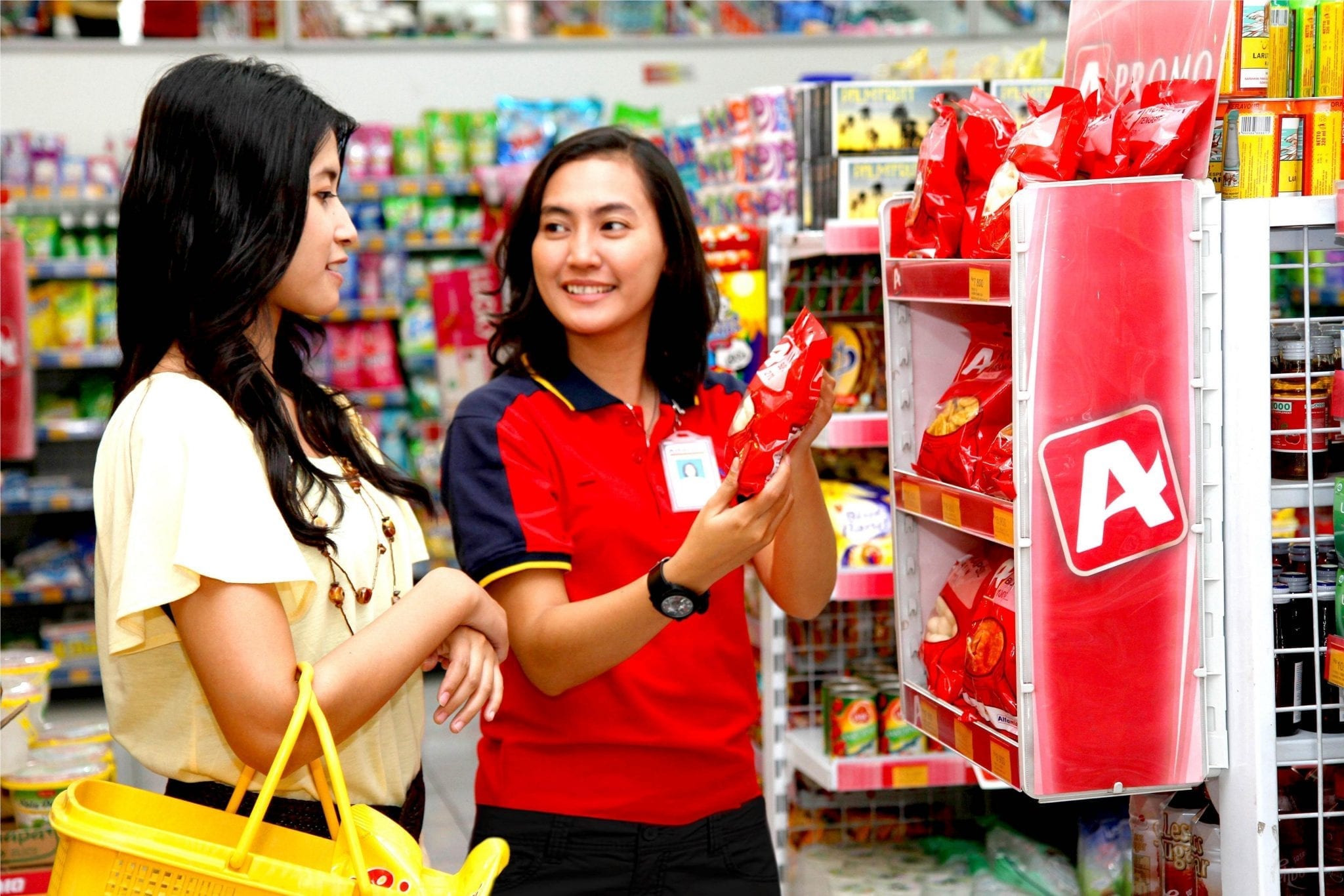
    Indonesia’s Alfamart has reported a healthy first half year’s performance.

    Alfamart sales rose by 21.5 per cent to IDR36,870 billion (US$2 billion) thanks to an aggressive store expansion program.

    The company’s unaudited gross profit increased 20.6 per cent.

    With a network total of 12,971 stores, Alfamart group remains narrowly behind competitor Indomaret, with 13,099, records research house IGD.

    Alfamart added 713 new stores from end of 2015, across the Lawson, Alfa Midi, Alfamart and Dan Dan (health and beauty) banners, compared to 889 reported by Indomaret.

    The new stores are mainly located outside of Greater Jakarta, which still accounts for 35.6 per cent of Alfamart’s stores, IGD reported.

    During the second quarter, the group added a warehouse in Serang, Java to support the Alfamart banner. As of June 2016, the retailer managed 40 warehouses in Indonesia (32 for Alfamart, seven for Alfamidi and one for Dan Dan).

  • Carrefour China concentrating on convenience

    Carrefour China concentrating on convenience

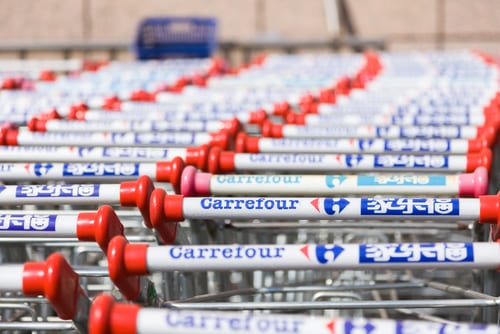
    Carrefour China says it will concentrate on convenience store development for the rest of this year.

    The French-headquartered retailer has been losing market share in the hypermarket segment and has closed about 30 stores during the past three years. It is trying to find a new growth model for the competitive Chinese model according to IGD analyst Catherine Ellwood and IGD Singapore program director Shirley Zhu.

    Hypermarkets will still play a role for Carrefour, particularly in western and central China, they say. The retailer is changing focus because of the increasing challenges for hypermarkets.

    Carrefour reportedly plans to open 40 to 50 convenience stores in Shanghai as well as about 15 Carrefour Easy stores by the end of the year.

    Rapid urbanisation, smaller families and rising affluence levels mean Chinese shoppers are demanding more convenient solutions, says the IDG team.

    “Convenience stores present a huge growth opportunity, but winning in this sector under rising costs and fierce competition is not an easy task.”

    However, Carrefour does have the advantage of existing sourcing and supply-chain capability for fresh products. Daily delivery from its own fresh distribution centre ensures availability and quality.

    A typical Carrefour Easy store has a floor size of 250 to 300 sqm with plenty of room for fresh produce displays. The stores act as pick-up locations for online shopping, and have kiosks to provide various services. There is also free Wi-Fi and charging devices in-store.

    For mobile payment alone, the stores accept Alipay, Apple Pay, Samsung Pay and WechatPay.

    Carrefour opened an extra distribution centre in June. The 21,000 sqm centre, in Dongguan, Guangdong province, will help with expansion in south China. Carrefour aims to have six distribution centres by the end the year.

  • Four trends to shape food retailing future

    Four trends to shape food retailing future

    “Genuine revolutions in food retailing are rare, but we’re living through one now.”

    That’s the view of Joanne Denney-Finch, CEO of the food and grocery researcher IGD, speaking who addressed last week’s Asia Pacific Retailers Convention and Exhibition (APRCE) conference in Manila.

    She believes the drivers of change are based on increasing population growth, especially in Asia and Africa, and urbanisation as well as rapid technological changes, and outlined four big trends that will shape the future of global food retailing:

    • The reinvention of stores.
    • The link between the online and offline world.
    • New ways of marketing.
    • Changing supply chains.

    “Change is sweeping through every part of international food retailing. The revolution is so big and powerful, that no-one knows exactly what the future will look like,” said Denney-Finch.

    “While this is creating the most challenging conditions for food retailers I’ve ever seen, there are many opportunities too. Retailers around the world are responding creatively and starting to build a new future.”

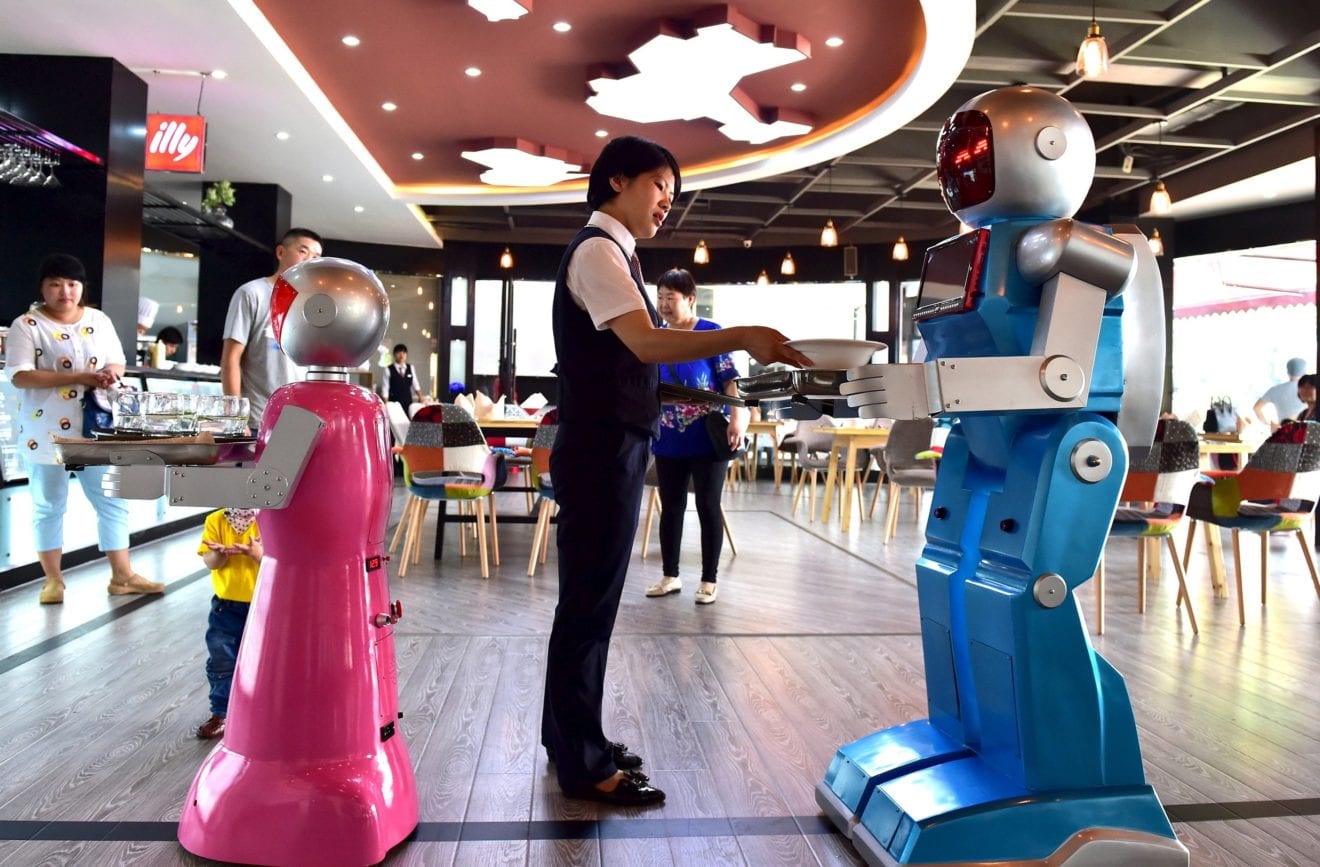
    On the reinvention of stores, Denney-Finch, said: “Technology is making a big difference to help improve the customer experience. Robots are starting to appear in stores around the world. In some Japanese shops, they meet and greet shoppers and give them advice on where to find products, while in Spain they are being used to give nutrition advice. They are a novelty at the moment, but robots will be a common sight in the future and we can expect them to patrol stores, looking for gaps on shelves and replenishing them.

    “Beyond technology, retailers are finding various ways to make shopping easier, more exciting and informative. Various British retailers have set up convenience sections within their largest stores where everyday items like bread and milk are grouped together to save time for top-up shoppers. Thailand’s Central Food Group has an expert Australian butcher to give shoppers advice on international product that they’re not familiar with.”

    On the merger of the online and offline worlds, Denney-Finch said: “Many retailers are viewing online and offline as two complementary ways to help shoppers buy whatever they want, anytime, anywhere and in the most convenient way to them. It’s what’s known as ‘omnichannel retailing’ and gives retailers the opportunity to regain loyalty. Phone apps are one way to link the online and offline worlds. People using the Walmart app, for example, shop there twice as often and buy 40 per cent more than other shoppers. Alliances are another way to utilise omnichannel shopping. The Chinese online platform Yihaodian, now owned by Walmart, has partnered with Family Mart stores to offer product collection.”

    On new ways of marketing, Denney-Finch, said: “In my view the most important role of marketing is to help build consumer trust and that requires a commitment to transparency and traceability. Stew Leonards stores have a live ‘web cam’ where you can watch their suppliers fishing. Some companies are also using computer game techniques to make promotions more exciting. In Singapore, McDonald’s provides an alarm clock phone app that wakes people up and delivers a new surprise each morning such as a discount or a game.”

    On changing supplying chains, Denney-Finch, said: “For many years, big food retailers were able to buy everything their customers wanted, at short notice and at a good price. However, with demand growing so quickly, as well as climate change and many other factors there’s more uncertainty about food supplies. So many retailers are thinking further ahead and building longer-term relationships with suppliers. For instance, Tesco has agreed to buy the whole banana crop every year from some regions of South America.”

    To conclude, Denney-Finch, said: shopper expectations will continue to rise in the future.

    “In response, retailing will become more flexible, personalised and exciting than ever before. New solutions are emerging every day from every part of the world. So the challenge for retailers is not just to reach the world class standards of today, but to set and deliver new standards for tomorrow.

    “Retailing in Asia is exceptionally dynamic, building on all the energy that comes naturally from such fast growing economies. So I confidentially predict that many Asian companies will be amongst the leaders of the retail revolution for the next 20 years and beyond.”

  • China grocery boom accelerates

    China grocery boom accelerates

    The China grocery boom is accelerating – but India and the so-called MINT countries are chasing.

    Chinese grocery sales are set to grow by a third between now and 2020 and reach US$1.5 trillion per year, according to new forecasts from IGD. While China will comfortably retain its position as the largest grocery market in the foreseeable future, other markets will grow faster.

    IGD predicts:

    • The grocery sector in India will grow by nearly 80 per cent and be worth just over US$900 billion by 2020.
    • Nigeria’s grocery market will achieve the fastest growth of the largest markets, increasing in value by 85 per cent to hit just over US$300 billion by 2020.
    • The other ‘MINT’ countries will also experience rapid growth – grocery sales in Mexico, Indonesia and Turkey will increase by nearly 40 per cent, 63 per cent and 61 per cent respectively.
    • Indonesia’s grocery market will be worth almost as much as the UK’s (ranked seventh in the world) at US$351 billion by 2020.

    IGD CEO Joanne Denney-Finch says while grocery industry growth prospects appear limited in Europe at the moment, this is a time of tremendous opportunity for grocery companies further afield.

    “The vast majority of global grocery growth will come from Asia, Africa and the Middle East supported by increasing affluence, urbanisation, and rising population. With many European products and brands highly regarded in these regions, this will be a boom time for companies with export skills.”

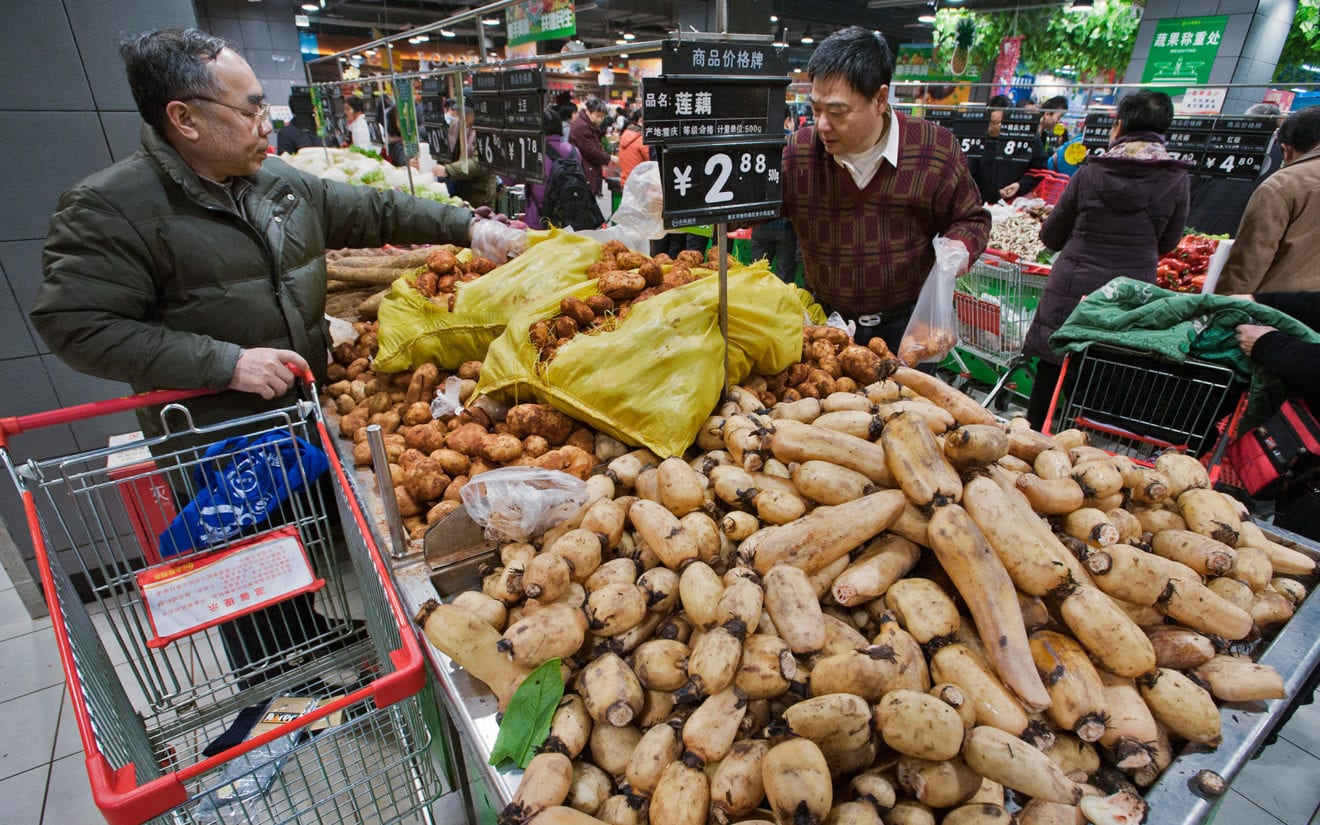
    On China, she observed: “Although the Chinese growth rate is slowing, it’s still very impressive, particularly in ‘tier three and four cities’. These are regional, medium-income cities, undergoing rapid development. There are many more opportunities for retailers and Western brands. For example, online grocery will enjoy explosive growth in China, though from a modest base, tripling in size between now and 2020. This will be powered by more Chinese having access to the internet through smartphones and other devices.”

    Denney-Finch said in India, while traditional stores will continue to take the lion’s share of the grocery market, consumer spending per capita in real terms will grow faster in the subcontinent than in any of the top grocery markets.

    “Combined with an expanding working-age population this will support the growth of modern convenience and supermarket retailing. Retailers are also rapidly setting up online grocery services hoping to tap into the potential of India’s half a billion smartphone users. Despite restrictions on foreign direct investment (FDI), international retailers continue to see the potential of investing in India.

    “If the expected effects of inflation are stripped out, then India would be the fastest growing of the largest grocery markets while most of the MINT countries would also appear higher up the growth rankings,” she said.

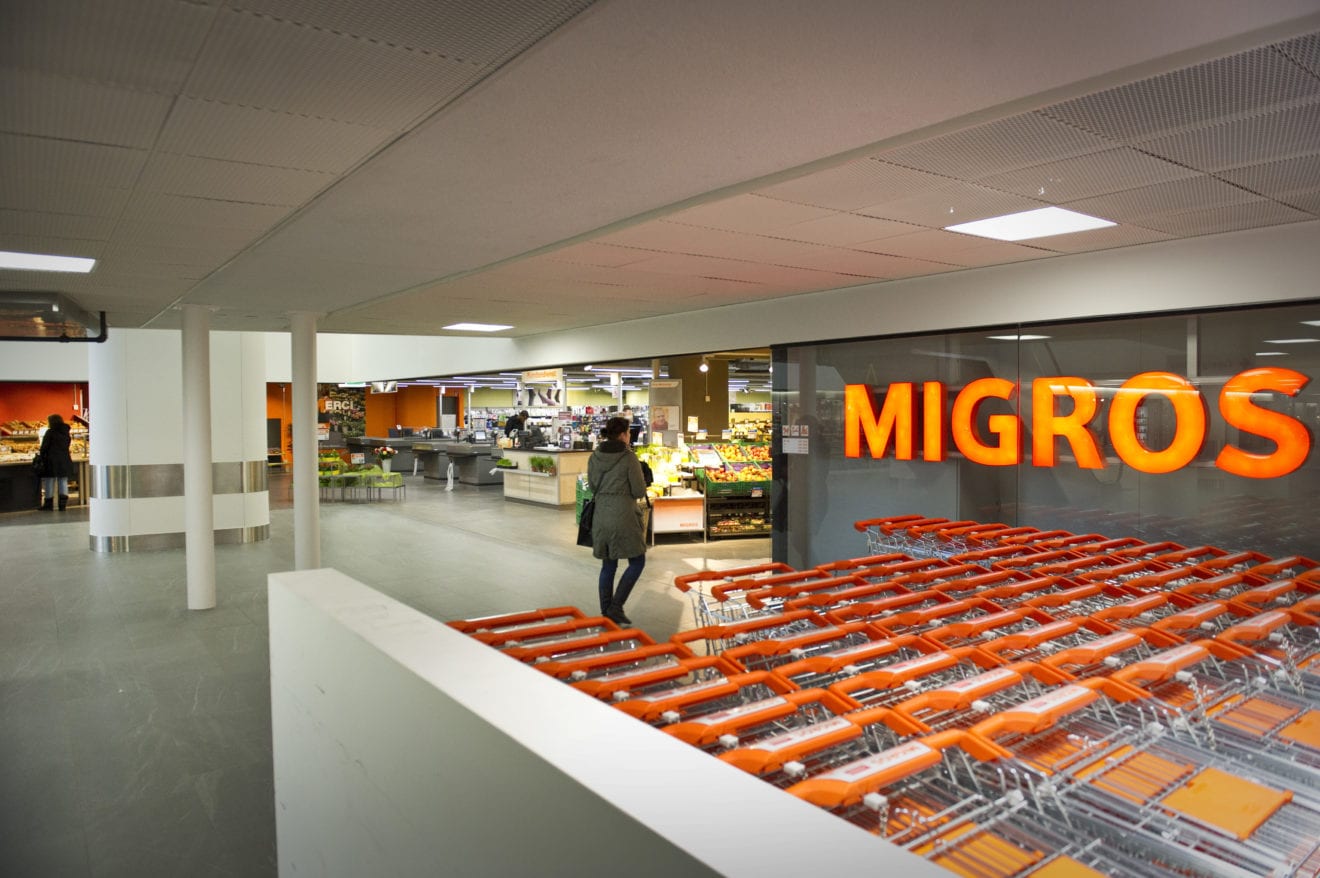
  • Migros to sell private label in Japan

    Migros to sell private label in Japan

    Swiss retailer Migros is to sell private label products into two Japanese retail chains.

    Switzerland’s largest grocer, and one of the world’s 40 largest supermarket chains, is to sell lines to Lawson’s Seijo Ishii stores and Seiyu, which is Walmart’s Japan business.

    According to the Nikkei Asian Review, Migros will start with 16 premium products including Swiss Delice biscuits and iced tea, which will go on sale in 400 supermarkets trading under the Seiyu and Seijo Ishii banners.

    By 2020, Migros hopes to expand the range to 300 items, including desserts, snacks, cosmetics and skincare products, projecting sales of US$16 million annually.

    Retail research house IGD describes the move as “particularly surprising” for Seiyu, whose range already includes private label lines from Walmart’s own network, including Asda’s Extra Special wines.

    IGD describes Japan as “the most sophisticated private label market in Asia,” with strong players including Seven & I, Aeon, FamilyMart and Lawson.

    “These retailers are exploring the higher margin opportunities that premium private label ranges offer, focusing development around high quality, special ingredients and unique products.”

    Those ranges include Seven Gold and FamilyMart’s Platinum Line.

    But IGD says European influenced products are likely to appeal to shoppers’ increasingly cosmopolitan tastes, and the early line-up includes items which are mutually popular in the Swiss and Japanese markets: ice cream and iced tea.

    “Migros follows in the footsteps of European retailers Waitrose and Carrefour, whose private label products are already available in Japan through partnerships with Aeon.”