
Tag: illicit trade

  • Australia Faces $1.23 Billion Alcohol Tax Deficit as Illicit Market Expands

    Australia Faces $1.23 Billion Alcohol Tax Deficit as Illicit Market Expands

    The Australian Taxation Office projects uncollected alcohol excise will reach $1.23 billion across the 2024 to 2025 financial year as illicit market transactions outpace domestic compliance efforts.

    That shortfall represents 13.7 per cent of total expected alcohol tax revenue, climbing roughly 0.4 per cent year on year.

    Shadow economy transactions drive the vast bulk of the leakage. An estimated $1.06 billion, or 91.8 per cent of the total uncollected sum, stems directly from off-grid, untaxed trade rather than technical filing discrepancies by registered businesses.

    Shadow Trade Squeezes Formal Retailers

    The swelling tax gap alters competitive dynamics across Australia’s bottle shops, hospitality operators and regional producers. Licensed retailers face biannual automated indexation increases on spirits and beer excise, widening the price gulf between compliant shelves and illicit sellers. High shelf prices encourage consumer leakage into underground channels, compressing gross margins for legitimate store owners.

    Distillers and brewers operate under tighter working capital requirements while illegal operators operate without duty obligations. Commercial suppliers that rely on mainstream wholesale distribution face declining volume turnover in price-sensitive spirits categories. The resulting distortion hits mid-tier domestic craft producers hardest, as they lack the scale to absorb heavy tax overheads.

    Broadening Regulatory Deficit Since 2015

    Tax leakage in the category has expanded steadily over the past decade. The uncollected tax share stood at 9.3 per cent in 2015, showing a persistent upward trajectory as excise rates increased through regular inflation adjustments. While overall revenue collection expanded during the period, the share escaping public coffers grew by more than four percentage points.

    Enforcement agencies now face sophisticated illicit supply chains that bypass conventional import gates and domestic manufacturing controls. For the federal treasury, losing over a billion dollars annually complicates broader fiscal planning while leaving legitimate retail channels bearing the enforcement burden.

    Enforcement Targets for the Coming Budget Cycle

    Tax monitors are shifting resources toward cross-border freight audits and unlicensed domestic distilling operations. Revenue officials will reconcile commercial raw material flows against recorded retail sales volumes to identify production diversions.

    Retail networks and trade associations will track whether the federal government freezes upcoming automated alcohol excise indexations in the forthcoming budget review to prevent further migration into illicit buying channels.
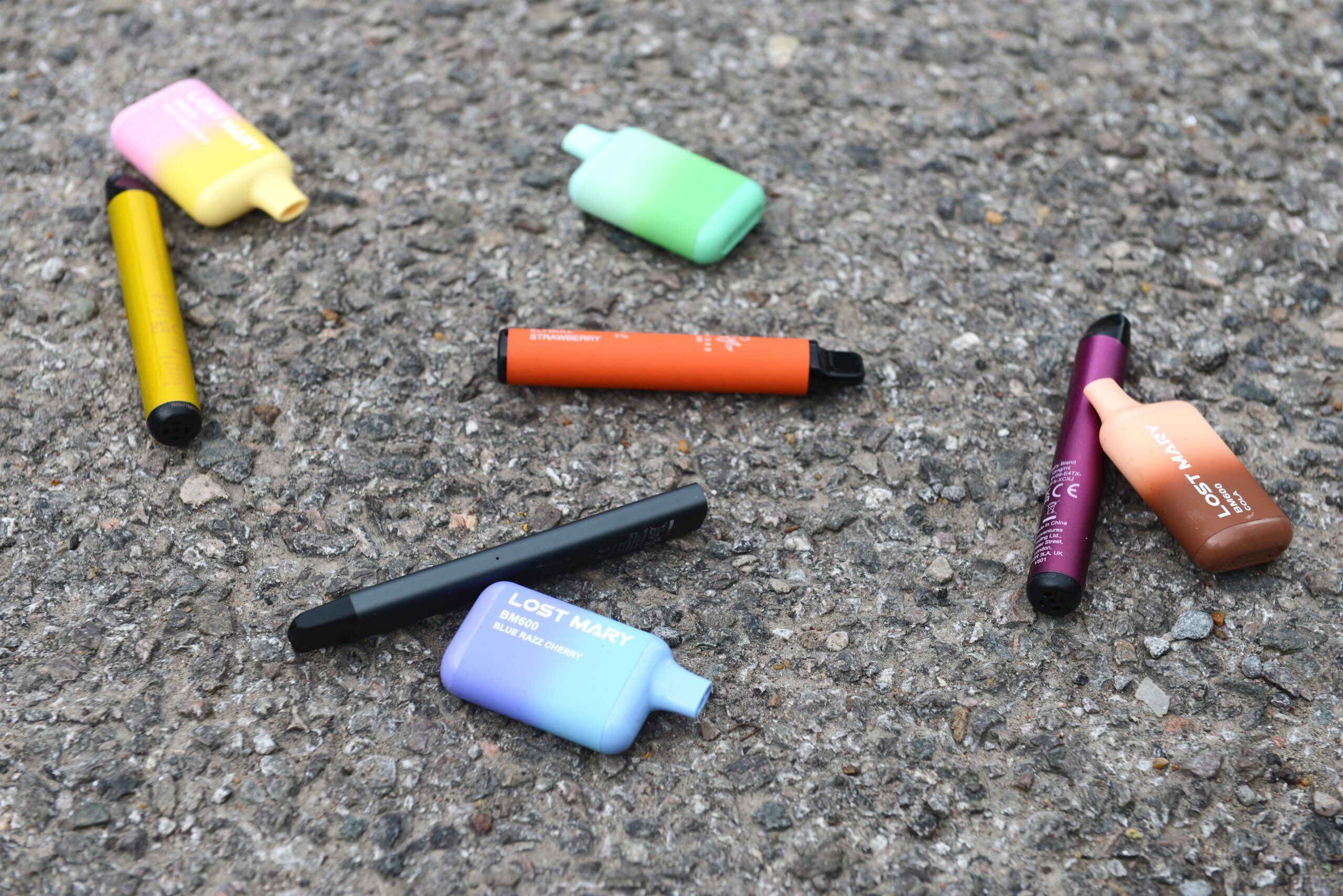
  • Philippines Under Pressure to Close Vape Tax Loophole Hurting Retailers, Boosting Illicit Trade

    Philippines Under Pressure to Close Vape Tax Loophole Hurting Retailers, Boosting Illicit Trade

    Consumer advocacy groups in the Philippines are pressing Congress to revise the nation’s vape excise tax system, asserting that its current design encourages illicit trade. They contend that the significant tax disparity between nicotine salt and freebase nicotine products creates opportunities for misdeclaration, resulting in substantial revenue losses for the government and unfair competition for legitimate retailers.

    Under the existing tax framework, a 10-milliliter nicotine salt vape product incurs a tax of P602, while an equivalent freebase product is taxed at P69.46. This P532.54 difference, where nicotine salt products are taxed almost nine times higher, provides a strong incentive for operators to misdeclare their goods. This issue has been brought to the attention of the House Committee on Ways and Means, which is reviewing several bills aimed at amending excise taxes on tobacco and vapor products.

    Tax Disparity Fuels Illicit Market

    Representative Miro Quimbo, chair of the House Ways and Means Committee, has noted a concerning disconnect between rising vape consumption and declining tax collections, pointing to a growing illicit market. Orlando Oxales, convenor of CitizenWatch Philippines, stated that the problem stems not just from weak enforcement but from a tax system vulnerable to manipulation. Products that appear and are used similarly but are taxed differently based on characteristics difficult for regulators to verify on-site become prime targets for misdeclaration, transforming it into a business opportunity for unscrupulous players.

    Several legislative proposals before the committee suggest replacing the current two-tier system with a single excise tax rate for all vapor products, irrespective of their nicotine formulation. These bills highlight the risks of mislabeling and misdeclaration inherent in the existing framework. Marc Gamboa, convenor of Progreso Para sa Bayan, emphasised that simpler regulations would allow enforcement agencies to concentrate their resources more effectively on combating actual tax evasion. He noted that the Philippines’ specific tax distinction between nicotine salt and freebase formulations is unusual internationally, adding complexity and potential loopholes.

    Unified Rate Proposed For Fairer Trade

    Support for a unified vape tax rate has also come from key government agencies, including the Bureau of Internal Revenue, Bureau of Customs, and the Department of Trade and Industry. These bodies cite enforcement difficulties and potential revenue leakage as major concerns under the current setup. Oxales stressed that tax systems should aid enforcement, not create avenues for illicit operations, arguing that regulatory complexity makes abuse easier.

    While advocating for simplification, the groups acknowledge that different product categories may warrant varying tax treatments. Their primary goal is for Congress to establish a system that is easy to administer, resistant to manipulation, and aligns with broader fiscal and regulatory goals. A streamlined tax regime would not only help stem the flow of illicit products but also create a more level playing field for legitimate retailers and brands operating within the Philippine vape market. Other Southeast Asian nations are also grappling with effective taxation of novel products like vapes, with varying approaches to product classification and excise duties often impacting market dynamics and the prevalence of illicit trade.