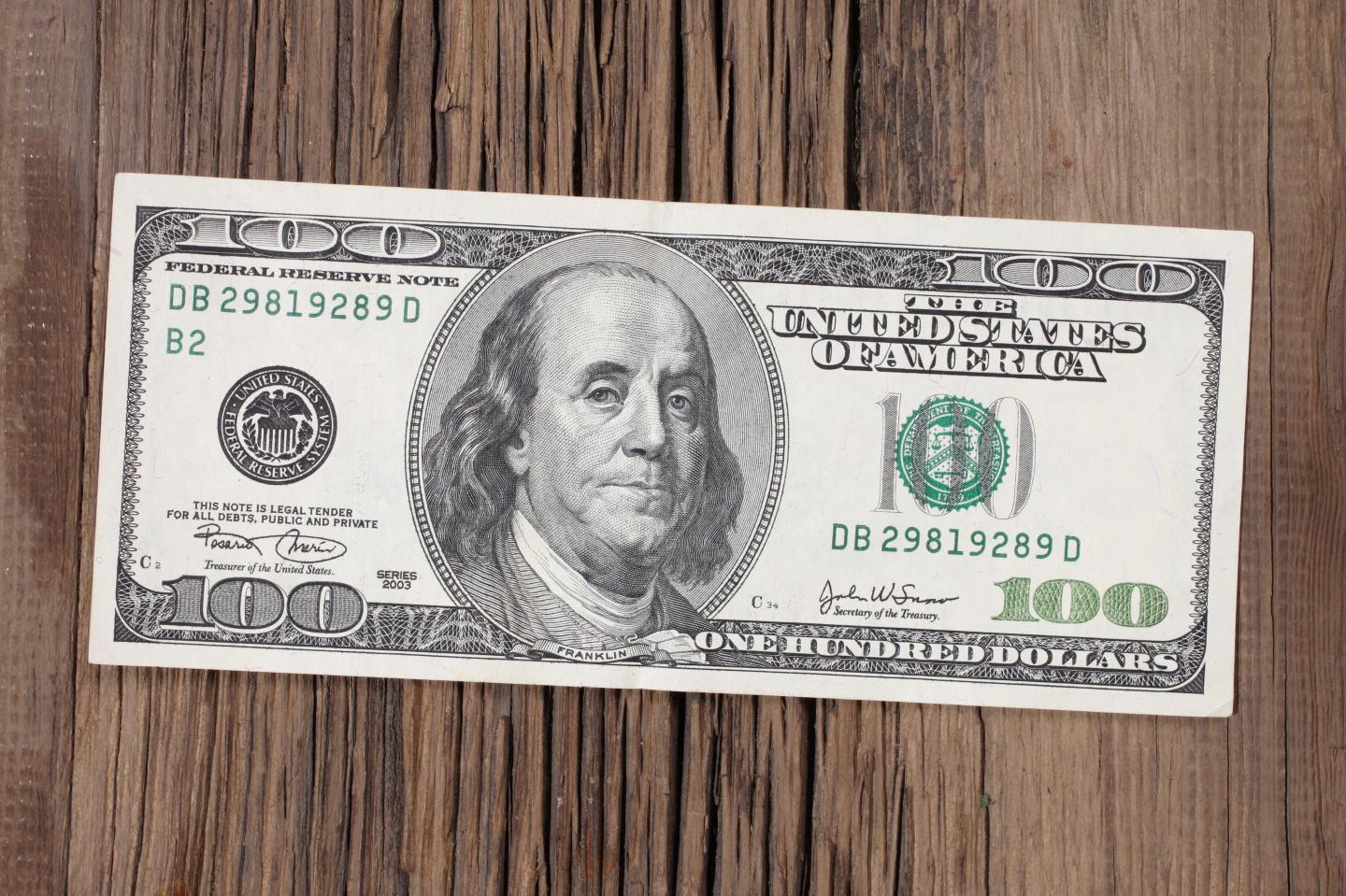
The Bangladeshi taka has strengthened against the US dollar, ending a continuous depreciation trend spanning five and a half years, according to a report from Bangladesh Bank.
Between August 30 and September 17 this year, the local currency appreciated by 0.77 percent against the greenback as the dollar rate dropped from a record high of Tk 123.95 to Tk 123.00.
On a point-to-point basis from June last year to June this year, the taka gained 0.06 percent, reversing an unbroken slide from 2021 that had devalued the currency by 45.05 percent.
Reversing a Five-Year Downward Spiral
Dhaka saw its first sustained currency recovery since late 2020. That year, lower pandemic import bills and solid remittances allowed the taka to firm slightly to Tk 84.80.
Import pressures resumed in 2021, pushing the dollar to Tk 85.80 by year-end. Post-pandemic commodity shocks and the war in Ukraine accelerated the slide in 2022, lifting the dollar rate 23.37 percent to Tk 105.85. The taka fell further to Tk 110.00 in 2023, Tk 120.00 in 2024, and Tk 122.33 by December 2025.
Over the five-year span, the greenback climbed by Tk 38.20. That loss squeezed corporate margins across manufacturing hubs. It also inflated domestic retail prices on consumer staples.
Divergence from Regional Currencies
Trends across South and East Asia diverged from Bangladesh during the same period. Between June 2025 and June 2026, the South Korean won dropped around 11 percent against the greenback. The Sri Lankan rupee shed more than 10 percent.
India’s rupee weakened by nearly 9.5 percent over the 12-month period, while the Indonesian rupiah lost about 9 percent. Modest gains appeared elsewhere. Both the Malaysian ringgit and Chinese yuan gained nearly 4 percent, and the Pakistani rupee firmed by about 2 percent.
These divergent currency paths reshape cross-border sourcing costs for regional retailers and consumer goods manufacturers. Retailers buying finished goods and packaged foods from India face lower dollar procurement costs. Meanwhile, Bangladeshi factories buying dollar-denominated raw materials gain immediate relief on input invoices.
Relief for Importers and Retail Supply Chains
Lower landed import bills directly benefit buyers of refined fuel, edible oils, industrial chemicals, and wheat. Importers spent the past three years absorbing double-digit depreciation that pushed landed costs to records.
Steady foreign exchange pricing removes the immediate need for emergency shelf-price increases at retail. Lower import costs ease pressure on household purchasing power. That buying power had contracted under cumulative double-digit retail inflation.
Local-currency balance sheet losses will narrow for domestic conglomerates holding dollar-denominated commercial debt. Servicing foreign loans grew far more expensive as the dollar climbed from Tk 85 to nearly Tk 124 over five years.
Trade Balance and Reserve Targets Ahead
Maintaining currency stability now rests on managing import demand and keeping remittances flowing through official channels. Bangladesh Bank has relied on targeted dollar purchases to rebuild gross reserves. It avoided defending fixed pegs through emergency dollar sales.
Corporate treasurers and retail supply directors are tracking import volumes heading into the final quarter. Any surge in capital goods orders or energy demand will test the central bank’s ability to hold the exchange rate near Tk 123.