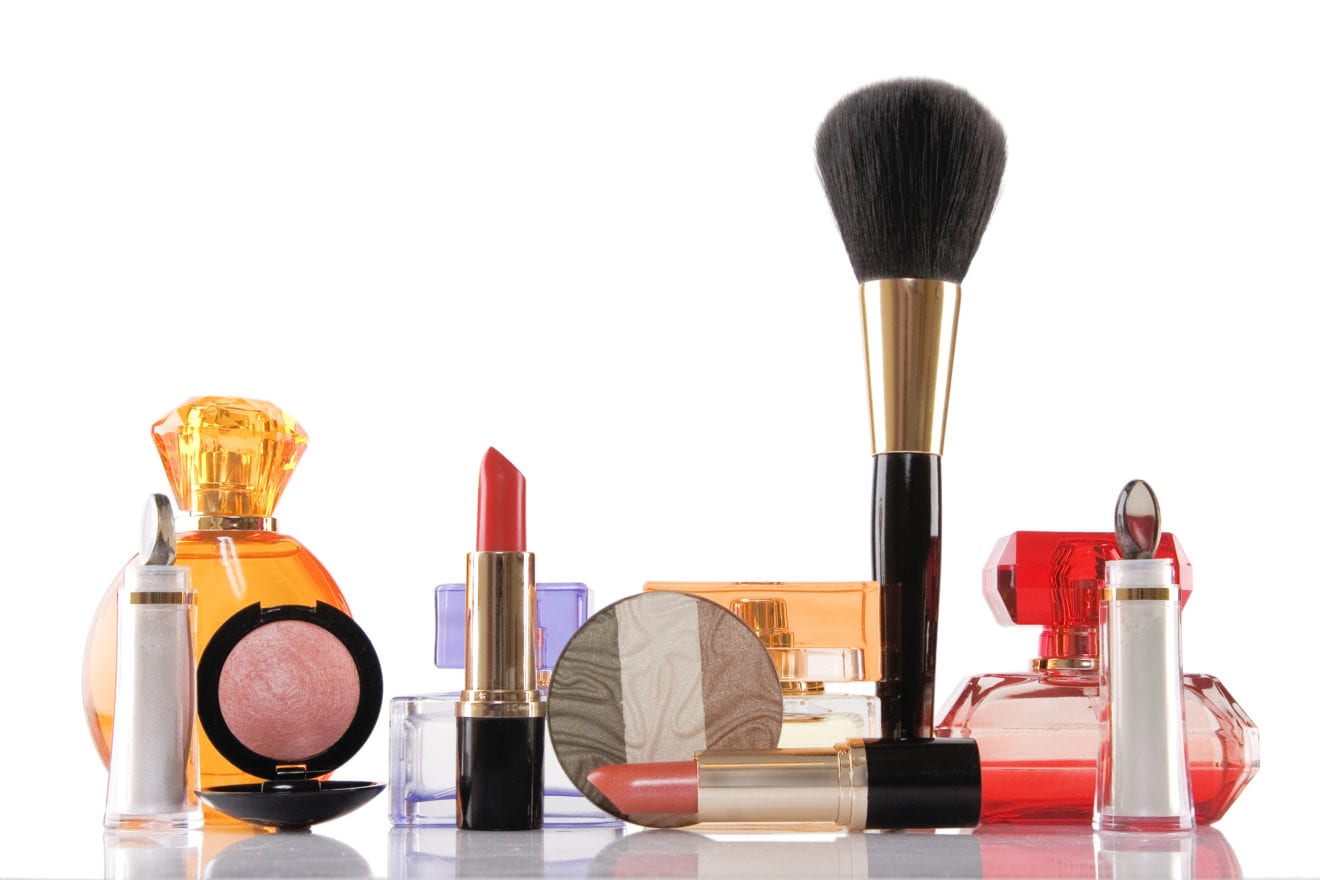
China is changing tax rules for imported goods that are sold online in a move that will make beauty products such as eye creams and moisturizing gels from L’Oreal SA’s Lancome and Korea’s Amorepacific Corp. become cheaper for Chinese consumers.
The government will remove a special tax, or so-called parcel tax, previously levied on imports sold online. Instead, it will charge value-added and consumption duties that are currently imposed on most products sold in China but with a 30% discount, according to a Thursday statement posted on the website of the Ministry of Finance.
The move came after China in January broadened a pilot program in which a port district in the eastern city of Hangzhou was allowed to trade imported goods at lower taxes. As the world’s second-largest economy pushes its online retail industry and promotes cross-border e-commerce, the country has expanded the program to 13 cities. China’s State Council approved the latest changes which will come into effect on April 8, according to the Thursday statement.
“Cosmetics will be the biggest beneficiary after the tax adjustment,” said Catherine Tsang, a Hong Kong-based tax partner at PricewaterhouseCoopers LLP. As beauty and personal care is one of the most popular category among imports bought by China’s Internet shoppers, any price cuts will further boost the market, Tsang said in an interview.
Riding on a wave of popularity from South Korea’s TV dramas and music, Amorepacific’s Etude House and other brands from the country are in demand among Chinese customers. For Korean products, cross border e-commerce has become a more direct and cheaper way to expand in China compared with setting up store networks, Tsang said.
Online sales of imported goods have grown at a compounded rate of 63% in the five years to 2015, reaching 638 billion yuan ($98 billion) and accounting for 17% of China’s total online retail sales, according to data from Mintel Group Ltd.
The most popular categories of products being purchased online in China are consumer electronics, clothing and shoes, appliances, food and beverage, and beauty products, according to research firm Euromonitor International.
Previous changes to promote cross-border e-commerce include:
- China started pilot program with a zone in Hangzhou in March 2015
- Trial expanded Jan. 2016 to Tianjin, Shanghai, Chongqing, Hefei, Zhengzhou, Guangzhou, Chengdu, Dalian, Ningbo, Qingdao, Shenzhen, Suzhou
- Parcel tax in zones set at 10% (food, infant items), 20% (electronics, apparel), 30% (high-end watches), 50% (cosmetics, alcohol)
- Tariffs waived for items that incur taxes below 50 yuan
While food and baby items such as diapers may cost more after the April adjustments because of their current lower tax rates, those imports may remain attractive as China’s growing middle-class are becoming more concerned about health and are willing to pay more for quality, daily necessities, PwC’s Tsang said.
“That’s why the demand for imported goods is increasing so fast,” she said. ”China’s consumer now are less price-sensitive especially to products they eat or use on their skins.”