Retail News CRM

Tag: Incheon Airport

  • Korea Grand Sale gears up for kick off

    Korea Grand Sale gears up for kick off

    Korean tourism authorities were set on January 14 for the official opening of the Korea Grand Sale, an annual event for foreign shoppers with events, promotions and sales across the country. This year’s event, jointly hosted by the Ministry of Culture, Sports and Tourism and the Visit Korea Committee, will be held from January 17 until February 28.

    The theme of this year is “Travel, Taste, Touch,” and will offer benefits of varying degrees from 51,497 businesses. According to the ministry, around 850 enterprises will hold sales, including discounts of up to 97 percent on flights to Korea from airlines including Air Seoul.

    Up to 25 percent discount will be provided at eateries at the top-notch hotels across the country.

    According to a survey on what foreigners did while visiting Korea conducted by the ministry, 72.5 percent of all foreign visitors in 2017 said shopping, while 58.2 percent said eating and tourism.

    A tourism program featuring restaurants with over 50 years of history — including “Cheongjinok,” “Ureok,” “Hadongkwan,” “Joseonok” and “Yeolchajib” will be held with Korean celebrity chefs as guides. Other packages include Korean food and temple food for foriengers, and ski packages.

    For those who need assistance, a welcome center will be open throughout the festival period at Cheonggye Plaza in Jongno-gu, Seoul from 12 p.m. to 8 p.m. Tour guides will circulate popular tourist areas like Hongdae or Dongdaemun, accompanied by interpretation services.

    A welcome booth for foreigners will operate at Incheon International Airport and Gimpo International Airport from February 1-8, to coincide with the Chinese and Korean Lunar New Year holidays.

    At the welcome center, Korea Tour Card will be given free to the first 50 visitors every day. The 10,000th visitor will receive a coupon for a stay at a local hotel.

  • Incheon Airport breaks record with 2018 sales

    Incheon Airport breaks record with 2018 sales

    Incheon International Airport announced record annual sales of US$2.4 billion for 2018, beating the previous record set in 2017. The performance ranks Incheon as the world’s number one airport for duty free sales in 2018, ahead of Dubai International. The latter’s anchor retailer, Dubai Duty Free, posted 2018 sales of US$2.015 billion. Sales rose 14.8% year-on-year, driven by the successful opening of Terminal 2 in 2018 and increased passenger traffic from the 2018 PyeongChang Winter Olympics. Departing passenger traffic rose 9.9% in the year, Incheon International Airport Corporation told The Moodie Davitt Report. A total of 67.7 million passengers used the airport in 2018, including 33.9 million arriving and 33.8 million departing.

    Cosmetics & perfumes continued as the leading product category with a 40% share of the mix and US$953 million in sales. Liquor and tobacco combined took second place with US$540 million (23%).

    Incheon International Airport Corporation (IIAC) said that the 2019 introduction of arrivals duty free shopping will boost the shopping offer.

    “With the introduction of the first arrival duty free in Korea, Incheon Airport will strengthen its competitiveness as the leading airport of the industry, satisfying customers through an advanced shopping environment,” IAAC commented.

    IIAC noted the retail performance of T2, which opened in January 2018. The terminal boasts outstanding beauty, liquor and tobacco flagship stores that feature exceptional design and digital and experiential components, the corporation said. Luxury boutiques such as Chanel and Valentino also played a role in the record-breaking performance.

    T1 performance was boosted by the addition of new retailers, Shinsegae Duty Free and Grand Duty Free. Both had minimised store closure periods during their respective handovers, IIAC said.

    Despite the collapse in Chinese tourism to South Korea from March 2017 driven by the THAAD row with China, duty free sales have maintained their upward curve throughout the ensuing period. Even in 2017, the nadir of the crisis, Incheon posted a 4.1% rise in duty free sales (admittedly well behind a 7.6% passenger increase).

    While Chinese tourism numbers are still well short of 2016 levels (-41.6% for the first 11 months of 2018), spending by daigou traders spurred the Korean duty free market to new heights last year. Incheon, while having a more balanced passenger spending profile than the overwhelmingly Chinese-dominated downtown stores, still benefited from that trend.

    What happens in 2019 following China’s introduction this month of a new e-commerce designed to crack down on daigou imports? That’s the question on everyone’s lips in Korean (and Asian) travel retail. Incheon International Airport Corporation will hope that a combination of a steady recovery in traditional Chinese tourism, daigou ingenuity in getting around the rules, and strong Japanese and Korean business will maintain the upward trajectory. The imminent introduction of the country’s first arrivals shops will help too.

    Higher sales in 2018 did not, of course, equate to higher profitability for the country’s duty free retailers, hurt by the high costs of attracting daigou shoppers. For Incheon International Airport, however, safely wrapped up in the safe haven of steep minimum annual guarantees, 2018 will go down as a stellar year.

  • Incheon Airport tests an unmanned shuttle service

    Incheon Airport tests an unmanned shuttle service

    Incheon International Airport said Sunday that it has successfully tested a self-driving shuttle bus becoming the first Korean airport to do so. The test took place inside its long-term parking lot on Friday, where a driverless bus ran 2.2 kilometers at a speed of 30 kph.

    “The test route has lots of curved lanes and is frequently interrupted by other cars … We have seen that autonomous driving is possible,” the airport said.

    The shuttle bus used in the test has been developed by Korean companies, including KT and Unmanned Solution. It is the country’s first driverless vehicle to obtain a temporary driving license. Last month, the airport signed a memorandum of understanding with KT to cooperate in autonomous driving. It plans to introduce a detailed plan for various self-driving car services.

  • Duty-free on arrival set for Incheon next year

    Duty-free on arrival set for Incheon next year

    The country’s first duty-free store available to returning travelers will open at Incheon International Airport as early as next May, the Finance Ministry announced.

    Currently, duty-free purchases are allowed only for passengers departing Korea, either at an international airport or in advance at city locations with the goods available for pick-up at the departure terminal.

    “The number of people traveling abroad has been on the rise and they’ve been grappling with the inconvenience of carrying products purchased duty-free throughout the whole trip,” the Ministry of Economy and Finance said in a statement released.

    “[Duty-free on arrival] is aimed to end that inconvenience and prompt consumers to spend more inside the country instead of shopping duty-free overseas.”

    The statement added that duty-free on arrival is now already available at 149 airports in 73 countries.

    Cigarettes, a duty-free steady seller, will not be allowed for sale at on-arrival stores, the ministry said.

    “The price of cigarettes differs greatly at duty-frees and local retailers,” said a source at the Finance Ministry. “People could buy lots of them at arrival gates and resell them in Korea at a price cheaper than the official retail price.”

    The same abuse could be possible with cigarettes purchased at departure duty-frees, but the source added that “generally speaking, it’s inconvenient [to buy cigarettes there for resale] because they have to be carried throughout the trip and, in such cases, the purpose is mainly personal, either for the consumers themselves to smoke during the trip or as gifts.”

    Fruits and meat products that must be declared for quarantine are also banned from arrival duty-free stores.

    The Finance Ministry also reminded travelers that the purchase limit for duty-free products for Koreans returning home remains unchanged at US$600.

    Larger duty-free brands that operate stores in the city and departure gates argued the need to raise that limit if the government wanted to grant licenses for stores at the airport’s opposite end.

    Bidding for licenses to run duty-free spaces at Incheon International Airport’s arrival gates will be held between March and May of next year.

    Only small and mid-sized companies are allowed to submit business plans, leaving out industry leaders such as Lotte, Shilla and Shinsegae Duty Free.

    Operations at on-arrival duty-free stores are planned to start between late May and June. After a six-month trial run at Incheon, the government will look into expanding duty-free on arrival at other international airports in the country.

    This announcement puts an end to a 15-year debate. Consumers support the idea: 81 percent of respondents to a government survey last month complained about carrying duty-free goods while traveling.

    Since 2003, lawmakers have proposed to begin duty-free on arrival six times, but all the initiatives failed in the face of opposition from current operators and airlines. Current tax law allows duty-free purchases only on departure, so National Assembly action would be required as part of setting up a new system.

    President Moon Jae-in urged quick changes to the current system in August, citing a $13.7 billion tourism deficit last year.

  • Lotte Duty Free exits Incheon Airport Terminal 1 contracts, sets its sights on Vietnam

    Lotte Duty Free exits Incheon Airport Terminal 1 contracts, sets its sights on Vietnam

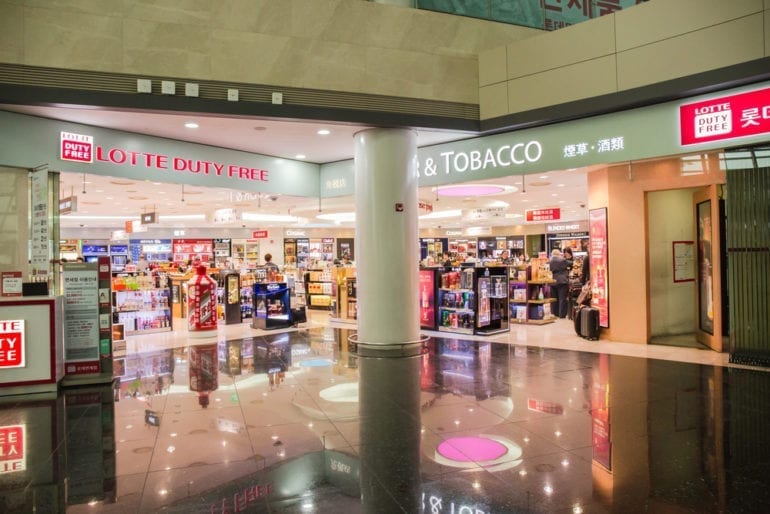
    Lotte Duty Free exits its contentious Incheon International Airport Terminal 1 cosmetics, fashion and leathergoods contracts, to be replaced by Shinsegae Duty Free.

    As reported, South Korea’s duty free giant served notice on 13 February of its intention to quit three contracts – DF1 (P&C), DF5 (leathergoods & fashion) and DF8 (miscellaneous categories).

    The company cited “the burden of rent increases” following the sharp downturn in Chinese tourists in 2017 amid the THAAD dispute with China.

    The three concessions, later consolidated into two by Incheon International Airport Corporation, were subsequently awarded to Shinsegae Duty Free, which commences business on 1 August. Lotte Duty Free will continue to operate its DF3 liquor, tobacco and foods business at T1 until 2020.

    Lotte Duty Free said that it expects to save about 1.4 trillion won (US$1.25 billion) in rent by 2020 through its premature exit. “Based on improved profitability through the withdrawal from Incheon Airport, the company intends to strengthen its competitiveness in downtown duty free shops and to expand online duty free shop marketing,” it said.

    “In addition, in order to revitalise sales of our [T1] liquor and cigarettes stores, we plan to analyse outbound passengers and target enhanced marketing through improved linkage with city and online duty free shops.”

    Lotte said that it also aims to boost downtown and online sales of cosmetics and fashion to avoid losing custom to its Incheon successor. A customer prepaid card for Lotte’s vacated T1 business can now be used downtown.

    Lotte Duty Free plans to concentrate its efforts on expanding business overseas, with Vietnam the key focus. As reported, the company celebrated the grand opening of its Da Nang International Airport concession on 1 November last year, after a soft opening in May. The business, registered as Phu Khanh Duty Free, is a 60/40 joint venture between Lotte Duty Free and a local partner.

    In June this year Lotte Duty Free opened arrivals and departures stores at Cam Ranh International Airport in Nha Trang, after being awarded an exclusive ten-year duty free concession.

    Lotte said that it also plans to invest heavily in additional downtown stores in Hanoi, Ho Chi Minh City and Da Nang.

  • When robots strolling around at Incheon Airport

    When robots strolling around at Incheon Airport

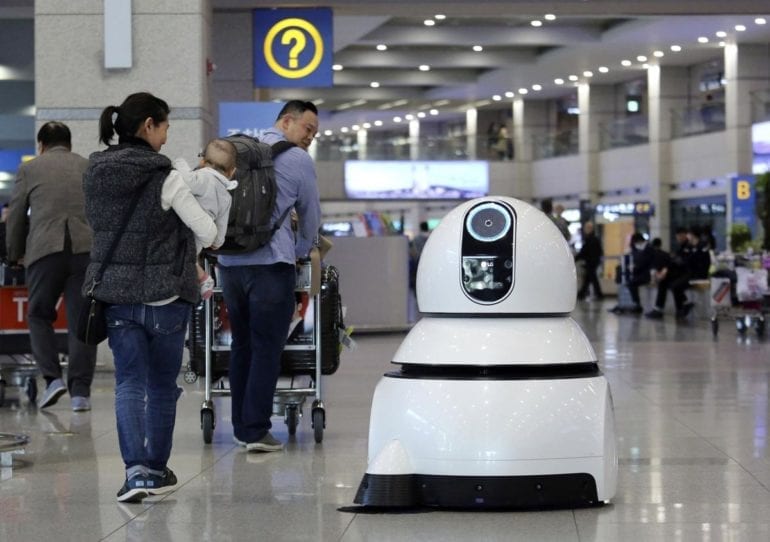
    Incheon International Airport will deploy robot guides that can escort travelers to immigration and baggage claim areas from 21 July, in time for the summer peak season.

    The airport said it is first in the world to put robots into service, as opposed to testing them.

    The second-generation robot, dubbed Airstar, is an upgraded version of guide robots that were tested in the airport last year.

    Airstar robots have improved driving and voice recognition features compared to the test versions and are also capable of expressing 14 different emotions.

    The self-driving feature was upgraded by using more sensors including three-dimensional camera sensors that help avoid obstacles and ultrasonic sensors that recognize very close objects, the airport said.

    As for voice recognition, the new robot is designed to distinguish voice commands from other noises in the airport. The robot speaks four languages: Korean, English, Chinese and Japanese.

    The robots will escort travelers, tell them how busy immigration desks are, what products are restricted on board and the way to gates after scanning barcodes on boarding passes.

    The robots can also take photos of travelers in the airport and send it to them by email or text message.

    The second-generation robot hardware was designed by Puloon Technology and LG’s IT service unit LG CNS developed the software starting last September.

    Eight robots will be deployed in Terminal One and six in Terminal Two, which opened at the beginning of this year.

    “We plan to make Incheon a cutting-edge smart airport by adopting drones, Internet of Things technology and autonomous shuttle buses,” said Chung Il-young, CEO of Korea’s largest airport.

  • Shinsegae wins Incheon duty-free license

    Shinsegae wins Incheon duty-free license

    Shinsegae Duty Free won two licenses to operate at Incheon International Airport’s Terminal 1 on Friday, beating out Shilla Duty Free in the competitive battle for lucrative slots at one of the world’s most trafficked airports.

    The Korea Customs Service said Shinsegae will be allowed to operate stores in the DF1 and DF5 zones of Terminal 1 from next month until July 2023. In total, Shinsegae now occupies four out of eight duty-free zones allocated to major conglomerates. The other four are run by Lotte Duty Free and Shilla Duty Free. Another four are reserved for smaller operators.

    “DF1 and DF5 are significant spots in terms of size and items they’re allowed to sell,” said a spokesman for Incheon International Airport Corporation, which determines what types of products can be sold in each zone. “DF1 is for cosmetics and perfume, while DF5 is for leather accessories and fashion.”

    The two zones combined occupy more than 8,000 square meters (86,000 square feet), nearly half of Terminal 1’s total duty-free space. Lotte Duty Free, the market leader, initially held the fort but decided to give up the license in February after failing to secure lower rent from Incheon International Airport. It later re-entered the bid after the airport offered cheaper rent.

    Combined, DF1 and DF5 stores used to generate 800 to 900 billion won ($720 to 810 million) a year, equivalent to 6 to 7 percent of the Korean duty-free market’s total sales.

    Shinsegae and Shilla were the final competitors among four bidders that submitted applications to Incheon International Airport Corporation last month. Lotte Duty Free and Doosan Duty Free were ruled out in the first round of evaluation.

    The final round pitted two retail giants run by conglomerate family daughters: Chung Yoo-kyung of Shinsegae Department Store and Lee Boo-jin of Hotel Shilla. Chief executives from the two companies – Han In-kyu for Shilla Duty Free and Son Yung-sik for Shinsegae Duty Free – presented their business plans to customs officials at the Customs Border Control Training Institute in Cheonan, South Chungcheong, on Friday. Officials then assigned each plan a grade.

    Industry sources speculate that Shinsegae’s higher bidding price did the work. Among a total of 1,000 points in the customs office’s grading scale, bidding price took up 400 points. Shinsegae offered 337 billion won for the two zones, while Shilla offered 269.8 billion won.

    In the duty-free industry, the bid upended a market long dominated by Lotte and Shilla. Shinsegae is a relative newcomer in the game, entering in 2012 after acquiring the duty-free business of Paradise Hotel.

    As of last year, the market share of the three major operators was 41.9 percent for Lotte, 29.7 percent for Shilla and 12.7 percent for Shinsegae.

    Shinsegae’s bid win on Friday, though, raises its share to 19 percent, while Lotte’s falls to 36 percent because of the lost space at Incheon. Shilla’s share remains unchanged at 29.7 percent.

  • Shinsegae and Shilla to fight out Incheon T1 duty free bids

    Shinsegae and Shilla to fight out Incheon T1 duty free bids

    Shinsegae Duty Free and The Shilla Duty Free will fight out the contest for two Incheon International Airport Terminal 1 duty free contracts on offer, despite rival Lotte Duty Free tabling the highest bids in each case.

    The tenders followed incumbent Lotte Duty Free’s resignation from both concessions in February.

    As reported, four retailers – Lotte Duty Free, The Shilla Duty Free, Shinsegae Duty Free and Doota Duty Free – bid for the two packages, DF1 and DF5.

    While Lotte Duty Free submitted the highest offers for both packages (see figures below), Incheon International Airport Corporation opted to shortlist only Shilla and Shinsegae. The two retailers must now table their business plans to Korea Customs Service and Incheon International Airport Corporation by 5 June. A winner will be selected in mid-June.

    A Shinsegae Duty Free spokesperson confirmed the shortlist to The Moodie Davitt Report. A Lotte Duty Free spokesman said the company was “despondent”, given that it had tabled the highest bid.

    Lotte’s DF1 bid was +1.6% higher than Shinsegae’s and +27.2% higher than Shilla’s. On DF5, Lotte’s offer was +13.2% better than Shinsegae’s and +38.8% above that of arch-rival Shilla.

    Some Korean duty free market sources expressed shock at the result. One veteran retailer told The Moodie Davitt Report, “Lotte must have been penalised for dropping the [former] concession in the mid-term. Yet as evaluations are based 60% on the business plan and 40% on the monetary offer, it is not easy to understand that Lotte did not qualify… especially as it had paid a KW187 billion penalty (for its premature exit).

    “There is no specific regulation or degrading for a company which gives up a government concession in the mid-term.”

    One source told The Moodie Davitt Report, “The most probable scenario is that the licence evaluation committee of Korea Customs Service will award DF1 to Shinsegae and DF5 to Shilla in order to avoid potential monopoly issues [as Shilla also holds the rest of the airport’s P&C business reserved for major retailers -Ed].”

    Not surprisingly, Shilla is known to dispute that position. Korea’s Fair Trade Commission will not have a problem with the proposed structure, sources close to the company believe. Shilla could reasonably point to many other international airports which have a single retailer for one category (or in fact for all categories), the sources contend.

  • Shinsegae bets strong to replace Lotte’s Incheon duty free

    Shinsegae bets strong to replace Lotte’s Incheon duty free

    Shinsegae is going all out to acquire licenses to operate duty free shops at Incheon International Airport after its rival Lotte’s bid fell through.

    The bid is understood by many as Shinsegae‘s aim to expand its presence in the still lucrative and growing duty free industry.

    According to industry officials, the Incheon International Airport Corp. (IIAC) has narrowed the candidates for the licenses to Shinsegae DF and Hotel Shilla. The two filed their intent to operate duty free outlets at the DF1 bloc for cosmetics and perfumes and DF5 bloc for clothing in the airport’s Terminal 1.

    Lotte and Doosan also vied for the operating licenses, but failed to make it to the final list. The Korea Customs Service will review the bids and select the operators for each of the blocs next month.

    Lotte Duty Free previously ran those blocs, but in February it gave up its licenses citing high rent, standing at around 800 billion won (US$743.5 million) a year.

    Lotte’s move was interpreted as an attempt to lower its rent for the blocs by renegotiating the deal, as it continued to accumulate losses due largely to the high rent it agreed to pay in its previous deal. The 800 billion won rent for the blocs is nearly four times higher than the minimum guarantee the IIAC wants this time for those blocs, which is 200 billion won.

    According to sources, Lotte made the highest bid at 280 billion won for DF1 and 69 billion won for DF5 in the four-way battle.

    Following were Shinsegae with 276 billion won for DF1 and 61 billion won for DF5, Shilla with 220 billion won for DF1 and 50 billion won for DF5. Doosan’s Doota Duty Free bid 192.5 billion won for DF1 and 53 billion won for DF5.

    Despite Lotte placing the highest bid, it lost points in other criteria, such as management ability and its withdrawal from the previous duty free license deal driving the airport authority to lose faith in Lotte, industry officials said.

    As Lotte failed to make the final list, the final selection next month will bring a fundamental change to the domestic duty free industry.

    As of last year, Lotte was Korea’s largest duty free operator by sales with a 41.9 percent market share. It was followed by Shilla with a 26.8 percent share and Shinsegae with a 12.7 percent share.

    The combined sales of DF1 and DF5 blocs in 2017 stood at 900 billion won, which was approximately 6.4 percent of Korea’s total duty free sales last year.
    This means Lotte’s market share will drop to 36 percent. If Shilla wins the licenses for both blocs, its market share will go over 30 percent, or if Shinsegae wins it will reach a 20 percent market share.

    Shinsegae’s surge

    Depending on the customs service’s selection, Shinsegae will operate up to four outlets at the airport. It currently has the DF7 bloc in the first terminal and DF3 bloc in the second terminal.

    Though the duty free business does not have many chances to expand because of regulatory issues and five-year licenses, Shinsegae has expanded its presence rapidly in the domestic market, encroaching on the market shares of Lotte and Shilla.

    Shinsegae’s market share stood at 2.8 percent in 2014 but quickly rose to 12.7 percent last year, increasing by 10 percentage points during the period.

    Its surge was largely attributable to the solid numbers from its Myeong-dong branch, which brought in 1.35 trillion won in sales last year. The branch opened in May 2016 but quickly hit its stride thanks to luxury brands such as Dior, Cartier and Fendi.

    The branch is also expected to house Rolex and Chanel in the near future, casting a rosy outlook for its sales. Shinsegae’s strategy to focus on Japanese and Southeast Asian customers also served its growth well.

    While other duty free outlets were hit hard by the decline of inbound Chinese customers last year due to the diplomatic friction between Korea and China over a U.S. Terminal High Altitude Area Defense (THAAD) battery, Shinsegae managed to post high numbers thanks to their relatively low reliance on Chinese customers.

    “Shinsegae’s intent to make the airport a world famous tourist attraction seemed to earn points in IIAC’s review,” a Shinsegae official said. “Also, the company’s portfolio in Myeong-dong contributed to its shortlisting.
  • Lotte Duty Free will exit Incheon on 7 July 2018

    Lotte Duty Free will exit Incheon on 7 July 2018

    Lotte Duty Free announced today that it will exit three of its four loss-making concessions at Incheon International Airport Terminal 1 on 7 July.

    The move follows Incheon International Airport Corporation’s (IIAC) acceptance of the retailer’s contract resignation and Lotte’s payment of an undisclosed penalty charge.

    The exit date is 120 days from IIAC’s approval of the resignation.

    As reported, Lotte Duty resigned the DF1 (P&C), DF5 (leathergoods & fashion) and DF8 (all categories) concessions on 13 February. The contracts, which Lotte won in early 2015, were due to run from September 2015 to August 2020. Lotte Duty Free said that its T1 stores have recorded losses of KW200 billion (US$184 million) since 2016. The contracts would run up a deficit of KW1.4 trillion (US$1.3 billion), the retailer claimed, if the stores continued to operate for the full term in 2020.

    Lotte Duty Free will continue to operate the main T1 alcohol and tobacco business concession (DF3).

    Report said, IIAC will retender the three contracts, probably later this month.

    Normally, one would expect Lotte’s rivals The Shilla Duty Free and/or Shinsegae Duty Free, to seize on the opportunity to snap up more Incheon business. However, both companies are also locked in talks with IIAC to try to further reduce their own T1 concession fees in the wake of the dilutive impact of the T2 opening.

  • Lina’s Paris opened new eatery at Incheon Airport

    Lina’s Paris opened new eatery at Incheon Airport

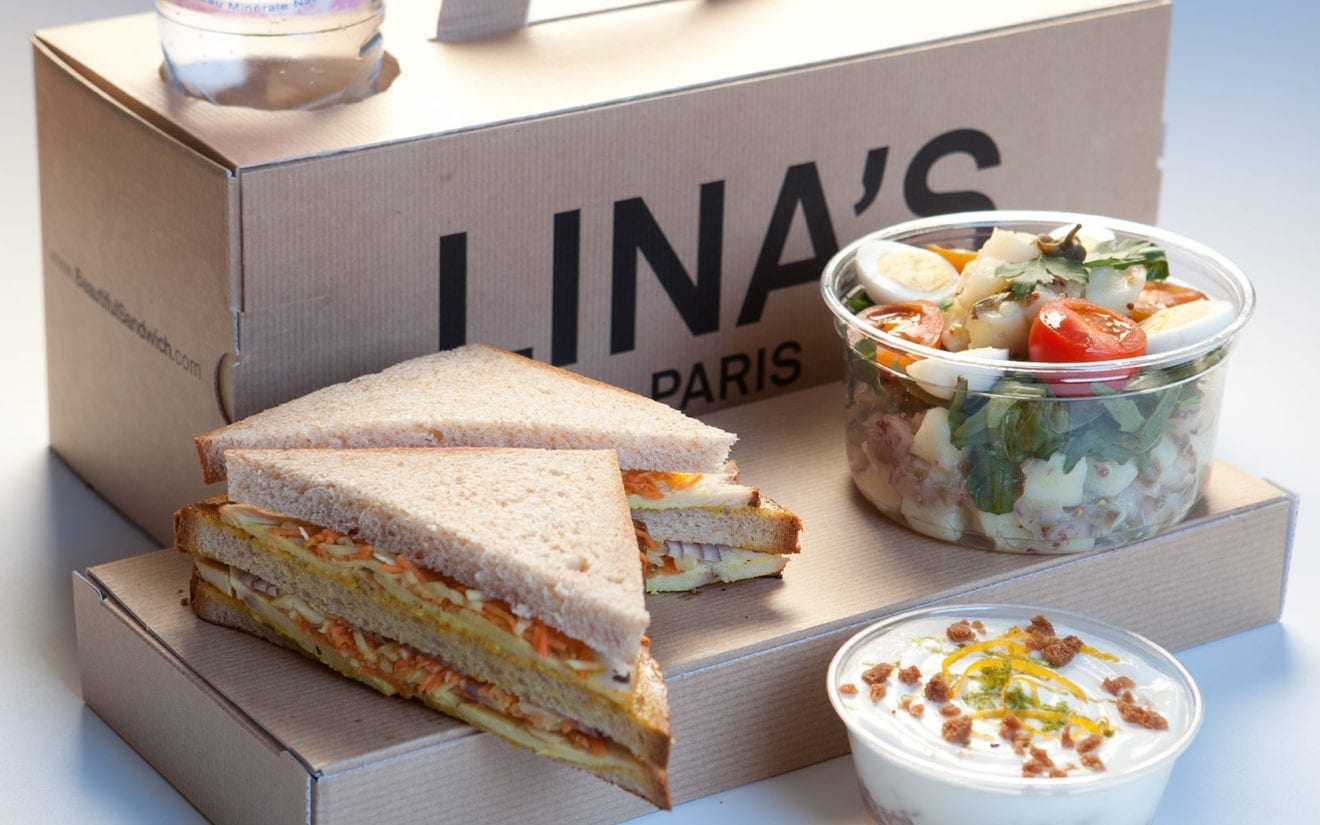
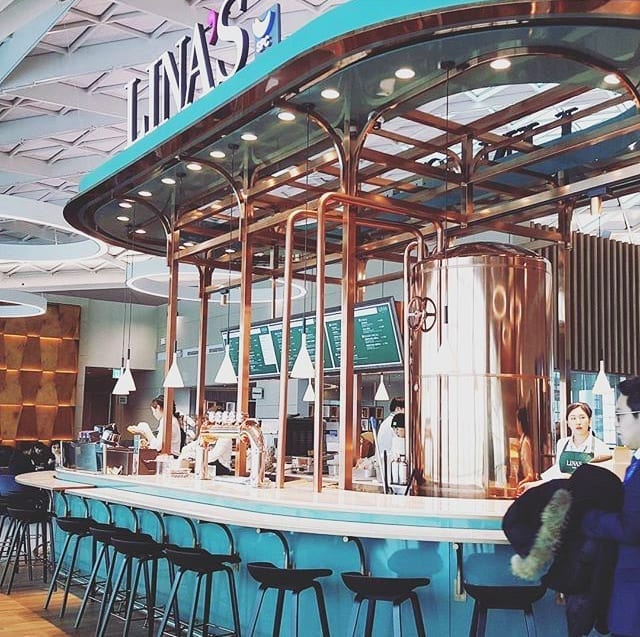
    French restaurant brand Lina’s Paris has opened a kiosk in the new terminal at Seoul’s Incheon Airport.

    Managed by the exclusive franchisee SPC, it is the brand’s 12th outlet in South Korea. Half the sales in the country are beverages, predominantly French coffee and French draft beer.

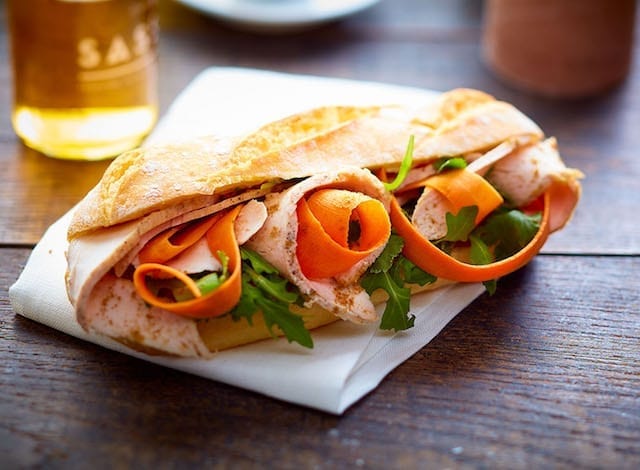
    A concept that is midway between a French cafe and a quick-service restaurant, Lina’s Paris was founded in 1989 based on four factors: a full range of French preparations (breakfasts, sandwiches, salads, hot dishes, soups, fresh juice, sorbet and pastry), a comfortable environment (a lounge area, free Wi-Fi, free press and a Parisian atmosphere), creative and authentic French recipes, and healthy, fresh, quality products and preparation.

    The brand has nearly 55 restaurants in six countries, with South Korea being the first for Asia. Development plans include expansion in Southeast Asia.

    Lina’s Paris will be looking for opportunities at the Paris Franchise Expo from March 25 to 28.


  • The Shilla Duty Free aims high with new Terminal 2 perfume & cosmetics offer

    The Shilla Duty Free aims high with new Terminal 2 perfume & cosmetics offer

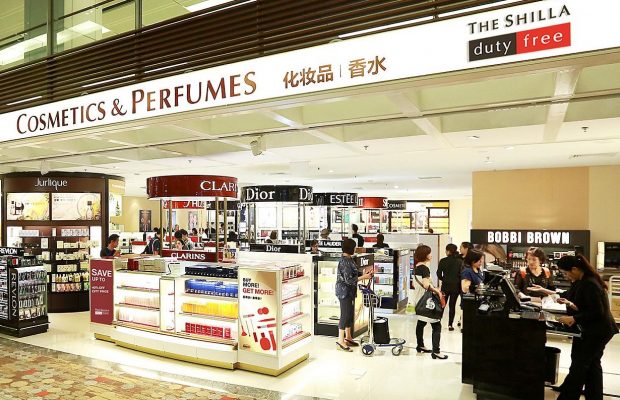
    The Shilla Duty Free has pledged “brand new kinds of customer experience that the airport has never seen before” at its new Incheon International Terminal 2 perfumes & cosmetics stores.

    T2 opened on 18 January. The Shilla Duty Free was awarded the terminal’s perfumes & cosmetics contract after an open tender in 2017.

    The travel retailer offered KW100 billion (US$87.9 million) in first-year guarantees for the five-year contract, which covers six stores and 2,105sq m of space.

    Shilla said that the T2 stores will offer “the best beauty experience in Incheon”. The overall retail concept will major on two key themes – “interactive” and “experience”.

    Seven interactive experience zones will enhance brand identity through promotional campaigns and product demonstrations.

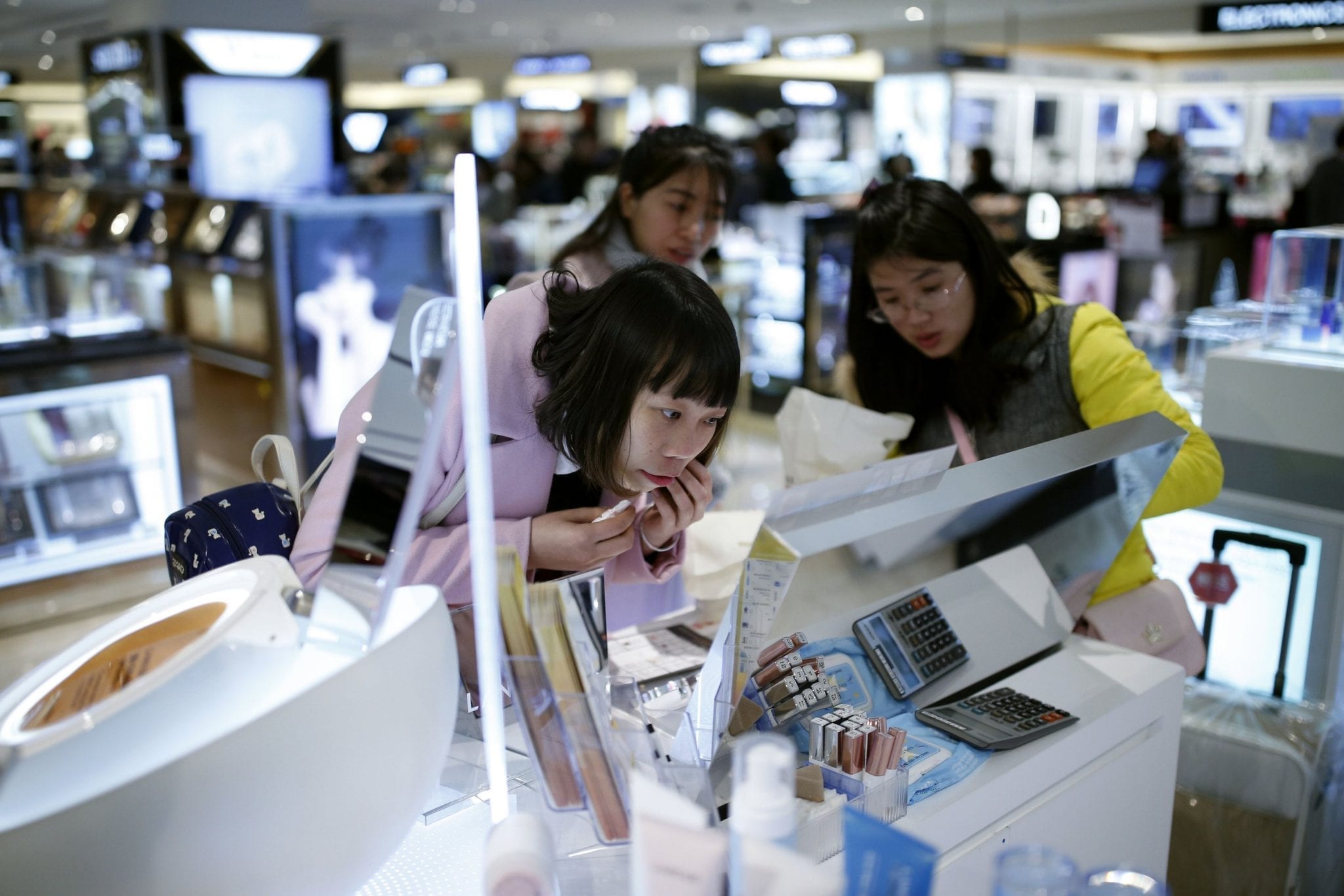
    Customer interactive elements will include a ‘Digital Beauty Bar’, powered by what Shilla described as “cutting-edge display and information & communication technology”. It will provide a combination of information services, in-store promotions and virtual make-up previews, using a “gigantic” LED screen and interactive kiosk.

    Around 110 cosmetics & perfume brands, Korean and international, will be on offer. Chanel, Dior, Lancôme, Estée Lauder, SK-II and Sulwhasoo will each have flagship stores within an area of approximately 360sq m. The flagships are three times larger than the brands’ existing shops at the airport, Shilla said. Each has been independently conceptualised and designed by the respective beauty houses to create unique brand experiences. Key aspects of each offer are as follows:

    Chanel: “Brand new skincare experience”, featuring in-store product demonstrations and new product awareness using VR technology.

    Dior: Professional make-up artist’s product recommendations and demonstrations; Digital beauty tool including skin type analyser and lip test tablet.

    Lancôme: Virtual make-up mirror to showcase popular items and new arrivals; Digital screen covering entire store interior for video demonstrations.

    Estée Lauder: In-store engraving for various products, including fragrances and lipsticks.

    SK-II: Skin type analysis for personal counselling and product recommendation.

    Sulwhasoo: Hands & eyes massages; skin analysis and related product recommendation service with in-store moisture-measuring device.

    The offer will not just be about established brands. The Shilla Duty Free is also promising nine brand newcomers. Five are Korean – Primera, Too Cool for School, Cell Fusion C and Atopalm – and four imported – Caudalie, Foreo, Santa Maria Novella, Acqua di Parma and Atelier Cologne.

    r

  • Shilla Duty Free sets up second presence in Incheon airport

    Shilla Duty Free sets up second presence in Incheon airport

    With its new second store at Incheon International Airport (IIA), Shilla Duty Free says it now has cosmetics and perfume outlets at all passenger terminals in Asia’s three largest airports.

    The South Korean duty-free retailer says it has shops at all four terminals at Singapore’s Changi Airport and at Chek Lap Kok Airport in Hong Kong. Its first store at IIA opened in 2001.

    Cosmetics and perfume are considered key duty-free items as they generate strong revenue. In the case of IIA’s duty-free shops, cosmetics and perfume account for 38 per cent of all sales.

    Shilla Duty Free, part of Hotel Shilla, says it expects overseas business to soon exceed KW1 trillion (US$939 million).

    Its new store covers 2100sqm and offers products from 110 brands including Chanel, Dior, Estee Lauder, Lancome, SK-II and Sulwhasoo. It features a “digital beauty bar” that uses such technology as a VR “beauty mirror”.

  • Incheon Airport DF sales notch $2.1bn in 2017

    Incheon Airport DF sales notch $2.1bn in 2017

    As anticipated, the ‘record-breaking’ figure surpasses the $2bn registered in 2016. The result places Incheon ahead of Dubai Duty Free, which recently reported duty free sales of $1.93bn in 2017.

    Many had viewed the THAAD crisis and security issues surrounding North Korea as tempering the South Korean airport’s annual revenue.

    “Incheon Airport Duty Free, however, did pretty well tackling those security issues recording the highest duty-free sales figure, beating previous records,” Bum-Ho Kim, Deputy Executive Director of Incheon Airport Corporation’s (IIAC) Concession Development Group said.

    “Moving into 2018, Incheon Airport expects further growth with our humble prospects of reconciliation with North Korea as well as the end of THAAD crisis with China.”

    In a statement, IIAC confirmed perfumes and cosmetics as the best-selling category with sales of $774m, accounting for 38% of total annual sales.

    Liquor and tobacco took second place with $459m, while leathergoods clocked in sales of $301m.

    The $2.1bn return has to be regarded as impressive given IIAC’s acknowledgement said on frequent occasions that the situation concerning THAAD on the fortunes of South Korea’s duty free market remains a challenging one.

    However, it is worth noting that rising numbers of Korean and international passengers have helped the airport to offset the impact of diminishing Chinese passenger spends in recent times.

    In reaction, Incheon has moved to diversify its retail offer over the past few years, confirmed Kim in an in-depth interview in the Top 10 Airport’s report in August.

    IIAC confirmed these sentiments in a statement, stating it has ‘confronted these challenges by diversifying [its] customer demography, offering customer-friendly promotions with first-hand experiences, and inviting global and local brands, not to mention increasing passenger traffic’.

    Five-year concession contracts were awarded in 2015 to SM Duty Free, City Plus Duty Free, Samick Duty Free and Entas Duty Free with Shinsegae Duty Free, which operates a 2,856sq m fashion store in T1, also adding new luxury brands such as Moncler.

    As reported, Lotte Duty Free and Shilla Duty Free secured the eight-year liquor, tobacco and food and perfumes and cosmetics concessions, respectively, for the the new T2 last year, with Entas Duty Free, SM Duty Free and City Plus scooping the SME lots.

    Meanwhile, the 4,889sq m re-tendered fashion & accessories concession was secured by Shinsegae Duty Free.

    Terminal 2’s retail area covers an impressive 9,597sq m, boasting a number of flagship stores offering unique shopping experiences.

    These include make-up showcases from the likes of Chanel, Dior, Sulwhasoo, Lancome, SK2, and Estée Lauder and liquor & tobacco areas featuring tasting bars and new concepts from Ballentine’s, Johnnie Walker, Royal Salute, Hennessy, KT&G and IQOS.

    “In 2018, Incheon Airport is hoping to see further increases in our passenger traffic thanks to the opening of Terminal 2 and better political circumstances,” Kim added.  “Incheon Airport Duty Free is set to embark on new leap with T2, as well as T1, to satisfy passengers visiting Incheon Airport and lead with the best airport shopping environment.”

  • Customs service’s estimated revenue to double in 2018

    Customs service’s estimated revenue to double in 2018

    The estimated revenue of South Korea’s customs authorities is projected to more than double next year due to a surge in licensing fees for duty-free shops, a report said.

    According to the report by the National Assembly and related government agencies, the Korea Customs Service’s estimated revenue stands at 97.8 billion won (US$87.3 million) for 2018, up 118 percent from this year’s 44.7 billion won. The estimate includes fines, forfeits, additional charges and other income.

    The main reason for the sharp rise is an up to 20-fold increase in the licensing fees for duty-free stores, which accounts for 60.5 billion won, or 61 percent of the total.

    Last year, the government revised a related law to jack up the fee, which had been under fire for being too low and giving big favors to operators.

    Coveted by large companies, local duty-free shops had been called the goose that lays the golden egg before they took a big hit from a diplomatic row between South Korea and China over the deployment of an advanced US missile shield here in 2017.

    The government periodically selects duty-free operators after a close scrutiny of aspirants and has pledged to overhaul the selection system to root out any wrongdoing following irregularities during the government of ousted President Park Geun-hye.

    The sharp increase in licensing fees is said to have helped eliminate room for excessive favors but has come as a double whammy to duty-free shop operators hit hard by the tumble in the number of Chinese tourists.

    The missile defense row, which led to Beijing’s ban on group tours to South Korea, has dealt a harsh blow to local duty-free shops and department stores, as Chinese tourists were their key customers.