Retail News CRM

Tag: income

  • Alibaba Ramps Up AI Investment Despite Income Dip, Foresees Cloud Business Boom

    Alibaba Ramps Up AI Investment Despite Income Dip, Foresees Cloud Business Boom

    Alibaba, the Chinese tech behemoth, has announced that its projected artificial intelligence (AI) investment over the next triennium will surpass the initial estimation of 380 billion yuan (US$55.96 billion). This decision has been driven by promising preliminary returns on AI investments, which has encouraged the company to further bolster its cloud-computing capacity.

    Despite falling short of the market’s projected profit for the fourth quarter, Alibaba’s US-listed shares experienced a 7 per cent surge. This was in response to the company’s confident forecast for returns on AI spending in the next three to five years. Alibaba’s revenue from the Cloud Intelligence Group, in response to the burgeoning business demand for AI, grew by 38 per cent to 41.63 billion yuan ($6.13 billion) over the past year. While this growth is consistent with estimations, it does mark an increase from the preceding quarter’s 36 per cent growth.

    Investments and Future Plans

    The company’s CEO, Eddie Wu, on a post-earnings call, shared that their investments in AI, the Cloud, and e-commerce sectors were yielding clear returns. He emphasised that these technological investments were beginning to bear fruit commercially. However, Wu refrained from outlining a new spending target to replace the one that was announced in the early parts of last year.

    The company is also aiming to maintain a growth rate that surpasses the market average in an effort to secure a larger market share and further consolidate its market leadership. Wu was clear that these were the primary objectives, with profit margins currently taking the backseat. The company’s profit in the quarter to March was impacted by investments in AI and cloud infrastructure, as well as continuous spending in the quick commerce segment, which includes deliveries made within 60 minutes.

    AI demand and Alibaba’s Response

    Alibaba disclosed that AI-related products contributed to 30 per cent of external customer revenue in the cloud division in the quarter. The company anticipates AI-related revenue to become the main growth engine in the cloud business and contribute more than 50 per cent of revenues in about a year’s time.

    The company has earlier this year bifurcated its AI businesses from its cloud computing arm. Wu has been tasked with leading the “Alibaba Token Hub” group, as the company is keen on making its AI segment profitable.

    Alibaba’s net income for the quarter decreased by 99.7 per cent, with total revenue clocking in at 243.38 billion yuan. Yet, the company’s China e-commerce business, which includes the highly competitive quick commerce segment, reported a revenue of 122.22 billion yuan ($18 billion), surpassing the estimated figure of 119.85 billion yuan.

    Questions & Answers

    What is Alibaba’s outlook for AI spending in the next three to five years?
    Alibaba has a positive outlook for returns on AI spending in the coming years, which is why they are planning to increase their investment in this sector.

    What was the growth in the revenue from Alibaba’s Cloud Intelligence Group over the last year?
    The revenue from Alibaba’s Cloud Intelligence Group grew by 38 per cent to 41.63 billion yuan ($6.13 billion) over the past year.

    What are Alibaba’s plans for the AI segment of their business?
    Alibaba expects AI-related revenue to become the main growth driver in the cloud business, contributing more than 50 per cent of revenues in about a year. The company also plans to make its AI segment profitable.
  • OCBC Overcomes Interest Income Dip with Diversified Revenue: Unveils ‘The Next Frontier’ Strategy

    OCBC Overcomes Interest Income Dip with Diversified Revenue: Unveils ‘The Next Frontier’ Strategy

    Despite experiencing a slight dip in interest income, Singapore’s OCBC managed to maintain a relatively static profit, thanks to diverse revenue sources.

    Financial Performance

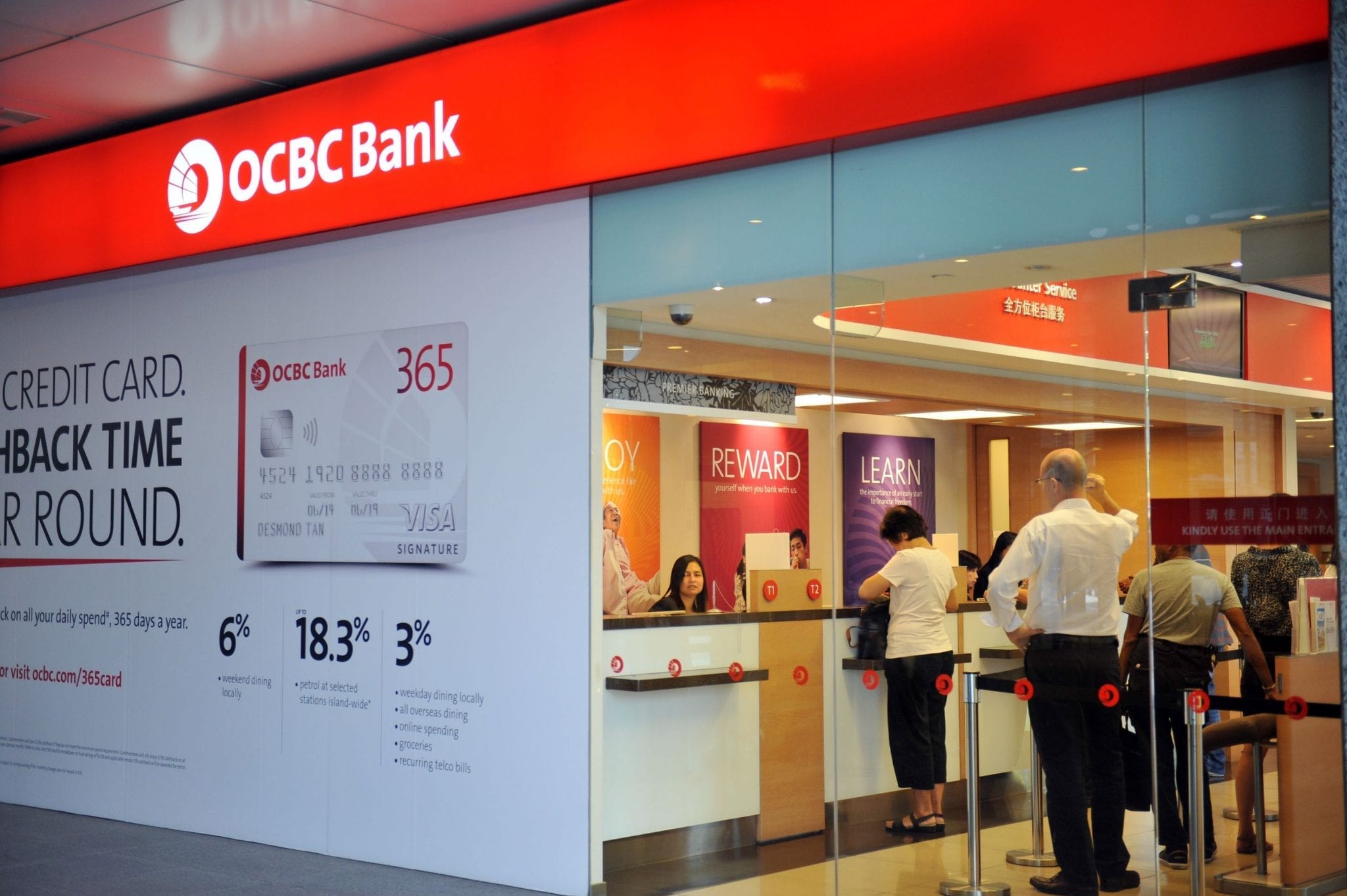
    OCBC recorded a net profit of S$7.4 billion ($5.9 billion) in 2025, marking a 2 percent decrease compared to the previous year’s record of S$7.6 billion. The bank’s income, however, reached an unprecedented level of S$14.6 billion. This rise can be attributed to a 16 percent increase in non-interest income, which was seen across all sectors including fees, commissions, trades, and insurance (both life and general). Operating expenses saw a slight increase of 2 percent, rising to S$5.9 billion, primarily due to increases in staff and IT-related costs.

    The Next Frontier

    OCBC CEO Tan Teck Long, who took over from Helen Wong on January 1, acknowledged the bank’s completion of its previous three-year plan, which brought about “commendable progress.” Under this plan, the bank managed to unify its brand across its core markets, leading to enhanced synergies through a unified-group approach.

    OCBC has now initiated its new strategy, aptly named “The Next Frontier.” The bank aims to improve return on equity through a stronger focus on high-returning businesses, while maintaining cost discipline. The goal is to achieve a cost-income ratio in the low to mid 40 percent range.

    This strategy, according to CEO Tan, equips the bank with the necessary tools to compete and succeed in the next growth phase. This includes tapping into rising Asian markets, enhancing core market franchise, advancing technology-led and customer-centric capabilities through AI, Digital, and Data, and continuing to support green transitions.

    Despite geopolitical tensions, evolving trade dynamics, and interest rate uncertainties, Tan remains “cautiously optimistic” about the future. He believes that the bank’s robust balance sheet, prudent risk management, and diversified growth engines will allow it to successfully navigate these challenging conditions and deliver sustainable, long-term value.

    Questions & Answers

    What was OCBC’s net profit for 2025?
    OCBC recorded a net profit of S$7.4 billion ($5.9 billion) in 2025.

    What is OCBC’s new strategy and what does it aim to achieve?
    OCBC’s new strategy is titled “The Next Frontier.” It aims to improve return on equity through a stronger focus on high-returning businesses and maintaining cost discipline with a goal to attain a cost-income ratio in the low to mid 40 percent range.

    What are the bank’s views on the upcoming market conditions?
    CEO Tan Teck Long remains cautiously optimistic about the future. He believes that despite geopolitical tensions, evolving trade dynamics, and interest rate uncertainties, the bank, with its robust balance sheet, prudent risk management, and diversified growth engines, is well positioned to navigate these challenges and deliver sustainable, long-term value.

  • OCBC Maintains Steady Q3 Profit Amid Lower Interest Income: A Balance Sheet Analysis

    OCBC Maintains Steady Q3 Profit Amid Lower Interest Income: A Balance Sheet Analysis

    OCBC, the Singapore-based banking corporation, has reported that its profits remained stable in the third quarter of 2025. The bank’s net earnings for the period matched the previous year’s figures, standing at approximately S$2 billion ($1.5 billion).

    Income and Expenditure Details

    The results showed that the bank’s non-interest income experienced a growth of 15 percent. It rose to S$1.6 billion, an increase driven by diversified earnings from fees, trading, and insurance. However, this upturn was balanced out by a drop in net interest income. Lowered by 9 percent due to contracting margins in a weakening interest rate environment, the net interest income fell to S$2.2 billion.

    The report also indicated a rise in operating costs, with an increase of 4 percent taking total expenses to S$1.5 billion.

    Year-To-Date Profits

    Considering the performance over the year to date, the bank’s net profit is reported to be S$5.7 billion. This signifies a decrease of 4 percent, indicating a drop in earnings from previous periods.

    Future Outlook

    Looking forward, the prospects appear challenging due to the dynamic policy environment and geopolitical tensions. Despite these complexities, OCBC’s strong balance sheet and robust capital position provide the flexibility to navigate these uncertain times. In the words of OCBC group CEO Helen Wong, their solid financial standing allows them to manage risks while continuing to serve their customers and invest in future growth.

    Questions & Answers

    What is the reported net profit of OCBC for the third quarter of 2025?
    The bank reported a net profit of S$2 billion, which is equivalent to $1.5 billion.

    How do changing dynamics in the policy environment and geopolitical tensions affect OCBC’s future prospects?
    These factors complicate the external environment, creating potential risks. However, OCBC’s robust capital position and strong balance sheet provide the flexibility to manage these uncertainties.

    What factors contributed to the 15 percent growth in OCBC’s non-interest income?
    The growth is attributed to diversified earnings from fees, trading, and insurance income.

  • Wealth Management Drives DBS to Record-Breaking Q3 Income Despite Global Tax Reform Impact

    Wealth Management Drives DBS to Record-Breaking Q3 Income Despite Global Tax Reform Impact

    DBS bank reported a record-breaking income for the third quarter of 2025, largely due to strong fee income from wealth management. However, the bank’s net profit experienced a slight dip of 2 percent year-on-year, almost S$3 billion ($2.3 billion). This was a result of the newly enforced global minimum tax reform. Notwithstanding this, the profit before tax rose by 1 percent, reaching an all-time high of S$3.5 billion.

    Revenue and Expenses

    The bank’s total income also saw a significant surge, increasing by 3 percent to S$5.9 billion, setting another record. Net interest income remained relatively stable, while fee income and treasury customer sales witnessed new peaks, primarily driven by the wealth management sector. Market trading income improved due to lower funding costs and a more favorable trading environment. Simultaneously, expenses escalated by 6 percent to hit S$2.4 billion. The increase was primarily fueled by enhanced staff costs as bonus accruals rose in sync with the improved performance.

    For the first nine months of the year, DBS’s profit amounted to S$8.7 billion, representing a marginal decline of 1 percent.

    Looking Ahead

    DBS’s CEO, Tan Su Shan, provided some insight into the bank’s future strategy. He stated that the bank would continue to adapt to the challenges of decreasing interest rates through agile balance sheet management. He also emphasized the bank’s ability to seize structural opportunities across wealth management and institutional banking, ensuring continued growth and success.

    Questions & Answers

    What factors contributed to DBS’s record-breaking income in the third quarter of 2025?
    The record-breaking income was largely due to strong fee income from wealth management. Additionally, the bank saw new highs in fee income and treasury customer sales.

    What was the impact of the newly enforced global minimum tax reform on DBS?
    The new global minimum tax reform led to a slight dip in DBS’s net profit by 2 percent year-on-year in the third quarter of 2025.

    How does DBS plan to navigate the pressures of declining interest rates?
    DBS plans to navigate the pressures of declining interest rates through agile balance sheet management. The bank also aims to seize structural opportunities across wealth management and institutional banking.

  • Ho Chi Minh City Sets Ambitious Goal of $7,850 in Per Capita Income for 2023

    Ho Chi Minh City Sets Ambitious Goal of $7,850 in Per Capita Income for 2023

    Ho Chi Minh City is setting ambitious goals for its economic landscape, aiming to boost its per capita income by 3.7% this year. The targeted income for 2025 is set at VND204.3 million, roughly translating to over US$7,850 at current exchange rates. This figure positions the city a remarkable 57% ahead of the national GDP target of over $5,000 for the same period.

    But what does this all mean? Simply put, this ambitious goal highlights the value of goods and services that the economy generates per person each year. As of 2024, the average income in Ho Chi Minh City was already pegged at $7,600, or more than VND197 million, putting it second among the six centrally governed cities in Vietnam, just behind Hai Phong.

    Yet, the city’s expenses reflect another side of the coin as it ranks third in the cost of living across the nation, trailing only behind Hanoi and Quang Ninh, according to the Spatial Cost of Living Index (SCOLI) for 2024. The SCOLI, compiled by the General Statistics Office, measures the price variations of goods and services between different regions.

    Interestingly, when examining the SCOLI in detail, Ho Chi Minh City’s index is almost on par with Hanoi’s at 99.8%. However, residents and visitors will find that certain expenses—particularly in clothing, food services, culture, entertainment, tourism, transportation, and household appliances—are generally more affordable in Ho Chi Minh City compared to the capital. On the flip side, costs for housing, education, and healthcare tend to be higher.

    In addition to this impressive income target, the bustling city is also setting its sights on generating revenues of VND520 trillion, achieving a public spending disbursement rate of 95%, and exporting goods worth $52.6 billion. These targets promise to keep the vibrancy of Ho Chi Minh City alive and thriving.

    As the city moves forward, one can’t help but wonder whether Ho Chi Minh City’s economy will keep rolling at this pace, or if it might stumble over rising costs. A spirited dance between income and living expenses seems to be in full swing!

    Questions & Answers

    What is Ho Chi Minh City’s target for per capita income in 2025?
    The city aims for a per capita income of VND204.3 million, which is over US$7,850.

    How does Ho Chi Minh City’s income compare to the national target?
    The city’s target income is 57% higher than the national GDP target of over $5,000 this year.

    What factors influence the cost of living in Ho Chi Minh City?
    The cost of living is affected by various factors, with clothing and food services being less expensive than in Hanoi, while housing, education, and healthcare costs are higher.

  • Most Vietnamese expect increased incomes

    Most Vietnamese expect increased incomes

    A recent survey by French market research firm Ipsos has found 61 percent of respondents expecting their earnings to improve in the next six months.

    However, the survey also found 15 percent fearing a further decline in their incomes during the same period.

    The impact of the second Covid-19 outbreak that started July 25 has been less severe than the first, the firm says in its report titled “Rebounding from Covid-19 in Vietnam” published Thursday.

    The survey found 79 percent of Vietnamese respondents reporting a decrease in income, down 11 percentage points compared to data collected by the company in May 2020. The rate of respondents seeing their incomes drop by half also dropped to 6 percent from the earlier 12 percent.

    The survey, conducted September 18-22, used online interviews to collect the opinions of 500 people. Participants were divided into three groups – low income: below VND7.5 million ($323.6) per month; average income: from VND7.5-23.5 million; and high income: above this level.

    Ngan Ly, Ipsos Country Manager in Vietnam, said with a margin of error of about 4 percent, the survey results could be representative of the general trend in the country. She said that Vietnamese were more optimistic than citizens of other countries in the region in terms of economic prospects and personal incomes.

    In the latest survey, only 1 percent said their income had increased, but when asked about the next six months, 61 percent expected improvements, with the high-income group reporting the best recoveries.

    Most of the 15 percent who worried that their income might slip further were unskilled labor.

    Many Vietnamese seem to remain optimistic about the future, but they were still concerned about the stability of their jobs. This prompted them to cut down their savings and investments in real estate, stocks, gold, loan and insurance schemes.

    Their spending on entertainment and similar activities reduced by 45 percent.

    Over 80 percent of respondents said they would be more careful when shopping, giving priority to essential needs like food and healthcare.

    The new lifestyle that have emerged from the social distancing period has been sustained, with consumers more willing to stay at home and maintain a healthy lifestyle. Over 60 percent confirmed that they were using more healthy foods, nutritional supplements and have reduced the frequency of alcohol and tobacco consumption.

    Shopping habits have also changed as people limit direct visits to markets and supermarkets and increased online shopping, the report said.

  • Amazon enjoys positive performance with increases in sales, profit

    Amazon enjoys positive performance with increases in sales, profit

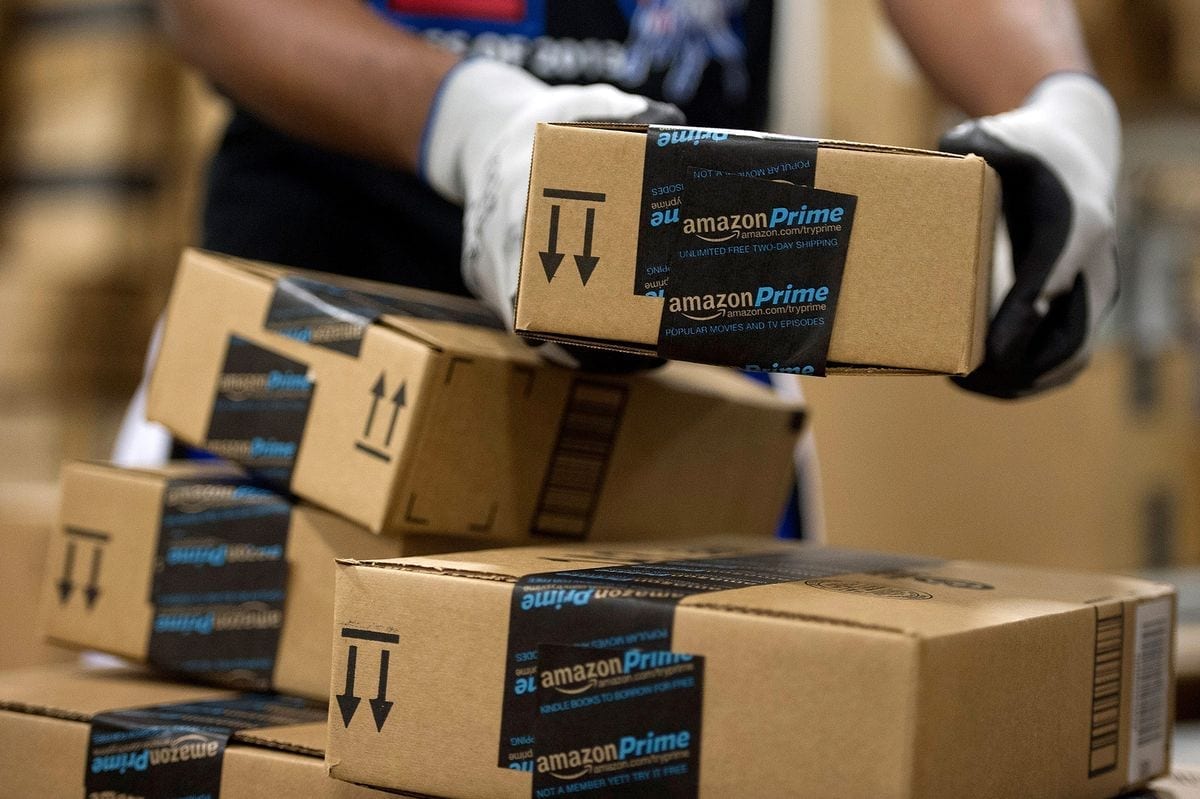
    Global online shopping platform Amazon reported growth in both net sales and profit for the fourth-quarter 2018 and full-year, adding its Alexa use and Prime membership continues to thrive, particular in the all-important holiday season. For the fourth quarter ending December 31, net sales increased 20% to $72.4 billion in the fourth quarter, compared with $60.5 billion in fourth quarter 2017. Excluding unfavourable foreign exchange rates, sales increased 21%.

    Amazon said net income for the quarter increased to $3 billion in the fourth quarter, or $6.04 per diluted share, compared with net income of $1.9 billion, or $3.75 per diluted share, in 2017.

    For the twelve months ending December 31, Amazon’s net sales increased 31% to $232.9 billion, up from $177.9 billion in 2017. Excluding the $1.3 billion favorable impact exchange rates, net sales increased 30% compared with 2017.

    For the full-year 2018, Amazon’s net income increased to $10.1 billion, or $20.14 per diluted share, compared with net income of $3 billion, or $6.15 per diluted share.

    In the earnings announcement, Amazon’s founder and CEO Jeff Bezos, praised the recent holiday season, in particular, the Amazon customer uptake of Alexa, the voice activated shopping device and its associated Echo products.

    “Alexa was very busy during her holiday season. Echo Dot was the best-selling item across all products on Amazon globally, and customers purchased millions more devices from the Echo family compared to last year,” said Bezos.

    “The number of research scientists working on Alexa has more than doubled in the past year, and the results of the team’s hard work are clear. In 2018, we improved Alexa’s ability to understand requests and answer questions by more than 20% through advances in machine learning, we added billions of facts making Alexa more knowledgeable than ever, developers doubled the number of Alexa skills to over 80,000, and customers spoke to Alexa tens of billions more times in 2018 compared to 2017. We’re energized by and grateful for the response, and you can count on us to keep working hard to bring even more invention to customers,” he added.

    Other highlights for Amazon in 2018 included the increase in Prime memberships. During the holiday season alone, tens of millions of customers worldwide started Prime free trials or began paid memberships. More customers signed up for Prime worldwide in 2018 than ever before, said Amazon.

    In Asia, Amazon Fashion launched Prime Wardrobe in Japan, allowing Prime members to order clothing, shoes, and accessories and only pay for what they keep.

    Looking ahead to the first quarter 2019, net sales are expected to be between $56 billion and $60 billion, up 10% to 18% compared with first quarter 2018. Meanwhile, operating income is expected to be between $2.3 billion and $3.3 billion.

  • Jollibee poultry plant gives chicken farmers new income opportunity

    Jollibee poultry plant gives chicken farmers new income opportunity

    Cargill Joy Poultry Meat Production Inc. opened on Tuesday, giving chicken farmers in Batangas and nearby provinces new income opportunities, Jollibee Foods said Wednesday.

    A joint venture between Jollibee Foods and Minneapolis, USA-based Cargill , the largest poultry processing plant in the country has a yearly capacity of 45 million chickens.

    “The plant increases income opportunities for local poultry farmers in Batangas and nearby provinces as they will supply the chickens to be processed at the JFC facility,” according to Jollibee Foods.

    The poultry plant in Santo Tomas, Batangas will supply the demand of JFC bands with dressed and marinated chicken.

    “C-Joy is partnering with local poultry farmers in Batangas and nearby provinces to supply the new facility with chicken,” according to Cargill.

    “We are looking forward to producing the chickens that will be supplied to the C-Joy plant to meet the poultry meat requirements of Jollibee,” said Vic Lao, president of Highcrest Corp., a partner-grower of the C-Joy.

    Cargill and Jollibee Foods revealed the partnership in May last year, saying the processing plant will create an estimated 1,000 new full-time jobs in Batangas.

    They said the plant will be 70-percent owned by Cargill Philippines which will oversee the setting up, management, and operations, with Jollibee Foods owning 30 percent.

    JFC invested P244.9 million in the processing plant, and P15.2 million in Cargill Joy Poultry Realty Inc. from which C-Joy leased the land to build the facility.

    The poultry processing plant is industry positive, according to the United Broilers Raisers Association.

    “This is positive for the industry as this will promote competition among big market players like San Miguel and Bounty fresh,” UBRA president Bong Inciong told GMA News Online.

    “Maganda rin ‘yan kasi kaunti lang ‘yung big players. So, healthy for the industry na may competition sila. Also, ‘yung mga small farmers will be given opportunity to grow kasi meron silang bagong malaking client,” he added.

    Summit Securities Inc. president Harry Liu said the development will have an impact on the financial condition of Jollibee Foods.

    “I think it will help the bottom line. I am sure they are doing this investment for future requirement and steady supply for the business now and in the future,” he said in a separate text message.

    JFC closed the third quarter with a net profit of P1.62 billion, up 21.1 percent from a year earlier.

  • Is it necessary to chase Google income?

    Is it necessary to chase Google income?

    Internet commercials are starting to take over the advertisement business from print and electronic media, especially television. Wide accessibility and ease of use are the internet’s main points of attraction. However, this poses new problems, as online advertisers are not bound by physical presence.

    Google’s business in Indonesia is a case in point, highlighting problems that accompany the advance of the digital economy, where the concept of space itself is being distorted. People can conduct business in places without having any physical presence there. The law of the land is failing to catch up to this new trend, with tax rules being one prominent example.

    Google’s business model allows such phenomena to arise. Payments for advertisements from Indonesia are sent to Google Asia Pacific Pte. Ltd. (GAP), a Singaporean company.

    Because of the tax treaty between Indonesia and Singapore, Indonesia must refrain from taxing the company’s income. Unless GAP has a permanent establishment (BUT) in Indonesia, such income cannot be taxed.

    The Directorate General of Taxation (DJP) claims that GAP’s business activities constitute a dependent agent BUT through the presence of PT Google Indonesia (GI). This view is contested by GI, which says GAP has no BUT in Indonesia. Moreover it refuses to cooperate with the DJP and resists investigation.

    The existence of a BUT as claimed by the DJP is doubtful. A dependent agent BUT exists when the agent (i.e. GI) basically conducts the non-resident taxpayer’s (GAP’s) business activities. The fact that there is an associated company in Indonesia and income sourced from Indonesia is not enough for the DJP to claim there is a BUT as a tax subject. The DJP needs to study the relationship between GAP and GI carefully. Is GI doing its own business or is it doing GAP’s business?

    Furthermore, even if the DJP makes the case that Google has a BUT in Indonesia, that does not mean that all of Google’s income can be attributed to that BUT. The next question is the functions performed by such a BUT. Are significant functions performed in order to generate all of the income?

    Profits attributed to the BUT are based on those significant functions performed there or the contributions of the BUT performed in GAP’s business. The DJP cannot tax profits that cannot be attributed to the BUT if functions related to those profits are not performed there.

    This approach is more or less the same as if the DJP accepted GI’s claim. If the DJP accepts the claim, then GI’s transactions with other members of the Google group will be treated as transactions between independent entities.

    Therefore, such transactions need to be priced properly by transfer pricing analysis. Such analysis will delineate GI’s role and responsibilities in the whole Google business model. From there, its contribution to the profits will be described, and on that basis we can calculate how much profit is attributable to GI.

    At the end of the day, both approaches look at the activities performed in Indonesia by GI. To be more precise, it depends on the company profiles and their roles and responsibilities in the whole business model of Google.

    Those factors determine the share/contribution in creating the value of the products of the group and thus the profit allocation. Creating a new BUT concept alone is not enough, because it does not solve the problem of attributing profits to the BUT.

    If the DJP really wants to capture the income, it should pay more attention to linking GI’s activities to Google’s income and maybe pursue GI through an audit, rather than trying to establish a BUT and attributing the profits later.