Retail News CRM

Tag: increase

  • China Dethrones US as Vietnam’s Top Seafood Consumer: A 40% YoY Increase

    China Dethrones US as Vietnam’s Top Seafood Consumer: A 40% YoY Increase

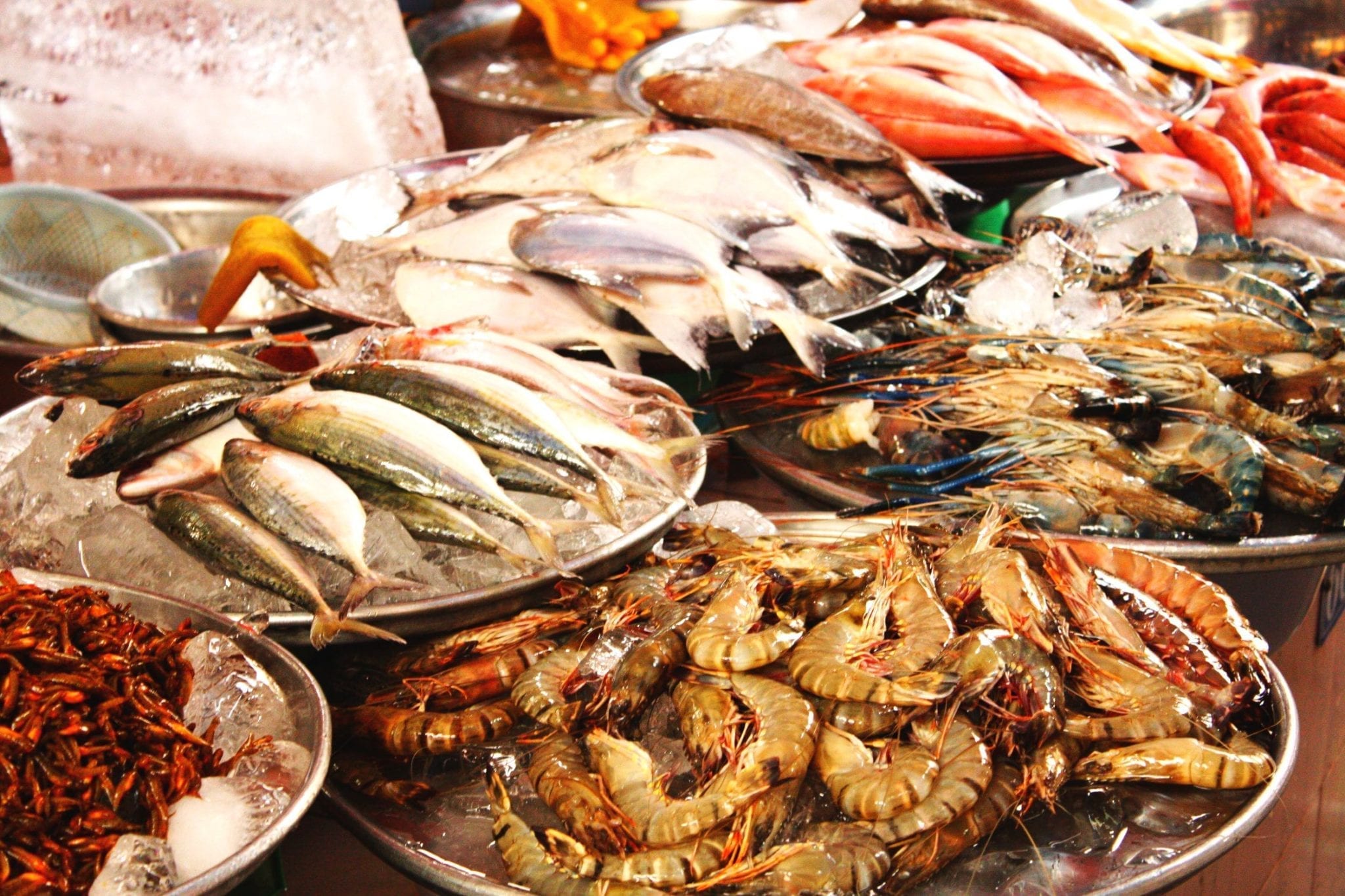
    In the first half of 2026, China became Vietnam’s largest seafood market, surpassing the United States. This shift resulted from an importation of Vietnamese seafood valued at nearly $1.4 billion, a 40% year-on-year increase. This accounted for almost a quarter of the $5.7 billion worth of Vietnamese seafood exports, a rise of 11.4%, as per the Ministry of Agriculture and Environment. Comparatively, the value of the U.S.’s imports was $898 million, while Japan, in third place, had $788 million worth of imports.

    Factors in Market Shift

    The rise in shipping costs has elevated China’s attractiveness due to its geographical closeness, according to Nam Viet Jsc, a seafood exporter. Furthermore, Le Hang, the Deputy General Secretary of the Vietnam Association of Seafood Exporters and Producers, noted that as the U.S. and Europe increased non-tariff barriers, many businesses turned towards China. She highlighted the U.S.’s requirement for businesses to provide extra admissibility certificates with a complex application process, particularly impacting tuna products. Additionally, shrimp exports faced high anti-dumping duties.

    Another contributing factor was the frontloading of shipments to the U.S., which led to significant inventories for importers in the country. This occurred during a period when consumers were restricting their spending and leaning towards lower-priced products.

    Adaptability and Future Outlook

    Hang stated that the growth in the first half was a reflection of the rebound in global demand and the adaptability of Vietnamese businesses, who adjusted their markets and product structures. Shrimp was the top export, valued at $2.3 billion (a 13.6% increase) and constituted over 40% of the total value. The demand from mainland China and Hong Kong primarily drove the growth. Moreover, exports of Pangasius, a white-flesh fish, increased by 12.1% to reach $1.1 billion, owing to Vietnam’s competitive pricing and the consistent demand in many markets.

    However, Hang predicts an uncertain future for exports in the second half of the year due to potential U.S. protectionist measures and trade barriers, ranging from regulations associated with “forced labor” to imposition of quotas on products. She emphasizes that in this rapidly evolving trade landscape, businesses must stay updated, adjust export plans, diversify markets, and increase the proportion of deeply processed products to manage risks and sustain growth.

    Questions & Answers

    What factors have contributed to China becoming Vietnam’s top seafood market?
    Shipping costs and non-tariff barriers in the U.S. and Europe have caused businesses to favor China. Additionally, China’s proximity to Vietnam makes it an attractive option.

    What was the largest exported seafood product from Vietnam?
    Shrimp was the top exported product, making up over 40% of the total export value and experiencing a 13.6% increase.

    What challenges do Vietnamese businesses face in the second half of 2026?
    They face potential U.S. protectionist measures and trade barriers, ranging from regulations related to “forced labor” to the application of quotas on products.


  • Gold Prices Soar To New Heights Globally And In Vietnam Amidst Geopolitical Tensions

    Gold Prices Soar To New Heights Globally And In Vietnam Amidst Geopolitical Tensions

    The price of gold in Vietnam continued its upward trend on Thursday morning, with global rates reaching a new high. The price of Saigon Jewelry Company’s gold bar increased by 0.41%, reaching VND148.6 million (US$5,642.15) per tael.

    The price of gold rings also saw an increase, rising by 0.34% to VND148.1 million per tael. It’s worth noting that one tael is equivalent to 37.5 grams or 1.2 ounces.

    Gold Value Increase in Vietnam

    In Vietnam, the value of gold bullion has seen a significant increase, jumping by 76.5% this year.

    As of September 6, 2025, the SJC gold bar price stood at 135.4 million VND per tael, given that one million VND equals $37.96.

    Global Gold Price Record

    On the global stage, the price of gold breached the $4,200 per ounce mark for the first time. This record was driven by the rising possibility of interest rate cuts and geopolitical concerns, which have prompted investors to seek out the safety of the precious metal.

    Despite reaching a new high of $4,241, the spot gold price fell to $4,230 at the time of writing.

    Market analyst Fawad Razaqzada commented on the current trend: “The metal has been on a tear, and it doesn’t look like it wants to stop. With U.S.-China trade tensions being reignited in the last few days, investors have even more reason to hedge their long equity bets by diversifying into gold.”

    Over the course of this year, gold has seen a surge of over 60%. This surge has been driven by a combination of factors including geopolitical tensions, bets on rate cuts, central bank purchases, de-dollarization, and strong inflows into exchange-traded funds (ETFs).

    Questions & Answers

    What is the current trend in gold prices?
    Gold prices have been on a steady upward trend, both globally and particularly in Vietnam.

    What factors are contributing to the surge in gold prices?
    A combination of factors including geopolitical tensions, bets on rate cuts, central bank purchases, de-dollarization and strong inflows into exchange-traded funds (ETFs) have contributed to the surge.

    How are investors responding to the current trend in gold prices?
    With increasing geopolitical tensions and potential interest rate cuts, investors are seeking safety in gold, using it as a hedge and diversification tool against their long equity bets.

  • Temasek Boosts Stake In Zegna Group: A Strategic Move In Global Ultra-luxury Market Amid Volatility

    Temasek Boosts Stake In Zegna Group: A Strategic Move In Global Ultra-luxury Market Amid Volatility

    Singapore’s state investment firm, Temasek, is set to raise its stake in the Ermenegildo Zegna Group to 10 percent. This move, announced by both companies on Tuesday, is part of Zegna’s strategy to expand globally in the robust ultra-luxury market.

    Investing in Volatile European Markets

    Temasek is currently identifying investment opportunities in Europe, a region experiencing market volatility due to the international trade war initiated by the former US President, Donald Trump. This volatility has resulted in more appealing valuations for certain businesses.

    Insiders familiar with the deal indicated that Temasek views Zegna, a company increasingly receptive to foreign investors, as a promising investment prospect.

    Details of the Deal

    The deal, expected to be completed by July 30, involves Temasek acquiring 14.1 million Zegna treasury shares at $8.95 each, amounting to a total of $126.4 million. This purchase, combined with the 12.7 million shares Temasek previously procured on the open market, results in a total stake of 10 percent for the investment firm.

    Zegna’s Chairman and CEO, Ermenegildo “Gildo” Zegna, believes that this partnership with Temasek will strengthen their global organic expansion.

    Influence of Luxury Consumers

    Despite worldwide economic uncertainty, top-tier luxury consumers, those who spend more than 50,000 euros ($57,660) annually, continue to consume. Though this group represents less than 1 percent of the market, they contribute to 23 percent of the industry’s value. Their expenditure remains constant even as less affluent consumers reduce their spending.

    Future Developments

    Nagi Hamiyeh, Temasek’s head of Europe, the Middle East, and Africa, is expected to join Zegna’s board as a non-executive director at Zegna’s annual general meeting in June 2026. He expressed that this investment illustrates Temasek’s faith in Zegna’s positioning and potential for long-term value creation.

    Funds from this transaction will bolster Zegna’s balance sheet and facilitate their expansion into new markets, particularly Asia. Temasek’s regional expertise is anticipated to play a crucial role in this expansion.

    Questions & Answers

    What is the percentage of Temasek’s stake in the Ermenegildo Zegna Group?
    After the completion of the deal, Temasek’s stake in the Ermenegildo Zegna Group will increase to 10 percent.

    What is the primary purpose of Temasek’s investment?
    The proceeds from the transaction will be used to improve Zegna’s balance sheet and aid their expansion into new markets, particularly in Asia.

    Who are the top-tier luxury consumers?
    Top-tier luxury consumers are individuals who spend over 50,000 euros ($57,660) annually. These consumers continue to spend consistently, despite global economic uncertainty.

  • Filipino Billionaires’ Wealth Soars by $7.6B Amid Retail Growth

    Filipino Billionaires’ Wealth Soars by $7.6B Amid Retail Growth

    In a landscape marked by resilience and growth, the wealth of Filipino billionaires has captured the attention of the retail and investment sectors alike. As these influential figures expand their businesses and adapt to emerging consumer trends, their stories exemplify the dynamic nature of the Philippine economy.

    Manuel Villar: The Visionary Behind Villar Land Holdings

    Manuel Villar, 75, reigns as the wealthiest among Filipino billionaires, with an estimated net worth of $17.2 billion as of March 7, up from $11 billion the previous year, according to Forbes. Leading Vista Land & Lifescapes, Villar’s empire includes retail chains like Vista Malls and AllHome, alongside Golden MV Holdings, which focuses on mass housing and memorial parks.

    In a significant move last September, Golden MV acquired multiple firms holding 366 hectares of prime real estate within Villar City, a visionary 3,500-hectare township south of Manila. This strategic acquisition reinforces Villar’s commitment to developing a legacy that melds community and commerce, culminating in the recent name change to Villar Land Holdings Corp., approved by shareholders in December.

    Enrique Razon Jr.: Driving Growth in Shipping and Beyond

    At the helm of International Container Terminal Services, Enrique Razon Jr., 65, is a force in the shipping industry. The company, which processed over 13 million twenty-foot equivalent units of cargo in 2024, is enhancing its global footprint through strategic investments. In 2024 alone, the firm allocated $517 million for modernization projects in ports across Mexico and Brazil, with plans to invest a record $580 million for further expansion this year.

    Razon’s diverse interests extend beyond logistics; he also holds significant stakes in the casino sector with Bloomberry Resorts and in infrastructure through Prime Infrastructure Capital, managing essential assets in energy and water. His net worth rose to $10.9 billion, reflecting a $900 million increase from last year.

    Ramon Ang: The Multinational Conglomerate Leader

    Ramon Ang, 71, stands as chairman and CEO of San Miguel Corporation, a titan in the Philippines with roots dating back to 1890. Originally a brewery, the company now boasts a vast portfolio that spans food, beverages, packaging, fuel, and infrastructure.

    In a testament to its robust market performance, San Miguel’s core net income surged 22% to PHP52.3 billion (approximately $929 million) last year, fueled by strong sales across various sectors. Ang’s wealth climbed to $3.7 billion, signaling continued confidence in the company’s growth trajectory.

    Lucio Tan: Innovating Across Industries

    Lucio Tan, 90, has marked his presence in the industry since 1982 with Asia Brewery. As founder of LT Group, he has diversified into tobacco, liquor, banking, and real estate. In 2024, LT Group reported a 12% revenue increase to PHP129 billion, bolstered by improvements across core businesses. Tan’s fortune has now reached $3 billion, a notable 20% rise from last year.

    Henry Sy Jr.: Navigating New Challenges

    As the eldest son of late billionaire Henry Sy Sr., Henry Sy Jr., 71, represents the legacy of SM Investments, the Philippines’ colossal conglomerate. From a 1958 shoe store to today’s diversified empire, which includes SM Prime Holdings and BDO Unibank, the firm reported a net profit of PHP82.6 billion last year, an increase of 7% from 2023.

    However, shares of SM Investments experienced a 15% decline in early 2024, impacting the wealth of Sy and his siblings. As of March 7, Henry Jr. has a net worth of $2.3 billion, a decrease from $2.5 billion last year.

    Looking Ahead: The Retail Sector’s Vibrant Future

    The upward trajectories and diverse investments of these prominent figures showcase not just their individual successes but also the evolving landscape of the Philippine retail and real estate sectors. As these billionaires continue to expand their empires, the potential impacts on consumer trends and market dynamics remain significant, suggesting a promising future for both investors and consumers alike.

  • Grab to increase all service fares

    Grab to increase all service fares

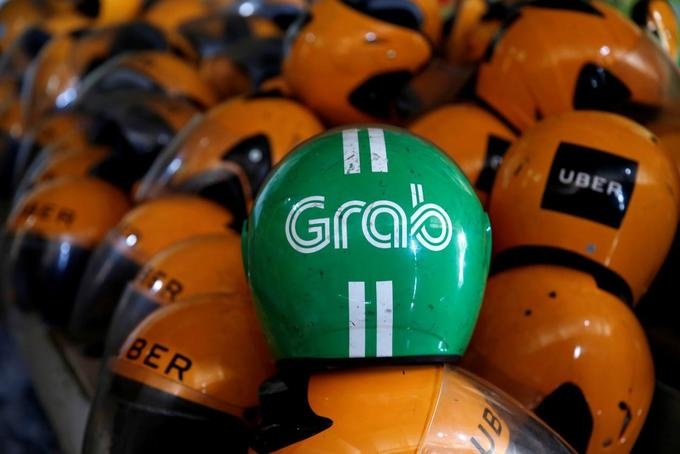
    Ride-hailing giant Grab will raise all fares from March 10, the first tech-based transport firm to do so amid record-high gasoline prices.

    GrabCar’s first two-kilometer fare will be raised by VND2,000 ($0.09) to VND29,000 for four-seater and VND34,000 for seven-seater vehicles in Hanoi and Ho Chi Minh City.

    That of each subsequent kilometer will be VND10,000, up VND500.

    GrabCar fares in other cities and provinces will also be increased by VND2,000-2,500 for the first two kilometers, and VND600 for each subsequent kilometer.

    For its bike ride-hailing and delivery services, the giant’s fares will go up to VND12,500-13,500 for the first two kilometers and VND4,300 for each subsequent kilometer.

    The tech-based transport firm cited surging gasoline prices as a reason for the adjustment.

    Gasoline prices in Vietnam hit the all time high of VND26,830 per liter for popular RON 95 and VND26,070 per liter for biofuel E5 RON 92 last Tuesday, after authorities adjusted them upward for the sixth time in less than three months.

    The last time Grab increased its fares was at the end of 2020, after authorities raised value-added tax for tech-based transport services from 3 percent to 10 percent.

    Taxi firms expect to increase their fares if gasoline prices stay at the current all-time high.

  • Cola, sugar prices shoot up 10% in Korea

    Cola, sugar prices shoot up 10% in Korea

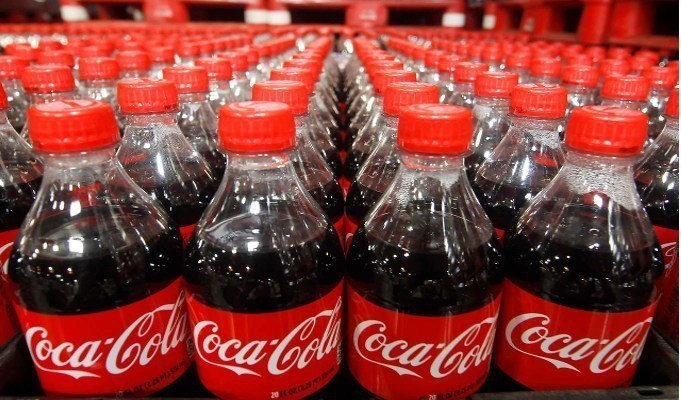
    Processed food prices rose in January, with soybean paste, sugar and cola all jumping up around 10 percent compared to a year earlier. The Korea Consumer Agency (KCA) said Monday that 18 of 26 major processed foods measured both in 2018 and 2019 cost more in January than the previous year. The highest price hikes on year included sugar at 11 percent, soybean paste at 9.8 percent and cola at 9.7 percent. Among processed grain foods, instant rice products rose the most, by 5.6 percent. Prices for cup ramyeon noodles, one of the country’s favorite snacks, rose 3.4 percent.

    The KCA releases prices for a basket of around 30 major processed food categories every month. The basket price data serves as a separate indicator of real price changes for consumers. Other tracked products include beer, coffee mix and curry.

    Compared to the previous month, the average basket price for January rose 0.2 percent to 122,686 won ($109) from 122,491 won. Soybean paste prices rose on month by 4.7 percent and curry by 1.4 percent. Average cola prices rose 6.0 percent from December. The soft drink’s price rose last month after two months of declines.

    The KCA reported that the basket’s price was most affordable from large retail stores compared to traditional markets, department stores and large-size supermarkets.

    Meanwhile, products that declined in price on year included cooking oil at minus 6.1 percent, orange juice at minus 5.3 percent and red pepper paste at minus 4.9 percent.

    The data comes as consumer prices for January rose by 0.8 percent from 2018, according to Statistics Korea. The consumer price index for “living necessity food” rose 2.6 percent last month from the previous year.

  • Indonesia Sees 8.5% Increase of Tourists until September ThisYear

    Indonesia Sees 8.5% Increase of Tourists until September ThisYear

    Indonesia recorded 8.36 million visits by foreign tourist until September this year or an increase of 8.5 percent year-on-year.

    Tourism Minister Arief Yahya said here on Thursday the increase gave greater optimism that the target of 12 million visits by foreign tourists to the country this year would be achieved.

    “In three consecutive months – July-August and September, the number of visits exceeded one million. We hope that the number would be larger in October, November and December,” the minister said.

    In September, there were 1,006,653 foreign tourist arrivals or an increase of 9.40 percent year-on-year from 920,128 in the same month last year, he said in a statement.

    Based on data from the Central Bureau of Statistics (BPS) and the Tourism Ministry, the number of foreign tourist visits in the first nine months of the year was 8,362,963 or 8.51 percent higher than 7,707,034 visits in the same period last year.

    In September, significant increase was recorded in the number of visits of tourists from Bahrain, up 46.84 percent, Egypt up 42.86 percent, China up 28.08 percent, India 26.61 percent, and France 18.92 percent.

    In the nine months period until September this year, the highest increase was recorded in the visits of tourist from Egypt up 48.72 percent, Bahrain up 46.33 percent, India 28.90 percent, China 24.15 percent, and France 23.15 percent.

    Minister Arief Yahya said international events would be increased especially in main gates – Bali, Jakarta, and Batam. in a bid to increase the number of visits of foreign tourists toward the end of the year.

    “Bali plans to organize tens of year end events to increase the number of visits . This year, Bali hopes to chalk up 4.8 million visits by foreign tourists or 45 percent of the total number of foreign visits to the country,” Arief Yahya said.

    Similarly, Bintan of the Riau Islands, which in November-December 2016 would host a number of events such as international sport tourism and entertainment to attract visitors especially from Singapore and Malaysia.

    This year Great Batam/Bintan hopes to chalk up 2.5 visits by foreign tourists.

    Arief said the island of Bintan is one of more potential tourist destinations in frontier areas, beside Manado, Papua, Entikong, and Atambua.

    The tourism Ministry has launched intensive promotional campaigns by organizing cultural festivals in a number of areas to attract foreign tourists in border areas.

    Recently the ministry held a Festival of Wonderful Indonesia (FWI) in Aruk, sub-district of Sajingan Besar, regency of Sambas, in West Kalimantan to attract visitors from Negeri Serawak, Malaysia.

    The tourism ministry, however, has focused more on luring larger number of Chinese tourist to visit the country. China has become the worlds largest tourism market.

    Earlier, Arief said Indonesia had been lagging behind in taking advantage of the Chinese market.

    Indonesia has succeeded only in recording 1.2 million or one percent of outbound Chinese, falling far behind Thailand, which already succeeded in attracting 8 million visits by Chinese tourists year.

    Therefore, the Indonesian Tourism Ministry has teamed up with Baidu, the largest Chinese searching engine company called as “Chinese Google” to create a program to promote tourism destinations in Indonesia.

    Baidu could create many programs to promote Indonesian tourist destinations from upstream to downstream , from branding , advertising to selling, Arief said.

    “It promised to increase the number of Chinese visitors to Indonesia up to 10 million arrivals in 2019,” Arief, who visited China recently, said.

    The 10 million arrivals of Chinese tourist would means 50 percent of the governments target of 20 million in number of foreign tourist visits to the country in 2019.