Retail News CRM

Tag: Indonesian

  • Zus Coffee Makes Bold Move into Indonesian Market, Amplifying Southeast Asia Presence

    Zus Coffee Makes Bold Move into Indonesian Market, Amplifying Southeast Asia Presence

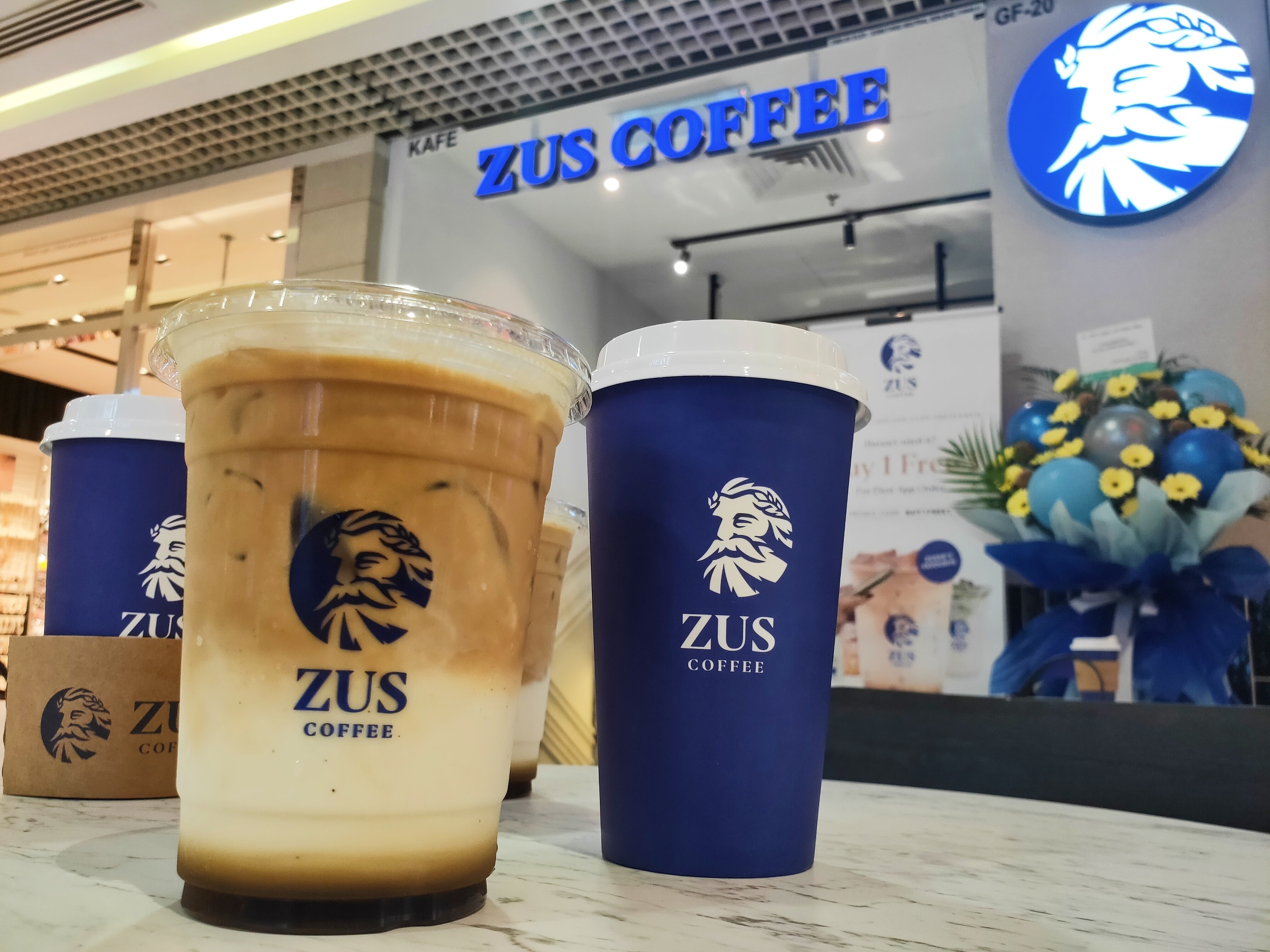
    Malaysia’s well-known coffee chain, Zus Coffee, has made its debut in Indonesia, marking its first venture into Jakarta. The launch marks yet another step in the company’s ambitious strategy to expand across Southeast Asia.

    The opening of the new store in Puri Indah Mall is the result of a collaboration with Kapal Api Group. This latest venture follows Zus Coffee’s successful expansions into other Southeast Asian countries, including the Philippines, Singapore, Brunei, and Thailand.

    Zus Coffee, established in 2019, began as a delivery-centric coffee kiosk operation. Since then, it has rapidly grown, fueled by the integration of a technologically advanced model that includes app-based ordering, pickup, and delivery services. Currently, Zus Coffee operates over a thousand stores throughout the region.

    According to Venon Tian, Group COO of Zus Coffee, Indonesia holds significant strategic value due to its rich coffee culture and an ever-changing consumer demand. As part of its expansion strategy, localisation remains a vital component, with the introduction of market-specific beverages alongside its main menu offerings.

    Over the years, Zus Coffee has solidified its position as one of Malaysia’s largest coffee chains and has emerged as a strong contender to the global giant, Starbucks. An investment of US$57.27 million (RM250 million) has been further secured by the company to facilitate its regional growth in 2024.

    As part of its expansion strategy, the company launched its inaugural stores in Thailand last year, planning to inaugurate 200 new stores across Southeast Asia. Parent company Zuspresso has set ambitious targets to add a minimum of 107 outlets in Malaysia, around 80 in the Philippines, and six in Singapore this year.

    Questions & Answers

    What is Zus Coffee’s expansion strategy?
    Zus Coffee is focusing on expanding across Southeast Asia, having already established a presence in countries like the Philippines, Singapore, Brunei, Thailand, and now Indonesia.

    How does Zus Coffee approach new markets?
    Zus Coffee has a strategy of localisation as it enters new markets. This involves introducing market-specific beverages alongside its core menu offerings to cater to local tastes and preferences.

    What kind of investment has Zus Coffee secured for its future growth?
    Zus Coffee has secured an investment of US$57.27 million (RM250 million) to support its regional growth in 2024.

  • Latest results show Indonesian recovery still patchy

    Latest results show Indonesian recovery still patchy

    The earnings of Indonesian companies as of September has revealed a patchy recovery in local firms as they continue along a bumpy road with persistently weak demand. However, efficiency and currency gains are compensating for financial pressures.

    The mixed results of the January to September financial performance of publicly listed firms is reflected in the performance of the benchmark Jakarta Composite Index (JCI), which has hovered around the 5,400 level for the past two weeks during corporate earnings announcement season.

    “The 50:50 result, by which half of the listed companies announced higher-than-expected earnings while the other half were bad, brought the index nowhere,” Recapital Securities analyst Kiswoyo Adi Joe said on Tuesday.

    Indonesia’s economy is expected to recover this year and reach a 5 percent growth rate from a six-year low level of 4.79 percent last year.

    But sluggish global demand and a slump in commodity prices are hampering sectors such as trade, mining and agribusiness, while consumer goods, infrastructure and financial companies are showing resilience, according to the JanuarySeptember financial reports submitted to the Indonesia Stock Exchange (IDX).

    Diversified conglomerate Astra International, whose miningrelated business is being hit by low prices this year, saw net profits contract by 6 percent to Rp 11.28 trillion (US$865.3 million). Revenues were 4 percent lower in the January-September period year-on-year (yoy).

    “Astra’s performance is a reflection of our domestic economy. If it’s good, we can hope the economy will move faster,” Kiswoyo said. The second largest listed Indonesian company by market value has seven business lines from automotives and palm oil to finance and heavy equipment.

    Cigarette maker HM Sampoerna, Indonesia’s largest company by market value, saw net profits surge 20 percent to Rp 9.1 trillion on the back of huge financial revenues and a 7.3 percent rise in sales to Rp 70.3 trillion in the January to September period yoy.

    Another consumer goods giant Unilever saw its net sales and net profits grow by 9.5 percent and 14.3 percent yoy, respectively. The company’s efforts to lower operating costs included lowering advertising and promotions spending in the third quarter of this year from the previous quarter.

    Instant noodle maker Indofood CBP saw its sales increase by 10 percent while its net profit jumped by 19.1 percent.

    Overall, consumer goods stocks on the IDX rose by 0.57 percent during the earnings announcement season in October as the benchmark stock index flat-lined.

    In the telecommunications sector, a stronger rupiah has helped XL Axiata reverse its losses although its revenues dropped by around 5 percent.

    Financial revenues from interest on time deposits and plunging costs have also helped state-owned miner Aneka Tambang (Antam) prop up its earnings. The state-run miner reversed its losses amid sales that contracted by more than 28 percent and costs that dropped by almost 30 percent.

    In the financial sector, banks booked varying results. State-owned lenders mostly recorded positive performances across the board, but private companies recorded gloomier results as their credit growth was still floating around or even below the industry average.

    Going forward, banking remains the overweight sector for First Asia Capital analyst David Sutyanto.

    “Banking will perform well because they’ll get fresh funds from the tax amnesty,” David said. “Second, the mining sector will get a windfall from rising commodity prices.”

    The government’s ongoing tax amnesty runs from July this year to next March and has seen nearly Rp 3.9 quadrillion in assets declared, of which Rp 143 trillion have been repatriated from overseas.

  • Thousands of visitors sample Indonesian coffee in Amsterdam

    Thousands of visitors sample Indonesian coffee in Amsterdam

    Visitors at the “Taste of Amsterdam” annual culinary promotion event in Amsterdam, the Netherlands, sampled Indonesian coffee, noted a press release from the Indonesian Embassy in The Hague, the Netherlands, received by ANTARA News here, Tuesday.

    At the annual event, some 5,314 people were able to sample coffee in a booth themed “Indonesia Coffee House.”

    Indonesian Ambassador to the Netherlands I Gusti Agung Wesaka Puja stated that the Taste of Amsterdam was an event for Indonesia to conduct culinary diplomacy.

    “This year is the third time the Embassy in The Hague has participated in the event. In 2016, we are promoting Indonesian coffee,” he noted.

    Coffee has become a part of the history of relations between Indonesia and the Netherlands as it was the Dutch traders who had brought coffee seeds to Indonesia in the 17th century.

    According to the ambassador, coffee is one of Indonesias leading export commodities. Indonesia is the fourth-largest coffee producer in the world. In 2015, Indonesia had produced 550 thousand tons of coffee beans.

    Until the end of the event, 7,001 people had visited the Indonesia Coffee House and enjoyed coffee and Indonesian culinary delicacies.

    Among those visiting the booth, 5,314 people sampled Aceh Gayo and Malabar Natural coffees, which were served free of charge.

    Harry Puts, a visitor, praised the taste of Indonesian coffee. He suggested that Indonesian coffee should be made without blending it with coffee from other regions.

    Some cafe businesses and food importers have contacted the Indonesian Embassy in The Hague and have expressed their keeness to start selling Indonesian coffee in the Netherlands.

    As many as 125 renowned restaurants and cafes from all over the Netherlands took part in the Taste of Amsterdam event in 2016. Every year, the event receives over 30 thousand visitors, with each spending at least 50 Euros to enjoy food and beverages at the event.