Tag: infant formula

  • Bubs Revenue Drops 9.8% to $23.1M as Asian Market Delays Bite

    Bubs Revenue Drops 9.8% to $23.1M as Asian Market Delays Bite

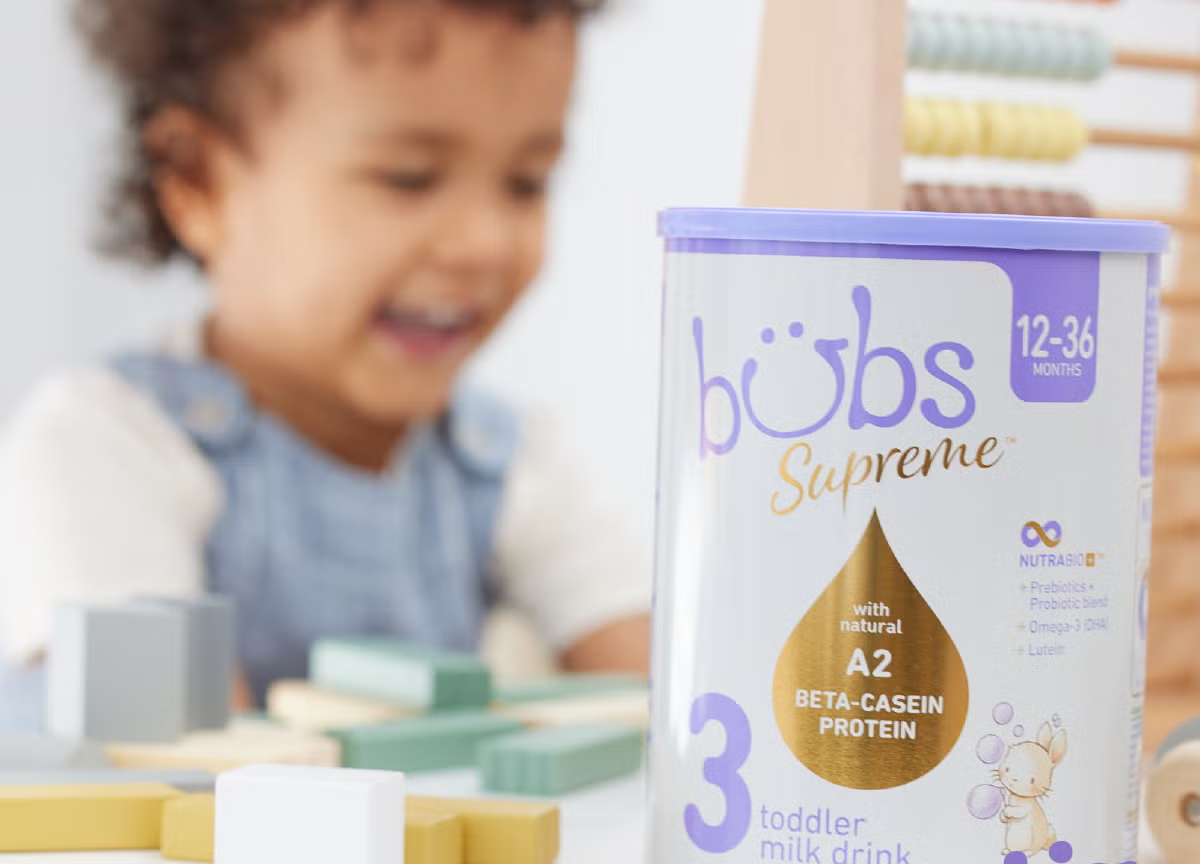
    Bubs Australia booked a 9.8 per cent drop in quarterly net revenue to $23.1 million for the three months to September 30, hit by currency swings and stalled export markets across Asia.

    The Victoria-based infant formula producer burned through $6.0 million in operating cash during the period, leaving it with $13.4 million in available liquidity to fund inventory and marketing.

    Foreign Exchange Pressures Erode US Gains

    Revenue in the United States, Bubs’ largest regional market, dropped 8.9 per cent to $15.3 million. Management blamed foreign currency translation for the headline decline, which masked diverging retail channels across North America.

    Brick-and-mortar scan sales held up across major retailers. Sales through Walmart and Target grew strongly as distribution widened to more than 12,000 stores across all 50 states, but lower sales volumes on Amazon blunted those physical retail gains.

    Delays in Singapore and Vietnam Hit Regional Books

    Trading beyond the Pacific showed acute regional friction. Revenue from the Rest of the World division plunged 36 per cent to $1.2 million as planned market re-entries into Singapore and Vietnam ran into operational delays.

    China provided a modest buffer. Revenue from mainland buyers crept up to $2.6 million, giving the company small volume gains in an import market where rival dairy labels have written down excess inventory.

    The Tradeoff Behind America’s Permanent Authorisation

    Bubs gained permanent US Food and Drug Administration authorisation in September for three infant formula lines. That clears regulatory uncertainty that lingered after emergency pandemic-era supply waivers expired, giving the business a permanent footing against incumbent American brands.

    Yet chasing US market share carries clear capital risks for Asia-Pacific consumer operators. Supplying 12,000 North American storefronts locks up operating cash in long shipping lanes, and physical shelf space cannot cover the drop when digital orders on platforms like Amazon slip. Diverting corporate attention to satisfy Western regulators has clearly left flank markets in Southeast Asia vulnerable, stalling recovery timelines in key consumer hubs such as Vietnam.

    From Daigou Crash to Big Box Retail

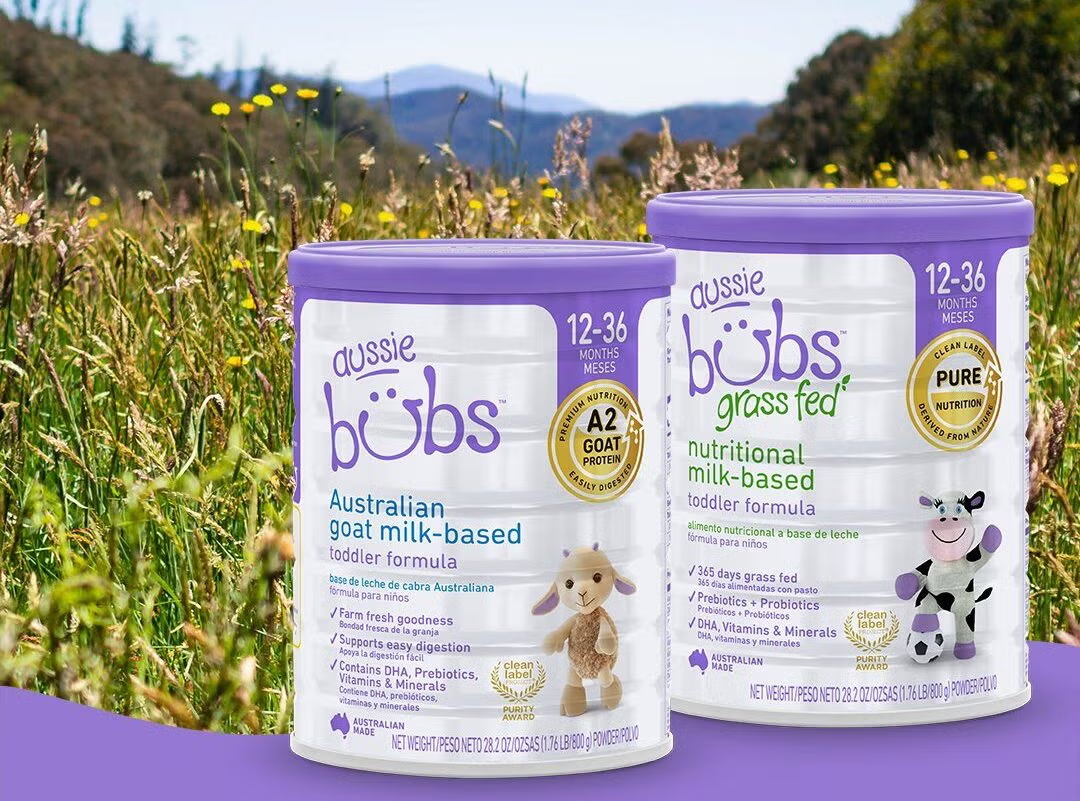
    The quarterly slide traces the longer remaking of Bubs from an Australian domestic exporter into a Western big-box supplier. When cross-border daigou channels into China dried up, the business pivoted its goat milk and dairy infant nutrition inventory toward North American shortages.

    That strategy broadened its retailer network, but the margin profile now depends on continuous physical sell-through across massive US chains while local sales in Australia face lingering household budget pressures.

    Executive attention now turns to inventory replenishment and the commercial rollout of relaunched distribution runs in Vietnam, with full-year liquidity levels tied directly to how quickly Southeast Asian trade recovers.

  • Danone Launches 5,200 M² Research and Innovation Center in Shanghai

    Danone Launches 5,200 M² Research and Innovation Center in Shanghai

    Danone officially launched a 5,200 m² research and innovation center in Shanghai on Nov. 2, advancing its work on nutritional solutions for early life, healthy aging, and longevity.

    A centerpiece of the complex is the 900 m² Danone OneBiome Lab, the group’s third such site following openings in Paris-Saclay and Singapore. Isabelle Esser, chief research, innovation, quality and food safety officer, noted that the unit uses bacterial DNA extraction and analysis to decode individual gut profiles influenced by age, diet, and lifestyle.

    Alongside the laboratory, the hub incorporates a 700 m² pilot plant and a 300 m² science experience and consumer engagement space. This integrated footprint enables Danone to pair consumer feedback with sensory testing, prototyping, packaging design, and digital health tech development under one roof.

    Targeting Formula and Healthy Aging

    The technical work focuses on two ends of China’s demographic curve: infant nutrition and healthy longevity. In infant milk formula, researchers examine human breast milk composition among Chinese mothers to reformulate Danone’s Aptamil product lines to match natural gut flora development.

    For older consumers, the Shanghai team is working on products under lines like Ganmai, a brand Danone rolled out with timed probiotic fibre powders aimed at immune and digestive maintenance. The company had previously established an exploratory research venture with Qingdao University three years ago to study microbiome changes across life stages.

    “Some of the most important scientific areas on which we at Danone are investing are related to gut health and to biotics,”

    Said Isabelle Esser, chief research, innovation, quality and food safety officer at Danone.

    Competing on Science in a Shrinking Baby Market

    Danone faces a structural squeeze in China’s infant formula trade. Falling national birth rates have tightened total volumes across the sector, forcing international formula makers into direct shelf competition against domestic champions such as China Feihe.

    Foreign dairy brands can no longer rely purely on imported prestige to clear inventory in lower-tier cities. Winning supermarket shelf space and mother-and-baby store distribution now requires hyper-localised scientific claims, especially around gut tolerance, digestion, and ingredient profiles matching local mothers’ milk.

    Localised trial work also speeds regulatory filings, meaning on-the-ground pilot facilities cut the lead time between laboratory formulation and commercial retail distribution.

    Building Out Regional Digital Health Tools

    The Shanghai hub also takes over digital health software testing designed to tie retail customers into the brand’s ecosystem. Danone previously rolled out diagnostic applications from its Singapore lab, including digital iron monitors, infant growth trackers, and stool analysis tools that guide parents toward specific formulas.

    Taous Lassel, vice president for research and innovation in Asia-Pacific and China, leads the regional R&D digital and artificial intelligence team operating out of the site.

  • Bubs Australia Revenue Reaches $111.9 Million as US Distribution Expands

    Bubs Australia Revenue Reaches $111.9 Million as US Distribution Expands

    Bubs Australia lifted group revenue 9.2 per cent to $111.9 million for the twelve months ended June 30, driven by rapid retail expansion in North America.

    Underlying earnings before interest, tax, depreciation and amortisation climbed 338 per cent to $5.3 million. The top-line gain masked tightening margins at the Australian infant formula maker, where gross profit dropped 9 per cent over the period.

    Expansion in the American market

    Sales growth centered on the United States, where revenue rose 24 per cent across the fiscal year. The company widened its physical retail presence to more than 10,000 American stores, turning the market into its primary growth engine outside Australasia.

    Higher distribution scale helped absorb overheads, but rising costs and shifting regional demand checked profitability across secondary territories.

    Margin pressures and regional divergence

    Results across regional markets outside the United States delivered mixed performances. While volume moved through larger overseas retail networks, gross margins contracted under higher cost pressures across the supply chain.

    For dairy and infant nutrition exporters across the Asia-Pacific region, rapid volume growth in Western supermarket aisles continues to balance uneven purchasing patterns across legacy Asian cross-border channels. Maintaining profitability now depends on turning trial into repeat shelf velocity.

    Attention turns to whether the brand can defend shelf space across its expanded 10,000-store US footprint while repairing gross margins in the next reporting cycle.