
Retail News CRM

Tag: infant

  • Exploring Australia’s Potential Crackdown on Infant Formula Ads: A Move to Protect Breastfeeding Rates

    Exploring Australia’s Potential Crackdown on Infant Formula Ads: A Move to Protect Breastfeeding Rates

    The Australian federal government is currently seeking public feedback on the possibility of enacting laws to regulate the marketing of infant formula in the country. This consultation process is open for submissions until the 10th of April.

    The Background

    Prior to February 2025, a voluntary agreement had been set in place in which Australian formula brands pledged not to advertise formula products for infants aged 12 months or less. This agreement was instituted as part of an effort to encourage and safeguard breastfeeding practices. However, recent statistics have shown that the rates of breastfeeding in Australia are not as high as desired. This has prompted the government to consider not renewing the voluntary agreement and instead, exploring more stringent measures.

    These proposed measures are not intended to explicitly promote breastfeeding. The main objective is to curb marketing practices that present formula as a better or equivalent alternative to breastfeeding.

    The Problem with Formula Advertising

    Breastfeeding offers numerous health benefits for both the mother and child. These include protection against gastrointestinal and respiratory infections for newborns, decreased risk of obesity and type 2 diabetes later in life for the child, and a lower risk of ovarian and breast cancer for the mothers.

    In light of these benefits, Australian guidelines propose exclusive breastfeeding for the first six months of a child’s life. Additionally, the World Health Organization recommends continued breastfeeding for the first two years.

    Despite high rates of breastfeeding at birth in Australia, these rates significantly decrease over time. In 2022, it was reported that only 37% of babies were exclusively breastfed by the time they reached six months.

    There are various reasons why mothers choose not to breastfeed, but the advertising of formula products is a key area of concern. It has been found to muddle parents’ understanding of the nutritional benefits of breastfeeding versus formula, reduce the initiation and duration of breastfeeding, and position formula as a more favorable solution to breastfeeding challenges.

    The Role of Online Advertising

    Online advertising operates differently from traditional forms of advertisement. Online ads target individuals based on their search history, browsing activities, or significant life events. As such, they can reach new or expectant parents at times when they may be most uncertain or susceptible to suggestions.

    Analysis of Infant Formula Ads

    An analysis of online formula advertisements targeting parents in Australia was conducted by the ADM+S Australian Ad Observatory. The study found that formula brands used various tactics to appeal to parents. These included highlighting positive customer reviews, offering free downloadable resources such as cookbooks and baby proofing guides, and partnering with prominent retailers to direct individuals to online shopping platforms.

    Potential Government Actions

    The government is contemplating several options, including maintaining the status quo with no regulation, introducing legislation that mirrors the former voluntary agreement, or introducing legislation that also restricts the marketing of toddler milk for children aged one to three years.


    Questions & Answers

    What are the benefits of breastfeeding for mothers and children?
    Breastfeeding offers significant health benefits, including protection against gastrointestinal and respiratory infections for newborns, decreased risks of obesity and type 2 diabetes later in life for the child, and a reduced risk of ovarian and breast cancer for the mother.

    Why is the advertising of infant formula products a concern?
    Advertising can confuse parents about the nutritional benefits of breastmilk versus formula, decrease the initiation and duration of breastfeeding, and present formula as a more favorable solution to breastfeeding challenges.

    What potential actions is the Australian government considering?
    The government is considering several options including maintaining the status quo with no regulation, introducing legislation that mirrors the former voluntary agreement, or introducing legislation that also restricts the marketing of toddler milk for children aged one to three years.
  • Will Australia Clamp Down on Infant Formula Ads? Exploring New Federal Consultation on Marketing Restrictions

    Will Australia Clamp Down on Infant Formula Ads? Exploring New Federal Consultation on Marketing Restrictions

    Australian Government Considers Infant Formula Marketing Regulations

    The Australian federal government recently invited public responses to a consultation paper, exploring the potential introduction of laws to limit or completely halt the marketing of infant formula across the country. This open consultation has been set to terminate by April 10.

    Since February 2025, manufacturers of Australian infant formula have been adhering to an agreement, albeit voluntary, to avoid advertising formula milk products for babies who have not yet reached their first birthdays. The unstated goal of this agreement was to encourage and safeguard the practice of breastfeeding.

    However, with recent statistics indicating a lower-than-expected rate of breastfeeding in the country, the government has decided against renewing the voluntary arrangement. Instead, it is now considering implementing stricter measures.

    While these new measures do not directly advocate breastfeeding, they are designed to curb marketing strategies that present formula milk as a similar or better alternative.

    Our evaluation of online ads for infant formula aimed at Australian parents shows that companies exploit parental fears. This also illustrates the issues arising from a voluntary arrangement.

    The Problem with Formula Advertising

    Breastfeeding offers substantial health benefits to both the mother and baby. These include safeguarding newborns from gastrointestinal and respiratory infections, lowering the risk of obesity and type 2 diabetes in later life, and reducing the likelihood that mothers will develop ovarian and breast cancer.

    For these reasons, Australian guidelines advise exclusive breastfeeding for the first six months after birth. The World Health Organization recommends continued breastfeeding for the first two years.

    In Australia, while breastfeeding rates are high at birth, they swiftly decline. Only 37% of babies were reported to be exclusively breastfed by six months in 2022.

    There are various factors contributing to a mother’s decision not to breastfeed, but advertising of formula products is a key concern. Such advertising has been shown to create confusion among parents about the nutritional benefits of formula versus breast milk, decrease breastfeeding initiation and duration, and present formula as a superior choice in the face of breastfeeding difficulties.

    Formula milk is crucial and often the only option for those who cannot breastfeed. However, it is also costly and can place financial stress on families, especially during the first year of a child’s life.

    Online advertising differs significantly from traditional ads. Online, ads are targeted based on people’s search and browsing histories or life events, reaching new or expecting parents at times when they may be most uncertain or susceptible to suggestion.

    Infant Formula Advertisements: What Are They Promising?

    The ADM+S Australian Ad Observatory, which we and our colleagues manage, collects data on ads encountered by Australians online in order to understand how digital advertising systems work.

    In 2022, we collected ads from 1200 Australian adults who voluntarily installed a plug-in on their browsers to capture ads while they browsed Facebook. Since 2025, we have been collecting ads from about 300 Australians who use an app to share ads that appear while they scroll through Facebook, Instagram, TikTok and YouTube on their phones.

    In this analysis, we studied ads collected in both years and identified 158 ads promoting formula products from local and international brands.

    We found brands used various tactics to attract parents. Some highlighted positive customer reviews or offered complimentary downloadable cookbooks and baby-proofing guides for homes.

    Other ads were in collaboration with prominent retailers, directing people to online shopping interfaces with “buy now” buttons.

    Most formula brands made some claims about the nutritional or behavioural benefits of their products. These claims exploit the anxiety parents often feel about their children meeting nutritional, sleep and developmental milestones.

    Some manufacturers claimed their product was fortified with vitamins and prebiotics that would “improve gut health” or help a toddler sleep longer at night.

    Others claimed their formula would give mothers “a moment of calm” or strengthen their toddler’s immune system. This is despite scientific evidence showing that breast milk can provide necessary antibodies to a sick child in real time.

    Starting early: The Problem with the Voluntary Advertising Agreement

    Many ads used images of very young toddlers who could easily be mistaken for infants aged 12 months or under. In one case, we found an ad explicitly promoting formula designed for babies under 12 months.

    This, along with the use of images of very young children to market ‘toddler milk’ (formula marketed for children aged one to three years), underscores some of the problems with a voluntary advertising agreement.

    Since toddler milk marketing was exempt, brands could target parents of newborns. This would generate brand awareness and consumer trust, potentially leading a parent to choose to start their child on formula instead – or earlier than they otherwise would.

    Enforcement has also been a challenge. The penalties for violating the agreement – listing the breach on the Department of Health website – have not been viewed as severe enough by the Australian Competition and Consumer Commission.

    Moreover, the digital advertising environment offers little visibility into what marketing is actually in circulation or who is being exposed to it.

    Outside of specialised research tools like our Ad Observatory and the Australian Internet Observatory, there is no systematic method for observing infant formula ads appearing on personalised social media feeds.

    Potential Government Actions

    The government is mulling over several options:

    Maintaining the status quo – no regulation.
    Introducing legislation mirroring the former voluntary agreement, preventing promotion of infant formula (for babies aged 12 months or under).
    Introducing legislation that also restricts toddler milk marketing (for children aged one to three years).
    We have provided all our data to the government to assist in the decision-making process. However, while the ads we discovered provide a glimpse behind the scenes, they likely underestimate the extent of formula marketing happening online.

    Infant formula can be a critical, sometimes life-saving, intervention for families in need. However, health interventions do not require persuasive advertising to fulfil their purpose.

    The essential policy question is whether a product designed to support infants should be promoted through the same marketing systems selling snack foods, cosmetics and financial products.

    Questions & Answers

    Why is the Australian government considering legislation to restrict infant formula marketing?
    The Australian government is considering this move due to concerns over lower-than-expected rates of breastfeeding in the country. There is a belief that marketing strategies by formula manufacturers might be presenting formula as a preferable choice to breastfeeding, potentially influencing parents’ decisions.

    What are the key issues with formula advertising?
    Formula advertising may cause confusion among parents about the nutritional benefits of formula versus breast milk. Ads may also suggest that formula is a superior alternative when facing breastfeeding challenges. Furthermore, these ads may exploit parents’ anxieties about their children’s nutritional and developmental needs.

    What are the potential options the government is considering regarding the regulation of infant formula marketing?
    The government is considering several options: maintaining the current situation with no regulation; introducing legislation similar to the former voluntary agreement that prevents the promotion of infant formula for babies aged 12 months or under; or introducing legislation that also restricts the marketing of toddler milk for children aged one to three years.

  • Nestlé Initiates Global Recall of Infant Formula in 30+ Markets due to Potential Toxin Risk

    Nestlé Initiates Global Recall of Infant Formula in 30+ Markets due to Potential Toxin Risk

    Nestlé, the world’s largest food and beverage company, has initiated a widespread recall of select infant nutrition products across over 30 markets, including Australia, New Zealand, the Americas, and numerous European countries. The recall is attributed to the potential contamination of these products with a certain toxin.

    Investigating Quality Issues

    The decision for a recall came after an internal investigation discovered a quality issue related to one of the ingredients supplied by a prominent vendor. The ingredient in question, arachidonic acid (ARA) oil, which is often mixed with other oils, was found to potentially contain Cereulide. Cereulide is a bacterially derived substance known to cause foodborne illness, produced by certain strains of Bacillus cereus, a type of microorganism. Nestlé stated that the occurrence of cereulide in oils is quite rare and is currently working with the supplier to pinpoint the cause.

    Global Recall

    The recall, which began on January 7, affected 27 European countries, including the United Kingdom, Spain, and Italy. In the Asia-Pacific region, Hong Kong, Australia, and New Zealand were included and in the Americas, Argentina, Mexico, and Peru were impacted. However, Nestlé pointed out that this list may not be exhaustive and will be updated accordingly.

    Given that ARA oil is a component in various infant nutrition products sold around the world, the problem affects multiple brands. Among the brands impacted are SMA, BEBA, NAN, and Alfamino, but the specific products recalled vary from country to country.

    In Australia and New Zealand, the Alfamino Infant Formula (0-12 months) 400g is being recalled. The products have specific markings, including use-by dates from 17.04.2027 to 22.07.2027 and corresponding batch numbers.

    Advice for Consumers

    Customers have been advised to return any affected product to the place of purchase for a full refund. Anyone concerned about their health or that of their infant is encouraged to seek medical advice.

    Nestlé confirmed that there have been no reported illnesses connected with the recalled products so far. However, consumers are advised to watch out for severe or persistent vomiting, diarrhea, or unusual lethargy in infants, which typically appear between 30 minutes to six hours after exposure.

    Ensuring Health and Wellbeing

    The company is actively communicating with authorities in the affected countries to ensure necessary measures are taken to safeguard public health. Nestlé assures the public, especially parents and caregivers, that it is taking appropriate actions to prioritize the health and wellbeing of families and their children.

    Despite the recall, Nestlé notes that the financial impact of the situation is expected to be minimal, as the recalled products make up less than 0.5 per cent of the group’s annual sales.

    Questions & Answers

    What is Cereulide and why is it dangerous?
    Cereulide is a substance of bacterial origin, produced by certain strains of the Bacillus cereus microorganism. It is known to cause foodborne illnesses.

    What are the symptoms to watch out for in infants who may have been exposed to Cereulide?
    Symptoms include severe or persistent vomiting, diarrhea, or unusual lethargy, typically appearing between 30 minutes to six hours after exposure.

    What should consumers do if they have purchased one of the recalled products?
    Consumers are advised to return the product to the place of purchase for a full refund. Those who are concerned about their health or that of their infant should seek medical advice.

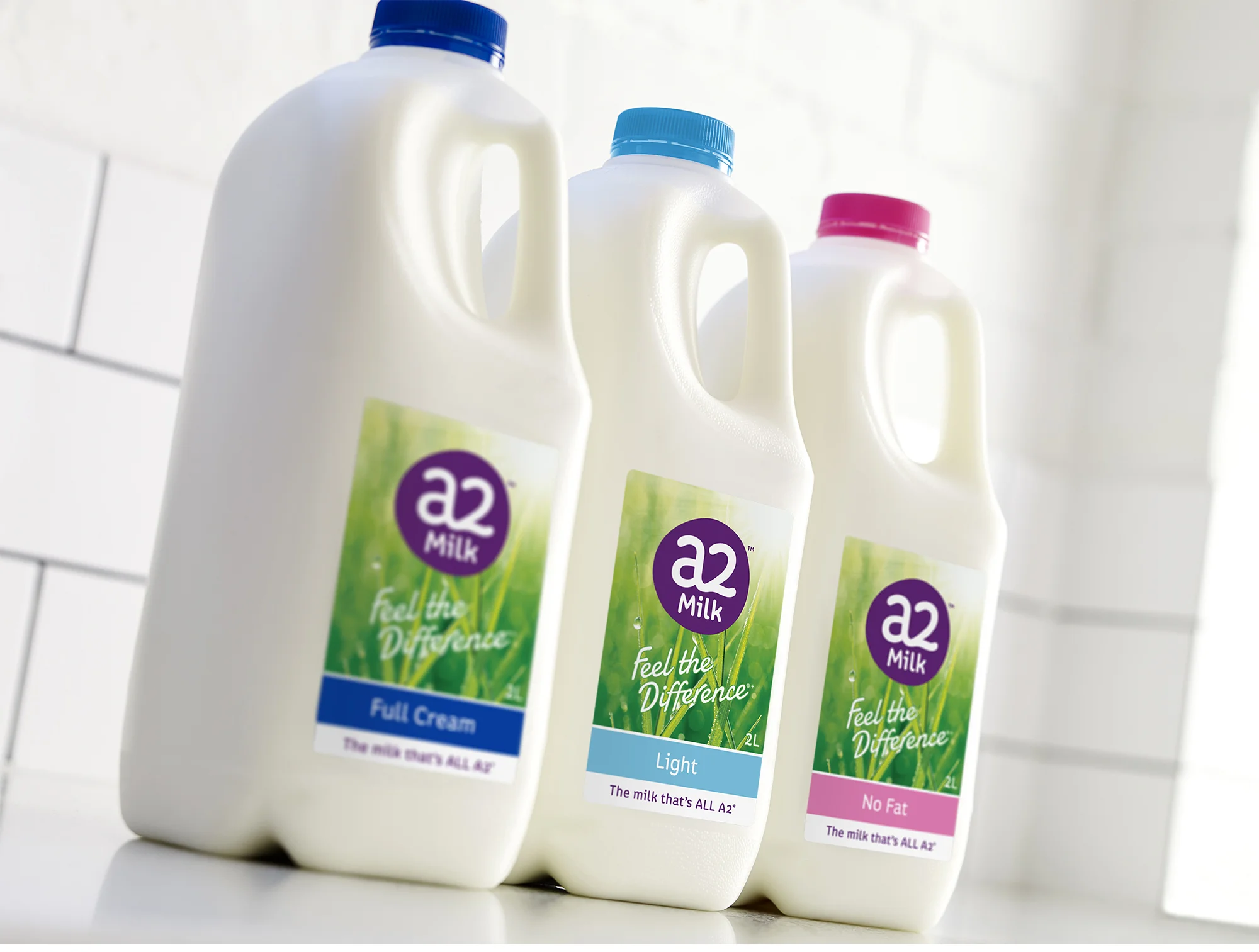
  • A2 Milk Amplifies China Connection: Targets Growth in English-Label Infant Formula Sales

    A2 Milk Amplifies China Connection: Targets Growth in English-Label Infant Formula Sales

    A2 Milk, a renowned dairy company, has expanded its enduring alliance with China State Farm Agribusiness Holding Shanghai Co (CSFA), with the inclusion of English-label (EL) infant formula within the cross-border e-commerce realm.

    Introducing A2 Genesis Product

    The initial focus of the rollout will be on the A2 Genesis product, a premium item in their line-up. Subsequently, other EL formulas, like A2 Platinum, will also be introduced to the market.

    New Agreement Enhances Distribution and Confidence

    In the newly ratified agreement, CSFA will now function as the sole import agent and principal distributor for EL products. This strategic move will allow A2 Milk to improve logistics, strengthen its retail footprint, and utilize the reputation of the state-owned enterprise to reinforce consumer confidence.

    Targeting the HMO Segment

    A2 Genesis was launched in the latter half of this year. This new product targets the rapidly expanding human-milk-oligosaccharide (HMO) sector, with a specific focus on gut health and immunity.

    David Bortolussi, CEO of A2 Milk, described this development as a pivotal component in the company’s China strategy. Meanwhile, Zhang Lei, Chairman of CSFA, portrayed this arrangement as a benchmark of successful collaboration in the dairy nutrition field.

    Expanded Agreement and Recent Acquisition

    The augmented agreement was officially established at the China International Import Expo in Shanghai, after a year of diligent preparation.

    Additionally, in September, A2 Milk successfully concluded its purchase of Yashili New Zealand’s Pokeno nutritional manufacturing facility for $282 million from China’s Mengniu Dairy Group.

    Questions & Answers

    What is the primary focus of A2 Milk’s initial rollout with CSFA?
    The primary focus of the initial rollout will be the premium A2 Genesis product, which targets the rapidly growing HMO sector, with an emphasis on gut health and immunity.

    What is the role of CSFA under the new agreement with A2 Milk?
    Under the new agreement, CSFA will function as the exclusive import agent and principal distributor for EL products, which will help A2 Milk streamline logistics, expand its retail presence, and build consumer confidence.

    What significant acquisition did A2 Milk make recently?
    In September, A2 Milk completed the acquisition of Yashili New Zealand’s Pokeno nutritional manufacturing facility for $282 million from China’s Mengniu Dairy Group.