Retail News CRM

Tag: inflation

  • Vietnams Gold Market Slumps as Global Tensions Stoke Inflation Fears

    Vietnams Gold Market Slumps as Global Tensions Stoke Inflation Fears

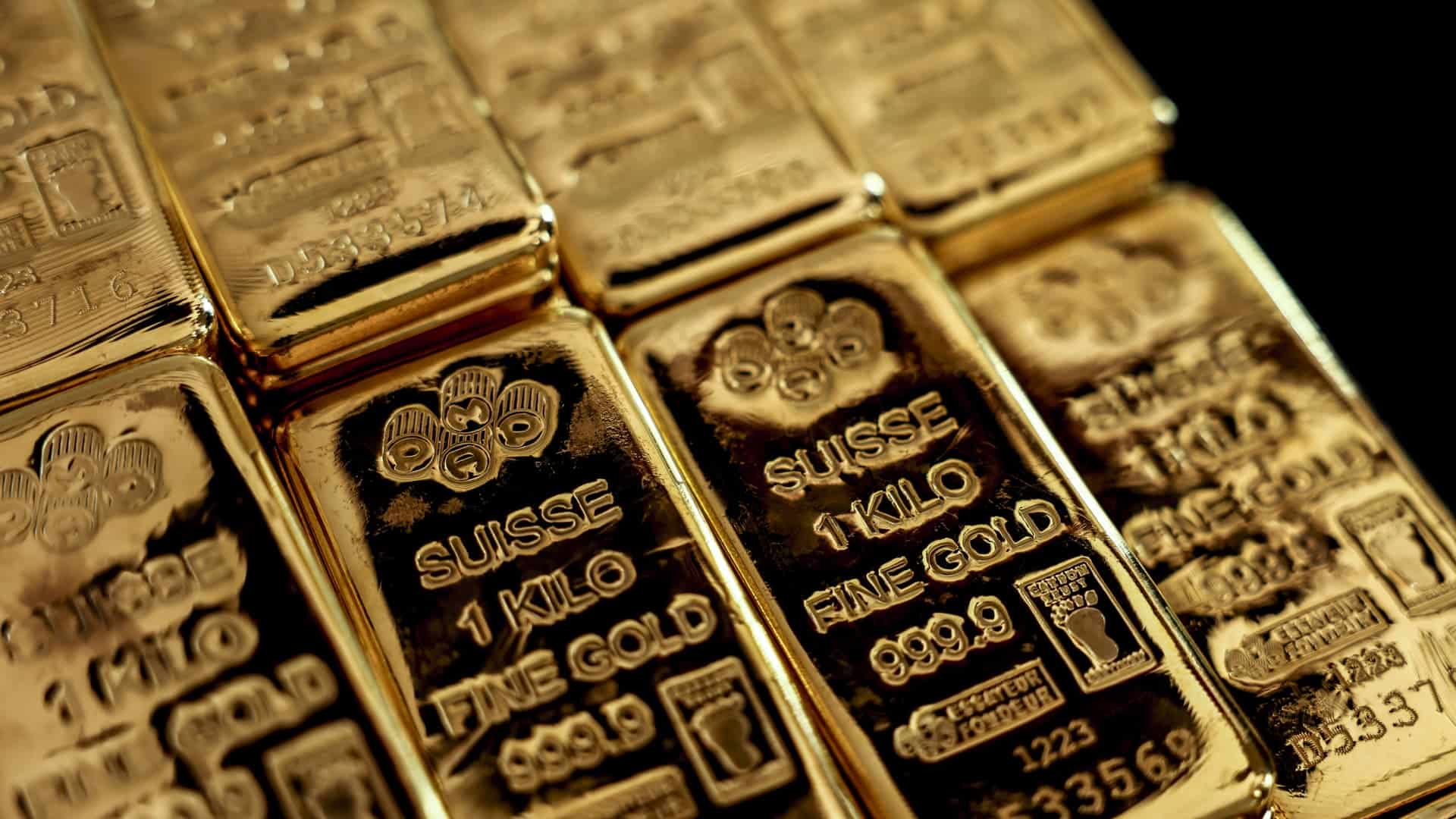
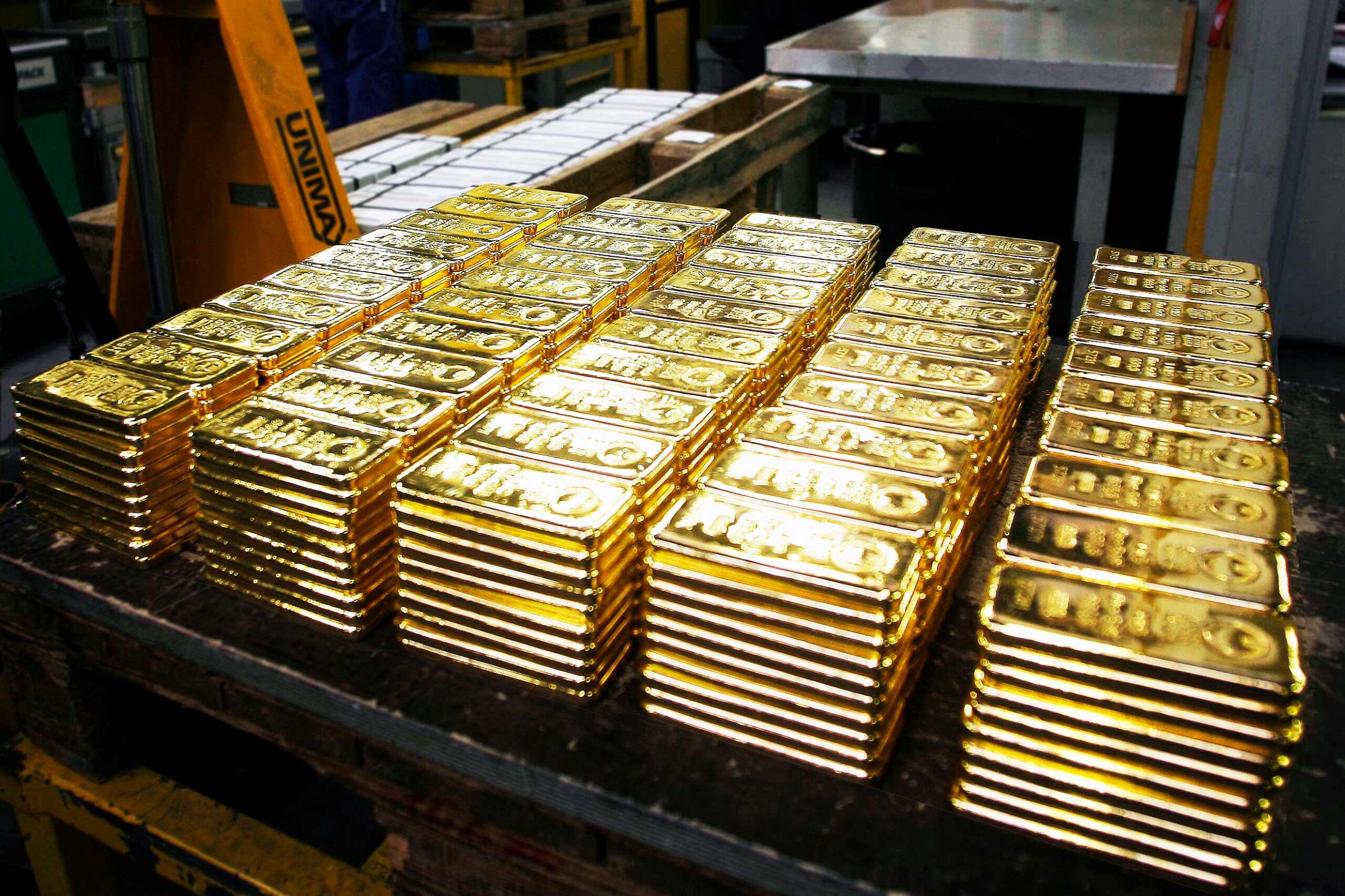
    On Monday afternoon, there was a further decline in the gold prices in Vietnam, following a nearly 1% decrease earlier in the day. The gold bar prices offered by Saigon Jewelry Company experienced a drop of an additional 0.42% from the morning’s price, settling at VND165.2 million (US$6,276.26) per tael, marking a total loss of 1.37% for the day.

    Local bullion prices currently stand at around VND17 million per tael higher than the global gold prices.

    Changes in Gold Ring Prices

    Similarly, the cost of gold rings experienced a decrease in price, dropping at roughly the same rate and settling at VND164.7 million per tael. In Vietnam, a tael is equivalent to 37.5 grams or 1.2 ounces.

    On a global scale, gold prices experienced a 1% decrease on Monday. This was triggered by President Donald Trump’s rejection of Iran’s recent peace proposal, aimed at ending the ongoing conflict in the Middle East. This rejection has led to a heightened fear of inflation and a prolonged period of high interest rates.

    Spot gold saw a decrease of 1% to $4,667.99 per ounce, following a rise of approximately 2% during the previous week. U.S. gold futures for June delivery experienced a loss of 1.1% to stand at $4,677.80.

    The Impact of the Middle East Conflict on Gold Prices

    The failure to reach an agreement to end the Middle East conflict has led to sustained inflation risks and expectations of high-interest rates. This in turn has put pressure on the non-yielding bullion, which has seen a drop of over 11% since the inception of the war in late February.

    According to Han Tan, chief market analyst at Bybit, there could be more downward pressure on gold prices if the U.S. Consumer Price Index (CPI) prints prove to be hotter than anticipated tomorrow. This could force the Federal Reserve to maintain high benchmark rates for an extended period.

    Questions & Answers

    **What is the current price of gold bars offered by Saigon Jewelry Company?**
    The current price per tael is VND165.2 million (US$6,276.26).

    **How much has the price of non-yielding bullion dropped since the start of the war in the Middle East?**
    The price of non-yielding bullion has dropped more than 11% since the war began in late February.

    **How might the U.S. Consumer Price Index impact the price of gold?**
    If the U.S. Consumer Price Index prints come in hotter than expected, it could result in more downward pressure on gold prices, with the Federal Reserve being forced to maintain high benchmark rates for a longer period.

  • Vietnams Gold Plunge Continues Amidst Rising Inflation Concerns and Middle East Tensions

    Vietnams Gold Plunge Continues Amidst Rising Inflation Concerns and Middle East Tensions

    The price of gold in Vietnam continued to decline on Monday, with reductions seen throughout the day following an initial drop of nearly 1% earlier in the day. Saigon Jewelry Company, a prominent gold retailer, noted a further 0.42% decrease in its gold bar price from the morning, ultimately tallying a total loss of 1.37% for the day. The quoted price of gold per tael (equivalent to 37.5 grams or 1.2 ounces) fell to VND165.2 million, equivalent to US$6,276.26.

    Local Rates Versus Global Prices

    In comparison, local gold prices in Vietnam exceed international gold rates by approximately VND17 million per tael. The price of a gold ring also saw a similar decrease, falling to VND164.7 million per tael.

    Internationally, gold prices fell by 1% on Monday in response to escalating geopolitical tensions. The refusal of President Donald Trump to accept Iran’s recent peace proposal to end ongoing conflicts in the Middle East has raised fears of inflation and a continued period of high interest rates. This sentiment has been reflected in the gold market, with spot gold falling to $4,667.99 per ounce following a 2% increase last week. Concurrently, U.S. gold futures for June delivery saw a drop of 1.1%, hitting $4,677.80.

    Market Reactions and Predictions

    Market observers note the significant impact of these geopolitical developments on inflation risks and market expectations. Bybit’s Chief Market Analyst, Han Tan, highlighted that the stalled peace negotiations have weighed heavily on the market’s psyche, maintaining high interest rate expectations and amplifying pressure on non-yielding gold. Since the conflict’s inception in late February, gold has seen a decline of more than 11%.

    Tan further suggested that gold could face additional downward pressure if the U.S. Consumer Price Index (CPI) forecast for the following day proves hotter than anticipated. This situation could necessitate the Federal Reserve maintaining elevated benchmark rates for an extended duration.

    Questions & Answers

    Why did Vietnam’s gold prices drop on Monday?
    The gold prices in Vietnam dropped due to international gold prices falling by 1% in response to increasing geopolitical tensions and the current conflict in the Middle East.

    What are the implications of high inflation and interest rates on the gold market?
    High inflation and interest rates put pressure on non-yielding bullion, causing its price to drop. The gold market has seen a decline of more than 11% since the conflict began in late February.

    What could cause further downward pressure on gold prices?
    If the U.S. Consumer Price Index forecast proves hotter than anticipated, the Federal Reserve may need to maintain elevated benchmark rates for a longer period. This scenario could exert additional downward pressure on gold prices.

  • Gold Prices Tumble Worldwide Amid Oil-Inflated Inflation Fears: How Vietnam is Weathering the Precious Metal Dip

    Gold Prices Tumble Worldwide Amid Oil-Inflated Inflation Fears: How Vietnam is Weathering the Precious Metal Dip

    On Thursday afternoon, gold prices in Vietnam reflected a downward trend, triggered by a global market decline for the precious metal. This drop is linked to fears that escalating oil prices would cause a surge in inflation.

    Gold Bar and Ring Prices Drop

    The Saigon Jewelry Company reported a 1.15% decrease in the price of their gold bars, now valued at VND171.5 million, or US$6,508.79 per tael. To clarify, a tael is equivalent to 37.5 grams or 1.2 ounces.

    In addition, there was a similar 1.15% decrease in the price of gold rings, bringing the associated cost to VND171.3 million per tael. Despite these recent drops, gold prices have seen an overall increase of 12.2% since the start of the year.

    Global Gold Price Decline

    On the international stage, gold prices also fell on Thursday. There are heightened expectations of imminent U.S. Federal Reserve rate hikes this year, primarily sparked by rising oil prices causing concerns about inflation. Investors also awaited clarity on efforts to de-escalate situations in the Middle East.

    Spot gold, in particular, experienced a drop of 1.2%, reducing its price to $4,451.47 per ounce. Concurrently, U.S. gold futures for April delivery saw a decrease of 2.3%, to $4,448.

    According to Ilya Spivak, head of global macro at Tastylive, these changes can be attributed to an acceleration of the perception that inflation, potentially triggered by ongoing conflict, will prompt a response from central banks, leading to higher interest rates.

    Impact on Crude Oil Prices

    Furthermore, Brent crude futures have risen above $100 per barrel due to concerns that ongoing conflict in the Middle East may continue to disrupt energy flows.

    Questions & Answers

    What caused the recent decrease in gold prices in Vietnam?
    The reduction in gold prices can be attributed to concerns that escalating oil costs could lead to inflation, influencing global gold markets.

    How has the ongoing Middle Eastern conflict affected gold and oil prices?
    The ongoing conflict has elevated concerns about potential disruption in energy flows. As a result, Brent crude futures have increased, while anticipation of these disruptions has contributed to a fall in gold prices.

    What are the potential impacts of rising inflation on global gold markets?
    Rising inflation can lead to an increase in interest rates as a reactive measure from central banks, which can result in a decline in gold prices.

  • US Dollar Skyrockets Against Vietnamese Dong Amid Global Inflation Fears and Iran Conflict Developments

    US Dollar Skyrockets Against Vietnamese Dong Amid Global Inflation Fears and Iran Conflict Developments

    On Tuesday morning, the U.S. dollar experienced an unexpected surge against the Vietnamese dong in the black market trading. The greenback appreciated by 0.74%, hitting a record high of VND27,390 at unofficial exchange platforms.

    Maintaining the Rate

    Despite the fluctuation in the black market, Vietcombank decided to keep its exchange rate steady at VND26,321.

    Global Market Influence

    Globally, the behavior of the U.S. dollar was somewhat uncertain on Tuesday. Traders were contemplating the potential implications of the evolving conflict in Iran. Meanwhile, the Australian dollar weakened marginally in anticipation of a potential rate hike by the nation’s central bank later in the day.

    The euro dropped 0.12%, falling to $1.1492 during the Asian trading session. Sterling also declined slightly by 0.1%, trading at $1.33. This slight decrease offset the substantial gains earned during the previous trading session. The dollar index, a measure of the U.S. dollar relative to a basket of foreign currencies, remained relatively stable at 99.913.

    Impact of Surging Oil Prices

    The escalation of oil prices, triggered by the U.S. and Israel’s attack on Iran, has raised concerns about inflation among investors. This anxiety has led to a drastic reevaluation of rate outlooks worldwide. Consequently, the U.S. dollar has appreciated against a majority of global currencies.

    Questions & Answers

    What caused the surge in the U.S. dollar against the Vietnamese dong?
    The surge in the U.S. dollar against the Vietnamese dong was primarily driven by the uncertainty surrounding the Iran conflict and the expected rate hike from Australia’s central bank.

    What was the impact of the surging oil prices on the global currencies?
    The surging oil prices, due to the U.S. and Israel’s attack on Iran, have raised global inflation concerns among investors. This has triggered a significant reevaluation of rate outlooks, strengthening the U.S. dollar against most global currencies.

    How did the euro and sterling perform during the Asian trading session?
    During the Asian trading session, the euro fell 0.12% to $1.1492, and sterling also saw a slight decrease of 0.1%, trading at $1.33.

  • U.S. Dollar Ascends to Year’s High Against Key Currencies Amid Oil Price Surge & Inflation Fears

    U.S. Dollar Ascends to Year’s High Against Key Currencies Amid Oil Price Surge & Inflation Fears

    The United States dollar achieved a rise against the Vietnamese dong on Thursday morning, while concurrently reaching peak levels this year against other major currencies. The Vietnamese bank, Vietcombank, increased the dollar’s rate by 0.01%, setting it at VND26,314.

    Greenback Performance in the Informal Market

    In contrast to its performance with Vietcombank, the US dollar, informally known as the greenback, recorded a slight decline of 0.18% on the informal market, bringing it down to VND27,910.

    The Dollar’s Global Strength

    On the international front, the greenback maintained its position as a safe-haven currency, staying close to its most robust levels of the year. This strength comes in the wake of rising oil prices, which threaten to trigger inflation and compel central banks worldwide to adopt a more bullish policy stance.

    Performance Against Other Currencies

    The euro experienced a minor fall of 0.1% against the greenback, with an early Asian trading rate of $1.1549, which is nearing its lowest level since November.

    Japan’s yen also saw a decline, dipping below the 159-per-dollar mark, with a decrease of up to 0.2% to 159.23. This trend brings the yen close to its weakest level since July 2024.

    Meanwhile, the Australian dollar and the New Zealand dollar each fell by 0.1%, recorded at $0.7148 and $0.5907 respectively.

    Questions & Answers

    What was the performance of the US dollar against the Vietnamese dong?
    The US dollar rose against the Vietnamese dong on Thursday morning.

    How did the greenback perform on the informal market?
    On the informal market, the greenback recorded a slight decline of 0.18%.

    How has the rise in oil prices affected the US dollar?
    The rising oil prices threaten to trigger inflation, which in turn has kept the US dollar close to its strongest levels this year as central banks worldwide may be compelled to adopt a more bullish policy stance.

  • US Dollar Soars to Year’s Peak Against Major Currencies, Dodging Inflation Threats”

    US Dollar Soars to Year’s Peak Against Major Currencies, Dodging Inflation Threats”

    The U.S. dollar experienced a surge against the Vietnamese dong on Thursday morning, while oscillating around its apex value against significant international currencies this year.

    Vietcombank, a prominent banking institution, reported a minor increase of 0.01% in the value of the dollar, selling it at a rate of VND26,314.

    Contrarily, the U.S. dollar dipped slightly by 0.18% to VND27,910 in the unofficial currency exchange market, also known as the black market.

    Thursday witnessed the U.S. dollar, a popular refuge during periods of financial instability, hovering near its most robust position for the year. This trend was driven by the rising oil prices, which are predicted to escalate inflation and compel central banks around the world to espouse more assertive monetary policies.

    In early Asian trading, the euro experienced a slight decline of 0.1% against the dollar, going down to $1.1549. This brought the euro close to its lowest value since November of the previous year.

    Similarly, the Japanese yen saw a momentary fall, surpassing the 159-per-dollar mark. It depreciated as much as 0.2%, reaching 159.23. This puts the yen on the brink of its most diminished value since July 2024.

    The Australian dollar and the New Zealand dollar also observed declines, both slipping by 0.1%, with the former valued at $0.7148 and the latter at $0.5907.

    Questions & Answers

    What factors influenced the rise in the value of the U.S. dollar?
    The uptick in the value of the U.S. dollar can be attributed to the increasing oil prices, which are expected to instigate inflation and cause global central banks to adopt a more aggressive policy stance.

    How did the rise in the U.S dollar affect other major international currencies?
    The rise of the U.S dollar resulted in a slight depreciation of several international currencies such as the Vietnamese dong, the euro, the Japanese yen, the Australian dollar, and the New Zealand dollar.

    What was the selling rate of the U.S. dollar in the black market?
    In the black market, the U.S. dollar saw a nominal decline, with its rate recorded at VND27,910.

  • New Zealand Grapples with Skyrocketing Cheese Prices Amid Rising Food Inflation

    New Zealand Grapples with Skyrocketing Cheese Prices Amid Rising Food Inflation

    Over the past year, food prices in New Zealand have witnessed a substantial rise of 4.7%, an increase from the 4.1% rise recorded in September, as reported by Stats NZ.

    Significant Rise in Grocery Prices

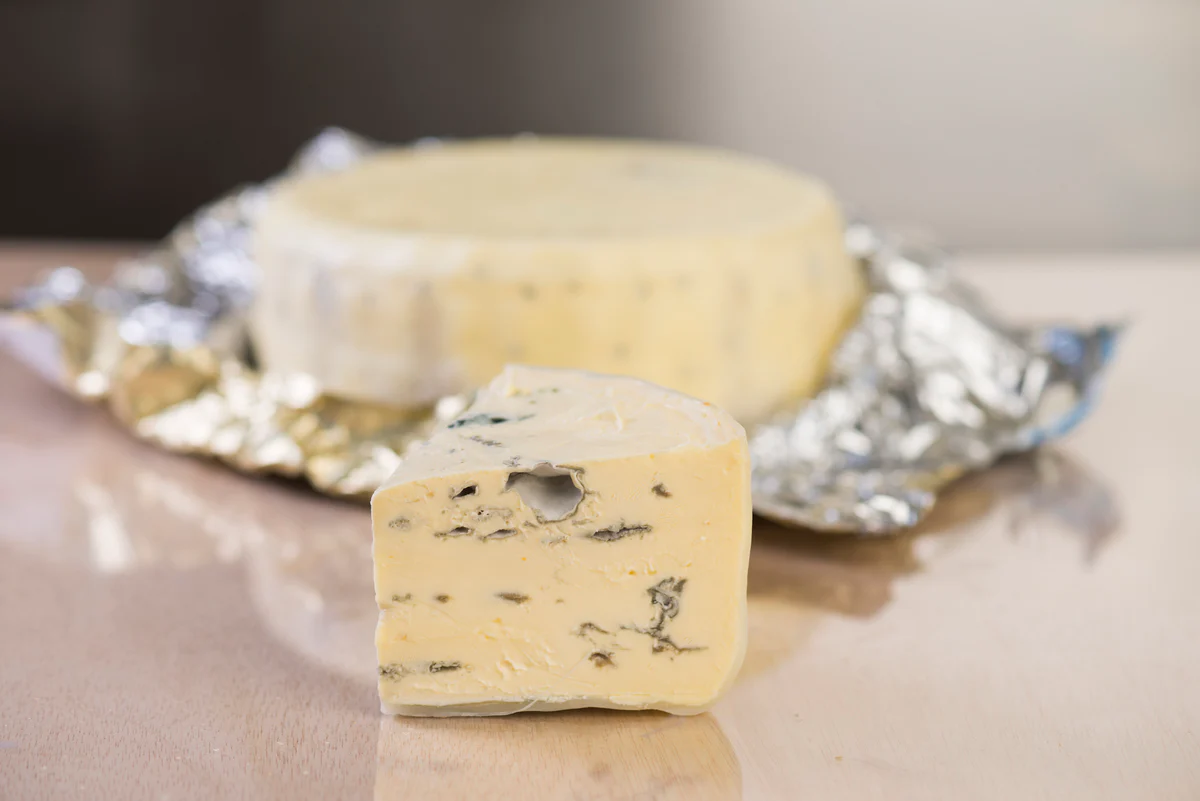
    The hike in food prices has been particularly noticeable in grocery items. A significant 25.5% increase was observed in the price of instant coffee, with an average price of NZ$7.88 (A$6.85) per 100 grams. The price of a 1kg block of cheese also reflected a 30.1% surge, costing $12.71 ($11.05).

    The highest rise was seen in the cost of grocery foods, with an annual increase of 4.9%. This was closely followed by the cost of meats, poultry, and fish, which rose by 7.6%.

    Heightened Dairy and Poultry Prices

    Stats NZ, the national statistical agency, provided additional data on the prices of dairy and poultry products. The average price of a two-litre bottle of milk rose by 13.5% over the year, reaching a price of $4.78 ($4.16).

    Similarly, the cost of a dozen fresh eggs also saw a significant annual increase of 18.5%, with the average price being $9.88 ($8.60).

    Questions & Answers

    What was the overall increase in food prices in New Zealand over the past year?
    Over the past year, there was an overall increase of 4.7% in food prices in New Zealand.

    Which food categories witnessed the highest price increases?
    Grocery food costs saw the highest increase at 4.9%, followed by meats, poultry, and fish prices, which increased by 7.6%.

    What was the price increase for dairy and poultry products?
    The average price of a two-litre bottle of milk increased by 13.5%, while the cost of a dozen fresh eggs saw an 18.5% increase annually.

  • Philippines’ baby food market to shrink by 4.5% annually until 2028

    Philippines’ baby food market to shrink by 4.5% annually until 2028

    The baby food market in the Philippines is expected to decline by 4.5% on average annually to reach $826.7m by 2028 as the government pushes for public access to contraceptives and family planning that resulted in childbirth rates.

    In a report, GlobalData said the rising inflation will also contribute to constraining spending on baby food products.

    “Demographic changes taking place with respect to the baby population and live birth rates, and the government’s measures to restrict the number of births coupled with an increase in the number of working women will contribute to a decline in the Philippines’ baby food market,” said Shraddha Shelke, consumer analyst at GlobalData.

    Within the sector, baby milk was the largest category in terms of value and volume in 2022, with a GlobalData survey showing 47% of 369 respondents saying they spent a very or quite high among on baby milk in the fourth quarter of the year. Around 43% also said they spent a high amount on baby food.

    Per capita expenditure on baby food in the country increased to $267.1 in 2022 from $204.1 in 2017 due to a high inclination for high-quality products, exceeding the regional level of $177.3 and $167.2 globally.

    But as the economy rebounds, following the high inflationary pressures, consumer spending is seen to recover in value sales and reach $271.2 by 2027.

    “The Philippine baby food market’s growth is tied to the economic fortunes of the country. The rising disposable income of Filipino families with babies will stimulate sales of premium and organic baby food products,” the analyst said.

    “To build a stable consumer base in the country amid changing demographic conditions, manufacturers should focus on offering affordable premium baby food products with value-added benefits,” Shraddha added.

  • VinFast ships first electric vehicles to US

    VinFast ships first electric vehicles to US

    VinFast had shipped its first batch of 999 cars to the U.S., capping a five-year bid to develop an auto production hub in Vietnam for markets in North America and Europe.

    The company said that the first cars are expected to be handed over to customers by the end of December.

    VinFast Chief Executive Le Thi Thu Thuy said some of the VF 8 electric SUVs being shipped on Friday would be sent to U.S. car subscription service Autonomy but the majority would go to retail buyers who have ordered the car.

    Thuy said VinFast expected to be able to ship a second batch of cars to the United States, its first export market, around January.

    VinFast is in the process of building an electric vehicle plant in North Carolina that is awaiting final regulatory approval from local officials.

    Thuy said the company expected to start production at the North Carolina factory from July 2024 and that electric vehicles built there would qualify for incentives under the terms of the Inflation Reduction Act signed by U.S. President Joe Biden.

    The Inflation Reduction Act, as currently written, requires automakers to have 50% of critical minerals used in EV batteries come from North America or U.S. allies by 2024, rising to 80% by the end of 2026.

    Major automakers have said those targets are unrealistic and it was not immediately clear how VinFast would meet the sourcing requirements.

    “The IRA came as a surprise to all of us but it doesn’t really impact our strategy in the U.S.,” Thuy told Reuters. “As soon as we start manufacturing cars in the U.S., our customers will be eligible (for) the tax incentive.”

    VinFast said last week that Autonomy had ordered 2,500 electric vehicles, its largest corporate order to date. VinFast has said it has almost 65,000 orders globally in total and expects to sell 750,000 EVs annually by 2026.

    The North Carolina factory project is running months behind schedule, based on the company’s initial targets, and the first shipment of EVs built by VinFast was short of the initial goal to deliver as many as 5,000 cars built at its factory in Haiphong by December.

    VinFast officials said the number 999 for the vehicles shipped in the first batch had been chosen because it is considered a lucky number in Vietnam.

    “There is no luckier number than 999,” Thuy said. The Panamanian-chartered transport ship used to send the first shipment of VinFast EVs had the capacity to carry up to 2,000 vehicles, officials said.

    Shares in VinFast’s listed parent company, Vingroup, which also has property and resort development businesses, were up 5.41% on Friday morning.

  • Rising Inflation and the Risk of Recession

    Rising Inflation and the Risk of Recession

    While various stimulus packages got the global economy through the short-term challenges of COVID-19, they were always going to cause difficulties in the medium term. Inflation has risen and recessions look likely, so how can investors respond effectively?

    The global economic system appeared to cope with the COVID-19 pandemic and its associated lockdowns. Individual policymakers took different approaches to their economies, each of which had different impacts at a micro level and there were winners and losers throughout the process, but, broadly speaking, the wind kept filling the economic sails and countries kept moving forward.

    Inflationary Risk

    Keeping economies buoyant was economically and politically expedient in the short term, but it carried a significant medium-term inflationary risk. The complications created by the events in Ukraine have piled further pressure onto an already fragile structure and as we approach the final quarter of 2022, many countries face levels of inflation not seen since the 1990s.

    There is a very real threat of a global recession in 2023. Traditionally, economic policymakers have used interest rates to bring down inflation, raising them to make it more attractive to hold money in the bank or invest in government bonds rather than keep spending.

    Interest rates have been at historically low levels for the best part of a decade, so there is plenty of scope for them to rise and this is likely to have a significant impact on investment decisions.

    Why is Inflation Important?

    The aim of investment is to either create or preserve wealth, which means that during periods of high inflation, investors need to ensure that their portfolios work harder to stop value from being eroded. The challenge is that inflation impacts different asset classes in different ways.

    Inflation has been very tightly controlled in the developed markets over the last couple of decades, so there is relatively little experience of dealing with it in the markets. Understanding how individual asset classes have responded to periods of high inflation can offer a good gauge for what might be expected to happen during what is set to be a very challenging couple of years.

    How Should Investors React?

    At the same time though, even if it doesn’t evolve into a full-blown recession, smaller companies struggle with cash flow during a downturn no matter how innovative their idea and flexible their setup. In many ways though, it is in the difficult times that ideas are tested, teams are forged and world-beating companies are built.

    This makes investment during challenging times all the more important and can make the potential returns all the more tantalizing.

    Making losses More Manageable

    Most investors have experience with the 60/40 (equity/bond) portfolios but this asset allocation is struggling in 2022. As of August 2022, a balanced portfolio is down close to -15 percent in dollar. When the markets become challenging, it is no secret that diversifying an investment portfolio tends to help spread the risk and potentially make losses more manageable.

    Asset managers such as the team at Petiole Asset Management tend to have access and for many years expertise in a wide array of asset classes in the private markets which can give them a broader view of potential investment opportunities to improve the risk-return profile of their whole portfolio.

    Change, Flexibility and Transparency

    The investment space has obviously changed significantly over the last 15 years, with new digital tools that offer a level of transparency and of reporting that would have been inconceivable a generation ago. These tools enable investors of all sizes to be far more inventive and flexible in their approach to their private asset portfolios.

    In a lot of ways, investing is like sailing a yacht: with a little practice, most people can quite happily take a boat around a calm bay on a clear day with a light wind and get something positive from the experience. If conditions change though, the skies darken and the wind picks up, then the inexperienced can quickly find themselves in trouble.

    And it doesn’t take years of experience to see that going into the financial markets is likely to be very challenging for at least the next year.

  • EU Looking to Lock Switzerland Out

    EU Looking to Lock Switzerland Out

    High inflation in the EU area and geopolitical uncertainties are some reasons why Europeans move assets to Switzerland. Yet as the country drifts further away from Brussels, going after these clients could become more complicated.

    Swiss banks are not allowed to proactively solicit clients in Europe unless they have a branch in the respective market.

    However, for many institutions, such as private banks and independent wealth managers, a second branch in Italy or France is, economically speaking, not worthwhile and does not fit with the business models of these institutions.

    The EU countries who have adopted this protectionist stance, do so in favor of their own banks. By contrast, Germany has made a special concession, allowing banks from third countries – such as Switzerland – a so-called exemption.

    The condition for this deal is that financial institutions adhere to certain regulations and are well supervised in their home country. It is precisely this special arrangement, of key importance to several Swiss private banks, that is under threat, as the Neue Zuercher Zeitung.

    The reason being that the EU wants to further harmonize its banking supervision. So far, only Europe’s large financial houses are monitored uniformly, while smaller houses are subject to national supervision; this explains the different practices in Germany and Italy, for example, with regard to banks from third countries.

    The EU project is now aimed at standardization, which would ban special regulations for individual countries. The driving force behind this development is France, which is primarily against the predominance of Anglo-Saxon banks on its own turf.

    Although Switzerland plays only a secondary role in the French market, if such a procedure is rolled out in other countries, it would be a harsh verdict for many Swiss private banks.

    After all, business with German clients is still lucrative and growing strongly. Estimates by the international consulting firm Boston Consulting Group (BCG) suggest that clients from the EU region and Great Britain have a good 1,000 billion Swiss francs managed by Swiss financial institutions, which employs 20,000 people at local banks and generates tax revenues of around 1.5 billion francs, as the Swiss Bankers Association (SBA) recently calculated.

    The prospect of Switzerland obtaining an exclusive arrangement with the EU is also unlikely. Ultimately, any agreement depends on political willingness within the EU and after Switzerland broke off its discussions to forge an over-arching treaty the EU last year, this willingness is not great.

    Although Germany, Spain and Holland were successful in getting France to omit article 21c – which is responsible for stifling foreign banks – from the plan, observers agree that sooner or later the Paris-based European Banking Authority will bring it back to the agenda.

  • Gasoline pushes May inflation to 2.86 pct

    Gasoline pushes May inflation to 2.86 pct

    A surge in the prices of gasoline, food and some other goods has sent the consumer price index rising by 2.86 percent year-on-year in May.

    Global gasoline prices went up while the rising costs of raw materials and ingredients pushed up food prices, according to the General Statistics Office.

    The monthly rise in prices was 0.38 percent with culture, tourism and entertainment products rising by 0.74 percent as travel demand recovered.

    Inflation in the first five months was 2.25 percent as against 1.29 percent in the same period last year.

    Standard Chartered Bank expects full-year inflation of 4.2 percent in 2022 and 5.5 percent in 2023.

    Several economists have also said it would be difficult to contain inflation below the targeted 4 percent rate due to higher prices, especially of gasoline, caused by war in Ukraine.

    Inflation was 1.8 percent last year, the lowest in six years.

  • Rabobank sounds warning of food price inflation

    Rabobank sounds warning of food price inflation

    The current tremendous inflationary pressure on the cost base of virtually every food producer has yet to be absorbed further downstream in the supply chain. Will it be the consumer, the food retailer, or the foodservice operator that ultimately picks up the bill? Or will the problem be pushed back into the chain?

    Inflation in itself is not necessarily a bad thing, according to Rabobank’s chief macroeconomist – as long as everyone expects and calculates with the same inflation rate, that is. Well, the current cost inflation in food was definitely not modeled for and is unprecedented. Apart from maybe depreciation, virtually every cost line in the P&L is experiencing upward pressure. Whether it is agri commodities, packaging, transport, energy, or personnel costs, all have shown a massive price increase. And relief is nowhere in sight in the short term. Part of the cost increases even have a structural nature, as supply chains are shifting from ‘just in time’ to ‘just in case.’

    The exact magnitude of the cost inflation is difficult to gauge. Supplies are often covered by contracts, so the actual contracted prices and timing of contract renewals will differ from company to company. Moreover, the cost inflation a company experience depends on the type of products it produces, which raw materials are used, and where products are sourced. A bakery company will have more issues with the gas price, whereas a beer company will monitor glass and aluminum prices more closely, and a nut trader has to deal with the 822% price hike in container prices from Asia.

    So, rather than focusing on the cost itself, we have asked a broad range of suppliers throughout Europe how much they would have to raise their prices to food retailers and foodservice operators in order to cover their exploded cost base. The answers ranged from 0% up to 30% or more. On average, suppliers are looking for about 9% to 10% higher prices (PPI) toward retailers and foodservice companies to cope with the inflated costs. One thing is for sure, given the average operating margins in food production, not many producers will be able to absorb the cost inflation in their own operation. Many producers made it abundantly clear that subsidizing their products was not an option, so negotiations will be tough this autumn.

    Whatever You Do, Don’t Blink First

    The obvious next question is: What will food retailers do? Given the operational leverage in their business model, passing through any price inflation is in the best interest of supermarket organizations – in theory, that is. Food retailers across Europe are active in highly competitive markets. Being first to raise consumer prices would likely be detrimental to a retailer’s reputation and, if competition holds out long enough, also to sales volumes and market share. Also, the food retailer’s profit margin would not suffice to absorb a 10% higher cost of goods sold bill.

    It will be a matter of closely monitoring competition, timing any consumer price hikes carefully (preferably later than competitors), and weighing how much of the cost inflation can be absorbed without aggravating the stock market, shareholders, or co-op members. History provides ambivalent clues as to how supermarkets have dealt with previous inflation peaks.

    Looking back some 20 years, we have seen the cost base and producer prices in the EU-27 peak before, in 2007/08 and 2010/11. In the first cost rally, food retailers benefited from a favorable economic climate – just ahead of the financial crisis – and clearly decided to pass most of the inflation on to the consumer (CPI) with a limited delay. In 2010/11, the financial crisis and associated tax increases took a toll on consumers’ wallets, and, consequently, food retailers were much more cautious in how much and when they raised the prices on their shelves. Whether the economic climate in today’s market reflects 2007/08 more or the broader inflation experienced outside food more closely resembles the 2010/11 consumer is the million dollar question.

    In order to calculate an index representing the cost inflation of food producers, we have constructed a cost base of a nonexistent, average food company that uses the FAO food stuff index as agricultural raw materials (40% of costs), the Eurostat energy index representing transport, production, and packaging (30% of costs), and the Eurostat labor cost index for all staff-related costs in production, sales, marketing and, administration (30% of costs).

    The Worst Is Yet to Come for the Consumer

    Given that neither the food producer nor the food retailer are able or willing to absorb the cost price inflation in full, the consumer will likely be confronted with higher grocery prices sometime in the early months of 2022, though not necessarily in one go. Food retailers may choose to raise consumer prices in phases in order not to upset the consumer too much.

    The good news for most consumers is that they have means to circumvent that inflation in their budgets by trading down to cheaper products or cheaper channels: buying ground beef instead of steaks, opting for private label products instead of brands, shopping at hard discount instead of full-service supermarkets, or having dinner in a QSR outlet rather than a fast-casual restaurant.

    To make it more complicated, this trading down by the consumer may trigger substantial volume shifts in demand, which both food producers and food retailers will need to factor into their decisions on how to deal with the unprecedented inflationary pressure.
  • Inflation rate lowest in five years

    Inflation rate lowest in five years

    Vietnam’s inflation rate in the first 10 months was 1.81 percent, the lowest since 2016.

    In October alone, inflation fell 0.2 percent from September, as lifted restrictions in localities help boost goods transport and reduce stockpiling demand, General Statistics Office reported.

    Demand for electricity and water also fell as the country transitioned from summer to fall while decreasing rents also contributed to lower inflation, it added.

    Gold prices fell 0.21 percent from September as global rates dropped.

    Vietnam targets to keep inflation rise under 4 percent this year.

  • Inflation in Vietnam likely to be below 3 pct this year

    Inflation in Vietnam likely to be below 3 pct this year

    Inflation this year is likely to be 2.5-3 percent, well below the target of 4 percent set by the National Assembly, due to low consumer demand, analysts said.

    Global prices of strategic materials are likely to climb in the next few months due to geopolitical tensions and Covid-19, but food and foodstuff prices in Vietnam are expected to remain stable due to strong supply and weak demand, the Ministry of Finance’s price management department said at a seminar on the price and market situation on Friday.

    The consumer price index (CPI) was up 1.47 percent year-on-year in the first half of the year, its slowest rise since 2016, according to the General Statistics Office.

    The prices of some foodstuffs like pork and chicken fell, while those of petrol and commodities rose sharply.

    Nguyen Ba Minh, head of the Institute of Economics and Finance, said the CPI would rise by some 2.5 percent this year.

    Le Quoc Phuong, former deputy director of the Vietnam Trade and Industry Information Center, too expected inflation to be below 3 percent.

    Dinh Trong Thinh, an economist at the institute, said if the Covid-19 situation worsens, and Vietnam’s economy grows at 6.8-7 percent in the second half of this year, inflation would be 3.3-3.5 percent.

    If the economy grows at 7-7.4 percent, the inflation would be 3.8-4 percent, he said.

    The government expects growth of 6-6.5 percent in the second half this year depending on the Covid situation.