Tag: innovative

  • Revolutionizing Employee Health: LivWell Broadens Wellness Ecosystem in Vietnam with Innovative InsurTech Solutions

    Revolutionizing Employee Health: LivWell Broadens Wellness Ecosystem in Vietnam with Innovative InsurTech Solutions

    LivWell, a leading Singapore-based InsurTech firm, has announced plans to broaden its OneHealth employee benefits scheme in Vietnam. The expansion includes the development of specialized insurance solutions, focused on various health conditions.

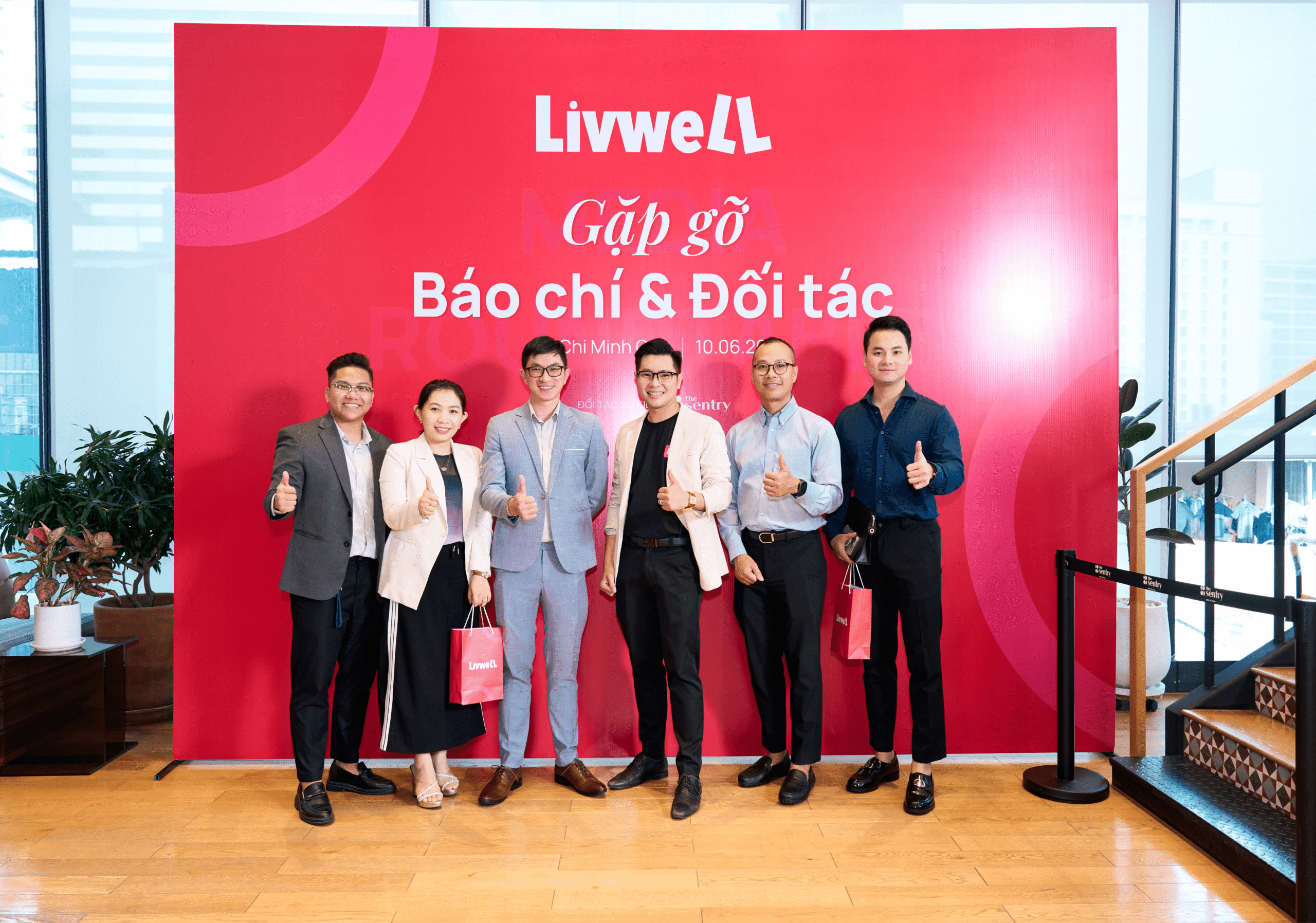
    The company’s decision to expand its services and offerings was announced during a strategic conference held in Ho Chi Minh City, where LivWell also revealed new partnership agreements with InSmart and DiaB.

    Revolutionising Health and Wellness Benefits

    LivWell aims to transform OneHealth from a traditional employee benefits solution, primarily focused on medical expense reimbursement, into a comprehensive healthcare platform. This integrated platform is aimed at consolidating preventive care, financial protection and long-term health support.

    This all-inclusive platform combines numerous elements of health, including insurance, healthcare services, wellness incentive programs, and health monitoring tools, all within a single application.

    For employers, OneHealth delivers a unified view of workforce health and benefits utilization, aiding benefits management. Meanwhile, employees can use the LivWell app to monitor their health indicators while availing themselves of health screenings, workplace wellness activities, and healthcare services.

    Emphasizing the need for proactive health management, Nikhil Verma, Co-Founder and Group CEO of LivWell, said, “We aim to help organizations cultivate healthier workplaces where health is proactively managed and every employee gets the necessary support throughout their wellness journey.”

    Enhancing Workplace Productivity and Reducing Out-of-Pocket Expenses

    LivWell cited studies to illustrate that a staggering 70% of adults believe wellness programs boost workplace productivity. However, Vietnamese households continue to pay nearly 39.5-40% of healthcare expenses out of pocket, despite having public and private health coverage. This figure starkly contrasts with the World Health Organization’s recommended out-of-pocket expenses in the range of 15-20%.

    LivWell’s partnerships with InSmart and DiaB aim to address these issues. The collaboration allows users to submit insurance claims and monitor benefits through the LivWell app, in addition to providing remote consultations, personalized nutrition guidance, and chronic disease management services.

    Additionally, LivWell announced plans to create insurance products specifically for individuals with certain health conditions, starting with cancer. Noting the financial burden of cancer treatment, the company mentioned that patients often pay up to 70% of the treatment cost by themselves.

    Balakrishnan Ambat, Co-Founder and CEO of LivWell Vietnam, reiterated the company’s commitment to not only providing for treatment costs but also encouraging healthier lifestyles to prevent illness.

    LivWell’s expanded ecosystem and future condition-focused insurance products intend to contribute to the evolution of employee health benefits in Vietnam, by aiding businesses in investing in workforce wellbeing and expanding access to healthcare services throughout different life stages.

    Since 2020, LivWell has served over 320,000 users and supported more than 450 businesses, including small and medium-sized enterprises, with employee benefits and wellness programs.

    Questions & Answers

    What is LivWell’s OneHealth?
    OneHealth is an employee benefits solution by LivWell. The company plans to transform it into a comprehensive healthcare platform integrating preventive care, financial protection, and long-term health support.

    What are some of the features of the OneHealth platform?
    OneHealth combines health insurance, healthcare services, wellness incentive programs, and health monitoring tools within a single application. It provides employees with health screenings, workplace wellness activities, and healthcare services.

    What is the aim of LivWell’s partnerships with InSmart and DiaB?
    The collaborations with InSmart and DiaB will allow users to submit insurance claims and monitor benefits through the LivWell app. They will also provide remote consultations, personalized nutrition guidance, and chronic disease management services.


  • FamilyMart Revolutionizes Retail with Innovative Flagship Store Concept in Tokyo

    FamilyMart Revolutionizes Retail with Innovative Flagship Store Concept in Tokyo

    FamilyMart, Japan’s widely recognized retailer, has launched its first Famima flagship store in Tokyo, marking a significant reimagining of the conventional convenience store as the company gears up for its 45th anniversary.

    FamilyMart’s Next Generation Retail

    Located in Tokyo’s upscale Azabudai district, the 217sqm store is a striking deviation from the traditional convenience store model. It features a unique blend of convenience, lifestyle products, and fashion; an official unveiling of a fresh retail concept. The new store boasts a ‘Convenience Wear’ apparel section, interactive styling tools, and exclusive merchandise. It also provides multilingual support to cater to a diverse customer base.

    The store design goes beyond the indoors, featuring outdoor seating areas, a rooftop garden, and even a takeaway counter.

    This innovative venture is part of FamilyMart’s ‘Next FamilyMart Project,’ an initiative aimed at experimenting with novel store formats, merchandising approaches, and customer experiences, with the potential for successful concepts to be implemented more broadly in the market.

    FamilyMart’s Collaboration and Expansion Strategy

    The store’s concept was conceived in partnership with renowned Japanese creative director Nigo. This collaboration underscores FamilyMart’s growing emphasis on delivering an experience-focused retail model that expertly melds lifestyle products, fashion, and design with the retailer’s staple convenience offerings.

    FamilyMart is expanding its intellectual property strategy with the introduction of a new Famima brand character. Merchandise featuring the new character is making its debut at the flagship store, with plans for a wider rollout across Japan in the future.

    Insights gleaned from the flagship store in Tokyo will influence future store expansions, with the expectation of gradually introducing selected concepts to FamilyMart’s nationwide network.

    FamilyMart’s representative director and president, Tatsuo Odani, stated, “Our new Famima initiative aims to unlock the full potential of convenience stores and bring it to life. Transformation and evolution, with a view to the future, will be necessary for sustained growth. Through collaboration with creators, we aim to infuse even more creativity, enjoyment, and excitement into the convenience store experience.”

    This initiative represents FamilyMart’s broader strategy to redefine the convenience store model in response to evolving customer expectations that extend beyond speed and accessibility to more distinct and unique retail experiences.

    Questions & Answers

    What is the Next FamilyMart Project?
    This is FamilyMart’s initiative to test new store formats, merchandising approaches, and customer experiences that could later be implemented across the market.

    What does the new Famima flagship store offer?
    The store offers a unique blend of lifestyle products, fashion, and convenience, featuring a ‘Convenience Wear’ apparel section, interactive styling tools, exclusive merchandise, outdoor seating, a rooftop garden, and a takeaway counter.

    What’s new about FamilyMart’s intellectual property strategy?
    FamilyMart has introduced a new Famima brand character as part of an expanded intellectual property strategy. Character-themed merchandise has debuted at the flagship store with plans for a broader rollout across Japan in the future.

  • SM Home Revolutionizes Retail with Innovative Store Concept in Makati Flagship Overhaul

    SM Home Revolutionizes Retail with Innovative Store Concept in Makati Flagship Overhaul

    SM Home, the popular home and living subsidiary of Philippine retail giant SM, is set to unveil its freshly redesigned Makati flagship store this week. This debut also marks the commencement of a wider overhaul of SM Home’s retail format.

    Innovation in Store Design

    The Makati branch is the pioneer location to be revamped under SM Home’s novel framework, with plans to apply the same blueprint to SM Home Aura and SM Home Megamall stores in the near future.

    The redesigned stores feature a meticulously reconfigured layout, segmenting the store into dedicated zones for kitchen, dining, living, bedroom, bathroom, storage, laundry, cleaning, and a gift registry. This restructure aims to offer a streamlined, efficient shopping experience for customers.

    Beyond Visual Appeal

    Janice Yang, Business Unit Head at SM Home, emphasized that the modifications extend beyond mere aesthetic enhancements. These changes include thorough product curation, brand identity revamp, and a comprehensive transformation of the overall in-store experience.

    The innovative concept keenly blends core household essentials with more “aspirational products”. This fusion allows customers to make everyday purchases and more significant, higher-value investments within a single retail environment.

    Commitment to Customer Satisfaction

    Yang added, “We are rebuilding SM Home, starting with Makati, because Filipinos deserve a home store that is built for real life.” This statement resonates with SM Home’s commitment to offering its customers a retail experience tailored to their real-life needs and preferences.

    With over 70 nationwide locations, SM Home aims to gradually extend this novel retail format to its other stores nationwide.

    Questions & Answers

    What is the new store layout of SM Home’s redesigned stores?
    The newly designed stores are divided into dedicated zones for kitchen, dining, living, bedroom, bathroom, storage, laundry, cleaning, and a gift registry.

    What changes were made in the SM Home’s store redesign?
    The redesign includes a complete overhaul of the store layout, product curation, brand identity revamp, and an overall transformation of the in-store experience.

    What is the objective behind SM Home’s store redesign?
    SM Home aims to offer Filipinos a home store experience that is built for real life, combining everyday household essentials and higher-value aspirational products in a single retail environment.

  • Bonia Transforms Shopping Experience with Innovative Store Design in Kuala Lumpur

    Bonia Transforms Shopping Experience with Innovative Store Design in Kuala Lumpur

    Malaysia’s lifestyle brand Bonia has launched a flagship store in Kuala Lumpur, revealing a unique retail concept that combines customer engagement and innovative spatial design.

    Exterior and Interior Design

    The new store boasts a colonnade-style exterior adorned with red brick tiles, reminiscent of traditional street architecture. Inside, the space showcases a layout composed of four interconnected rooms, each revolving around a major display area. This design offers a more immersive and easily navigable shopping experience to the customers.

    Distinct Functional Spaces

    Each room within the store is assigned a unique function. Some of the areas draw inspiration from different environments, such as a library, dressing room, and lounge. The transition between these distinct spaces is marked by varying color schemes, including hues of red, orange, and terracotta.

    A New Retail Concept

    Bonia’s concept aims to make the retail environment more interactive. This is achieved by merging product presentations with flexible design elements. The brand’s focus on creating a dynamic and engaging retail experience is clearly reflected in this innovative approach.

    The opening of the Kuala Lumpur store comes in the wake of Bonia’s international expansions, notably in Vietnam. However, the company had to withdraw a joint venture in the country earlier, following a provision for losses amounting to US$1.3 million.

    Questions & Answers

    What is the unique concept of Bonia’s new store in Kuala Lumpur?
    The store integrates customer engagement with innovative spatial design, creating a dynamic and immersive shopping experience.

    How is the interior of the Bonia store structured?
    The store’s interior comprises four interconnected rooms, each assigned a unique function and theme. The rooms are designed to resemble a library, dressing room, and lounge, among others.

    What led to Bonia’s earlier withdrawal from a joint venture in Vietnam?
    Bonia had to exit a joint venture in Vietnam due to a provision for losses which amounted to US$1.3 million.

  • Revolutionizing Retail: Australia’s Innovative In-Store Avocado Ripeness Scanner Trial

    Revolutionizing Retail: Australia’s Innovative In-Store Avocado Ripeness Scanner Trial

    In the competitive world of retail, customer satisfaction is key, and the avocado industry is no exception. A common issue faced by both retailers and consumers is determining the ripeness of an avocado on a supermarket shelf. Avocados Australia, an industry association, has introduced a potential solution to this problem – an in-store ripeness scanner.

    Understanding Customer Frustration

    According to John Tyas, the CEO of Avocados Australia, one of the major frustrations faced by consumers is identifying the ripeness of an avocado. This is important because approximately 75% of consumers want to buy avocados that are ready to be eaten within two days. Tyas believes that helping consumers with this selection process can enhance their eating experiences, minimize bruising of the fruit, and strengthen the overall trust in Australian avocados.

    The Ripeness Scanner

    The ripeness scanner aims to minimize the physical handling of avocados, which often leads to bruising. Data shows that about 47% of consumers handle three or more avocados before making a purchase, resulting in product loss for both growers and retailers. The scanner, developed by the Dutch agri-tech firm OneThird, not only reduces the need for physical handling but also prevents potential damage to the fruit.

    The scanner utilizes near-infrared (NIR) spectroscopy to assess the firmness of the fruit without causing damage, thereby helping to estimate the fruit’s readiness for consumption. The device also provides storage guidance to help consumers make informed purchase decisions. This technology has undergone trials in Europe and Thailand, where it was well-received by retailers and customers.

    Benefits for the Supply Chain

    Beyond consumer use, the ripeness scanner provides retailers with valuable data on in-store conditions and purchasing patterns. This information, which includes metrics on shelf ripeness, purchasing behavior, and peak periods, can be used to optimize merchandising, inventory management, and waste reduction efforts.

    The early results are promising, with the device being used for approximately 45% of avocado sales per week in participating stores. The accompanying platform provides fresh produce managers with data to monitor product condition and support efficient stock management.

    John Tyas further emphasized that the Australian avocado industry is committed to investing in research and development to continually enhance product quality and improve the consumer experience.

    Questions & Answers

    What is the purpose of the avocado ripeness scanner?
    The scanner helps consumers select ripe avocados, reduces fruit handling and bruising, and enhances the overall shopping experience.

    How does the ripeness scanner work?
    The scanner uses near-infrared spectroscopy to assess the firmness of the fruit without causing damage. It also provides storage guidance to consumers.

    What additional benefits does the ripeness scanner provide to retailers?
    The scanner provides data on in-store conditions and purchasing patterns, which can be used to support merchandising, inventory management, and waste reduction efforts.

  • Experience the Future of Retail: 7-Eleven Opens Innovative Concept Store in Hong Kong’s Kai Tak Sports Park

    Experience the Future of Retail: 7-Eleven Opens Innovative Concept Store in Hong Kong’s Kai Tak Sports Park

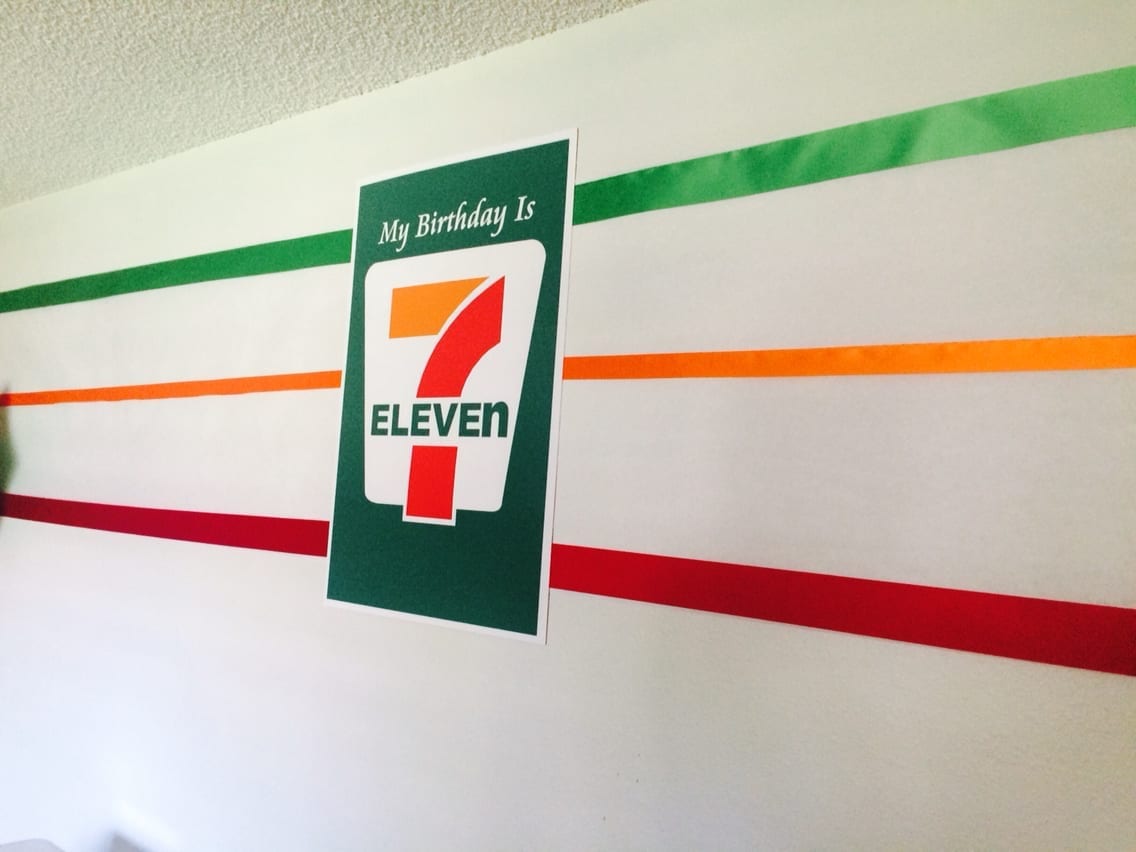
    7-Eleven Hong Kong has recently unveiled an innovative concept store within the boundaries of the burgeoning lifestyle and sports center, Kai Tak Sports Park. This modernized store model breaks the mold of traditional convenience store layouts and aims to offer a unique experience to its patrons.

    Creating a Unique Customer Experience

    The new 7-Eleven store, with a larger floor space, is designed to serve both the local residents and tourists visiting the Sports Park. It retains the essential convenience aspect that 7-Eleven is known for, while incorporating new features to encourage shoppers to spend more time exploring the store.

    The store is pushing the boundaries of its traditional merchandise range, now featuring stylish collectibles, toys, and the increasingly popular blind boxes, in addition to its standard ready-to-eat hot food and 7Cafe items.

    Themed Zones: A New Addition

    In an effort to diversify the shopping experience, the store layout incorporates a series of themed zones. One such zone is the Fun Zone, which caters specifically to K-pop enthusiasts with a selection of idol merchandise and collectible card machines. Another noteworthy addition is the Pet Zone, which offers a variety of pet accessories, snacks, and even a chilled gourmet pet cake line from Lifetastic Petisserie.

    Patrick Lui, Managing Director of 7-Eleven Hong Kong and Macau at DFI Retail Group, spoke enthusiastically about the new store format: “This new opening represents another progressive step for 7-Eleven Hong Kong in our ongoing quest to remain on trend, relevant, and closely engaged with our customers. We’re extremely grateful to our entire team for helping bring this concept to fruition. For those who haven’t yet visited, we invite you to come and experience it for yourself!”

    Aligning with Broader Business Strategy

    The launch of this concept store aligns with 7-Eleven Hong Kong’s broader business strategy to combine everyday convenience with an expanded product range and an experiential retail environment, in response to the changing consumer expectations.

    Looking beyond the borders of Hong Kong, 7-Eleven in the United States is also advancing at a rapid pace. The company has plans to open 1300 new stores by 2030, reinforcing foodservice as a key area for future development.

    Questions & Answers

    What is unique about the concept store that 7-Eleven Hong Kong has opened?
    The new store offers an enhanced shopping experience with expanded merchandise categories, introducing themed zones like the Fun Zone and Pet Zone for a more engaging customer experience.

    How does the concept store align with 7-Eleven’s broader strategy?
    The concept store is part of 7-Eleven Hong Kong’s broader strategy to meet evolving consumer expectations by blending usual convenience with a wider product mix and incorporating experiential retail elements.

    What are 7-Eleven’s growth plans in the United States?
    In the United States, 7-Eleven plans to open 1300 new stores by the year 2030, with a strong emphasis on expanding its foodservice offerings.

  • Jago Coffee: Indonesia’s Innovative Cart Startup Brews Up $12M in Latest Funding Round

    Jago Coffee: Indonesia’s Innovative Cart Startup Brews Up $12M in Latest Funding Round

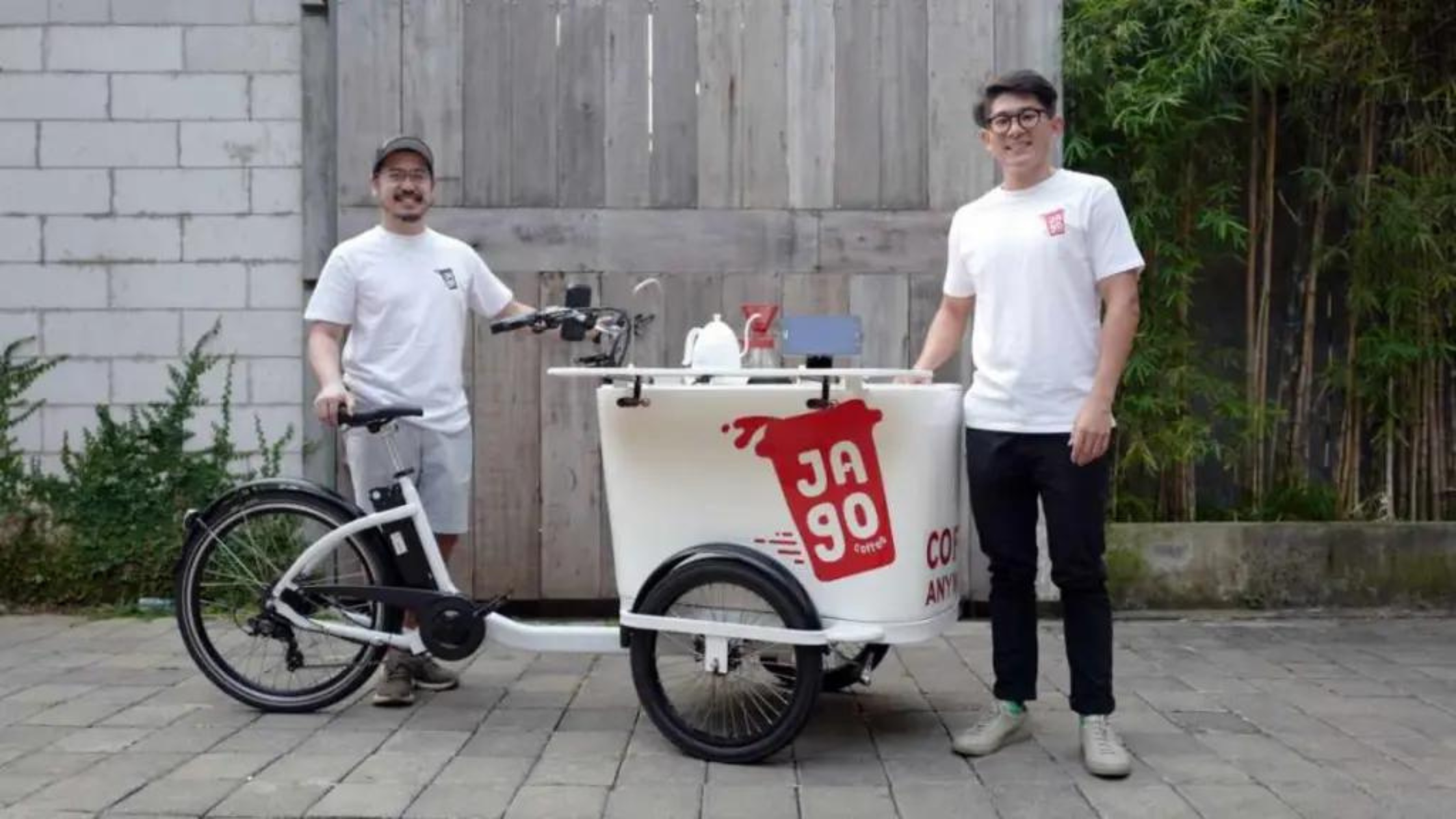
    Jago Coffee, an Indonesian mobile coffee service, recently raised $12 million in a Series B funding round bringing its total capital to over $20 million. The company is known for dispensing reasonably priced beverages from fully electric carts, making it an accessible option for a broad range of consumers.

    Funding Details

    The primary investors in the recent funding round were Beenext, alongside other contributors such as Intudo Ventures and Orzon Ventures. The infusion of capital is planned to support and accelerate the company’s expansion efforts, despite the recent financial figures indicating an increase in losses alongside growing revenue.

    Jago’s Unique Approach

    Jago Coffee has a unique business model that aligns closely with local street vendor practices. The company operates fully electric carts and offers coffee that is affordable, with prices starting at approximately $0.50. This approach makes its service accessible to a large segment of consumers.

    The company has also invested in technology, developing its own tech stack. This includes the use of machine learning to pinpoint potential areas for expansion. The company also prides itself on its dedicated applications for both baristas and customers, further enhancing its service delivery.

    Growth and Financial Performance

    Despite the challenges, Jago has experienced significant growth. There was a more than thirteenfold increase in size in 2023. Moreover, the company reported a 17% rise in revenue in December 2024. However, it should be noted that during the same period, the company’s losses more than doubled.

    This investment in Jago indicates a shift in the venture capital landscape. Investors are becoming more interested in companies that use software to manage local, physical operations, rather than placing their sole focus on digital products.

    Questions & Answers

    What is Jago Coffee’s business model?

    Jago Coffee operates fully electric carts, similar to local street vendors, to deliver affordable coffee to a mass market of consumers.

    How much has Jago Coffee raised in its recent Series B funding round?

    Jago Coffee has recently raised $12 million in a Series B funding round.

    How is venture capital shifting in relation to companies like Jago Coffee?

    Investors are increasingly interested in businesses that use software to manage physical, local operations, as opposed to focusing solely on digital products.

  • HPE Partners with Chunghwa Telecom: Boosting Cyber Resilience with Innovative Disaster Recovery Center in Taiwan

    HPE Partners with Chunghwa Telecom: Boosting Cyber Resilience with Innovative Disaster Recovery Center in Taiwan

    Hewlett Packard Enterprise (HPE) and Chunghwa Telecom’s Enterprise Business Group have recently revealed their plans to establish an international disaster recovery (DR) center in Taiwan. The alliance aims to reinforce cyber resilience and data protection for local companies.

    A Cyber Resilience Vault for Taiwan

    The upcoming DR center will leverage HPE’s Cyber Resilience Vault, incorporating sophisticated ransomware protection and a blend of cyber and disaster recovery technologies. The proposed solution aims to support Taiwanese businesses in setting up a global off-site backup system with second-level Recovery Point Objectives (RPO) and minute-level Recovery Time Objectives (RTO). Furthermore, it promises Continuous Data Protection (CDP) for faster recovery and enhanced defense against ransomware attacks.

    This move comes amidst growing apprehensions about ransomware and data disruption. Recent studies show that organizations globally face an average of 4.2 data disruption incidents annually, including at least one ransomware attack. Surprisingly, despite having backups, 48% of organizations opt to pay ransoms to expedite recovery or limit data loss. Yet, only 20% manage to fully recover their data.

    Addressing Ransomware Attacks and Data Loss

    Jon Wang, HPE’s Managing Director of Taiwan and Hong Kong, commented on the initiative. He highlighted that the HPE Cyber Resilience Vault, integrated with Chunghwa Telecom’s Internet Data Center services, would enable businesses to recover swiftly, decrease downtime, and restore lost data within seconds, thus ensuring full protection and backup of confidential information.

    Pen-Yuang Chang, General Manager of Chunghwa Telecom Enterprise Business Group, emphasized the importance of preventing significant business damage from ransomware attacks. He stated that their collaboration with HPE will allow local businesses to implement extensive disaster recovery mechanisms, thereby boosting their cyber resilience and international competitiveness.

    Through this partnership, Chunghwa Telecom plans to offer this new disaster recovery capability via its Internet Data Center (IDC) Value-Added Services – Equipment Subscription Service. Customers will have the opportunity to deploy protected virtual machines with enterprise-grade reliability, back up mission-critical workloads to Chunghwa Telecom’s robust IDC facilities, and conduct regular disaster recovery drills to validate readiness. The operator also intends to introduce a Disaster Recovery as a Service (DRaaS) model, priced according to the number of protected virtual machines, offering customers greater flexibility and scalability.

    A Proven Disaster Recovery Solution

    A prominent Taiwanese petrochemical manufacturer has already adopted this collaborative solution to secure sensitive operational data. By duplicating critical plant information to Chunghwa Telecom’s data center and utilizing HPE’s continuous data protection, the company has reduced cybersecurity risk, decreased maintenance overhead, and improved confidence in meeting recovery objectives.

    On a technical note, HPE Cyber Resilience Vault integrates various HPE technologies including HPE Alletra Storage MP B10000, HPE ProLiant Compute servers, HPE Zerto disaster recovery software, and HPE Networking wired and wireless solutions. The platform creates an air-gapped, isolated data vault with immutable, FIPS-compliant storage. Its journal-based CDP tracks recovery checkpoints every five to ten seconds, enabling near-synchronous replication, second-level RPO, and minute-level RTO.

    The solution, deployed within Chunghwa Telecom’s IDC satellite data centers, is expected to significantly decrease recovery times and reduce data loss from hours to seconds. It will also speed up service restoration from days to minutes, whilst providing Taiwanese enterprises with a more robust foundation for cyber resilience amid an escalating threat landscape.

    Questions & Answers

    What is the primary goal of the HPE and Chunghwa Telecom partnership?

    The collaboration aims to establish an international disaster recovery center in Taiwan to strengthen cyber resilience and data protection for local enterprises.

    How does the HPE Cyber Resilience Vault benefit businesses?

    The HPE Cyber Resilience Vault enables businesses to swiftly recover from data loss, minimize downtime, and restore lost data within seconds, ensuring comprehensive protection and backup of confidential information.

    What specific services will Chunghwa Telecom offer through this collaboration?

    Chunghwa Telecom will offer the new disaster recovery capability via its Internet Data Center (IDC) Value-Added Services – Equipment Subscription Service. This will allow customers to deploy virtual machines with enterprise-grade reliability, back up mission-critical workloads, and conduct regular disaster recovery drills. They also plan to introduce a Disaster Recovery as a Service (DRaaS) model.

  • Amazon and Flipkart Set to Disrupt India’s Banking Sector with Innovative Consumer Loan Products

    Amazon and Flipkart Set to Disrupt India’s Banking Sector with Innovative Consumer Loan Products

    E-commerce heavyweights, Amazon and Flipkart, are planning to venture into the financial services sector in India, by offering loans and buy-now, pay-later (BNPL) options. This strategic move is poised to challenge the traditional banking sector.

    Amazon’s Plans

    Earlier this year, Amazon purchased Axio, a non-bank lender based in Bengaluru. The company primarily focuses on BNPL and personal loans. However, with Amazon’s acquisition, Axio is expected to recommence providing credit facilities for small businesses and initiate cash management services.

    Mahendra Nerurkar, VP for payments for emerging markets at Amazon, emphasized the potential for expanding credit growth, especially among digitally engaged customers and small businesses operating outside of major cities. He further revealed that the company has plans to develop specialized lending propositions to enhance cash flow management efficiency and unlock capital for merchants and small businesses.

    Flipkart’s Interest

    Flipkart, which boasts a significant stake by Walmart, has registered Flipkart Finance, its non-bank lending branch. The company is awaiting final approval from the Reserve Bank of India (RBI) for its business strategy. The plans feature two types of pay-later offerings:

    1. No-cost monthly installment loans for online shoppers ranging from 3 to 24 months.
    2. Loans for consumer durables at an interest rate of 18 per cent–26 per cent per annum.

    Typically, interest rates on loans for consumer durables from traditional lenders oscillate between 12 per cent and 22 per cent. A confidential source revealed that Flipkart aims to launch these financial products in the coming year.

    Growth of the Consumer Loan Market

    Data from credit bureau CRIF High Mark shows that India’s consumer loan market has expanded from nearly US$80 billion in March 2020 to approximately US$212 billion by March 2025. However, there are indications of a slowdown in recent quarters. Consumer loans encompass unsecured personal loans, credit cards, and loans for consumer durables.

    Both Amazon and Flipkart operate apps ranking in the top 10 platforms for payments via India’s Unified Payments Interface. Earlier this year, the RBI granted them the ability to lend directly to customers, marking a significant step towards opening India’s financial services market to foreign-backed tech firms.

    Rohan Lakhiyar, partner at consultancy Grant Thornton Bharat’s financial services risk division, stated that given their access to both supply-side and demand-side customer data, both Amazon and Flipkart have immense potential to disrupt the sector. However, he stressed that execution would be crucial as they expand beyond core retail.

    Amazon has also partnered with several local lenders to offer fixed deposit savings products with minimum amounts of 1000 rupees (US$11) to customers on its Amazon Pay platform, according to Nerurkar.

    Questions & Answers

    What are Amazon’s plans in the financial services sector in India?
    Amazon plans to offer credit to small businesses and provide cash management services through Bengaluru-based non-bank lender Axio. They also aim to develop specialized lending propositions to help improve cash flow management efficiency and release capital for merchants and small businesses.

    What types of financial products is Flipkart planning to offer?
    Flipkart intends to offer two types of pay-later offerings – no-cost monthly installment loans for online shoppers, and loans for consumer durables at an interest rate of 18 per cent–26 per cent per annum.

    What is the current status of the consumer loan market in India?
    The consumer loan market in India has grown from nearly US$80 billion in March 2020 to around US$212 billion by March 2025, according to data from credit bureau CRIF High Mark. However, recent quarters have shown signs of a slowdown in growth.

  • OCBC Enhances Customer Security with Innovative In-App Calling Feature to Combat Rising Fraud

    OCBC Enhances Customer Security with Innovative In-App Calling Feature to Combat Rising Fraud

    Singapore’s OCBC bank is set to introduce a secure in-app calling feature across its retail and business banking platforms. This move comes as a response to a significant increase in scams involving impersonation and a decreasing faith in traditional phone-based verification systems.

    Introducing In-App Calls

    OCBC’s new in-app calling feature will be incorporated into its digital banking apps. This feature offers customers a safer, more convenient way of contacting the bank’s customer service center, particularly for those travelling overseas. Users will be able to avoid international dialing charges thanks to this feature.

    The feature will be made progressively available to retail customers starting November 2025, following its initial rollout to corporate users via the OCBC Business app in June 2025. This development is highly relevant considering the bank handles over 8,000 calls from overseas customers each month.

    Moving Away from SMS OTPs

    As the entire industry begins to shift away from SMS One-Time Passwords (OTP), OCBC recognizes the increasing threats posed by scammers who exploit phishing techniques and social engineering attacks. The availability of personal data online has also compromised the effectiveness of traditional security questions.

    To provide a more secure communication channel, OCBC will route calls directly through its authenticated app environment. This environment is secured using biometrics or access credentials and a digital or hard token. Security questions will only be used for high-risk transactions.

    Expansion to Outbound In-App Calls

    OCBC plans to extend the in-app calling feature to outbound calls by the first half of 2026. This will allow contact center and anti-fraud teams to connect with both retail and business customers via the secure app environment.

    Impersonation scams have become a significant concern in Singapore, especially those involving government officials. The use of in-app calls can help users distinguish between legitimate outreach and fraudulent calls as they are significantly more challenging for scammers to mimic.

    Enhancing OCBC’s Digital Security Framework

    The introduction of the in-app calling feature is part of OCBC’s wider strategy to bolster trust and safety in digital banking. This strategy spans across retail, SME, and corporate segments.

    As scams become more sophisticated and tactics more inventive, banks in Singapore are speeding up their transition away from vulnerable verification methods. They are working towards strengthening secure, app-based ecosystems to ensure customer safety and trust.

    Questions & Answers

    What is the purpose of OCBC’s new in-app calling feature?
    The new in-app calling feature is designed to provide customers with a safer and more convenient way to contact the bank’s customer service center, particularly for those travelling overseas.

    When will the in-app calling feature be available to retail customers?
    The in-app calling feature will be made progressively available to retail customers starting from November 2025.

    How does the in-app calling feature enhance security?
    The in-app calling feature enhances security by routing calls directly through an authenticated app environment, secured using biometrics or access credentials and a digital or hard token. Security questions will only be used for high-risk transactions.

  • Revolutionizing Finance: Singapore and UK Launch Innovative AI Partnership for Cross-Border Growth

    Revolutionizing Finance: Singapore and UK Launch Innovative AI Partnership for Cross-Border Growth

    Singapore and the United Kingdom’s financial regulators have initiated a novel partnership that focuses on artificial intelligence (AI). The aim of this collaboration is to enhance cross-border opportunities between the two markets.

    The Monetary Authority of Singapore (MAS) and the UK’s Financial Conduct Authority (FCA) recently revealed their latest venture – an AI-focused partnership – during the Singapore FinTech Festival 2025. The primary goal of this UK-Singapore AI and Finance Partnership is to encourage the sharing of best practices and foster cross-border opportunities within the two markets.

    Enhancing AI Solutions

    MAS’s fintech chief, Kenneth Gay, emphasized the potential benefits of this partnership. He believes that these collaborations will significantly improve the AI services provided by both parties, leading to increased adoption in their respective financial sectors. Furthermore, he predicts that the collaboration will result in a more efficient, safe, and robust financial sector powered by AI.

    A Corridor for Growth

    Jessica Rusu, the FCA’s chief data, information & intelligence officer, echoed Gay’s sentiments. She stated that firms are increasingly seeking out cross-border opportunities and collaboration. Through this partnership, firms can learn from one another and collectively shape the future of responsible AI. Rusu sees this partnership as more than just a collaboration; she views it as a corridor for growth within London, Singapore, and the industry as a whole.

    Questions & Answers

    What is the primary aim of the UK-Singapore AI and Finance Partnership?
    The main objective of the partnership is to encourage the sharing of best practices and foster cross-border opportunities within the two markets.

    How will the partnership enhance AI solutions?
    The collaborative efforts between the two parties are expected to greatly improve the AI services provided, leading to increased adoption in their respective financial sectors.

    What does the partnership represent for the industry, according to Jessica Rusu?
    Jessica Rusu, the FCA’s chief data, information & intelligence officer, views the partnership as a corridor for growth within London, Singapore, and the industry as a whole.

  • Revolutionize Your Fitness Journey with Fitbit’s Innovative AI-Powered Personal Health Coach

    Revolutionize Your Fitness Journey with Fitbit’s Innovative AI-Powered Personal Health Coach

    Fitbit Introduces Public Preview of Gemini-Powered Personal Health Coach

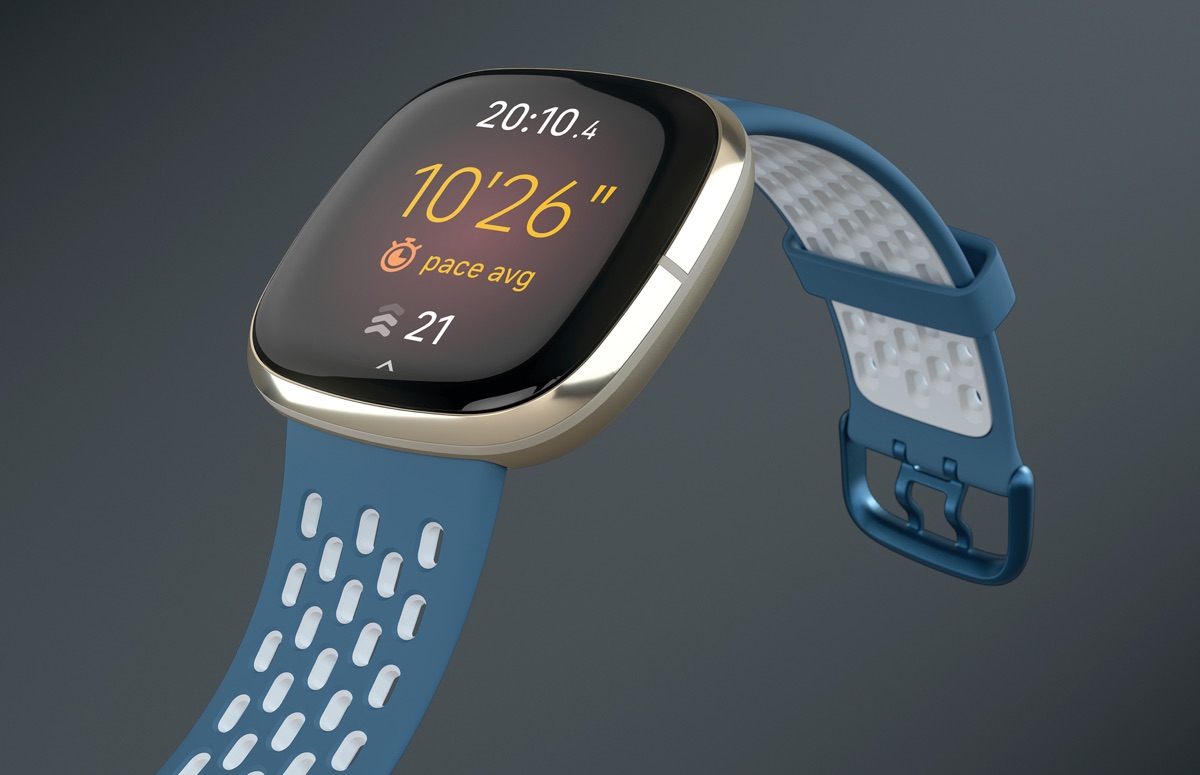
    The wearable device company, Fitbit, is unveiling a public preview of its new, Gemini-powered personalized health coach. This rollout serves as an intriguing introduction to the future of personalized fitness, and it will be available for eligible users to test from this week.

    The Launch of Fitbit’s AI-Powered Personal Coach

    Fitbit’s new artificial intelligence (AI)-powered coach, developed using Google’s Gemini technology, is set to revolutionize health and wellness practices. This AI coach is designed to function as a comprehensive fitness trainer, sleep counselor, and health advisor. Users can interact with the coach to establish goals or seek advice on their health-related queries. Examples of prompts that can be used include “Devise a 30-minute upper body workout I can do in my hotel room” or “Why did I wake up tired today?”. This AI can even assist you in framing questions for your next doctor’s consultation.

    However, it’s important to note that this AI coach is currently in its “preview” stage. It is being developed and modified based on active public feedback to improve its efficacy and user experience.

    Missing Features and Workarounds

    Since the AI coach is in its preview phase, it currently lacks some features that are standard in the traditional Fitbit app. Important elements such as health logging (including menstrual health, nutrition, and water logging), key metrics (the stress management score and cardio fitness score), and social features (friends, groups, leaderboards, and badges) are not included in the preview version.

    Recognizing these limitations, Google has designed a mechanism that allows users to switch between the new preview and the standard Fitbit app experience, providing the opportunity to test the AI coach while still being able to access the complete features of the traditional app.

    The Future of Health and Wellness

    This preview stands as a significant step towards Google’s grand vision of AI-driven health and wellness. The potential of a Gemini-powered coach to analyze user data and yield profound, actionable insights is phenomenal. Google emphasizes that the development of this AI coach is being conducted responsibly, backed by scientific evidence, and ensuring user data security and personalization. Early access for dedicated Premium users will enable them to test these potent features and provide valuable feedback.

    This development indicates the direction health and fitness technology is taking, with competitors such as Apple also rumored to be heading in a similar direction with their Health application. While it cannot replace professional medical advice or personalized gym training, this technology can assist in addressing quick health-related queries.

    The current version may be lacking some core features, but the objective of this preview is to provide a hands-on experience of the future of fitness technology, inviting users to be part of this exciting journey.

    Fitbit Premium users are encouraged to explore this new feature. Its easily toggled nature means users can try it with no downside. The updated experience will be available for Fitbit tracker and Pixel Watch owners, starting from October 28th.

    Questions & Answers

    What is the new Fitbit AI coach?
    The AI coach is a new personalized health guide developed by Fitbit, powered by Google’s Gemini technology. It acts as a fitness trainer, sleep counselor, and wellness advisor.

    What features are missing in the AI coach’s preview version?
    The preview version currently lacks certain features such as health logging (including menstrual health, nutrition, and water logging), key metrics, and social features.

    When will the updated experience be available?
    The updated experience will be available for Fitbit tracker and Pixel Watch owners from October 28th.

  • Great Wrap Collapses Under Debt: Unfortunate End For Sustainable Plastics Innovator

    Great Wrap Collapses Under Debt: Unfortunate End For Sustainable Plastics Innovator

    Great Wrap, an emerging leader in the alternative plastics industry, has unfortunately been forced to cease operations due to mounting debts. The company has reportedly accumulated about $39 million in debts, culminating in an unexpected end almost six years after its inception.

    Company Shutdown

    The Australian Securities and Investments Commission (ASIC) has confirmed that administrators were named to handle the insolvency proceedings on September 17. The shutdown has led to a complete halt in the company’s operations and the dismissal of all employees.

    Jordy Kay, co-founder and CEO of Great Wrap, verified the company’s closure in a professional networking platform post. He acknowledged the end of the company’s journey and expressed his gratitude to all supporters. Kay affirmed his commitment to work with the administrators to liquidate all company assets and repay the creditors in full.

    Innovation and Challenges

    Great Wrap, which Jordy and Julia Kay established in 2020, enjoyed recognition for its compostable cling film and pallet wrap manufactured from potato waste and other organic materials. The business had positioned itself as a sustainable substitute to petrochemical-based plastics. Their target customers were retailers and fast-moving consumer goods (FMCG) companies as well as logistics providers aiming to decrease plastic waste.

    Regrettably, changing market situations and a decrease in demand for compostable packaging were key factors in the company’s downfall. Kay explained that retailers and FMCG companies had started to transition from using compostable alternatives to establishing their own plastic recycling operations. This shift led to a slow-down in their business and a weakening demand for their products.

    While the company had plans to expand into the US market, the persistent struggle to make the Australian plant profitable left them without adequate time or capital to continue. The inability to turn a profit from the Australian plant, combined with a depletion of time and capital for US expansion, ultimately led to the company’s collapse.

    Despite the unfortunate development, Kay remains hopeful that their journey would inspire others to continue exploring opportunities in the challenging domain of alternative plastics.

    Questions & Answers

    Why did Great Wrap cease operations?
    Great Wrap was forced to shut down due to financial struggles, including a reported $39 million in debt.

    Who were the primary customers of Great Wrap?
    Great Wrap’s primary customers were retailers, FMCG companies, and logistics service providers looking to reduce plastic waste.

    What led to the reduction in demand for Great Wrap’s products?
    A shift in strategy from retailers and FMCG companies led to a decline in demand. These companies transitioned from using compostable alternatives to setting up their own plastic recycling operations.

  • Raw C And Pistachio Papi Unveil Unique Coconut-pistachio Beverage: A First In The Market

    Raw C And Pistachio Papi Unveil Unique Coconut-pistachio Beverage: A First In The Market

    Raw C, a renowned coconut water brand, has collaborated with Pistachio Papi to introduce a unique limited-edition beverage: pure coconut water blended with natural pistachio and white chocolate. The collaboration, aptly named “Sip The Spread,” will be available nationwide at Woolworths stores. This venture denotes Pistachio Papi’s initial foray into the beverage segment.

    A Perfect Partnership

    Scott Mendelsohn, the founder of Raw C, expressed enthusiasm about the collaboration, describing the partnership with Pistachio Papi as the ideal progression for their brand. Mendelsohn explained that Raw C has always been committed to using authentic ingredients and cultivating natural flavors in their offerings. This alliance is expected to yield products their consumer base genuinely appreciates while introducing an entirely remarkable product to the market.

    The Clean-Label Promise

    The limited-edition beverage continues Raw C’s commitment to not using artificial ingredients or preservatives, upholding their ‘clean-label promise.’ The new product is anticipated to appeal to younger consumers, a demographic often on the lookout for novel and healthier alternatives in the beverage aisle.

    A Refreshing Evolution

    Mark Abdelmalik, the founder of Pistachio Papi, revealed that they’ve always aspired to extend Papi into the drinkable product range. With the burgeoning popularity of coconut water, their partnership with Raw C seemed like an ideal match. He stated, “Together we’ve created a refreshing, natural drink that leaves you wanting more – a first of its kind.”

    Questions & Answers

    What is the new product launched by Raw C and Pistachio Papi?
    The new product is a limited-edition beverage that blends pure coconut water with natural pistachio and white chocolate.

    What is the anticipated target demographic for the new product?
    The product is expected to appeal to a younger demographic seeking innovative and healthier alternatives in the beverage category.

    What is the significance of Raw C’s ‘clean-label promise’?
    Raw C’s ‘clean-label promise’ signifies their commitment to using no artificial ingredients or preservatives in their products.

  • Vietnam makes debut in Bloomberg innovative economy index

    Vietnam makes debut in Bloomberg innovative economy index

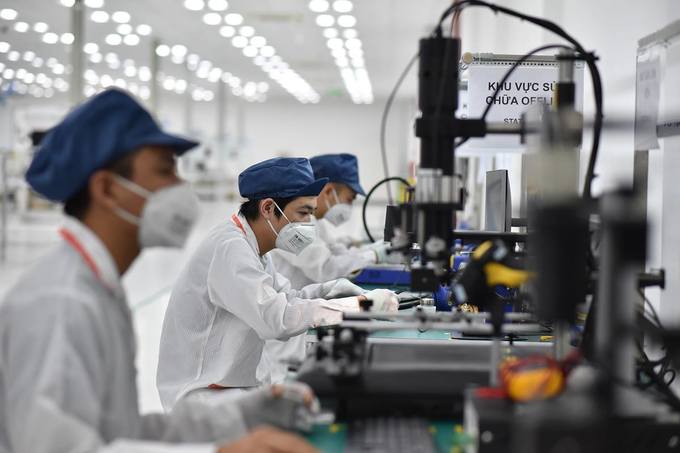
    Vietnam has for the first time entered the Bloomberg Innovation Index of the world’s 60 most innovative economies. It scored 45.92 out of 100 in the 2019 index. Other new entrants include India, Mexico and Saudi Arabia. Bloomberg said: “The index analyzes dozens of criteria using seven metrics, including research and development spending, manufacturing capability and concentration of high-tech public companies.”

    Vietnam’s highest rankings were 34th in high-tech density and 39th in patent activity. It ranked a lowly 59th in productivity.

    Its productivity in 2017 was among the lowest in Asia despite growth, according to the Vietnam Annual Economic Report released by the Vietnam Institute for Economic and Policy last year.

    An average Vietnamese worker made VND60.73 million ($2,600), lower than the rate for Cambodia, Indonesia Malaysia, the Philippines, and Thailand, it said.

    In the Bloomberg index, South Korea retained its top place from last year and was followed by Germany, Finland, Switzerland, and Israel.

    Other Southeast Asian countries were Singapore in sixth place, Malaysia (26th) and Thailand (40th).