
Tag: insolvency

  • Valley Eyewear Receives 7 Formal Offers in Liquidation Sale

    Valley Eyewear Receives 7 Formal Offers in Liquidation Sale

    Sunglasses brand Valley Eyewear has received seven formal written offers after entering liquidation in mid-August following a legal battle between its owners.

    The Gold Coast-based business drew 120 registrations of interest and 72 executed confidentiality agreements from prospective purchasers across Australia, New Zealand, Asia, and the US.

    Global distribution draws turnaround buyers

    Federal Court-appointed liquidators James Robba and Jason Bettles of Worrells led the sale campaign, confirming that the outcome is expected to deliver a return to creditors.

    Founded in 2011 by Michael Crawley, Tenielle Crawley, and Matthew Grippo, the independent label expanded beyond its domestic base to stock products in more than 100 wholesale accounts across 20 countries. That international wholesale footprint proved the primary draw for offshore distributors seeking established design assets without the overhead of company-owned retail storefronts.

    Cross-border interest in premium accessories

    Regional retail operators face tight consumer spending in discretionary fashion, yet niche eyewear assets continue to attract trade buyers looking to consolidate wholesale relationships. A buyer acquiring the label out of liquidation avoids legacy shareholder liabilities while gaining established shelf space across independent boutiques in Asia and Australasia.

    For retail stockists and wholesale partners, the outcome determines whether product shipments and seasonal range deliveries resume under new ownership or splinter across regional licensing agreements. The risk for prospective buyers sits in reviving brand momentum and preserving design credibility after months of courtroom paralysis among the original creators.

    There was considerable interest from prospective purchasers throughout the campaign, which culminated in multiple competitive offers being submitted for our consideration.

    Shareholder deadlock forced liquidation

    The sale follows a protracted legal battle among the three co-founders that culminated in Australia’s Federal Court placing the business into liquidation in mid-August 2026. The court mandated an urgent sale process to preserve asset value before wholesale distribution channels eroded.

    Worrells confirmed that the volume and pricing of the seven competing offers are expected to generate sufficient proceeds to deliver a financial return to unsecured creditors.

    Finalising the asset transaction

    Robba and Bettles are currently assessing the seven formal submissions to select a preferred bidder and execute definitive asset purchase agreements. Creditors will receive a formal report detailing the winning offer, transaction terms, and estimated dividend distribution timetable once contracts are exchanged.
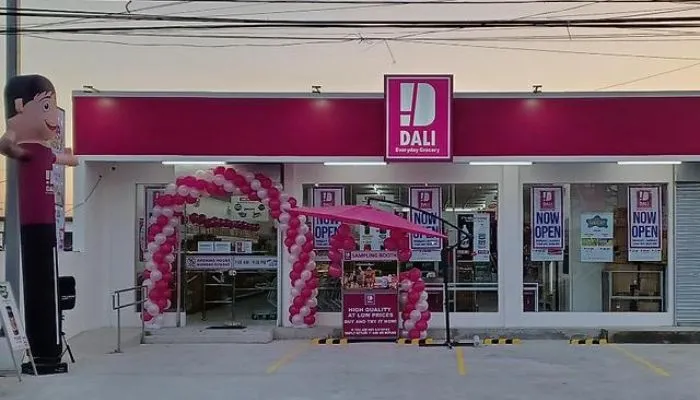
  • Dali Grocery Chain’s Financial Stability Under Siege Despite Revenue Growth: A Closer Look

    Dali Grocery Chain’s Financial Stability Under Siege Despite Revenue Growth: A Closer Look

    As the financial year closes, alarm bells are ringing for Dali Everyday Grocery Philippines, as the company’s financial stability comes under scrutiny. The grocery chain’s losses have widened this year, with liabilities creeping up to nearly match its assets.

    Dali’s local operator, Har Discount Philippines Inc (HDPI), has reported a net loss of US$34.56 million (PHP1.97 billion), marking an increase of 5% from $32.98 million in the previous year. Despite a significant revenue growth of 52.1% to reach $595.26 million, largely due to boosted sales, and a more than doubled gross income of $58.42 million, the company’s financial woes are far from over.

    Rising Expenses

    The grocery chain’s expenses, unfortunately, have seen a dramatic surge. The cost of sales alone shot up by 46.9% to a staggering $536.67 million, while operating expenses also saw a 60% rise to $84.39 million. Although the company’s total assets experienced a 70% boost to $368.77 million, liabilities have skyrocketed by 110.8% to a concerning $355.26 million.

    Dali’s equity also took a considerable hit, dropping 73% to $12.79 million after its deficit ballooned by 60% to $91.93 million.

    Concerns Over Financial Health

    Amid these numbers, independent auditor SyCip Gorres Velayo & Co. (SGV) has flagged the financial health of HDPI, indicating that the company’s ability to continue operations may be in significant jeopardy due to the material uncertainty surrounding its financial stability.

    The auditor pointed out the challenges the business might face in realizing its assets and discharging its liabilities in the course of normal business proceedings, spotlighting potential difficulties in meeting financial obligations.

    Company Response

    In the face of these financial concerns, HDPI remains optimistic, asserting its confidence in the company’s outlook. The company anticipates that profit margins will see improvement over the coming five years, courtesy of measures aimed at enhancing cost-efficiency.

    HDPI further reassured that their operations would generate sufficient cash flow to meet obligations as and when they become due.

    Questions & Answers

    **What are the causes of Dali Everyday Grocery Philippines’ financial troubles?**
    The chief causes of Dali’s financial troubles include a significant increase in sales costs and operating expenses, alongside a surge in liabilities.

    **What is the company’s plan to improve its financial situation?**
    Dali’s local operator, HDPI, plans to enhance cost-efficiency in an effort to improve profit margins over the next five years. The company also expects to generate enough cash flow from its operations to meet its due obligations.

    **What are the potential challenges Dali faces moving forward?**
    The company may face challenges in realizing its assets and discharging its liabilities under normal business circumstances, which could lead to difficulties in meeting its financial obligations.