Tag: intellectual property

  • Louis Vuitton Names Hector Muelas Creative Chief After China Dispute

    Louis Vuitton Names Hector Muelas Creative Chief After China Dispute

    Louis Vuitton appointed Hector Muelas to the newly created position of chief brand creative officer on November 1, following a 5 per cent quarterly revenue drop in parent LVMH’s fashion division.

    The appointment follows a dispute in China where a local trademark court ruling against beverage chain Molly Tea sparked consumer pushback and hit sales early in the third quarter.

    Muelas steps into the position after running global creative operations at Tiffany & Co., another LVMH brand, having earlier directed content and brand strategy at luggage maker Rimowa. In his new capacity, he reports directly to Louis Vuitton deputy chief executive Damien Bertrand.

    Leading creative and content execution, he will oversee all brand campaigns

    Bertrand said in an internal announcement detailing the appointment. His remit covers creative consistency and narrative campaigns across all customer-facing touchpoints worldwide.

    The Molly Tea Court Case and Boycott Impact

    Trouble in mainland China surfaced after Louis Vuitton sued domestic tea operator Molly Tea over a four-petal floral design printed on disposable beverage cups. Louis Vuitton argued the graphic copied the flower motif from its heritage Monogram canvas. A Chinese court agreed in a first-instance ruling, ordering Molly Tea to halt use of the emblem and pay CNY 10.3 million, equal to roughly US$1.5 million. Molly Tea announced it would appeal the decision.

    Winning in court did not protect the label on the street. Online discussions in China quickly took issue with the decision, with consumers arguing that four-petal floral designs belong to historic Chinese decorative arts rather than a 19th-century French luggage maker. Independent estimates pointed to an initial 30 per cent drop in Louis Vuitton boutique sales in China during July as consumers turned away from the label.

    Quarterly Fashion Division Contraction

    Financial fallout appeared in group accounts shortly after. LVMH reported a 5 per cent organic revenue decline for its global Fashion & Leather Goods division during the third quarter of 2026, pointing to softer demand across mainland China. The reported figure covers the wider division rather than standalone Louis Vuitton boutique receipts in China.

    Speaking on an October 12 earnings call, LVMH finance chief Cécile Cabanis told investors that the Molly Tea dispute likely hurt business at the start of the quarter, though the exact financial impact remains difficult to isolate from broad luxury belt-tightening.

    Speculation also circulated regarding the future of Louis Vuitton chief executive Pietro Beccari, following French media commentary that his position was under scrutiny. Beccari remains in his role, which he has held since February 2023, while simultaneously leading LVMH’s Fashion Group since January 2026. Muelas was brought in to steer brand storytelling rather than reshape corporate governance.

    Physical Retail Push Across East Asia

    For store operators and luxury property landlords in Asia, the appointment highlights the operational friction between brand protection and commercial goodwill. Luxury houses have spent three decades using aggressive intellectual property litigation to clear Asian markets of copycats. Yet using identical tactics against a homegrown tea chain proved counterproductive, transforming a routine trademark defence into an argument over cultural entitlement.

    LVMH cannot rely on trademark lawyers to restore foot traffic. Instead, the company is leaning on heavy physical retail spending to anchor prestige in primary regional markets. Louis Vuitton continues to operate its travel-themed retail destination in Shanghai and recently unveiled a large trunk-themed experiential installation in Hong Kong, betting that scale and craftsmanship can steady customer perception.

    The creative overhaul comes after several quarters of shifting consumer spending patterns across Chinese tier-one cities, where local shoppers have become far more selective. Molly Tea is now preparing its appeal before the Chinese appellate court, while Muelas takes charge of the French house’s upcoming global marketing releases.


  • CP Group Distances Senior Chairman from 4 Holy Basil Patents

    CP Group Distances Senior Chairman from 4 Holy Basil Patents

    Charoen Pokphand Group (CP) issued a statement on Saturday distancing itself and senior chairman Dhanin Chearavanont from controversial patent registrations covering four new varieties of holy basil.

    The agribusiness conglomerate responded after social media posts alleged CP and Mr Dhanin owned all holy basil varieties across Thailand, barring farmers and consumers from cultivating or selling the herb without permission.

    “That is not factual, scares people and affects the reputation of Charoen Pokphand Group and the individual mentioned,” the company stated, noting that subsidiary CPRAM obtained the 4 plant patents independently.

    Corporate Structure and IP Ownership

    CPRAM operates as a subsidiary of Stock Exchange of Thailand-listed CP All Plc. Charoen Pokphand Group holds equity in CP All, but the parent entity stated it maintains no operational authority over board decisions or intellectual property filings conducted by individual subsidiaries.

    The dispute flared after social media claims alleged CP held a commercial monopoly over holy basil, known locally as kaphrao. Rumours claimed growers faced legal penalties without corporate licensing, prompting visible pushback from herb vendors across wholesale wet markets.

    Read Across for Food Retailers and Agricultural Suppliers

    Contract farming and retail ready meal supply chains across Southeast Asia hinge on public goodwill, particularly when major conglomerates patent proprietary seeds for national staple ingredients. Operating companies in Thailand frequently develop crossbred crops to boost yields, uniform leaf sizes, and shelf life for high-volume chilled convenience meals, yet proprietary breeding quickly draws political scrutiny when perceived as corporate fencing of common culinary heritage.

    For consumer operators, food processors, and supply chain managers, the controversy demonstrates that holding standard plant variety certificates can trigger immediate brand friction at retail stalls. CPRAM pursued higher harvest yields and profit margins for partnered growers, but the conglomerate found itself forced into public damage control to prevent broader boycotts against its convenience retail channels.

    Regulatory Scrutiny on Plant Varieties

    Public pushback escalated after domestic television broadcasts featured market vendors criticising corporate control over phat kaphrao, widely treated as Thailand’s staple national stir-fry. In response, government regulators at the Department of Agriculture moved to examine the underlying registration filings covering the specific varieties held by the group’s manufacturing unit.

    The company warned that it reserves legal rights to pursue parties spreading false statements that harm group reputations or executive standing, while state agriculture inspectors conduct their formal registration review.

  • Gentle Monster Owner Takes Blue Elephant to Court in 12 Billion Won Copycat Case

    Gentle Monster Owner Takes Blue Elephant to Court in 12 Billion Won Copycat Case

    South Korean prosecutors have indicted Blue Elephant founder Choi Jin-woo for selling 12.3 billion won ($9 million) worth of eyewear allegedly copied directly from Gentle Monster parent IICOMBINED.

    The criminal case in Daejeon District Court is the first in South Korea to test whether unpatented fashion designs receive criminal protection against direct three-dimensional replication.

    Prosecutors allege Blue Elephant sent photographs of Gentle Monster frames bearing its own logo directly to overseas contract manufacturers between 2023 and mid-2025. The company produced and sold approximately 321,000 units across 51 separate models during that window. Forensic 3D scanning commissioned by IICOMBINED showed 29 models matched at least 95 per cent of Gentle Monster contour lines, with 18 exceeding 99 per cent congruence. The comparison matched Gentle Monster’s 2021 JEFF frame to Blue Elephant’s 2023 ZENTA model at 99.9441 per cent.

    Discounter growth collides with premium margins

    The dispute exposes the commercial fault line running through the South Korean optical sector, which expanded 74 per cent between 2022 and 2025 to reach 4.7 trillion won. Gentle Monster built its brand equity on gallery-format flagship stores, celebrity campaigns featuring Tilda Swinton and Stray Kids’ Felix, and luxury partnerships with Maison Margiela and Prada. Its acetate frames retail between 200,000 and 300,000 won.

    Blue Elephant replicated the gallery retail concept in Seoul’s Seongsu-dong shopping district while pricing lookalike acetate frames between 50,000 and 70,000 won. That aggressive pricing lifted Blue Elephant’s revenue 69 per cent last year to 50.7 billion won. Operating profit collapsed 74 per cent to 3.3 billion won as retail overhead climbed.

    IICOMBINED experienced its first revenue contraction in years over the same period, with total sales slipping 2.1 per cent to 772.3 billion won. Overseas business cushioned the domestic slowdown, rising to 332.9 billion won and accounting for more than 40 per cent of top-line revenue.

    Private equity backing against legal exposure

    Despite criminal charges and an active civil damages lawsuit, private capital continues to fund Blue Elephant’s retail footprint. Singapore-based private equity firm Affirma Capital acquired a 25.8 per cent stake in Blue Elephant in August for 100 billion won, a deal that valued the discount eyewear startup at 400 billion won.

    That valuation demonstrates institutional confidence in fast-fashion optical margins, yet it shifts substantial compliance risk onto incoming investors. If courts rule that wholesale imitation of unpatented consumer products constitutes criminal intellectual property theft, low-cost fast-follower brands across Asian retail will face injunctions and sudden inventory write-offs.

    For retail landlords across Asia-Pacific prime high streets, the case determines whether experiential eyewear stores are sustainable standalone formats or short-lived arbitrage plays on designer intellectual property. Flagship rents in Seongsu and Tokyo depend heavily on foot traffic generated by concept showrooms.

    Tech partnerships separate brand tiers

    Gentle Monster has responded to lower-tier copycats by pushing upmarket into connected hardware and global retail real estate. The company operates 86 stores globally, with roughly 50 located outside South Korea, and plans to reach 200 outlets within five years.

    Capital markets have valued the higher-tier positioning accordingly. Alphabet paid roughly 145 billion won for a 4 per cent stake in IICOMBINED last year, valuing the Gentle Monster operator at 3.7 trillion won. That partnership yielded prototype smart glasses developed with Samsung Electronics and unveiled at industry events in London and Mountain View.

    Choi resigned as chief executive of Blue Elephant in February following the initial criminal complaint and secured bail in July after his March indictment. Daejeon District Court will resume witness examination hearings in December and January.

  • Sega Shifts Strategy from Selling Games to Building Transmedia Ecosystems

    Sega Shifts Strategy from Selling Games to Building Transmedia Ecosystems

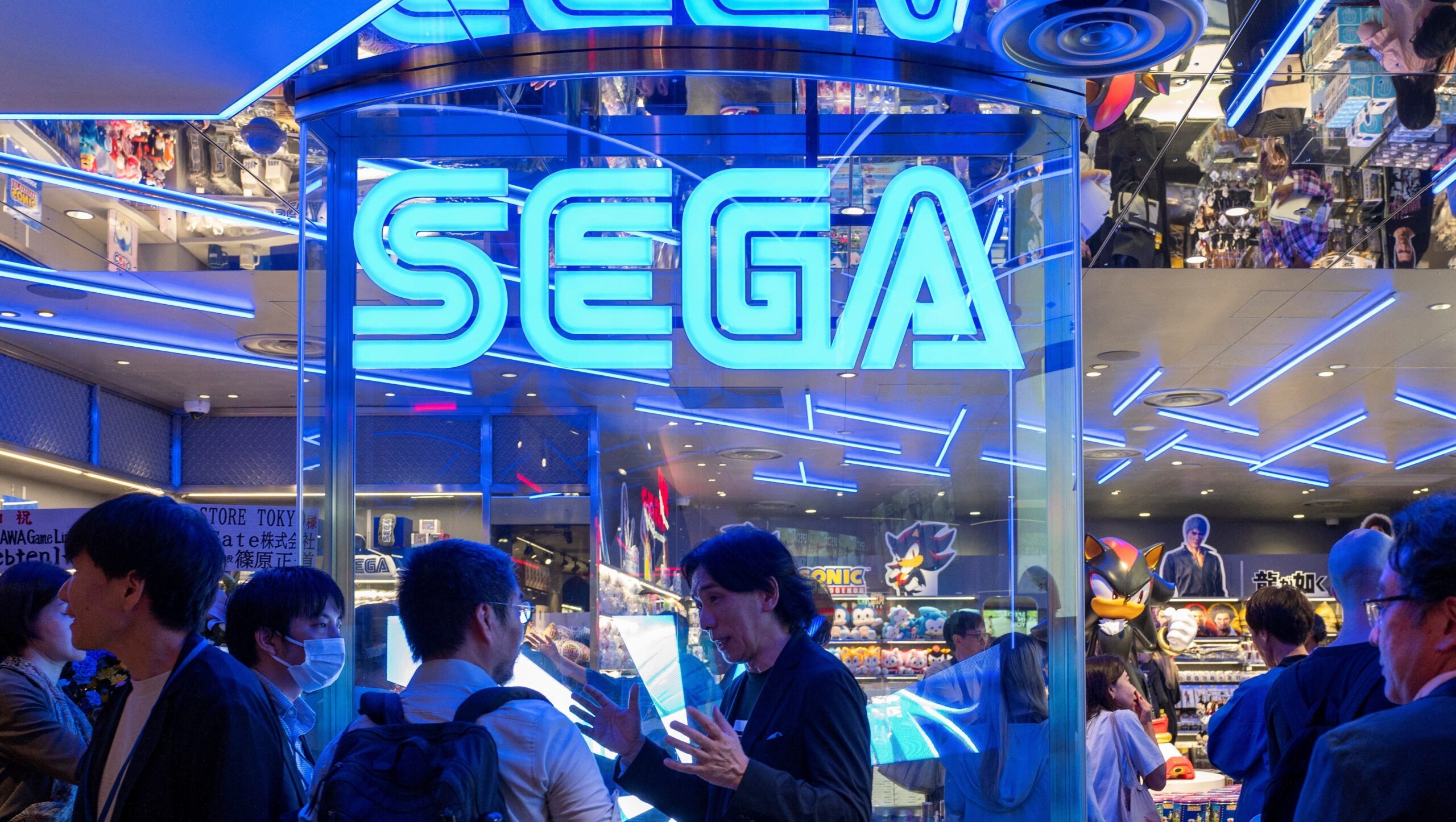
    In October 2026, Sega outlined a shift in its commercial strategy toward multi-channel intellectual property ecosystems, moving away from a traditional reliance on packaged video game releases to drive core revenue across consumer markets.

    President Shuji Utsumi confirmed the Tokyo-based entertainment company is deploying films, retail licensing agreements, and direct fandom engagement to anchor franchise values across physical and digital storefronts.

    Building beyond standalone software

    The transmedia push prioritises cross-platform character exposure over single-title release schedules. Film adaptations and character merchandise now serve as primary customer acquisition channels rather than secondary promotional spin-offs, feeding consumer demand directly into software catalogues, physical retail merchandise, and digital brand platforms.

    Executive leadership under Utsumi is aligning internal development studios with external film distributors and consumer product licensees. The operational framework treats each intellectual property portfolio as an enduring franchise ecosystem designed to retain audience spend across multiple entertainment touchpoints.

    The read across for Asian licensing and retail

    For toy manufacturers, apparel licensees, and retail buyers across the Asia-Pacific region, Sega’s multi-channel pivot establishes continuous consumer engagement throughout product life cycles. Traditional video game merchandising relied on volatile spikes during hardware generation launches or standalone sequel debuts, leaving shelf space vulnerable during development lulls.

    A coordinated release calendar spanning theatrical distribution, streaming content, and physical consumer goods reduces operational inventory risks for commercial partners. The challenge for Sega lies in maintaining franchise quality across external licensing partners while protecting brand equity from overexposure in competitive consumer categories.

    Competitive pressure across regional peers

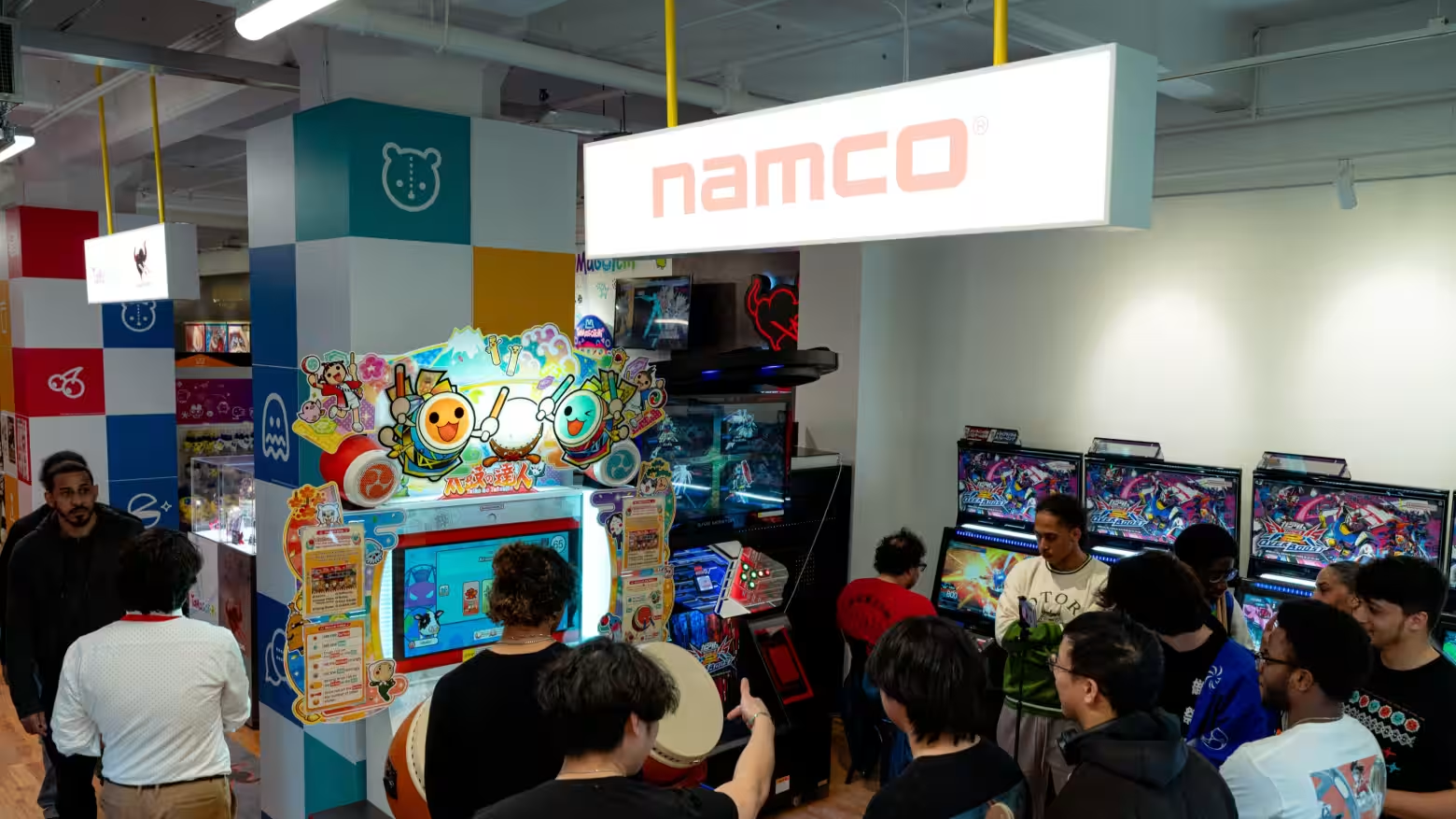
    Japanese entertainment conglomerates are systematically consolidating character portfolios to defend consumer wallet share against Western entertainment groups. Regional rivals such as Bandai Namco have accelerated cross-border licensing expansions across Southeast Asia to insulate balance sheets from domestic demographic contraction.

    Sega’s transmedia rollout establishes the operational benchmark for its upcoming pipeline of legacy properties, with management tracking audience engagement and cross-category licensing conversions as the next multi-platform releases enter international markets.

  • Bandai Expands Tamagotchi Licensing Across Asia Ahead of 30Th Anniversary

    Bandai Expands Tamagotchi Licensing Across Asia Ahead of 30Th Anniversary

    Japanese toymaker Bandai is expanding licensing partnerships for its Tamagotchi digital pet franchise across China and South Korea ahead of the device’s 30th anniversary next month.

    The Tokyo-based company is deploying the intellectual property across apparel, cosmetics and K-pop merchandise partnerships to build recurring revenue streams outside traditional toy hardware.

    Licensing Push Across Key Asian Markets

    Bandai’s regional push relies on third-party manufacturers and retail partners to adapt the egg-shaped digital pet identity into lifestyle categories. Instead of depending solely on standalone electronic device shipments, the company is licensing Tamagotchi character designs and branding to cosmetics producers, fast-fashion brands and entertainment agencies across East Asia.

    South Korea serves as a primary testbed for entertainment tie-ins, where collaborations with K-pop talent connect the vintage Japanese property with teenage and young adult demographics. In China, retail distribution leans heavily on character merchandise concessions and co-branded beauty collections aimed at millennial consumers who grew up with the original 1990s release.

    Shift from Hardware to Brand Royalties

    For toy manufacturers across Asia, hardware cycles carry inventory risk and seasonal sales volatility. Transitioning legacy electronic properties into multi-category licensing deals shifts capital requirements onto licensees while securing high-margin royalty streams for the parent company.

    Retail buyers and department store operators across Seoul and Shanghai gain proven nostalgia properties that drive foot traffic without requiring dedicated electronics shelf space. The primary commercial risk lies in overexposure, where indiscriminate brand placement across low-tier merchandise can dilute character value and shorten the commercial lifespan of anniversary campaigns.

    Building on Global Intellectual Property

    Japanese entertainment groups have steadily reoriented their international operations toward intellectual property monetisation. Bandai Namco Holdings has applied similar playbooks to its Gundam model kit franchise and video game properties, scaling retail pop-ups and branded apparel lines across mainland China, Taiwan and Southeast Asia.

    Tamagotchi first debuted in Japan in November 1996 before becoming a global consumer electronics phenomenon in the late 1990s. Bandai has revived the hardware line periodically with wireless and colour-screen iterations, but the latest regional campaign prioritises third-party consumer goods over device manufacturing.

    Milestones to Watch

    Commercial performance across the autumn retail calendar will show whether licensing revenue can sustain momentum beyond the initial anniversary marketing cycle. Bandai heads into the November 2026 anniversary window with additional Asian retail rollouts scheduled across specialty stores and regional e-commerce platforms.

  • Vietnam Opens First Copyright Infringement Case over Japanese Media

    Vietnam Opens First Copyright Infringement Case over Japanese Media

    In October 2026, Vietnam launched its 1st copyright infringement case involving Japanese media, intensifying national efforts to combat intellectual property violations.

    Authorities in Hanoi initiated the crackdown against a website suspected of piracy following pressure from the US and Japan.

    Enforcement on illicit digital networks

    Investigators targeted an online platform that captured Japanese studio productions and distributed them locally with Vietnamese subtitles. The case represents the first formal prosecution under Vietnam’s criminal intellectual property statutes involving media assets originating from Japan.

    Unlicensed streaming hubs operating out of Southeast Asia have long undercut legitimate distributors and commercial licensing deals. Vietnamese operators frequently build high-traffic web portals that monetize foreign media catalogues through offshore display advertising networks while avoiding licensing fees.

    Bilateral pressure and international trade

    Commercial relations with Tokyo and Washington drove Hanoi to accelerate enforcement against local digital pirate rings. Both the American and Japanese governments have repeatedly pressed Vietnamese regulators to protect foreign intellectual property rights as bilateral trade and digital commerce flows expand.

    Trade officials in Washington previously scrutinized intellectual property enforcement standards in Vietnam alongside wider bilateral trade imbalances. Tokyo has similarly backed legal initiatives to assist Japanese entertainment companies in pursuing copyright lawsuits and regulatory actions across Southeast Asian jurisdictions.

    Commercial impact for digital distributors

    Licensed streaming services and entertainment companies operating in Vietnam face persistent margin pressure when competing against zero-cost pirated catalogues. Formal prosecutions alter the commercial market by raising operating risks for unauthorized platforms and establishing direct legal accountability for web hosts.

    Legitimate entertainment groups and local media platforms gain commercial ground when authorities dismantle unauthorized distribution networks. Sustained enforcement creates a clearer runway for Japanese studios, streaming networks and consumer merchandise partners seeking direct digital distribution contracts in Vietnam.

    The regulatory pipeline in Southeast Asia

    Japanese regulators have expanded regional assistance programs to help Southeast Asian emerging markets draft and enforce intellectual property frameworks. The effort aims to curb cross-border revenue leakages that cost studios and content creators billions of yen in overseas royalties annually.

    Court filings and formal trial proceedings in Hanoi will determine the scale of penalties levied against the site operators as prosecutors prepare the case for court.

  • Qualcomm to Pay Huawei in Multi-Year 5G and Artificial Intelligence Patent Agreement

    Qualcomm to Pay Huawei in Multi-Year 5G and Artificial Intelligence Patent Agreement

    Qualcomm has agreed to pay Huawei Technologies for access to its patents in a multi-year cross-licensing deal covering 5G, computing, and artificial intelligence, the Shenzhen company announced on Monday.

    The agreement makes the San Diego chipmaker a net payer to Huawei for the first time, pushing Huawei’s cumulative intellectual property licensing contract value past $6.9 billion.

    Under the terms of the transaction, Qualcomm will license Huawei’s portfolio and buy specific US patents held by the Chinese group across computing, artificial intelligence, and networking hardware. The deal does not include broader commercial tie-ups or component sales, and both companies must clear regulatory reviews in the United States before closing the asset transfers.

    Reversing the Flow of Licensing Cash

    The financial turnaround marks a sharp shift in the mobile supply chain. Huawei paid Qualcomm for patent access as early as 2001, and paid $1.8 billion in back licensing fees to settle an intellectual property dispute with the US group in 2020. Now the balance of standard-essential communications patents and edge computing IP has forced Qualcomm to write checks back to its Chinese competitor.

    For device makers across Asia, the agreement sets a pricing precedent. Hardware brands that design around Qualcomm chipsets have watched royalty rates climb as 5G and on-device AI architectures mature. A formal licensing pact between the two dominant patent holders removes immediate litigation risks for smartphone assemblers, while confirming that access to Chinese cellular and machine-learning IP will carry direct cash costs.

    Expanding Patent Monetisation Beyond China

    Huawei has spent the past five years building a high-margin licensing arm to recoup capital spent on domestic research and development. The business turned net positive on revenue in 2021 after US export restrictions curtailed Huawei’s handset shipments and blocked its access to American semiconductor fabrication tools.

    That monetization drive has yielded more than 260 patent agreements with global tech firms, including Nokia, Samsung, and Amazon, alongside domestic phone brands Oppo, Vivo, and Xiaomi. Huawei signed a similar multi-year cross-licensing agreement with US personal computer maker HP in August, covering foundational Wi-Fi technologies after resolving earlier disputes.

    The Long Legal Road from 2011

    Huawei collected its first external patent royalty payment in 2011 from Motorola. Over the subsequent decade and a half, the company poured capital into 3GPP wireless standards, optical transmission, and proprietary compute silicon, accumulating extensive patent portfolios in Europe, the US, and mainland China.

    US authorities continue to scrutinize cross-border technology transfers, creating friction for any transaction involving Chinese hardware intellectual property. The current agreement remains subject to Washington’s regulatory clearance, which will test whether standard-essential patent sales and cross-licensing can proceed amid ongoing federal export controls and pending legal trials.

  • Singapore Police Seize over 900 Fake Luxury Goods in Scotts Road Raid

    Singapore Police Seize over 900 Fake Luxury Goods in Scotts Road Raid

    Singapore Police Force officers seized more than 900 counterfeit items with an estimated street value exceeding S$180,000 ($141,000) during a raid on Scotts Road last Wednesday.

    Officers targeted two retail units inside a shopping mall, arresting two women, aged 39 and 54, on suspicion of involvement in the sale of trademark-infringing goods.

    Enforcement Action on Scotts Road

    The seized inventory spanned multiple categories, including fake luxury handbags, watches, apparel, footwear, and accessories carrying falsely applied trademarks.

    Under Singapore law, possessing goods with falsely applied trademarks for commercial trade carries a fine of up to S$100,000, a prison term of up to five years, or both. Formal investigations remain underway.

    Prime Real Estate Proximity

    The raid took place near Orchard Road, Singapore’s flagship retail thoroughfare. The district ranked 13th globally among the most expensive shopping streets by annual rental values in Cushman & Wakefield’s Main Streets Across the World 2025 report.

    Commercial developments along Scotts Road include Far East Plaza, Scotts Square, and Shaw Centre. Illicit trade inside high-rent corridors creates reputational challenges for landlords competing for licensed brand tenancies.

    Risks for Brick-and-Mortar Retailers

    Physical storefronts selling counterfeit goods face scrutiny as luxury brands step up monitoring across Southeast Asia. Unauthorized trading once concentrated in gray markets and online channels. Mall distribution now exposes property owners to direct compliance risks.

    Landlords across prime Singapore retail nodes maintain strict tenancy clauses regarding trademark compliance. Operators caught dealing in infringing goods face immediate lease termination alongside criminal liabilities.

    The Next Enforcement Steps

    Investigators from the Singapore Police Force are conducting forensic reviews of the confiscated merchandise to trace supply sources and vendor networks. Prosecutors will determine further charges as the probe into both outlets progresses.

  • Aldi Loses Appeal in Little Bellies Copycat Packaging Case

    Aldi Loses Appeal in Little Bellies Copycat Packaging Case

    Aldi has lost an appeal against Australian baby food maker Little Bellies over copyright infringement in its private-label snack packaging. An appellate court upheld the 2024 Federal Court ruling against the discounter. It also extended the infringement finding to cover additional products.

    At issue is the grocer’s Mamia toddler snack line, which copied packaging created by Little Bellies. Brothers Clive and Steven Sher founded the Australian snack business before expanding it across supermarket shelves.

    Expansion of the 2024 ruling

    Federal Court judges in 2024 found that three products in the Mamia range infringed Little Bellies’ design copyright. That verdict was a rare legal defeat for the retailer’s Australian packaging strategy.

    Judges dismissed the appeal and widened the scope of that finding. The extended ruling confirms Mamia’s visual similarities went beyond allowable category cues to breach copyright protections.

    Private-label scrutiny across the region

    Aldi built its global discount model on private-label goods that mimic market-leading national brands. Across the Asia-Pacific region, grocers often test the line between standard category cues and intellectual property infringement to win value-focused shoppers.

    The decision narrows legal leeway for store-brand lookalikes across grocery aisles. The court will now determine final orders and damages for the affected product lines.

  • France Prepares Saudi-Backed Deal for Japanese Dragon Ball Theme Park

    France Prepares Saudi-Backed Deal for Japanese Dragon Ball Theme Park

    French regional authorities are preparing to sign an agreement with Saudi investors to construct a massive amusement park based on Japan’s iconic Dragon Ball franchise.

    The project targets a development footprint comparable to Disneyland Paris, backed by capital from a Saudi investment company.

    Valerie Pecresse, head of the Ile-de-France regional government, confirmed that French officials spent 18 months structuring the proposal ahead of bilateral talks in Paris. Talks between French President Emmanuel Macron and Saudi Crown Prince Mohammed bin Salman at the Elysee Palace anchored the negotiations, with the entertainment park forming part of a broader package of commercial accords.

    Site selection northwest of Paris

    Plans for the venue point to Courdimanche, a municipality northwest of the French capital. While officials have not disclosed total capital expenditure, the scale required to match major European destination parks typically demands billions of euros in infrastructure, ride engineering, and hospitality real estate.

    Licensing Japanese intellectual property for overseas locations has accelerated across the entertainment industry. Bandai Namco and affiliated Japanese rights holders have increasingly monetised manga and anime catalogues through physical retail, location-based entertainment, and global tourist hubs.

    Sovereign capital and Japanese entertainment assets

    Gulf investment entities continue to funnel capital into global media and interactive entertainment properties, diversifying state portfolios away from hydrocarbons. Saudi Arabia previously announced its own dedicated Dragon Ball park at the Qiddiya development project outside Riyadh, illustrating a focused campaign to secure long-term rights around Japanese pop culture brands.

    European operators face shifting consumer demand as audiences seek immersive, single-franchise destinations over traditional mixed-attraction venues. Commercial agreements spanning the site purchase, planning permits, and formal construction timelines remain subject to final sign-off following the bilateral summit.

  • Chiikawa Film Surpasses ¥10 Billion at Japanese Box Office

    Chiikawa Film Surpasses ¥10 Billion at Japanese Box Office

    Japan’s animated feature “Chiikawa the Movie: The Secret of Mermaid Island” surpassed ¥10 billion ($63 million) in domestic box-office receipts within 30 days of its July 24 debut.

    The release drew 7.66 million cinema admissions through August 23 across 447 theaters nationwide, including 65 IMAX screens. That run puts the title among the highest-earning theatrical releases in the country this year.

    Opening-day records and theatrical reach

    Directed by Kei Oikawa, the production is adapted from the character franchise created by the artist Nagano, which started on social media platform X in 2020. The story follows the title character alongside companions Hachiware and Usagi as an island camp excursion leads to an encounter with a sea creature named Siren.

    Commercial momentum built immediately on release. The film collected ¥990 million on its opening day alone, registering the seventh-largest first-day gross recorded at the Japanese box office. Revenue across the opening three-day weekend reached ¥2.24 billion.

    Expansion into interactive screening formats

    Character merchandise and spin-off media remain significant drivers of consumer spending across East Asian retail markets. For Japanese entertainment operators, converting short-form web comic properties into multi-billion-yen cinema franchises delivers substantial downstream demand for licensed goods, retail pop-ups, and brand collaborations.

    Exhibitors are now widening screening formats to sustain attendance into the autumn. The picture enters 4DX motion-seat auditoriums on September 5. Participating cinemas will then host singalong screenings in five prefectures on September 11, followed by synchronized light-stick events scheduled for September 23.

  • LINE FRIENDS Partners with UK IP ‘Ketnipz’ to Accelerate Global IP Expansion

    LINE FRIENDS Partners with UK IP ‘Ketnipz’ to Accelerate Global IP Expansion

    Global character brand LINE FRIENDS partners with social media sensation Ketnipz to expand its footprint in North America and Asia

    • LINE FRIENDS (corporately known as IPX) has officially partnered with Ketnipz, the popular character-driven brand with over 10 million fans across social media platforms.

    • This highly-anticipated collaboration aims to grow the Ketnipz IP on a global scale, leveraging LINE FRIENDS’ storytelling expertise, global infrastructure and creative vision.

    • The partnership will focus on expanding Ketnipz’s presence in key markets such as North America and Asia through licensing opportunities, brand collaborations and original content development.

    With a strong fanbase in Europe and the U.S., Ketnipz brings a unique cultural resonance that, combined with LINE FRIENDS’ global reach, is expected to strengthen both brands’ influence in the international IP landscape.

    LINE FRIENDS (corporately known as IPX) is proud to announce its partnership with Ketnipz, the UK-born character IP that has captured the hearts of over 10 million fans worldwide, through its unique illustrations, relatable story-telling and always-uplifting messages. The partnership grants rights for Ketnipz in South Korea and China, with plans to scale IP activities across various countries and regions, including North America.

    Ketnipz, created by Welsh artist Harry Hambley in 2016, has gained viral popularity primarily in Europe and North America through its genuine, relatable content, with themes of self-love and positivity. The brand began with just one character “Bean” but has since expanded its universe with additional characters such as ‘Nana Bean’, ‘Catto’ and ‘Doggo’. Ketnipz holds a strong online presence through social media platforms, including Instagram, TikTok and YouTube, with over 10 million global fans following. The brand has extended its IP global footprint through collaborations with major global companies like McDonald’s, Instagram, Casetify and Samsung.

    LINE FRIENDS, with over a decade of expertise developing its globally loved original character IPs like LINE FRIENDS and BT21, is well positioned to partner with Ketnipz and expected to bring the unique identity of Ketnipz through Gen Z trends worldwide. The partnership will expand its business not only in Asia but in Europe and North America.

    LINE FRIENDS plans to leverage its IP business capabilities to expand Ketnipz’s presence across Asia while solidifying its leadership in the global IP market. By utilizing its broad network of LINE FRIENDS flagship stores, partnerships with major global brands and diverse business models including licensing, collaborations and content development, LINE FRIENDS will be expanding Ketnipz’s business in Asia and North America.

    LINE FRIENDS has previously led the successful expansion of South Korean IPs such as JOGUMAN, DINOTAENG and MONAMHEE, offering unique IP experiences to fans beyond the home country. The company expects partnering with Ketnipz will further strengthen its presence in the Western market.

    LINE FRIENDS representative stated, “Ketnipz IP has delivered joy and connection with their audience through its heartwarming messages and storytelling. As a leader in global IP business, we believe the company can bring great success with Ketnipz in Asia as well as global markets. Building on our successful global expansion with South Korean IPs, we expect to lead the UK-based IP Ketnipz into the Asian market and will continue to discover character IPs to bring new IP experiences for global fans.”

  • Maybank Indonesia converts Indian operations to Intellectual Property branches

    Maybank Indonesia converts Indian operations to Intellectual Property branches

    Intellect Design Arena Limited, a specialist in applying true Digital Technologies across Banking, Financial Services & Insurance, announced that Bank Maybank Indonesia one of the largest banks in Indonesia has gone live with Intellect’s Integrated Treasury Management System(ITMS)-OneTreasury for their Indian operations.

    The centralized treasury management solution from Intellect’s Risk, Treasury and Markets (iRTM) division has enhanced operational efficiency across asset classes and enabled overseas branch to eliminate dependence on intensive manual operations. The entire process of solution deployment, User Acceptance Testing (UAT) and data migration was completed in a span of 7 months.

    The product implemented will play a key role in the bank’s treasury operations in India. This robust and functionally rich ITMS solution is compliant with the RBI regulations and integrates seamlessly with the Bank’s Core Banking System. The solution suite implemented will enable its Indian customers to trade across Fixed Income, Money Market and Foreign Exchange securities electronically and mitigate the risk associated with these trading activities. The flexible data upload facility aids decision makers to make insightful decisions on time by reducing manual intervention and minimizing errors. Bank’s need for a treasury solution which could be implemented in quick time frame for mobilizing operations was possible by Intellect’s Rapid Implementation Methodology which allows the bank to transfer and deliver a working system in a span of couple of months inclusive of go-live.

    Commenting on the successful go-live, Pravin Batra, CEO, India, Bank Maybank Indonesia said, “We are happy to have chosen the stable and functionally rich solution from Intellect to manage our treasury operations in India. This implementation has been smooth and has enabled us to meet India-specific regulatory needs in line with our business objectives.

    We are extremely delighted to see the outstanding team effort put forward by team Intellect during implementation. At Maybank we believe in providing superior customer experience, with a stable treasury system from Intellect we are confident of providing an unprecedented service and banking experience. We look forward to further strengthening the relationship
    between Maybank group and Intellect Design Arena going forward.”

    Venkatesh Srinivasan, Chief Executive Officer, Risk, Treasury & Capital Markets, Intellect Design Arena Limited said, “Bank Maybank Indonesia’s choice of Integrated Treasury Management System, Intellect OneTREASURY, to power their foreign branch operations is yet another testimony to the superior functionality of our solution and our leadership in the country’s treasury management space. The cost effective OneTREASURY solution meets the Indian regulatory requirements which will enable the bank to achieve its business objectives and improve its competitiveness in the international marketplace.”

    The advanced scalable OneTREASURY solution enhances productivity and enables centralized decision making for the bank. Customers of the Indian branch will now have access to a user-friendly treasury system which centralizes operations and provides operational efficiency through complete automation and seamless integration of treasury functions.

  • Alibaba hosts intellectual property event

    Alibaba hosts intellectual property event

    Chinese online commerce giant Alibaba Group has hosted an inaugural Rights Holders Collaboration Summit involving international brands and the intellectual property (IP) enforcement community to enhance collaboration in the fight against infringements.

    More than 100 Chinese and international brands as well as trade associations attended the event, including Adidas, Apple, Burberry, Hewlett Packard, Louis Vuitton and Mars, the Chinese British Business Council (CBBC) and the Quality Brand Protection Committee (QBPC).

    Alibaba also announced the launch of the IP Joint-Force System, an online platform designed to streamline IP-related communications between the group and brands. The system aims to build a more collaborative working relationships with international brands as Alibaba continues its fight against counterfeits and IP infringement.

    New challenges

    With eCommerce becoming a way of life and the internet sector continues to evolve, brands and online marketplaces alike face new IP enforcement challenges, says Alibaba Group chief platform governance officer Jessie Zheng.

    “As the leading online marketplace, we have a responsibility to all our constituents to govern our platform and find innovative solutions. The Rights Holders Collaboration Summit and IP Joint-Force System are a couple of the many ways Alibaba is working closely with rights holders in our efforts to eradicate counterfeits both online and offline.”

    All brands in the “Good Faith Takedown” program are eligible for the IP Joint-Force System, which came into effect this month. This Alibaba program was launched last year to expedite the notice-takedown process for brands that submit valid counterfeit complaints. Many of the more than 700 brands involved in the program are participating in the first phase of the IP Joint-Force System, including Adidas, Apple, Mars, Philips and Procter & Gamble.

    With more than a billion products listed across its marketplaces at any given time, Alibaba Group’s data analytics and processing technologies enabled it to remove more than 120 million infringing product listings last year, which is eight times the number of counterfeit products removed based on takedown requests from brands.

    Dedicated support

    For the IP Joint-Force System, each participating brand is assigned a dedicated online portal and Alibaba account manager to enhance collaboration, heighten transparency around IP enforcement efforts, and reinforce mutual understanding and trust. The system enables Alibaba to directly and efficiently seek information from rights holders regarding suspected counterfeit product listings.

    It also lets brands identify the authenticity of a product and easily notify Alibaba of any infringements. Alibaba will then initiate the Good Faith Takedown process and immediately remove the listing without subsequent correspondence with the brand.

    “The IP Joint-Force System is a revolutionary industry solution that will redefine how IP enforcement is conducted in the digital age – where brands and eCommerce marketplaces work collectively and strategically to combat counterfeiters,” says Alibaba Group head of global IP enforcement Matthew Bassiur.

    “This is one of several game-changing approaches Alibaba will be advancing to both simplify and greatly enhance our overall enforcement process.”